














Synthetic fuels are quite a big talking point in the automotive world at the moment.
They’re typically a lot less polluting than conventional petrol and diesel fuels, so it seems the ideal solution for keeping internal combustion cars on the road. But, as we’ll see, synthetic fuels may never be a mainstream solution – especially given the increasing take-up of electric cars.
What are synthetic fuels or e-fuels?
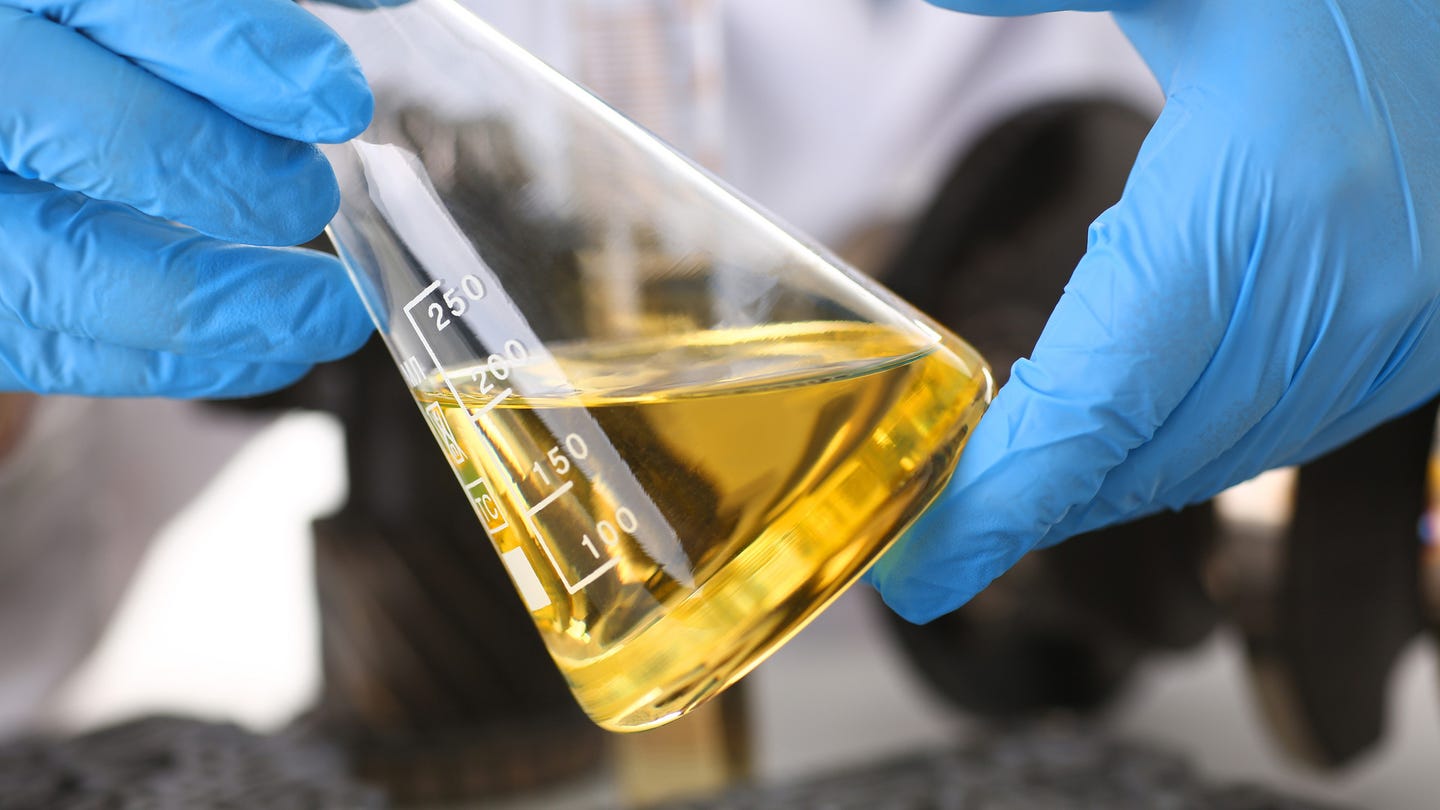
Synthetic fuels are man-made alternatives to the petrol and diesel we’re used to. Instead of using fossil fuels which are produced from crude oil, e-fuels are produced from air and water. The end product is vastly less polluting than conventional fossil fuels.
How are synthetic fuels made?

For regular petrol and diesel, carbon and hydrogen are combined into hydrocarbons, and are produced from crude oil via fractional distillation. We won’t go into a whole chemistry lesson here, but different hydrocarbons condense at different temperatures and this creates different types of fuel.
Synthetic fuels are still made from hydrocarbons, but the hydrogen is distilled from water and the carbon is captured from the air. This is then refined into fuel that’s compatible with existing engines and filling stations. What’s more, the carbon dioxide emitted from the exhaust is the same carbon dioxide that was harvested to make the fuel in the first place.
Advantages and disadvantages of synthetic fuels
| Pros: | Cons: |
|
|
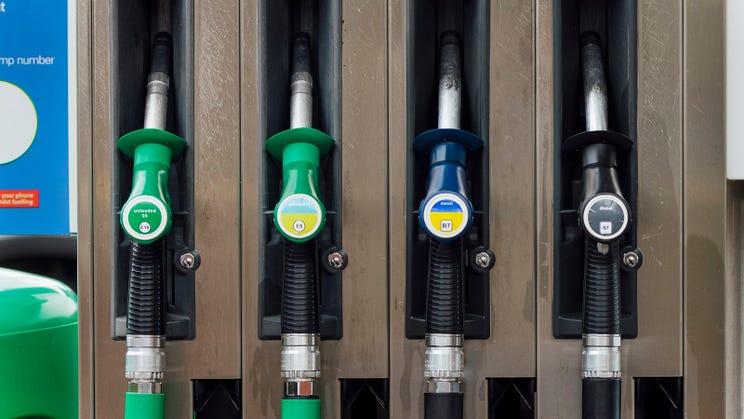
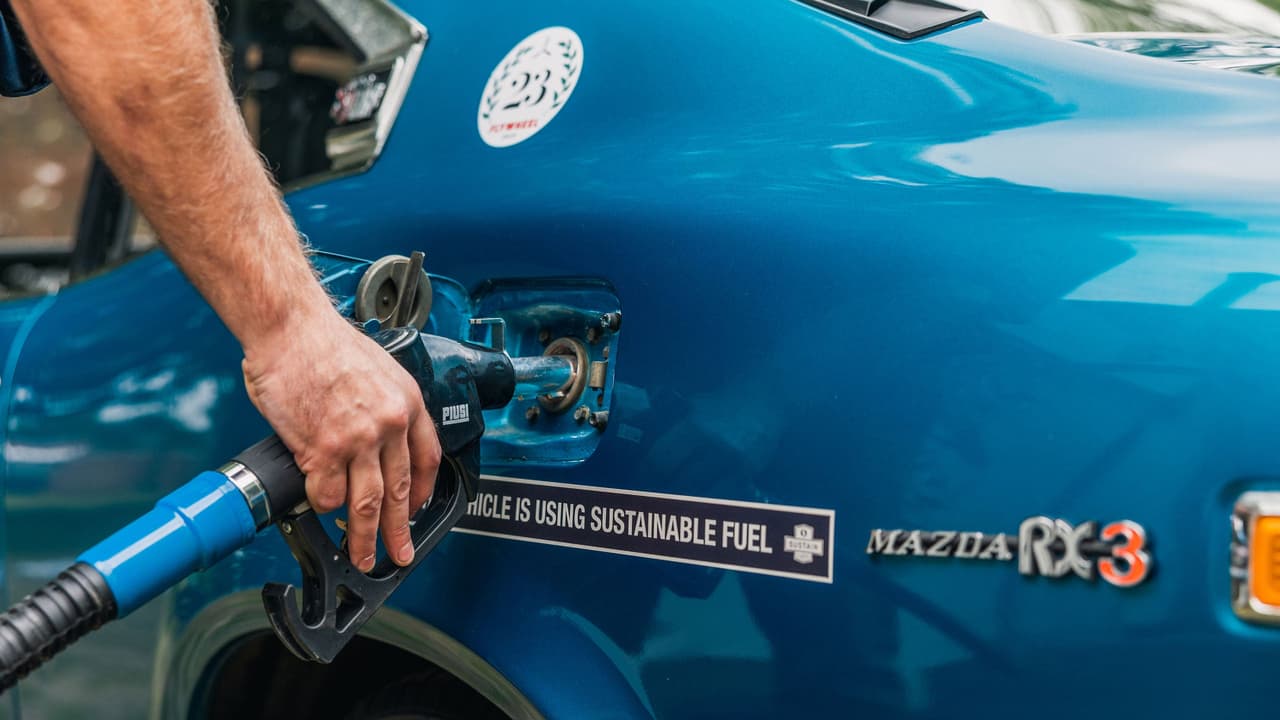
As we’ve highlighted, the actual e-fuel end products are much greener than fuel derived from crude oil. These synthetic fuels can also be used in existing car engines without any modification or loss of performance, and filling stations could dispense it just as easily as the E10 and E5 petrol currently available.
However, it’s currently extremely expensive to make even very small quantities of synthetic fuel. This will come down in time, but the process of creating the fuel will always use a lot of electricity to produce.
You could use solely renewable energy to produce synthetic fuels, but that energy is still more efficiently used to directly power the car. For the same unit of electricity, a fully electric car will go roughly five times further than a petrol car that has had its fuel produced by that unit of electricity.
Will synthetic fuel replace petrol?
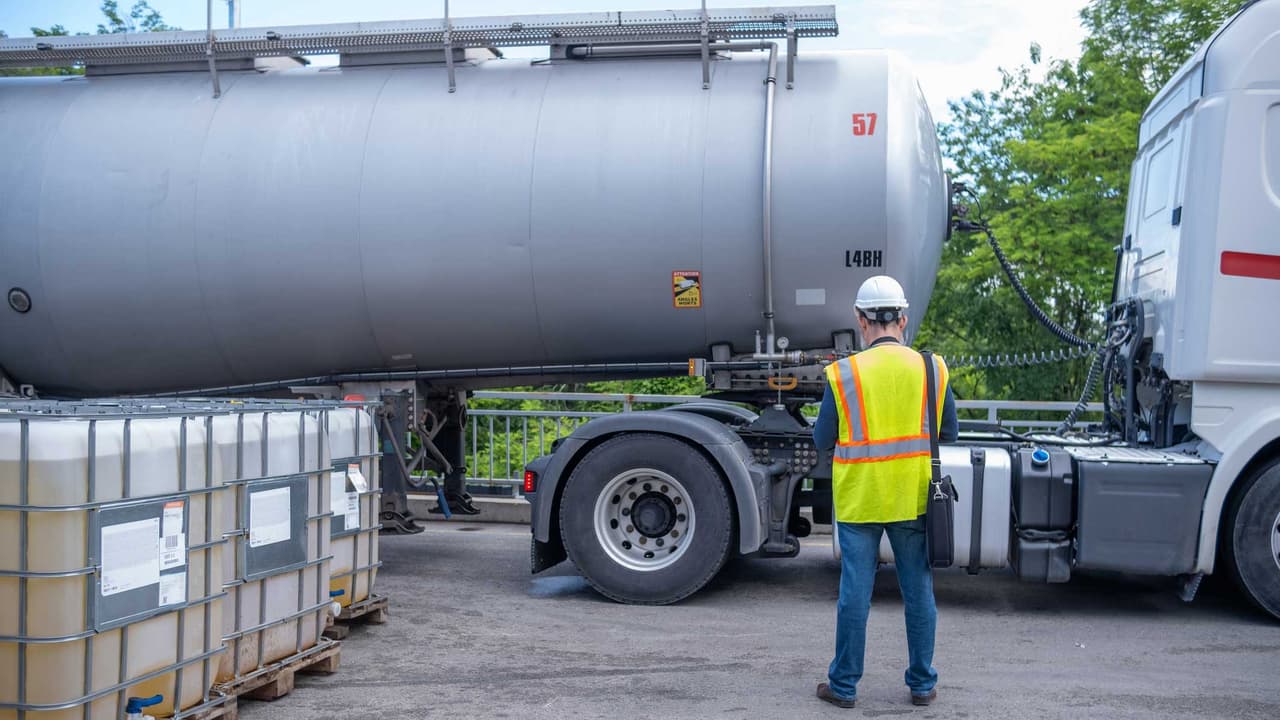
In a few years’ (or decades’) time, the petrol in your local filling station could be synthetic, or at least partially.
The wider point is that synthetic fuel is unlikely to delay or avoid the transition to electric cars. Given how much electric infrastructure we now have, and pressure from the government for carmakers to stop making fuel-powered cars, it seems inevitable that electric is the way forward for mainstream cars and vans.
There are numerous applications where synthetic fuels could (and should) replace traditional petrol, diesel and crude oil. In car terms, classic cars could run on e-fuels to keep them on the road, and motorsport would dramatically cut its emissions by using synthetic fuels.
Synthetic fuel will be most useful in large vehicles that consume huge amounts of power and couldn’t ever be battery powered. The most obvious examples are aeroplanes and container ships. For long-range trucks and logistics firms, synthetic fuels look to be a better option than electric trucks – which have limited fast-charging opportunities at the moment and reduced payloads compared to diesel trucks.
Should you still buy a petrol car in 2026? Read our guide here, or check out our picks for the best petrol cars on sale.