







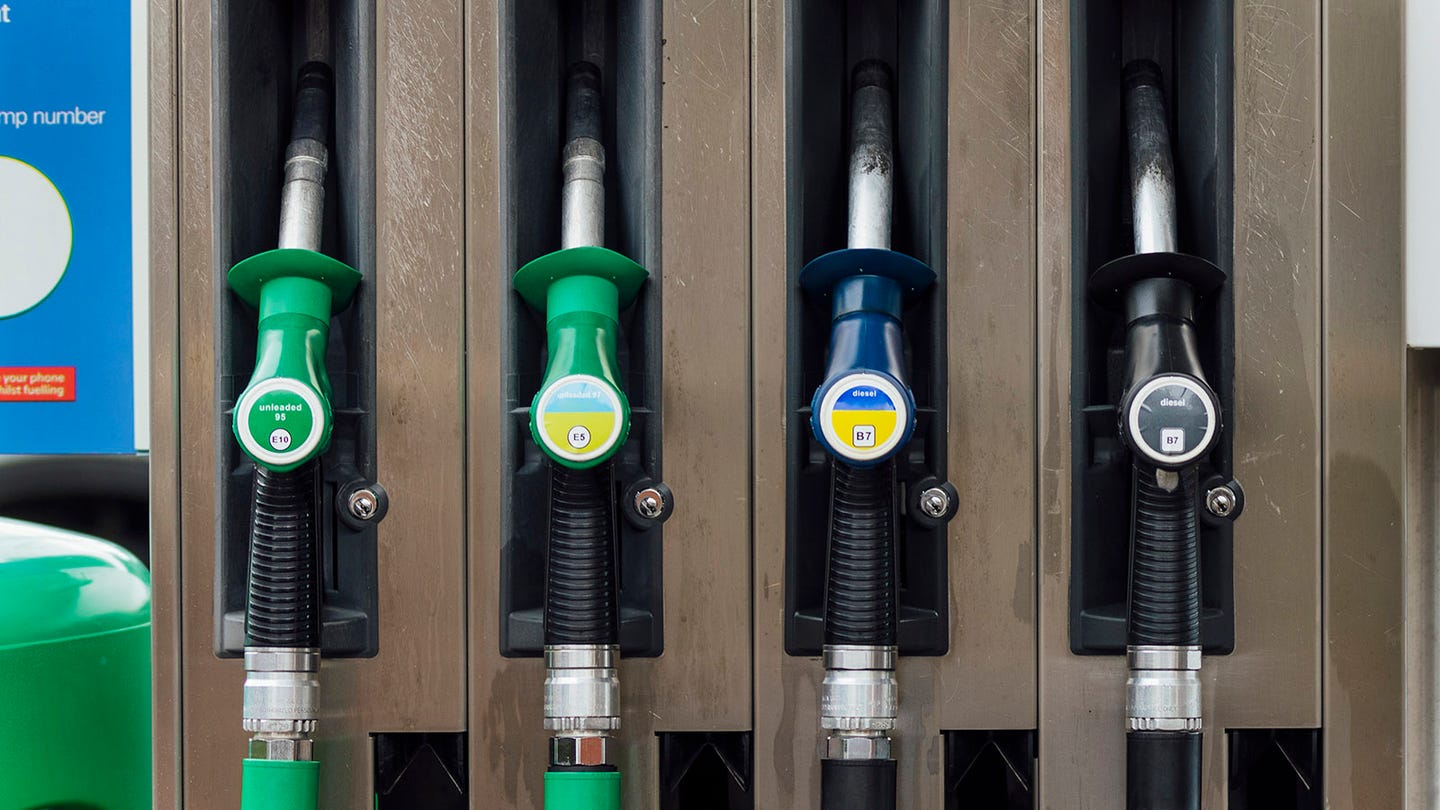

You've probably spotted that most petrol stations have two petrol pumps.
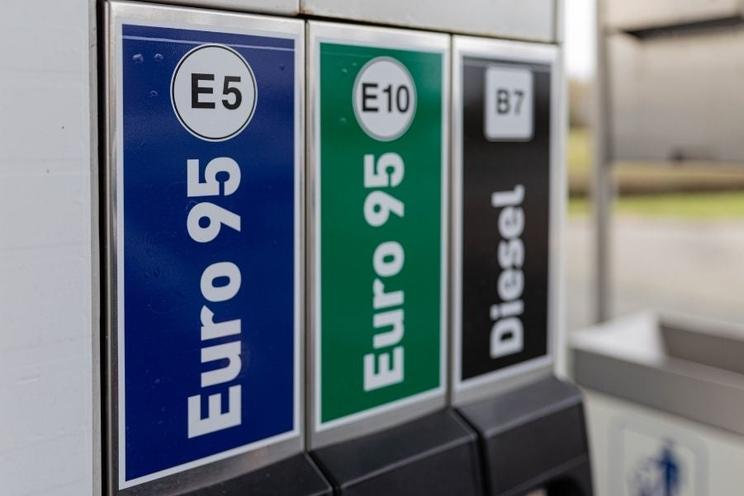
One carrying standard unleaded petrol, often with an 'E10' marker. And another more expensive pump usually marked 'E5', and often with some superlative name like 'Ultimate', 'V-Power' or 'super unleaded'.
So, should you shell out for posh petrol? What are the costs and benefits of running your car on the good stuff? This guide explores the differences between unleaded and super unleaded.
Unleaded vs super unleaded overview
| Unleaded | Super unleaded | |
| RON | 95 | 97-99 |
| Ethanol content | 10% (E10) | 5% (E5) |
| Additives | Small amounts | Greater amounts including detergents |
| Price | Variable | Usually 10-20% more expensive than unleaded |
| What cars can use it? | Most cars from the last 20 years | All cars including old/classic cars that don't use leaded petrol |
What is unleaded petrol?
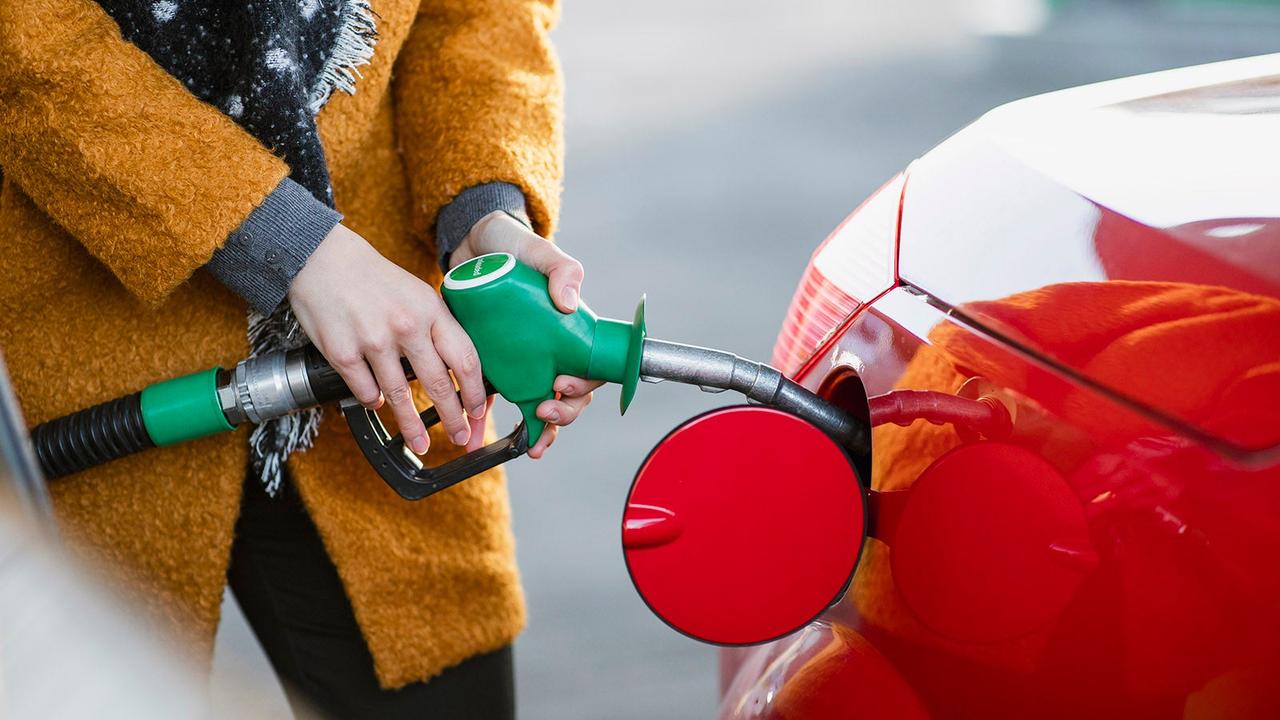
Before we can understand what super unleaded is, let's quickly break down what regular unleaded petrol is. As the name implies, modern petrol doesn't contain any lead, which was previously added to promote engine health.
Scientists eventually figured out that leaded petrol meant harmful lead would get emitted into the environment through the car's exhaust. This caused leaded fuel to be phased out of the UK at the end of the 20th century.
Modern unleaded petrol also contains around 10% ethanol. In theory, this ethanol comes from more sustainable sources, reducing the overall carbon emissions of the fuel once it's burned.
What is super unleaded petrol?
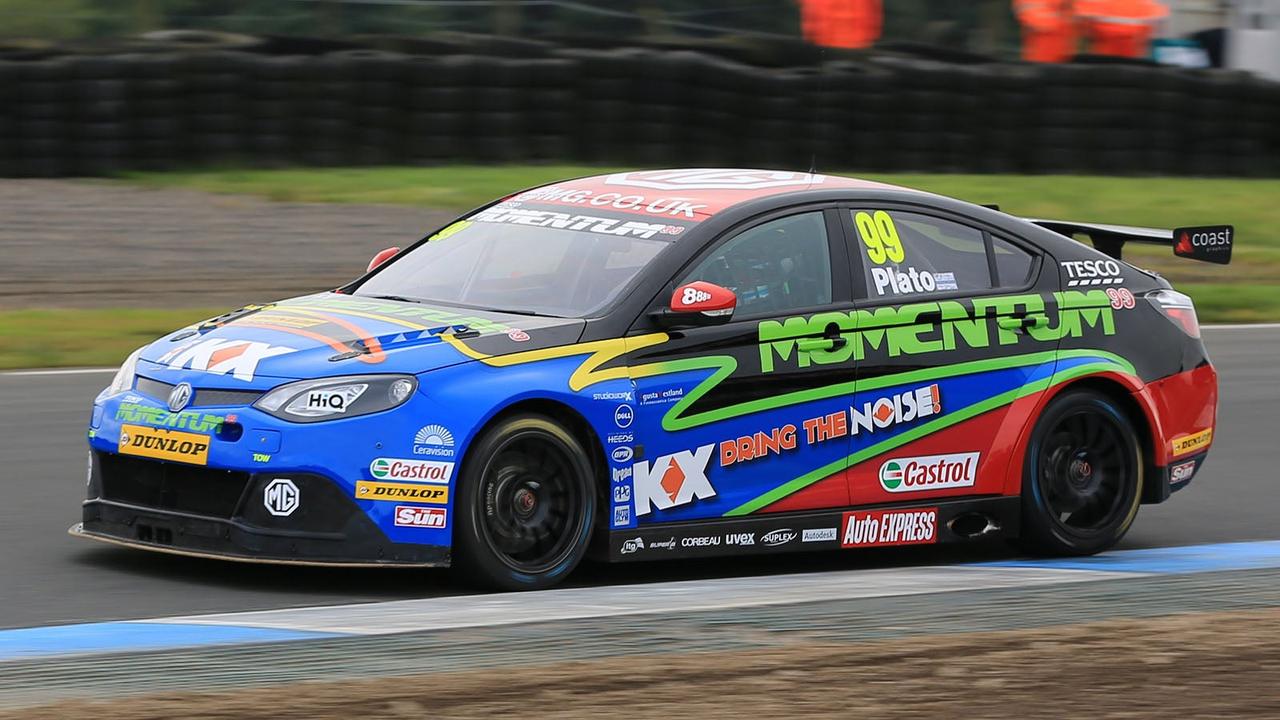
We know what regular unleaded is, so super unleaded must be better right? Well, yes… but, in practice, only certain cars will benefit from super unleaded petrol.
The main difference is super unleaded's higher RON number. We'll explain what that means further down, but super unleaded is fuels rated 97 RON or higher, while regular petrol is 95 RON. Broadly speaking, super unleaded means certain models – usually powerful turbocharged cars – may be able to generate more power and work more efficiently.
Beyond the higher RON figure, super unleaded is usually blended with extra additives that promote engine health. These could be detergents that clean carbon buildup from inside your engine, stabilisers that help the fuel last longer, or corrosion inhibitors to protect delicate parts.
Pros and cons of unleaded and super unleaded
| Unleaded | Super unleaded | |
| Pros |
|
|
| Cons |
|
|
What does RON mean for fuel?
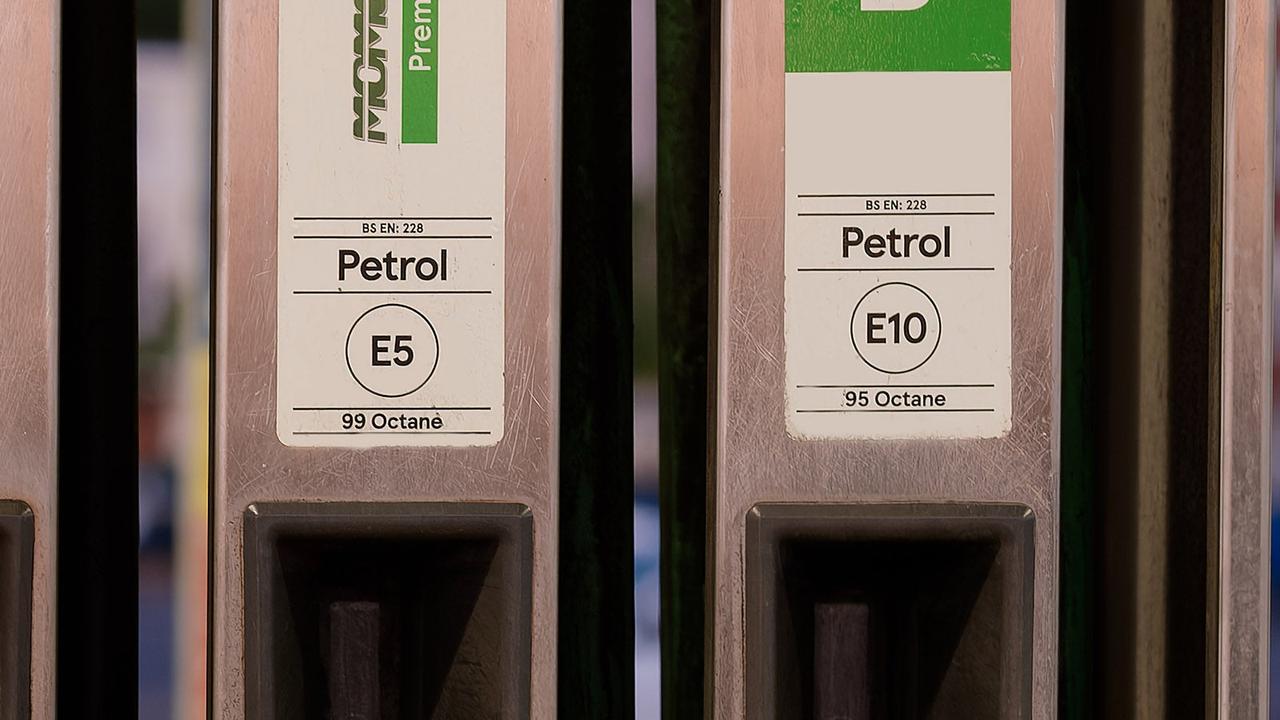
RON stands for 'Research Octane Number' and it's a measure of how stable a fuel is. What that means in reality is that super unleaded with a higher RON number is more resistant to igniting and burning than lower-RON regular petrol.
Hang on a sec… why would the supposedly better fuel be harder to ignite? Shouldn't it be the other way around?
What we're actually trying to understand with RON ratings is how resistant the fuel is to igniting at the wrong time. High-performance engines make lots of heat and pressure, and lower-RON fuels can detonate uncontrollably in these circumstances. This is sometimes called knocking, detonation or pinging, and can quickly damage an engine beyond repair.
That's why high-performance engines often prefer (and sometimes require) super unleaded petrol. These enhanced fuels are less likely to spontaneously detonate under high engine loads, and will only ignite at the exact right time when the spark plug fires. Meanwhile, normal cars are invariably developed to run on standard petrol.
Petrol octane rating
Octane rating is very similar to RON and measures the same thing – how resistant a fuel is to detonating. We use RON in the UK and Europe while, in North America, fuel is usually sold by octane rating.
While they're essentially the same thing, the actual measurement process is different, with octane tests producing a slightly lower number at the end. For example, regular 95 RON petrol in the UK is roughly equivalent to 90 or 91-octane fuel in the USA.
E10 vs E5 fuel
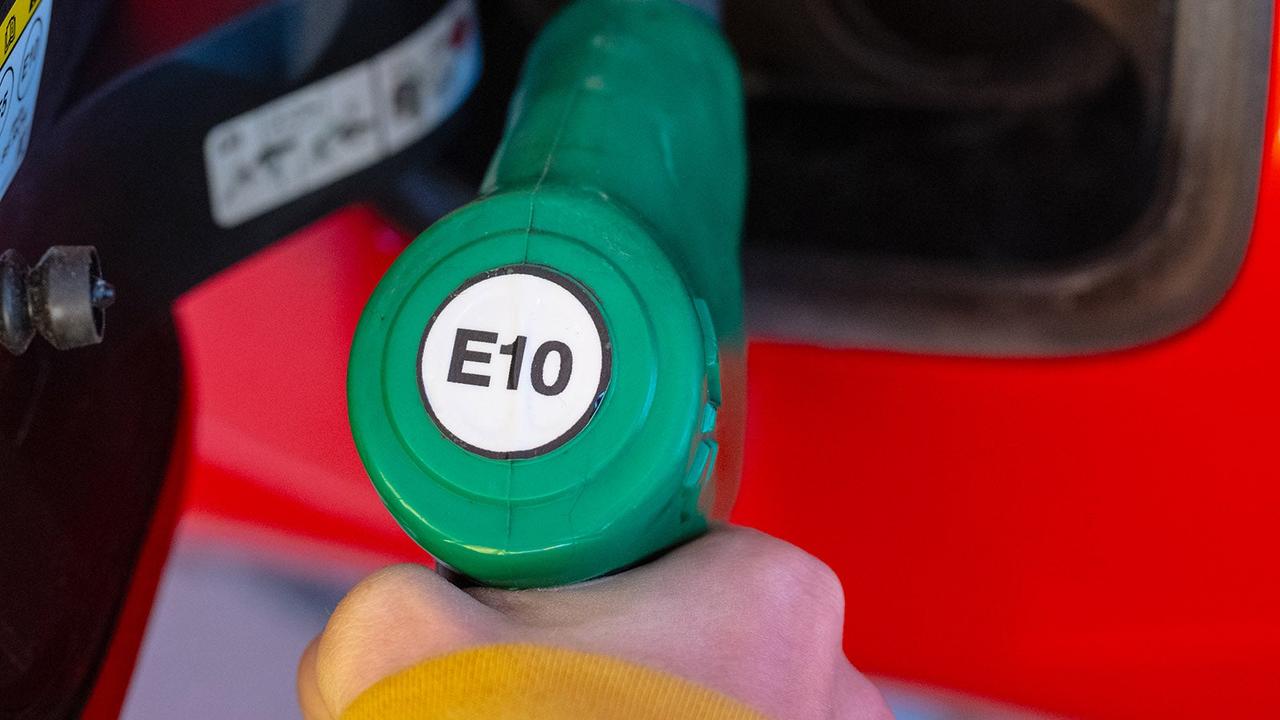
E10 and E5 are ratings that tell you how much ethanol is in the fuel you're buying. Ethanol can be added to fuel to reduce its overall carbon emissions, since it's generated from more sustainable sources. Almost all cars from the last 20 years (along with some older ones) will happily run E10 petrol with no problems.
The ratings refer to the fuel's ethanol content by percentage. So E10 fuel contains 10% ethanol, while super unleaded E5 contains only 5%.
On old cars, ethanol can degrade certain parts of the fuel system. This could lead to fuel lines getting clogged or fuel pumps failing. As a result, older cars are recommended to run super unleaded with its 5% ethanol content as it'll minimise the internal degradation ethanol can cause.
Learn more in our E10 petrol guide.
What's the highest octane fuel you can buy in the UK?
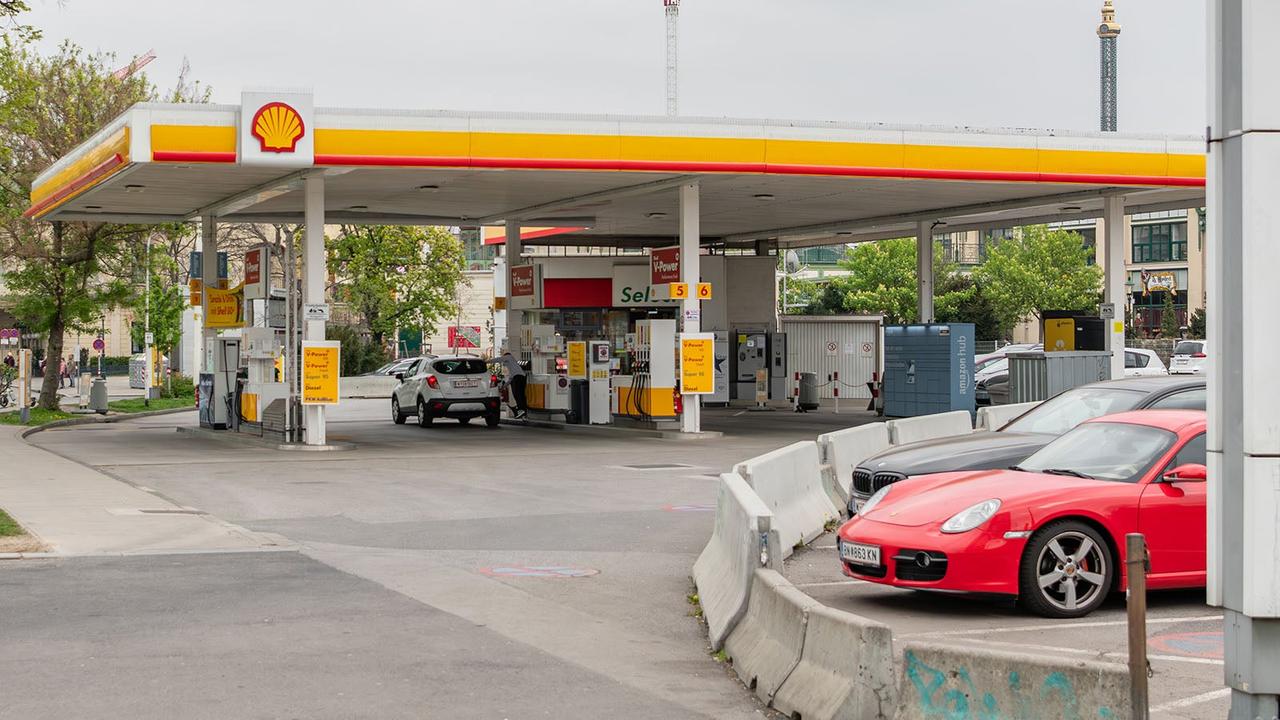
In the UK, the highest octane fuel you'll find at a regular petrol station will be 99 RON. Common brands include Shell V-Power, Esso Supreme+ and Tesco Momentum 99.
Higher octane fuels are available including 102 RON and upwards. However, these are exclusively for race cars with high compressions engines and few if any road cars will be able to take advantage of the extra octane. As you'd expect these race fuels are only offered at race tracks or on specialty order.
What’s the best petrol for my car?
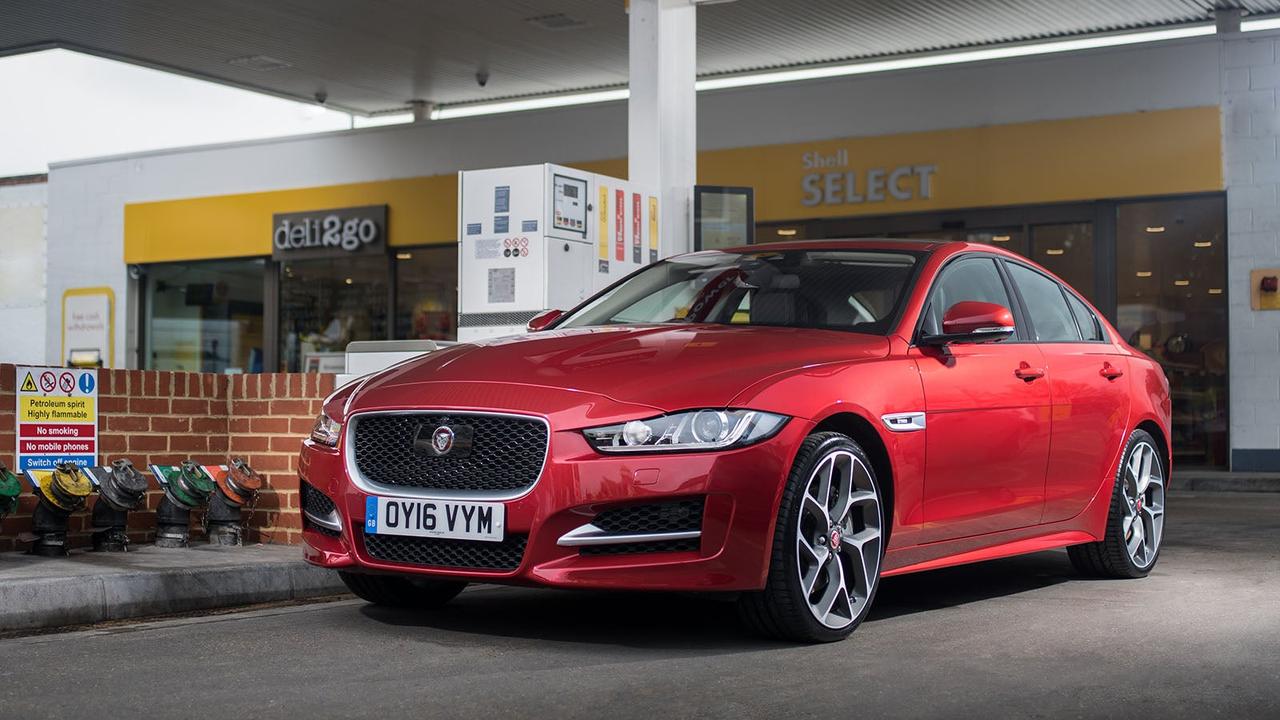
For almost all drivers, regular 95 RON petrol should be more than enough. Many 'normal' cars aren't even programmed to take advantage of the extra octane in 97-99 RON super unleaded, so they'd perform identically even when running on posh petrol.
There are two main reasons to consider swapping to super unleaded:
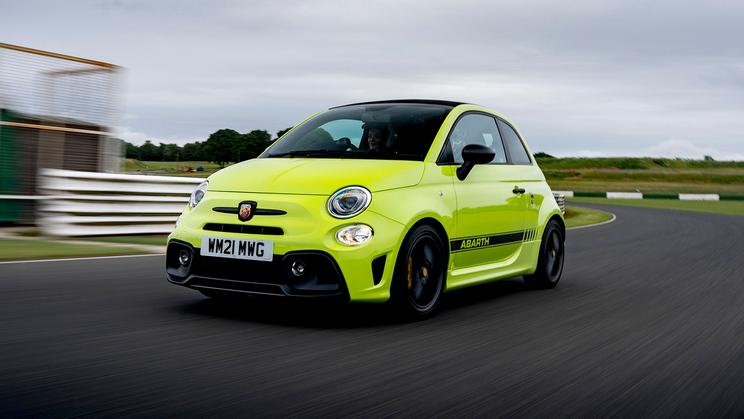
- You have a high-performance and/or heavily turbocharged car – it might be able to run more aggressive timing and make more power from super unleaded petrol. Some of these models might include a note in the fuel filler advising you to only use premium fuel
- You have an old car – the higher ethanol content of regular petrol can damage internal components on old cars (generally those over 20 years old). The lower ethanol content of super unleaded is kinder to these vehicles
Save thousands on your next car
Shop a huge choice of nearly new and used cars for sale at Motorpoint. For more inspiration, check out our picks for the best petrol cars on sale.