








Used hybrid cars for sale
If you’re looking to go a little greener with your new car, but you’re not quite ready to dive straight into the world of electric vehicles, our range of nearly new and used hybrid cars is the perfect place to start.

BMW 2 Series
225e xDrive Luxury 5dr DCT
2023 (73) reg | 22,829 miles
Petrol Plug-in Hybrid | 3 months warranty
£20,049£330 per month
Ford Mondeo
2.0 Hybrid ST-Line Edition 5dr Auto
2022 (22) reg | 27,810 miles
Petrol/Electric Hybrid | 3 months warranty
£20,499£381 per month
Volkswagen Passat
1.4 TSI PHEV GTE 5dr DSG
2022 (22) reg | 44,268 miles
Petrol Plug-in Hybrid | 3 months warranty
£18,449£320 per month
 Save £21,276 on list price
Volkswagen Passat
1.5 TSI eHybrid R-Line 5dr DSG
2025 (25) reg | 9,831 miles
Petrol Plug-in Hybrid | 19 months warranty
£27,349£397 per month

Hybrid cars aim to blend the strengths of both fuel-powered cars and electric vehicles. They feature a traditional engine alongside an electric motor and battery pack, aiming to use one or the other or both in concert depending on the type of driving you're doing.
In practice, this can see you creep through city traffic without ever turning your engine on, while also having the ability to travel long distances without having to use the UK's less-than-reliable EV charging network.
Hybrids are a fairly broad category – all feature an engine of some kind but there are several different levels of electrification available. The category kicks off with mild hybrids – these typically use a beefed-up combined starter motor and alternator that can harvest your car's kinetic energy as you slow down. Mild hybrids cannot directly drive the car's wheels with electricity so are simply used to reduce the strain on the engine, improving fuel economy. Many models in the Suzuki lineup are available with mild hybrid engines, and they can also be found in cars such as the Fiat 500, Ford Puma and Hyundai Kona.
Next up are what you might call full hybrids. These models usually feature a larger, dedicated electric motor and battery pack, and are able to directly power the car's wheels at low speeds without using the engine. They recharge by capturing kinetic energy as the car slows down, which has led some brands to call these models 'self-charging hybrids'. Toyota is well known for using this type of hybrid setup, with models including the Toyota Prius, Toyota Corolla and Toyota C-HR all offering this option.
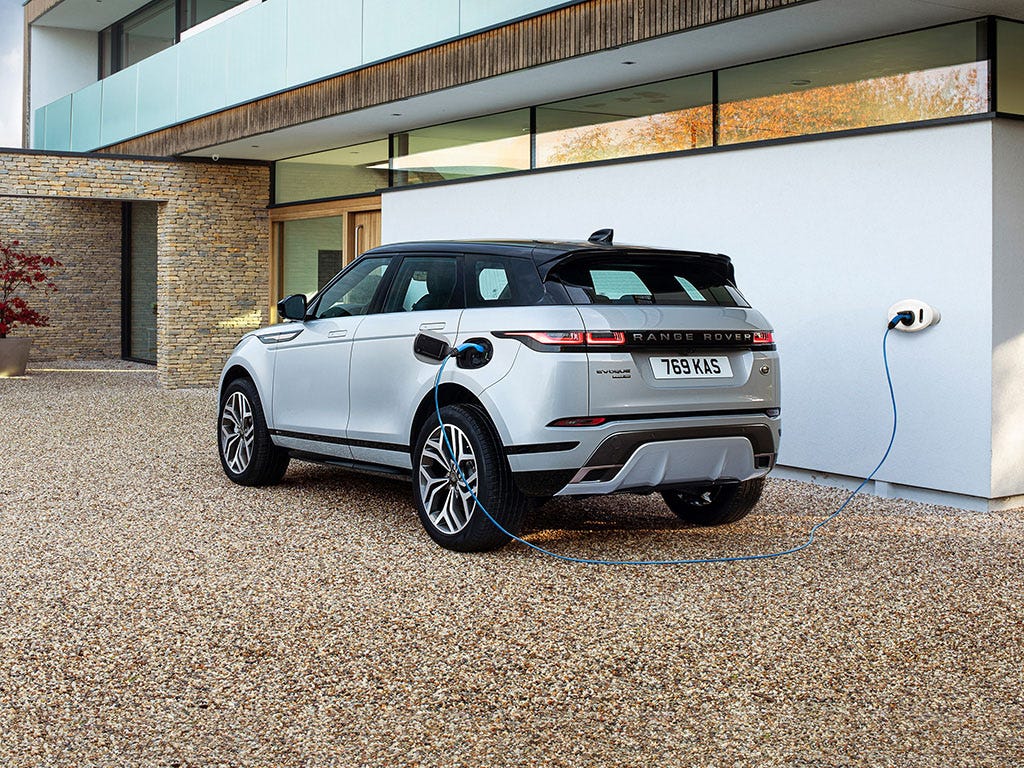
Finally, you'll find plug-in hybrid models – also known as PHEVs. These usually feature the largest and most powerful electric motors and battery packs of all hybrid types. They can power the wheels on electric power alone – often up to fairly high speeds – and, crucially, can be recharged from a charging point just like a full EV, in addition to regaining charge as you slow down. PHEVs are now offered by many carmakers – examples include the Audi A3, Ford Kuga and BMW 3 Series.
Read our hybrid buying guides
FAQs
A hybrid car is powered by both a fuel-driven engine and an electric motor mated to a battery pack. This is intended to give you the best of both worlds – silent, emissions-free electric running around town, as well as long-distance ability thanks to the conventional engine. Hybrids usually come in three main types – mild hybrids, full hybrids and plug-in hybrids.
Mild hybrids use a beefed-up combined starter motor and alternator to recapture energy when slowing down to reduce strain on the engine.
Full hybrids are able to move the vehicle on electric power alone for short distances at slow speeds. Like mild hybrids, they are recharged solely by capturing energy when slowing down.
Plug-in hybrids have the largest motors and batteries and can usually power the vehicle on electric power alone for reasonably long distances as relatively high speeds. They can be recharged from an EV charging point as well as from energy captured while slowing down.
Hybrid cars aren't, by definition, any more or less reliable than non-hybrid cars. It's more useful to consider each carmaker and model's specific reputation for reliability.
Brands such as Toyota, Honda and Hyundai all offer a wide selection of hybrid models, and each enjoys a strong reputation for reliability.
In practice, there's little difference between buying a used hybrid car compared with buying a used non-hybrid. Long-term reliability is much more likely to be affected by maintaining regular service intervals and avoiding an aggressive driving style than by the car's fuel or engine type.
Battery packs can and do degrade over time but this process can take many years, often longer than the vehicle's useful lifespan. Again, avoiding a harsh driving style and generally being gentle with the controls is a good way to reduce strain on your car's individual components.
Hybrid cars are great for drivers who mainly travel in cities and urban areas. In slow-moving and stop-start traffic, you can rely solely on the car's electric power to trundle you along, using no fuel in the process.
Of course, hybrids also work perfectly fine in rural areas and on long motorway journeys, but might not see quite as large of an economy boost compared to a non-hybrid car as they might in the city.
Compared with non-hybrid, fuel-powered cars:
- Hybrids are better for the environment because they emit fewer harmful emissions
- Hybrids have lower fuel costs thanks to the electric motor taking the strain of stop-start traffic
Compared with fully electric cars:
- Hybrids can simply be refuelled on long journeys, avoiding the need to track down a working EV charger
Compared with non-hybrid, fuel powered cars:
- Hybrids tend to cost a little more up front thanks to the extra technology under the bonnet
- Hybrids may see little economy benefit on long motorway journeys where the electric motor isn't really being used
Compared with fully electric cars:
- Hybrids may see little economy benefit on long motorway journeys where the electric motor isn't really being used