













All Volkswagen cars come with a standard three-year factory warranty.
This covers all Volkswagen passenger vehicles from the tiny Volkswagen Up to the hefty Volkswagen Touareg. Three years is broadly the industry-standard level of protection, but carmakers like Toyota, MG and Kia all offer longer warranty coverage.
This guide explains the terms of VW's warranty, including the parts that are covered and what exclusions you should watch out for.
Volkswagen three-year warranty overview
- Applies to all Volkswagen passenger vehicles
- Lasts for three years or 60,000 miles – whichever comes first
- Doesn't cover parts that are considered wear-and-tear
- Doesn't cover damage caused by accidents, misuse or neglect
- Automatically transfers between owners for as long as the terms aren't broken
- High-voltage EV and hybrid batteries are covered under separate warranties
- Volkswagen offers an extended warranty at an extra cost
How long is Volkswagen's manufacturer warranty?
Volkswagen's total factory warranty lasts for three years or 60,000 miles – whichever comes first. That's made up of the first two years of coverage, where no mileage limit applies, and then a third year of coverage which includes a 60,000-mile distance limit.
The warranty start date is counted as the day the car was registered, or the day it was handed over to the first owner – whichever comes first (they're usually the same day). You can use the DVLA's vehicle information checker to find out when your car was registered.
This three-year period is for the main vehicle warranty that covers the majority of the car's components. Volkswagen has a separate 12-year warranty against internal vehicle rust and other specific coverage that applies to high-voltage batteries in electric cars and PHEVs.
What does Volkswagen's three-year warranty cover?
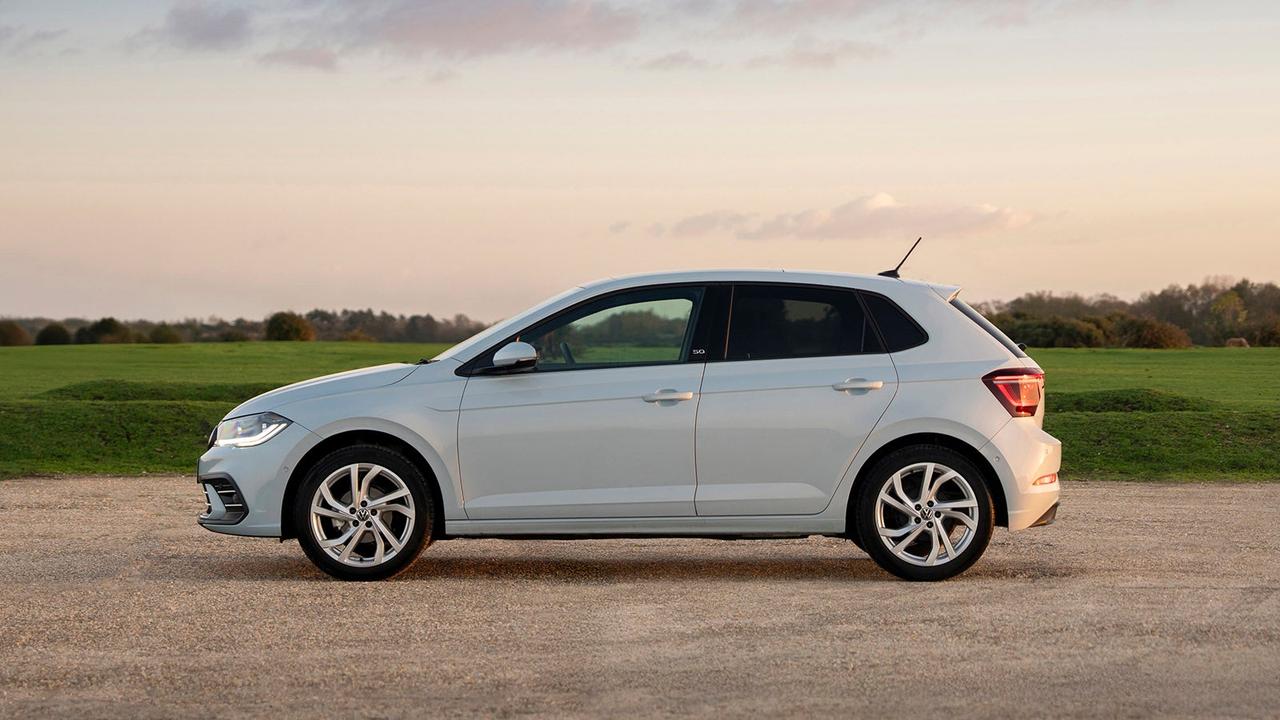
Like most manufacturer warranties, Volkswagen's coverage only applies to parts that fail due to problems with their material, manufacture or assembly. This means only failures that can reasonably be attributed to Volkswagen will be covered. Any failures caused by accidents, misuse or neglect won't be covered as these weren't caused by Volkswagen.
The warranty applies to most mechanical and electrical parts that aren't considered wear-and-tear items (see below). Examples of typical warranty items include:
- Engine (excl. oil, spark plugs, etc)
- Fuel system
- Cooling system (excl. coolant)
- Exhaust system
- Gearbox (excl. gearbox oil)
- Steering (excl. power steering fluid)
- Brakes (excl. discs, pads, drums, shoes and brake fluid)
- Electric and hybrid drive components
- Electrical system (excl. fuses)
- On-board electronics
- Safety systems
What does Volkswagen's three-year warranty not cover?
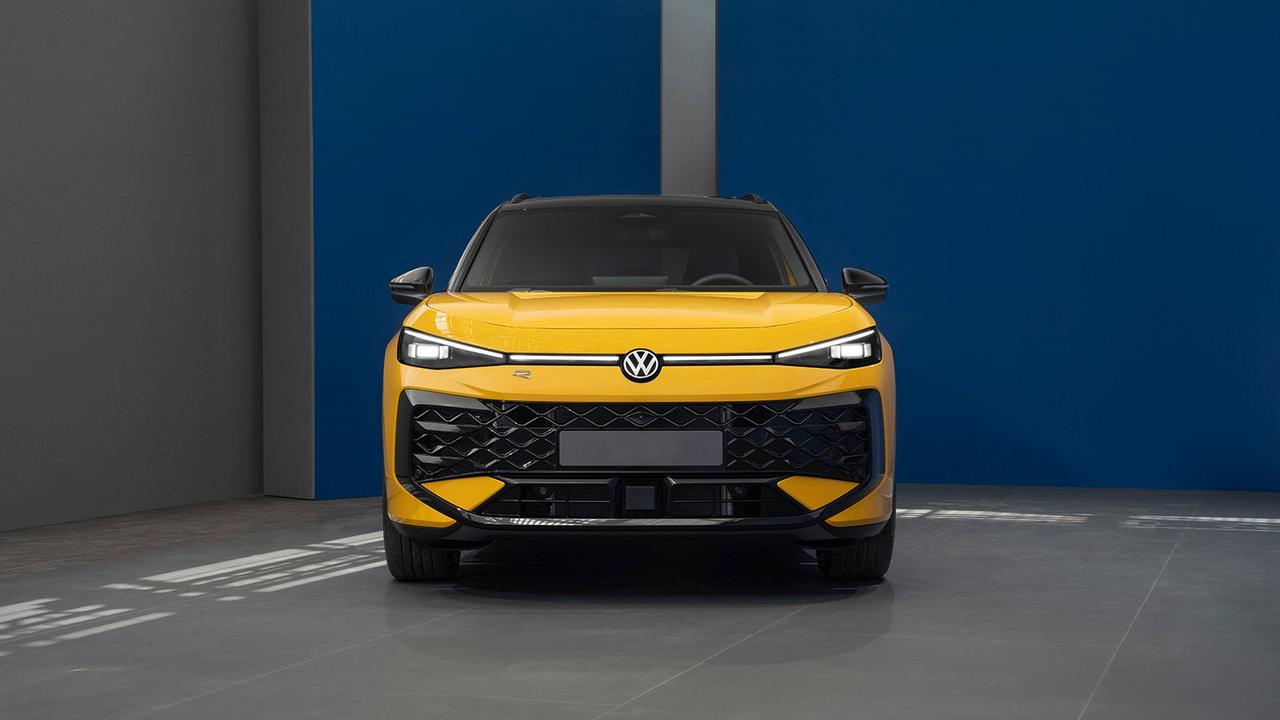
You can read Volkswagen's full warranty terms and conditions for more specific guidance. However, Volkswagen's non-exhaustive list of wear-and-tear items includes:
- Brake linings, discs and pads
- Clutch release bearings
- Clutch pressure plates and centre plates
- Tyres
- Wiper blades
- Seat and backrest covers
- Floor coverings
- Spark plugs
- Batteries for key fobs and alarms
- Light bulbs
- Shock absorbers
- Any adjustments needed to correct bodywork, brakes, clutch, headlights, steering geometry or wheel balancing
While these parts are not typically covered, Volkswagen will honour a warranty repair claim if a clear manufacturing defect is found on these parts within the vehicle's first six months or 6,500 miles on the road – whichever comes first.
Volkswagen will reject your warranty claim if you've failed to keep up with your car's recommended service intervals. Most Volkswagen cars need to be serviced every 12 months or 9,300 miles – whichever comes first. Volkswagen has the right to request proof that you've had your car maintained on schedule and to the brand's required standards. That's why you should keep all maintenance receipts and documents for future reference.
You're also required to contact your local Volkswagen dealer or service centre as soon as a problem becomes apparent. If you continue to drive a car that's experiencing an issue, you might make the problem much worse. Failing to let Volkswagen know about the problem in a timely manner may cause your claim to be rejected.
Any modifications to your Volkswagen beyond factory specification will probably see your warranty claim rejected too. This is the case even if the modifications are completely unrelated to the part that failed. You should also refrain from installing any software or tampering with the car's built-in software in any way, including making changes to its on-board mileage counter – any such breaches will see your warranty invalidated.
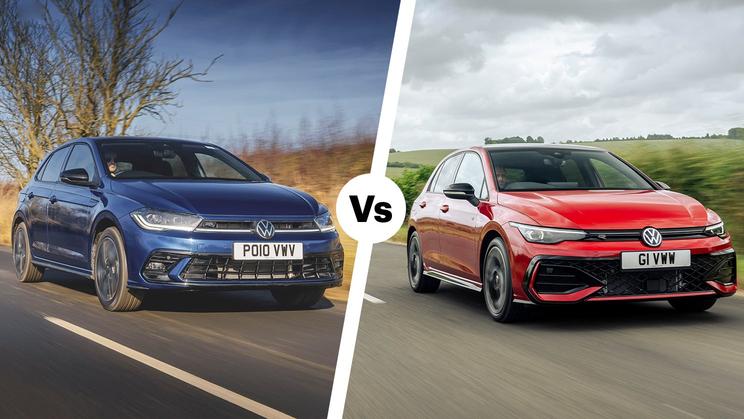
You'll also find your claim rejected if the failure was caused by 'improper use of the vehicle'. This includes things like excessive hard driving, carrying too much weight or towing too heavy a load. Volkswagen also highlights 'use of the vehicle for motor sports activities' as an exclusion – something to bear in mind if you've bought a high-performance model like a Polo GTI or Golf R.
Volkswagen warranty limited coverage items
Parts replaced under warranty
Any parts that Volkswagen replaces on your car as part of a warranty repair will be covered for the remainder of the vehicle's original factory warranty.
Parts replaced that aren't warranty items
Any replacement parts that are fitted to your Volkswagen outside of a warranty claim – for example, a new door mirror replacing one that was accident damaged – are covered for two years with no mileage limit.
Official Volkswagen accessories
If your Volkswagen was specified from the factory and delivered brand-new with an official accessory, then that accessory is covered under the vehicle's standard three-year/60,000-mile warranty.
Any official accessory that was purchased from and fitted by a Volkswagen dealer or service centre after your vehicle was delivered is covered by a two-year/unlimited-milage warranty.
Paintwork
Your Volkswagen's paintwork is covered against manufacturing defects for three years with no mileage limit. Be aware that this only applies to defects with the original paintwork that can be attributed to material quality or its application. Any external paint damage caused by weather, accidents, vandalism or other environmental factors won't be covered.
Is Volkswagen's three-year warranty transferable?
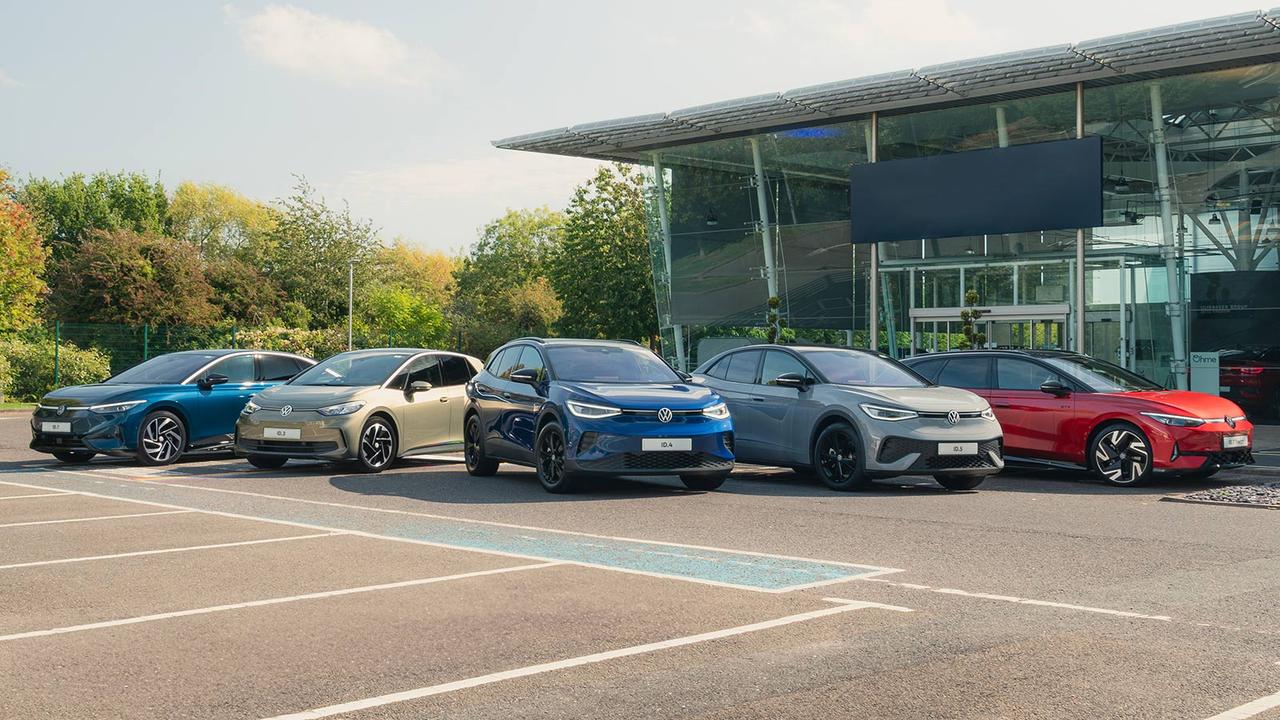
Yes. Volkswagen's three-year factory warranty – along with the paintwork, anti-perforation and EV battery warranty – automatically transfers to the new owner when the vehicle is sold. All current and previous owners must have stuck to the terms and conditions of the warranty throughout their ownership. That means the car has been serviced properly, is unmodified and is less than three years old with fewer than 60,000 miles.
There is one exception here – the five-year battery degradation warranty that's offered on plug-in-hybrid Volkswagen models. For these vehicles, the warranty only applies to the first owner and doesn't transfer to subsequent owners.
Many nearly new Volkswagen cars for sale at Motorpoint still have plenty of their original factory cover remaining. You can check how much warranty cover each individual car we sell has remaining on its listing page. Any Motorpoint cars outside their original warranty period automatically get a three-month Motorpoint warranty for free.
How long is Volkswagen's hybrid and EV battery warranty?
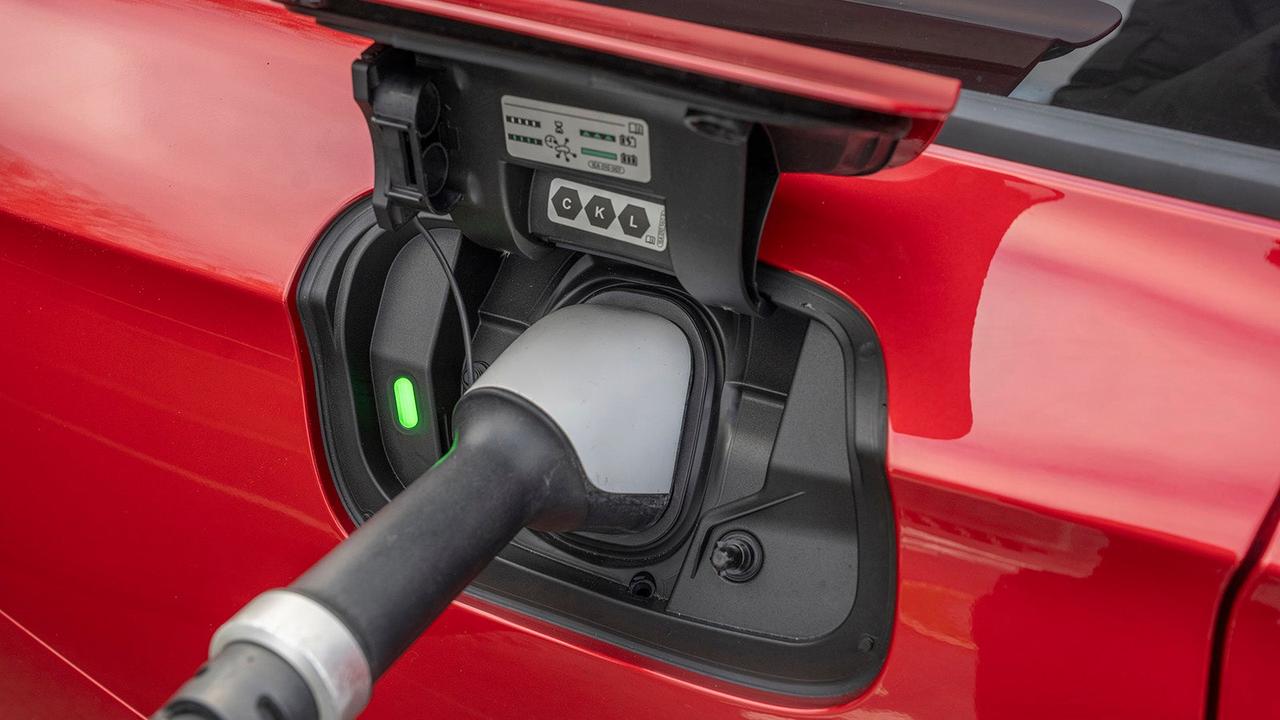
The high-voltage battery packs used in Volkswagen's electric and hybrid cars are covered by a separate warranty. This is because it's natural for these batteries to lose a little capacity over time, and these warranties protect against excessive loss.
For fully electric cars, Volkswagen guarantees the battery pack will retain at least 70% of its original capacity for the first eight years of the car's life, or the first 100,000 miles – whichever comes first. Be aware that EV battery packs should last a lot longer than this if they're properly cared for. You can help your EV's battery last as long as possible by limiting your max charge to 80% for day-to-day driving, and only using the full 100-0% range for long journeys.
The battery packs in Volkswagen's plug-in-hybrid cars are covered for five years or 100,000-miles, with the same 70% capacity guarantee. Be aware that this warranty only applies to the vehicle's first owner, and is the only VW warranty that doesn't automatically transfer to the car's new owner when it's resold.
All other batteries such as 12V starter batteries, or 48V and mild-hybrid battery packs are covered under the vehicle's standard three-year warranty. This protection only applies to battery failures and doesn't protect against capacity fade.
Any manufacturing defects found in EV or PHEV batteries (separate from capacity fade) are covered for eight years or 100,000 miles – whichever comes first. This and all other battery-related warranties include stipulations that you properly care for the battery and don't tamper with or damage it in any way.
What is Volkswagen's anti-perforation (rust) warranty?
Volkswagen guarantees its cars against perforation – rust that's started on the inside of the car and eaten away a hole to the outside – for 12 years. This cover has no mileage limit.
This only applies to rust that's formed internally as a result of a defect with Volkswagen's material or workmanship. Any external rust that's formed by external environmental factors such as weather, neglect or unrepaired damage will not be covered by the anti-perforation warranty.
Can you extend Volkswagen's three-year warranty?
Yes. Volkswagen offers the ability to extend your warranty beyond its original three-year length. It sells three levels of protection, available for VW vehicles provided they've covered less than 100,000 miles.
The 'Essentials' package covers key items like the engine, gearbox and electric or hybrid drive systems. 'Standard' cover brings the extended warranty broadly in line with the brand's new vehicle warranty, while adding consequential failure cover. Finally, 'Plus' is the most thorough protection, adding cover for water ingress and extras like factory-fitted LPG systems.
Once your Volkswagen factory warranty has lapsed, you're not obliged to seek out extended cover from Volkswagen. There are a range of third-party warranty providers that specialise in older cars and these might end up costing less than VW's extended cover. Motorpoint also offers its own extended warranty package.
Does Volkswagen's three-year warranty apply to all models?
Yes. Every Volkswagen passenger car is protected by its warranty. You just need to stick to the terms and conditions of the warranty cover, and your car must be less than three years old with fewer than 100,000 miles.
That means popular cars like the Volkswagen Polo, the Volkswagen T-Roc and the Volkswagen Tiguan are all protected as standard.