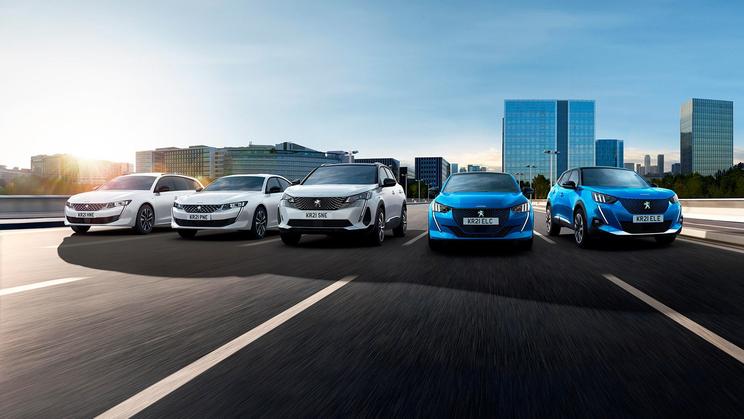
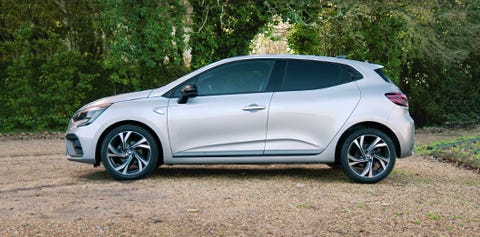
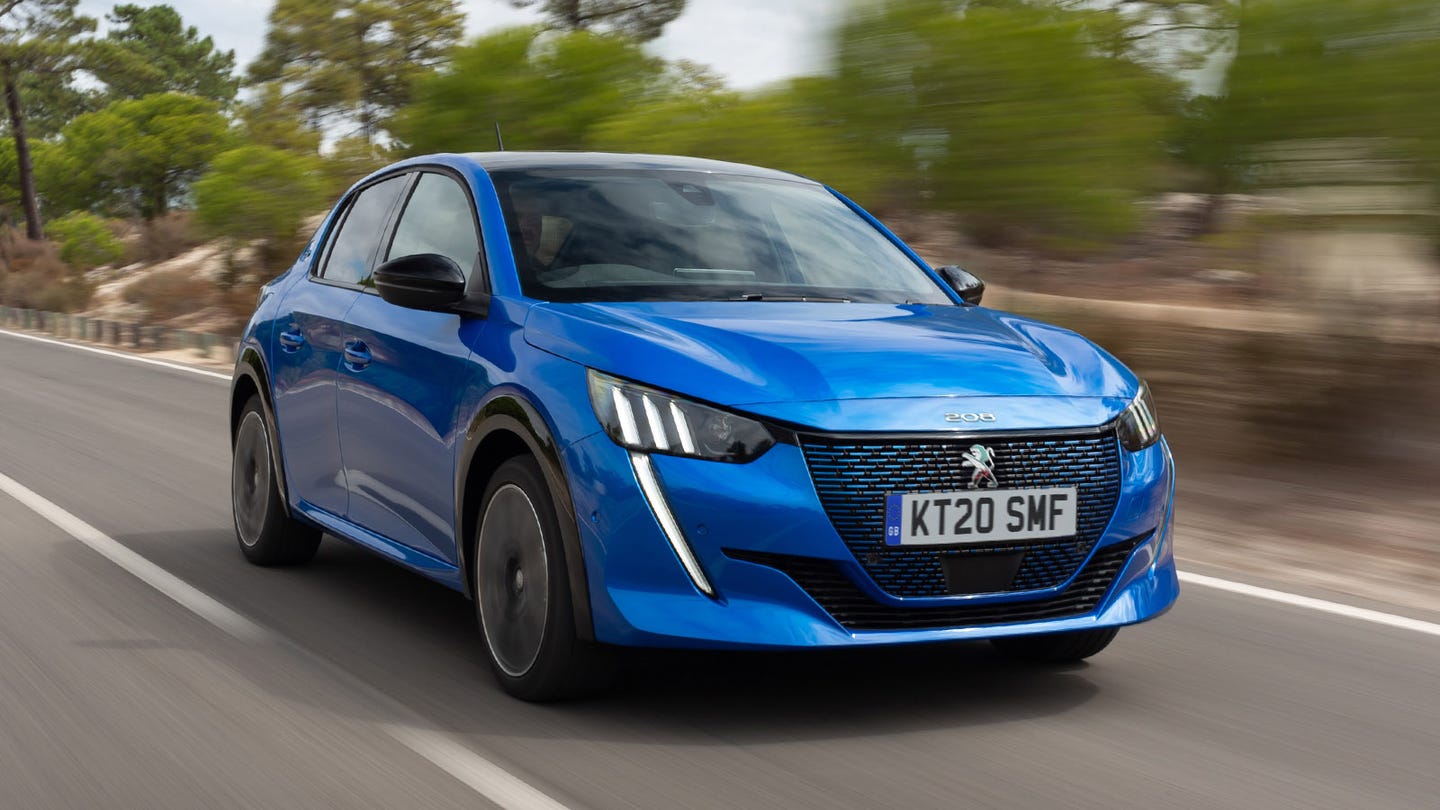






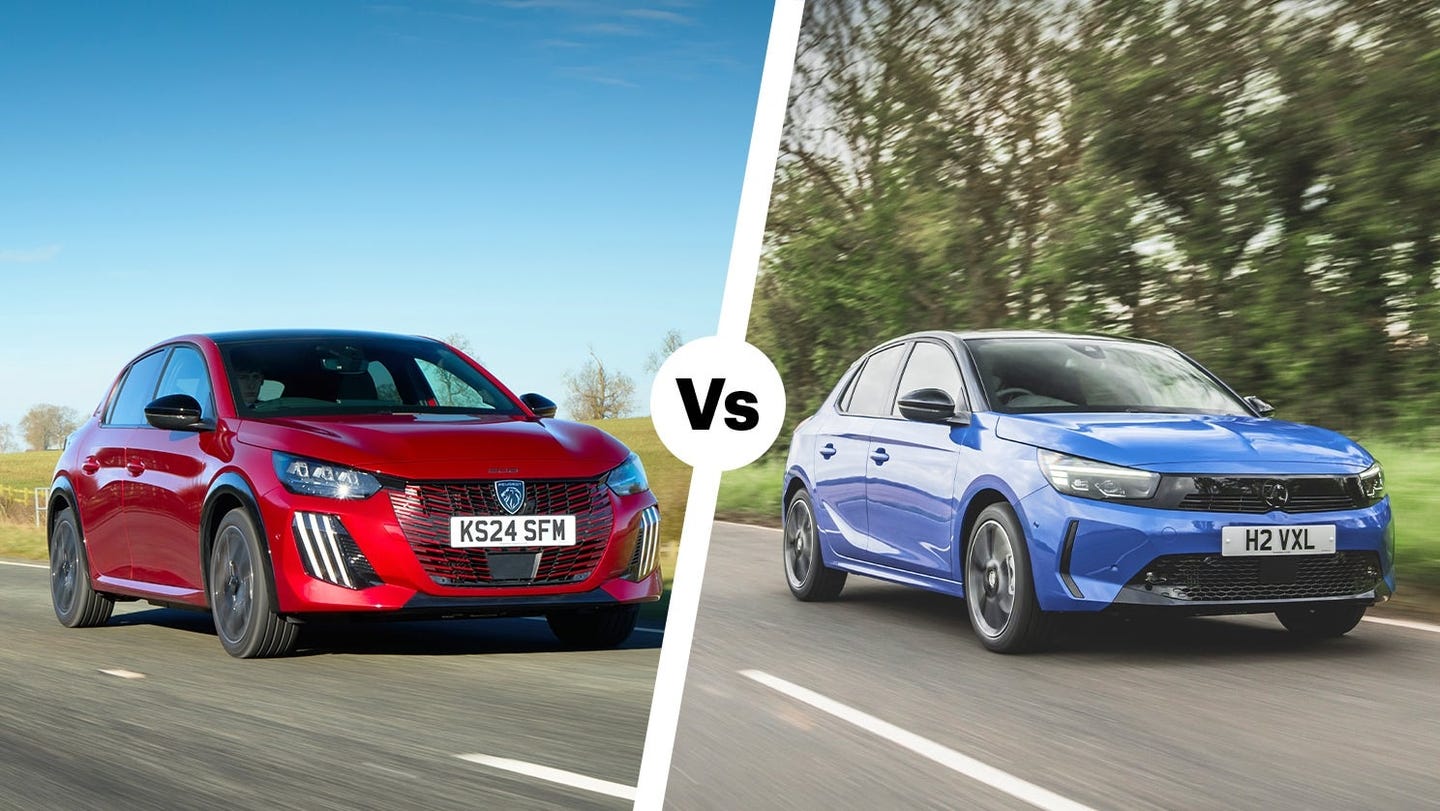

As you’re about to read, the Peugeot 208 and Vauxhall Corsa are very similar in some respects.
That shouldn’t come as a surprise when the vast majority of bits beneath the skin are shared between the two cars.
Both offer petrol and electric options, and both are small enough to park easily while being big enough to carry four adults occasionally. Read on to find out which is the best one for you.
Peugeot 208 vs Vauxhall Corsa compared
| Peugeot 208 | Vauxhall Corsa |
Pros:
| Pros:
|
Cons:
| Cons:
|
Styling
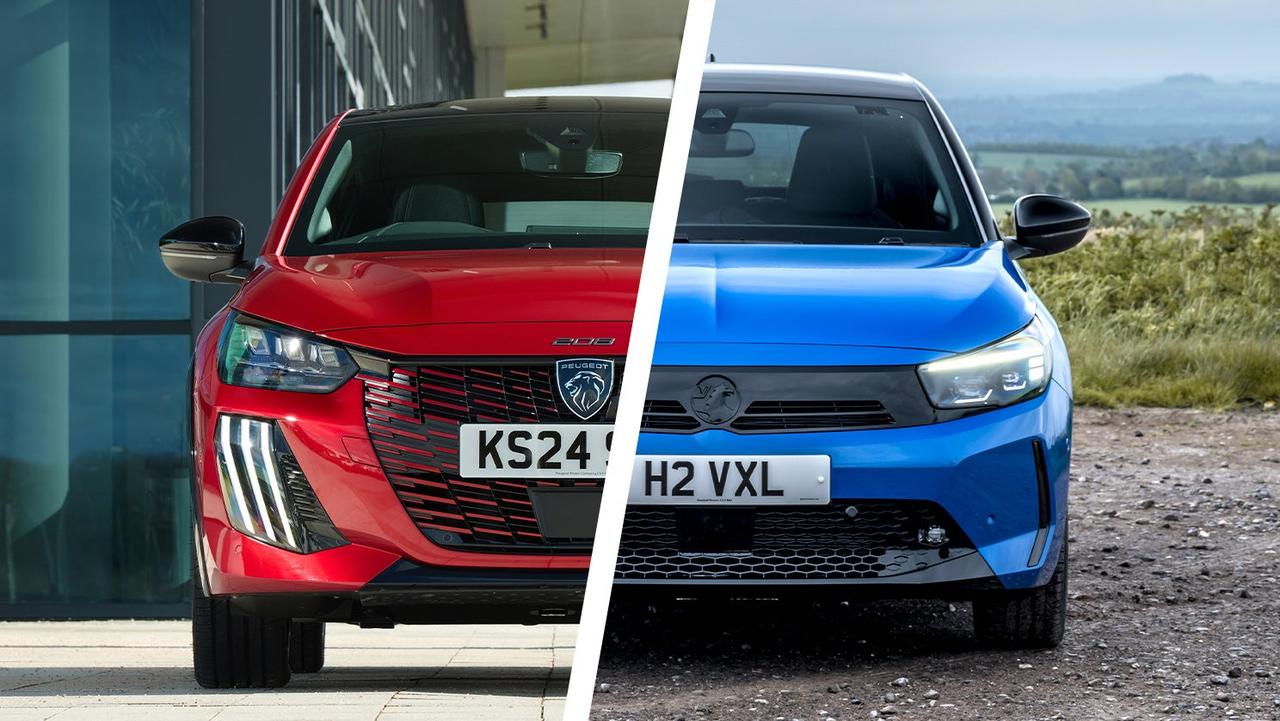
You’ll know which car you prefer the look of, but the 208 does more to stand out. Check out its three LED stripes on the front bumper that look like they’re from an Oasis concert, the intricate grille that looks like a spaceship going at hyperspeed, and the unconventional alloy wheels that’ll get your head in a spin. To reinforce its star quality, the standard colour is a bright shade of lime.
The Corsa is quite a smart-looking thing, with a black bar between the headlights and a bit of a winged eyeliner look. But the more restrained styling – coupled with the car’s sheer familiarity – means it won’t catch your eye in the same way that the Peugeot will. Its colour palette is comparatively demure, too.
Interior and technology
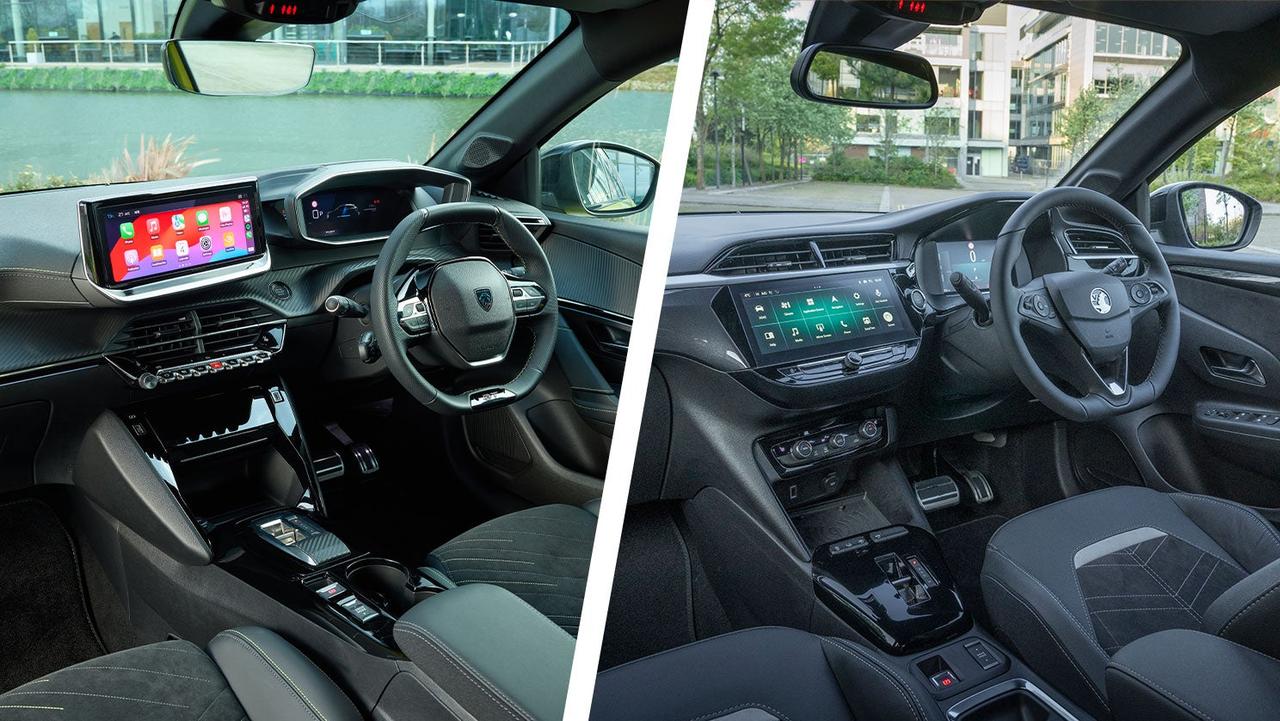
Inside, you might not realise that the Corsa and 208 are related – well, until you spot the shared gear lever and stalks.
The 208 is certainly more stylish, with Peugeot’s i-Cockpit system that features large digital dials, a small steering wheel and driver-oriented touchscreen. There’s extensive carbon fibre-effect trim across the dash and a row of sleek piano-key buttons. As well as the interior design, the build quality is borrowed from larger Peugeots, so the 208 feels better built than the Corsa. Actually, better built than most superminis.
The Corsa’s interior is a lot more prosaic. There’s a big touchscreen but it’s integrated neatly into the dash, and there are physical buttons for the climate controls – they're a lot easier to use than the 208, which makes you dive into the screen. The steering wheel is more ordinary, but nice to hold and its buttons are more clearly labelled than the 208’s wheel.
However, the tiny digital dials aren’t anywhere near as impressive as the 208’s cluster, and Vauxhall’s material quality isn’t as good as Peugeot’s. But then, the Corsa is cheaper so that’s understandable.
Dimensions and practicality
| Peugeot 208 | Vauxhall Corsa | |
| Length | 4,055mm | 4,060mm |
| Height | 1,430mm | 1,433mm |
| Width (excl. mirrors) | 1,745mm | 1,765mm |
| Boot space (seats up/down) | 311/1,106 litres | 267-309/1,081-1,118 litres |
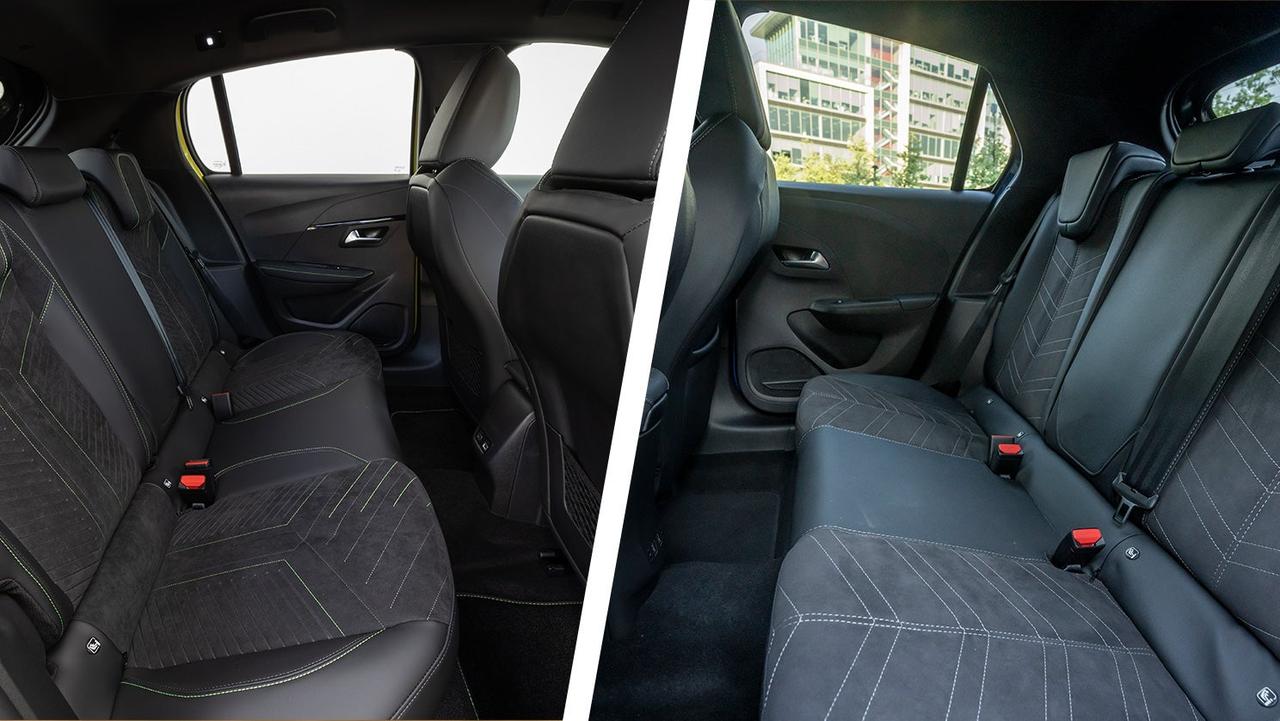
These cars sit on the same platform and have the same 2,540mm wheelbase, so there’s absolutely nothing to choose in terms of practicality. Neither model is the most spacious supermini but both the 208 and Corsa offer just enough space for four adults.
Boot space is average for the class, too, with the 208 and Corsa offering a similar amount of luggage capacity as the Ford Fiesta. It’s worth noting that, while the electric Peugeot e-208 gets the same amount of boot space as the petrol model, the electric Corsa is a bit less capacious than the petrol Corsa.
Engines
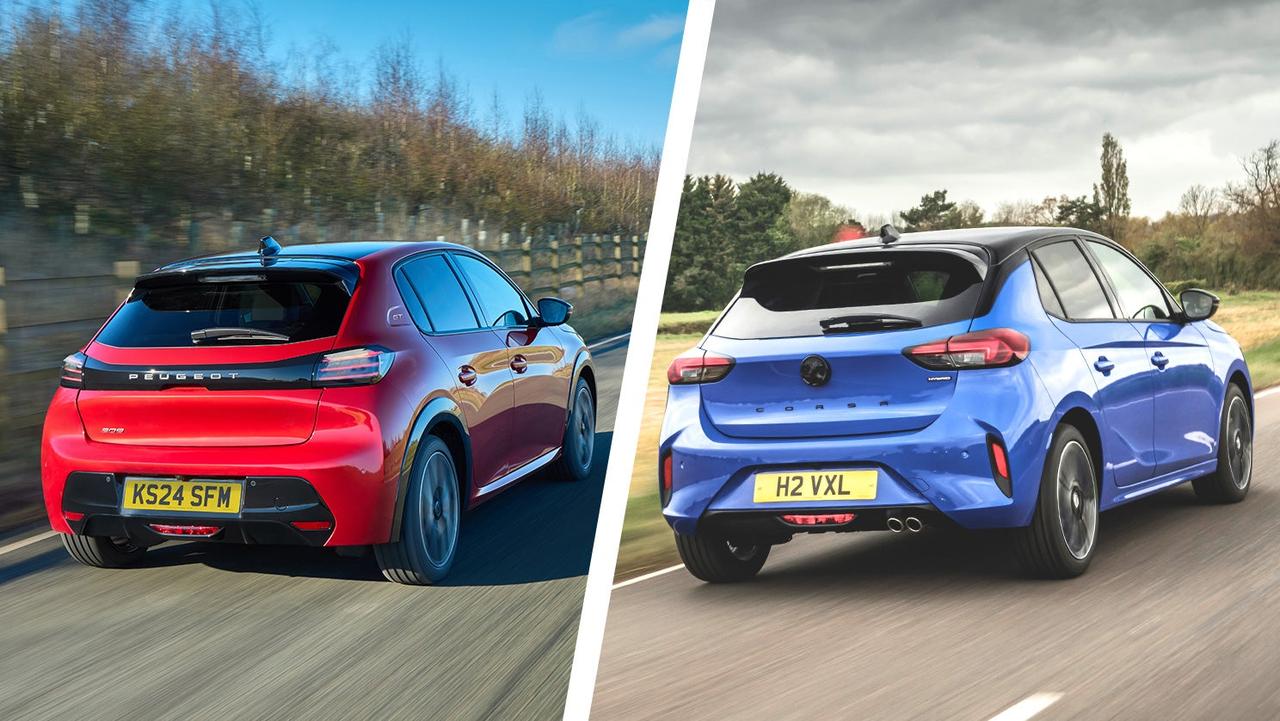
Both of these cars have broadly the same choice of engines. The cheapest is a 100hp 1.2-litre petrol engine with a manual gearbox, and this manages up to 54mpg, so it’ll be cheap to run as well.
Then there’s a mild-hybrid version of the petrol engine, which only comes with an automatic gearbox and manages an impressive 60+mpg. A 110hp version is offered on both cars, while the Corsa also offers a 145hp version that’s a bit faster off the line.
As we’ve mentioned, there are electric versions of both the Corsa and 208. When these were launched, they came with a 50kWh battery and a quoted range of around 215 miles. Newer versions can have a 52kWh battery and a more powerful e-motor, with range boosted to around 260 miles. Bizarrely, these two options are still sold side-by-side – perhaps to lower the entry price of the electric models.
Value
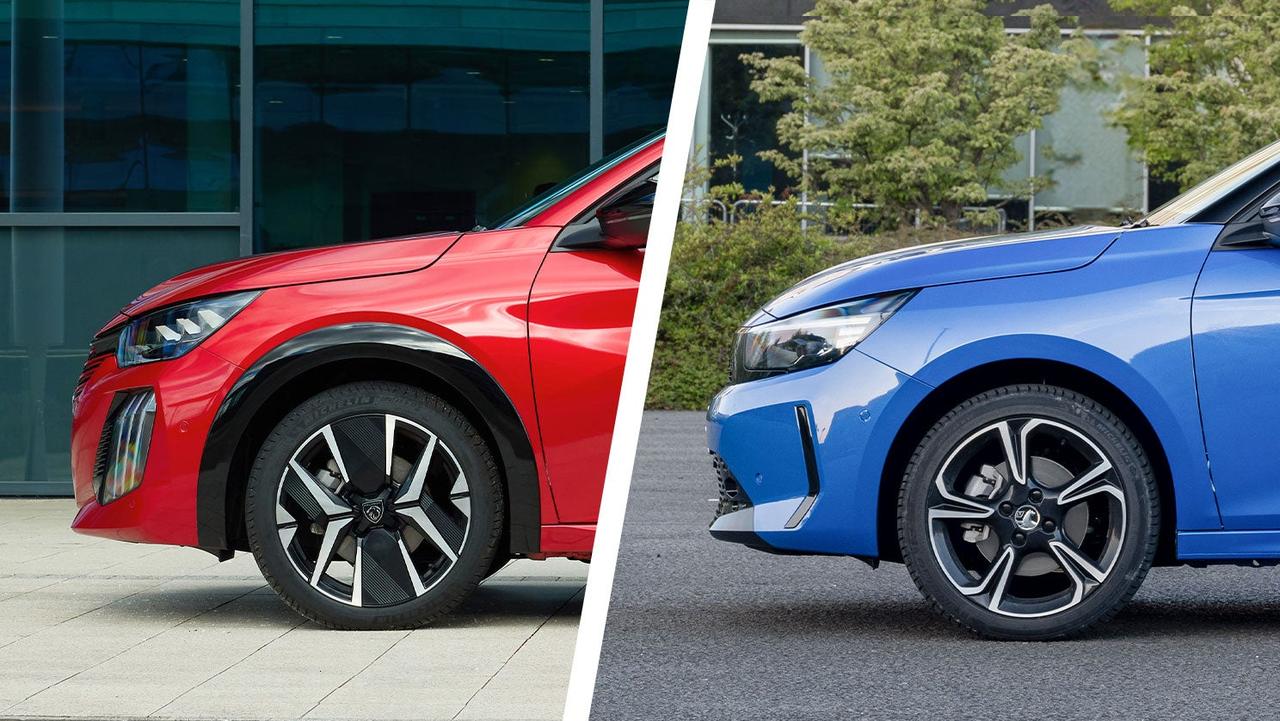
Both of these cars start from around £20,000 new, but the 208 you get for that price is decontented – Peugeot has created the Style model by stripping out the digital dials, alloy wheels and front parking sensors that used to be included. Meanwhile, the cheapest Corsa gets alloys, heated seats, a heated steering wheel and the big screens as standard. You just have to put up with the trim being called YES (Vauxhall insists on the caps).
The Corsa’s better value continues on the used market, and you’ll be able to get a newer and lower-mileage Corsa for less money than a Peugeot with an older plate and higher mileage. And, the Corsa is much more widely available, so you’ve got a bigger net of suitable cars to pick from.
Which is best?
The 208 appeals with its eye-catching styling, high-quality interior and slightly more mature driving experience, but it’s comprehensively beaten on value by the Corsa. Vauxhall’s evergreen supermini is not only cheaper to buy, but better equipped as well – so you’d have to spend a lot more to get a 208 with the same kit highlights.
Made up your mind? Shop used Peugeot 208 cars and used Vauxhall Corsa cars for sale at Motorpoint. If you need more information on these cars, read our Peugeot 208 review and Vauxhall Corsa review.