













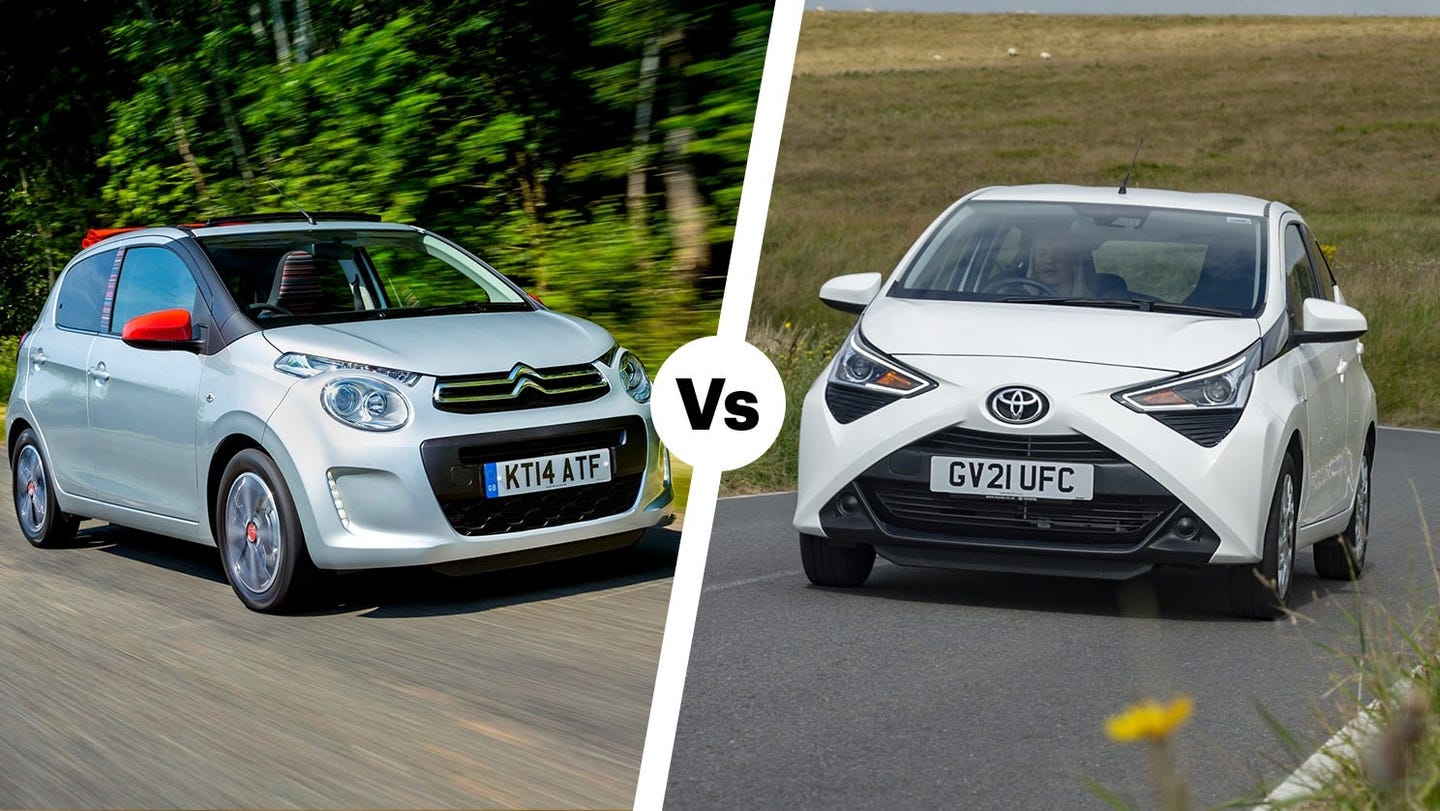

The Citroen C1 and Toyota Aygo share a lot of parts and both cars are very cheap to run.
In the main, the experience will be similar in the Citroen C1 and Toyota Aygo. Both use the same mechanical parts and many of the same interior parts, so the difference comes down to things like availability, cost and styling.
Shop used Citroen C1 cars and used Toyota Aygo cars for sale at Motorpoint
Citroen C1 vs Toyota Aygo compared
| Citroen C1 | Toyota Aygo |
Pros:
| Pros:
|
Cons:
| Cons:
|
Styling
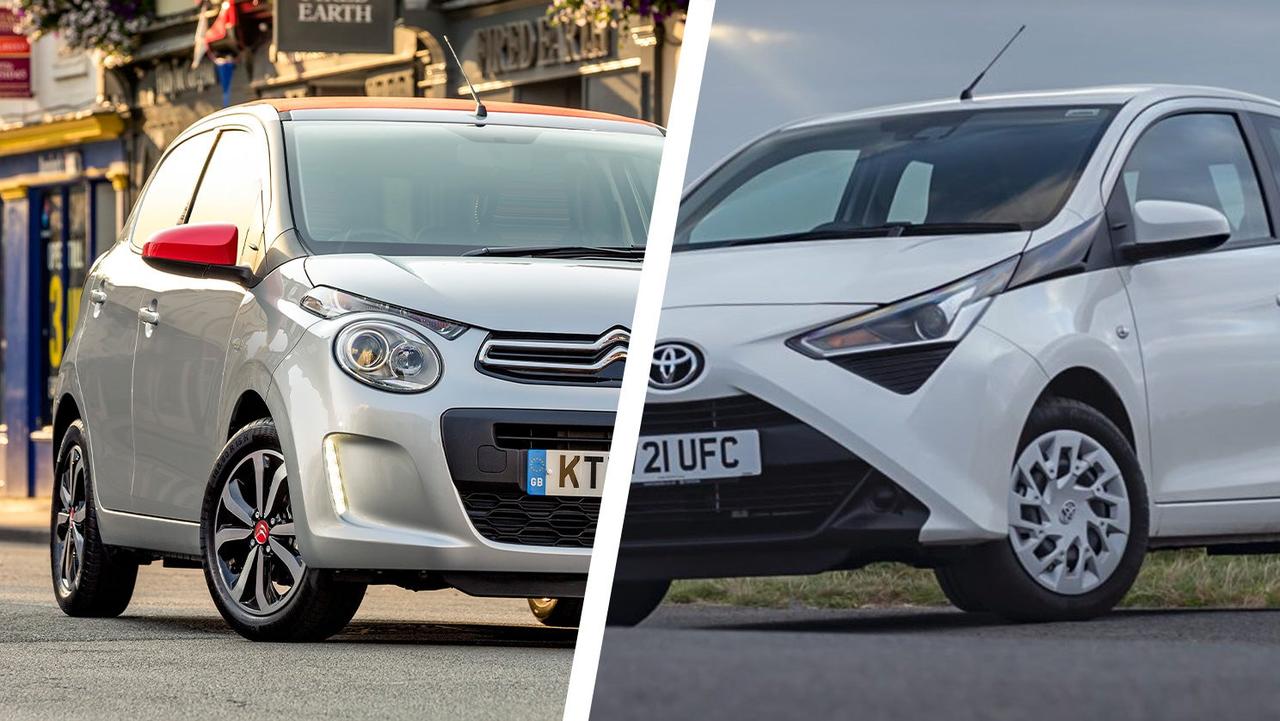
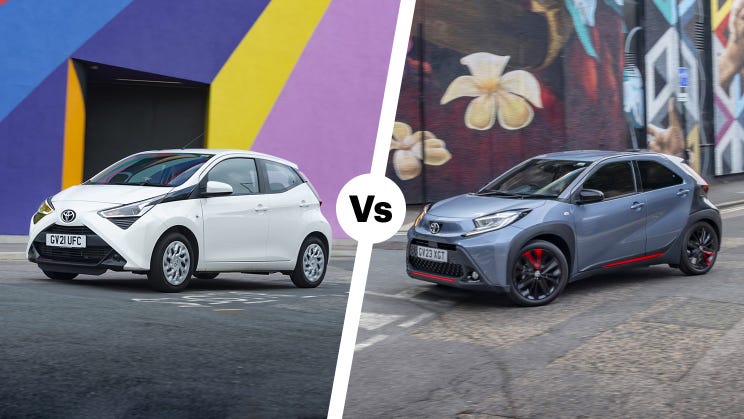
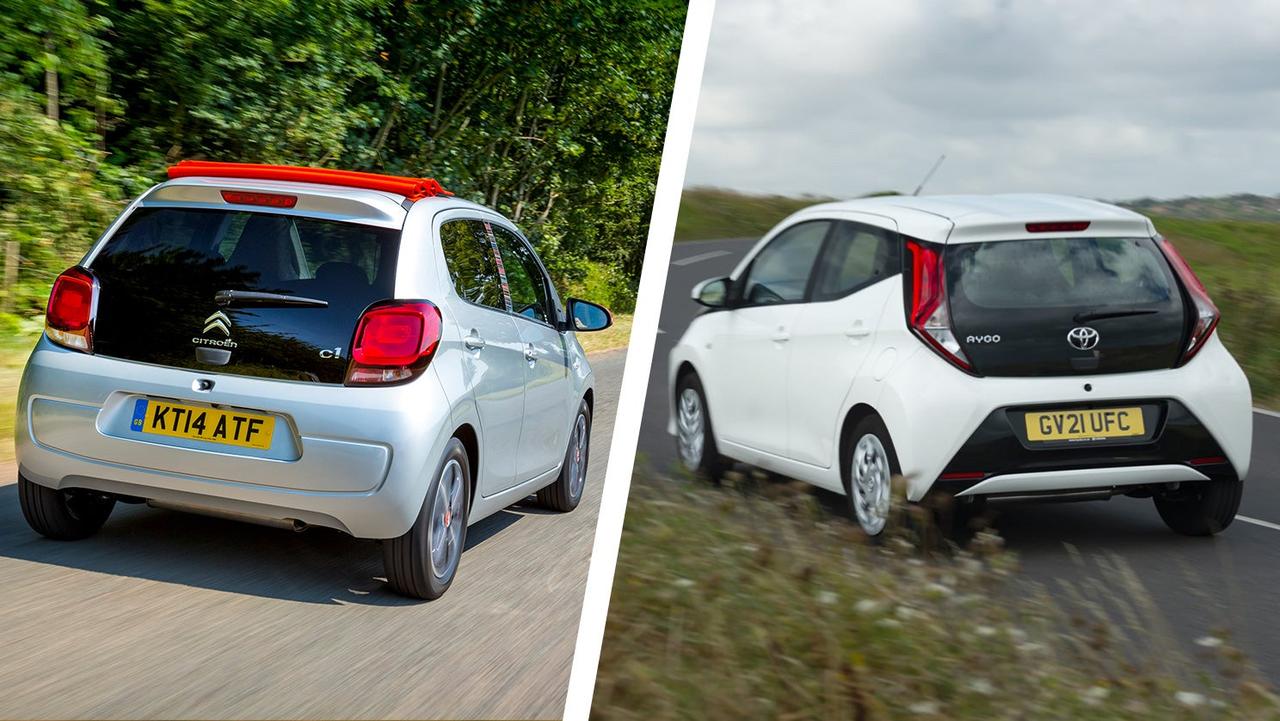
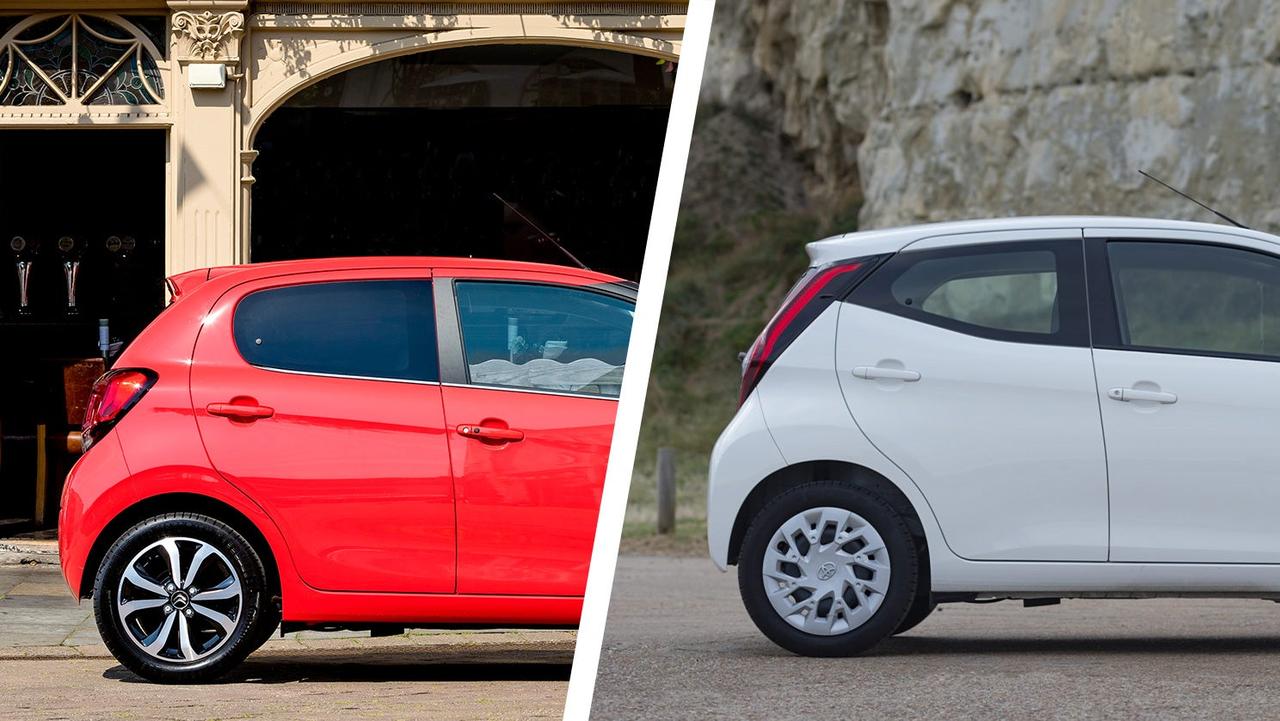
This is the most noticeable difference between the Aygo and C1, and you could definitely make your decision purely on which you like the look of most. The earlier Aygos had a noticeable ‘X’ design across the front end, which was made a bit more conventional in the 2018 facelift but still stylish with pointy headlights and a big grille. At the back, the Aygo stands out with tall brakelights and a sporty rear bumper design.
The C1 seems to focus a little bit more on elegance rather than sportiness. There’s a pair of big headlights at the front and more petite brakelights at the back, and higher-spec models get chrome trim which makes it look a bit more expensive.
Both of these cars have had a few special editions, but the more popular Aygo has had the lion’s share. You can find plenty of Aygos in bold and eye-catching colours, with more choice of paint shades than the C1 has offered.
Interior and technology
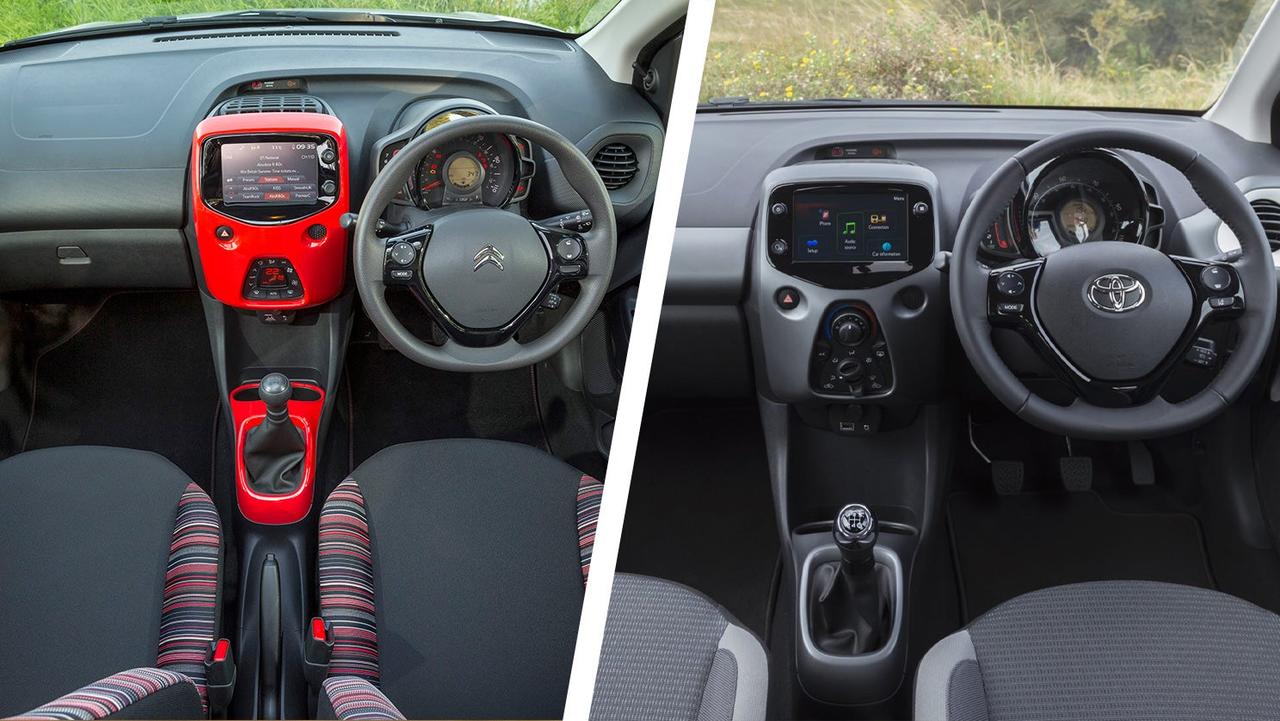
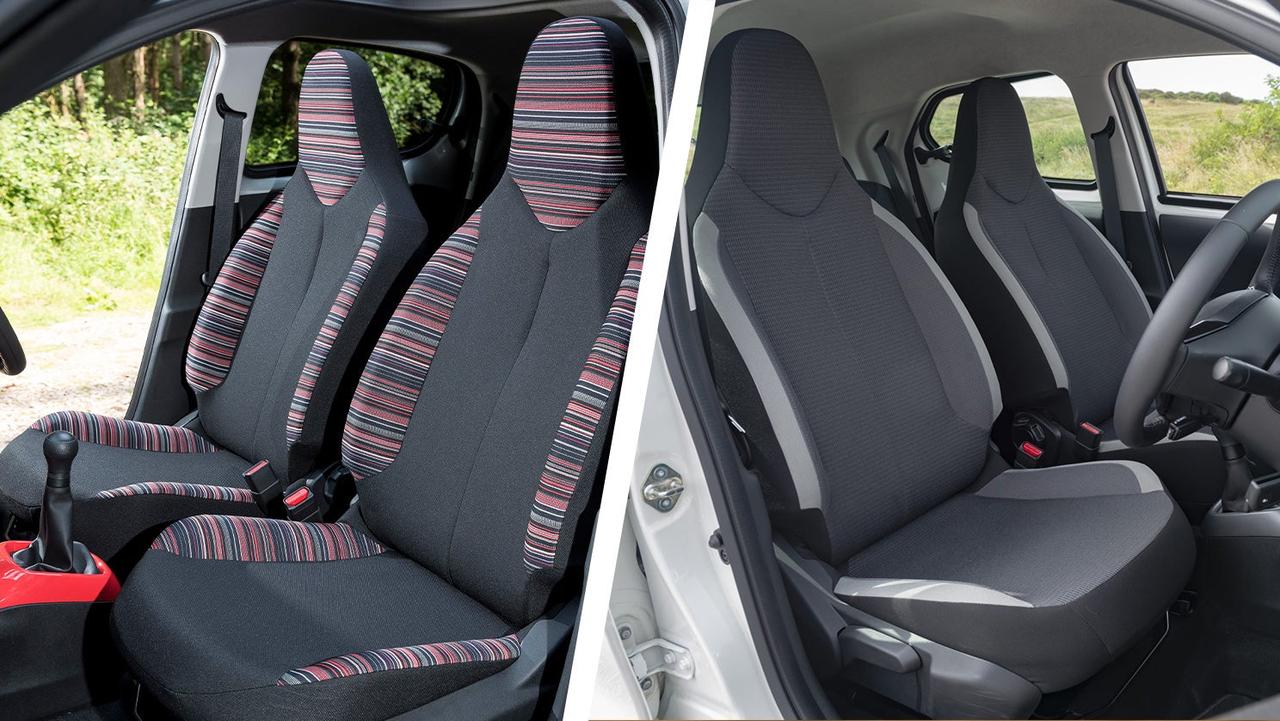
When so much of the interior of these cars is shared, the Citroen’s striped seat bolsters make a big difference to the interior feel. The Aygo, in comparison, gets more bland-looking seats with plainer upholstery. Higher-spec versions of both get gloss black plastic around the screen, rather than the flat grey of lesser trim levels, plus small additions like a chrome-effect ring on the gearlever.
Most C1s and Aygos come with a touchscreen. It’s basic but features Apple CarPlay/Android Auto, DAB radio and a reversing camera – what more do you need? Avoid the C1 in Touch spec and the Aygo in ‘x’ spec if you want the touchscreen.
You can find both of these cars with a folding fabric roof, but the C1 ‘Airscape’ is far more common than the Aygo ‘x-wave’ (it was also called ‘FunRoof’).
Dimensions and practicality
| Citroen C1 | Toyota Aygo | |
| Length | 3,466mm | 3,465mm |
| Height | 1,460mm | 1,460mm |
| Width (exc/inc mirrors) | 1,615/1,884mm | 1,615/1,884mm |
| Boot space (seats up) | 196 litres | 168 litres |
Whichever you get, you’re guaranteed to have a small and easy-to-park car. The C1 and Aygo are a squeeze for four adults, and the luggage space on offer is a bit less than more practical city cars such as the Kia Picanto and Volkswagen Up. The C1’s extra boot space on paper doesn’t translate to a real-world advantage – both will fit a few shopping bags or a suitcase in, but little else.
Engines and performance
The 1.0-litre Toyota engine fitted in every Aygo and most C1s produces 72hp and gets from 0-62mph in 13.8 seconds – highlighting that these are mainly meant for driving around heavily populated areas and not regular cross-continent motorway journeys. However, this engine makes the C1 and Aygo very cheap to insure, and you can get over 60mpg on your fuel economy readout in the right conditions.
Early C1s also got the option of a more powerful 1.2 PureTech petrol engine, which knocked the 0-62mph time down to a nippy 10.9 seconds and increased the top speed from 99 to 106mph. However, this engine uses a wet timing belt, which might need to be replaced sooner than originally specified. The 1.0-litre – a very simple engine – is said to be a lot more reliable.
Value
Compare C1s and Aygos of a similar age and with similar mileage, and you’ll invariably find that the C1 is cheaper. That means you can pick up a slightly newer or lower-mileage C1 for your budget. And the difference in price corresponds to slightly lower monthly payments for the C1 over the Aygo.
Automatic Aygos cost considerably more than manual models, and aren’t easy to recommend unless you can’t drive a manual. But, if you need an auto, the Aygo is much more widely available with self-shifting gears – automatic C1s are very rare indeed.
A key point to consider is that Toyota now has a 10-year service-activated warranty. This includes any Toyota under 10 years and 100,000 miles, and basically adds a year’s warranty cover every time you get the car serviced at Toyota. While you could get the C1 or Aygo serviced at a local independent for less money than a main dealer service costs, the peace of mind from the warranty cover is likely to be worth the extra outlay.
Which is best?
There’s not much to differentiate these two cars on the surface, but dig deeper and changes appear. The C1 is cheaper and typically has a slightly funkier interior than the Aygo, but the Aygo is more widely available and can be warrantied for a long time. Subjectively, we also think the Aygo’s styling is a little more interesting than the C1’s.
Shop used Citroen C1 cars and used Toyota Aygo cars for sale at Motorpoint, or read our Toyota Aygo review to see how these cars drive.