





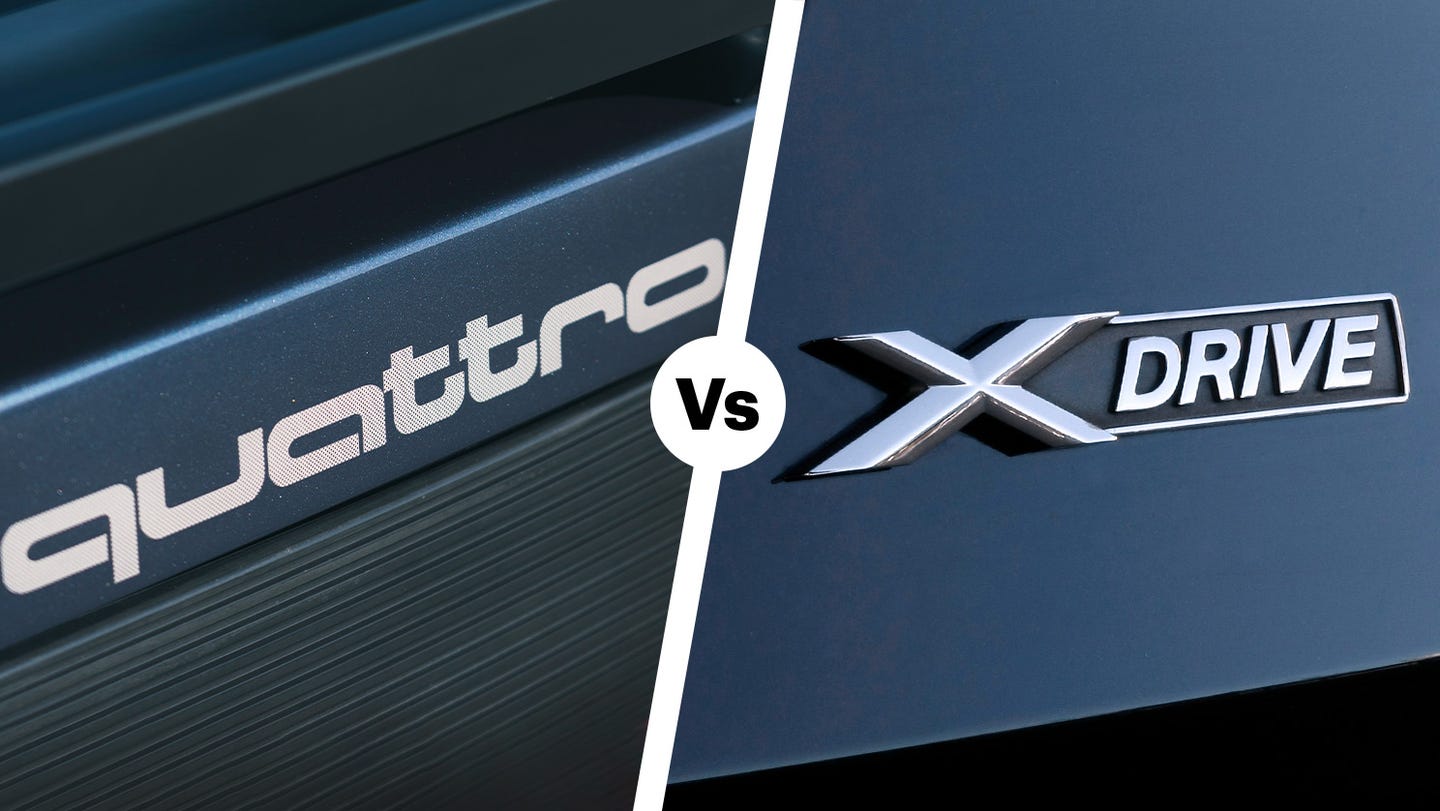

In the simplest terms, Audi quattro and BMW xDrive are the same thing.
They're brand names for the four-wheel-drive systems fitted to Audi and BMW cars respectively.
The reality is a little more complex, however. Both quattro and xDrive are used across a number of different drivetrain setups, with different mechanical layouts based on the vehicle and its intended use.
So let's break down the differences between Audi quattro and BMW xDrive…
quattro vs xdrive – overview
| Audi quattro | BMW xDrive | |
| Introduced | Audi Quattro, 1980 | BMW X5, 2003 |
| Main variants |
|
|
What is Audi quattro?
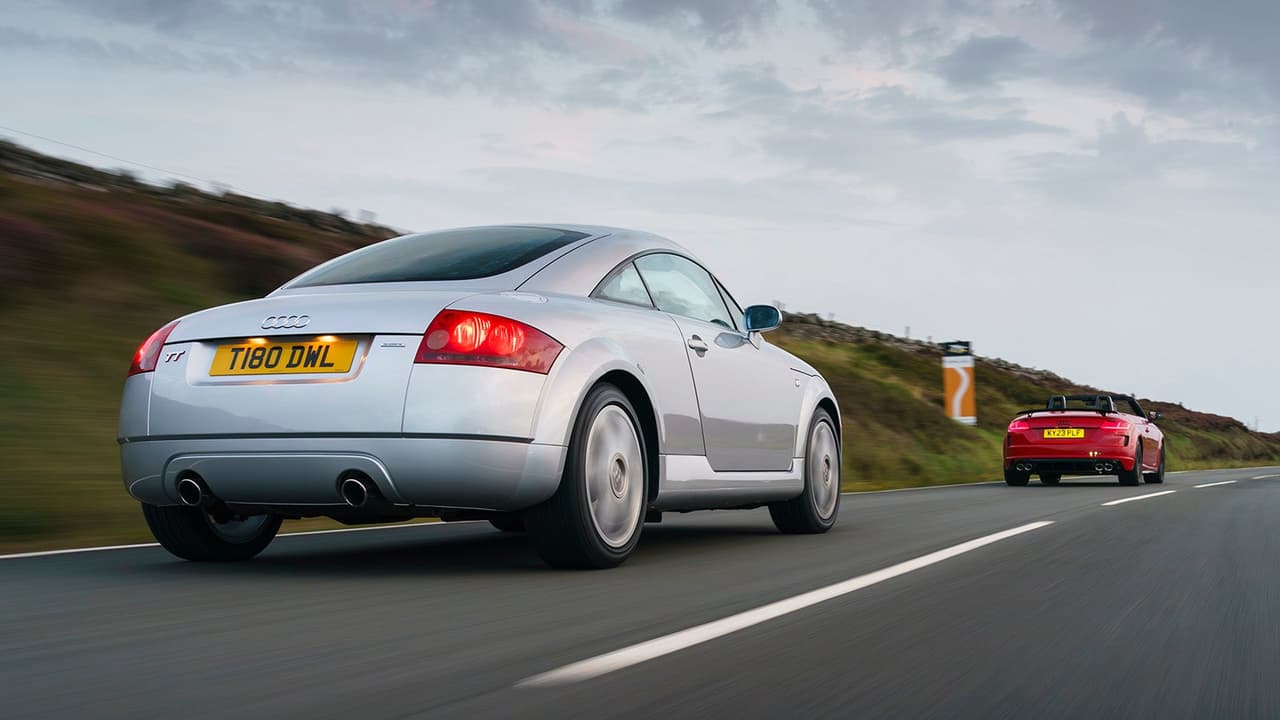
quattro and xDrive are both important within the Audi and BMW lineups, but Audi has made this feature a key selling point for many decades. That's influenced by the unprecedented success of its (capital 'Q') Quattro rally car, which used four-wheel drive to dominate the competition in the 1980s. This led Audi to add (lower-case 'q') quattro four-wheel drive as an option across most of its lineup in the following years.
There are three main variants of quattro fitted to today's Audis. The first is for compact cars with transverse engines like the Audi A3 and Audi Q2. This is where the engine sits widthways in the car and would normally power the front wheels. In this case, Audi fits a clutch pack from driveline supplier Haldex. When the car detects slip at the front axle, the clutch pack engages and sends some power to the rear axle to increase traction.
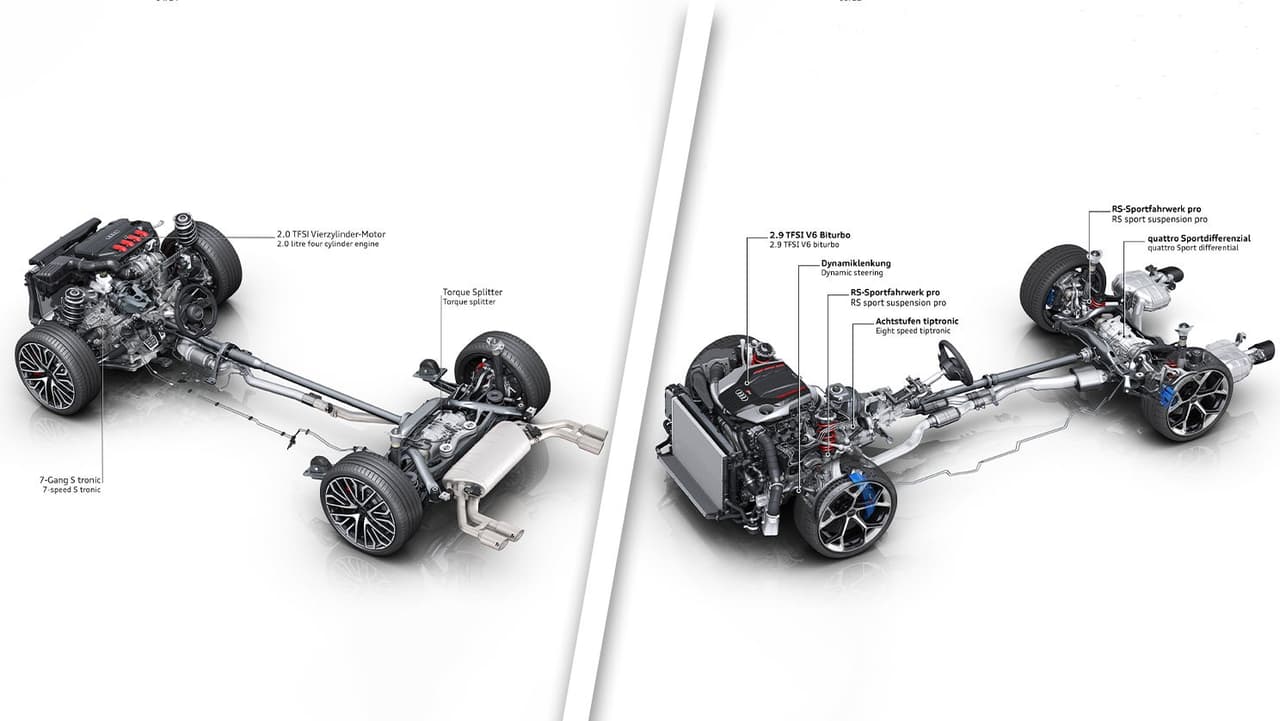
The other main application of quattro is for longitudinal engines – where the engine is mounted lengthways – in larger cars like the Audi A4 and Audi A6. These use a centre differential developed by Torsen, which always sends power to all four wheels. The setup can vary the power distribution between the front and rear axle to make the most of available grip.
Finally, a more recent iteration of quattro is found in Audi's electric cars. This simply involves fitting two electric motors – one to each axle – with no mechanical connection required between them. That means power goes to all four wheels, and the car can infinitely vary how the torque is distributed between the two axles.
What is BMW xDrive?
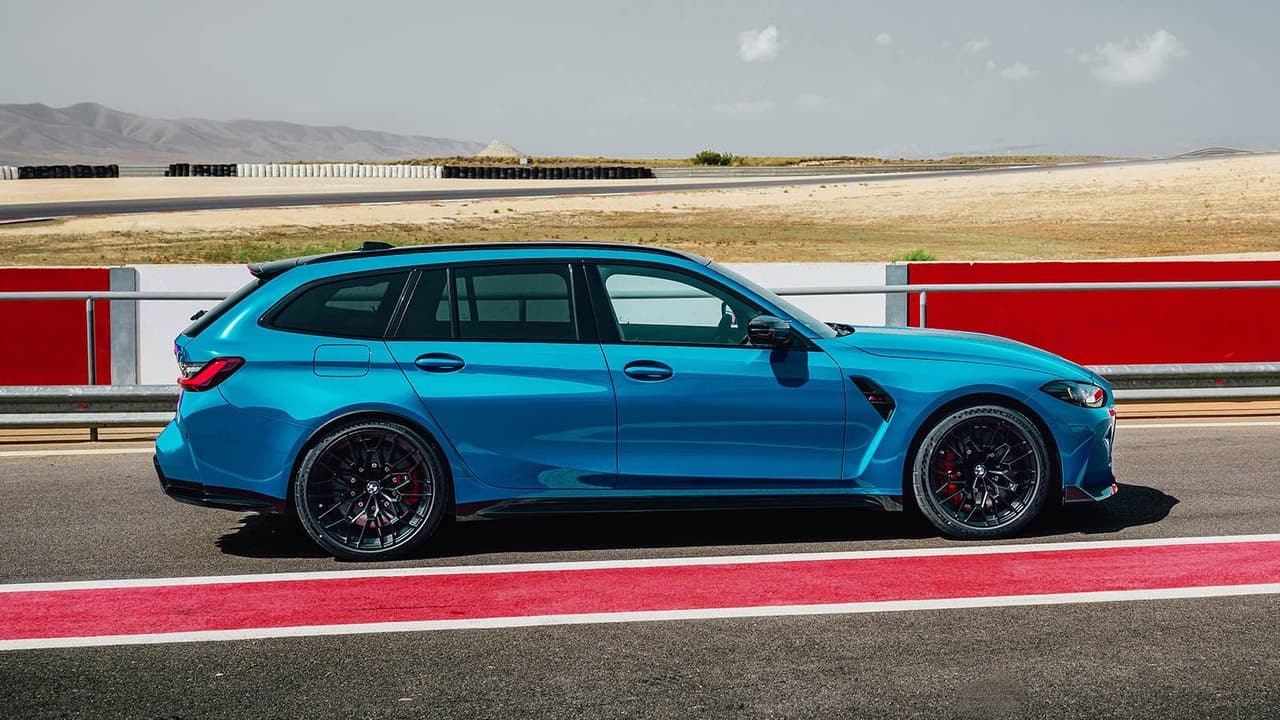
Unlike Audi, BMW stuck almost exclusively to rear-wheel drive for many years, since it was the preferred choice for purists and enthusiasts. There were a small number of '80s and '90s BMWs fitted with four-wheel drive. However, it took until 2003 for its to dive in properly – adding the newly developed xDrive system to its X5 and X3 SUVs. Like Audi, this option gradually spread across the whole BMW range.
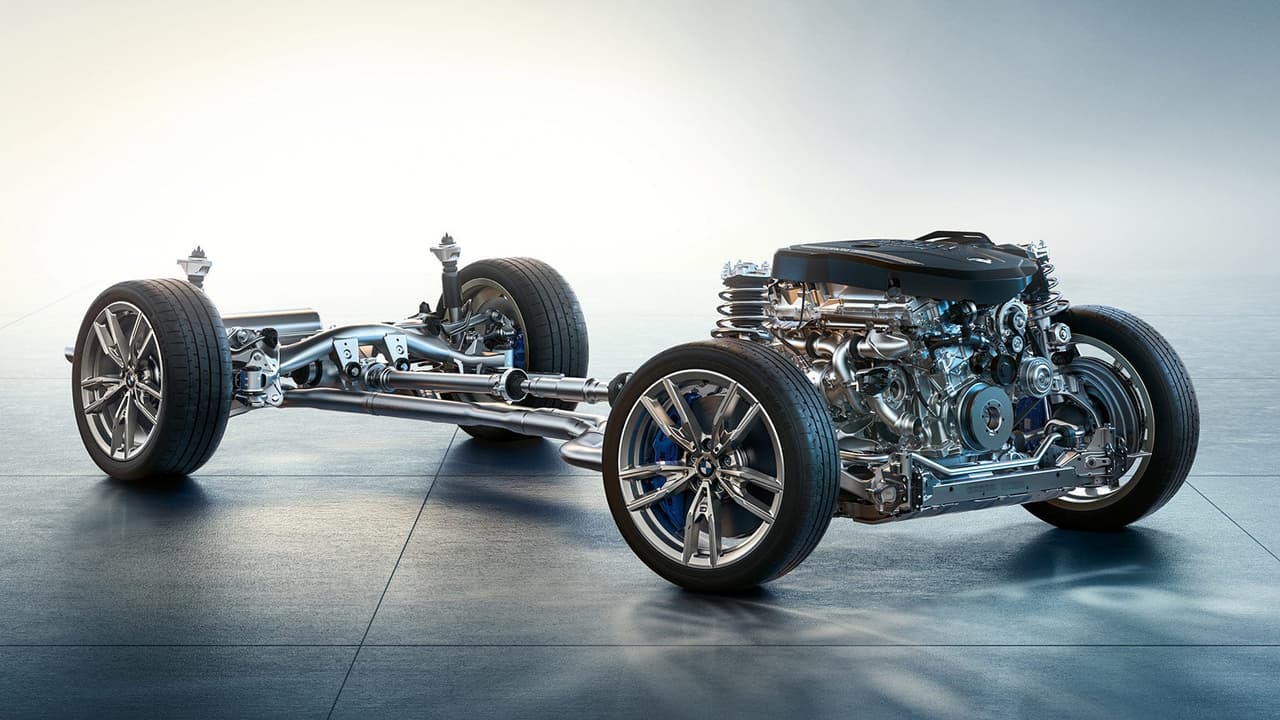
The first xDrive systems were developed for BMW's bigger cars, which all used longitudinal engines. As a result, xDrive is reasonably similar to equivalent quattro systems, where a centre differential in a transfer case is permanently engaged and powers all four wheels. If the system needs to vary the torque distribution between the front and rear axle, it can actuate a clutch to send more power forwards as needed.
BMW was slower than most rivals to launch compact, front-wheel-drive models with a transverse engines. It wasn't until the 2010s that cars like the BMW 2 Series Active Tourer, BMW X1 and BMW 1 Series all adopted this setup, shared with various Mini models. Like Audi's transverse models, BMW also has a computer controlled clutch that sends power to the rear axle when it detects slip at the front.
Also like Audi, BMW's electric cars are also available with all-wheel drive. This is achieved the exact same way, by mounting an electric motor on each axle to send power to all four wheels. No mechanical connection is needed between the axles and the motors can adjust their torque output nearly instantly.
Read our in-depth guide to BMW xDrive technology.
Audi quattro vs BMW xDrive – which is best?
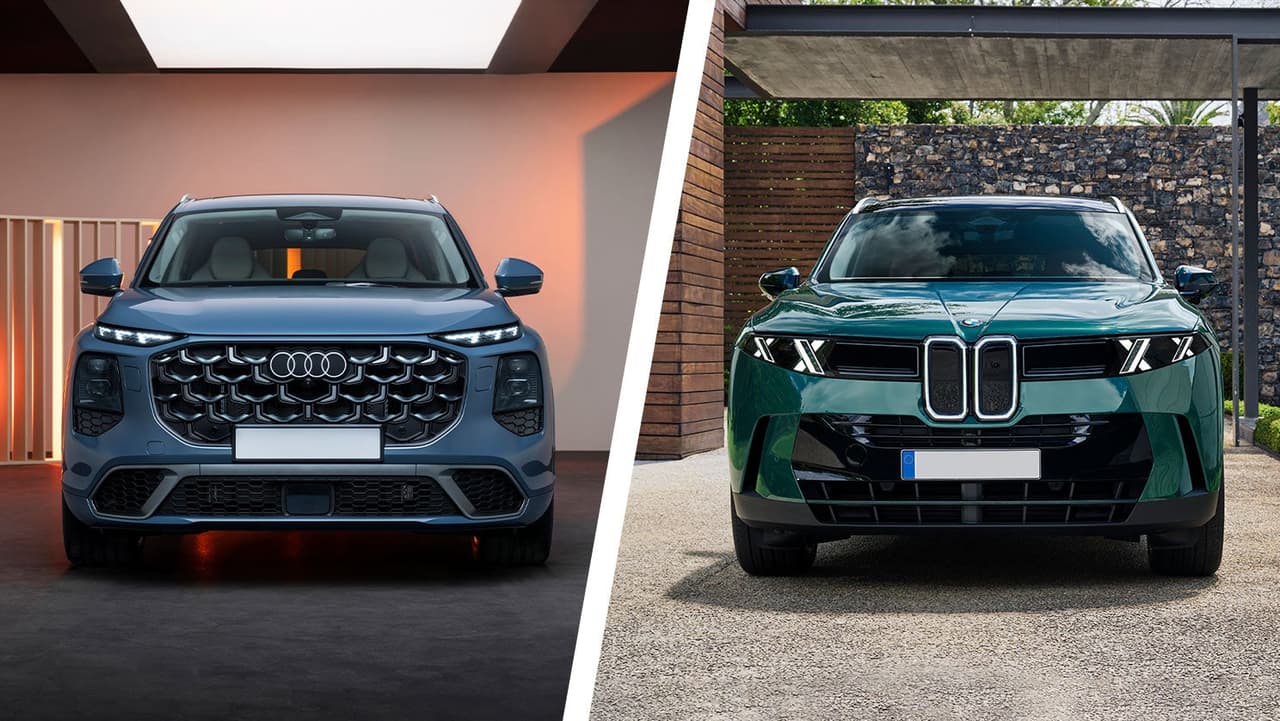
The reality is that quattro and xDrive both work in a very similar way. That means they both deliver very similar benefits and there isn't really a winner between the two. Both systems improve grip in slippery conditions, and can enhance acceleration, braking and cornering during fast road driving.
Perhaps a more relevant question to potential owners is – once you've chosen Audi or BMW – is it worth spending extra for a car with quattro or xDrive? It might be a handy addition for drivers who live in rural areas or places hit hard by bad weather but, for those who cover more urban and suburban routes, a cheaper two-wheel-drive car with a set of winter tyres could be a more cost-effective choice.
Which is better in the snow – quattro or xDrive?
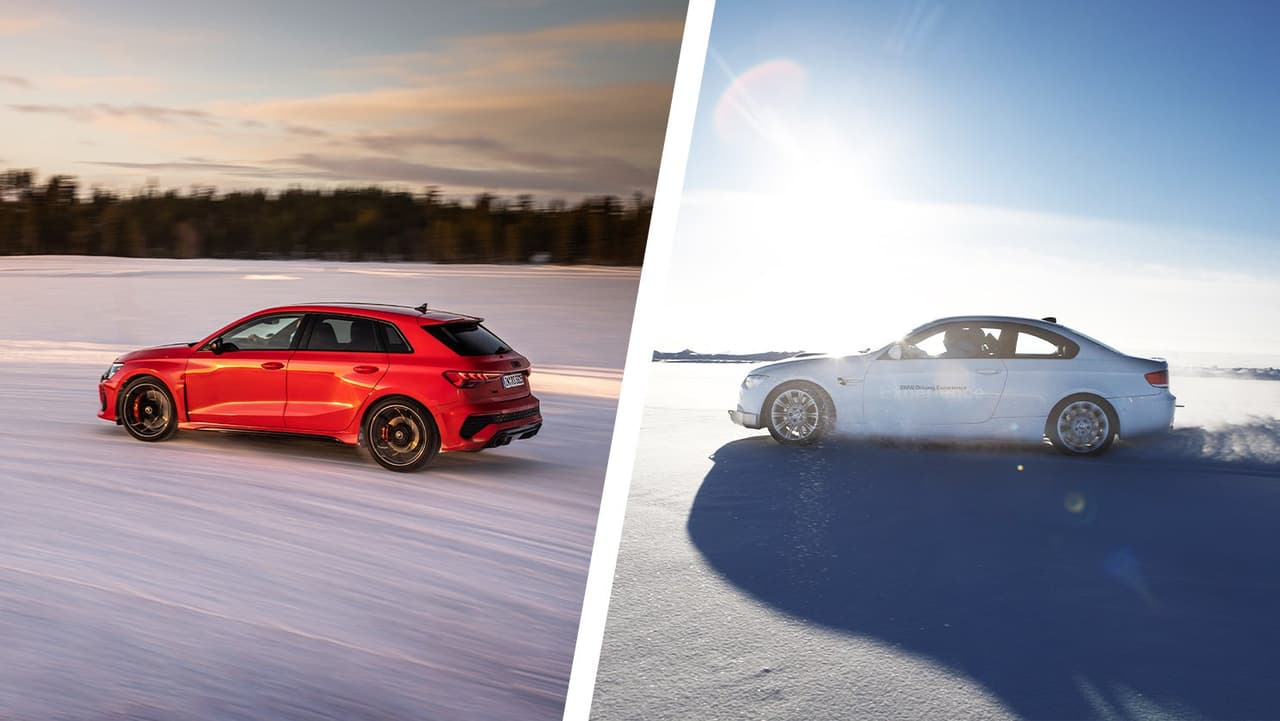
Neither quattro or xDrive is inherently better in the snow. Your car's performance in the snow is much more influenced by what tyres you have fitted and your skills as a driver, rather than whether your car is four-wheel drive or not. In virtually all cases, a two-wheel-drive car with winter tyres will be much safer and gripper in the snow than a four-wheel-drive one with regular summer tyres.
Both quattro and xDrive will improve grip and traction in slippery conditions, but they won't turn your premium German car into a rough-and-tumble off-roader. If you actually need to do serious driving far from the beaten path, you should consider a more specialised vehicle with proper lockable differentials like a Land Rover Defender, Mercedes G-Class or Suzuki Jimny.
Which is more reliable – quattro or xdrive?
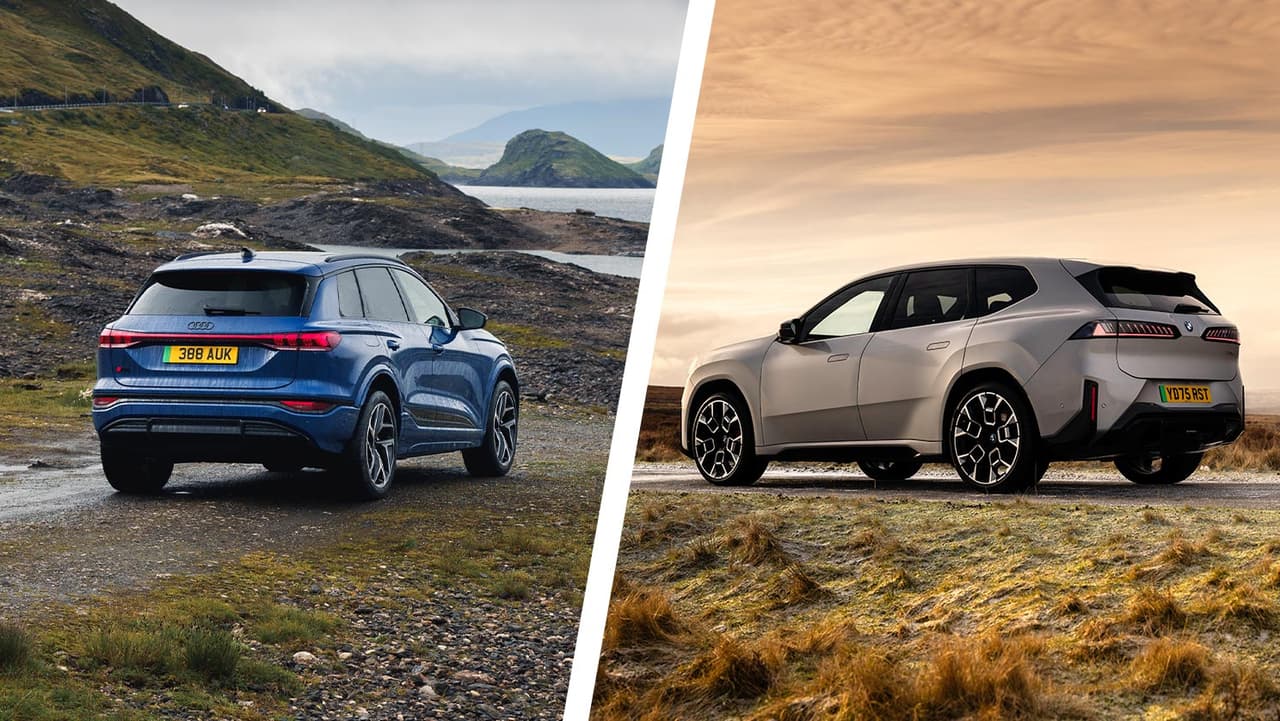
Both quattro and xDrive systems have proven to be very dependable over the years. We've not heard of any major reliability concerns with either setup. As with any component on your car, however, it's important to make sure it's serviced correctly and on-time to make sure it lasts as long as possible.
You might've raised an eyebrow when learning that most of these setups use computer controlled clutches to distribute torque between the axles. There's no need for concern, however, as these clutches aren't like the foot-operated dry clutch in a manual car, which can wear out over time. Instead, these are multi-plate clutch packs which are totally bathed in oil. That extra lubrication and surface area effectively eliminates any clutch wear.
Fantastic savings on four-wheel-drive cars
Check out big discounts on nearly new and used 4x4 cars for sale at Motorpoint. For more choices, check out our picks for the best cheap 4x4s on sale and the best hybrid 4x4s on sale.