


















What are the benefits of winter tyres and should I buy them? We answer these questions and more
For most of us, a set of new tyres is a necessary but begrudging expense. Realising you need a new set of boots for your car is never an enjoyable moment, so forgive us that we’re about to tell you that you should consider buying a second set of tyres. Winter tyres.
You’re probably thinking ‘I’ve had the same set of tyres on my car for a year and I’ve driven in winter and summer – why use winter tyres?’. Well, winter tyres are grippier than summer tyres and our winters are only going to get more severe. For peace of mind in cold weather, winter tyres are well worth the extra expense.
What are winter tyres?
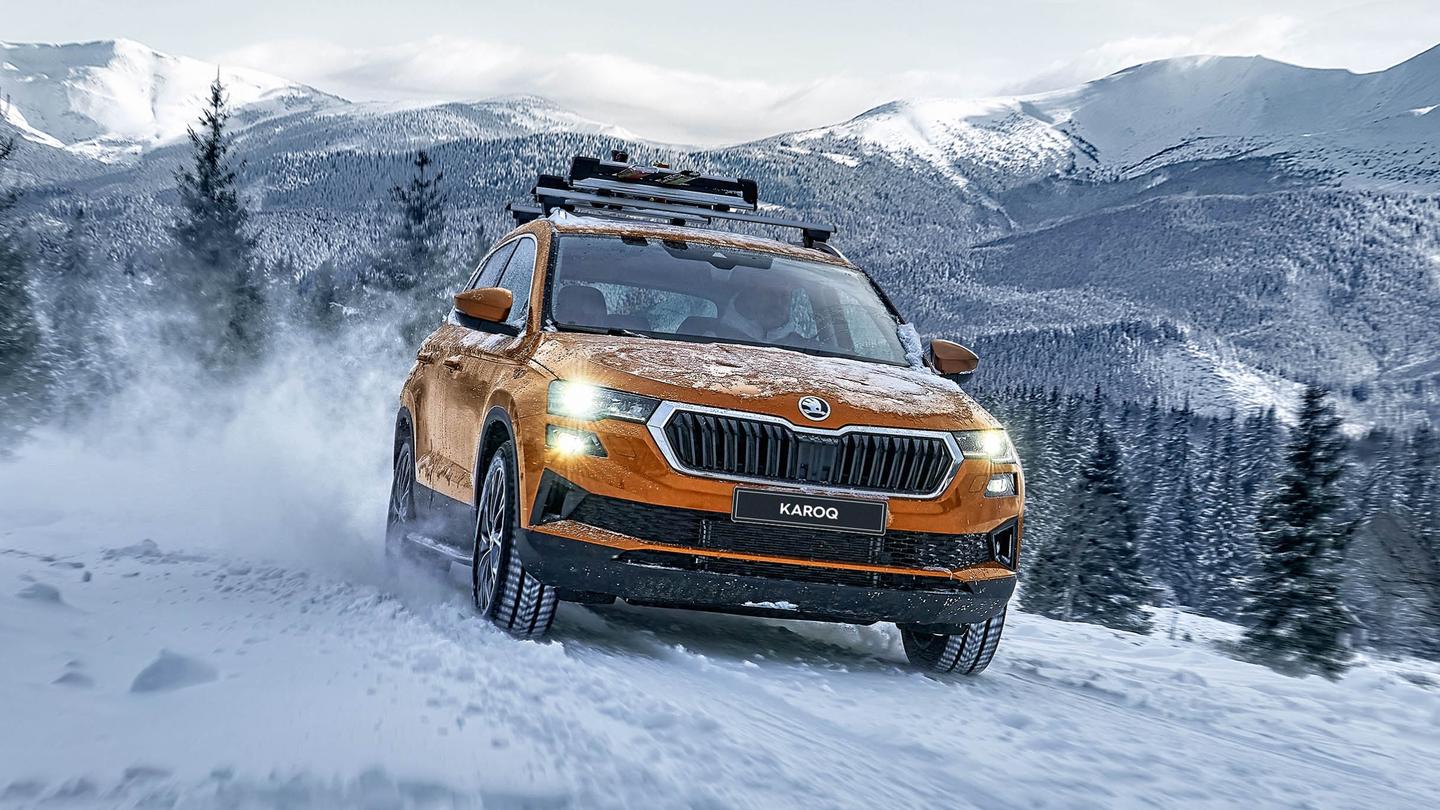
Winter tyres are made with a different formula to summer tyres, with a higher proportion of natural rubber. They’re designed to be flexible and grippy when the mercury drops, and have wide grooves to effectively disperse lots of water or snow. Winter tyres perform best when the temperature is 7°C or below.
Are winter tyres good in rain?
Yes, winter tyres are good in wet weather – especially when it's 7ºC or colder. The tread patterns on winter tyres are designed to swish away water from the road surface, giving you better grip on the asphalt. This helps to reduce the risk of aquaplaning – although the main factor in these situations is driving too fast for the conditions.
Cost of winter tyres
The cost of winter tyres all depends on the size and the brand that you choose. As we write this, winter tyres start at about £80 per tyre (including fitting) and go up to over £150.
There’s an upfront cost to buying winter tyres, then, but you’ll only be using them for a few months of the year so they should see you through multiple winters. By fitting winter tyres, you’re also prolonging the life of your summer tyres.
Do I need four winter tyres or just two?
You need four winter tyres. It's not enough to only have them on the front or rear wheels, because the different rubber compounds will make your car's handling erratic and potentially difficult to control. You won't be getting the benefit of winter tyres with just two on, because the summer tyres will be less grippy than the winter ones. If it's worth doing, it's worth doing right.
How much difference do winter tyres make?

Winter tyres help you get going, corner and stop more effectively than summer tyres in snowy or wet conditions. The difference in braking in snow can be considerable. This Bridgestone promotional video shows how effective winter tyres can be, stopping on snow from around 20mph in less than half the distance taken by a summer tyre.
Your winter tyres will only perform well if they're in good condition. Make sure to regularly check your tyres – our guide will show you what the tread, pressures and tyre condition should look like.
Can you use winter tyres all year round?
You could use winter tyres all year round, but they’re really not designed for that. When the weather gets warmer, winter tyres will actually perform worse than summer tyres. In a brake test from 62mph to a standstill on a dry road in 20-degree weather, the stopping distance of a set of winter tyres was five metres longer than a set of summer tyres.
Because of how they’re made, winter tyres will wear out quicker in warmer weather.
If you’d like better winter grip without having to swap your tyres over twice a year, consider a set of all-season tyres. While dedicated winter and summer tyres may be a little better in really cold or really warm weather, all-season tyres give a really good balance for year-round driving conditions.
When should I put winter tyres on my car?
If you’re buying a set of winter tyres, you should put them on your car when the temperature drops below 7 degrees. In the UK, that’ll probably mean sometime in mid-autumn until sometime in early spring. Once the temperature is consistently above 7 degrees, swap back to your summer tyres.
Are winter tyres worth it?
If you can afford them, winter tyres are a good investment. Having the extra peace of mind that you’ve got the grippiest possible tyres in bad weather is surely worth the initial outlay. Once you’ve bought them, you won’t need to buy another set of tyres for a few years – as long as you manage to stay clear of punctures.
All-season tyres are worth it if you can’t justify two sets of tyres or don’t want to swap them over every six months.