







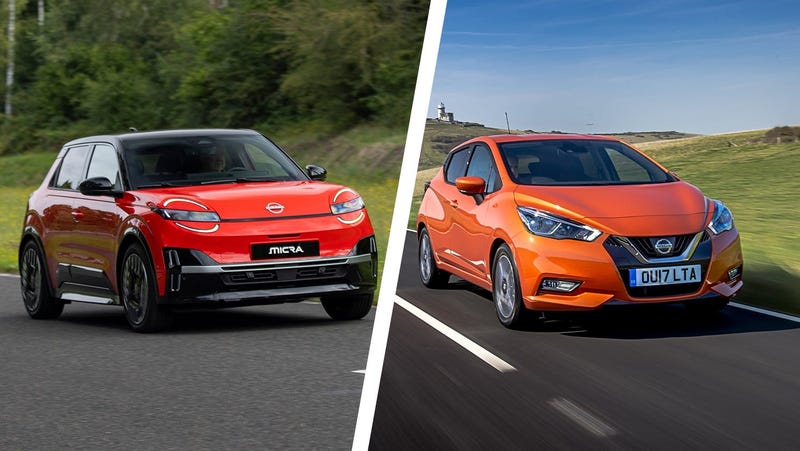
Nissan Micra models and trim levels explained

Ben Custard
•
Models

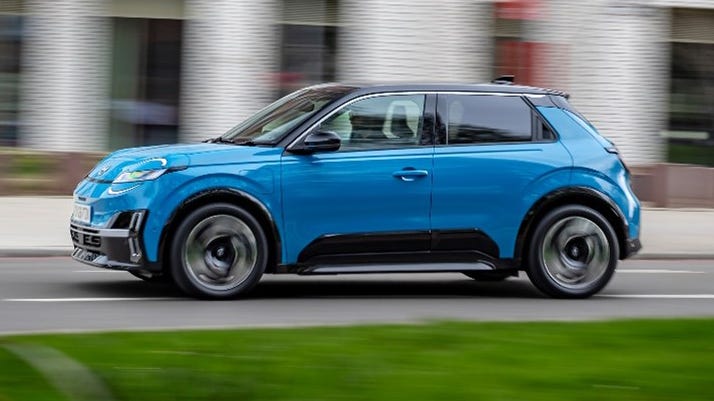
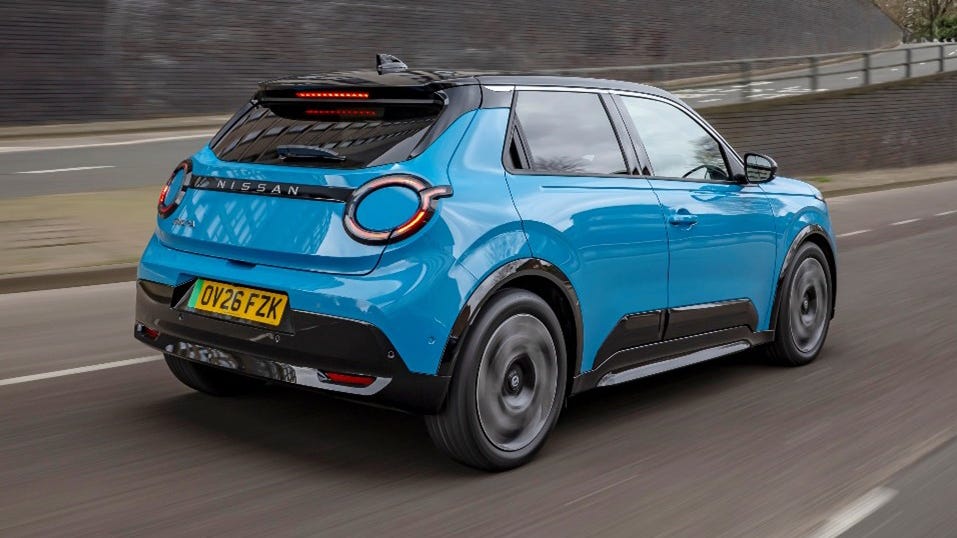
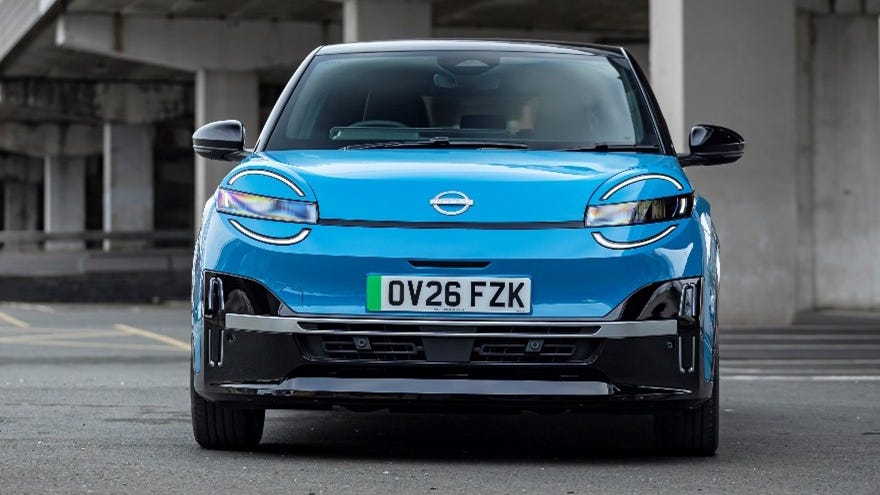
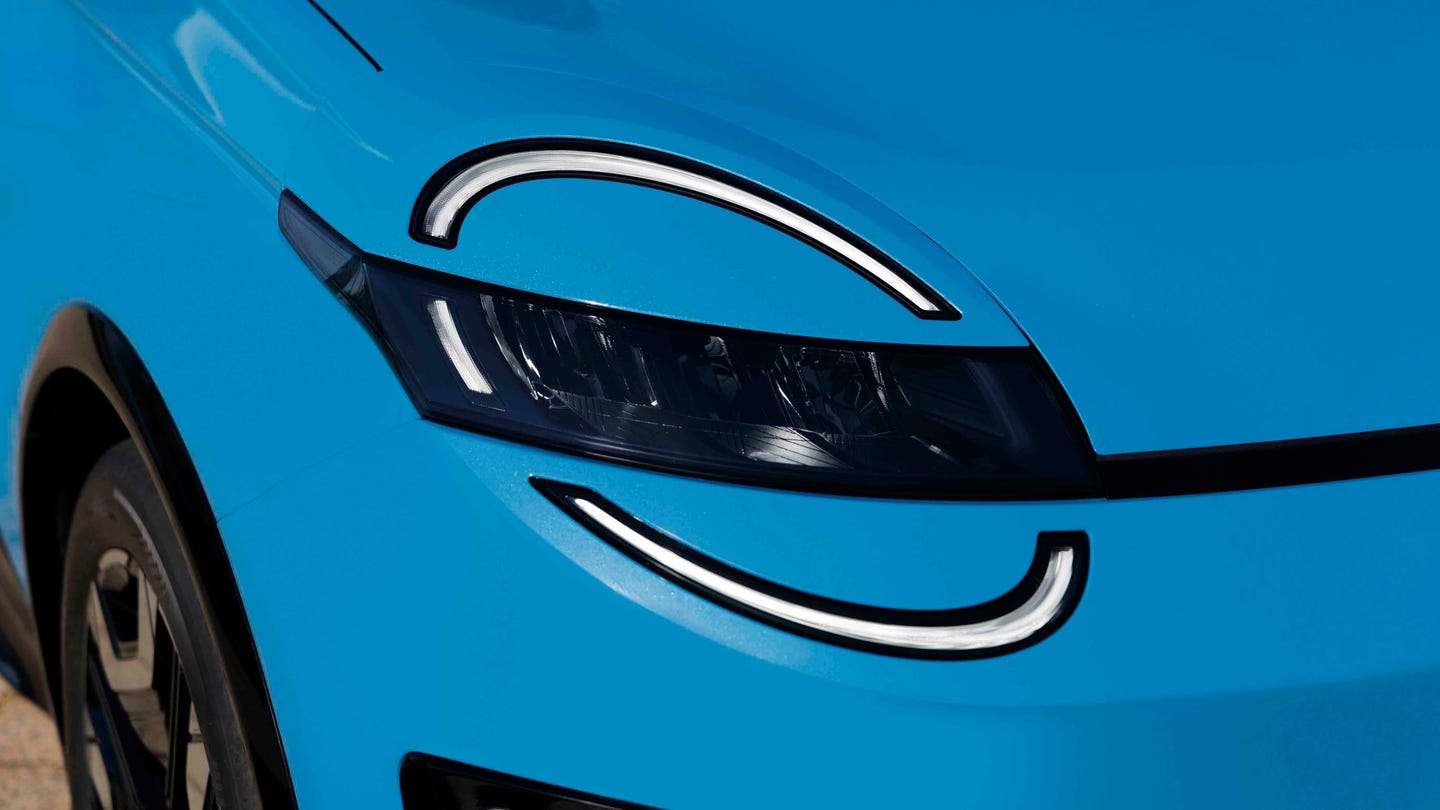
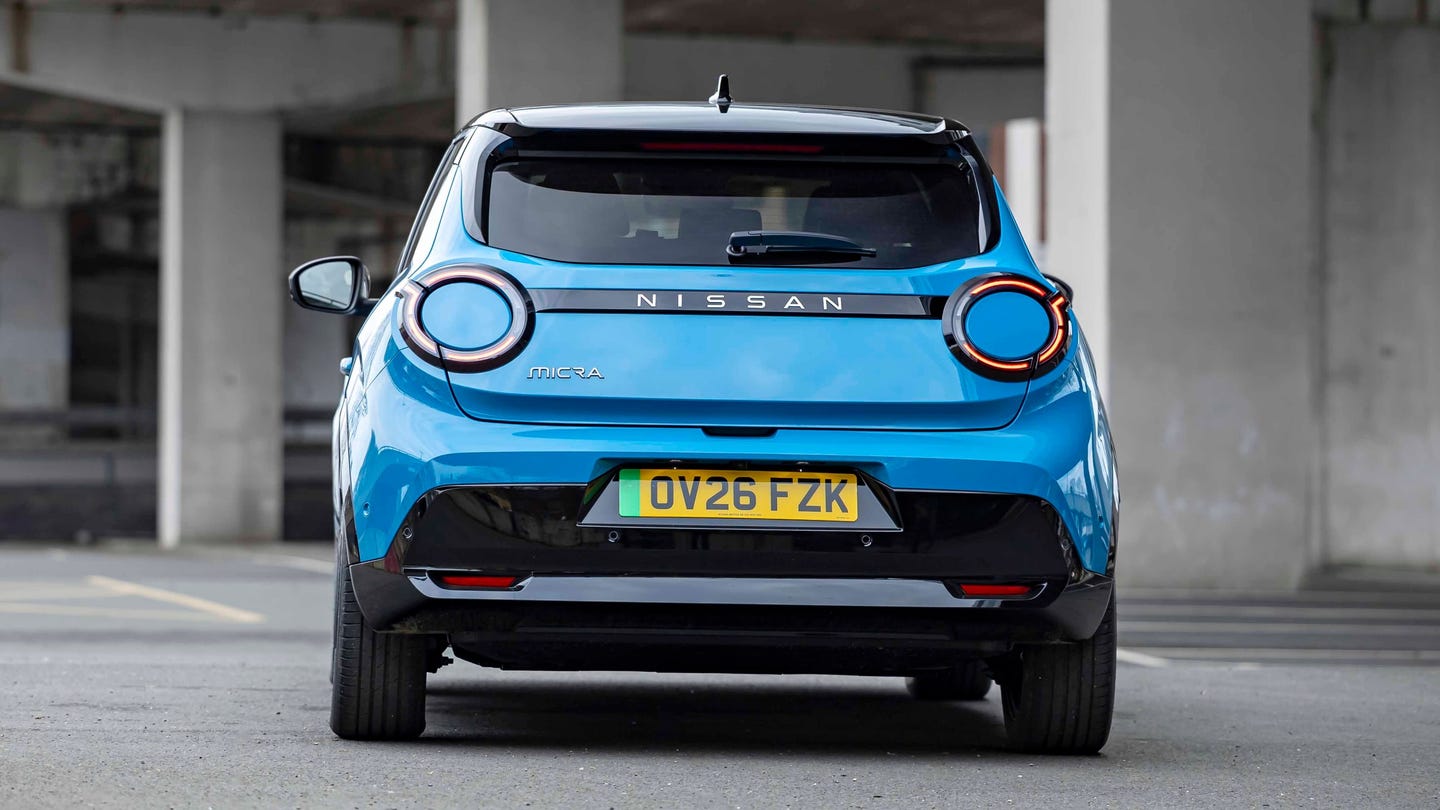
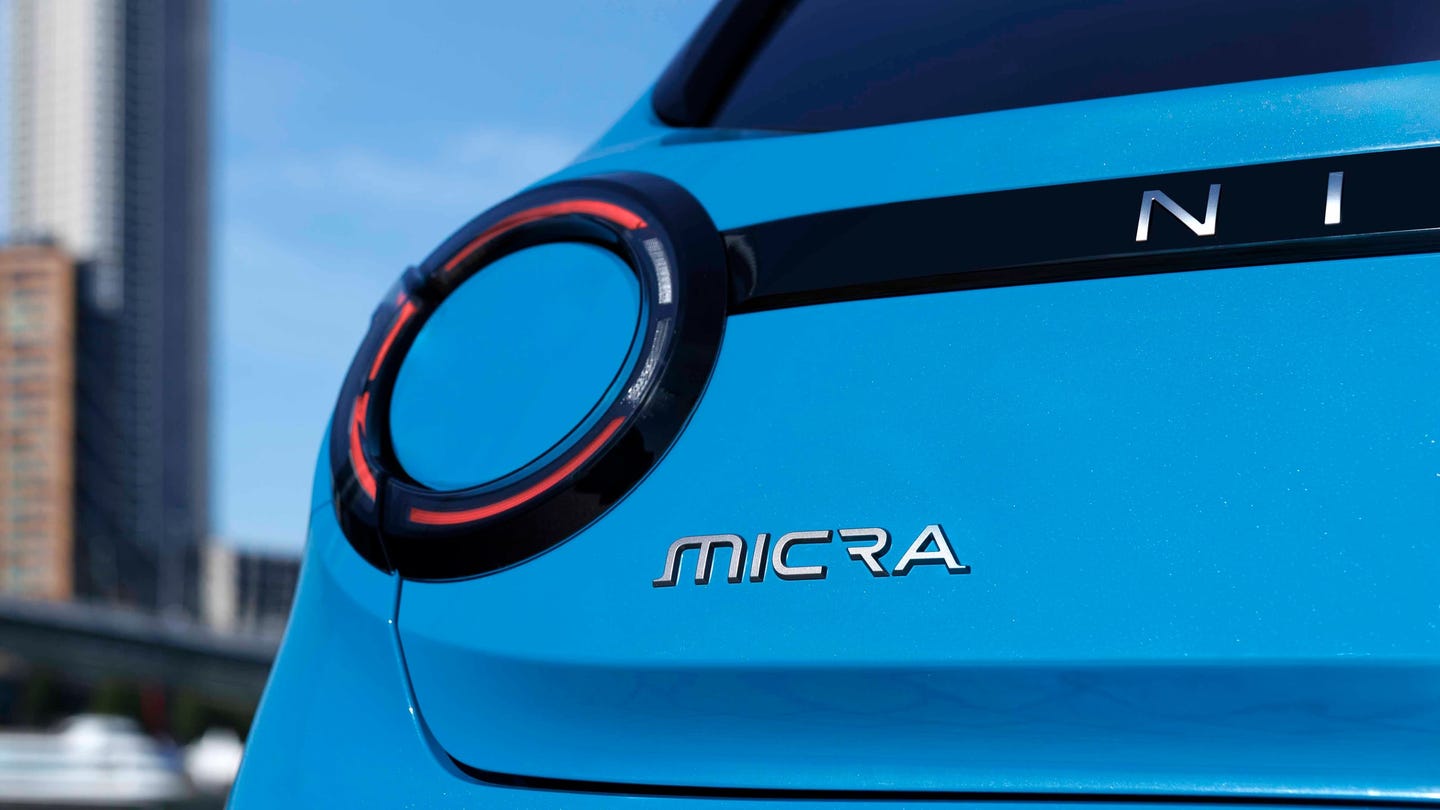
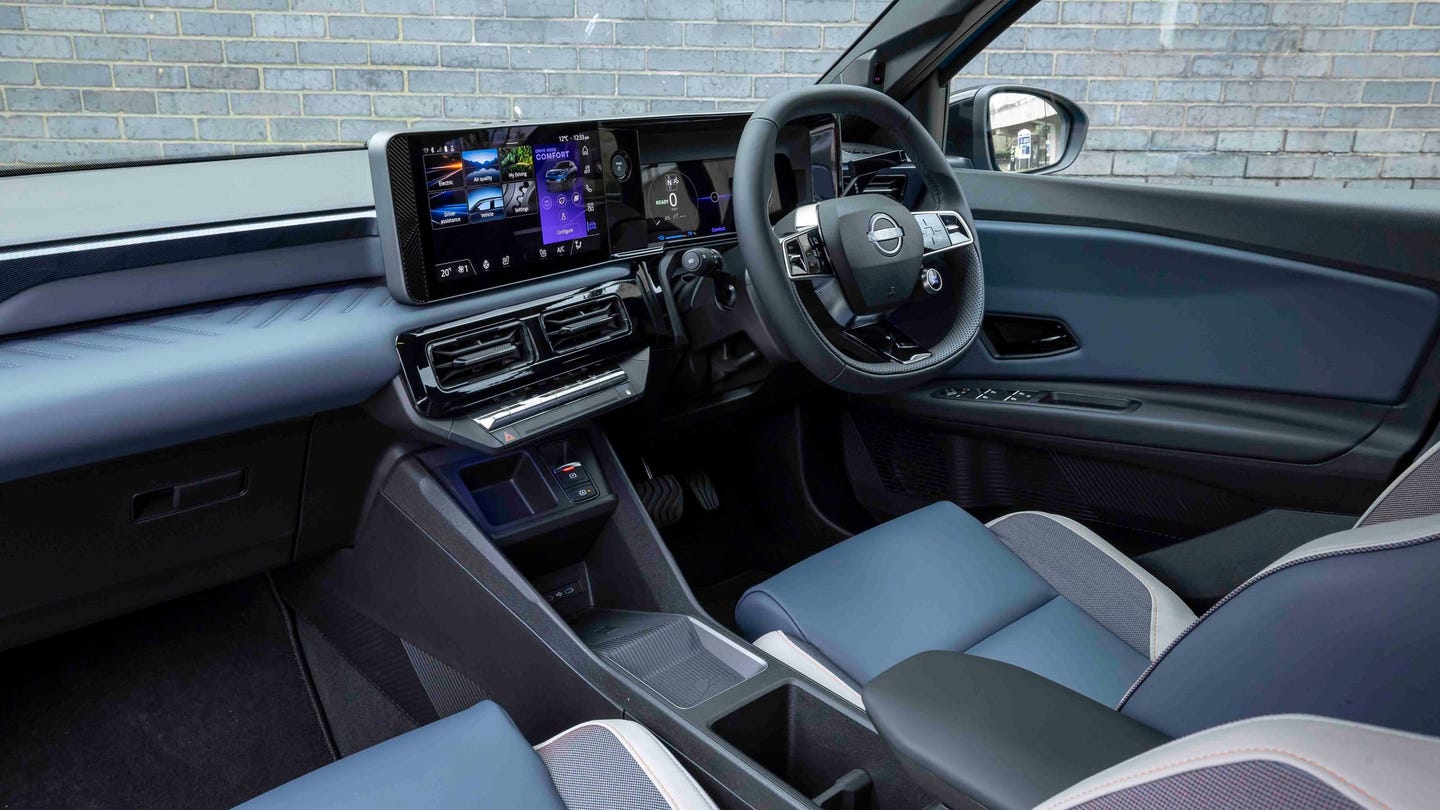
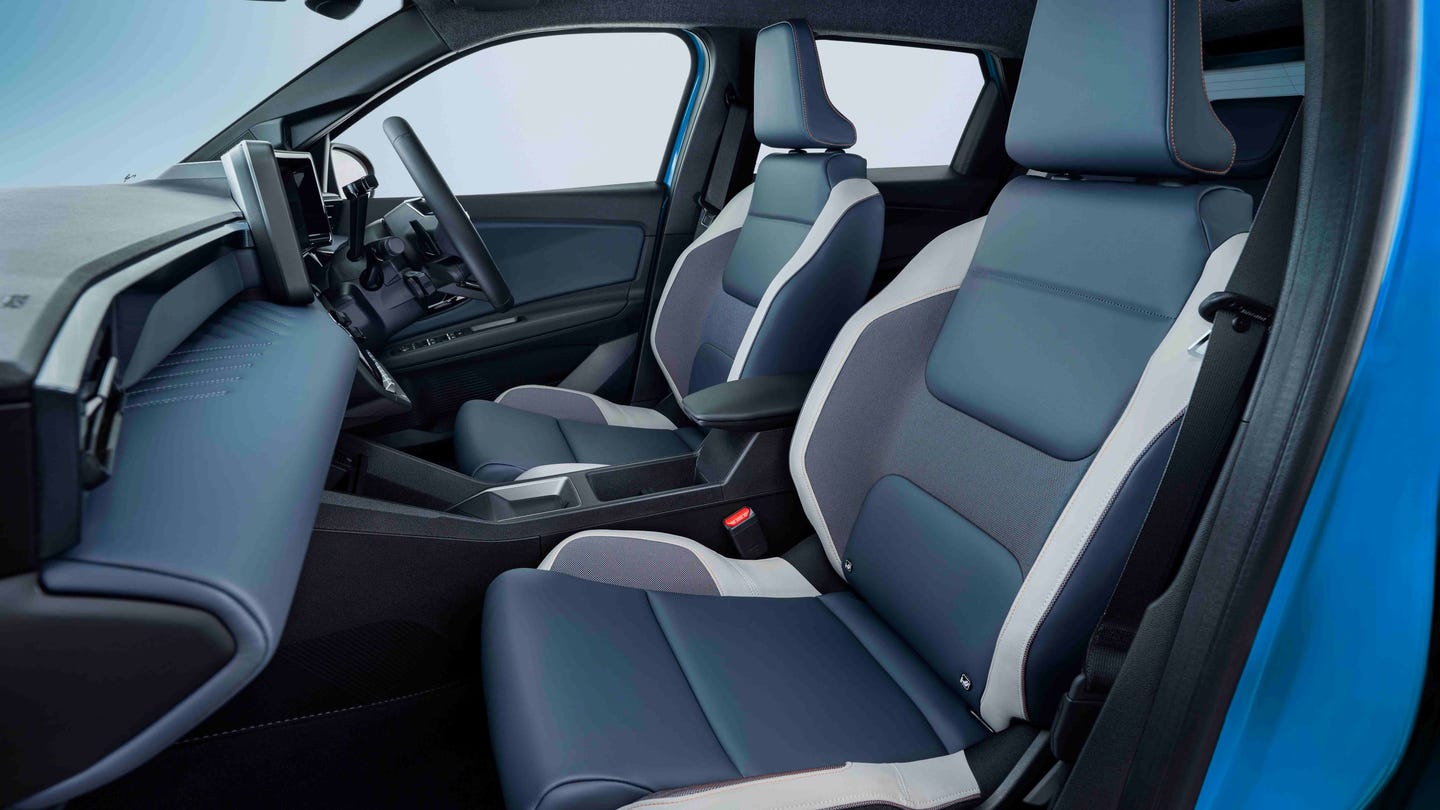
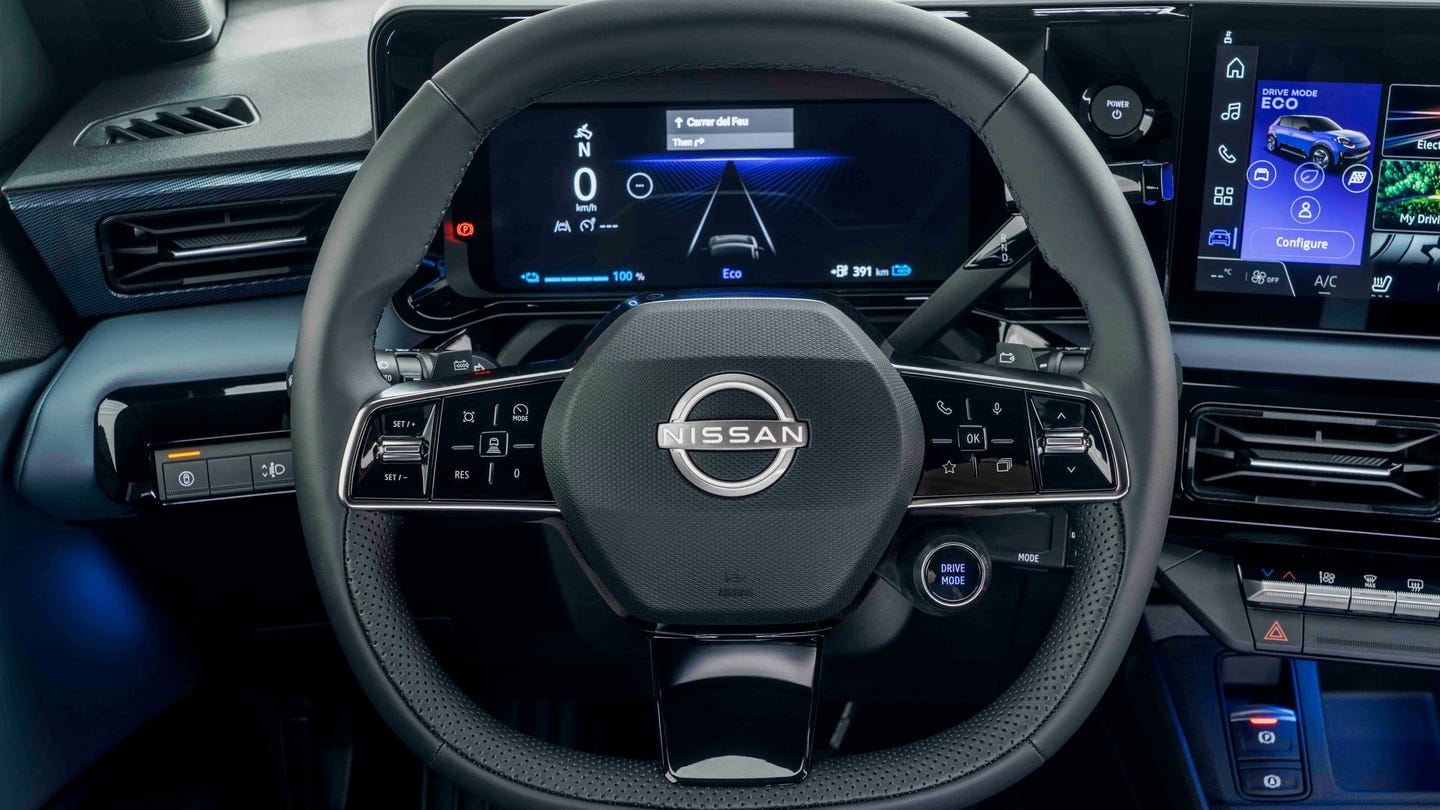
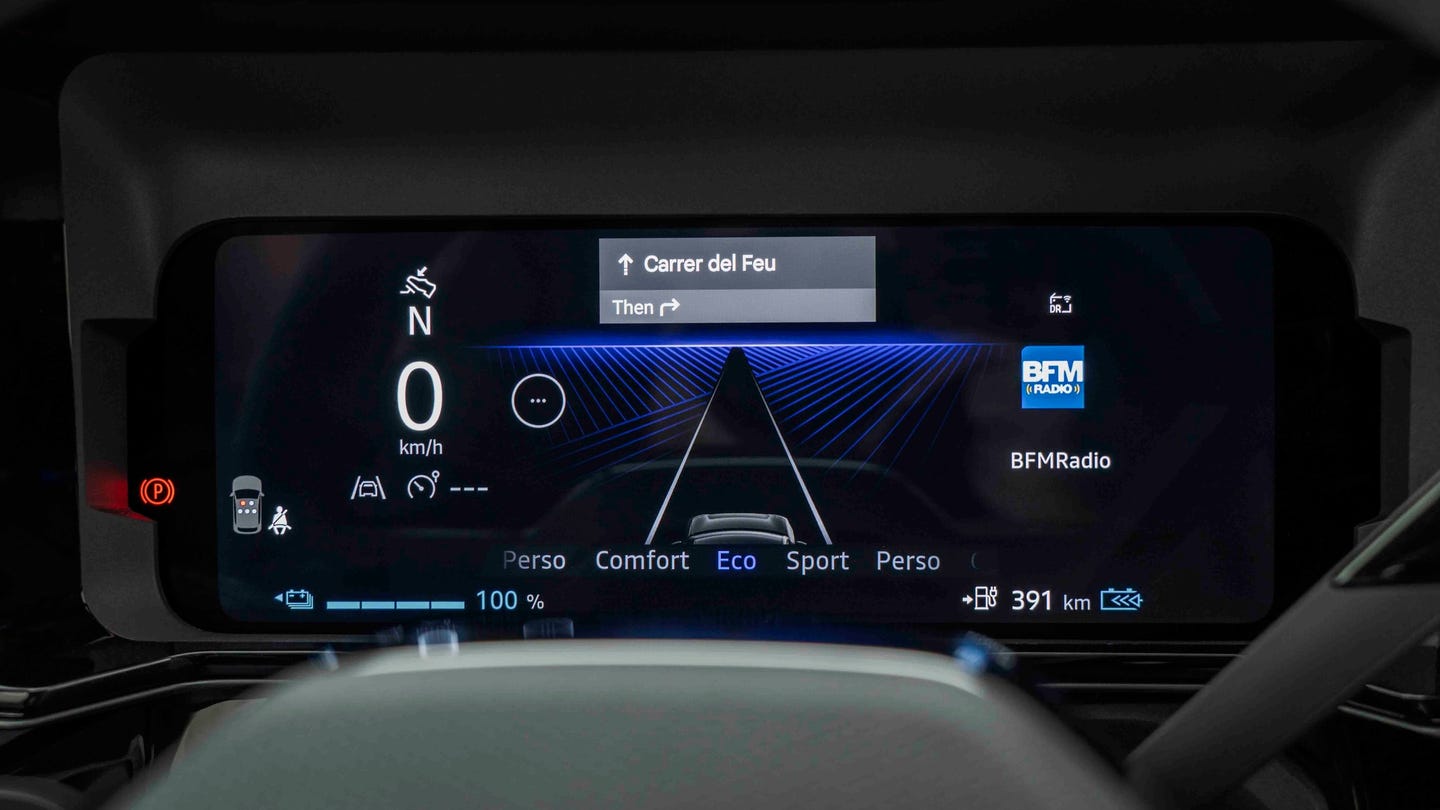
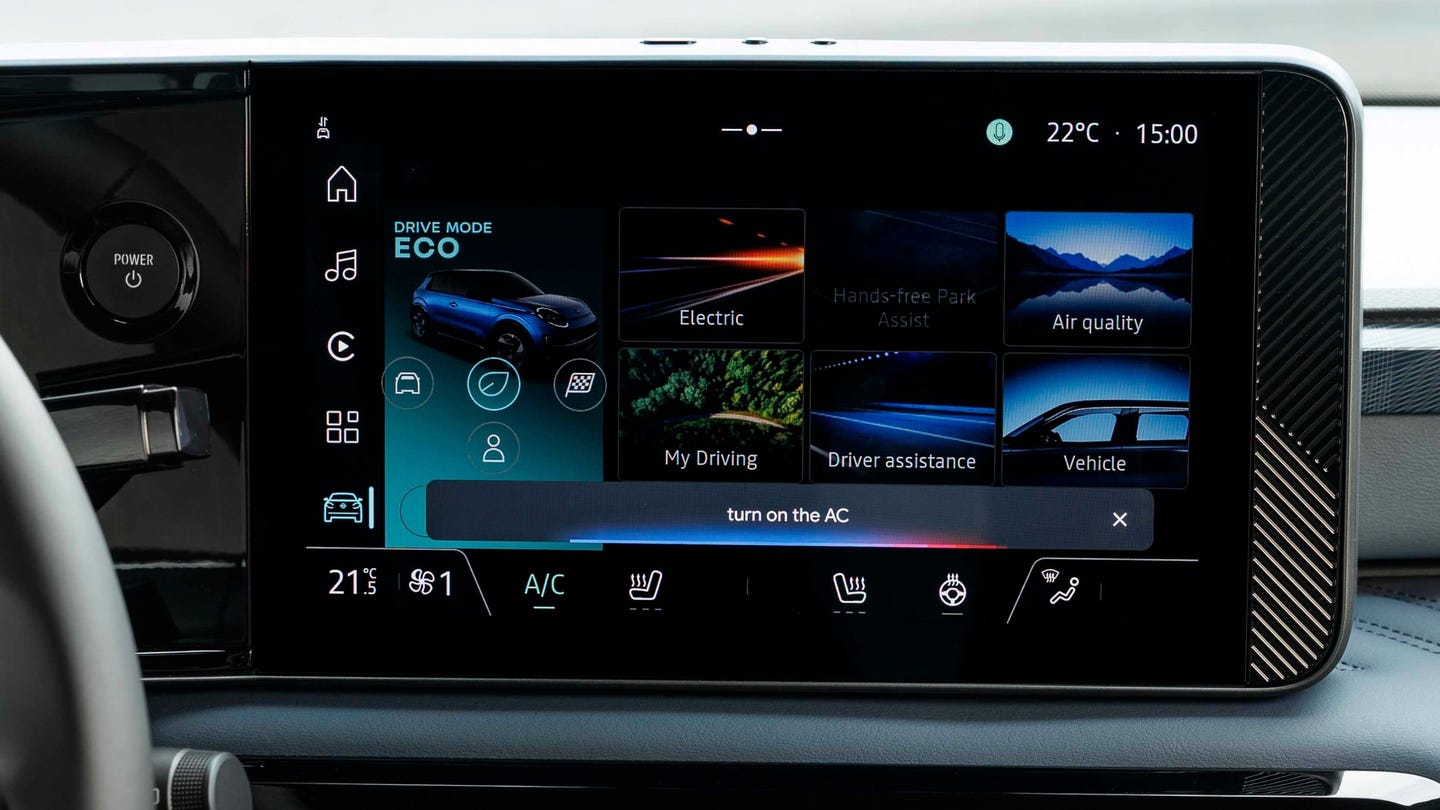
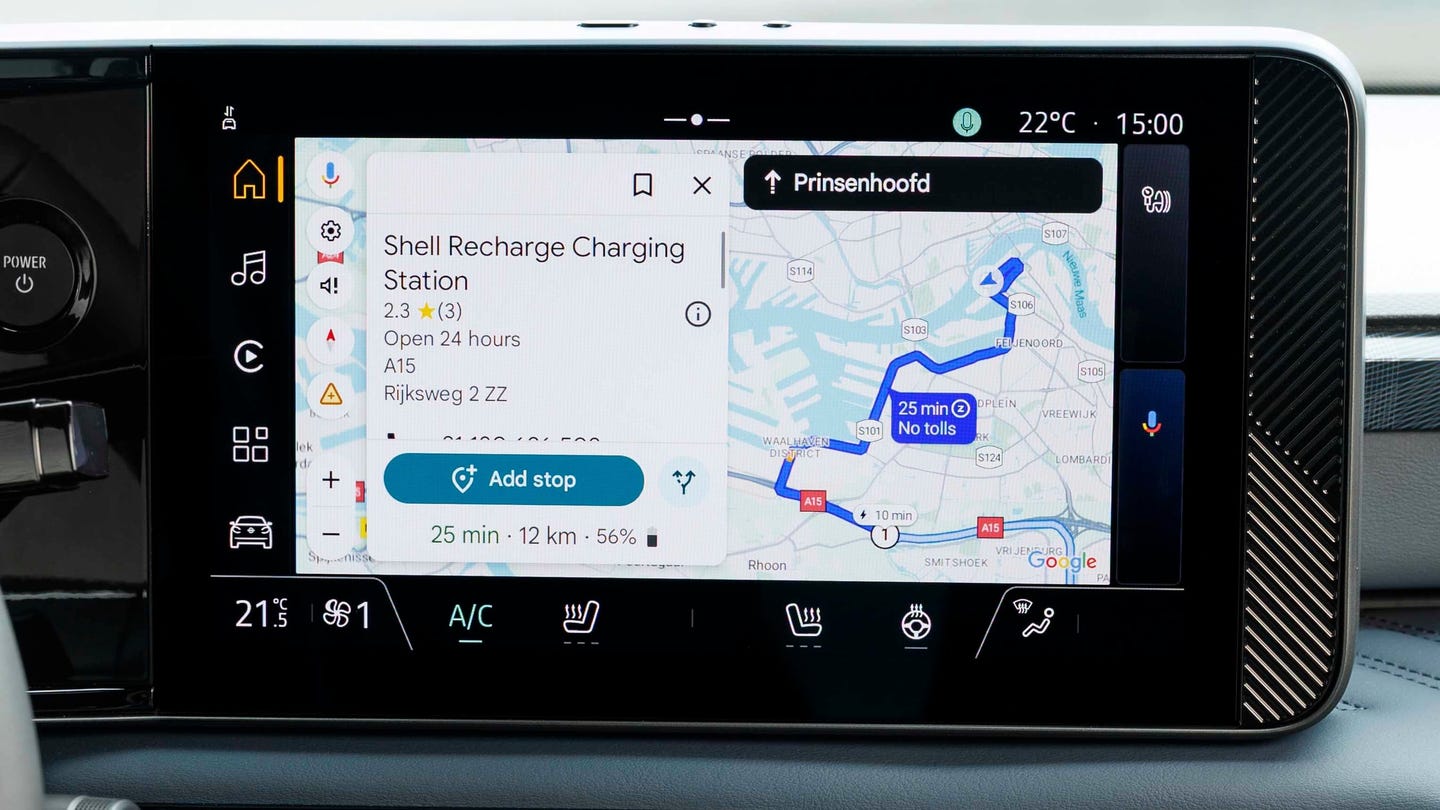
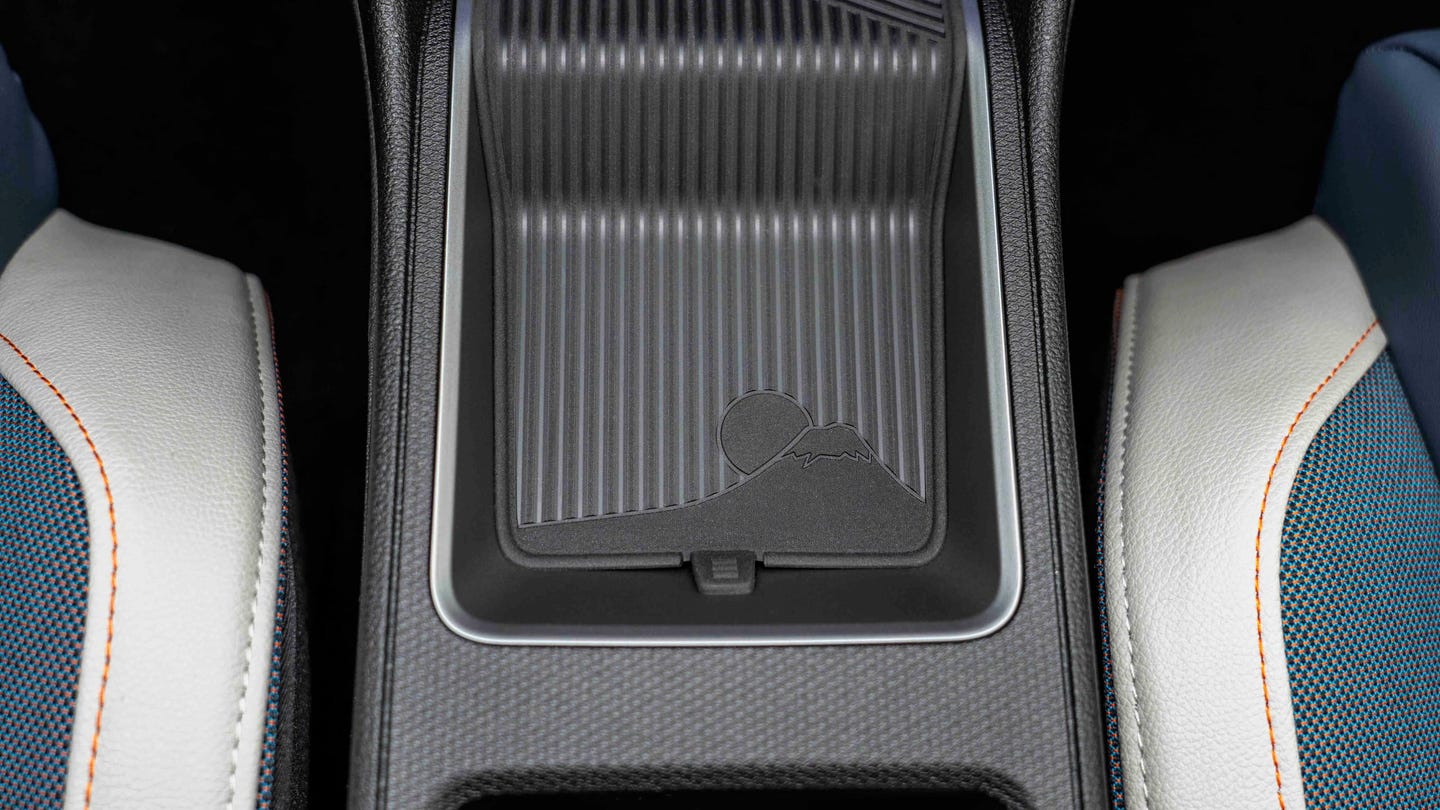
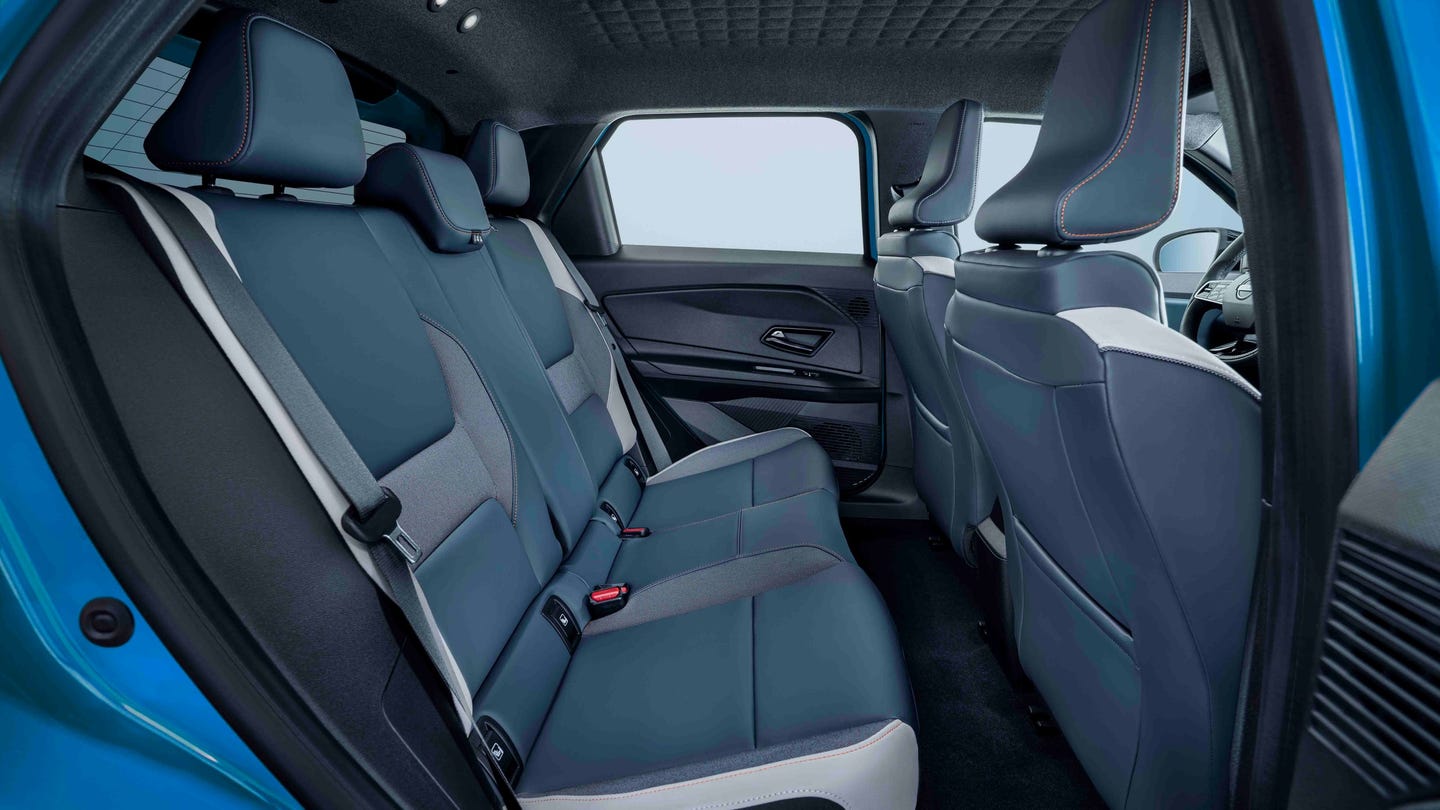
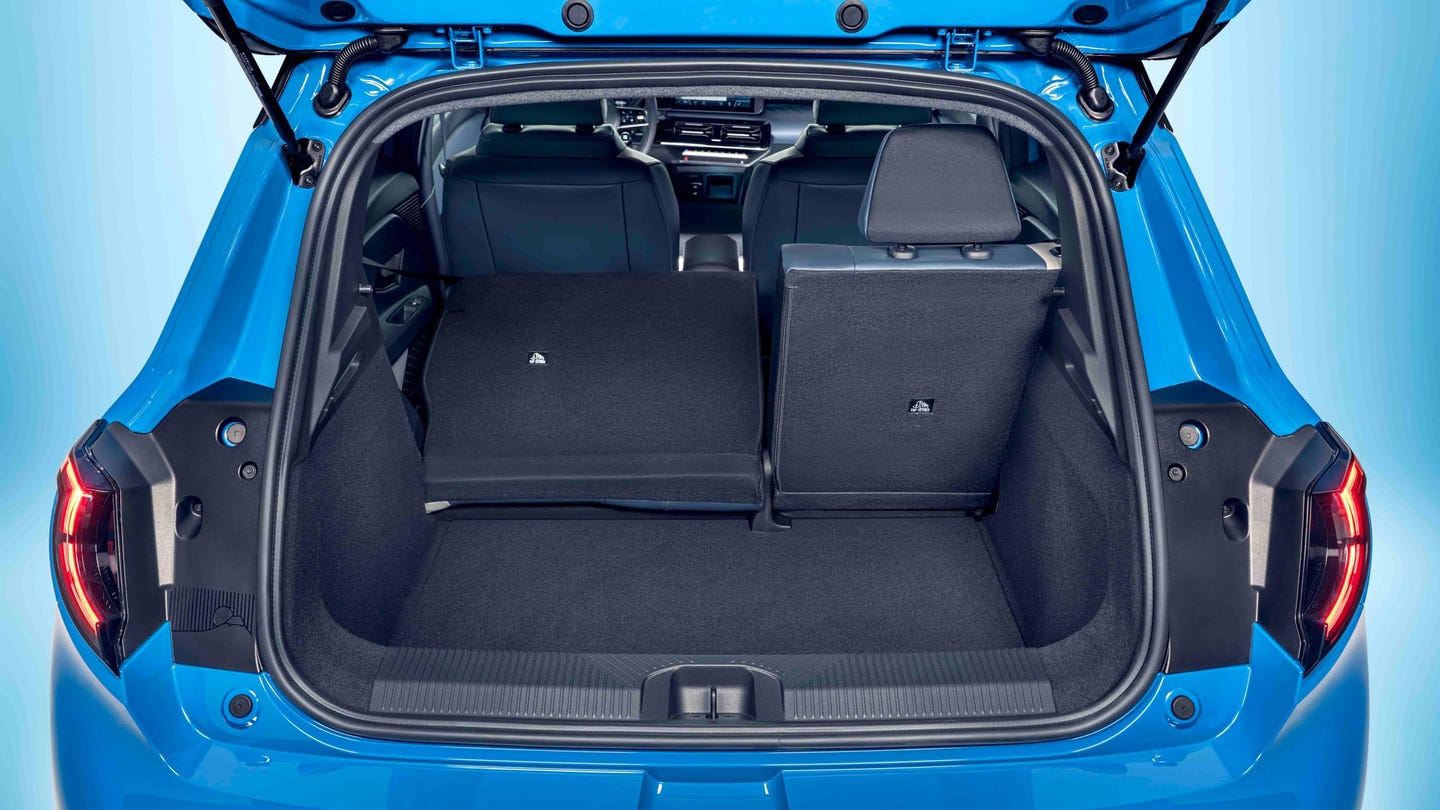
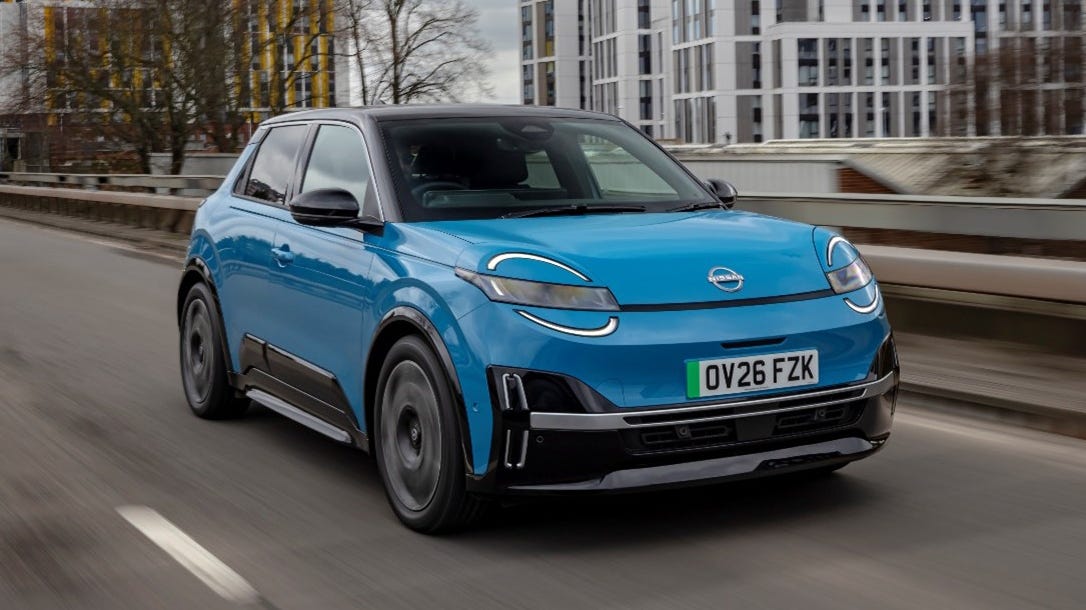
The Micra doesn’t err towards being particularly comfortable or sporty, but it offers a blend of both that seems perfect for daily driving. It gives off a mature, grown-up driving experience that you don’t always get in small cars.
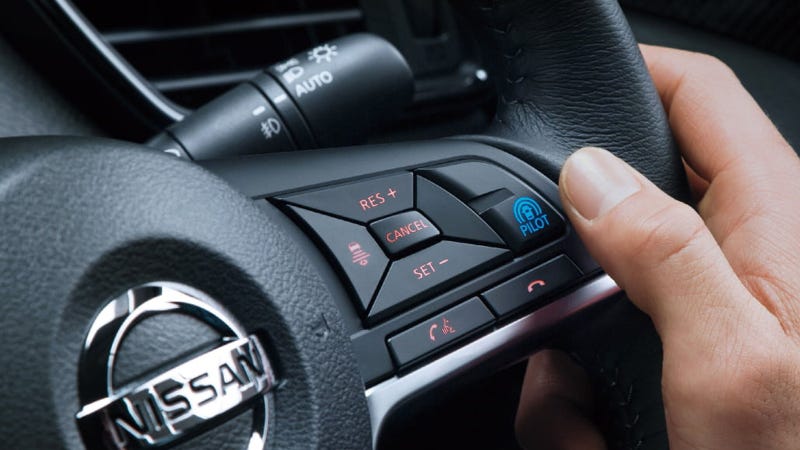
The car feels controlled and calm, and nothing about the experience will shock or upset you. It’s very easy to get along with. The ADAS tech is generally unintrusive, and you can configure your preferred settings into one group that you can turn off together with just a couple of button presses.
You can quickly adjust the level of brake regeneration by flicking the paddles behind the steering wheel – which, bizarrely, the Renault 5 doesn’t get, even though other Renault EVs like the Megane and Scenic do. Avoid the base-spec Micra and you get a proper one-pedal driving mode that’ll bring you to a complete stop, rather than slowing you down to walking pace and then handing you the reins.
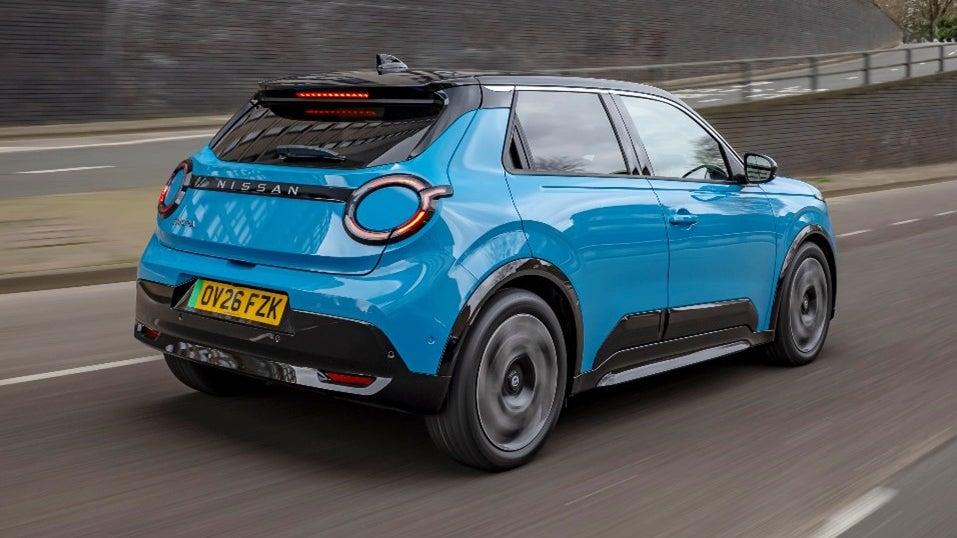
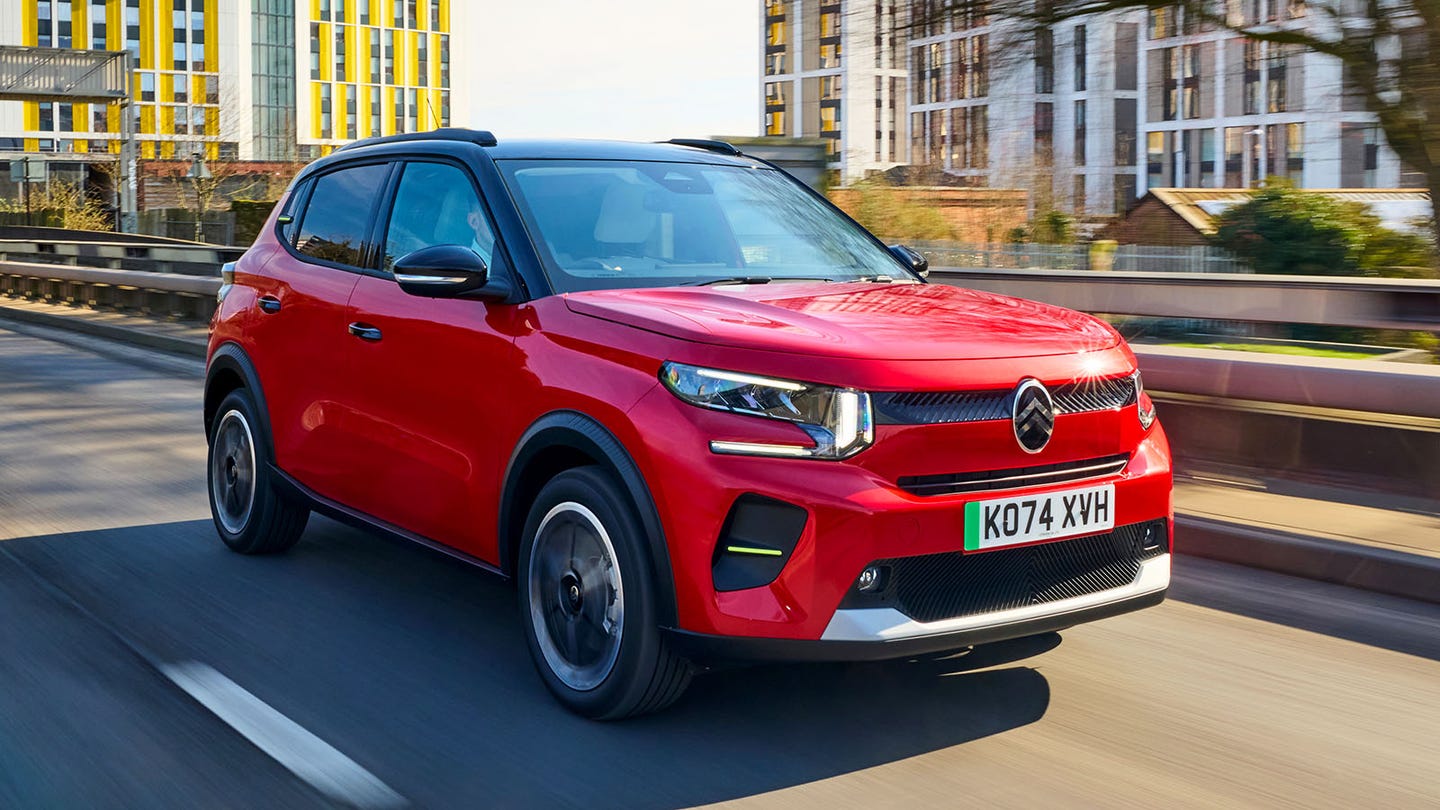
We found the Micra to be comfortable in our time with the car. It doesn’t give you a wallowy soft ride like a Citroen e-C3, and we prefer the Micra’s more controlled feel. The Micra can fidget across broken Tarmac around town, but sharp impacts like potholes and speedbumps are minimised thanks to impressive suspension damping.
For its size and price, the Micra is quite refined for long-distance driving. Top-spec cars get upgraded seats with lumbar support, which are supportive and soft.
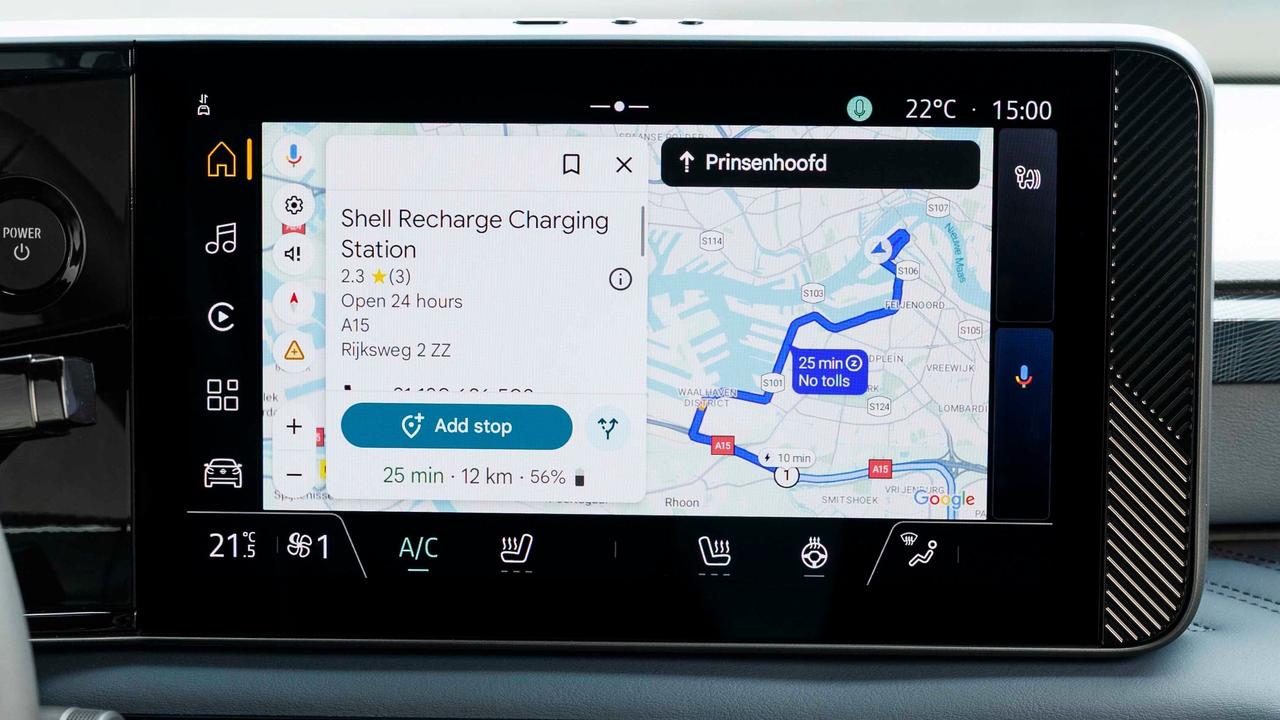
In the lower echelons of the Micra lineup, you get a 40kWh battery, which is good for a range of 196 miles on paper. If you know you’re mainly going to be using the Micra around town or for short to medium-length journeys, this one will be plenty – especially if you can charge at home.
For regular long journeys or if you think you’ll feel held back by the 40kWh battery’s range, there’s the 52kWh battery with a quoted 257 miles of charge. With a heat pump fitted as standard, you should be able to achieve about 170 miles from the small battery and 220 miles from the big battery in real-world driving.
The 40kWh battery can fast-charge at up to 80kW, while the 52kWh battery manages 100kW. Both take half an hour to go from 15-80% in the right conditions. A full 0-100% charge from a home wallbox takes roughly 8.5 hours for the big battery, and about two hours less for the smaller battery, so both can be totally filled overnight if you’re on an EV tariff with cheap power during the early hours.
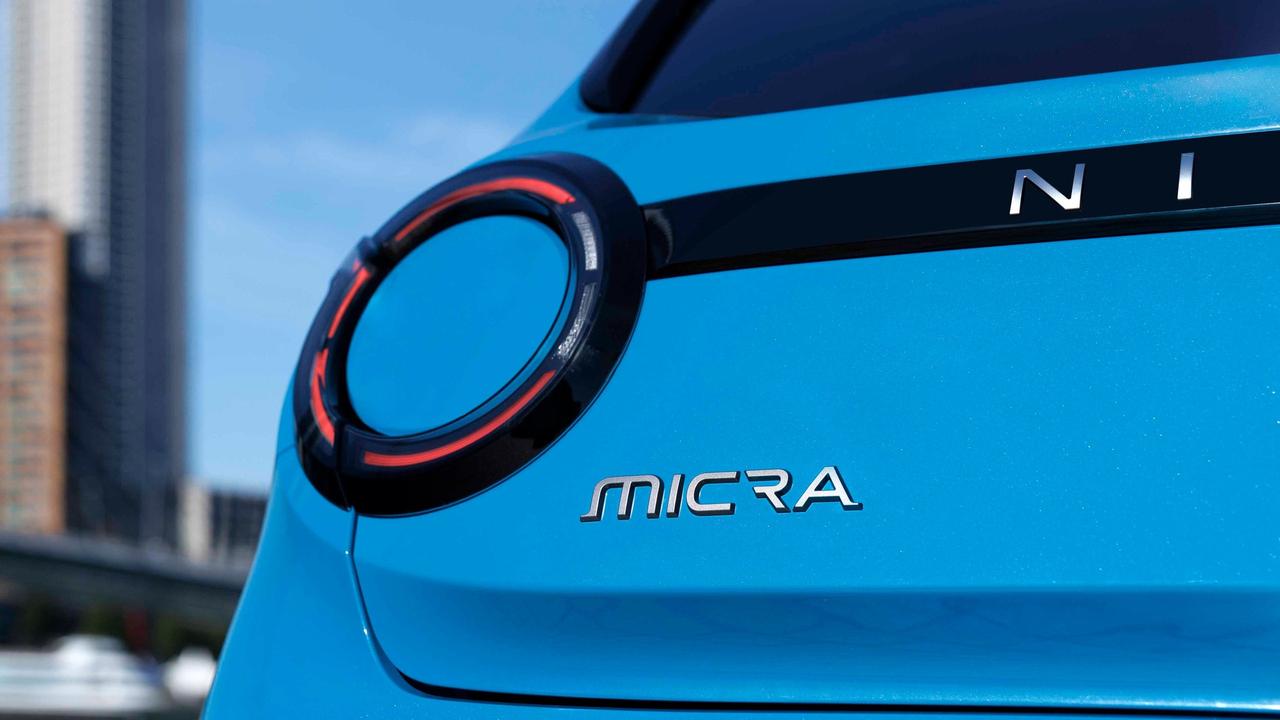
The smaller battery is coupled with a 120hp motor, which is more powerful than any engine offered in the previous Micra. Acceleration is swift and smooth, taking nine seconds for the 0-62mph sprint. The power is metered out well so you don’t get a big lump of torque all at once.
Opt for the bigger battery and you also get a punchier 150hp motor. This knocks the 0-62mph time down by a second, even though the 52kWh cell pack makes the Micra a bit heavier. The top speed for both cars is 93mph, meaning the Micra is perfectly adept at motorway driving. Just remember that, as with the vast majority of EVs, the faster you drive the less range you’ll get out of the battery.
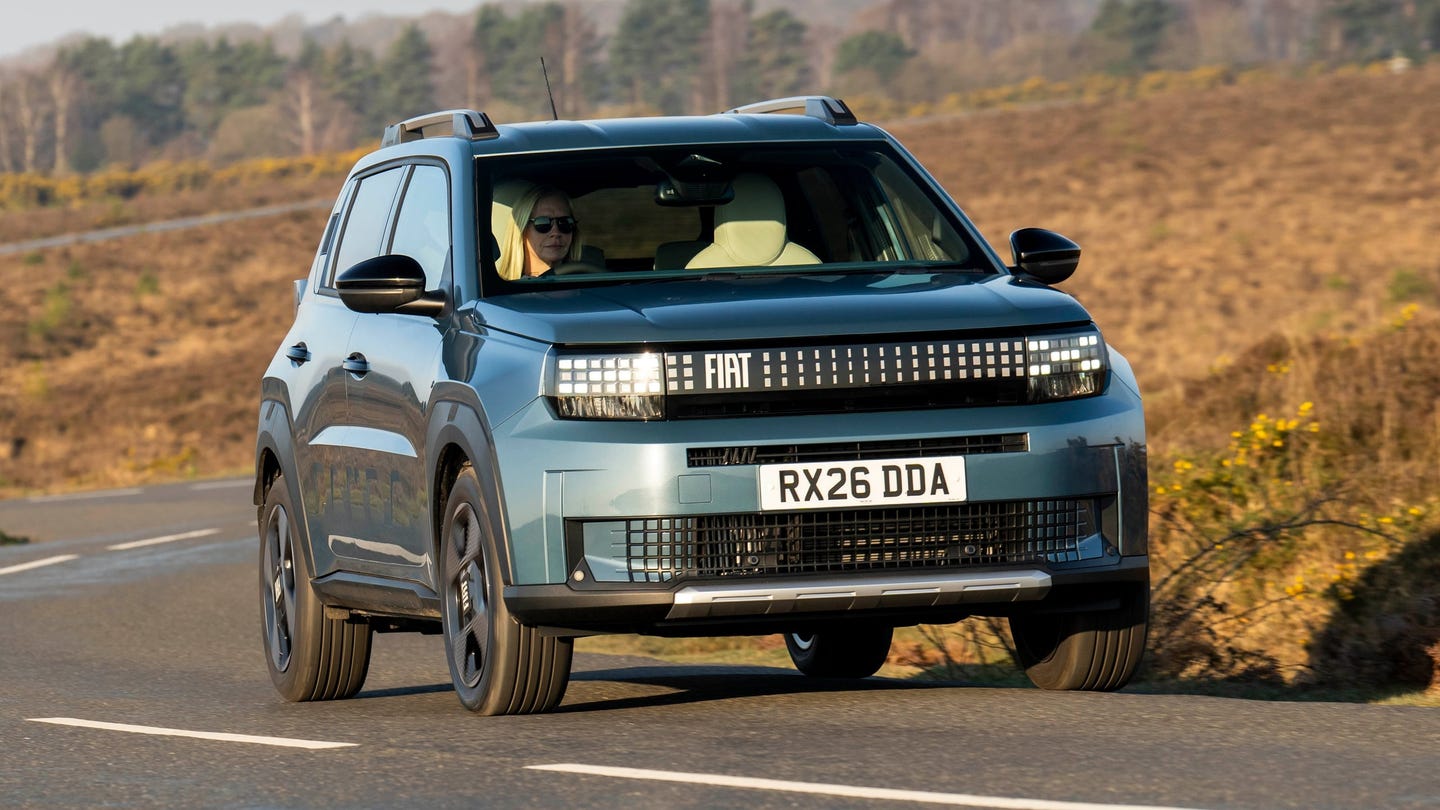
Cheap and full of character: the new Grande Panda is a top small car
Stylish small Mini SUV is compromised by charging speed and comfort