






Newcomer Omoda has already made a big impact in the UK. Should you go for something new, or the familiar Qashqai?
An overwhelming number of Chinese car brands are trying to gain a foothold in the UK, and Omoda has found greater success than most. Its most popular model is the Omoda 5, and it was almost designed to take on the Nissan Qashqai. Omoda’s sucker punch is the price: a brand-new 5 starts at around £6,500 less than the cheapest Qashqai.
But, on the used market, there’s less in it. So we’ll compare these cars in detail to help you decide.
Omoda 5 vs Nissan Qashqai compared
| Omoda 5 | Nissan Qashqai |
Pros:
| Pros:
|
Cons:
| Cons:
|
Styling
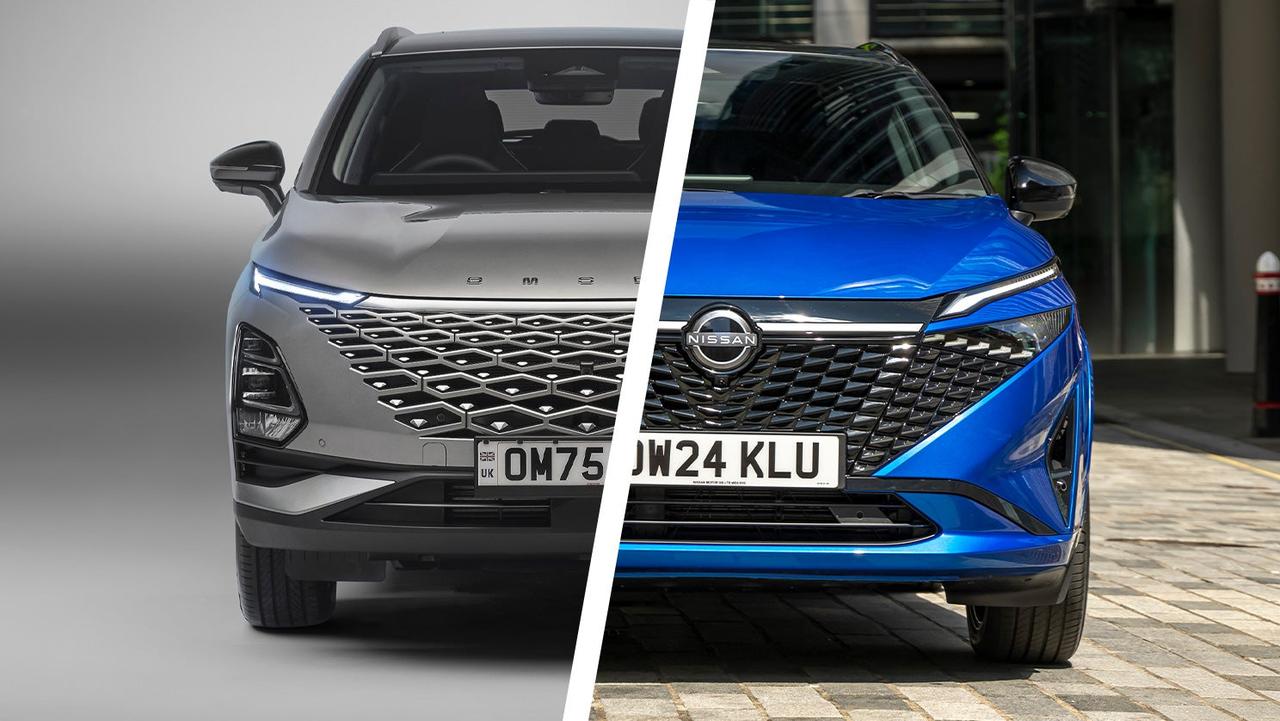
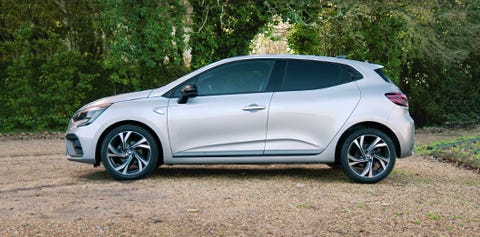
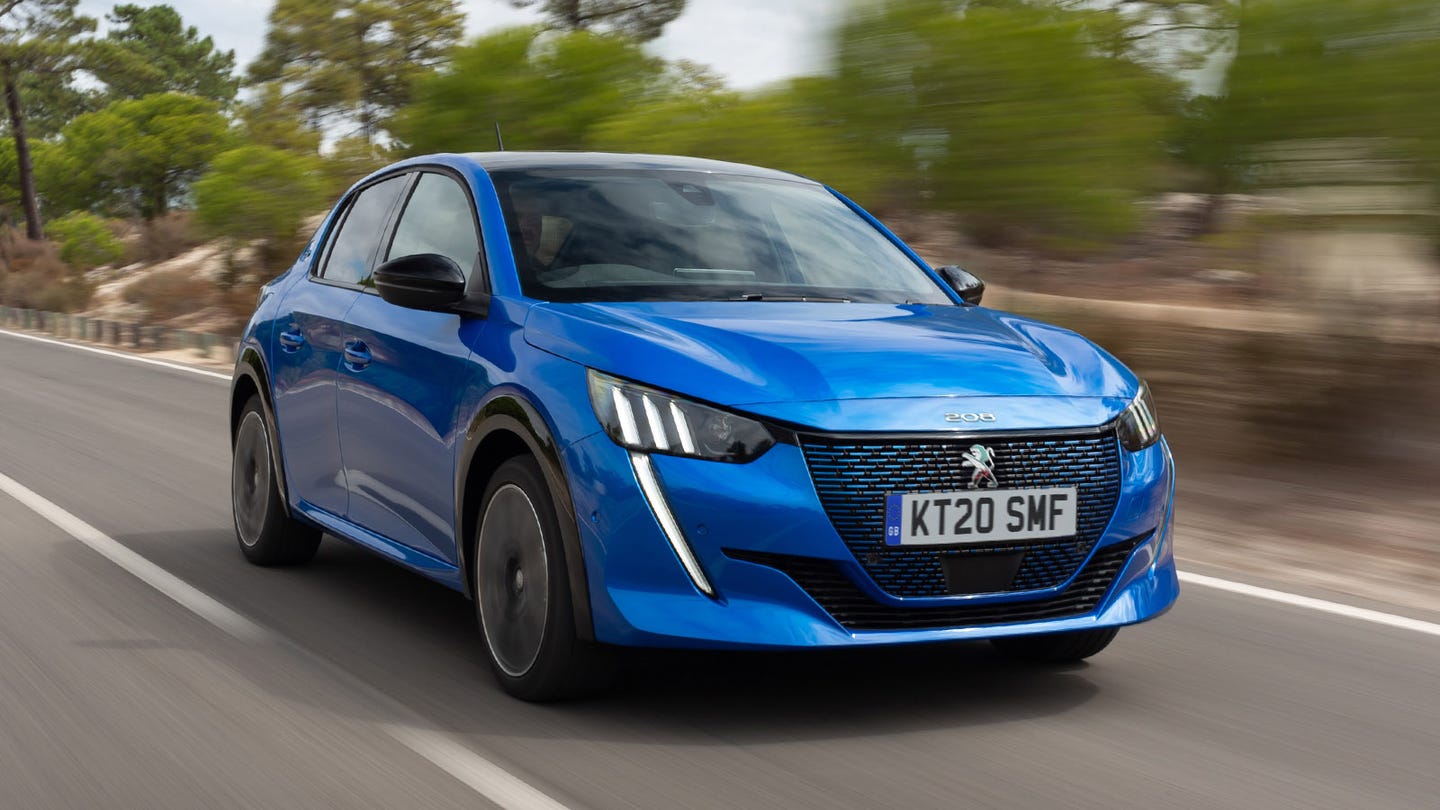
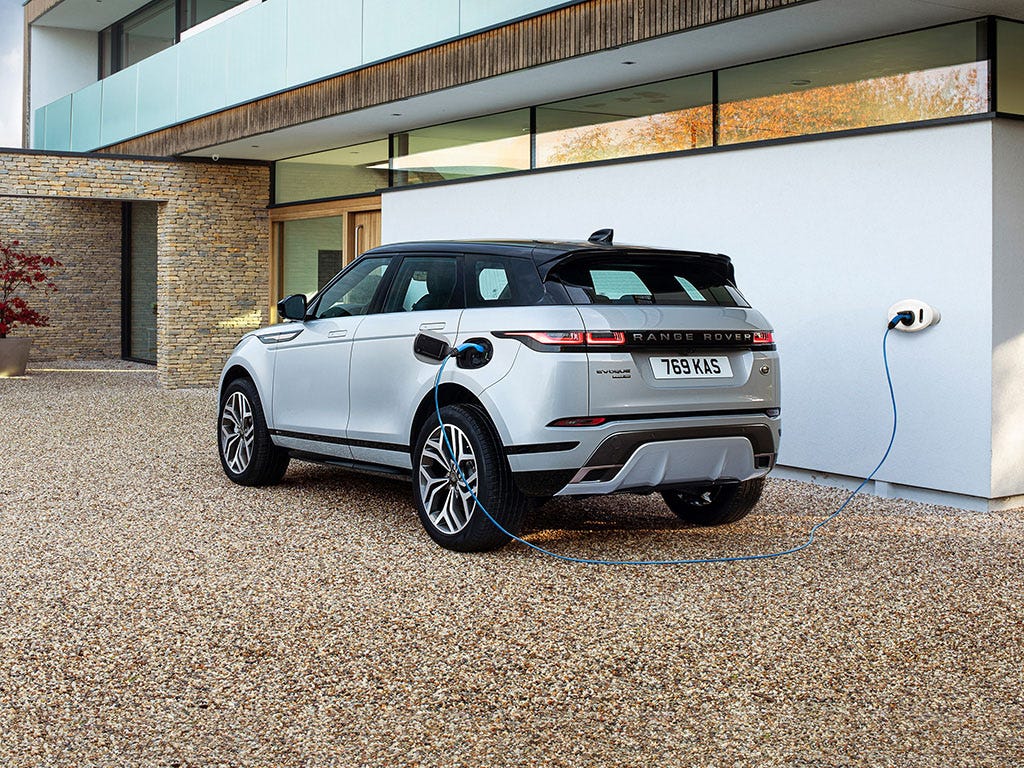
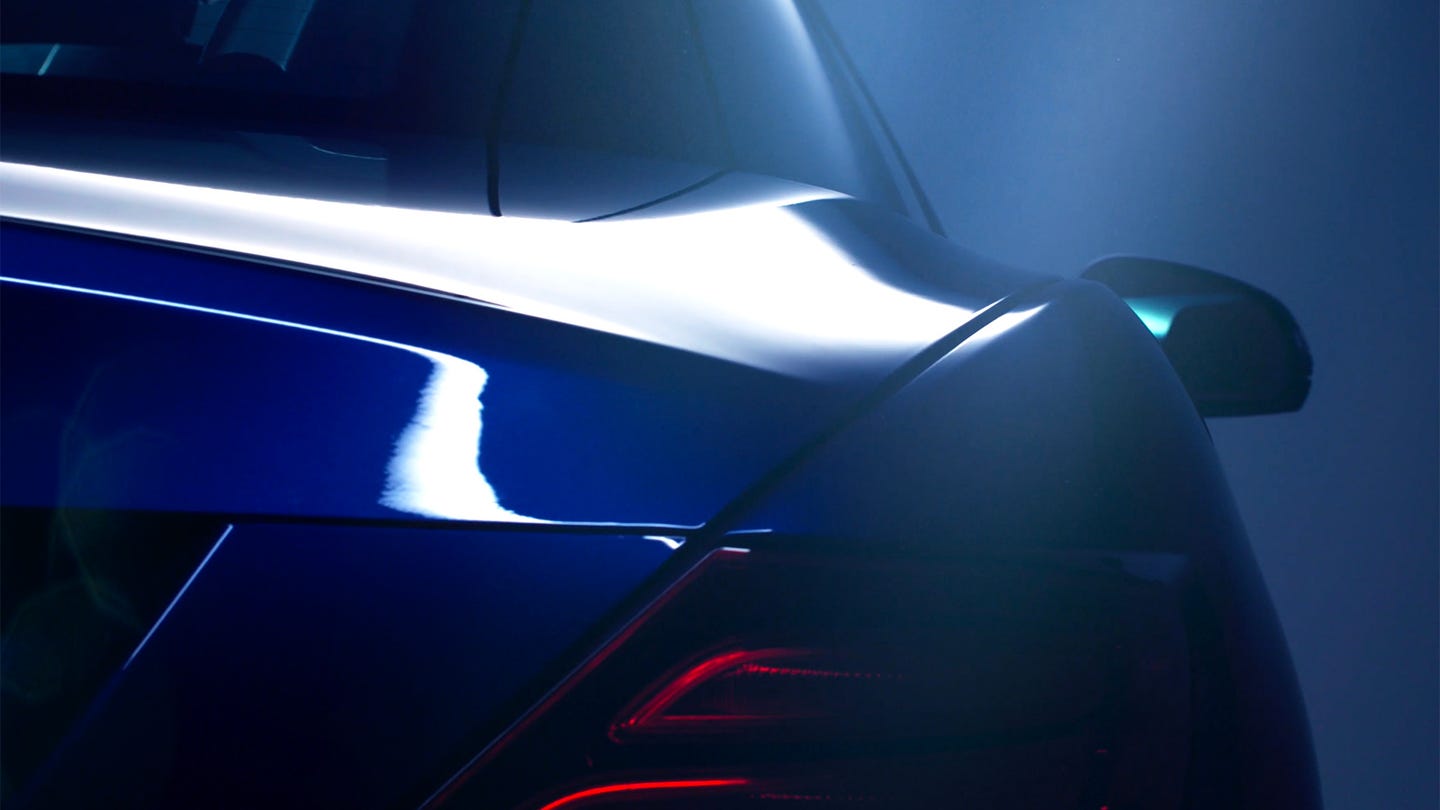
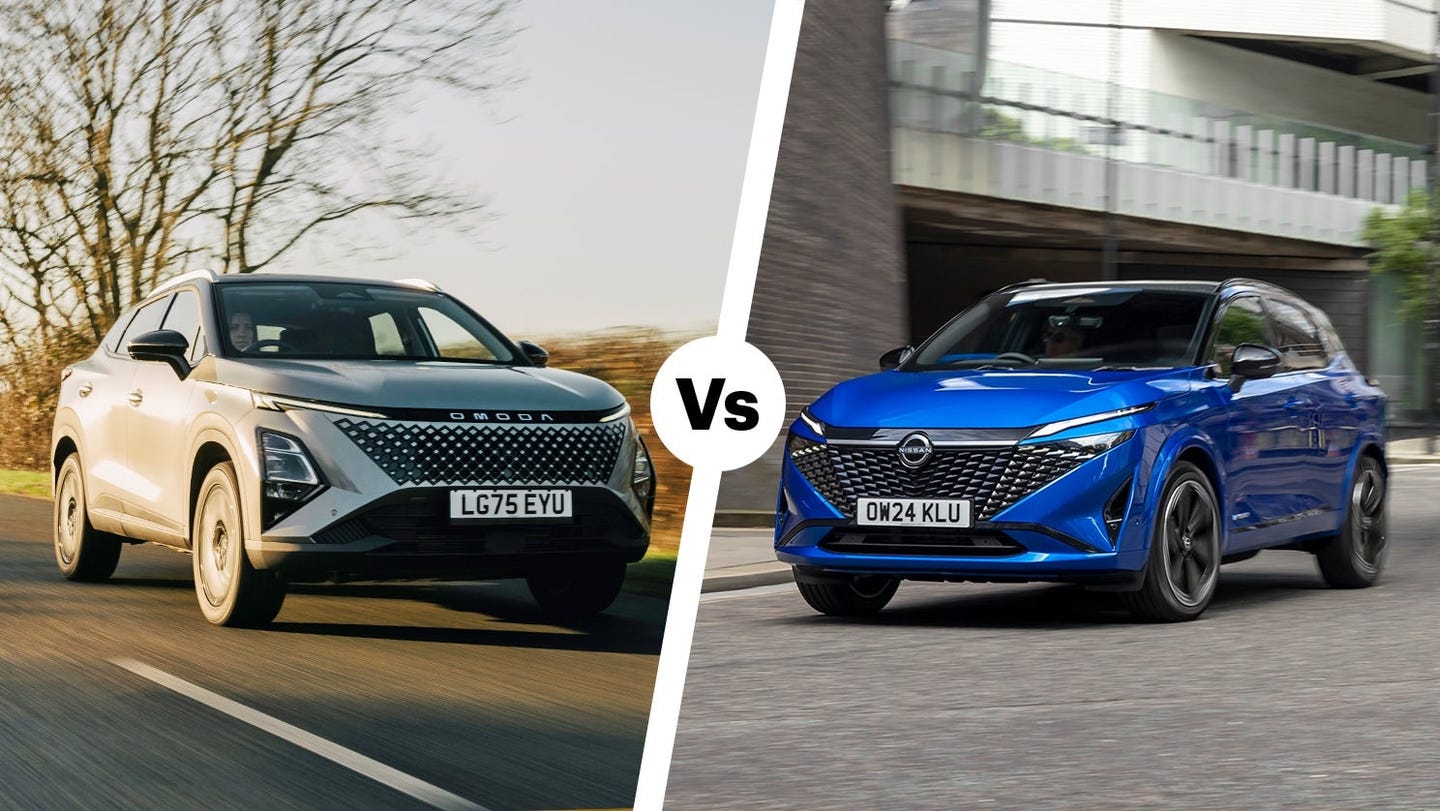
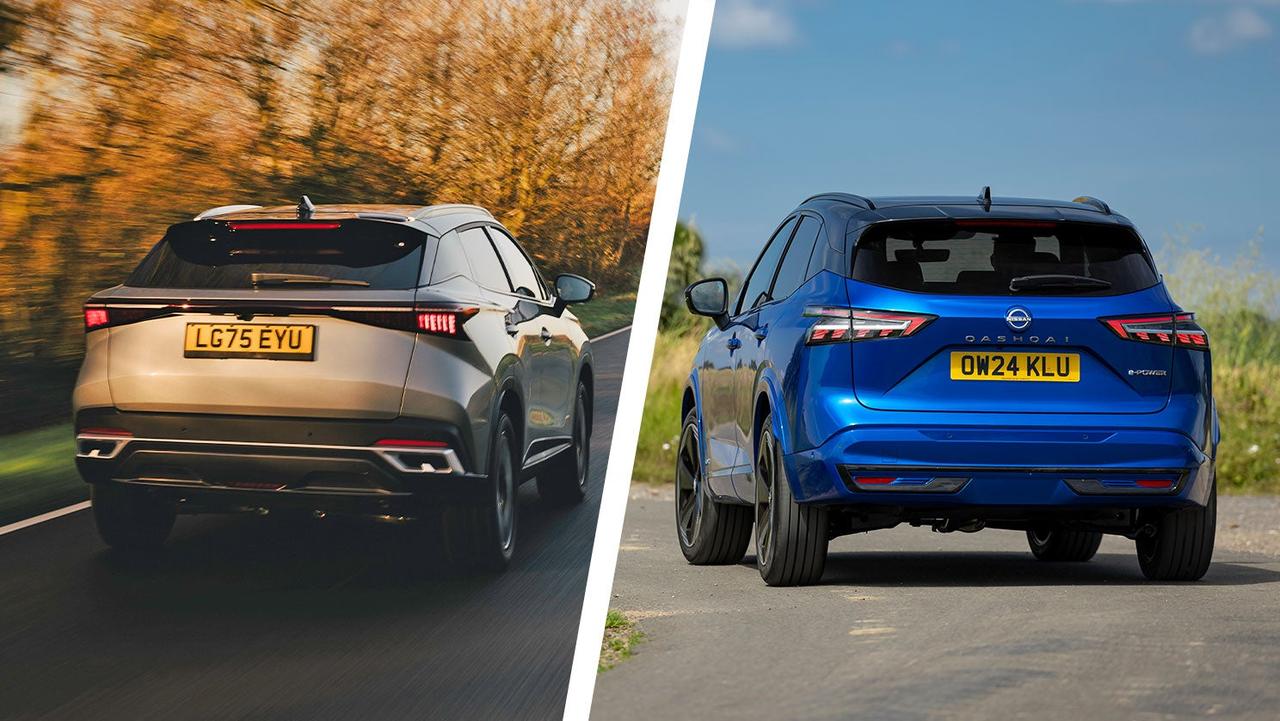
Given that Omoda is aiming to be a fashionable brand, it’s not surprising that the 5’s styling stands out. The front end is particularly eye-catching, with beady daytime running lights and a wide diamond-studded grille (although the electric E5 gets a much smoother, grille-less front end). The shape is quite sleek, with the windowline rising to almost meet the roofline in a similar way to the Range Rover Evoque, while the rear end gets arrow-shaped tail-lights and a sporty-looking roof spoiler.
The latest Qashqai also has split headlights and a expansive trapezoidal grille, so you might think these two cars look quite similar. Further back, the rear quarterlight window pinches in a similar way to the Omoda, and frosted tail-lights add a bit of interest to what’s otherwise quite a conventional rear-end design. The Omoda has some stronger body creases than the Qashqai, making it look a little sportier.
Interior and technology
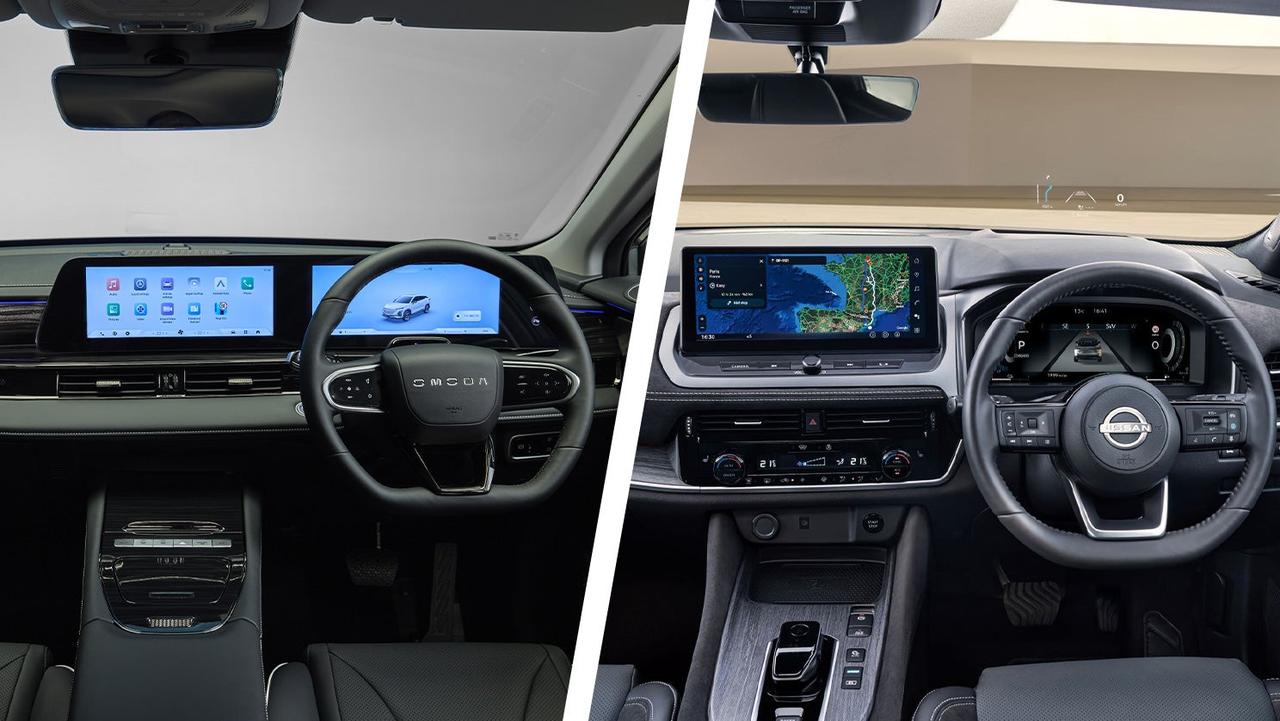
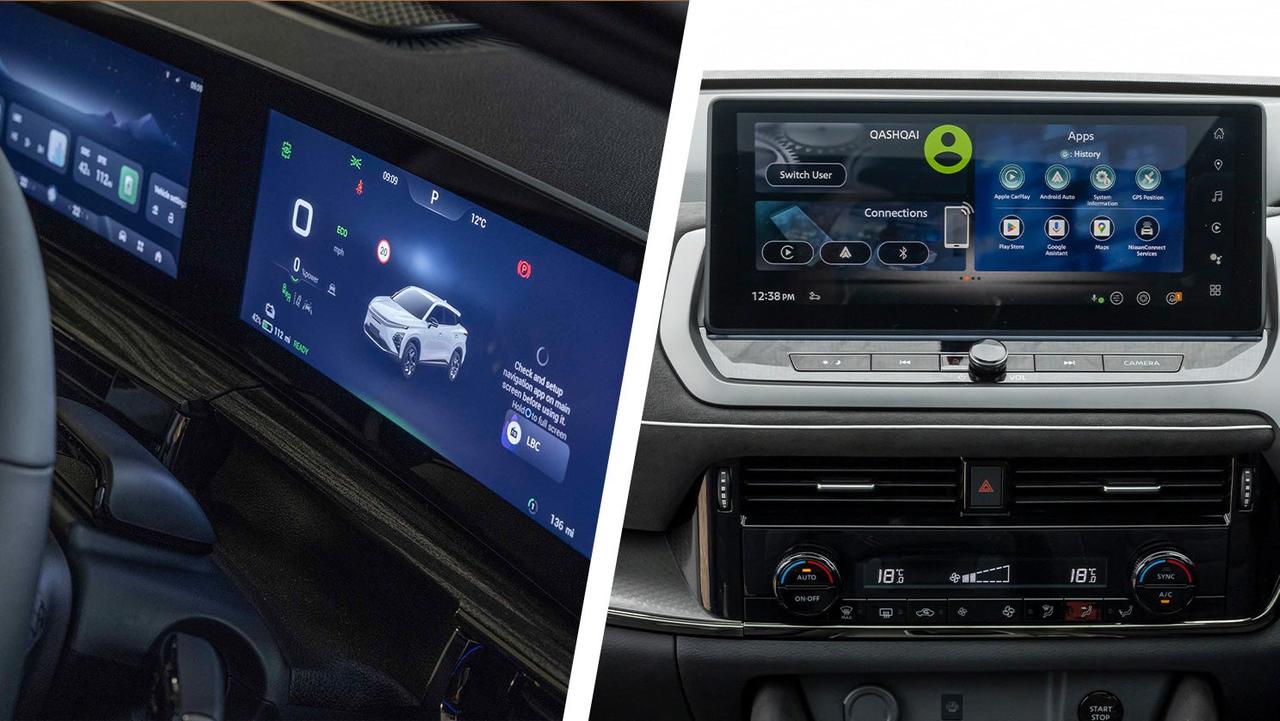
The Omoda 5’s interior is modern and smart, but also pretty generic. There are big bezels around the twin screens, making them look a bit small, while the digital driver’s display is pretty busy. The touchscreen is clearer, with a similar layout to the Apple CarPlay menu page, so it should be fairly easy to find your way around. Material quality looks decent but some of the surfaces and textures aren’t quite as premium as they appear. Mind, for the price of the 5, they’re a non-issue.
Nissan’s interior design is a little more conservative, but it’s also more tactile. There are proper controls for the air conditioning functions, compared with the Omoda’s imprecise touchpads, and prominent steering wheel buttons for major controls. The digital dials are easier to decipher, and the touchscreen scores a home run by incorporating Google software for the maps and apps. There are shortcut keys on the right of the screen to easily switch between screens. Somehow, the Qashqai’s quality seems a bit more authentic than the 5’s.
Dimensions and practicality
| Omoda 5 | Nissan Qashqai | |
| Length | 4,373mm (4,424mm for E5) | 4,425mm |
| Wheelbase | 2,610mm (2,630mm for E5) | 2,665mm |
| Height | 1,588mm | 1,625mm |
| Width (exc, wing mirrors) | 1,824mm | 1,835mm |
| Boot space (seats up/down) | 380/1,075 litres | 504/1,447 litres |
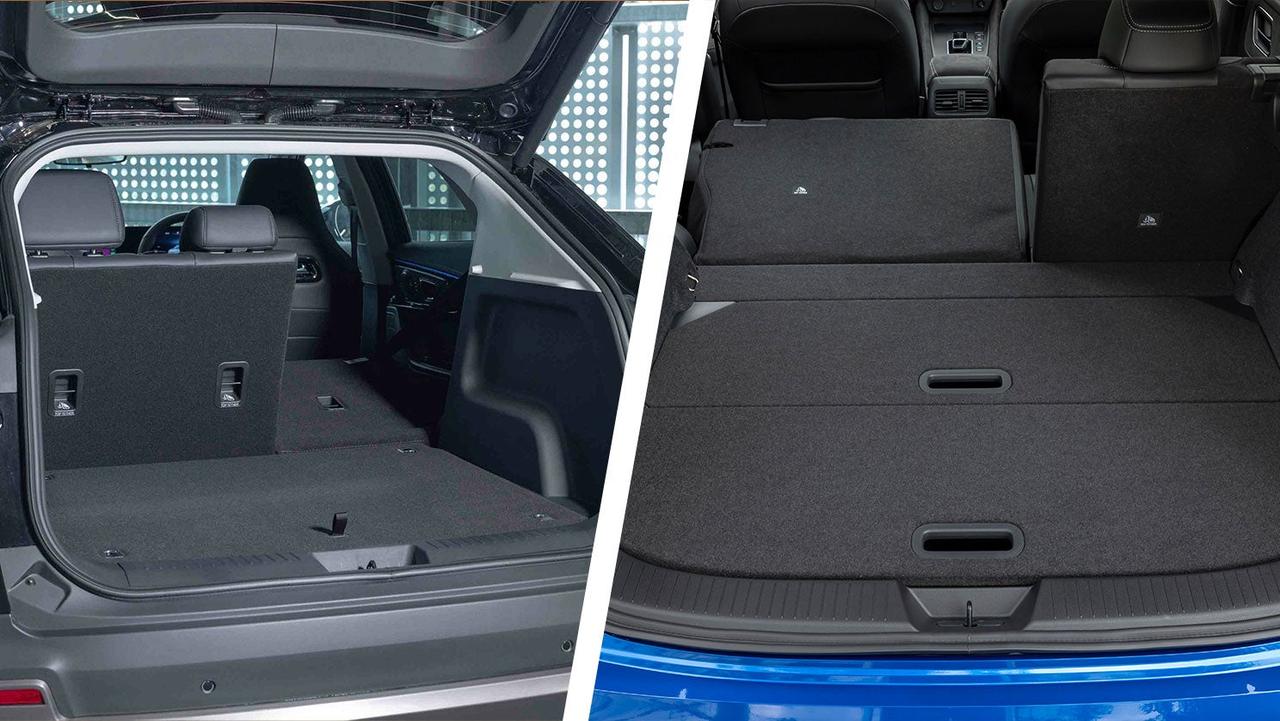
The Nissan Qashqai uses its dimensions more effectively than the Omoda 5. As you can see from the table, the Qashqai is barely any bigger than the 5, but its boot is considerably larger. The Omoda’s boot is small for its size, and it doesn’t offer any more space than a traditional hatchback like the Volkswagen Golf.
If you regularly need to load above the parcel shelf, or you’ve got a dog, the Qashqai will be the better choice. The Omoda’s sleeker roofline means it loses quite a bit of space here versus the Nissan.
With the Qashqai having a longer wheelbase (the distance between the front and rear wheels), it offers a little more legroom than the 5. The Qashqai also has families in mind, with doors that open very wide and a lower windowline to give kids a better view out.
Engines
The Omoda’s engine range is a mixed bag. Most 5s come with a 1.6-litre turbo petrol engine, which would be pretty nippy if it wasn’t for the lazy automatic gearbox. This engine is also poor for fuel economy – Omoda reckons you’ll only achieve 31mpg, which isn’t any better than some small family cars achieved in the 1990s.
The electric E5 is more alert when you press the accelerator, and the 7.2-second 0-62mph sprint is enough to feel quick. You’ll manage up to 257 miles from a full charge of the 61kWh battery, which is on a par with rivals. It’s let down by a maximum DC charge rate of 80kW, meaning you’ll be waiting a long time if you’re using public chargers.
Sliding in between the two is a hybrid engine, which looks like the one to pick. It’s a couple of grand more expensive than the petrol, but comes better equipped and promises over 50mpg – not to mention better refinement. You’ll just have to hope that people don’t notice that both Hs in the engine’s SHS-H name stand for ‘hybrid’.
The Qashqai doesn’t have an answer for the electric Omoda E5 (you could always consider the new Nissan Leaf SUV), but it has a slick riposte for the petrol and hybrid options. Nissan’s 1.3-litre petrol engine is now assisted with mild-hybrid tech, and the Qashqai promises 44mpg. There’s a manual gearbox, or an optional CVT automatic gearbox – which can get a little noisy under hard acceleration.
Opt for the Qashqai E-Power hybrid and you’ll enjoy a similar driving experience to an electric car, but without having to plug in. The motor drives the wheels and the engine is only on hand to assist, and you should be able to achieve almost 55mpg quite easily.
Value
As a new car, the petrol Omoda 5 is over £6,000 cheaper than the Qashqai – but some of that difference will be clawed back by the Omoda’s higher fuel and insurance costs.
On the used market, we found that the Omoda is still nearly £2,000 cheaper than a Qashqai with similar mileage – and you’d get a newer plate too. Both cars are well equipped in their entry level versions – you’re not going to be missing out on much by choosing the Qashqai.
Omoda’s seven-year warranty comfortably outstrips Nissan’s three-year offering. But, with Omoda being such a new brand in the UK, it’s hard to know how the 5 will hold up after a few years of use. Or how much money it'll be worth.
Don your patriot hat and the Nissan is the obvious choice, because it’s made in Britain whereas the Omoda is Chinese-built.
Which is best?
The Omoda 5 beats the Nissan Qashqai on cost and warranty length, but in other areas it’s not as good as the Qashqai. The Qashqai is more practical, easier to live with, more economical, better set up for our roads and seemingly very reliable. In this case, the old adage rings true – you get what you pay for.
Shop used Omoda 5 cars and used Nissan Qashqai cars for sale at Motorpoint. Want more information on these cars? Read our Omoda E5 review and Nissan Qashqai review.
.jpg&w=744&q=75)