








Toyota 10-year warranty – everything you need to know

Mike Vousden
•
Warranty

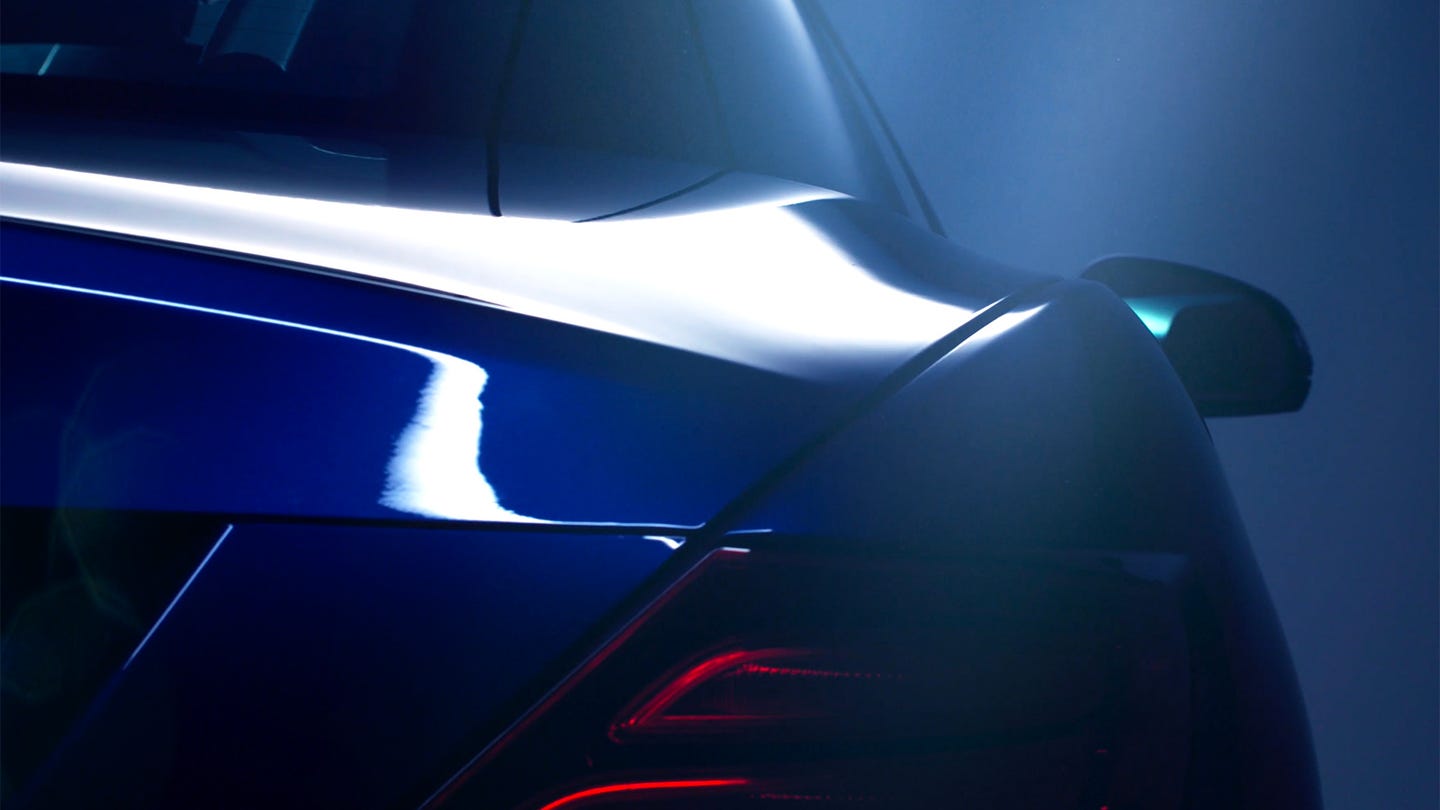

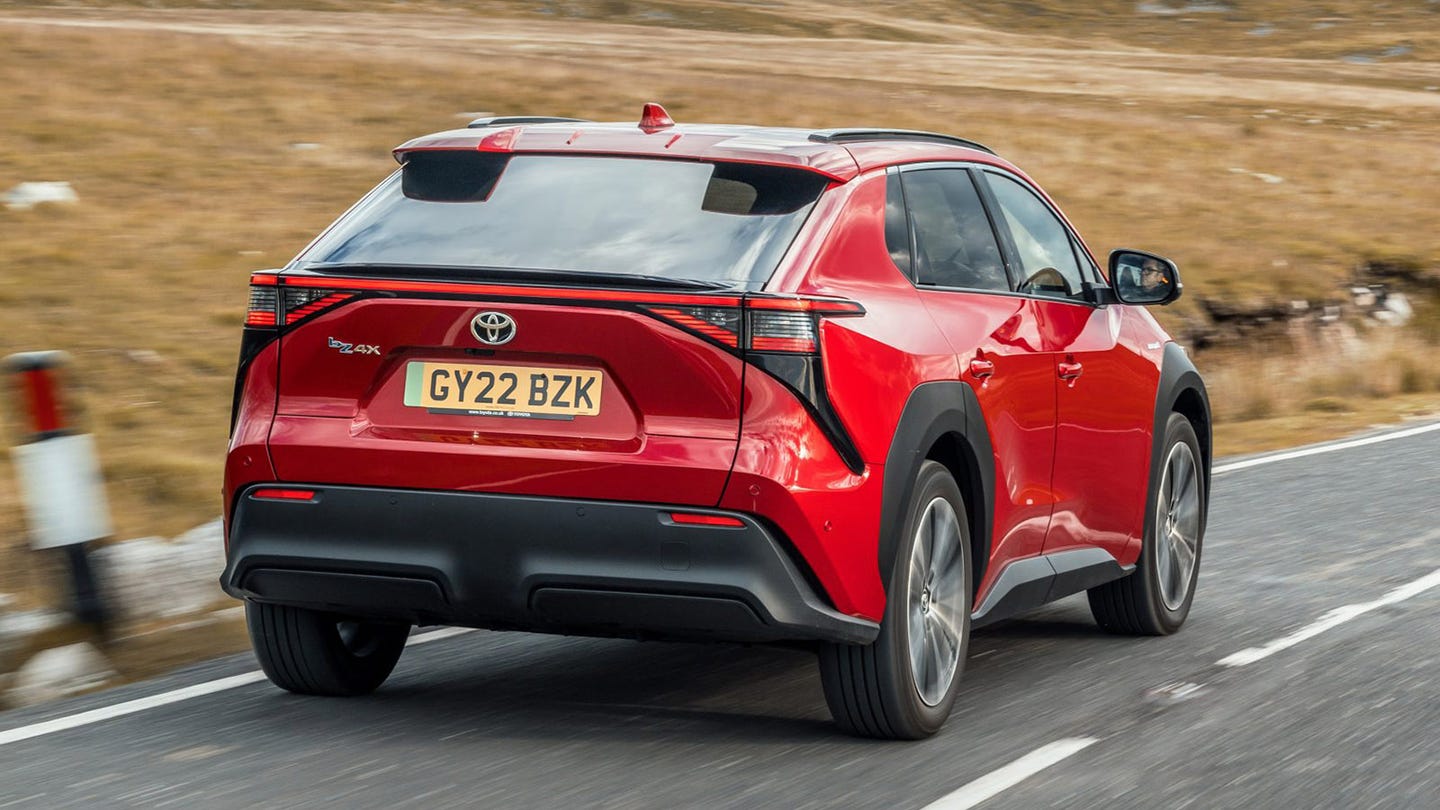
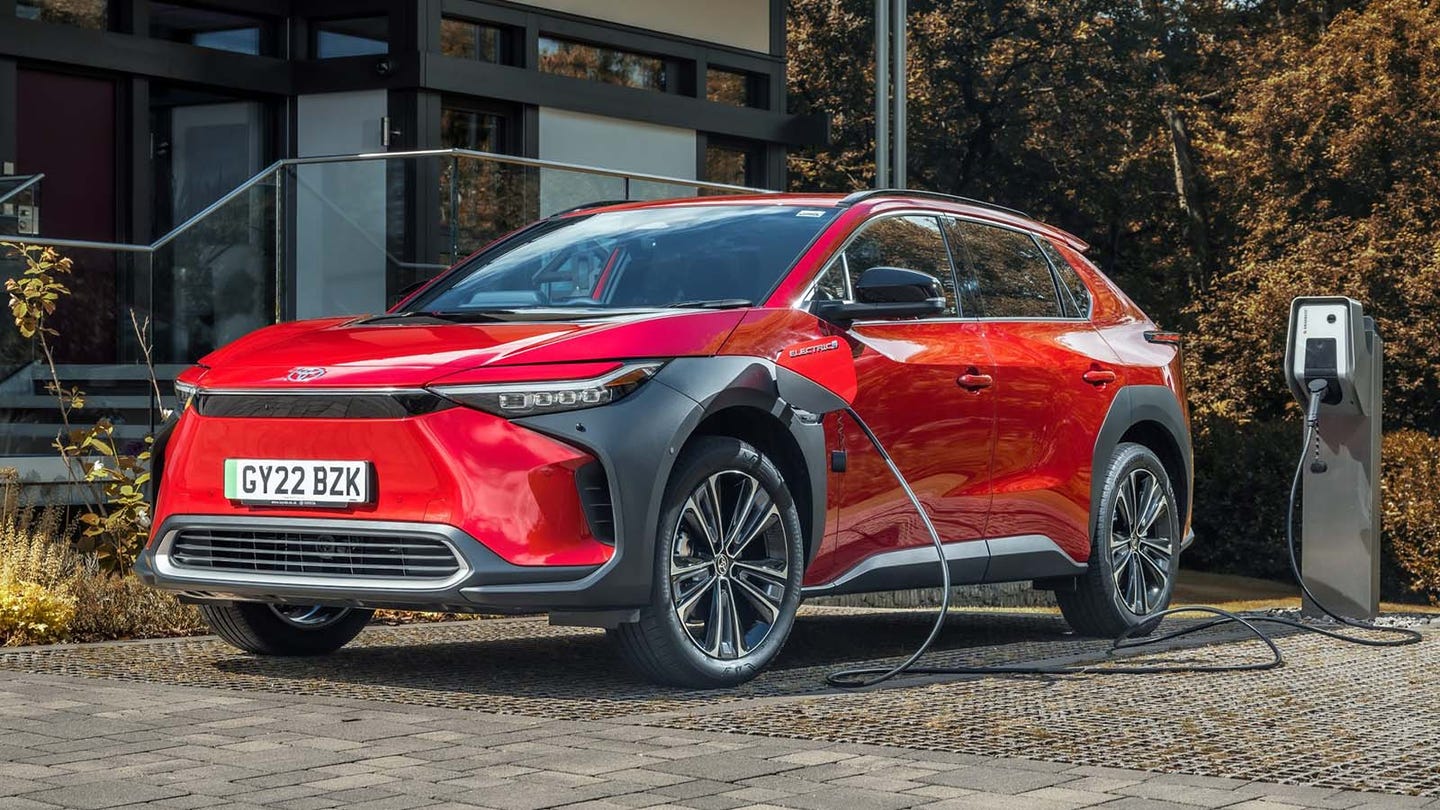
It might sound like a postcode, but the bZ4X is Toyota's entry into the hotly contested electric family SUV market.
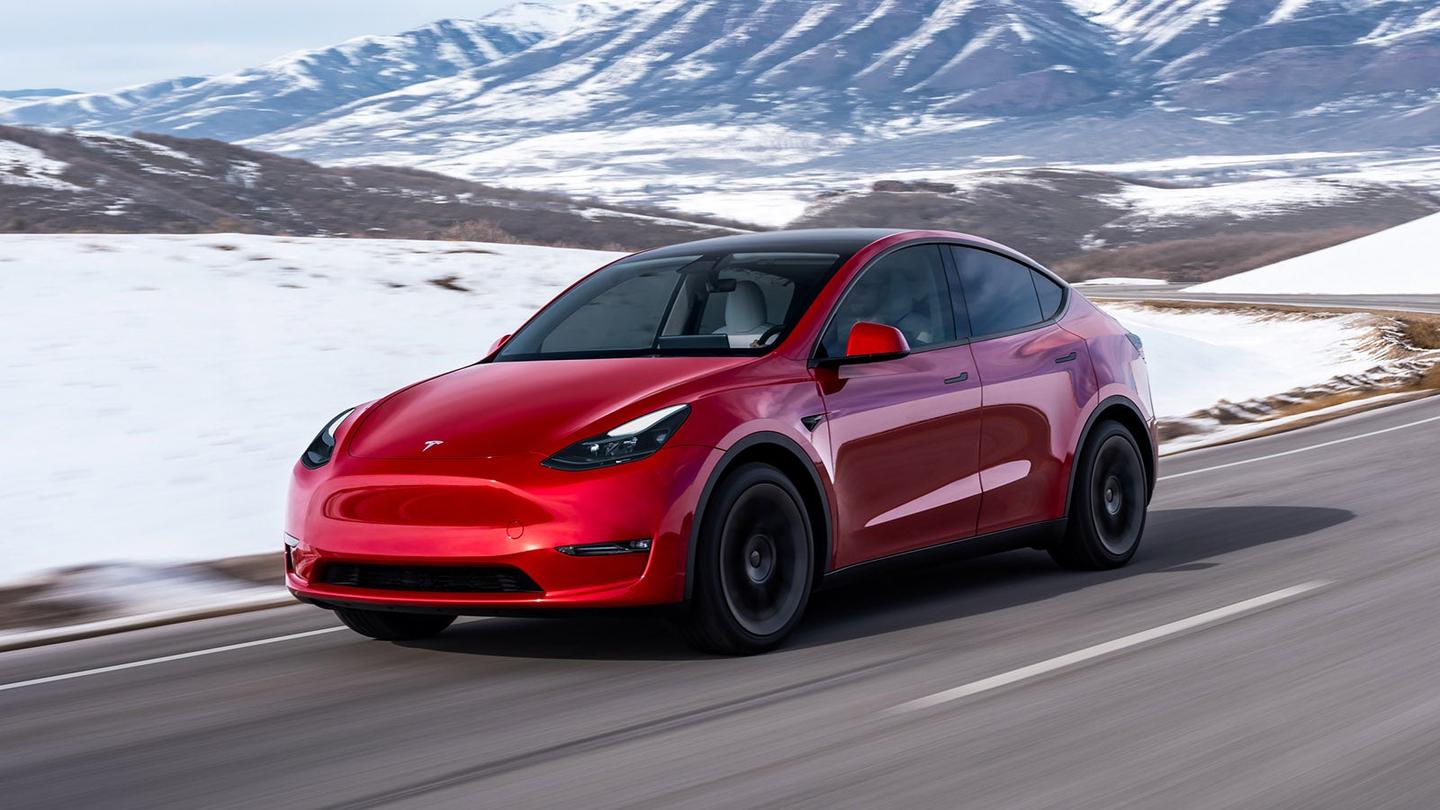
That means taking on the likes of the Tesla Model Y, the Kia EV6 and the Skoda Enyaq – all extremely accomplished EVs in their own right. So, is the big battery-powered Toyota good enough? Let's find out…
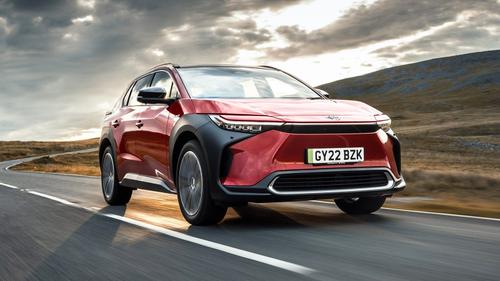
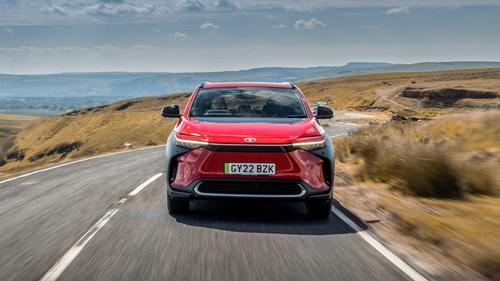
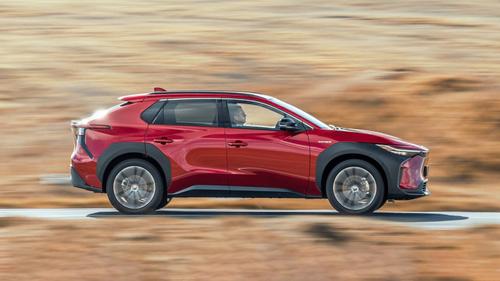
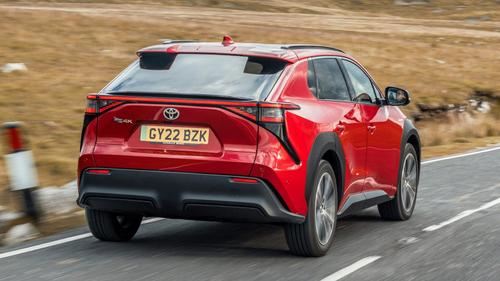
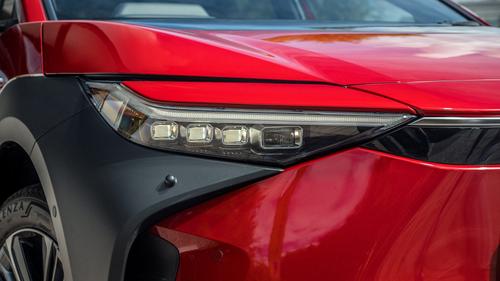
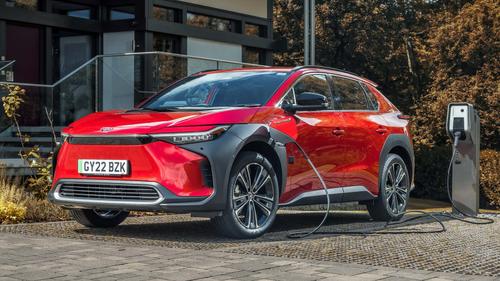
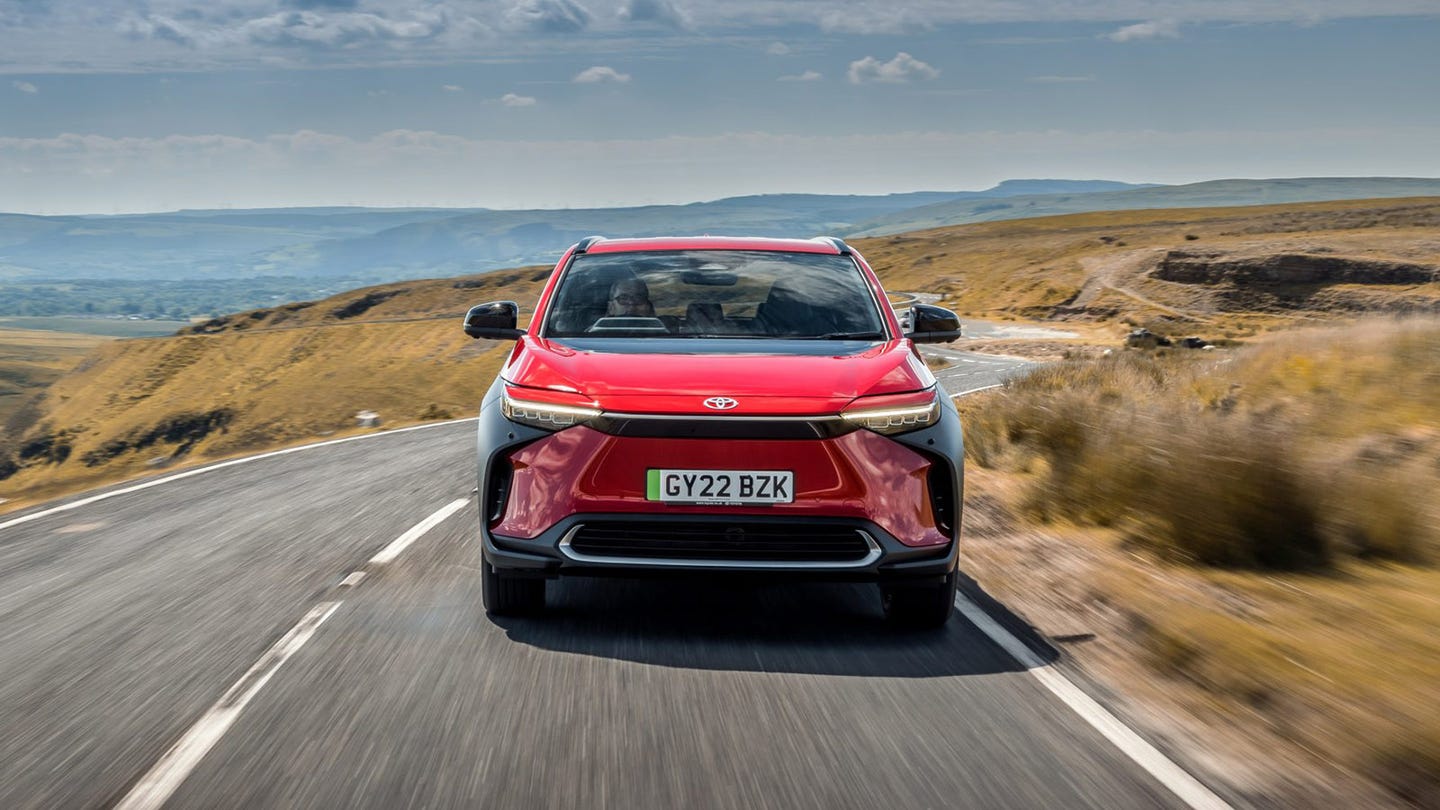
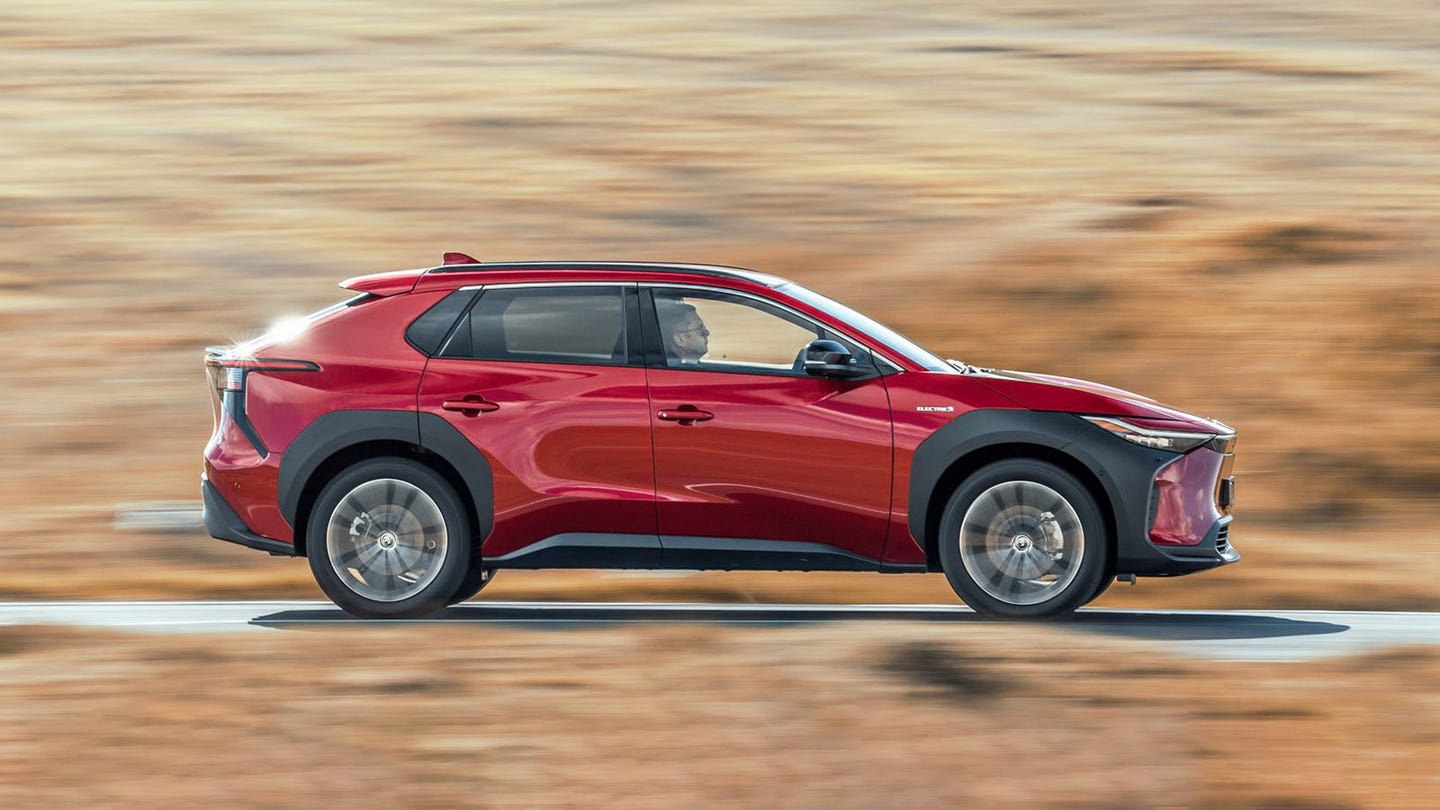
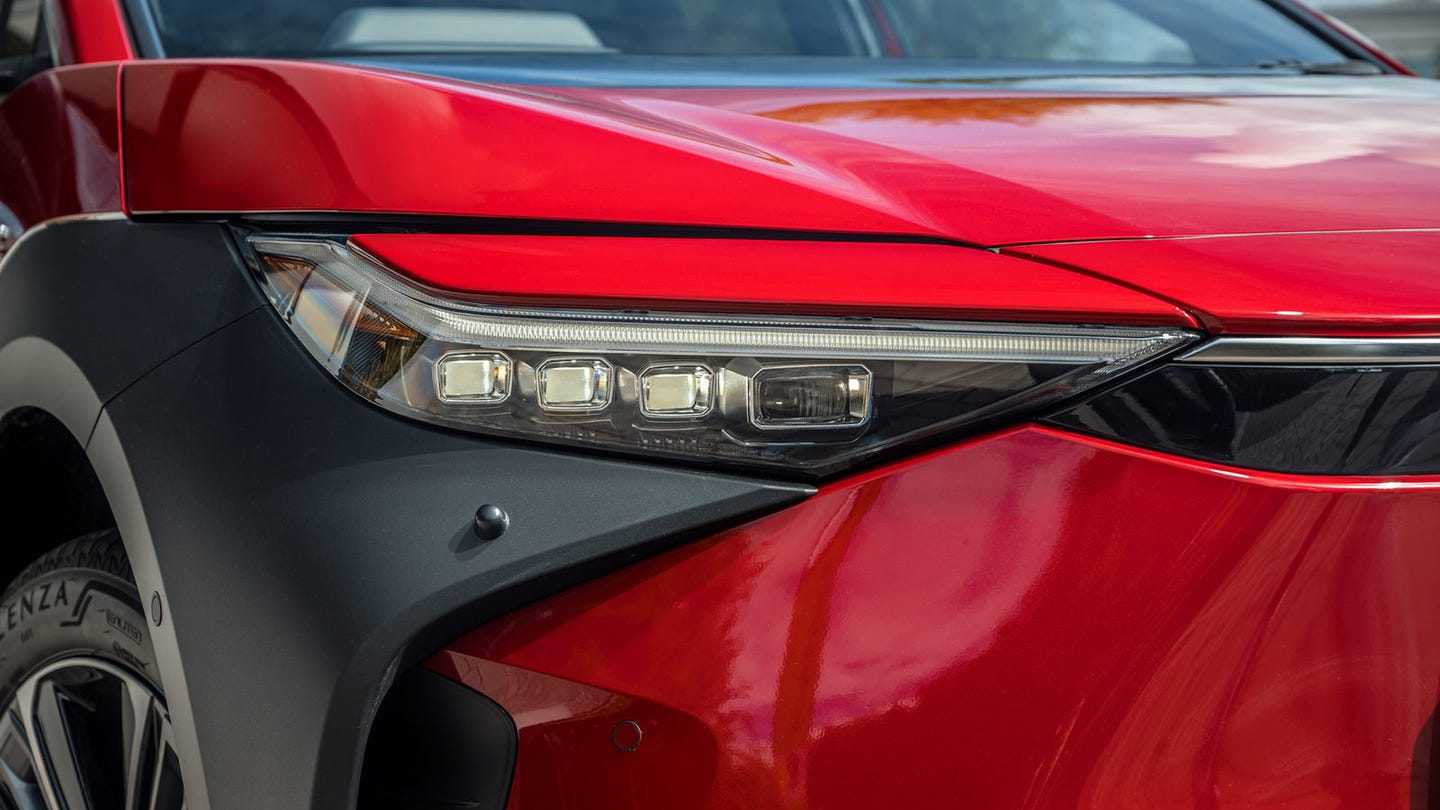
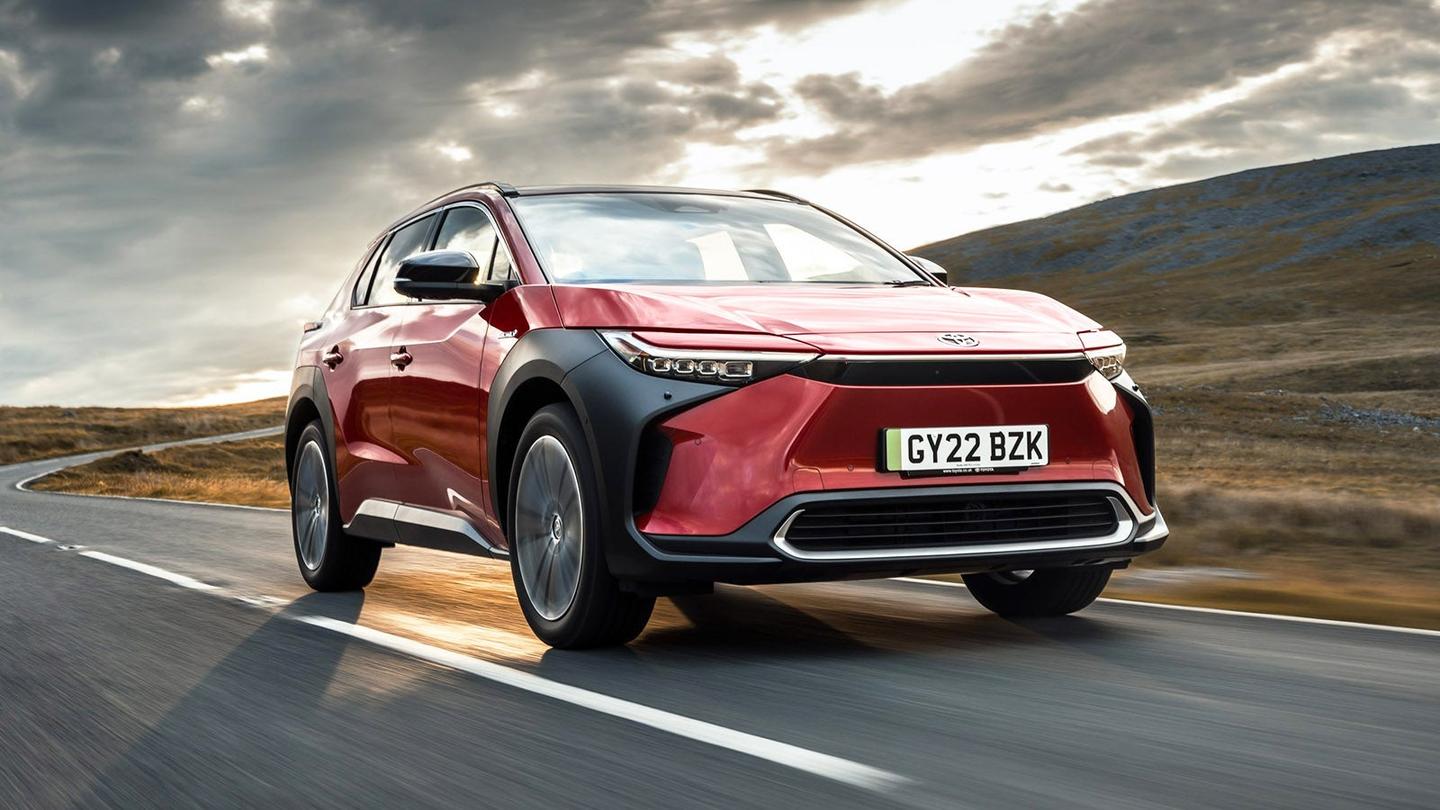
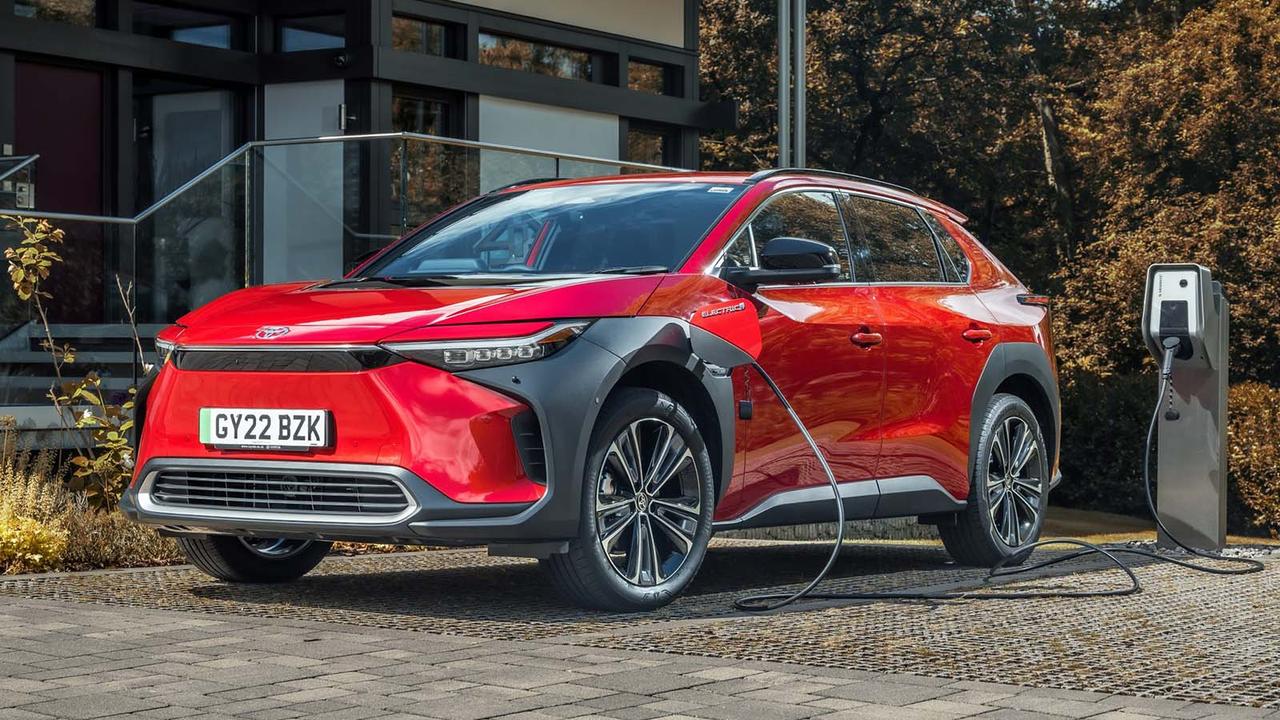
Starting outside the bZ4X, you can see Toyota's given the front end a beady-eyed treatment – visual shorthand that marks it out as a high-tech EV. Moving further back, things get more conventional with angles and surfacing that reminds us of cars like the Toyota RAV4 or C-HR. You can't miss the comically oversized chunky plastic wheelarches which, despite all the car-park protection they offer, aren't fooling anyone into thinking the bZ4X is a real off-roader.
"The best cars in this class are easygoing and undemanding, and the bZ4X fulfils this brief perfectly"
Our test car is a 2024 AWD bZ4X in Motion trim. When it was new, the car's £48,000 list price was, frankly, too high and meant it made little sense against cheaper and longer-range rivals. However, with two years of depreciation under its belt, this bZ4X is now a hair over £20,000. And, since EVs usually front-load their depreciation, that makes this a remarkably competitive option on the used market. Learn more in our EV depreciation guide.
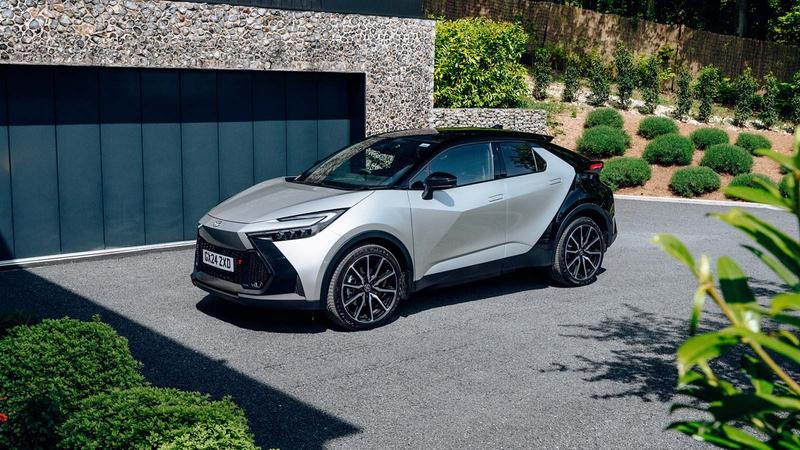
An update in early 2026 brought a host of changes inside and out to sharpen the bZ4X's appeal. The front end gets a more angular look, bringing it in line with the recent Toyota C-HR+ electric car, while suspension tuning is said to improve ride and handling. Inside, the dashboard is more streamlined, and thankfully there's much less gloss black plastic. Finally, improvements in efficiency and battery tech mean driving range jumps noticeably for all models.
Besides the fully electric powertrain (a first for Toyota), pretty much everything else about the bZ4X is very orthodox. The interior styling is muted but not unpleasant, the usability is excellent with lots of clearly labelled physical controls, and the cabin is big enough for a family of four to travel in reasonable comfort. Like its stablemates, the bZ4X benefits from Toyota's 10-year service-activated warranty, which also covers the battery pack's capacity and operation.
The bZ4X even feels 'like a Toyota' out on the open road. There's a well-judged driving experience that strikes a sensible balance between everyday comfort and solid body control. Plus, the steering and pedals are perfectly tuned so it always feels intuitive, and you're never guessing how much input is required. As we'll discover in the Driving section below, plenty of work has been put in to make the bZ4X one of the quieter cars in its class.
So far, you might get the impression that the bZ4X is a rational and worthy choice, but maybe one that doesn't stir the soul like some flashier alternatives. And, for the most part, you're bang on the money. It won't thrill you with neck-snapping acceleration or cutting-edge infotainment tech, but the bZ4X will happily be an easygoing family transporter that'll deliver years of fuss-free driving – especially if you find a used model with a healthy discount.
Keep reading to learn more about the Toyota bZ4X, including its range, practicality and driving experience.
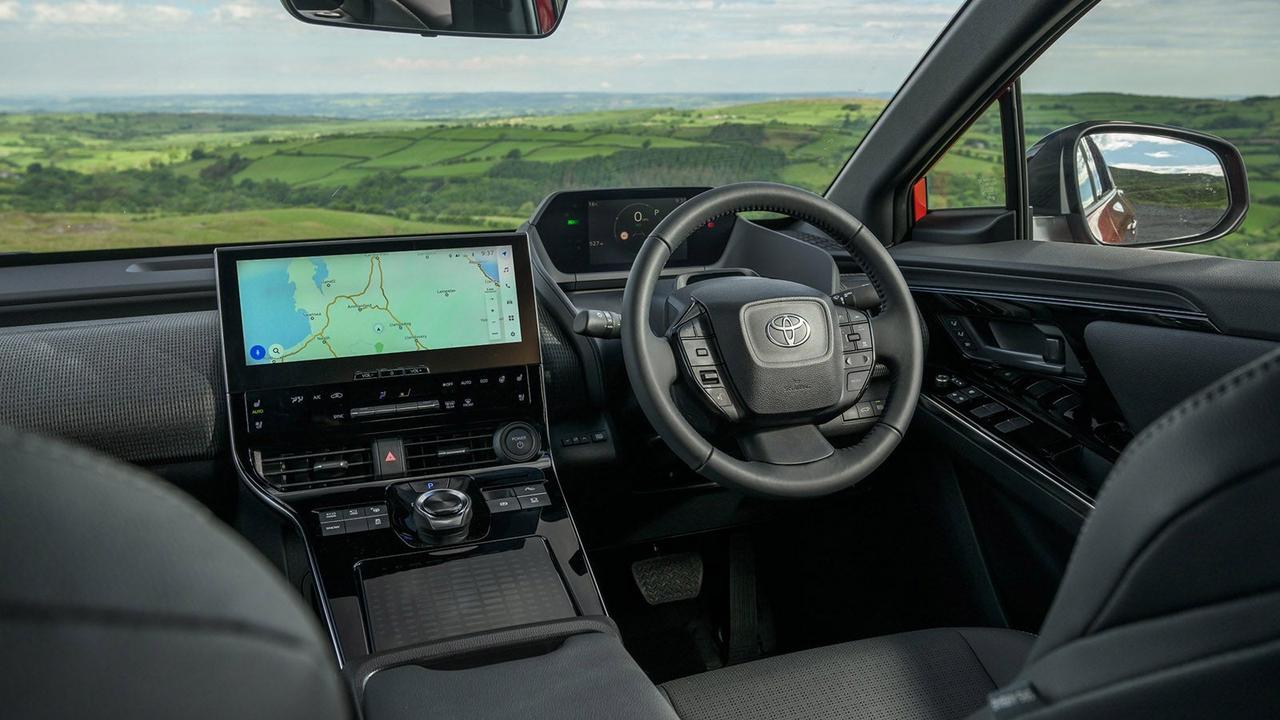
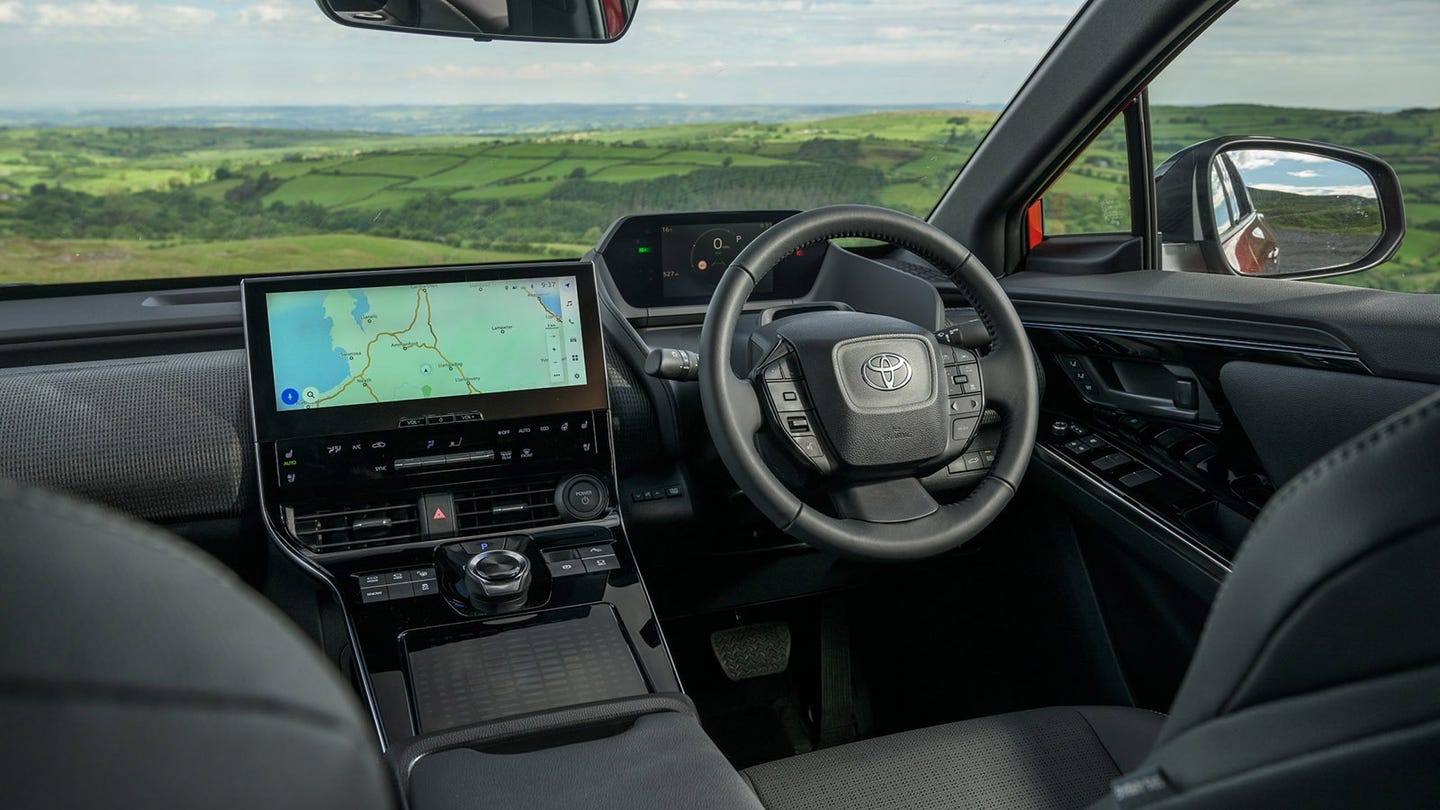
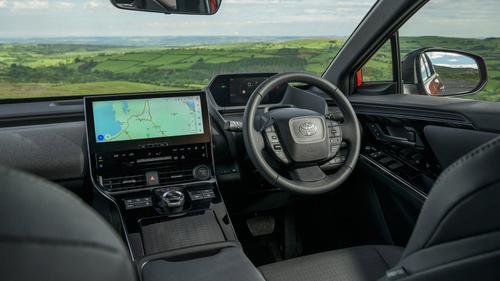
Our test car is the pre-facelift bZ4X, which means the older interior style. As a result, the dashboard is made up of a simple cloth-covered surface with the steering wheel and drivers screen on one side, and the combined infotainment screen and centre console cascading down the middle. On facelifted cars, the infotainment screen and the centre console have been separated, allowing the former to be bigger, while the latter gains open-air wireless phone charging spots.
Build quality feels robust as we'd expect from a car bearing the Toyota badge, but material quality is a bit disappointing. More carmakers are experimenting with textiles on interior surfaces – some quite successfully like Renault and Peugeot – but the dark grey cloth applied to the bZ4X's dashboard feels very cheap and barely adds any visual impact. Even worse, our pre-facelift model splashes gloss black plastic all over the centre console and door panels, which looks dated and feels unpleasant to touch. It also means many of the surfaces are quickly smudged with fingerprints.
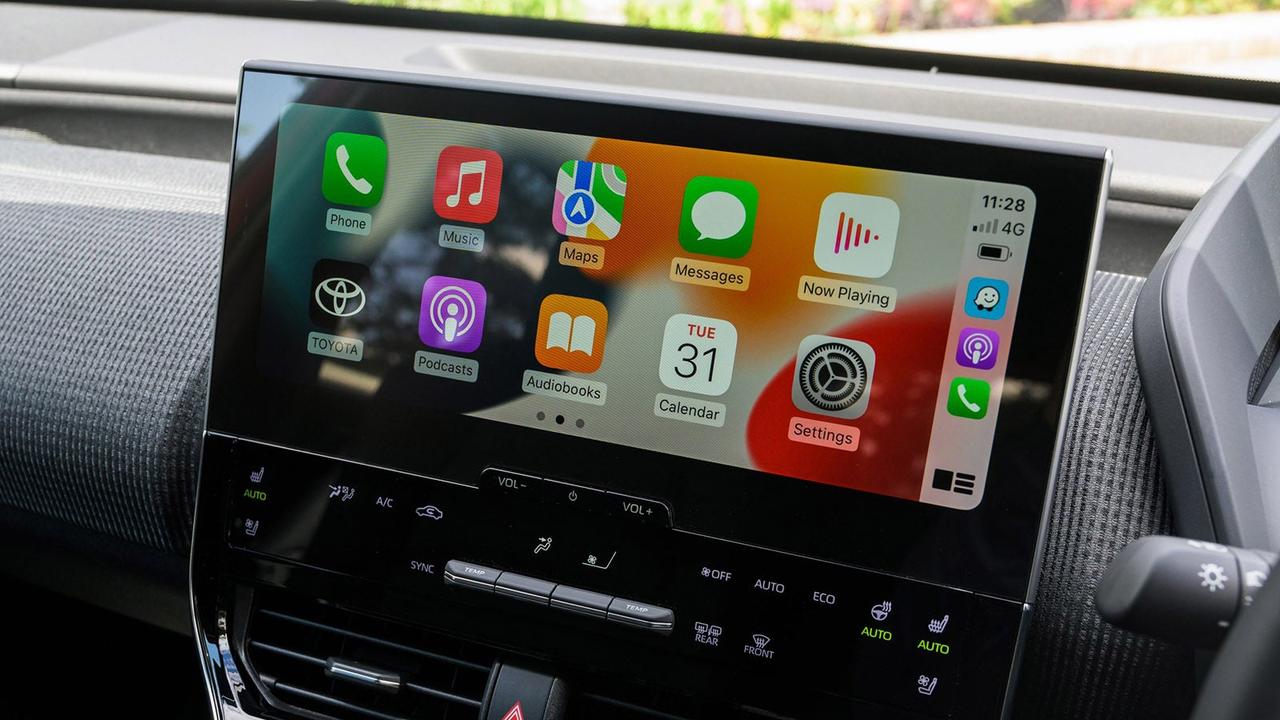
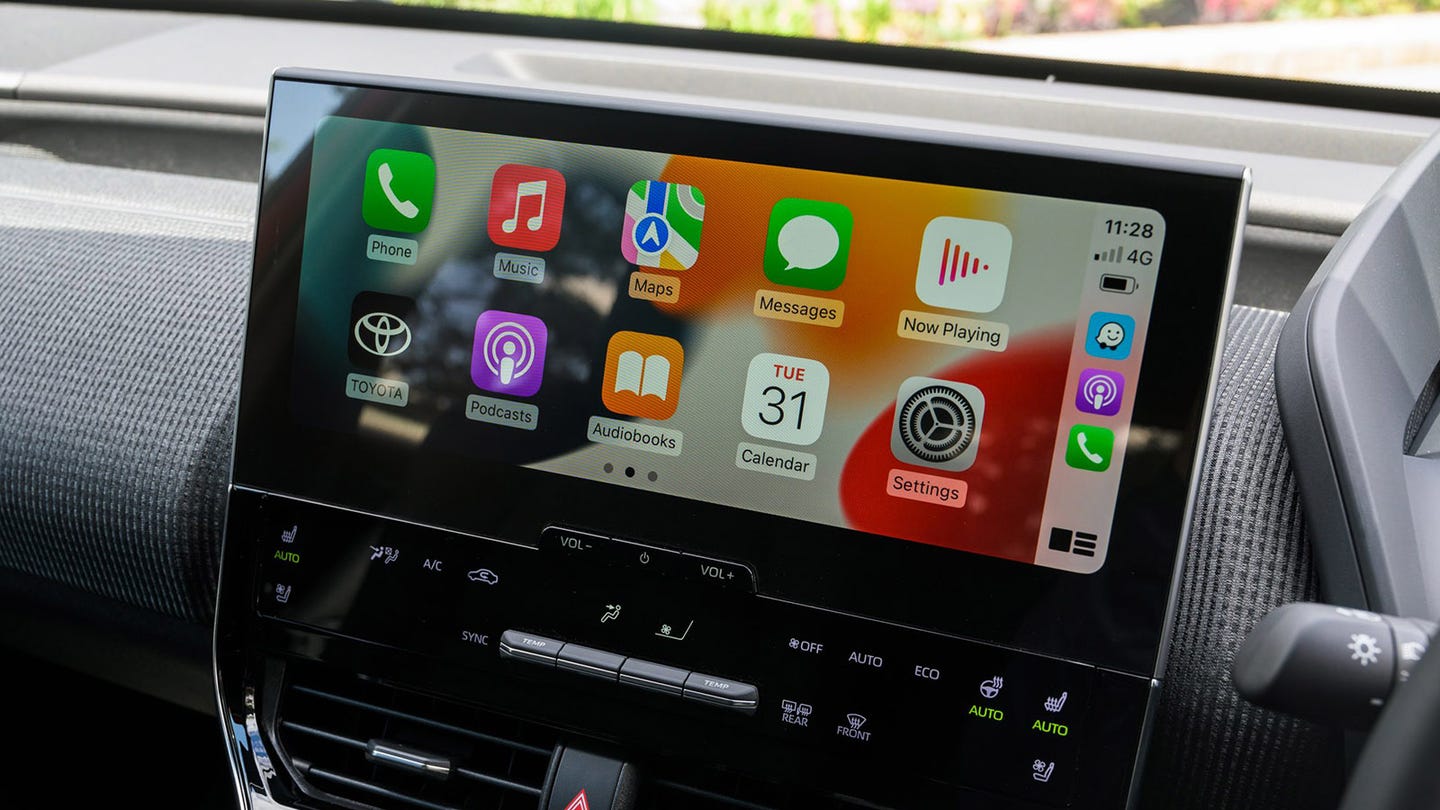
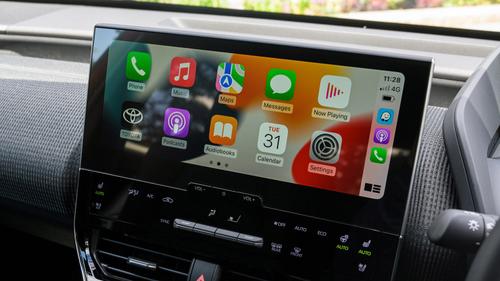
Toyota rarely tops the table for infotainment technology – usually preferring a more cautious approach. However, we have few complaints about the system in our bZ4X test car. The screen is bright and clear, and the persistent shortcut icons on the right-hand side make jumping between functions easy. There's physical controls for stereo volume, and a mix of physical and touch-sensitive buttons for the climate control. We notice facelift bZ4Xs have moved more of the climate controls to the slightly bigger screen, though we doubt most drivers will struggle to make sense of the setup.
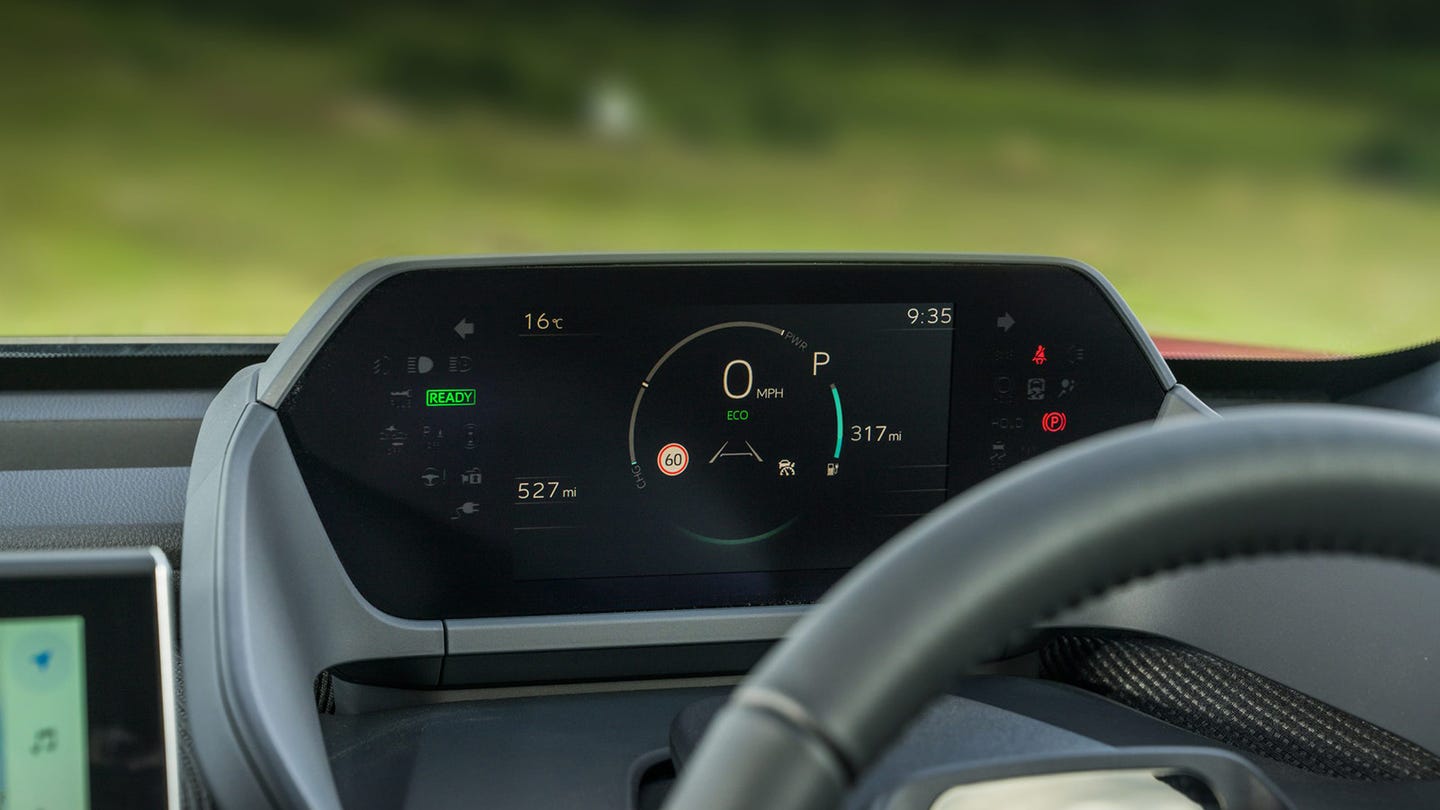
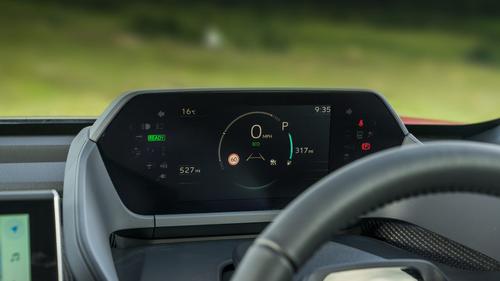
The small driver's screen is mounted far back in the dashboard – allegedly to make the cabin feel more airy. Sadly, we didn't get on with this screen as there's simply too much visual information competing for your attention – too many clashing colours, icons and fonts. Plus, it doesn't help that Toyota hides many of the active driver aid controls in this screen, forcing you to scroll through its perplexing menus.
Finally, we didn't enjoy the odd push-and-twist gear selector. It's simple enough to understand, and always did what was asked of it. But it lacks the satisfying mechanical sensation you get from a proper gear selector, or the space-saving benefits of a steering-column-mounted selector.
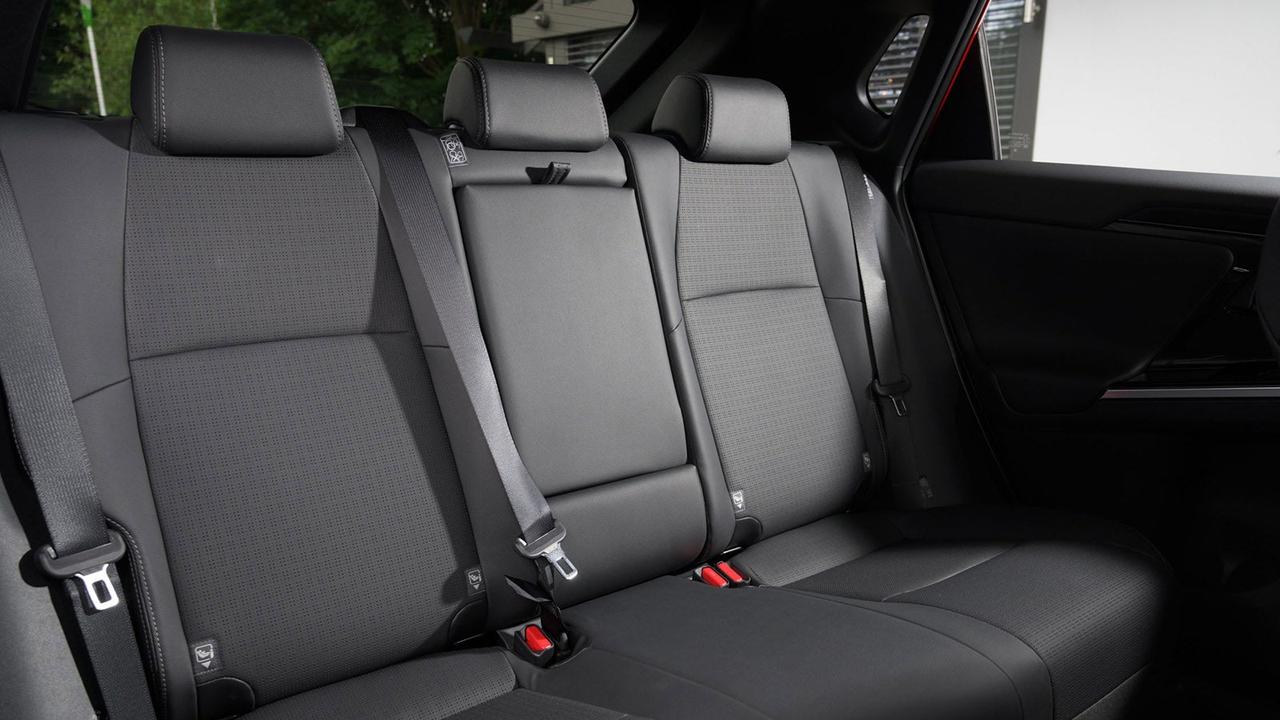
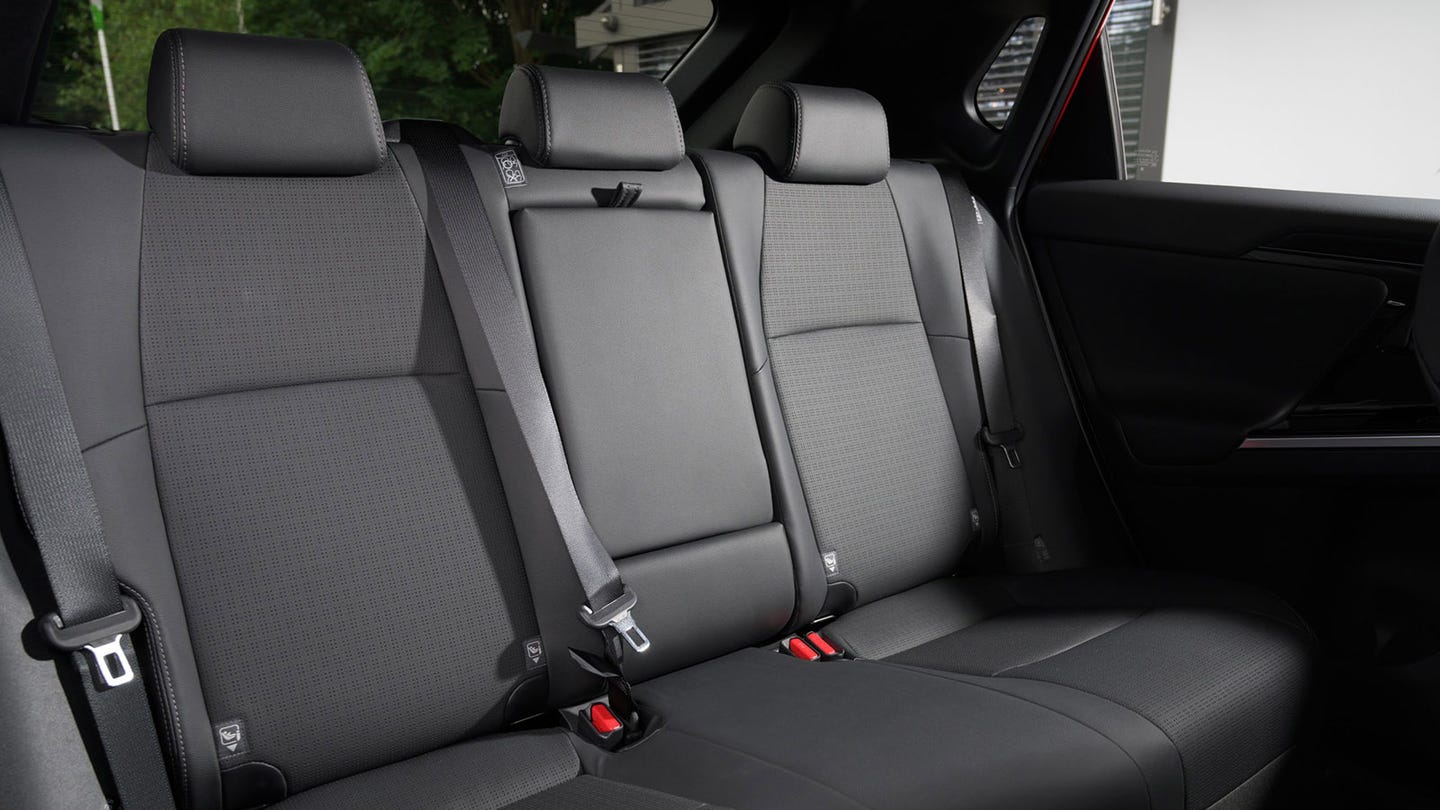
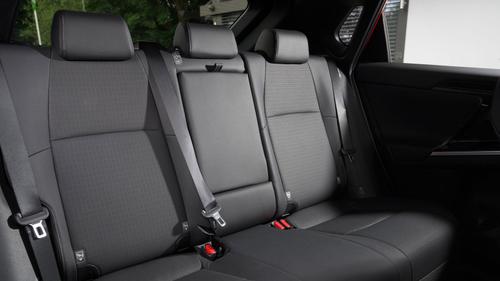
In isolation, passenger space in the bZ4X is reasonably good. There's lots of adjustment in the front seats, allowing even the most vertically gifted passengers space to get comfortable. For the most part, the rear seats are also decently spacious and the flat floor makes life a bit easier for an occasional fifth centre passenger. However, with the front seats adjusted all the way back, you're only left with enough legroom for an average-height adult to sit behind them.
As a result, if your family is particularly tall, you might find those in the back seats feel a bit cramped. This is slightly exacerbated by the C-pillar, which sits directly beside your rear passengers' heads, blocking some of the light that would otherwise illuminate their seating area. Rear headroom is also acceptable for the class, despite the bZ4X's sloping rear windscreen.
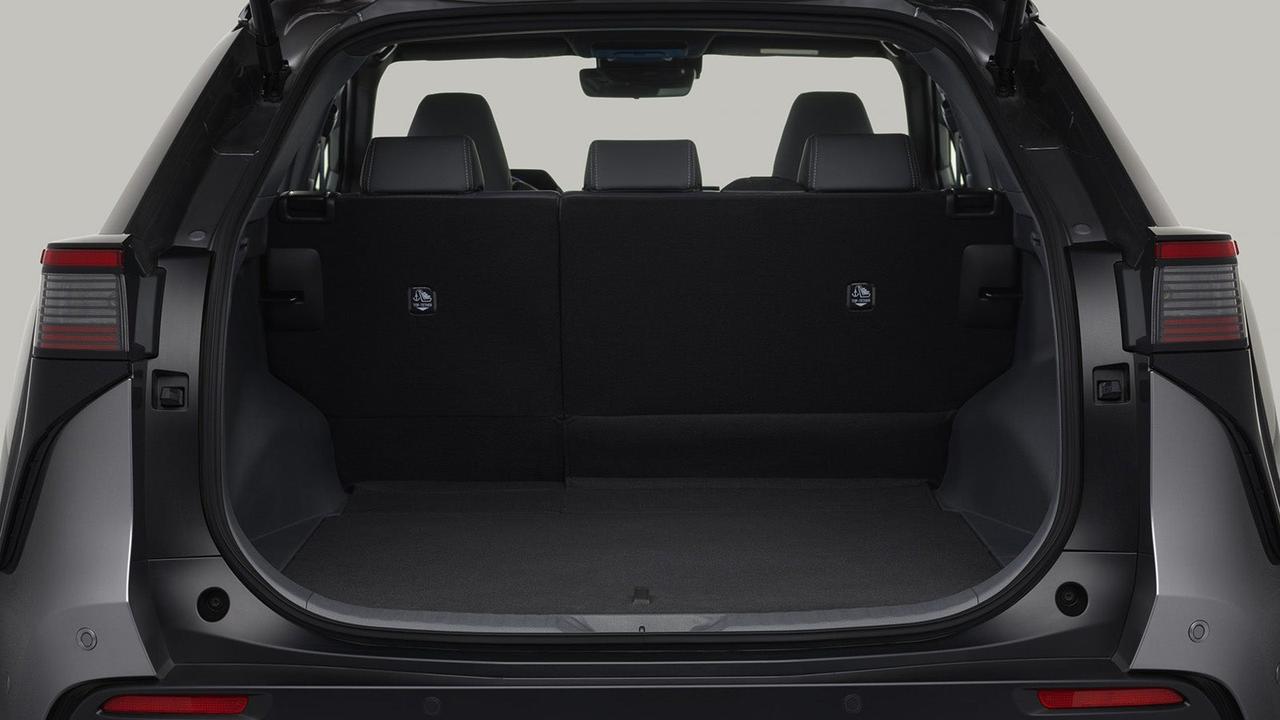
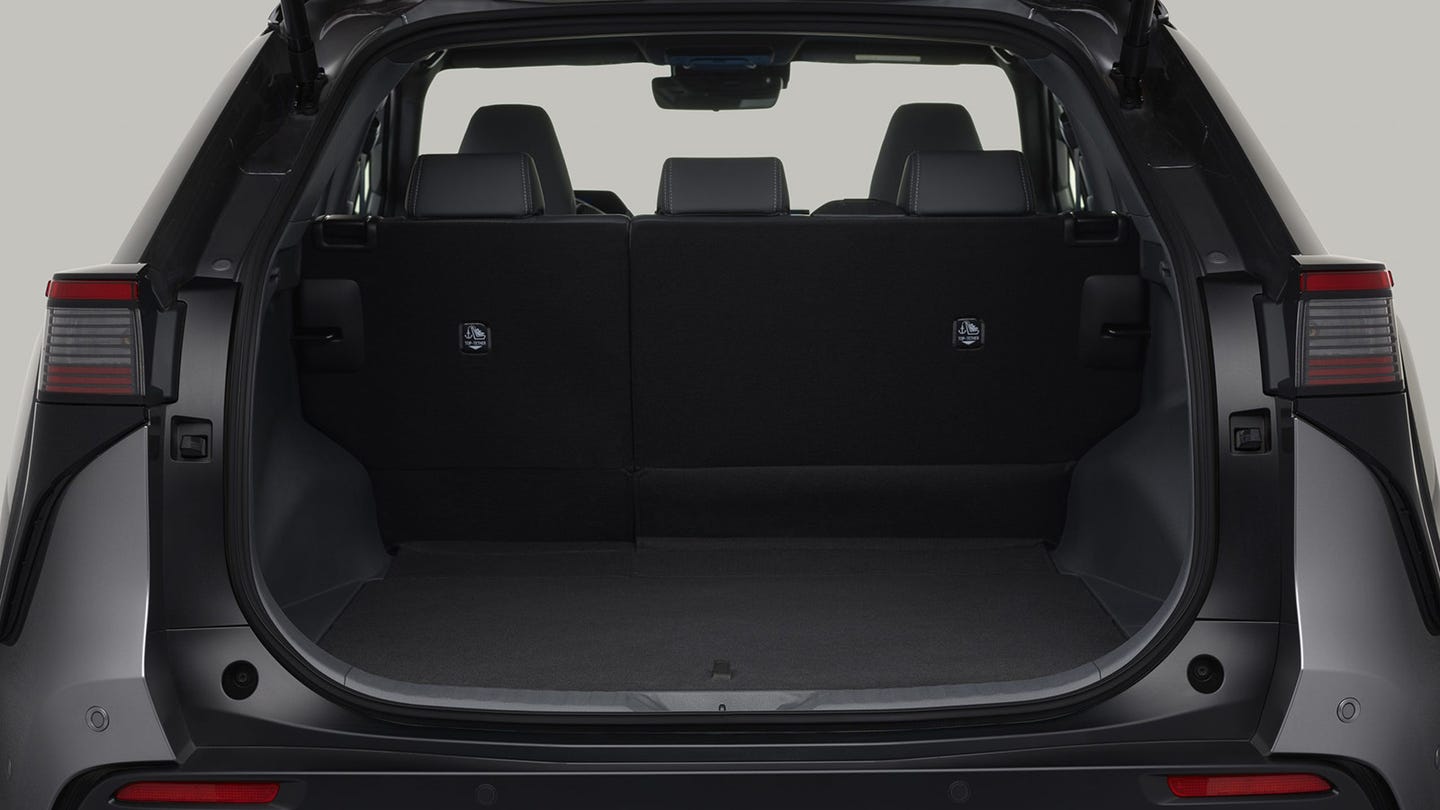
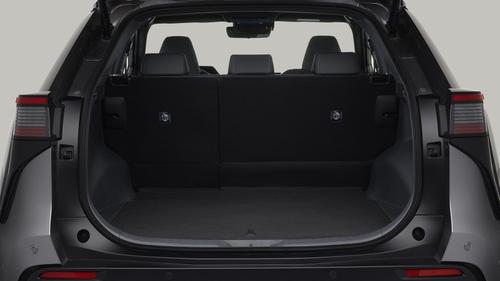
The headline boot space figure stands at 452 litres, which is decidedly 'okay'. Models like the Skoda Enyaq are closer to 600 litres, but that only tells half the story as these numbers measure up to the parcel shelf. The Toyota's space is fairly wide and long, but not very high, and that restriction is mainly due to the sloping rear windscreen limiting total capacity. Rivals like the Skoda have more squared-off rear ends, so you get even more storage space above the parcel shelf.
Cabin storage is underwhelming, too. The door bins are on the small side, and there's only an average amount of space under the centre console arm rest. Even worse is the glove box – the bZ4X literally doesn't have one! Its only saving grace is a decently large hollowed out section below the gear selector, which should be big enough to chuck a small handbag or purse into.
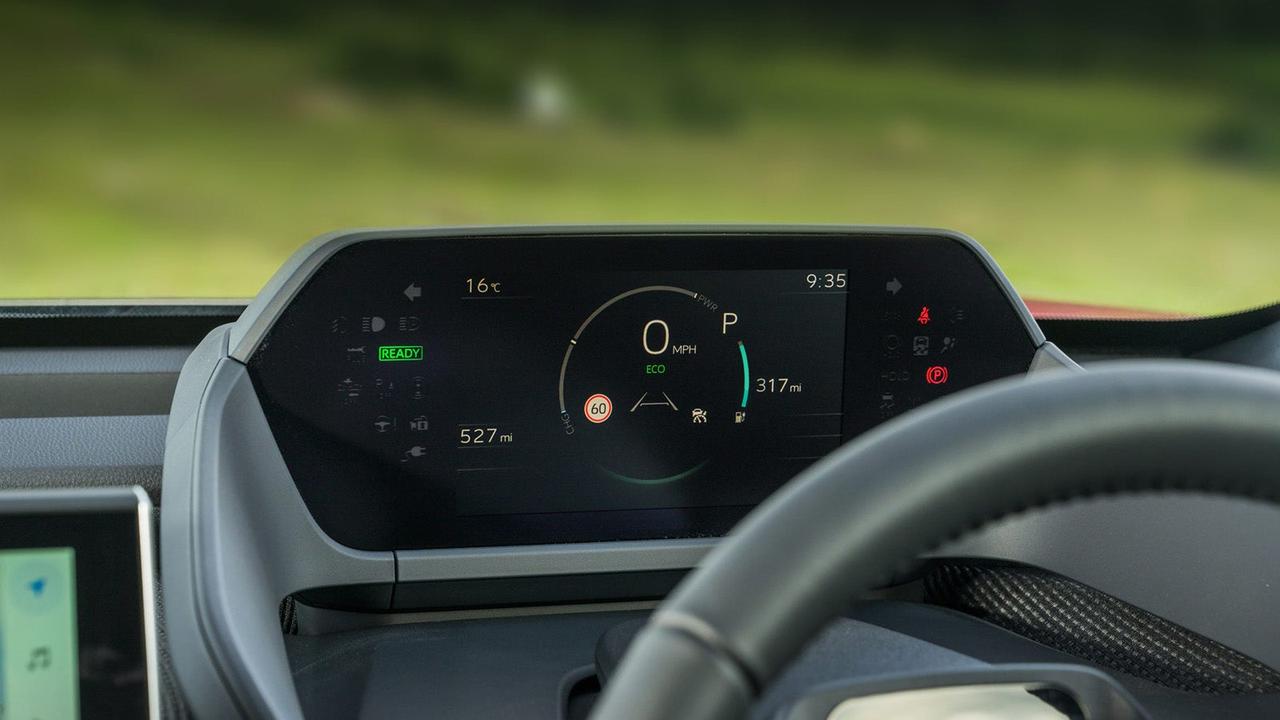
Pre-facelift bZ4X models like our test car came with two motor options. Entry-level models came with a single motor on the front axle with 204hp and a respectable 7.5-second 0-62mph time. Our car is the upgraded version, which adds a small second motor to the rear axle for four-wheel drive, a total of 218hp and a 6.9-second 0-62mph time.
The calibration on this setup is virtually flawless. It's extremely easy to control your speed, whether you're jumping out of a T-junction or inching into a tight parking space. It also feels respectably quick, with a strong, insistent wall of torque available all the way up to motorway speeds.
For all the motor's virtues, however, the 71.4kWh battery pack on our car only claims a 286-mile range – single-motor versions nudge this figure a little over 300 miles. That's probably enough to cover 99% of drives for 99% of drivers, but those who cover long distances frequently might be better off with a Tesla, Hyundai or Kia electric car.
The facelift has enhanced the car's efficiency quite a bit. There's a new small-battery option that covers 275 miles on a charge, while the bigger-battery model takes this number above 350 miles. In addition, there's also a more powerful 340hp twin-motor model that covers around 320 miles with the big battery pack.
Max public fast-charging speed is 150kW, which is enough to cover a typical 10-80% recharge in around 30 minutes. That's about average for the class, but lags behind the likes of Hyundai, Kia and Tesla. Like most EVs, charging at home from a 7kW wallbox should give you a full 0-100% charge overnight.
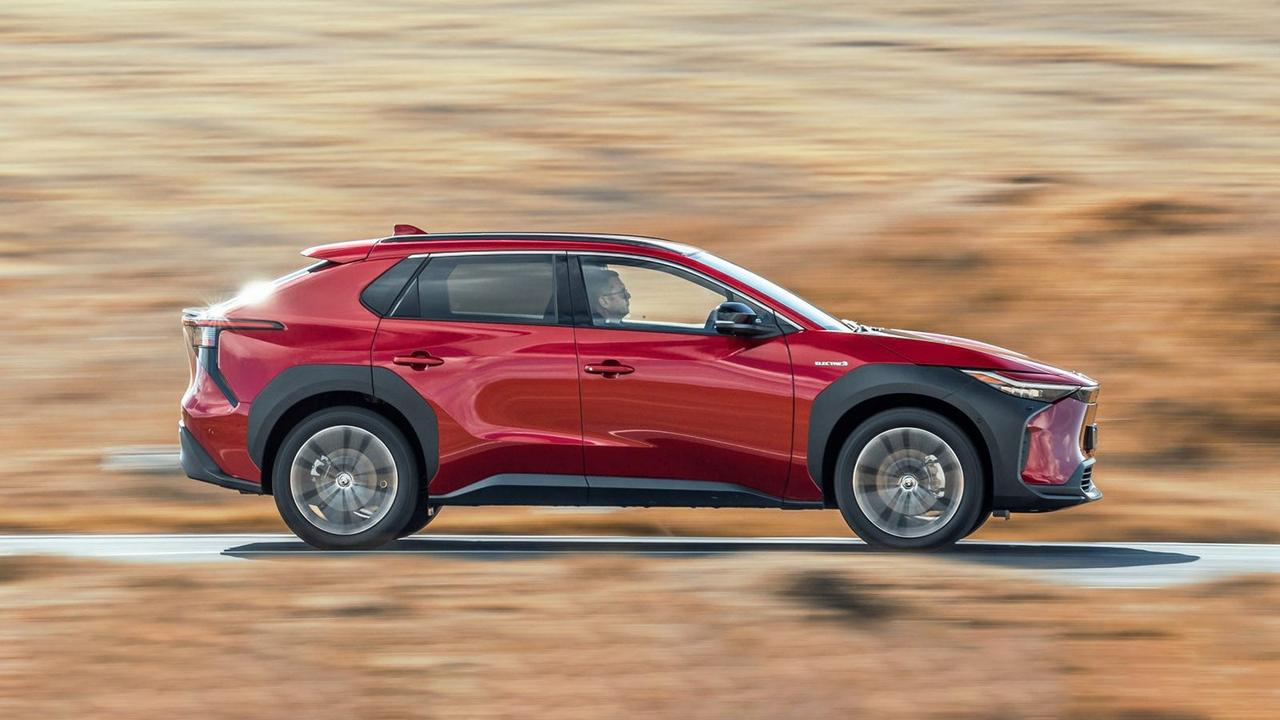
No family SUV driver expects their car to deliver a scintillating driving experience. Quite the opposite, in fact – the best cars in this class are easygoing and undemanding, and the bZ4X fulfils this brief perfectly. There's virtually no acclimatisation time needed, with the steering wheel sending the car exactly where you point it and the pedals producing just the right amount of acceleration and braking.
Along with the absence of driver effort, there's a marked absence of road noise in the bZ4X. Several EVs in this class actually suffer for refinement since there's no engine under the bonnet making noise to cover up other sounds. Not so in the Toyota, however, with virtually no sound making it into the cabin other than the faint roar of tyres at higher speeds. Thick window glass also means very little sound from the traffic around you makes it inside, so the car is a very relaxing place to spend time.
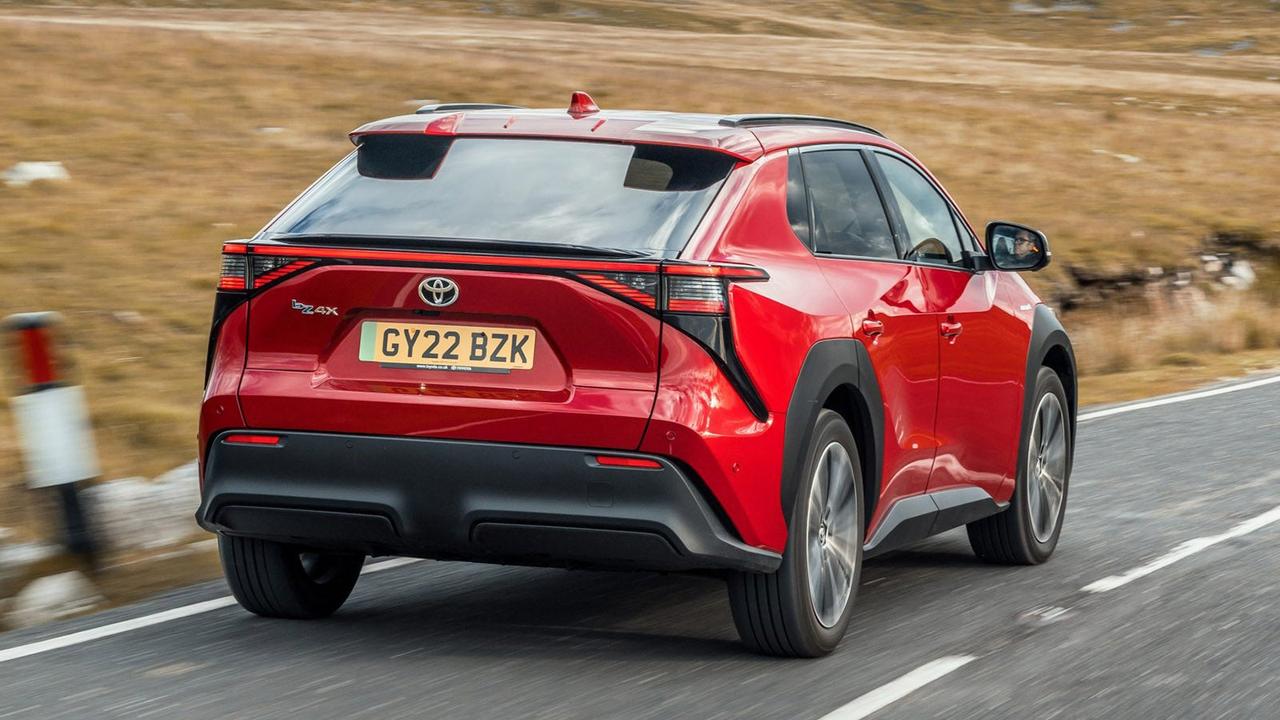
So far, so sensible… but what happens if you pick up the pace? Throwing the bZ4X at some twisty roads reveals it to be a well-sorted car with solid body control and decent resistance to lean. It's easy and predictable, but it's not especially fun, and you can sense the car's substantial weight moving around during tight turns and quick direction changes.
That weight also makes its presence felt on the motorway. Hit a bump or expansion joint at these speeds and the impact seems to beat the suspension and get sent straight up to your seat base. Undulations in the road surface can also send the body into some fairly vigorous up and down oscillations if they're at just the wrong frequency. However, for the most part, the battery-powered Toyota rides with enough compliance that it won't be tiring to use all day.
A comfortable and quick electric SUV that turns on the style