






While electric cars typically need less maintenance than petrol or diesel cars, tyres are a potential expense worth considering.
With any car, you should be checking your tyres on a regular basis. That’s especially true for some electric cars, which can wear through tyres a bit more quickly than you might’ve expected.
- Do electric cars need special tyres?
- What is the difference between normal tyres and EV tyres?
- How long do EV tyres last? Do they wear faster?
- Are EV tyres more expensive?
- Can EV tyres be repaired?
- Can you use EV tyres on normal cars?
- Which tyre is best for EV cars?
Do electric cars need special tyres?
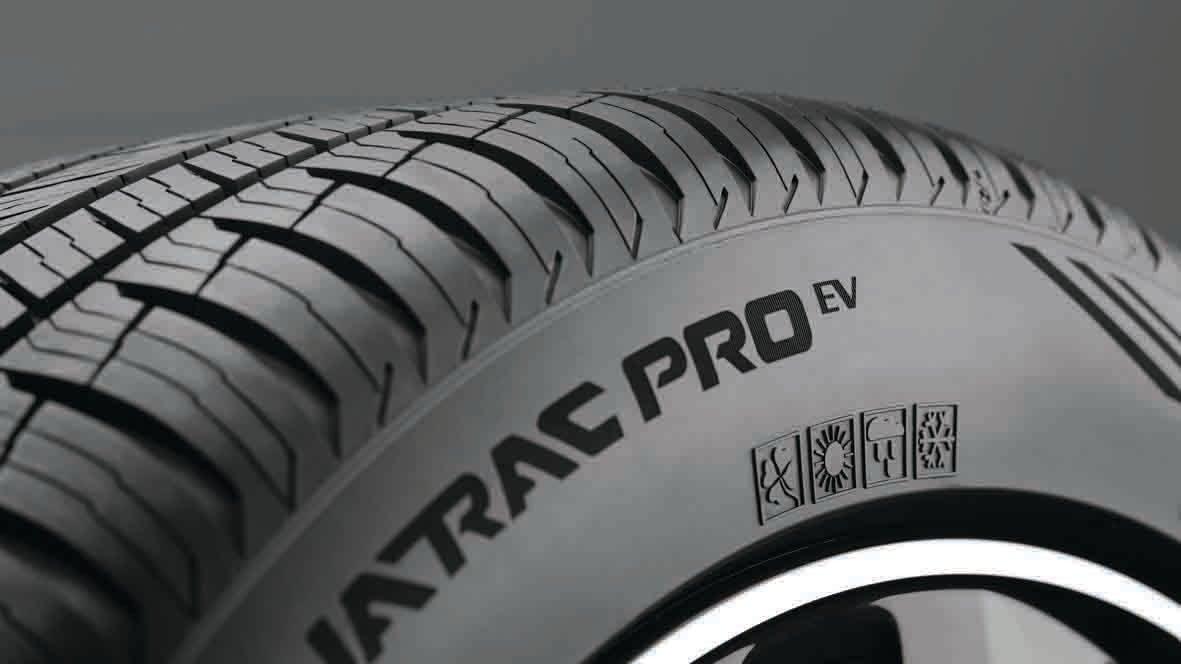
Electric cars don’t necessarily need special tyres. A tyre doesn’t have to be EV-specific as long as it matches the size, speed rating and load rating that your car requires. It may have a designation that it’s EV approved but it could also be appropriate for fuel-powered cars.
For some electric cars, the only choices available will be tyres designed for EVs. Cars with unusual tyre sizes, such as the BMW i3, or high-performance cars that require a top-tier tyre will need special EV tyres.
What is the difference between normal tyres and EV tyres?
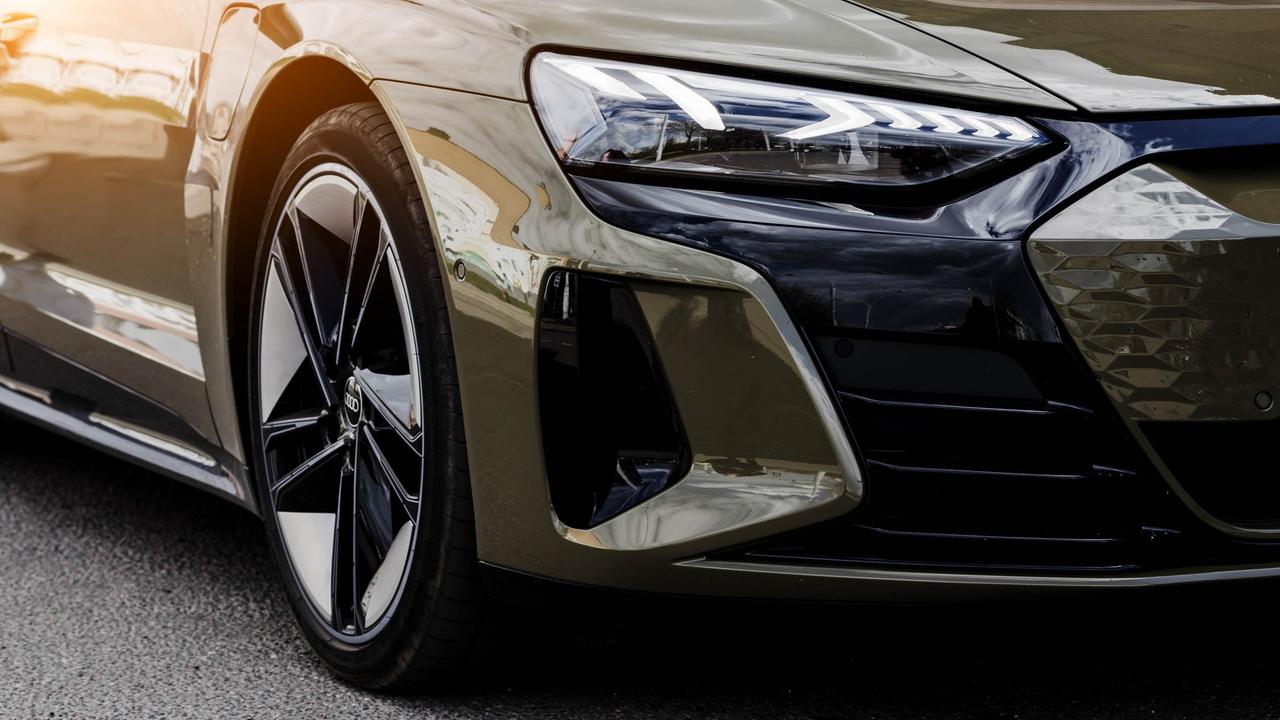
Tyres for electric cars have to be a master of all trades.
EVs are generally heavy, powerful and quiet, which creates a unique set of requirements for a tyre manufacturer.
EV tyres are typically reinforced to cope with heavy loads, because many EVs are significantly heavier than an equivalent petrol or diesel car. They need to be robust to withstand the instant torque and fast acceleration that many EVs offer, and they need to be as quiet as possible, because there’s no engine rumble to disguise tyre noise.
Additionally, an electric car’s range is of key concern. This means EV tyres need to offer a low rolling resistance to help the car be as efficient as possible – but not at the expense of grip.
How long do EV tyres last? Do they wear faster?
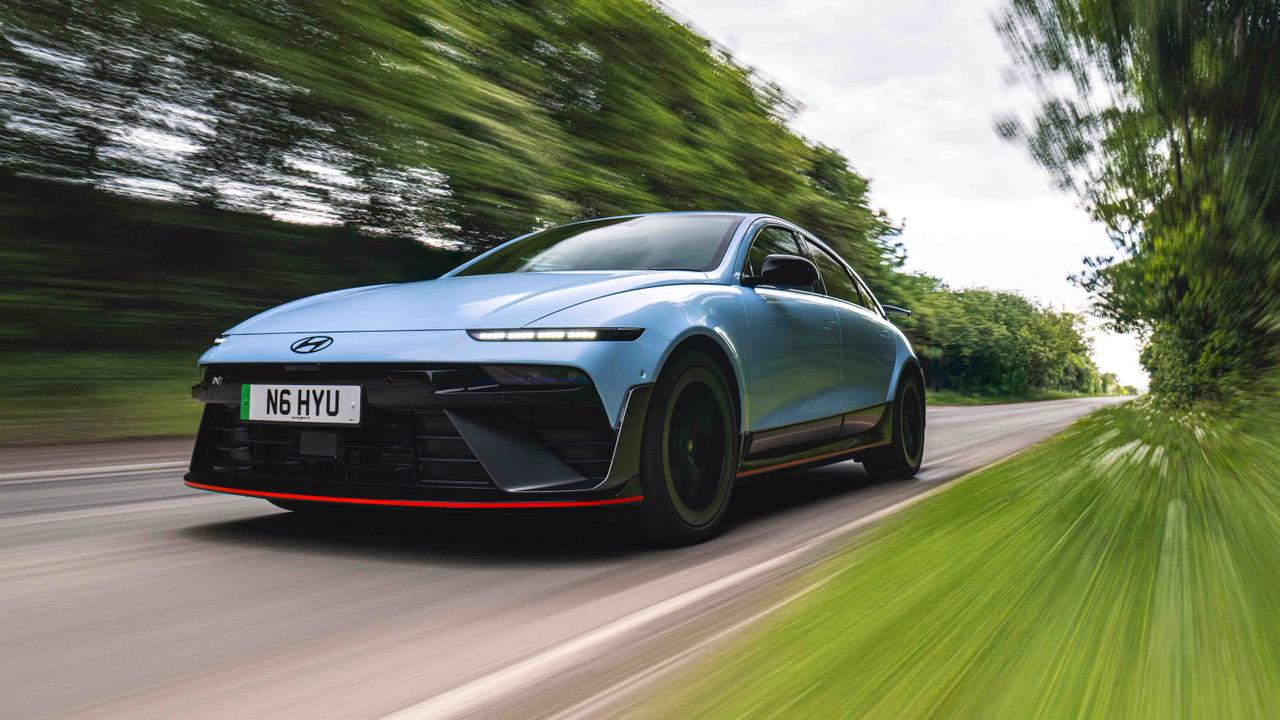
The combination of weight and power means that tyres on electric cars can wear out faster than you might expect. A smooth driving style – avoiding aggressive acceleration, cornering and braking – will prolong the lifespan of your tyres.
It’s hard to say how long EV tyres last, because it depends so much on the model of car and the model of tyre in question. A high-performance EV that’s driven enthusiastically could wear out the tyres on its driven wheels in 10,000 miles or less. But a smaller, lighter and more sensibly driven EV will go a lot further than that on a set of tyres.
On a two-wheel-drive EV, the tyres on the driven wheels will wear out more quickly than the non-driven wheels.
Are EV tyres more expensive?
We compared an electric Skoda Enyaq and a petrol Skoda Kodiaq, both with 20-inch wheels, and the tyres were broadly similarly priced – although the Kodiaq’s tyres were often marginally cheaper. Some EV tyres are a bit more expensive than regular tyres, largely because of the EV-specific requirements we mentioned above.
Mid-range and premium tyres are typically widely available for EVs, but you may find limited options for budget tyres. We would always recommend fitting the best tyres you can afford.
Can EV tyres be repaired?
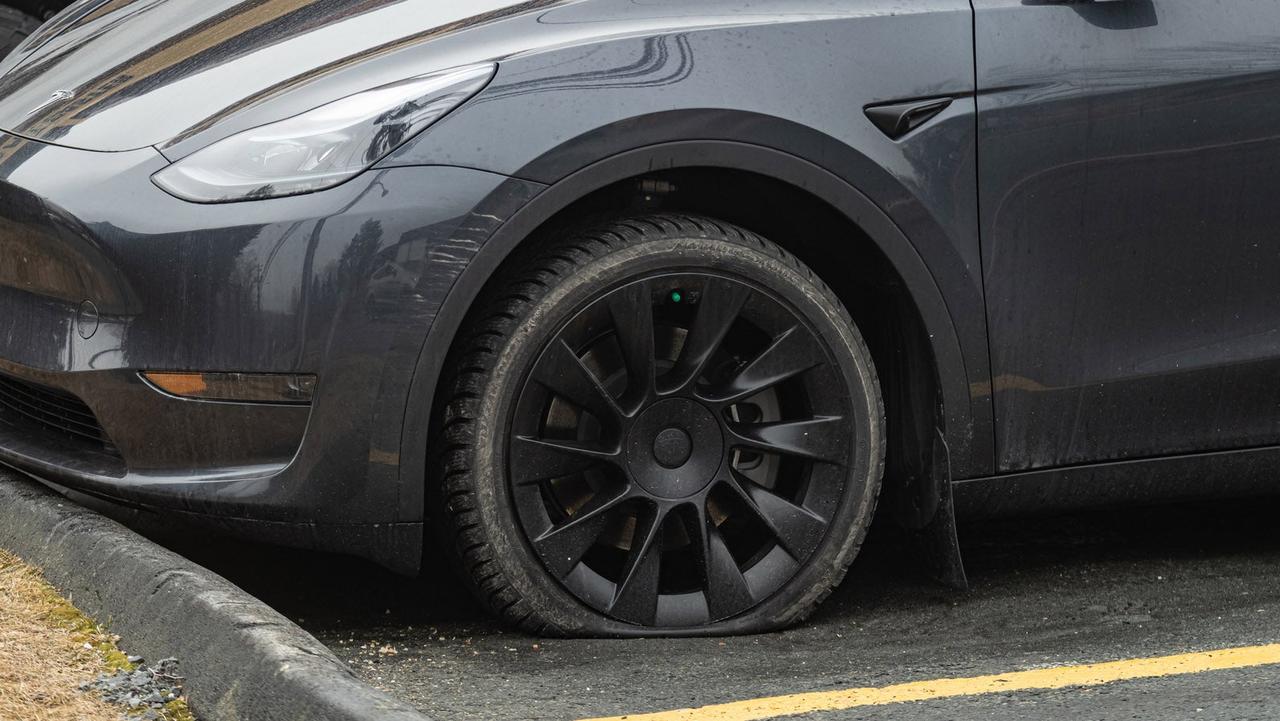
Whether an EV tyre can be repaired depends on if it uses sound-insulating foam inside. If there is foam inside the tyre, as you'll typically find in a Tesla Model Y or Hyundai Ioniq 5, many tyre shops will refuse to fix it and insist you buy a new one instead. Other tyres will be perfectly fine to be repaired.
Remember that any tyre can only be repaired if the puncture is within the middle three-quarters of the tyre, and the tyre is in otherwise good condition with plenty of tread left.
Can you use EV tyres on normal cars?
Most tyres that are suitable for EVs are also suitable for fuel-powered cars. A tyre with an EV label means it’s built to cope with a heavy load and high power – which could describe a petrol or diesel SUV, for example.
Which tyre is best for EV cars?
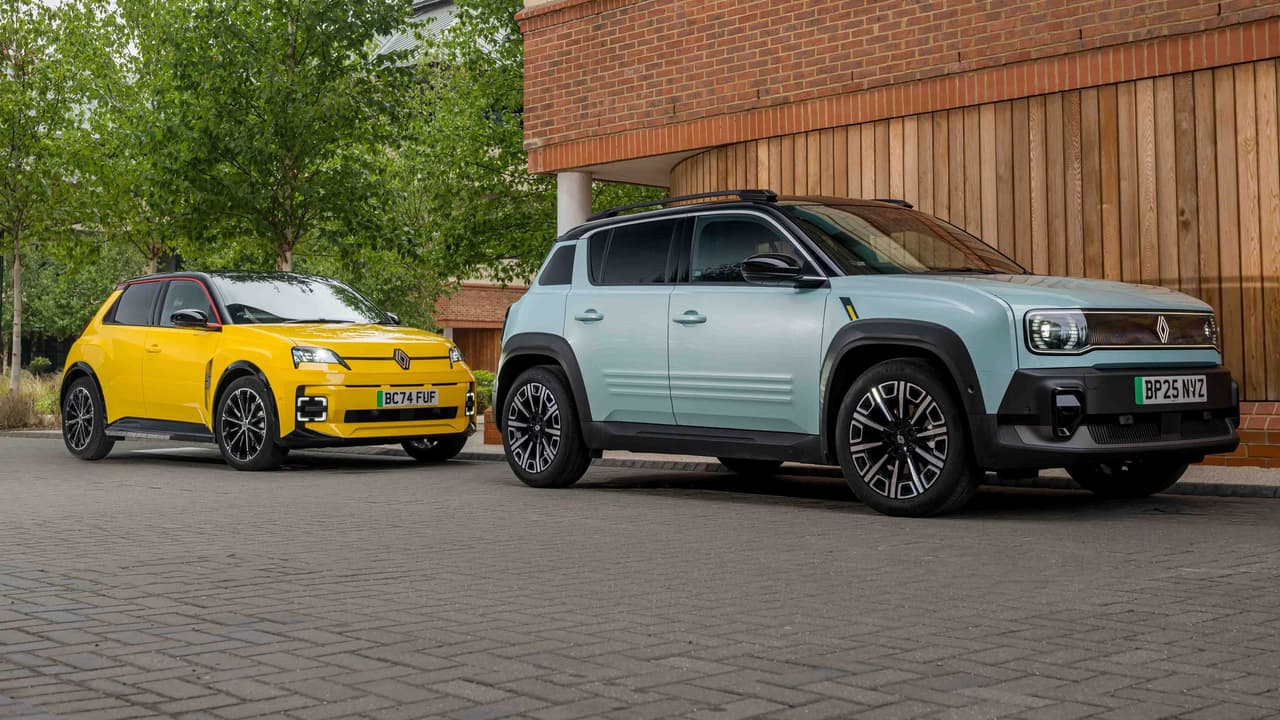
Always buy the best tyre you can. Tyre labels show ratings for the tyre from A to E on its fuel efficiency and wet-weather grip (A is best), as well as the rolling decibel level. You should buy a tyre that’s suitable for EVs.
Given our changeable climate, it’s worth opting for all-season tyres – which provide better grip in winter than regular summer tyres and can be left on all year, unlike winter tyres. However, if only one tyre needs replacing, it’s not advisable to fit an all-season tyre if the rest of your tyres are summer tyres, because the differing tread patterns can wear unevenly and cause handling problems.