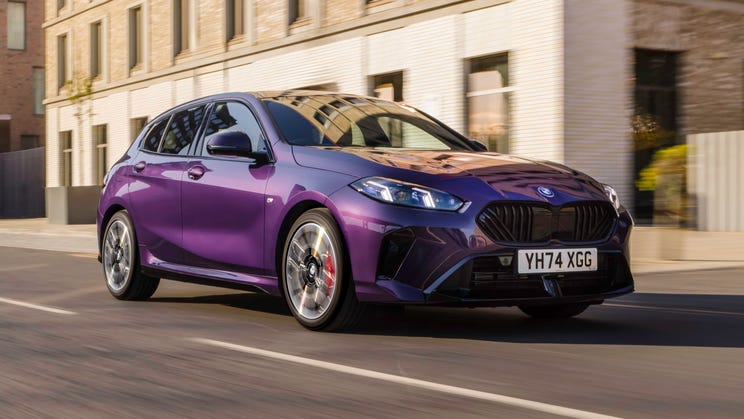










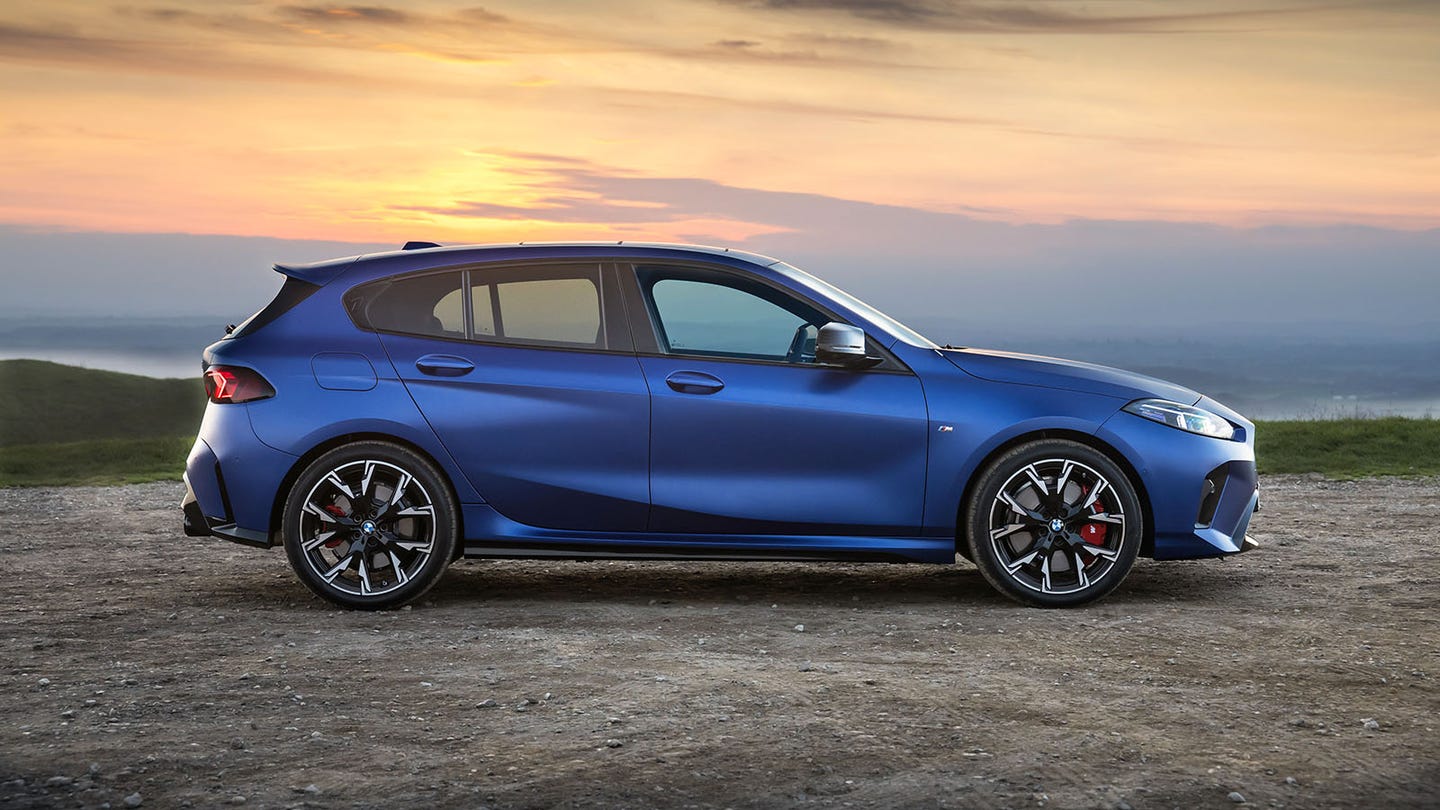

The BMW 1 Series is known for its sharp, sporty handling.
And having the right tyres is vital if you want to make the most of its athletic setup. You'll also want them in good condition and pumped up properly for best performance.
This guide explains everything you need to know about BMW 1 Series tyres. That includes how to reset the pressure monitoring system, where to find the correct pressures for your car, and what the best tyres to fit.
How to reset tyre pressure on a BMW 1 Series
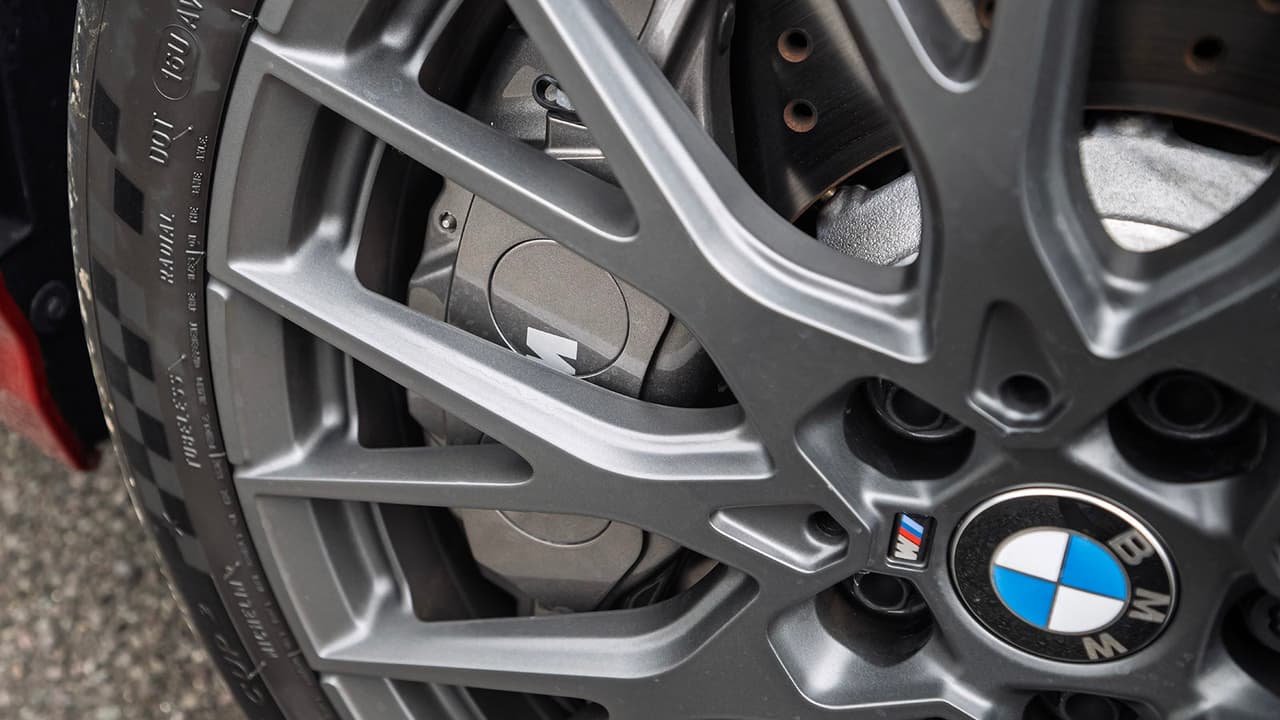
All BMW 1 Series models have a tyre pressure monitoring system (TPM or TPMS). This is a computer-based system that detects if any of your tyres are under-inflated, and warns you via a message in the driver's instrument cluster.
How to reset BMW 1 Series tyre pressure monitoring system:
- Find the correct tyre pressures for your car – this will be on a sticker in one of the front door openings
- Use a portable tyre pump or a garage pump to check the pressure in your tyres
- Pump any under-inflated tyres up to the correct pressure
- Drive the car around for up to 15 minutes
- The tyre pressure warning message should clear automatically when the car sees the tyres are properly inflated
- If not, you might need to adjust settings in the tyre pressure monitor menu
- This is found in the infotainment system. Click on My Vehicle > Vehicle status > Tyre setting > Tyre Pressure Monitor
- On this menu, make sure the tyres you've fitted match the tyres the car expects
- For example, summer or winter tyres
- If the tyre pressure warning stays on after you've followed this process, you might have a different problem with your TPMS and may need to take your car to a service centre to be inspected
Does the BMW 1 Series use run flat tyres?
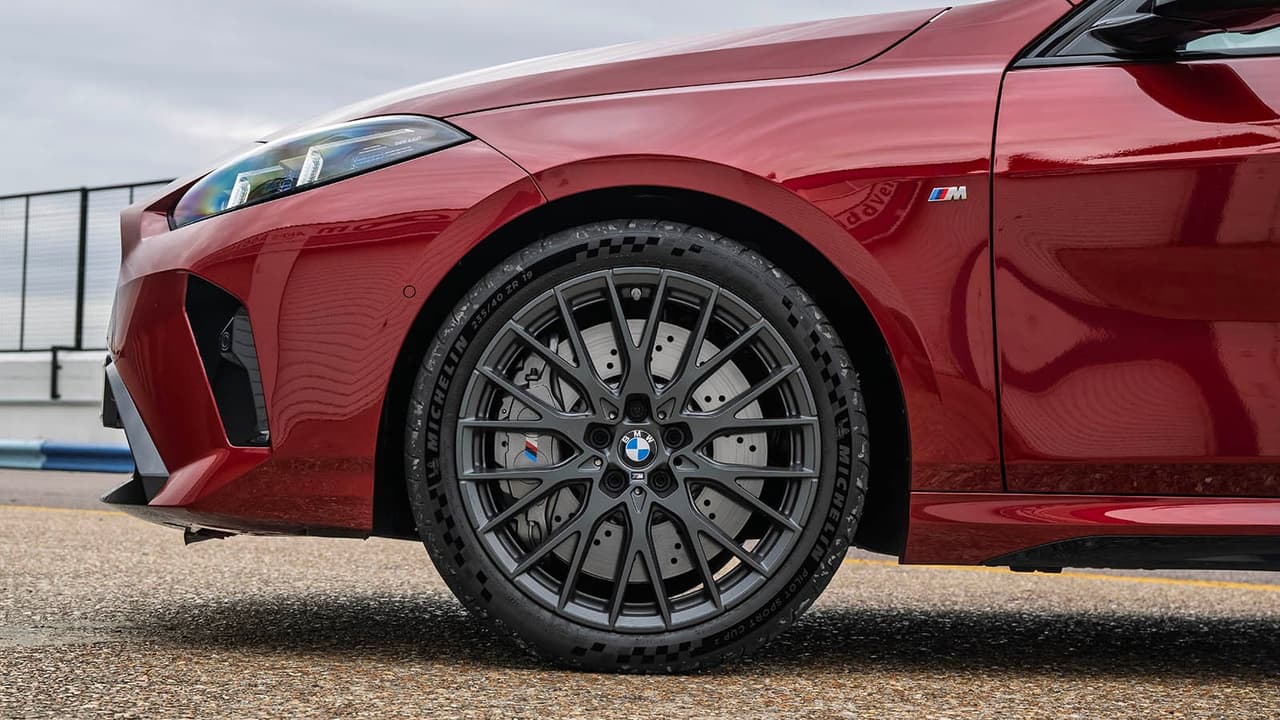
In the past, BMW was famous for using run-flat tyres. These tyres have strengthened sidewalls, so they can hold their shape even if the tyre is punctured and loses all air pressure.
However, around the late 2010s/early 2020s, BMW began to phase out run-flat tyres across its lineup. This was to save weight and improve efficiency.
So, if your BMW was made before 2020, there's a good chance it has run-flat tyres. Cars made after this date probably don't have run-flat tyres.
You can usually check on your car's tyres themselves whether they are run-flat variants or not. Most tyres from big brands will carry a mark on the sidewall such as 'ROF' (Run on Flat), 'EMT' (Extended Mobility Technology) or ZPS (Zero Pressure System).
Pros and cons of run-flat tyres
| Pros of run-flat tyres | Cons of run-flat tyres |
|
|
Best tyres for BMW 1 Series
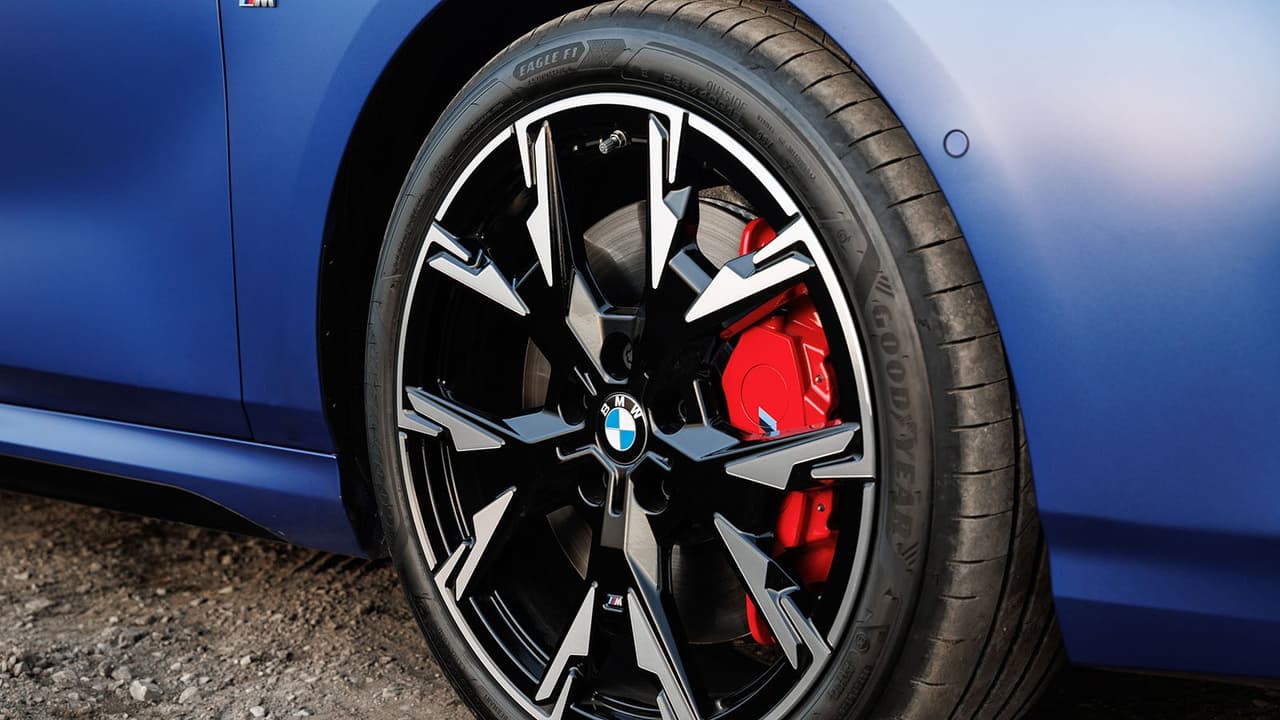
We'd strongly suggest investing in a set of good quality tyres for your BMW 1 Series. Of course, this is the case for every vehicle, but it's especially worthwhile on a fairly sporty car like the 1 Series, where better tyres unlock more of the car's performance and handling ability.
That means picking from quality, well-known brands such as Michelin, Continental, Bridgestone, Goodyear or Pirelli. We'd also strongly suggest you only buy new tyres from reputable retailers, and avoid discounted part-worn or retreaded tyres.
Does the BMW 1 Series come with a spare tyre?
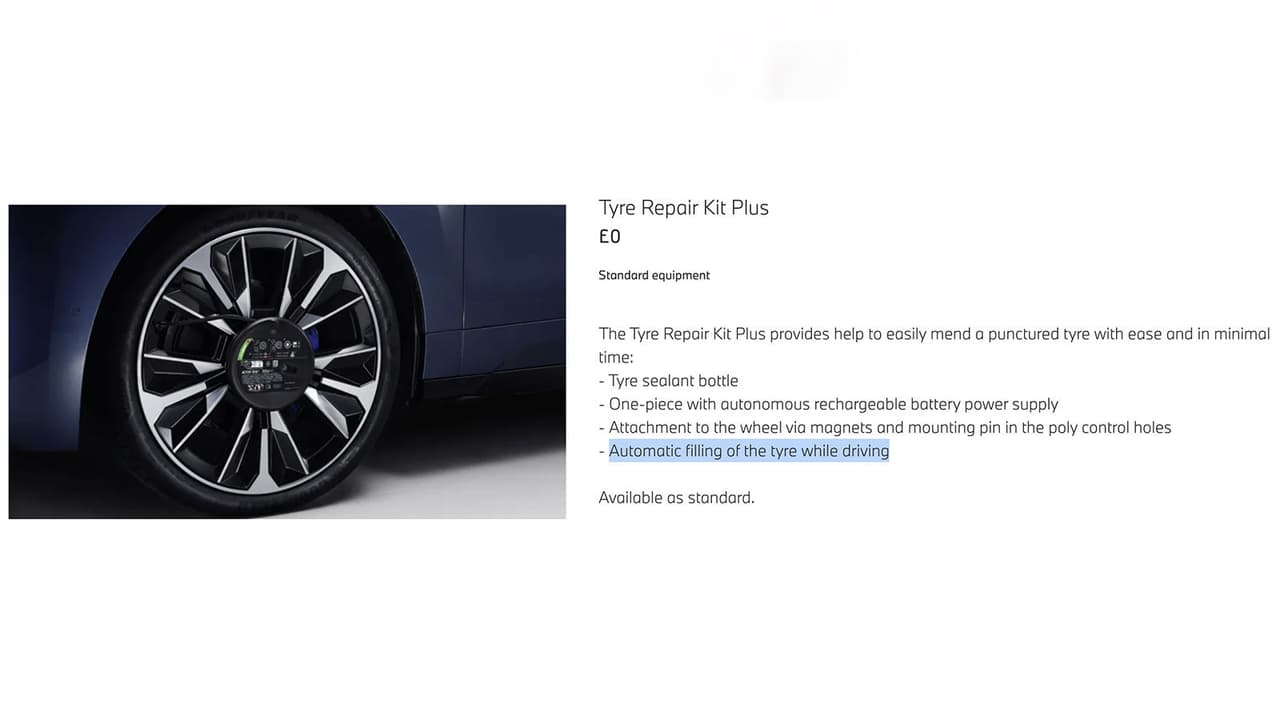
Most 1 Series models and virtually all recent variants do not come with a spare tyre. This is disappointing from a road-trip perspective, and might make it harder to keep going in the event of a catastrophic tyre failure.
However, BMW (and many other brands) are still choosing to get rid of spare tyres. This is intended to make their cars lighter and more efficient, as well as unlocking more cargo space for owners.
In place of a spare tyre, BMW includes a tyre repair and re-inflation kit. This includes a plug to seal the puncture, and a small pump that plugs into your car's 12V socket to pump the tyre back up.
Save thousands on your next car
Get unbeatable prices guaranteed on thousands of nearly new and used cars for sale at Motorpoint. Check out our picks for the best used BMWs on sale.