








Wintry conditions can be hard on your vehicle. Prepare for the cold season with a few easy winter car checks.
It’s all too easy to presume your car is ready for winter – it’s been reliable all year, so why worry when the mercury drops? But it’s really important to check essential bits of your car on a regular basis.
There are numerous garages offering a free winter car check, or a more thorough one that you have to pay for. It could be worth paying for one of these if you want total peace of mind that your car is prepared for winter, but you can also do a lot of common winter car checks yourself.
In this guide we’ll tell you what you should check and how to do it. And whether you should treat your car to a hat and scarf.
Why should I check my car in the winter?
Not only will a winter car check help to keep you safe during the colder months, but you’ll potentially pose fewer hazards to other road users. You may also identify minor fixable problems on your car while carrying out a winter check, and these can then be repaired earlier before they get worse over the course of the winter (and potentially end up costing you more money).
Remember – it’s the driver’s responsibility to make sure their car is safe and roadworthy – regardless of whether they’re the owner of the car or not. Did you know that if you’re caught driving a vehicle in a dangerous condition you could be fined up to £2,500, receive three penalty points on your license and even be banned from driving?
What should a winter car check include?
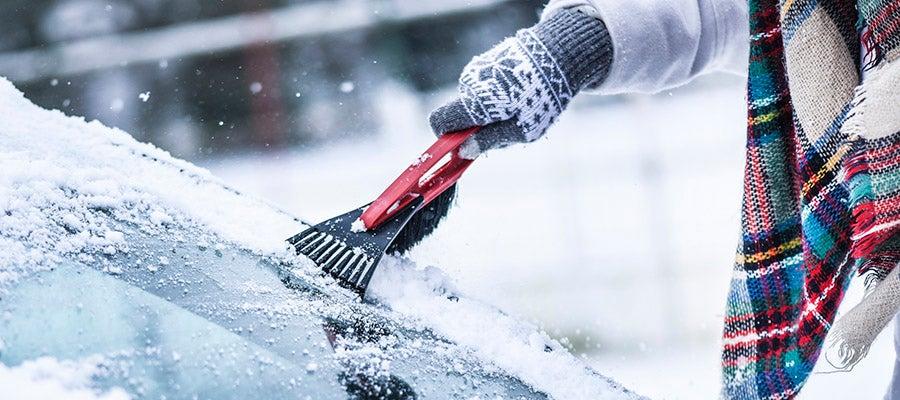
A winter car check should be comprehensive, covering and checking every element of your car that could potentially put you in danger during winter driving. Our winter car checklist will help you to cover all of the most frequently problematic areas that you can check yourself at home.
- Tyre pressure – make sure your tyres are at the manufacturer's specifications. While underinflated tyres provide extra grip on deep snow, in other situations they will extend your braking distances, wear down quicker and use more fuel. Overinflated tyres have less contact on the road surface, and so won't be as grippy in bad weather. Read our guide on how to check your tyres
- Tyre tread depth – the legal limit is 1.6mm of tread on each tyre, but we'd recommend replacing them sooner, especially just before winter. Having less than 1.6mm of tread can invalidate your insurance and get you prosecuted for driving a vehicle that is in a dangerous or unroadworthy condition
- Tyre condition – cracking or damage will reduce the effectiveness of the tyre, and could cause an accident
- Windscreen, windows and mirrors – ensure your windows are clean, clear and undamaged
- Windscreen wipers – wipers should be relatively quiet and clean water from your screen with ease. If they are noisy and not cleaning the whole windscreen, you should look at replacing them. Don’t forget to check both front and back wipers, if you have them
- Headlights – a vital component for driving in the winter. You should regularly make sure all your lights work, and that they're clean enough to be seen clearly
- Battery – powering your car's lights and interior features puts extra strain on the battery in winter. If your car feels like it struggles to start, get the battery tested – which you can do yourself if you buy a battery tester. If the battery is at less than 12.4V, it needs charging or replacing
- Coolant/antifreeze – this keeps your engine running at the right temperature. Check your coolant level every couple of weeks (it's a translucent tank in your engine bay with minimum and maximum levels)
- Screenwash – keep your washer fluid topped up, and remember that you may need to have a stronger dilution in colder weather. Without screenwash, your windscreen will quickly become so grimy that you won't be able to see properly
- Brake fluid – check this every now and again by finding the brake fluid reservoir in the engine. It's usually marked with the exclamation symbol or 'DOT4'. Like the coolant tank, it has min and max levels so you'll know if you have enough
- Number plates – your front and rear plates must be visible at all times, so you may have to rub the dirt off with a damp cloth
Carry an emergency winter kit
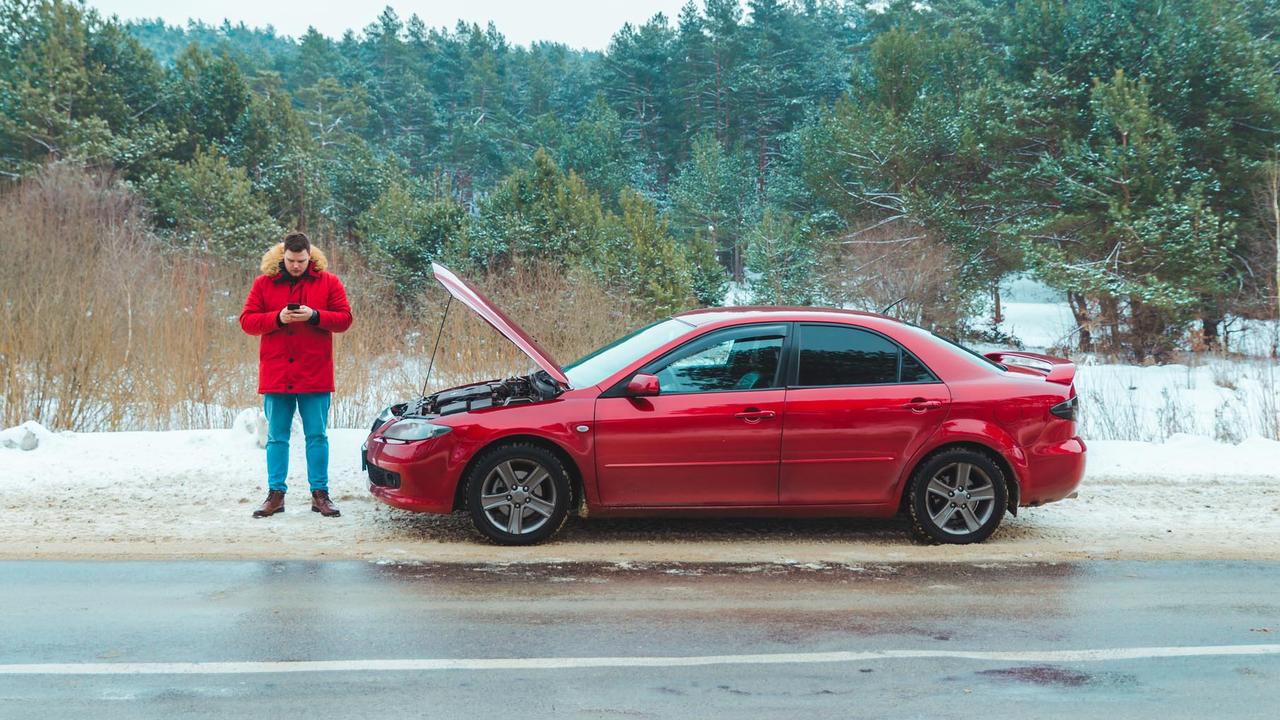
Carry an emergency winter kit in your boot in case you get stuck in snow or your car breaks down. Even a short trip to the supermarket could become hazardous if the weather takes a sudden turn. A good emergency kit contains:
- Torch
- De-icer or scraper
- Jump leads
- Warning triangle
- Hi-vis jacket
- First-aid kit
- Extra warm clothes or blankets
- Water and non-perishable snacks
- A bottle of room-temperature water or screenwash in case your washer jets freeze
It's also a good idea to take a flask with a hot drink in, which can help keep you warm if you have to stand outside for a long period of time. And, let's be honest, we don't need much of an excuse to have a cup of tea!
Don't bother with snow chains or snow socks unless you're going to be in an area with severe snow and ice. While legal in the UK, snow chains can only be used when there's enough snow or ice that you won't damage the road surface. Given that major roads are usually gritted and cleared, you'll have to remove the snow chains before joining a main road. Winter tyres are a much better bet if you want extra grip in icy conditions.
Winter tyres
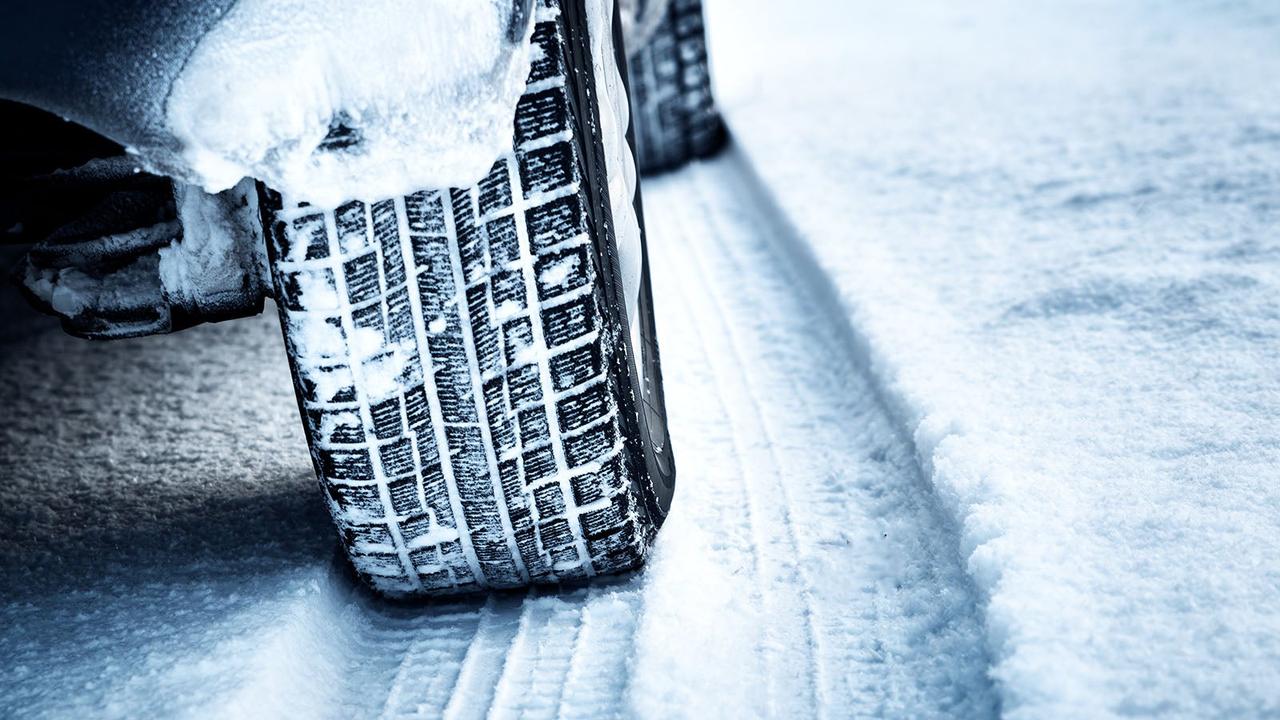
You may want to consider changing to winter tyres in the colder months. Not only are they made of a rubber compound that grips better in cold temperatures and on slippery roads, their tread pattern provides more grip in snowy and icy conditions and can help prevent aquaplaning during heavy rainfall.
While it's a bit annoying to have to buy a second set of tyres for your car, you'll only be using one set at a time, prolonging the life of both your winter and summer tyres. Read our guide to winter tyres to find out more about their benefits.
Winter car care and driving tips
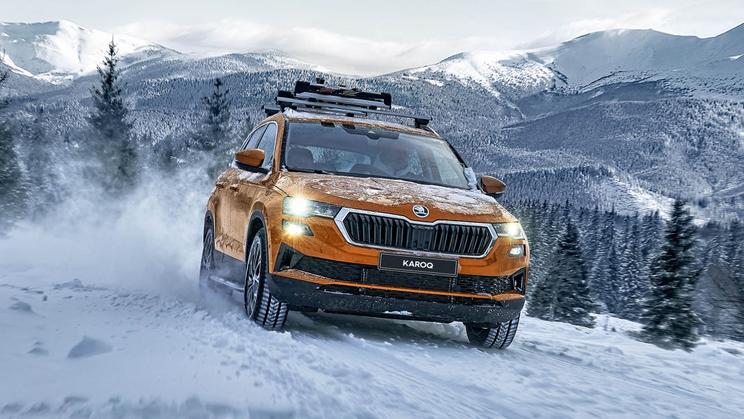
Aside from making sure your car is in perfect working order before winter, it’s a good idea to prepare yourself for the challenges of driving in adverse conditions. There are several things you can do to minimise the risks of driving in ice or snow.
Leave extra time for journeys and plan routes
Driving times are much less predictable in bad conditions – they can be impacted by snow, ice or excess water on the roads. Account for delays and set off on journeys earlier to ensure you arrive at your destination in time.
If you are travelling longer distances, make sure that you keep up to date with local weather conditions along the route.
You should also spend time planning your journeys before you leave the house. Consider avoiding smaller side roads and lanes that may not have been gritted, as well as difficult junctions. Some sat navs will be able to reroute your journey based on live traffic information – it is beneficial to check if your car’s navigation can do this. If not, you should consider identifying alternate route options in case you encounter any road closures, or use your phone – either in a holder or via Apple CarPlay/Android Auto.
Thoroughly de-ice your car
De-icing your car before setting off will help make sure that you have maximum visibility. This is hugely important to help avoid hazards on the road in more treacherous conditions.
There are many ways to de-ice your windscreen, but the best way is to switch your car on and put the heaters on full, as well as using a deicer spray and ice scraper on the outside. This method reduces the risk of scratching or cracking your windscreen that other methods may cause. Using cold or room temperature water to de-ice your car is best avoided, as this increases the chances of your windscreen refreezing when driving. It could also freeze your wipers to your windscreen, causing damage when you try to switch them on.
Some cars may come fitted with heated windscreens that help to clear away ice and condensation… meaning you don’t need to use the heating system in the car for this.
Did you know that snow falling off your roof while driving could see you penalised for driving without due consideration? If there has been heavy snowfall, make sure that all the snow has been cleared from both your car’s roof and windows.
We're winter driving experts
Our guides will help you drive safely in winter and beyond: