








Driving in summer is great – the weather is warm, clouds are few and there's plenty of greenery.
With so many drivers swapping over to electric cars, how do these battery-powered models cope in hot weather?
This guide explains everything you need to know about driving an EV in the summer.
How does hot summer weather affect EVs?
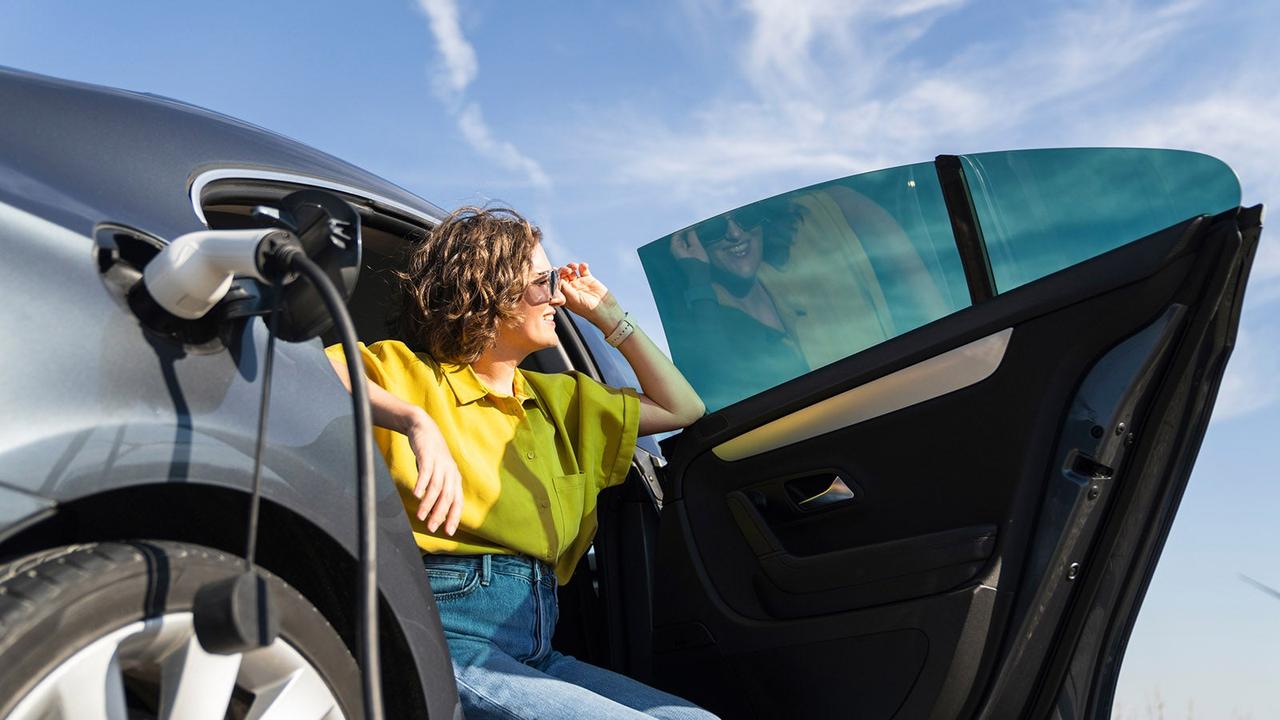
The impact hot weather has on electric cars is fairly minimal. This is because virtually all modern EVs have on-board active temperature management, which either raises or lowers the battery pack temperature to keep it in its happy operating zone (usually between 20-40ºC).
Warm ambient temperatures are likely to lead the car's occupants to want more air conditioning. This means the car's climate control system will have to work a little harder than normal to keep the cabin cool, using more energy in the process.
Does hot weather affect electric car range?
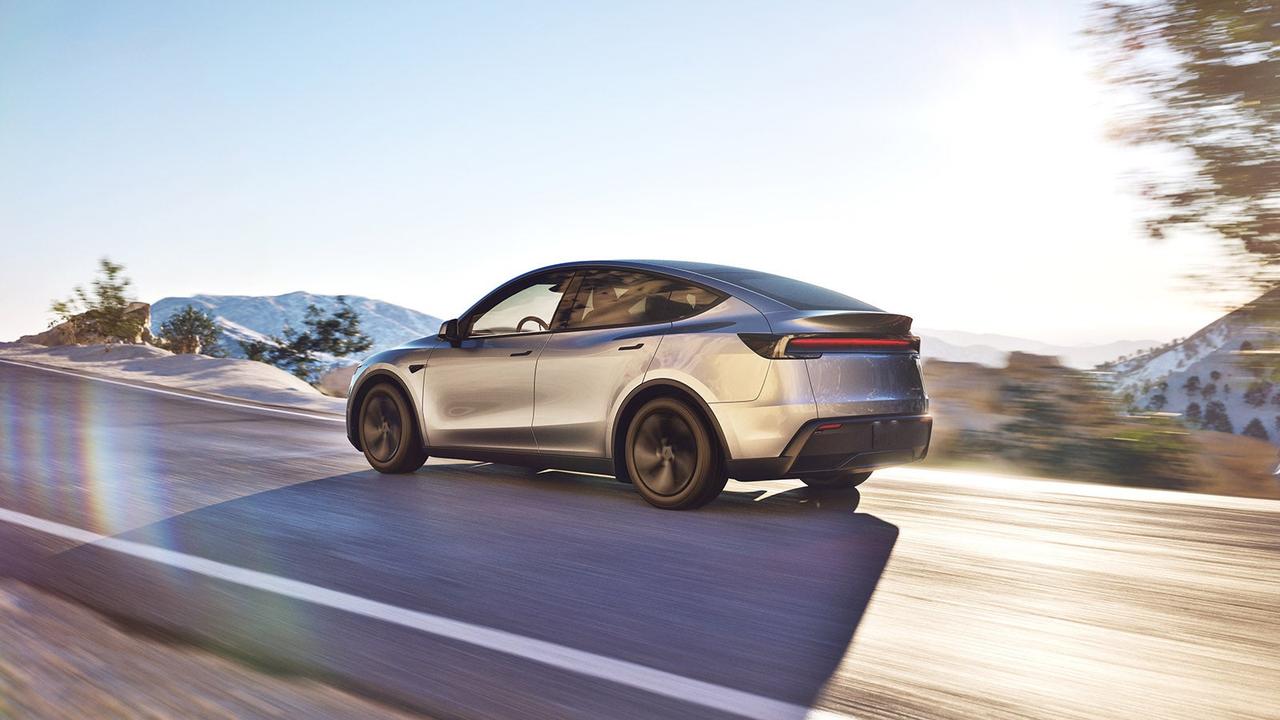
The kinds of temperatures we see during summer in the UK will not have a meaningful impact on your EV's range. It's true that extremely high temperatures will start to affect your driving range, but this will only become noticeable at sweltering temperatures we rarely experience on these shores.
On the very rare day when temperatures soar above 35ºC or so, that kind of heat would affect an EV's battery, were it not for the active temperature management systems keeping the pack within its specified temperature range.
The extra energy needed to control the battery's temperature means your overall range will be a little lower. However, research by Geotab shows that your cruising speed on long journeys has a bigger influence on your EV range than your climate control settings.
Can summer heat damage EV batteries?
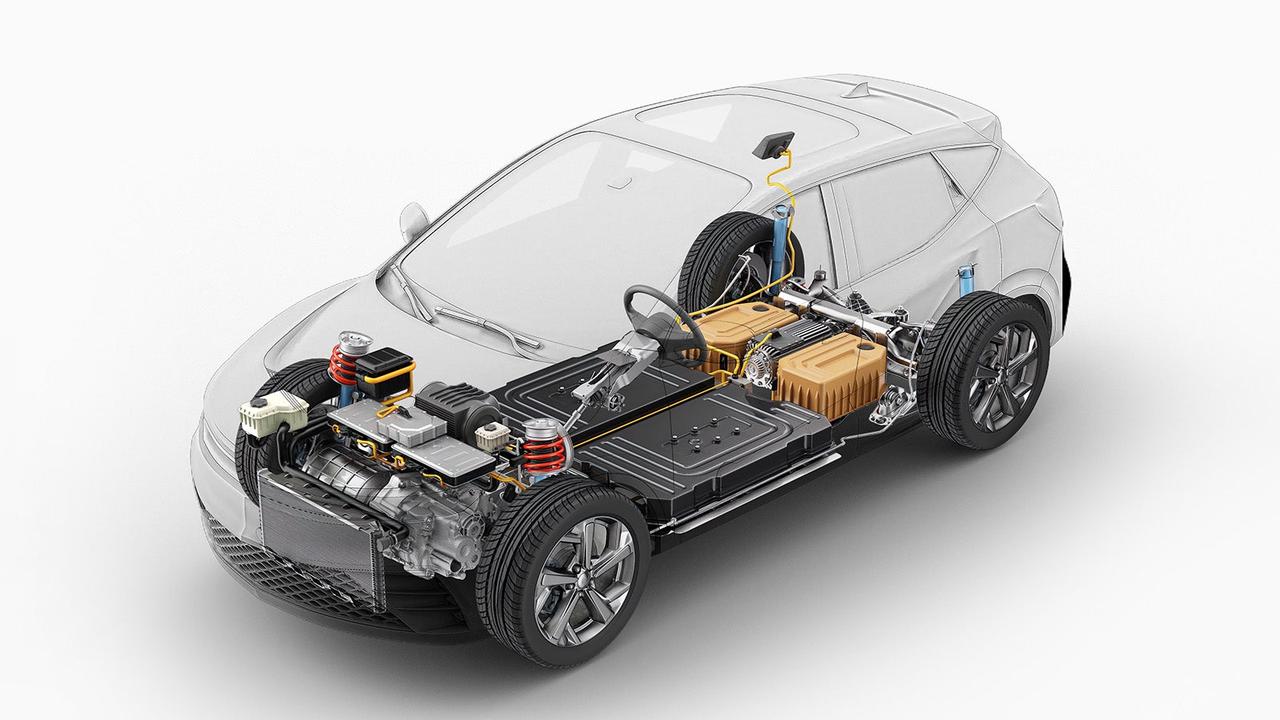
Summer heat will not damage the batteries in modern EVs. This is because the car's battery monitoring system (BMS) has temperature sensors all over the battery pack. If any sensors show that the battery is getting too warm, the EV will use its on-board climate control system to cool the battery down.
It's worth mentioning that EVs should only have to do this if they're exposed to extreme heat. Battery packs are mounted low underneath the cabin and insulated from the outside world, so they already have plenty of passive temperature protection.
Very old EVs – notably early Nissan Leaf models – used air-cooled battery packs instead of the liquid-cooled packs found in all modern EVs. As a result, they have less protection against temperature extremes and were more susceptible to degradation from being too hot. If you own one of these early air-cooled EVs, consider parking your car somewhere shaded to minimise its exposure to heat.
How to extend EV battery life in the summer
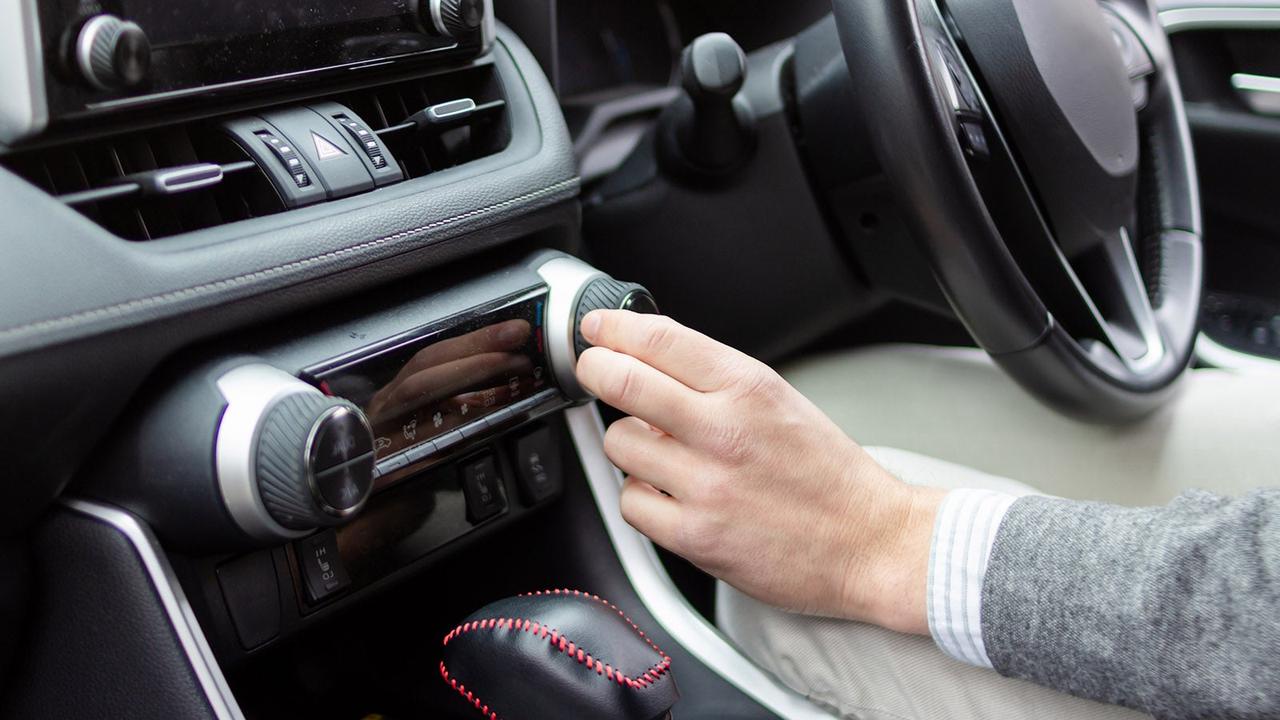
The main factor impacting your EV range that's specific to summer driving is how you use your climate control. It's important that you're a comfortable temperature when driving your car, but having your A/C on full blast will cost you more miles than a more reasonable temperature setting.
Plus, as an old episode of Mythbusters demonstrated, it might be more efficient to drive with your windows open and your A/C off if you're sticking to lower, urban speeds. On faster roads like motorways, the extra drag of open windows means it's probably more efficient to roll them up and use your A/C instead.
Charging an EV in summer

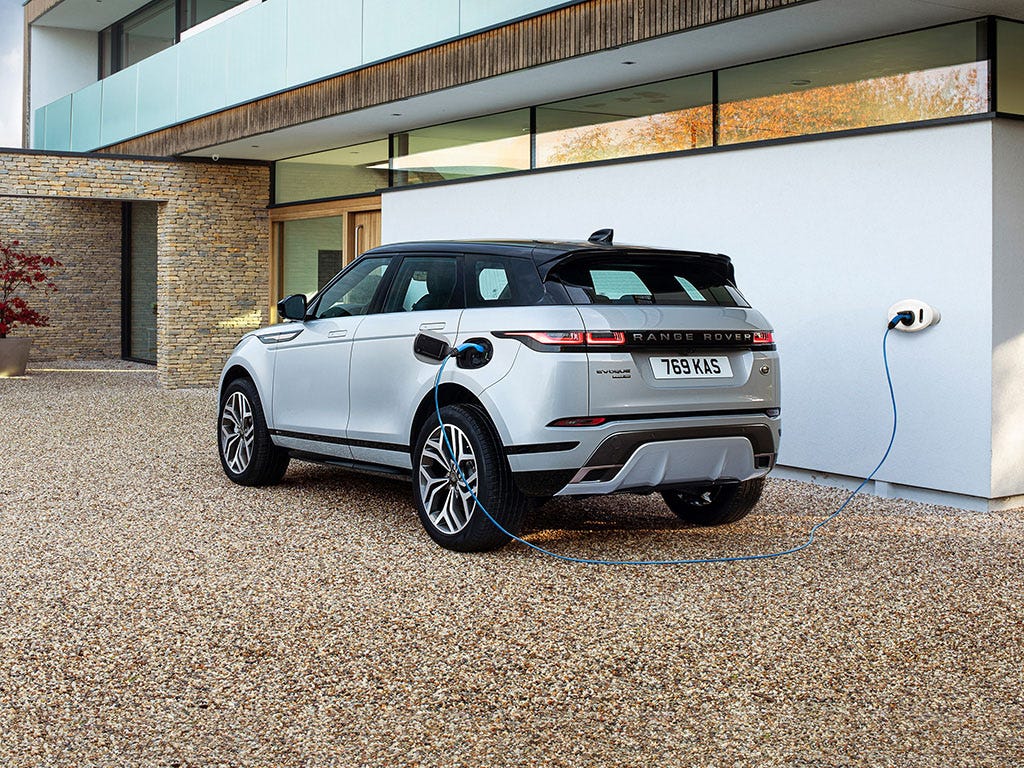
Just like driving your EV in summer, charging an EV in hot weather is really no different to any other time of year. All you have to do is plug in, then let the car's on-board systems figure out how much charging and cooling is needed.
Realistically, at the kinds of summer temperatures we get in the UK, you may even find that your EV hits peak fast charging speeds a little faster than usual. This is because the car doesn't need to spend as much energy warming or 'preconditioning' the battery up to accept high-power current from the charger.
At very high ambient temperatures, the EV may need to actively cool the battery pack. This will slightly reduce your overall charging speed, though nowhere near as much as you'd see during the depths of winter in the UK.
If you're charging at home, consider using your EV's cabin precondition setting to pre-cool your car's interior before you set off. The advantage here is your EV is hooked up to your house's mains electricity, so it'll use that to cool the cabin rather than its battery power, leaving you more charge to use exclusively for driving range.
Summer EV driving checklist
Preparing to drive your EV in the summer is mostly the same as the process for a fuel-powered car:
- Keep some essentials on board – for longer drives, consider carrying long-life snacks, a portable phone charger and charging cable, plus drinking water and spare bottles – read our full road trip guide
- Check your tyres – have a look at your tyres' condition, checking for excess wear or damage, and make sure your tyre pressures are correct. Over or under-inflated tyres provide less grip, wear unevenly and will impact your range
- Precondition your cabin – if your EV has the ability to pre-condition your cabin, consider using it to cool your interior before you set off. With your EV plugged into its charger, it uses your home's electricity rather than battery power, which extends driving range
- Park in the shade – if possible, consider parking your car in the shade at home or at your destination. This means your car won't get as hot while it's parked, so your climate control won't have to work as hard to cool it back down once you set off again
- Use a windscreen sunshade – you could buy or make a sunshade to fit inside your windscreen while your car is parked. Again, this reduces how hot the cabin gets while the car is stationary, reducing the load on your climate control
EV summer driving tips for better range
Here are some pointers for getting the most miles out of your EV's battery in the summer. Most of these tips are still good advice all year round and also apply to fuel-powered cars. Read our guide to driving in hot weather for more info.
- Limit your speed – your speed on faster roads like motorways is the single biggest factor in determining how far you can drive. Geotab's research found that an EV cruising at 80mph would cover 200 miles in total, but dropping to 60mph extended that to 251 miles
- Consider your climate control – after speed, your cabin temperature setting has the second-largest influence on your driving range. Picking a cool-but-comfortable setting rather than the A/C on full blast will help you drive further
- Read the road – learning to anticipate how traffic will move means you can drive more smoothly. This will minimise how much stopping and starting you do, and maximise your time spent moving at a constant pace, improving efficiency and overall range
- Only carry what you need – we've covered the essentials you might want to carry for summer road trips, but make sure you're not storing any unnecessary clutter or clobber in your car. This will increase your car's weight, making your motor work harder and reducing your range
- Adjust your regenerative braking – most EVs have adjustable regenerative braking. This is like engine braking in a fuel-powered car, but EVs let you adjust how strong this effect is. Consider trying stronger regen braking when driving in urban stop-start traffic, and a weaker setting on motorways so your car can 'coast' more
How to use your EV's air conditioning without losing range
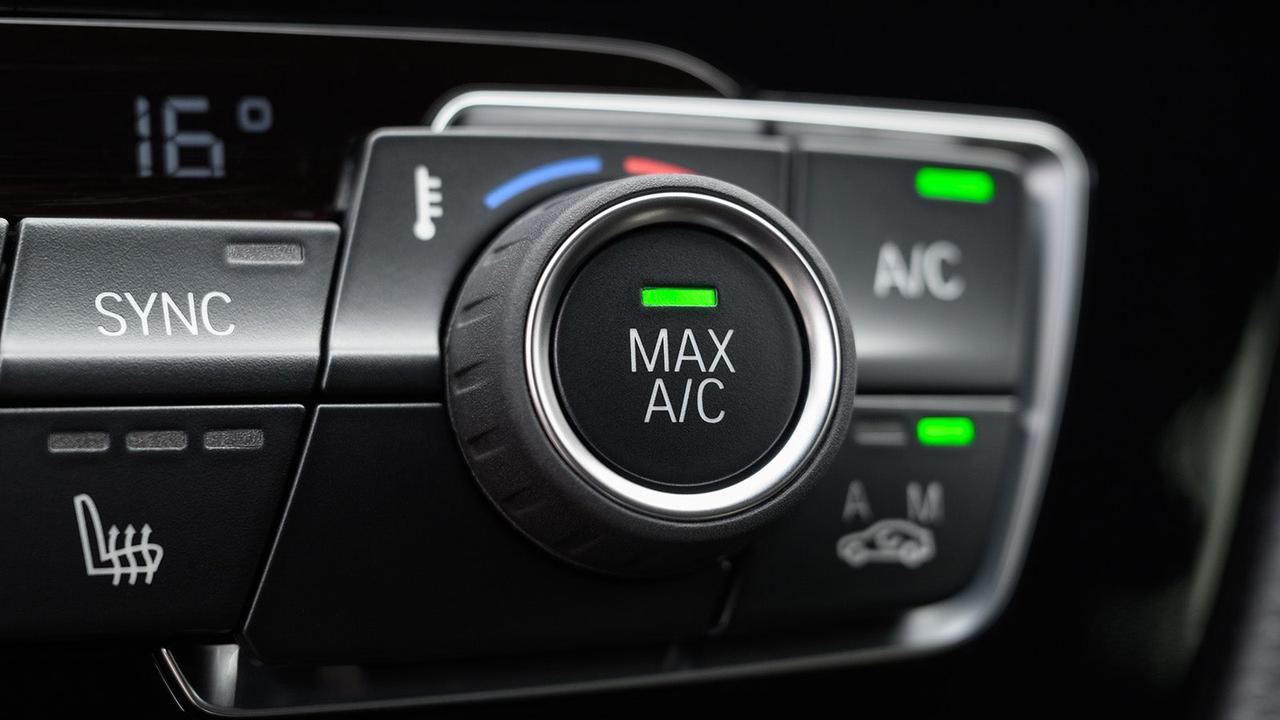
Any amount of air conditioning will have an impact on your EV's overall range. This is because it takes energy from the car's battery to power the climate control, which could otherwise be used to drive the wheels.
The key to minimising the impact of your air conditioning use is moderation. When you first pile into a sweltering car, it's tempting to whack the A/C on full blast to quickly get you to a more comfortable setting. There's nothing wrong with this but, if you want to squeeze every last mile out of your battery's charge, you should keep the climate control to the warmest temperature you can comfortably tolerate rather than blizzard conditions.
Enormous savings on nearly new EVs
Browse a huge choice of nearly new and used electric cars for sale at Motorpoint. Many are available with tens of thousands of pounds off their recommended retail prices.