







Cupra started out as SEAT’s performance trim level, before it was spun off into a separate brand.
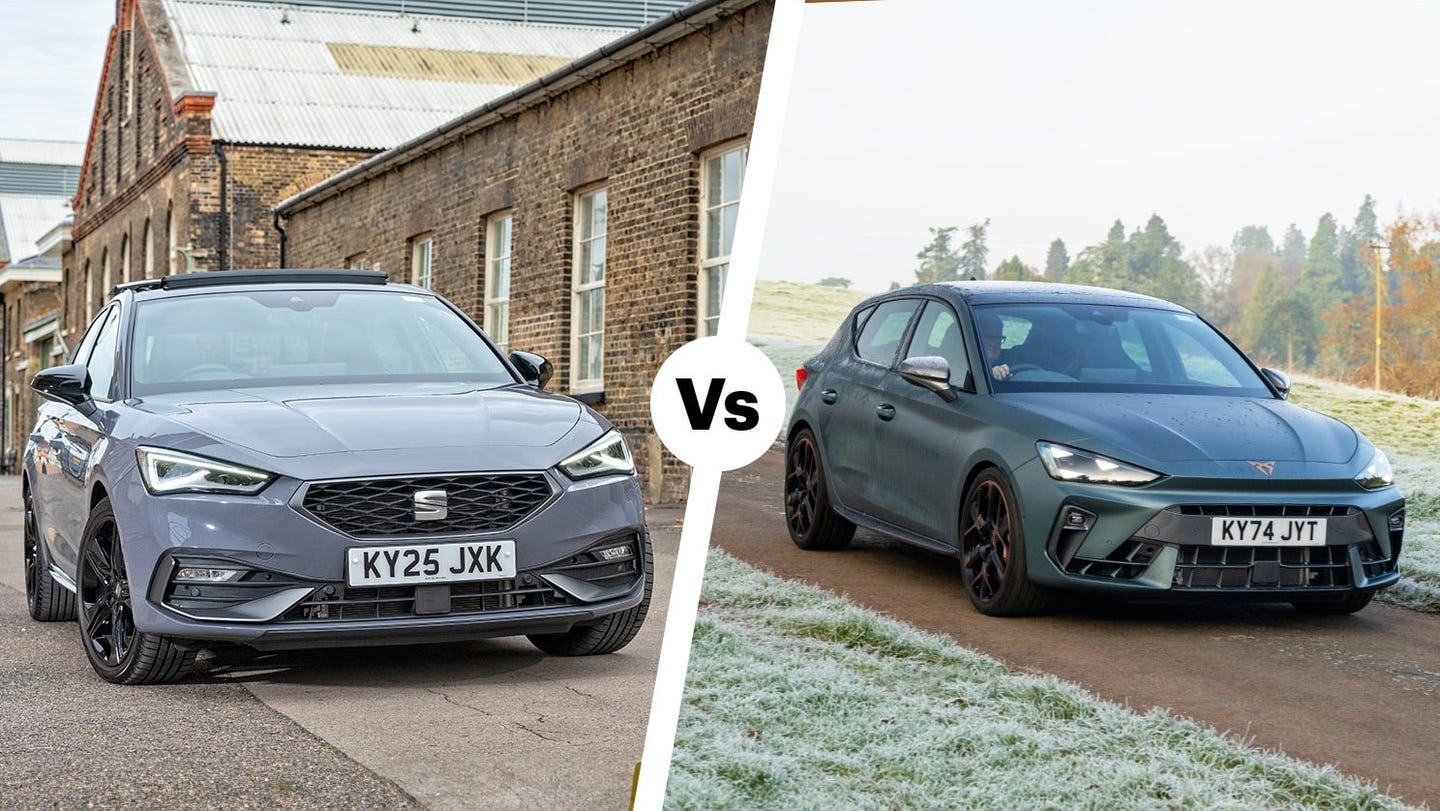
In its previous generations, the Cupra Leon was called the SEAT Leon Cupra, but this time around you won’t find a SEAT badge anywhere on the Cupra model.
That means there are two different Leon models that use broadly the same set of parts but feature very different styling. Should you climb into a Cupra or select a SEAT?
SEAT Leon vs Cupra Leon compared
| SEAT Leon | Cupra Leon |
Pros:
| Pros:
|
Cons:
| Cons:
|
Styling
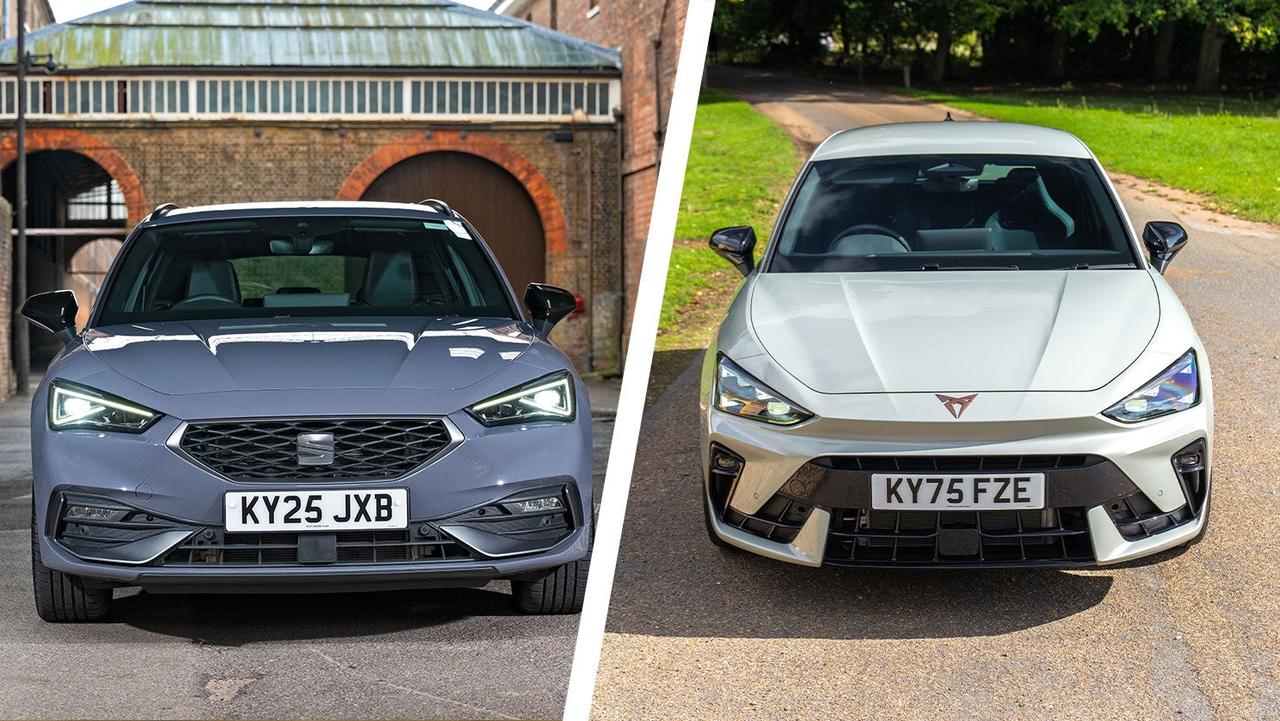
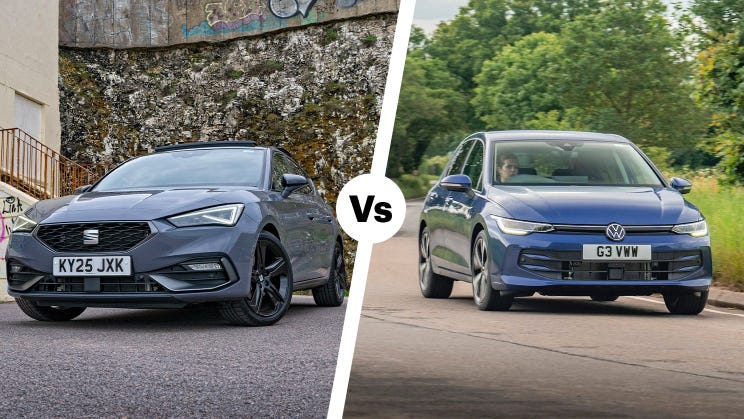
Often, cars are facelifted after three or four years on sale, but the SEAT Leon's styling hasn’t been majorly overhauled since it was launched in 2020. That could either show that SEAT’s styling was great to begin with, or a lack of commitment to the waning SEAT brand.
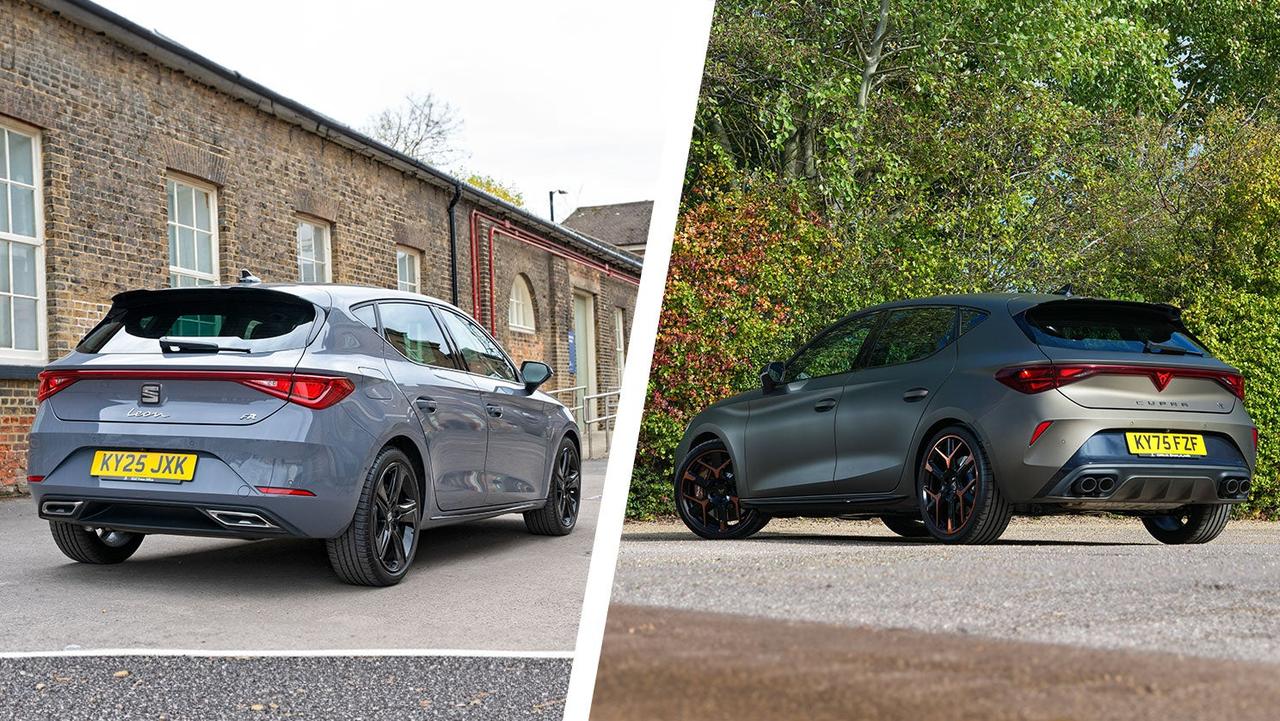
There are sportier trim levels in the SEAT Leon range, with FR-branded cars getting big wheels and red stitching. But these pale in comparison to even the lowliest Cupra Leon, with its copper accents and spiky badge.
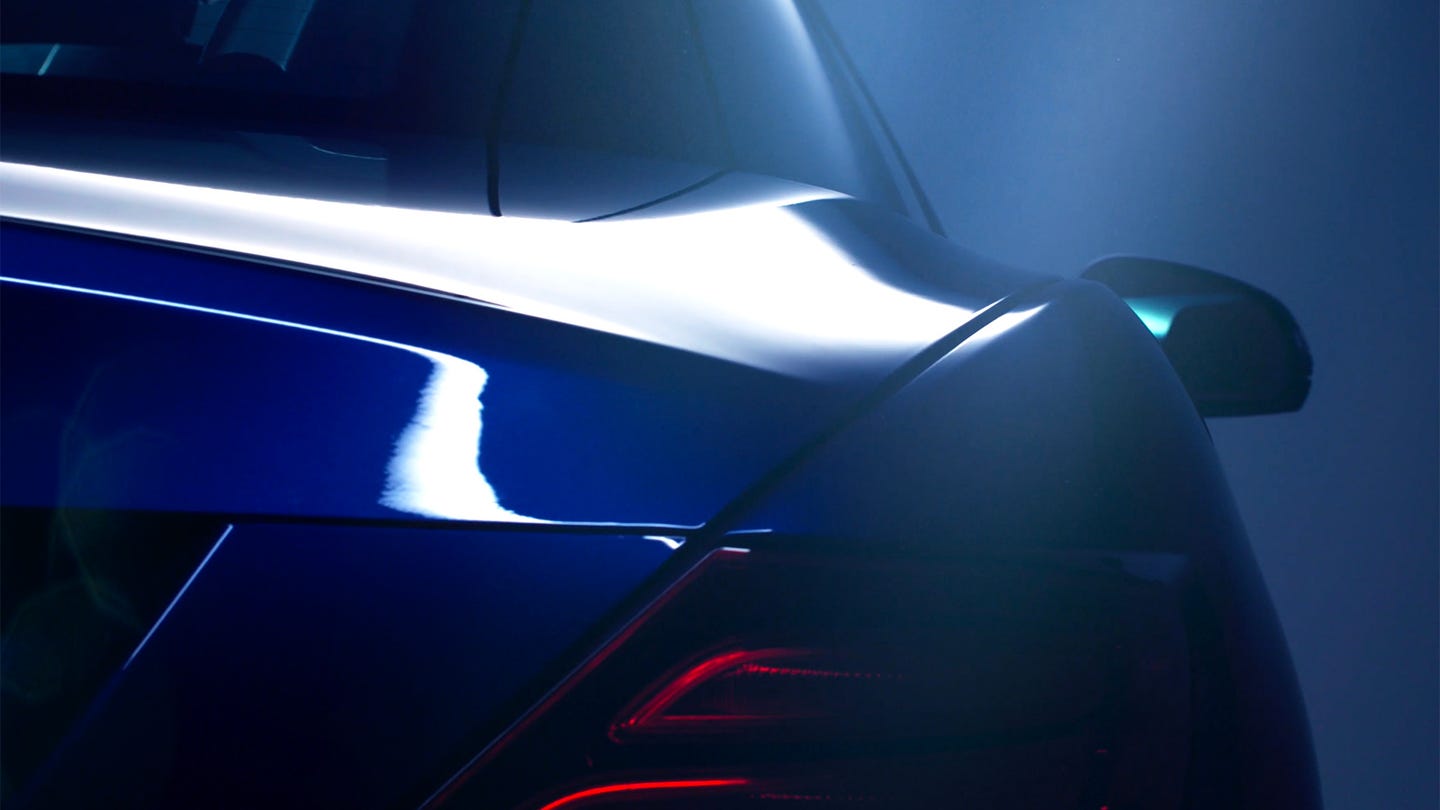
The Cupra Leon got a noticeable facelift in 2025, with a new front end that includes Cupra’s latest triangle motifs. This new look sets the Cupra apart from the SEAT and pitches it as a more premium product.
Interior and technology
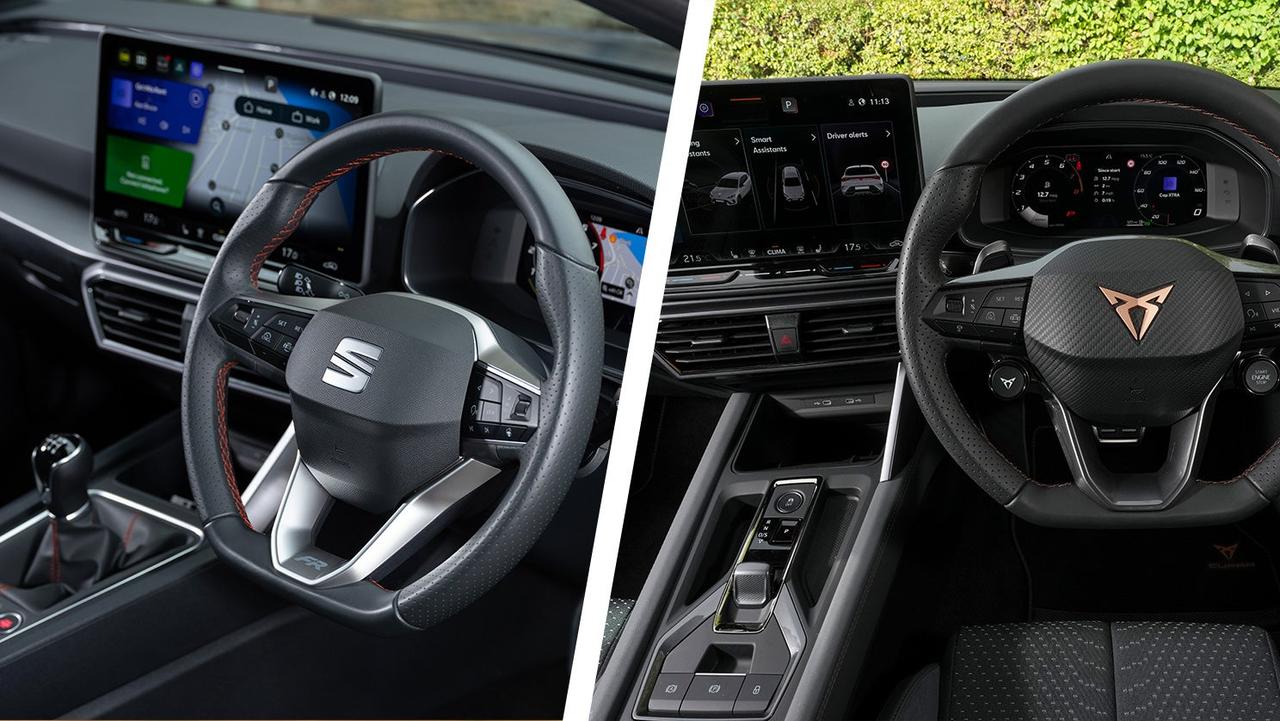
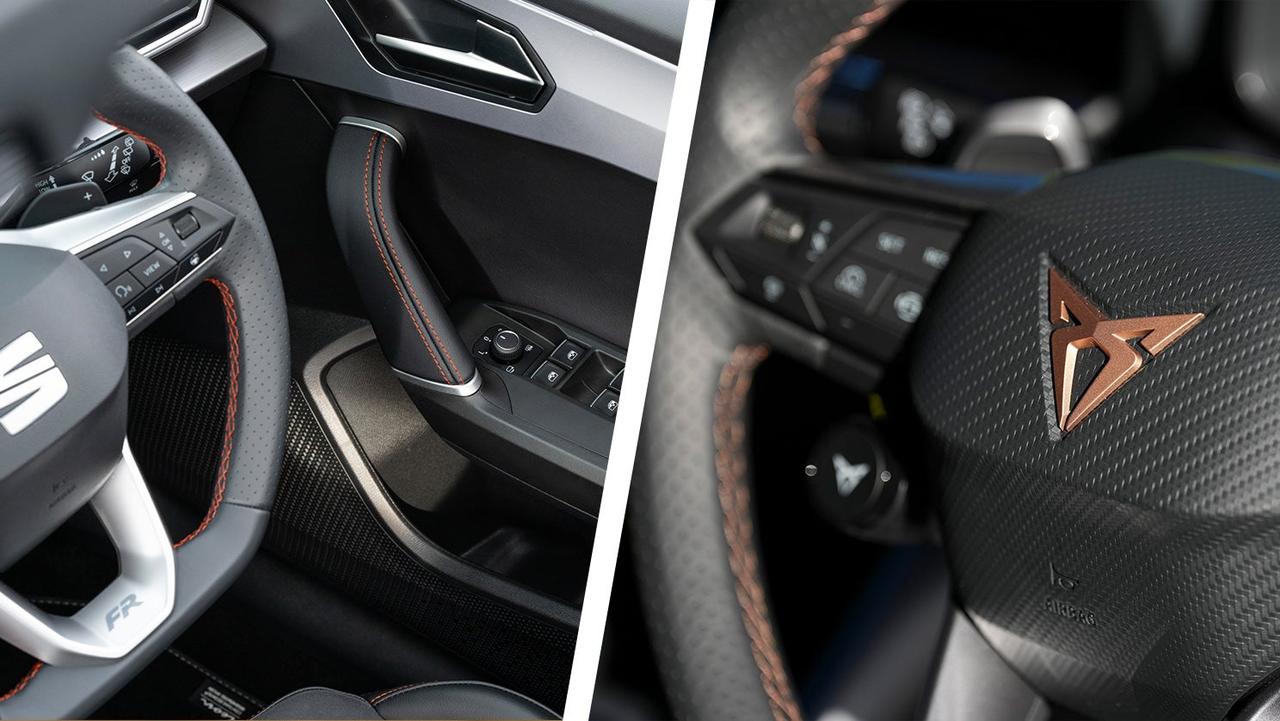
There are more similarities than differences inside, with both cars using the same switchgear and screens. But in the details, the Cupra Leon does feel a bit more premium than its SEAT sister. There are more copper accents, plus some textured trim panels and a wider availability of fuzzy suede upholstery. Top-spec Cupras also get racy carbon-backed bucket seats.
We like the red accents in high-end SEAT Leon models – it’s a timeless connotation of sportiness. But otherwise, the SEAT’s cabin is a little bland in comparison to the Cupra’s, and the materials used are marginally more utilitarian.
Dimensions and practicality
| SEAT Leon | Cupra Leon | |
| Length | 4,368mm | 4,398mm |
| Height | 1,456mm | 1,444mm |
| Width (exc/inc mirrors) | 1,800/1,991mm | 1,799/1,992mm |
| Boot space (seats up) | 270-380 litres | 270-380 litres |
Clearly, there isn’t any real difference between these two cars – the extra length on the Cupra Leon is down to more sculpted bumpers. Both offer a comfortable amount of space for four adults, and a boot that’s a useful size at 380 litres. Plug-in-hybrid cars lose 110 litres because the battery pack is under the boot floor. Need more boot space? Try the SEAT Leon Estate or Cupra Leon Estate.
Engines and performance
| Engine | Power | 0-62mph time (seconds) | MPG | Electric range (miles) |
| SEAT Leon | ||||
| 1.0 TSI petrol | 110hp | 11.3 | 49.6mpg | - |
| 1.5 TSI petrol | 115/130/150hp | 10.4/9.4/8.5 | 48-50mpg | - |
| 2.0 TDI diesel | 115hp | 10.3 | 65.7mpg | - |
| 1.5 eHybrid PHEV | 204hp | 7.7 | 235.4mpg | 82 |
| Cupra Leon | ||||
| 1.5 TSI petrol | 150hp | 8.7 | 53.3mpg | - |
| 2.0 TSI petrol | 245/300/333hp | 6.4/5.7/4.8 | 37.2mpg | - |
| 1.5 eHybrid PHEV | 204/272hp | 7.7/7.1 | 225mpg | 82/75 |
The SEAT Leon’s engine range ends where the Cupra Leon’s begins. Both are available with a 1.5-litre petrol engine and a long-range plug-in-hybrid powertrain, but the more powerful engines are reserved for the Cupra. As you’d hope given the brand’s sporty billing.
To us, it doesn’t make much sense for Cupra to offer the same engines as the SEAT equivalent, because the 150hp engine doesn’t quite feel fast enough to carry the badge. It also makes the higher-power cars seem less special because there aren’t many clues that you’ve bought the 300hp version over the 150hp version.
Value
A Cupra Leon is more expensive than a SEAT Leon with the same engine – you’re paying for the sporty styling and a few extra bits of standard equipment, such as a reversing camera.
If you’re not bothered about having sporty styling, it’s worth opting for a lower-spec version of the SEAT. SE and SE Dynamic trims are often much cheaper than the more sought-after FR versions, making them a bit of a bargain.
One thing to consider is that Cupra’s warranty is longer than SEAT’s. Despite these two being largely the same, Cupra offers five years/90,000 miles of cover, whereas SEAT gives you three years or 60,000 miles.
Which is best?
The SEAT Leon is best if you’re not bothered about having aggressive styling or a powerful engine – and, if that’s the case, you can save yourself thousands by sticking with a SEAT. Diesel SEAT Leons are available on the used market (the Cupra has always been petrol powered in the UK), which will suit high-mileage drivers.
But the Cupra’s sporty style is hard to ignore, and its cabin does feel more premium than the SEAT. The fact that you can get a fairly economical engine with the same styling as the thirstier, high-powered engine is a key factor of the Cupra’s popularity – and its facelift means it no longer looks like a SEAT. With the Cupra additionally providing a longer period of warranty cover, it also provides greater peace of mind. Our money would go on the Cupra Leon.
Lovely Leons just for you
Read our SEAT Leon review and Cupra Leon review to find out more information on each model. Made up your mind? Shop used SEAT Leon cars and used Cupra Leon cars for sale at Motorpoint.