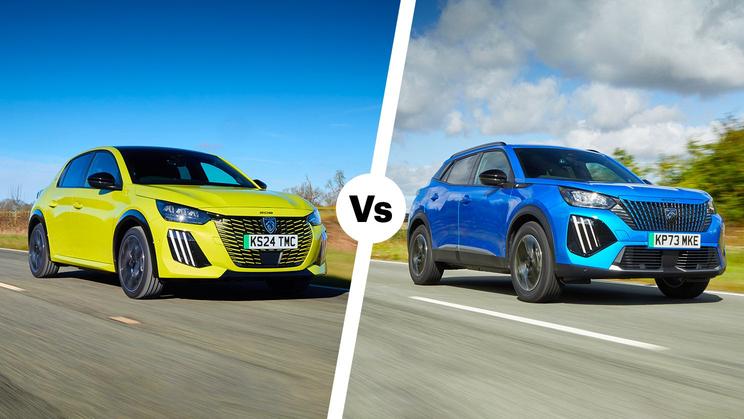






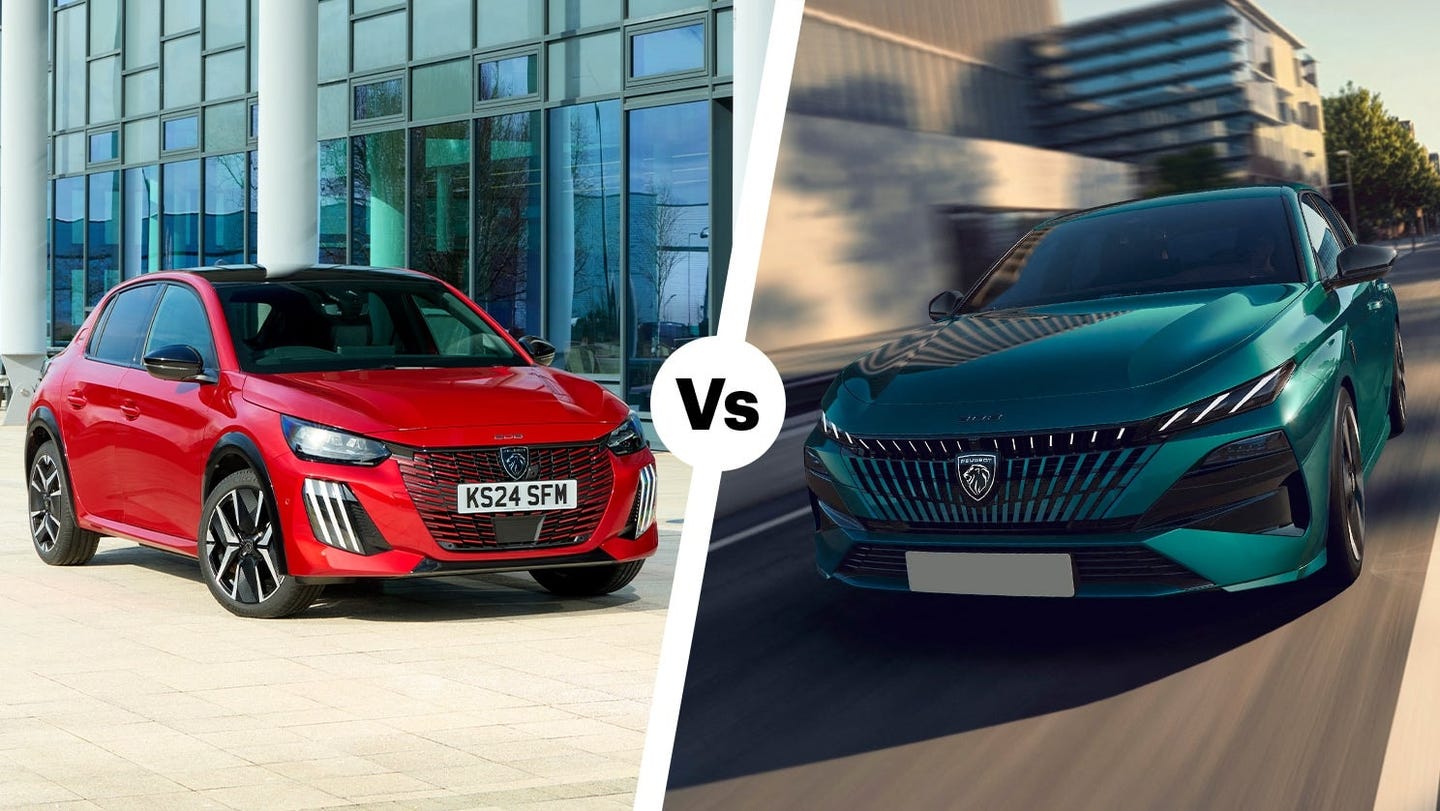

Planning to put a Peugeot in your parking space? Here are the differences between the 208 and 308.
The first thing to note is that the Peugeot 308 is a bigger and more practical car than the 208, but the flipside of that is cheaper prices for the 208. In other aspects, these two cars are quite similar – both are stylish, well equipped and come with multiple engine choices, including a fully electric option. Read on to find out whether you should go for the 208 or the 308.
Peugeot 208 vs 308 compared
| Peugeot 208 | Peugeot 308 |
Pros:
| Pros:
|
Cons:
| Cons:
|
Styling
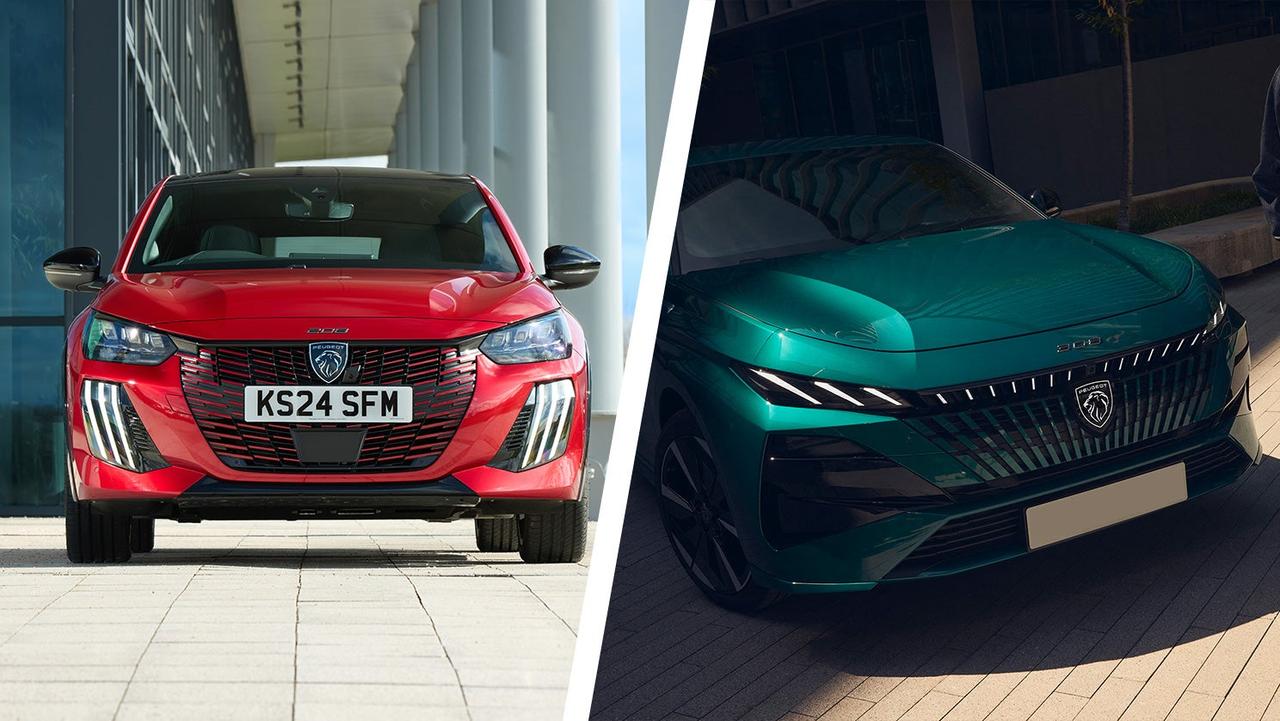
This is probably why you’ve settled on Peugeot, right? The French brand is consistently producing some of the boldest, most stylish designs of any manufacturer.
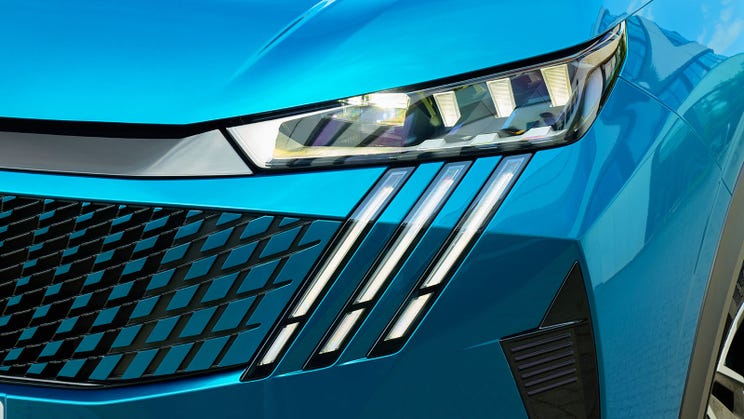
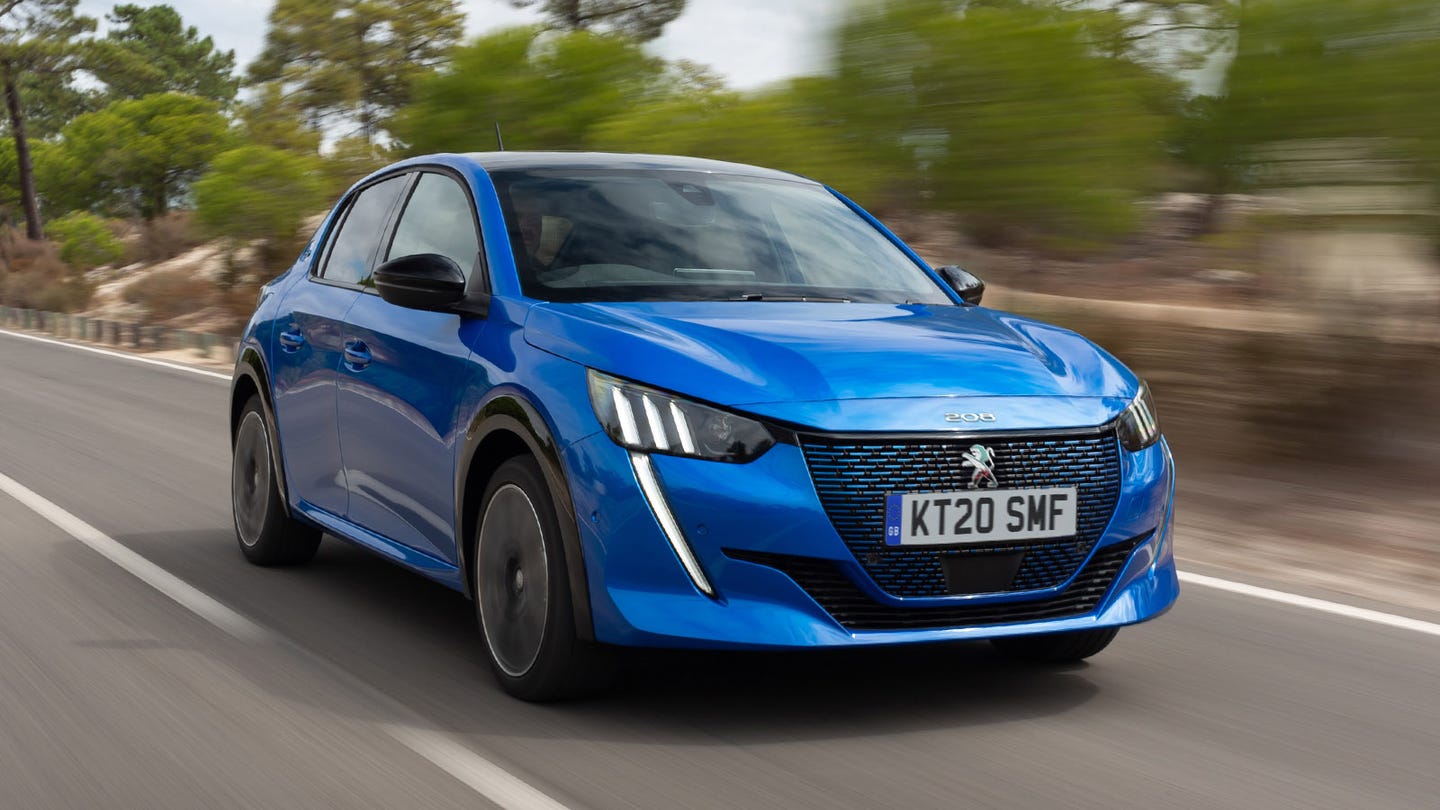
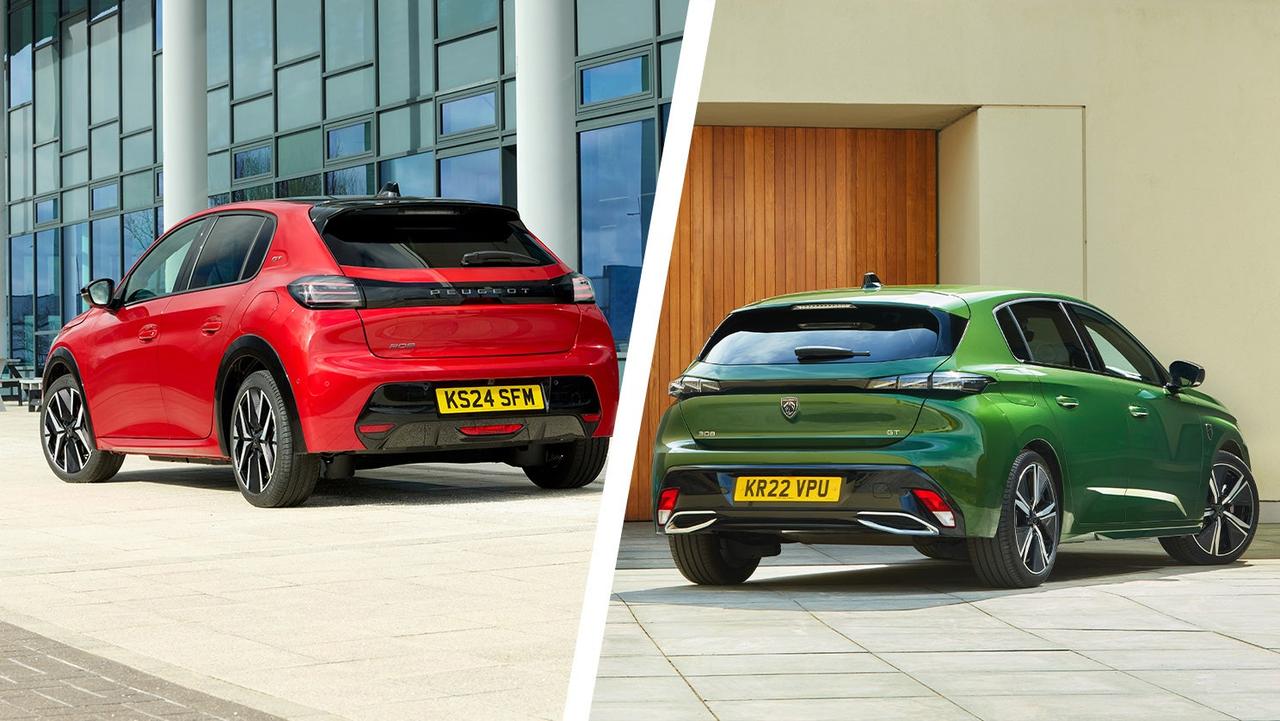
The 208 comes with a tall grille featuring body coloured accents, and three LED stripes on each side of the bumper. There are prominent wheel arches (which are gloss black on GT-badged versions), neat tail-lights and some very snazzy alloys. Want proof that the 208 was born to stand out? The free paint choice is a zesty lime colour.
Recently facelifted, the 308 now features slim light clusters and a slatted grille. This 308 has always been a looker, although we reckon you need the GT trim level to make the most of its styling – entry-level versions look a bit underwheeled and miss out on the fancier lighting.
Interior and technology
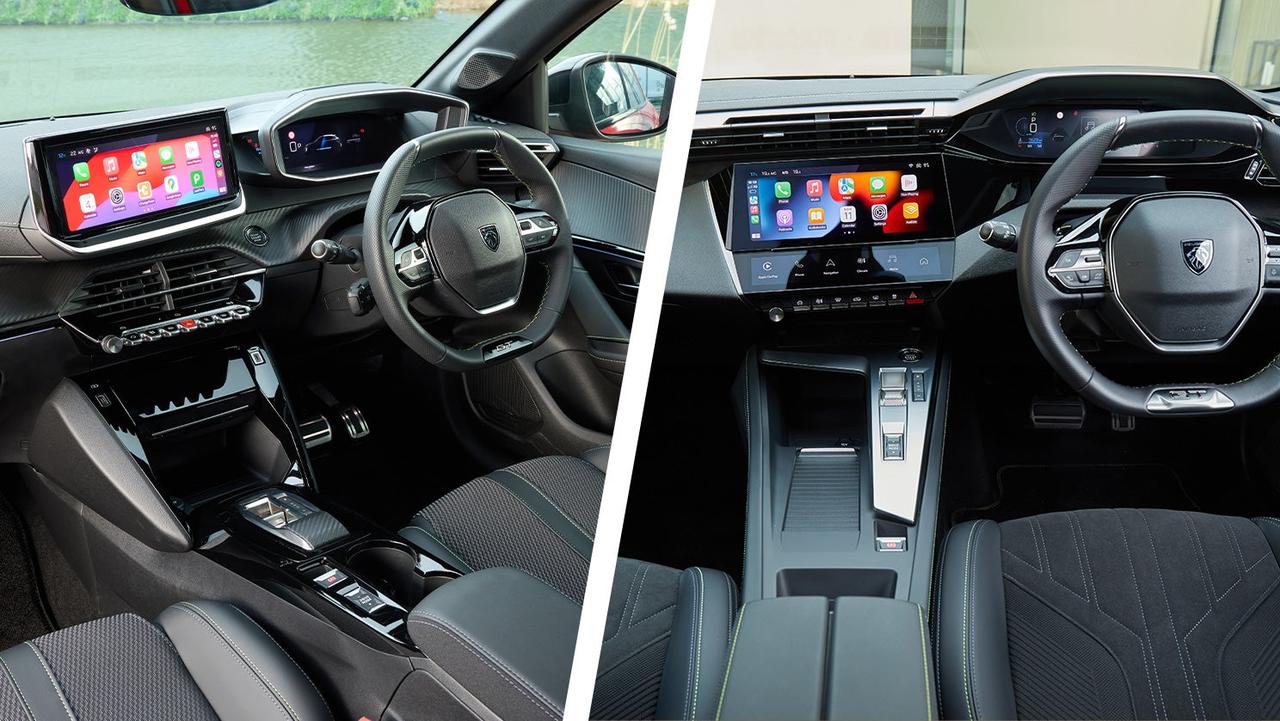
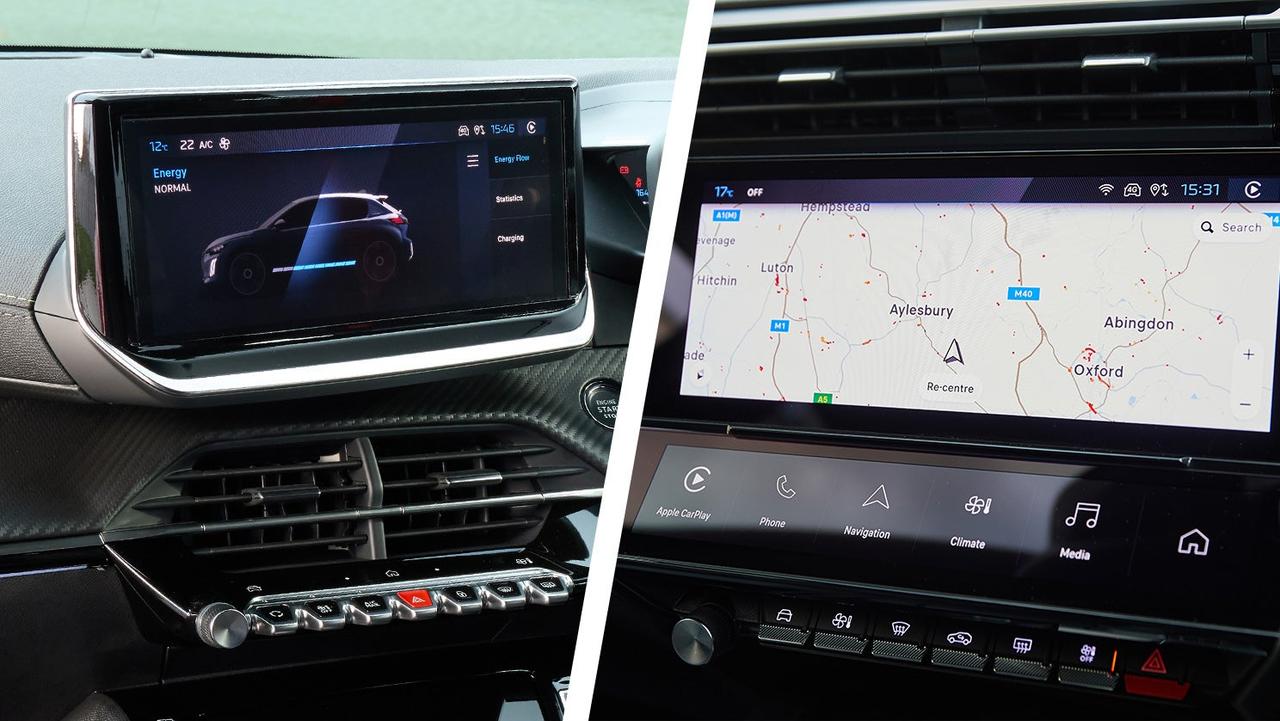
Both cars get a variation of Peugeot’s i-Cockpit layout, with a small steering wheel and a high-mounted digital instrument cluster. Both also have an eye-catching interior: the 208 uses a lot of carbon fibre-effect trim while the 308’s centre console is more distinctive. Although, being picky, the shape of the 308’s centre console makes it a bit trickier to access the storage cubbies than in the 208.
The 208’s touchscreen is positioned higher than the 308’s, in line with the dials. But the 308’s screen is bolstered by the second screen beneath, featuring configurable ‘i-Toggles’ that put your frequently used functions front and centre. These make the 308’s screen a little easier to use than the 208’s.
Given the 308 is the more expensive car, the material quality is a level better than the 208’s. Build quality is pleasing in both cars, which is especially noticeable in the 208 where you might expect it to feel a bit flimsy because it’s smaller and cheaper.
Dimensions and practicality
| Peugeot 208 | Peugeot 308 | |
| Length | 4,055mm | 4,367mm |
| Wheelbase | 2,540mm | 2,680mm |
| Height | 1,430mm | 1,454mm |
| Width (exc/inc wing mirrors) | 1,745/1,960mm | 1,852/2,062mm |
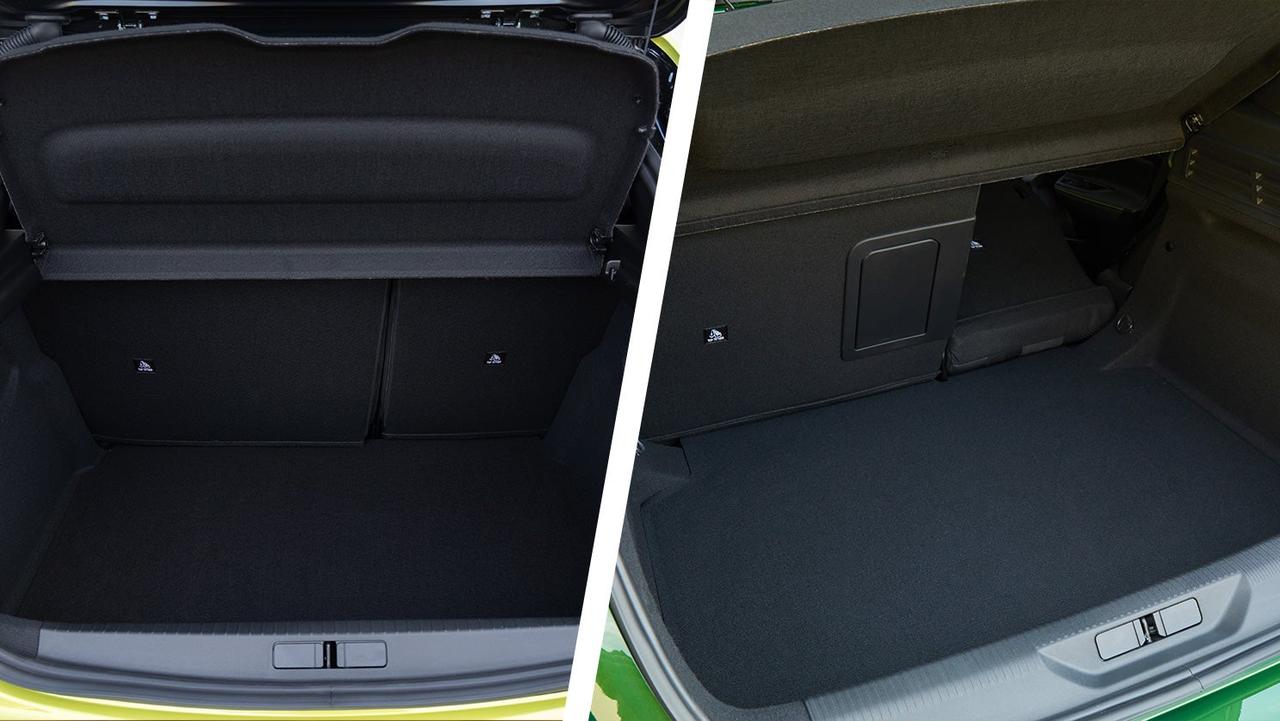
| Boot space (seats up) | 309 litres | 314-412 litres |
The 208 makes better use of its dimensions, because it’s still capable of carrying four adults and a weekly shop. At barely more than four metres long, the 208 is really easy to park, although the 308 shouldn’t be too much of a challenge either.
Pick the 308 and you get a useful extra amount of boot space – well, if you pick the petrol engine. The electric e-308 gives you 361 litres, while the plug-in hybrid only has a few more litres of space than the 208. On the flipside, the 308 also comes as an estate version with over 600 litres of boot space.
Engines and performance
The cheapest way into 208 ownership is a standard 1.2-litre petrol engine with 100hp and a manual gearbox. But if you’re after an engine-powered 208, we’d recommend upgrading to the 110hp 1.2 hybrid. It’s a similar engine but newer and comes with an easy automatic gearbox – plus it’s noticeably more economical than the non-hybrid engine.
This hybrid engine is the entry point to the 308 range, and here it’s boosted to 145hp. It’s faster than the 208 hybrid and similarly economical, which is quite impressive.
You can also choose a plug-in hybrid engine on the 308, and it’ll work well for you if you mainly do local-ish journeys and can charge at home. But if that’s the case, the fully electric car will also work well, and the plug-in hybrid is much more expensive than the EV. If you do end up with the plug-in hybrid, it’s pretty quick and very refined – but we wouldn’t buy it new.
There’s even a diesel engine for the 308, which’ll suit high-mileage drivers who value motorway fuel economy.
The electric e-208 and e-308 boost refinement and driving ease. Both manage around 270 miles to a charge in ideal conditions, with the benefit of cheap running costs if you can charge at home.
Value
Spec-for-spec, a new 308 is about £2,000 more than an equivalent 208, which doesn’t seem like a big jump. The inclusion of an entry-level 100hp petrol engine means the 208 has a much lower starting price.
On the used market, the 208 is cheap and widely available, so you’re sure to find a car in the right spec for the right price. The e-208 is often cheaper than an equivalent petrol 208, too, so you can enjoy extra savings if an electric car suits your lifestyle.
Which is best?
The 308 is a bit more practical and has a slightly nicer interior, plus a wider range of engines that’ll suit more buyers. But the 208 still offers decent practicality for its size, it’s easier to park and cheaper to buy. As we mentioned, it’s well worth upgrading from the standard petrol to the hybrid – your cheaper running costs will soon offset the slightly higher purchase price. As alluring as the 308 is, we’d probably plump for the 208 unless we needed the extra boot space.
Read our Peugeot 208 review and our Peugeot 308 review for more information on these cars, or shop used Peugeot 208 cars and used Peugeot 308 cars for sale at Motorpoint.