
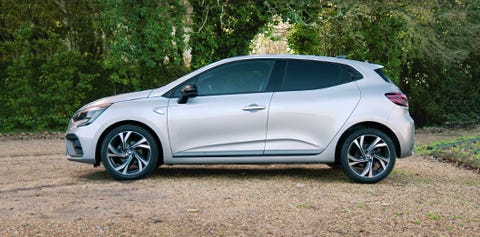
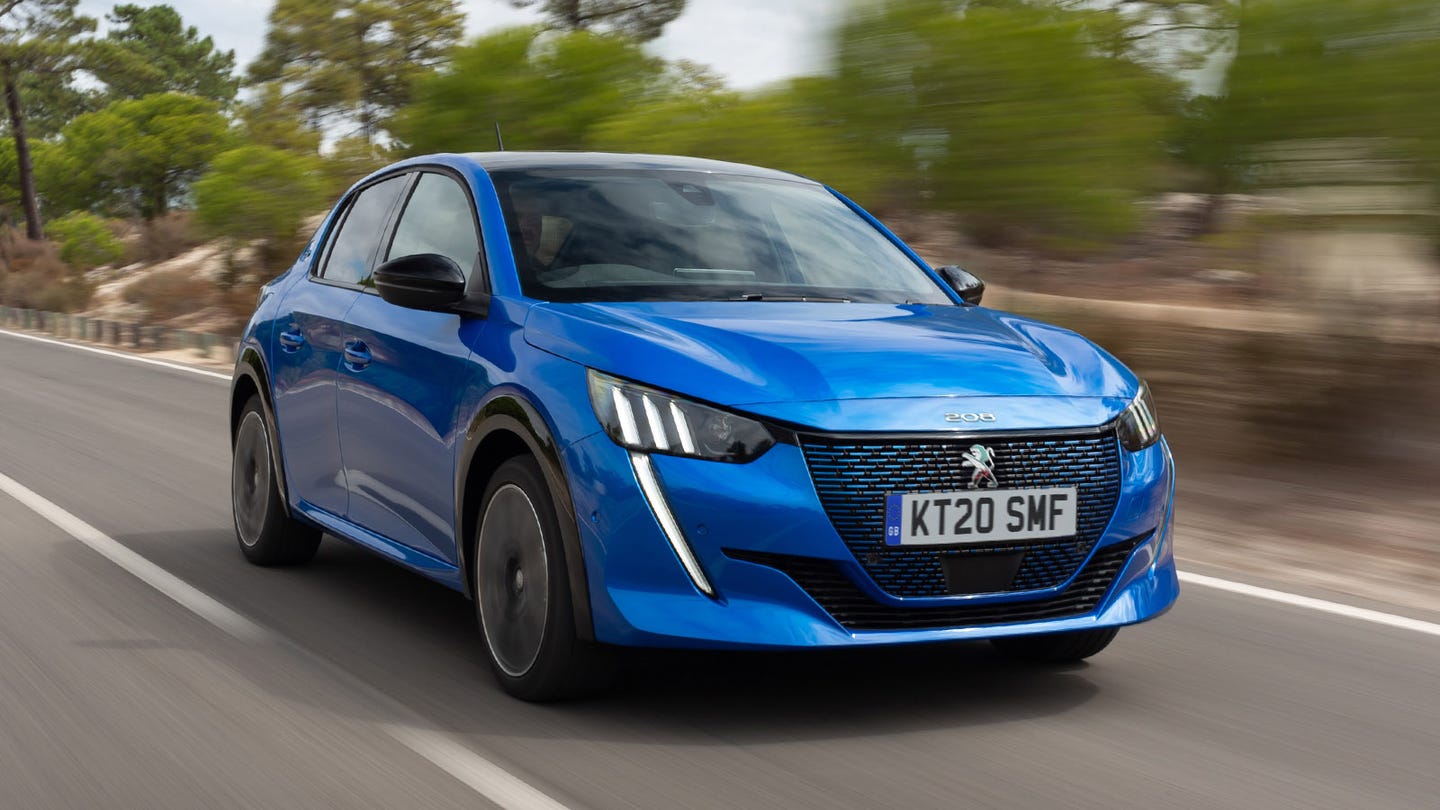

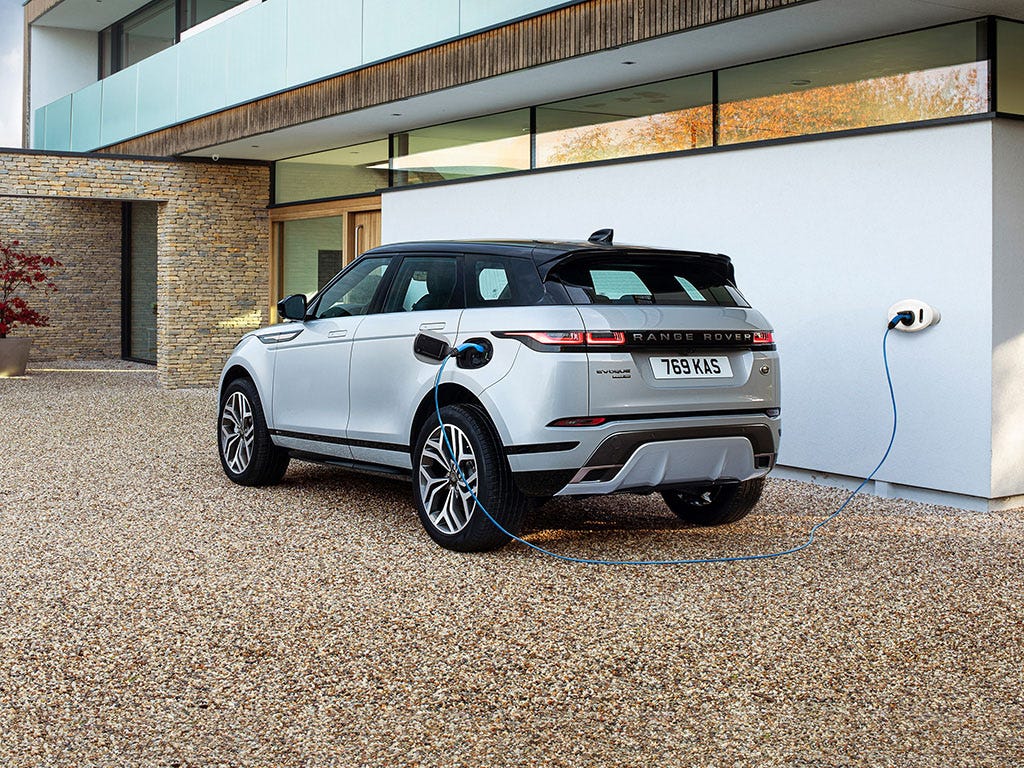
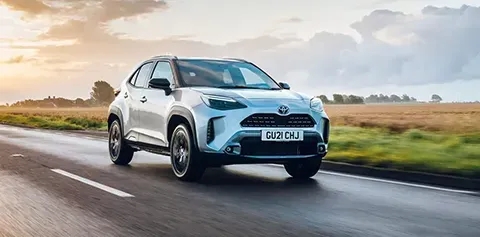
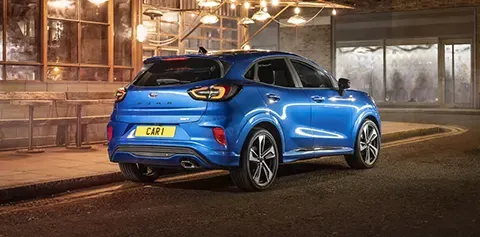






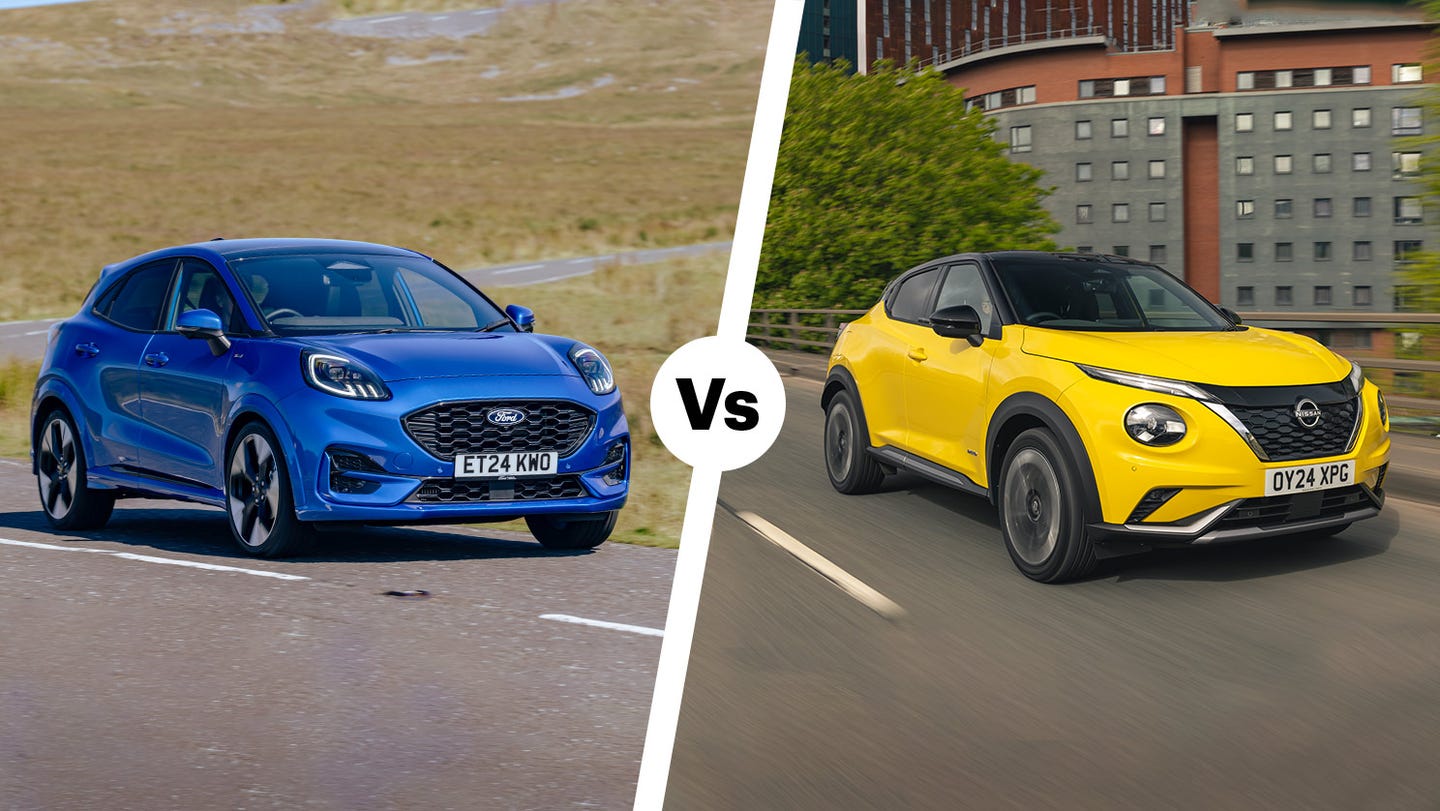

The Ford Puma is a regular among the UK's best-selling cars, having taken the place of the old Fiesta.
However, jumping into the small-SUV class means facing off against established big-hitters. That includes the Nissan Juke – the car that effectively created this segment back in 2010.
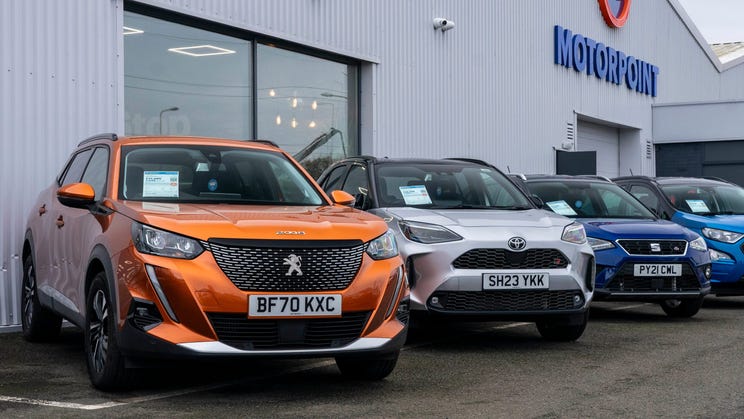
We'll pit the Ford Puma head-to-head against the Nissan Juke to help you pick the one that's best for you. Find out how much you could save on either model by shopping used cars for sale at Motorpoint.
Ford Puma vs Nissan Juke compared
| Ford Puma | Nissan Juke |
Pros:
| Pros:
|
Cons:
| Cons:
|
Styling and design
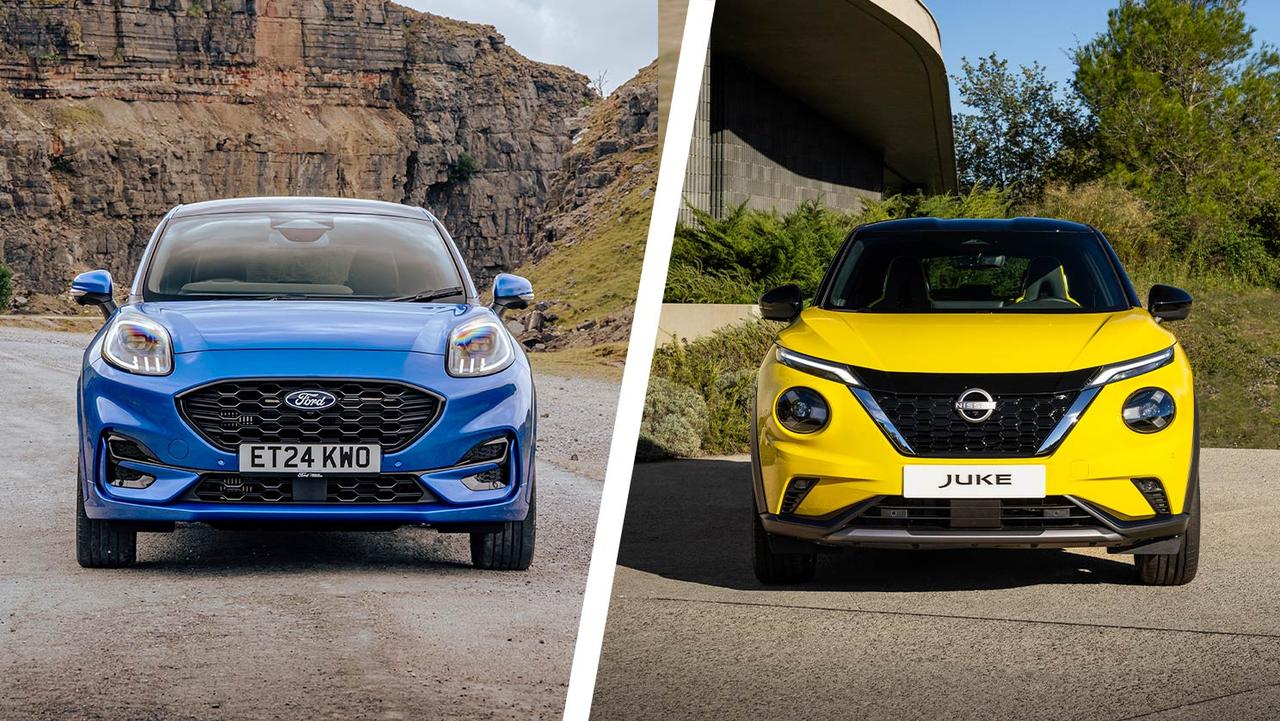
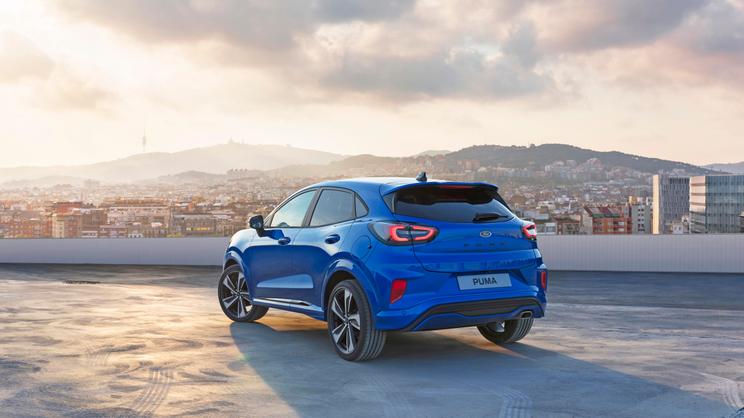
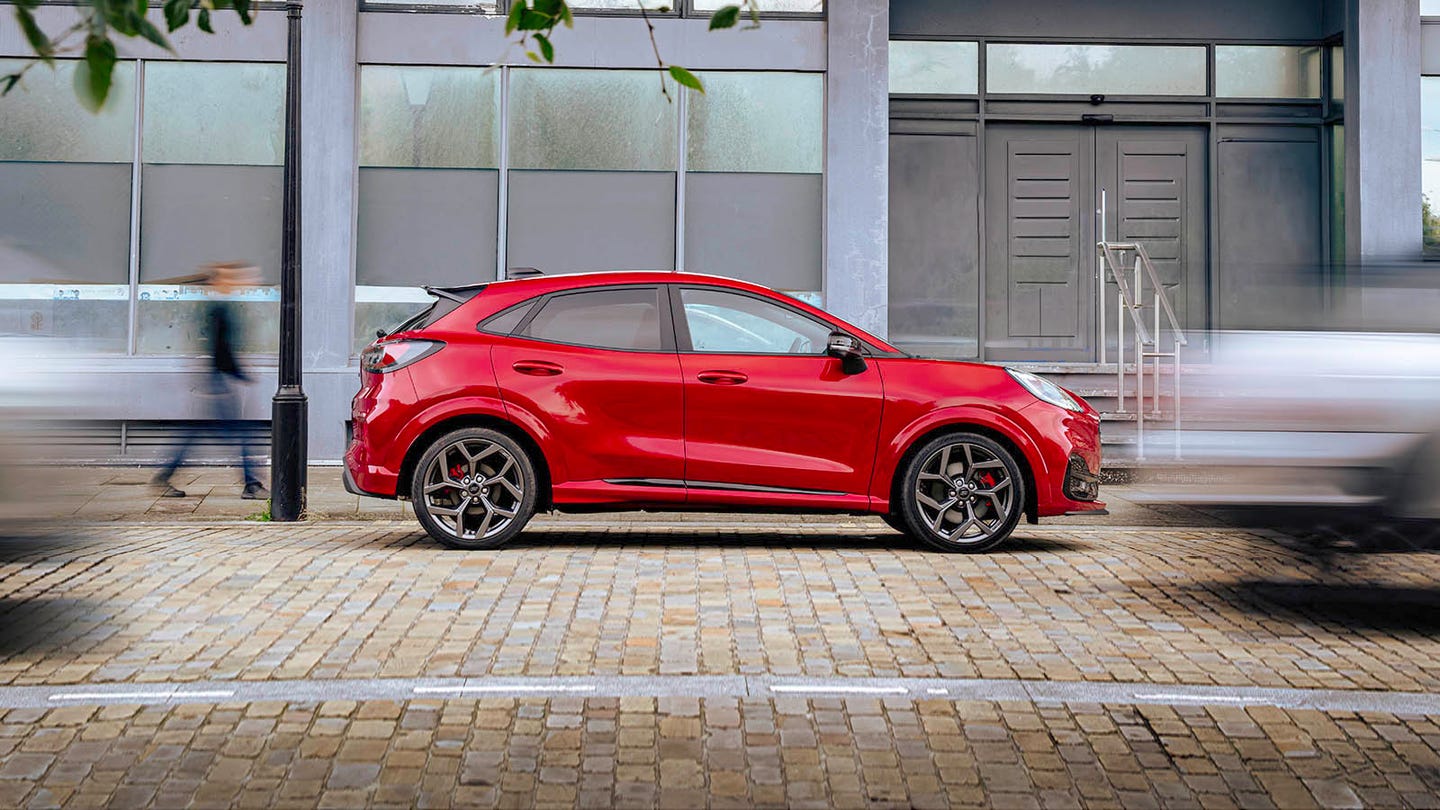
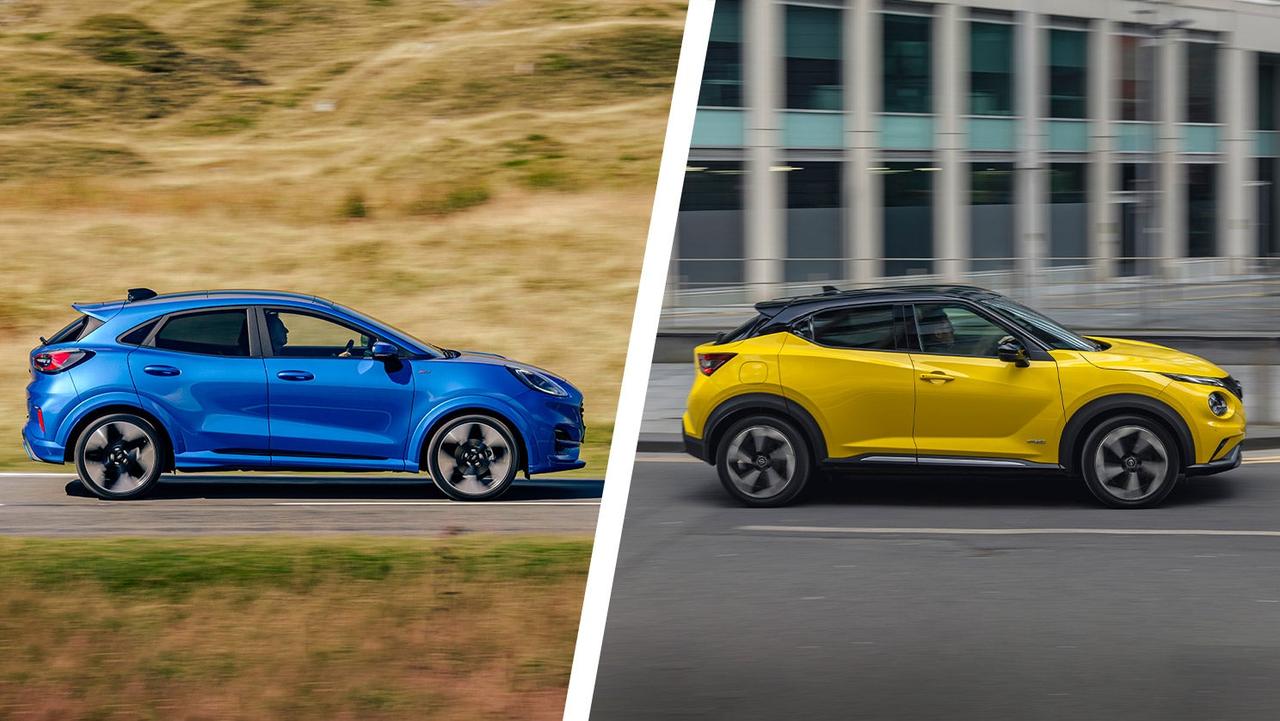
Most of the popular cars in this class have gone 'big' with their styling. Exaggerated features, bold body shapes and a few sporty accessories are the order of the day among small SUVs. The Puma is no exception, with a squat stance and taut sculpting down the sides. You'll also find plenty of Pumas come in ST-Line trim, which gets a more aggressive body kit and sportier alloy wheels, plus an extra sprinkling of red stitching inside.
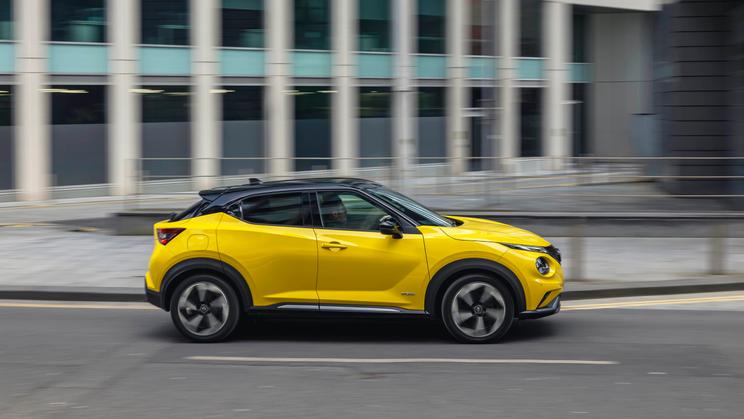
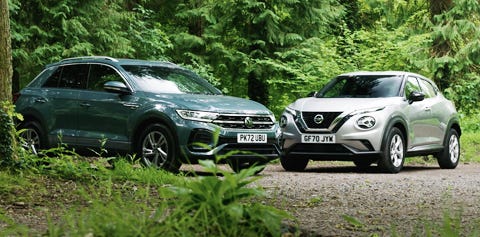
As mentioned, the Juke was arguably the first modern small SUV and set the template for every rival that followed. This second-generation Juke modernises the first car's formula, while keeping distinctive details like the split headlights that feature sharp upper and rounded lower units, and the rising hipline over the rear wheel. Like earlier Jukes, today's models are a 'Marmite' car – most people either like the look or don't, with only a few ending up indifferent.
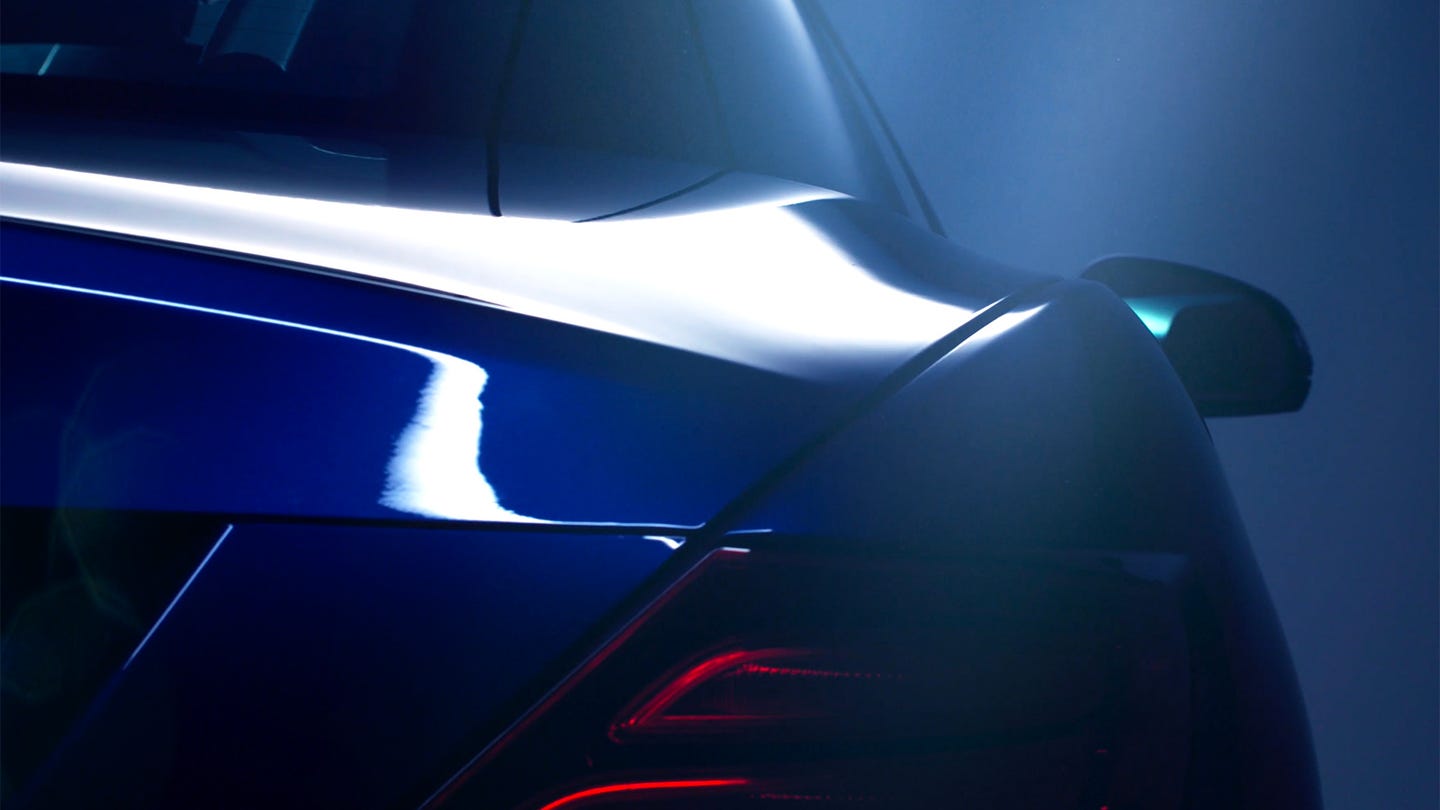
The new Nissan Juke has recently been revealed with even more controversial styling.
Interior and practicality
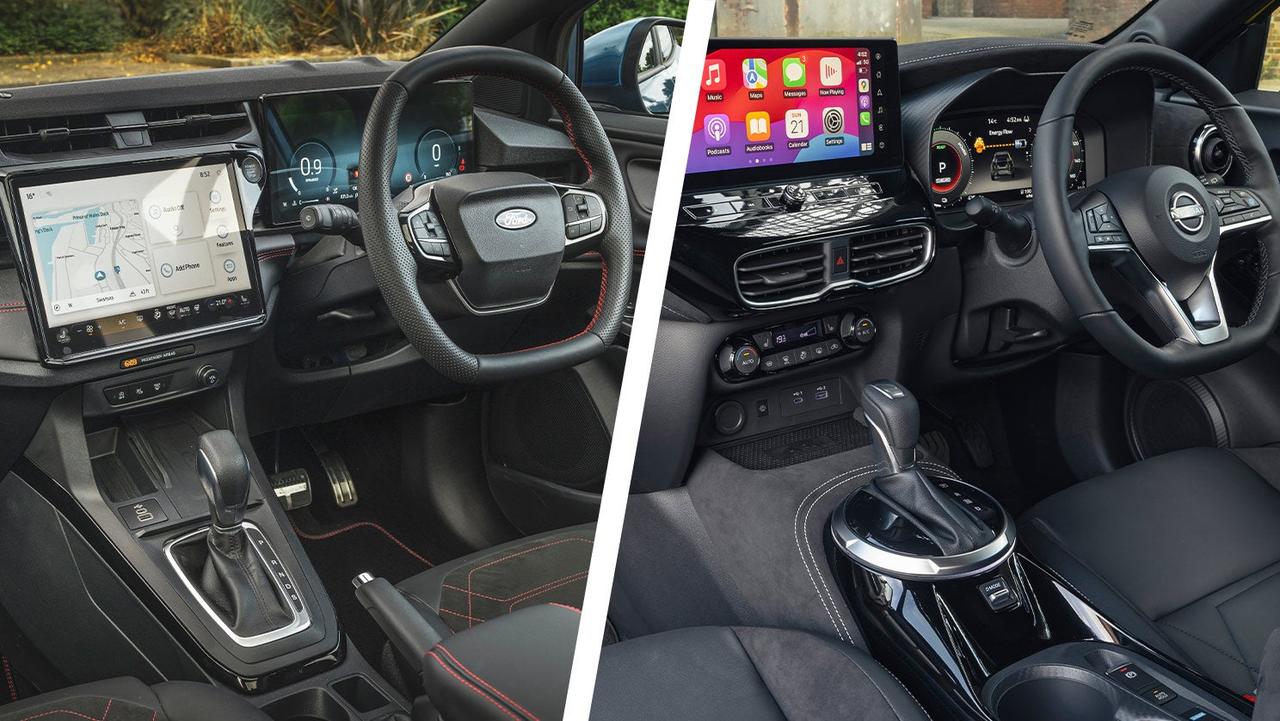
Considering the Puma isn't a shrinking violet from the outside, its interior is surprisingly understated. Pre-facelift cars built until mid-2024 looked quite bland inside, with a mostly black colour scheme and an infotainment screen indifferently placed like an afterthought. Facelifted Pumas feel more deliberate, with stronger horizontal lines tying together the driver's dials, infotainment screen and upper 'soundbar'-style speaker. That said, rivals in this class do more to raise your heart rate, while some Chinese alternatives like the Jaecoo 5 deliver a much more luxurious experience for even less money.
The Juke is also a little calmer inside than its exterior styling suggests – and definitely toned down compared to the more outlandish first-generation Juke. However, we reckon it still edges out the Puma, with details like the sculpted centre console and the soft-touch material the sweeps around the dashboard helping elevate the experience. We also prefer the Juke's infotainment system, with its persistent on-screen shortcuts right by the driver, plus physical controls for volume, track skipping and climate controls. You'll eventually find your way around the Puma's mostly screen-based setup, but it's less intuitive overall.
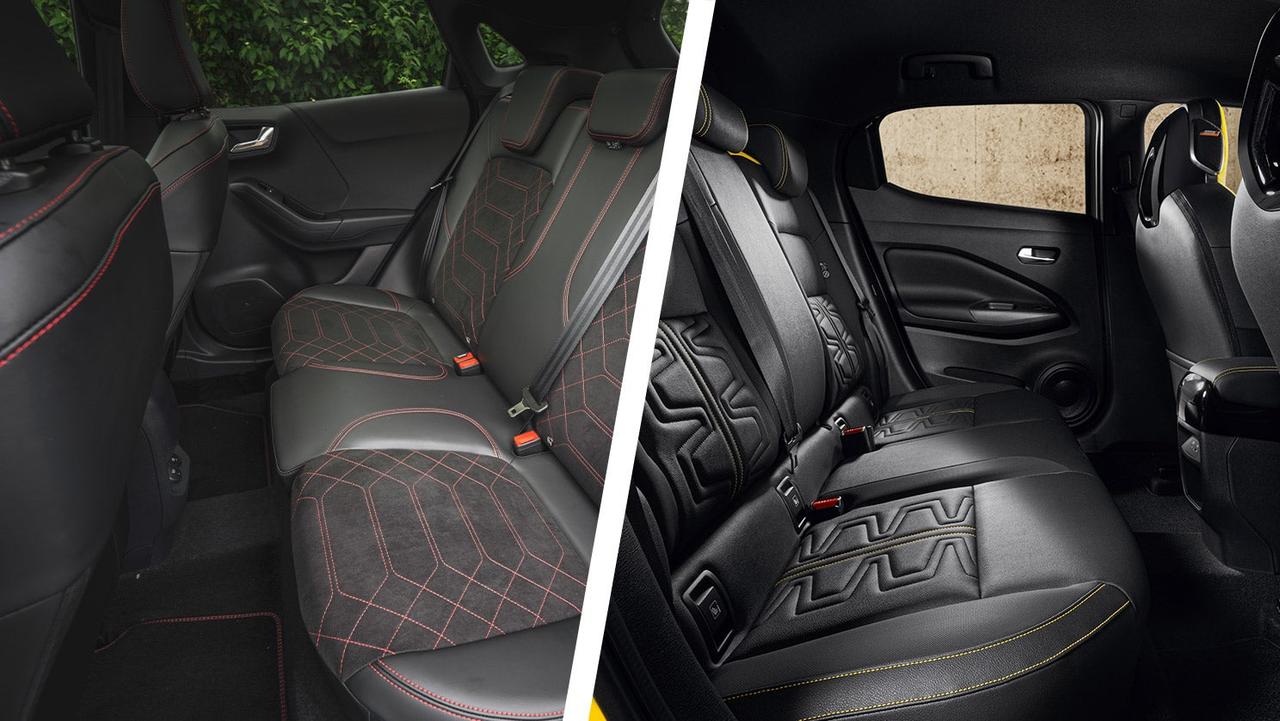
Both cars deliver the kind of practicality drivers expect from small SUVs. That is to say they can just about work as a small family car but, if your nearest and dearest are on the tall side, you might want a larger car. The Puma takes the win for cargo space, with its 456-litre boot among the very best in class – in part thanks to its 80-litre 'megabox' under the boot floor. Nevertheless, the Juke's 422-litre figure is respectable and its back seats are just slightly more spacious than the Ford's.
Size and dimensions
| Ford Puma | Nissan Juke | |
| Length | 4,186mm | 4,210mm (+24mm) |
| Width (excl. mirrors) | 1,805mm | 1,800mm (-5mm) |
| Height | 1,550mm | 1,593mm (+43mm) |
| Boot space | 456 litres | 422 litres (-34 litres) |
These two cars are very close in terms of size. The Puma is a touch shorter in length but a fraction wider. You'll spot the biggest difference is in height, with the Juke being 4.3cm taller than the Puma – this is mostly due to the Puma riding a bit lower, with the actual height of the body being very similar overall.
Engines and performance
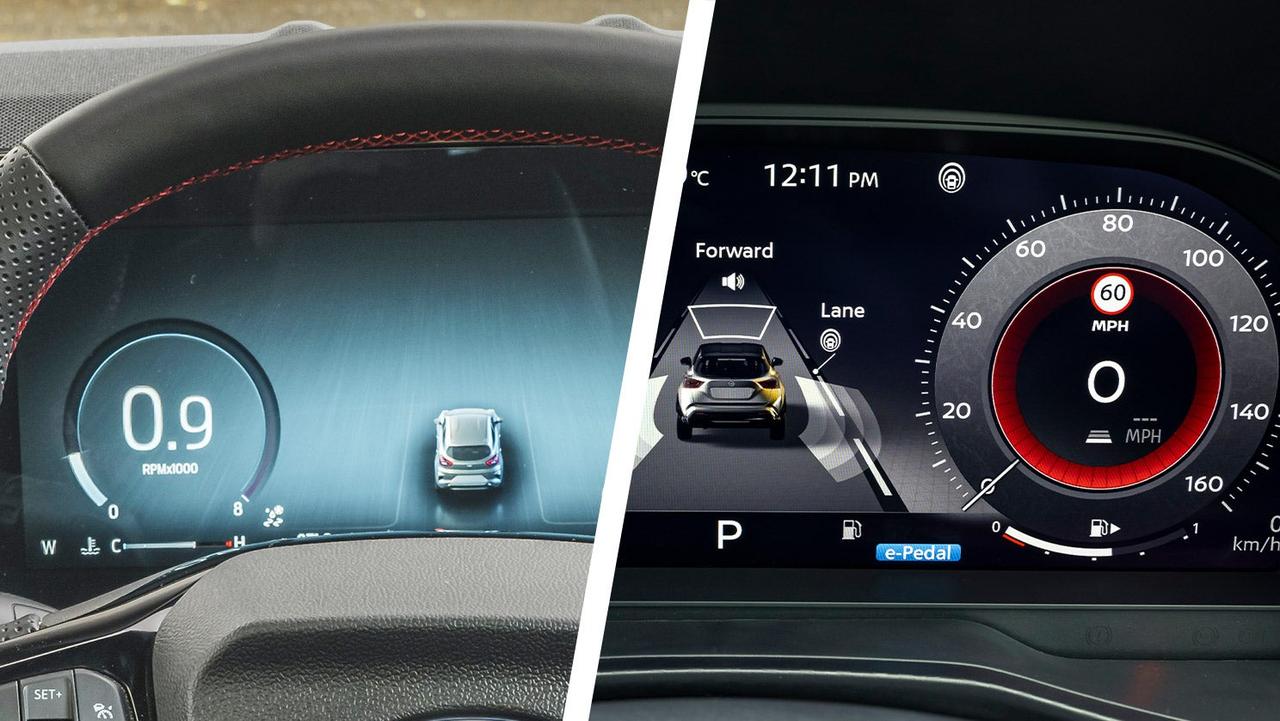
All fuel-powered Pumas come with three-cylinder turbo petrol engines. Regular models are equipped with 1.0-litre EcoBoost units making either 125 or 155hp. Initially, both of these engines could be equipped with manual or automatic gearboxes, but more recent 155hp versions are auto-only. There's also the speedy Puma ST with its 170hp version of this setup or, if you shop pre-facelift Pumas, the manual-only 1.5-litre Puma ST with a mighty 200hp and serious hot hatch energy.
For even more flexibility, there's the Ford Puma Gen-E. This is the fully electric Puma and comes with a 43kWh battery pack. That's not all that big compared to some competing small EVs, but the Gen-E's impressive efficiency means it squeezes 258 miles of range from its modest pack. You also get swift, smooth and nearly silent performance thanks to its 168hp electric motor. Plus, prices are competitive as the electric Puma qualifies for the full £3,750 government EV grant.
The Juke's engine range is much more simple. There's a 1.0-litre, three-cylinder turbo petrol engine with a choice of manual or automatic gearboxes, and then a 1.6-litre self-charging hybrid shared with the Renault Captur. On paper, the Juke is slower than the Puma but you'll probably only notice this when you bury the accelerator all the way into the carpet. All versions have enough power to comfortably keep up with modern traffic, but we prefer the smoothness and better refinement of the hybrid version.
Driving
Traditionally, Fords have aced the driving section of any review thanks to their well-judged sporty handling. However, we've noticed its more recent cars have progressively softened the experience to introduce more everyday usability to the recipe. As a result, the Puma is great to drive as a day-to-day car, with accurate steering and excellent body control. However, if we're being picky, it's not quite as engaging on a twisty country road as the Fiesta that came before it.
The Juke is an easy and undemanding car to drive, with predictable handling and better visibility on these second-generation cars. However, it falls short in a direct comparison against the Puma, with little reward for driving the car enthusiastically, and a slightly busier ride quality than the Ford. We enjoyed the Juke best as a more casual cruiser, especially hybrid versions which are hushed and responsive in city driving.
Value and reliability
At the time of writing, the cheapest Puma is a little over £27,000, while the cheapest Juke is a little over £24,000. The Ford in this case is a little faster and includes luxuries like fully digital driver's dials, but the Nissan remains the better-value option from a cost perspective.
This split remains broadly in place on the used market, with pre-owned Jukes ending up a few thousand pounds cheaper than equivalent Pumas. That means you can get a newer or lower mileage Nissan for the same price as the Ford.
Both Ford and Nissan tend to score mid-table results for reliability. All Pumas come with newer style EcoBoost petrol engines that replaced earlier 'wet belt' timing belts with more reliable chain setups. Some early current-generation Nissan Jukes were subject to recalls for rear seat-back latches and their hybrid control systems, although the majority of cars should now have had the recall work carried out.
Which is best?
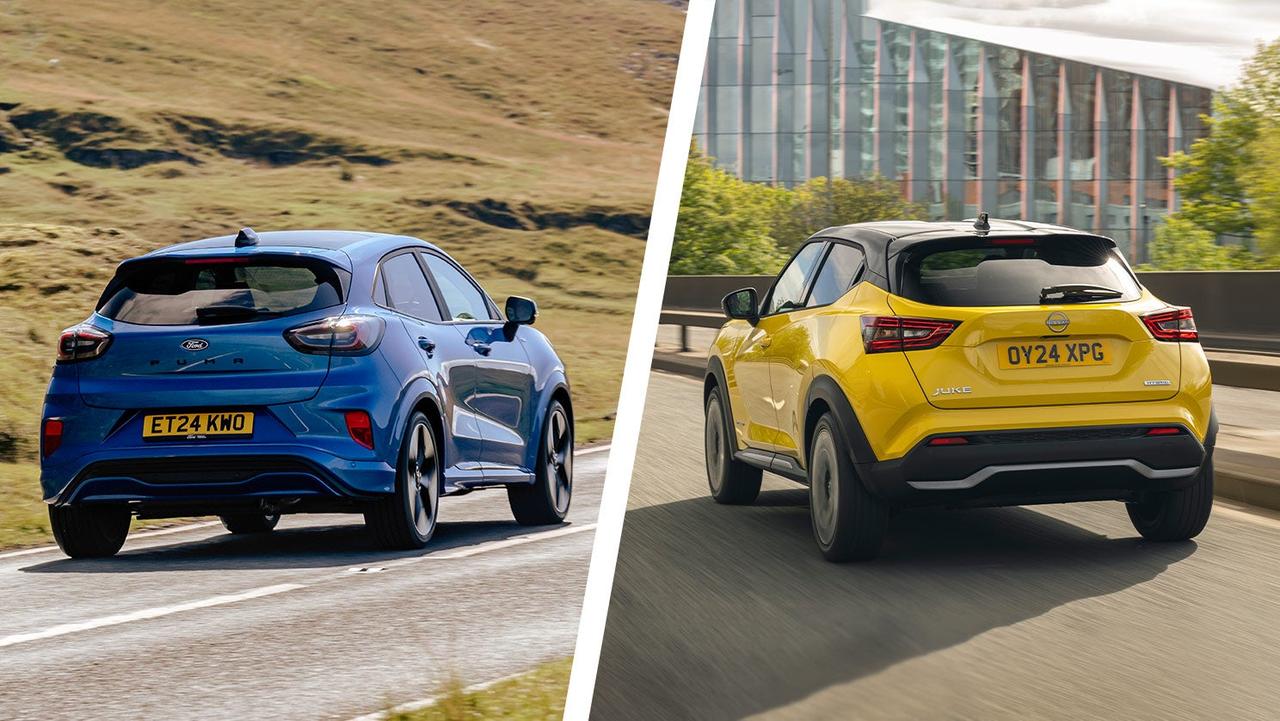
These are two of the most compelling cars in this class, so neither is a bad choice. We reckon Puma owners will prefer the car's more entertaining handling and its more powerful engine lineup.
However, Juke owners might pick it for its slightly nicer interior and more competitive pricing. Plus, the Nissan still has the outlandish styling that's earned it an enduring spot in this class.
Big savings on small SUVs
Browse a massive selection of nearly new and used cars for sale at Motorpoint. That includes used SUVs from all major brands.