














Most premium German cars are big and burly, with a steep price tag to match.
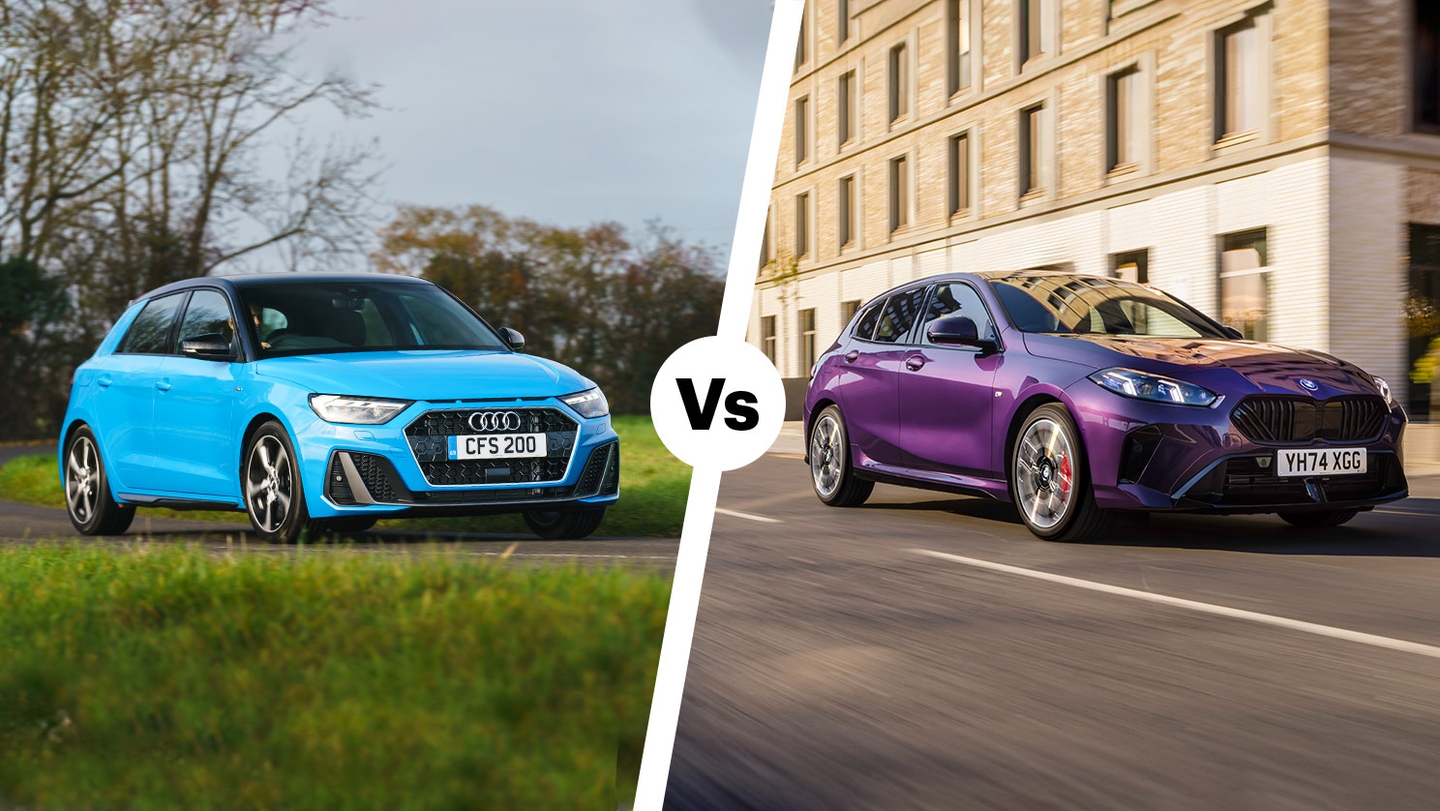
There are exceptions to the rule, however, like the Audi A1 and BMW 1 Series. These hatches both offer an upmarket experience in a compact package, and their monthly finance costs are only a few quid more than many mainstream models.
We'll pit the A1 and 1 Series head-to-head here to help you choose your favourite. Once you've picked, find out how much you could save on nearly new and used cars for sale at Motorpoint.
Audi A1 vs BMW 1 Series compared
| Audi A1 | BMW 1 Series |
Pros:
| Pros:
|
Cons:
| Cons:
|
Styling and design
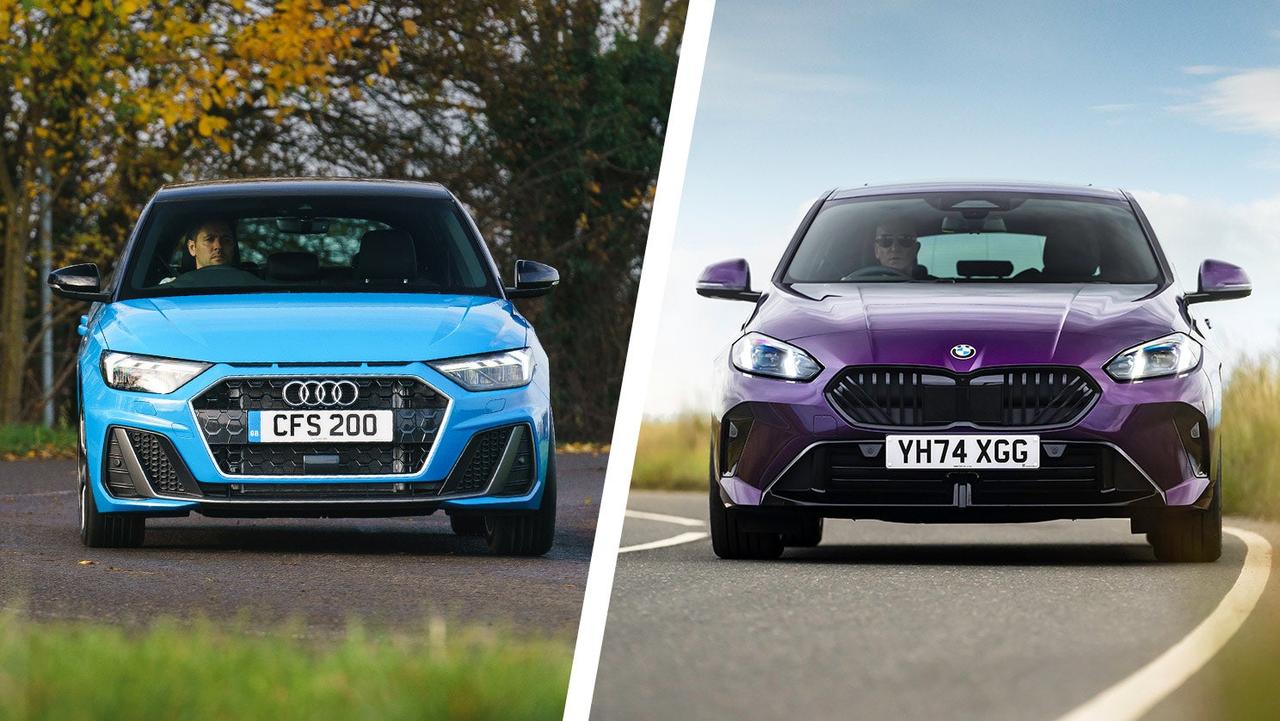
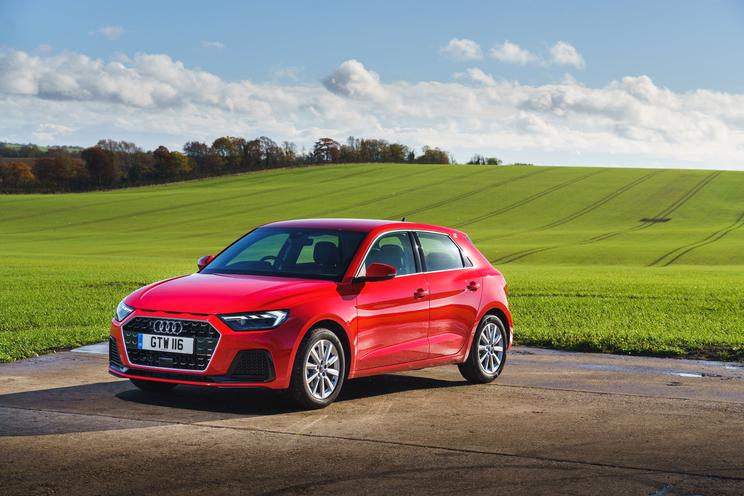
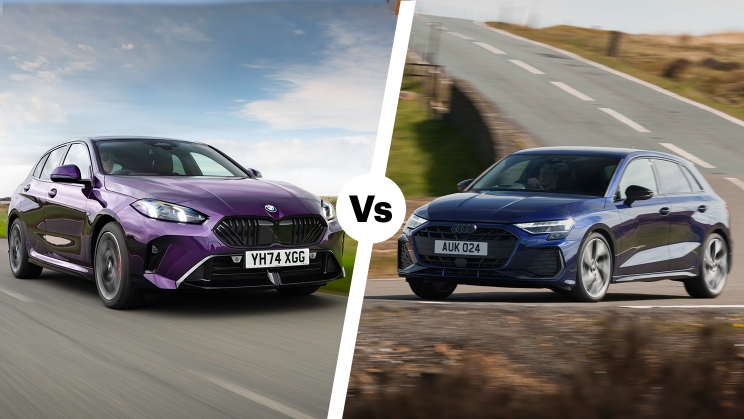
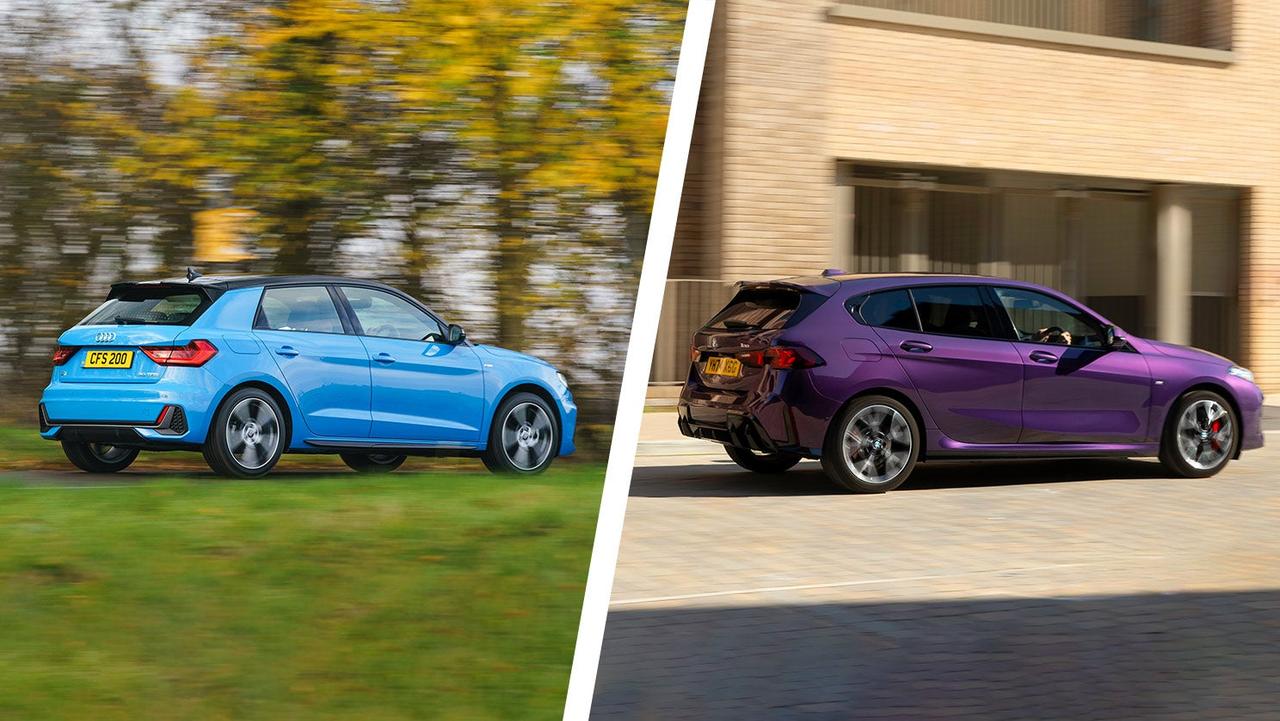
The most obvious difference you'll spot between the Audi and the BMW is the size. Audi's A1 competes in the 'B-segment' against other small hatches like the Volkswagen Polo and Peugeot 208. Meanwhile, the BMW 1 Series is a 'C-segment' hatch, more closely matched against the Audi A3 and Mercedes A-Class. A more traditional rival for the A1 from the BMW Group would be the Mini Hatchback.
One look at either the A1 or 1 Series is all it takes to see the family resemblance to the rest of their brands' lineups. The little Audi has a broad six-sided front grille like its stablemates, flanked by beady angular headlights. Further back, there's the familiar, faceted styling you'll find on Audi's larger models, giving the A1 an attractive but understated look.
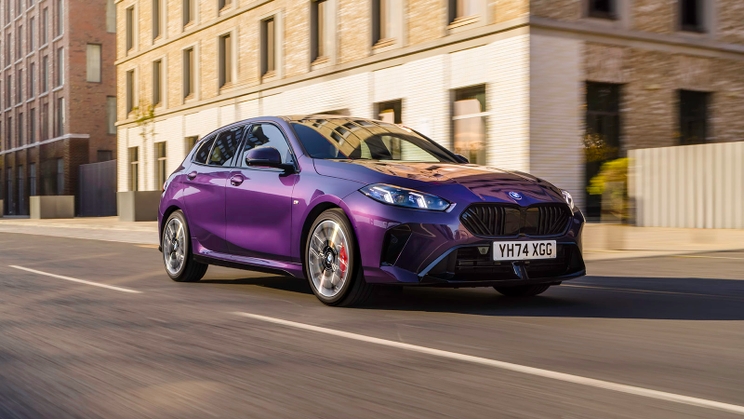
BMW has recently overhauled the 1 Series. You'll still see the familiar 'kidney' grilles at the front, but they're more angular and the swept-back headlights seem to emphasise the car's long bonnet. Overall, the BMW's shape is a little more sinewy and organic than the Audi's, although an uncharitable observer might say it looks a bit too much like a Kia Ceed.
Interior
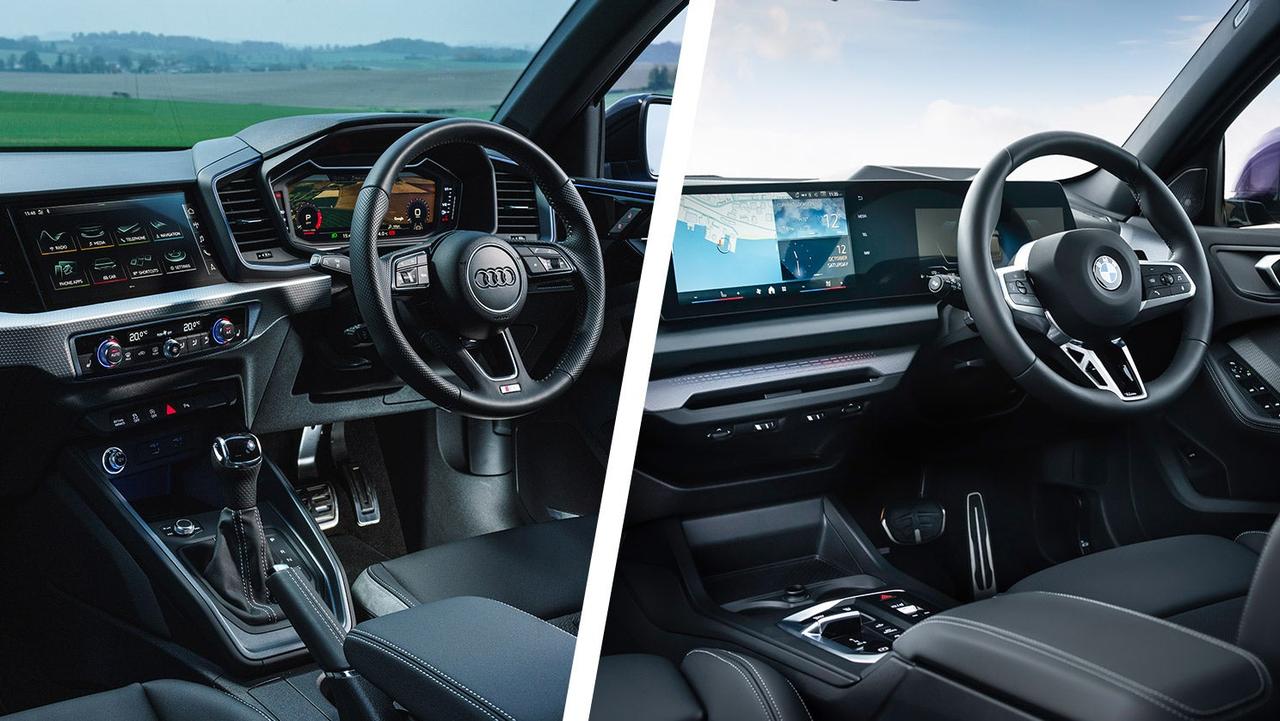
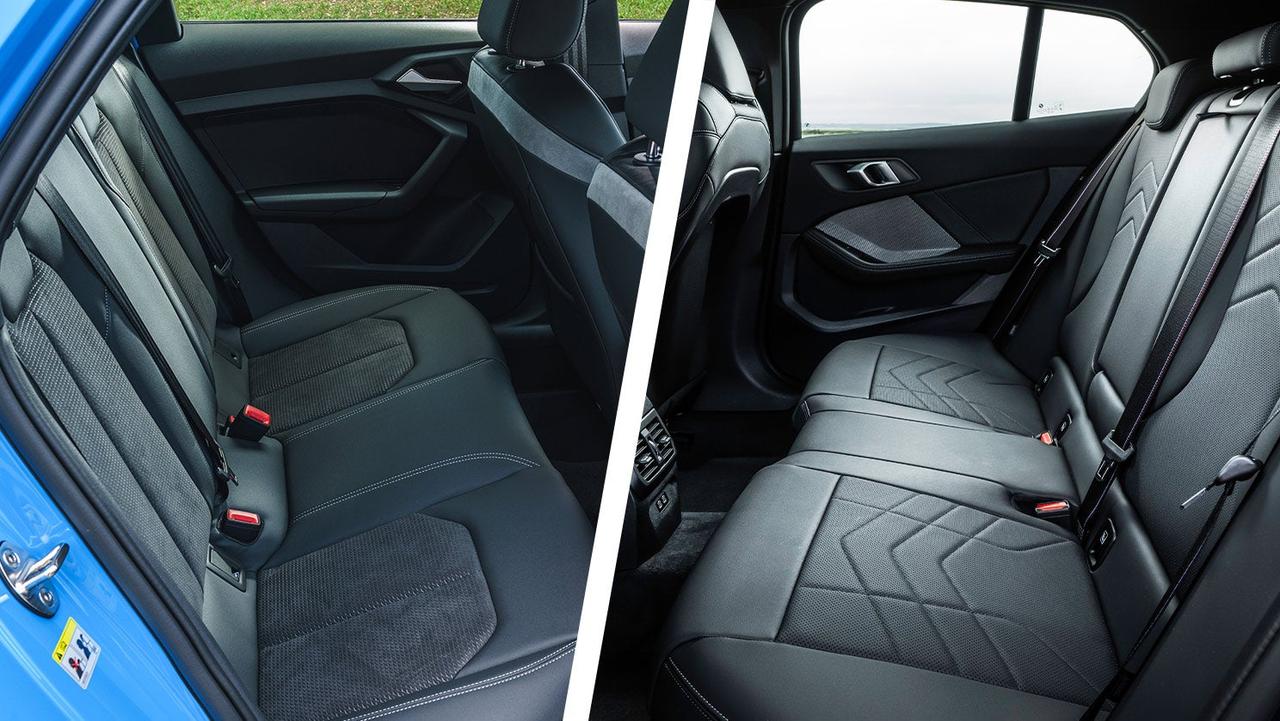
It's important to remember that these two cars compete in different market segments. That means our expectations for material quality are a touch lower for the cheaper Audi and higher for the pricier BMW. Nevertheless, the A1 still has an attractive interior design with an attractively angular dashboard brightened up by aluminium-style panels. Unlike the 1 Series, the A1 retains physical buttons and dials for the climate control, which are easier to adjust while driving.
Step from the Audi into the BMW and you'll spot it feels quite a bit more modern. There's a vast, sweeping dual-screen unit atop the dashboard that covers both driver's dials and infotainment functions. You'll also notice the backlit ambient lighting panels and more minimal layout that help it feel more contemporary. As mentioned, however, the 1 Series puts its climate controls in the screen, which are trickier to change on the move. 1 Series models built until early 2024 still use proper buttons and dials though.
Size and dimensions
| Audi A1 | BMW 1 Series | |
| Length | 4,029mm | 4,361mm (+332mm) |
| Width (excl. mirrors) | 1,740mm | 1,800mm (+60mm) |
| Height | 1,409mm | 1,459mm (+50mm) |
| Boot space | 335 litres | 380 litres (+45 litres) |
As you can see, the 1 Series is noticeably bigger than the A1 in every dimension.
Being the larger car, the BMW handily wins in the practicality stakes. You'll be able to sit adult passengers across both rows without too much compromise, and there's an extra helping of boot space. That said, the A1 is impressively practical for its size and is one of the few small hatchbacks that can just about cope with regular rear-seat passengers.
Considering the size difference, the fact the Audi's boot is only 45 litres smaller is quite impressive.
Engines and performance
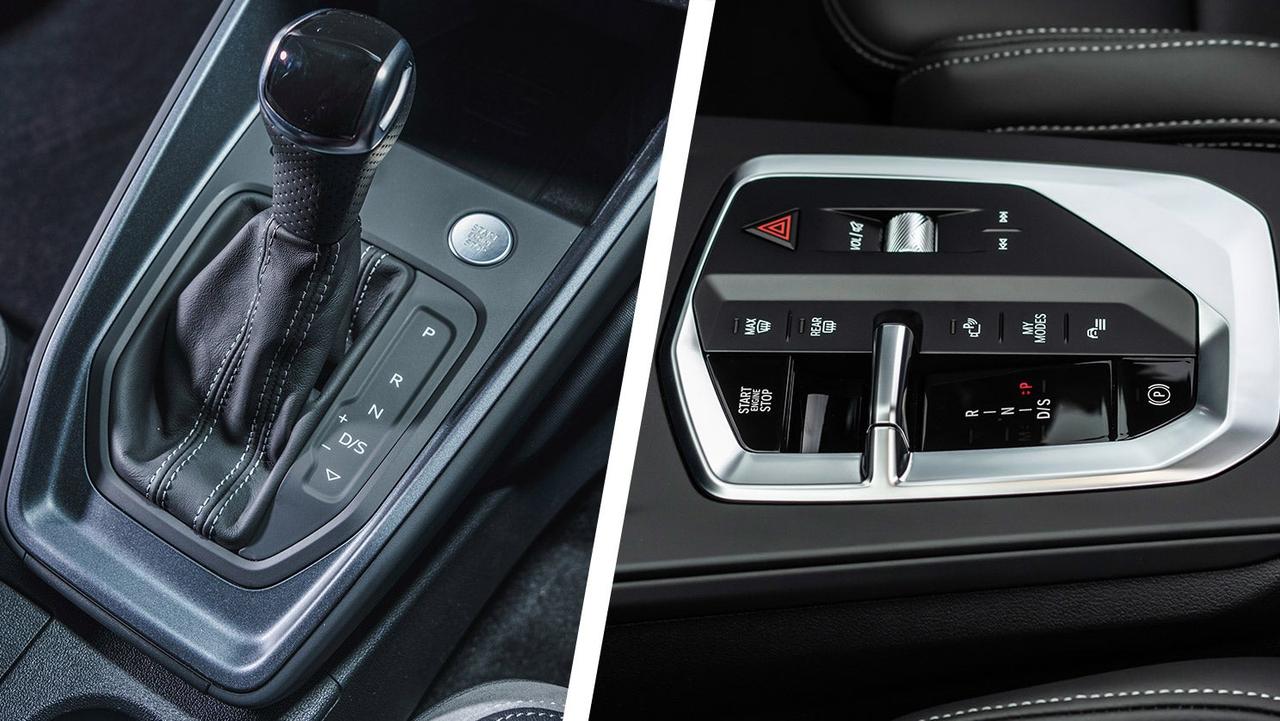
As the smaller, more affordable car, the A1 comes with smaller, less powerful engines than the 1 Series. Entry-level models use a 1.0-litre turbocharged petrol unit with 95 or 116hp. That doesn't sound like much, but it's a responsive little engine and feels more than a match for the A1's lightweight body. For a little more grunt, there's a 1.5-litre turbo petrol engine with 150hp and a rare 2.0-litre version with 200hp – the same engine as the Volkswagen Polo GTI. All A1 engines are automatic only except the two 1.0-litre petrol units, where the auto is optional.
Earlier 1 Series cars had a wider choice of engines, with both manual and diesel options available. However, the lineup has been slimmed down to just automatic petrol options for the most recent model. There are two regular petrol engines – the 120 with 170hp and the 123 xDrive with 218hp and four-wheel drive. Finally, there's the rapid M135 xDrive with 300hp for scintillating performance.
Naturally, having much more firepower means the 1 Series is faster across the board than the A1. However, you won't really notice the difference in regular driving, where both cars' abundant low-down torque and slick-shifting auto gearboxes make easy, swift progress. Only with the pedal fully mashed does the BMW's extra grunt make itself obvious.
Driving
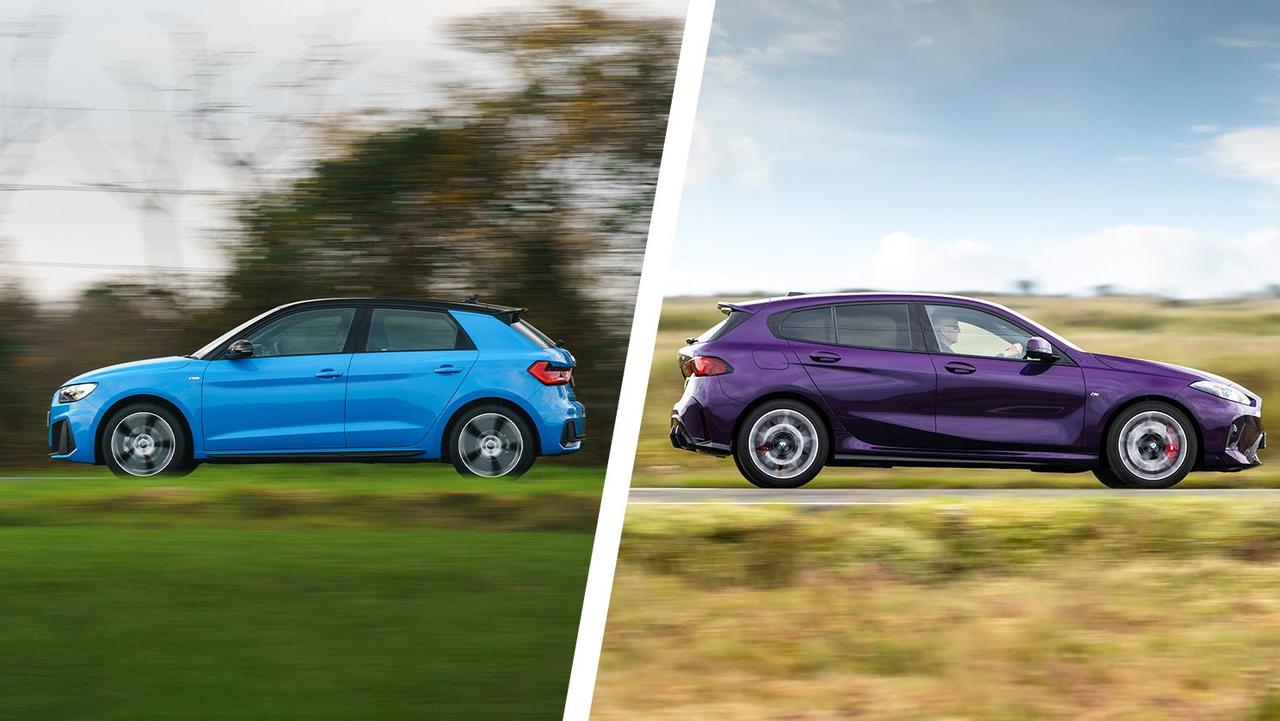
We've established that the A1 is the smaller, lighter car and it feels like it out on the road. You sense there's less weight for the engine to push around, and less inertia pulling the car towards the outside of a corner. Like Audi's larger models, the A1 feels grippy and stable at speed, with excellent body control and intuitive controls making it easy to drive.
The BMW is bigger and heavier, but it still ends up feeling a bit sportier than the Audi. It has firmer body control and is more resistant to lean as you corner harder. There's a little more weight to the steering too, in an effort to make the driver feel more involved in the process. You really need one of more powerful engines, however, to truly make the BMW feel like an entertaining car on the road.
Value and reliability
There's virtually no contest here. The A1 is a much more affordable car than the 1 Series, costing substantially less whether you're looking at new cars or new ones. At the time of writing, there are several current-generation A1s for sale at Motorpoint for less than £15,000.
By comparison, you'll need to spend around £25,000 to get a current-shape 1 Series. Even the similar previous-generation BMW still tends to cost more than a like-for-like A1. That means you'll have to pick an older or higher-mileage 1 Series to keep it within the same ballpark as the Audi A1's budget.
Reliability scores for these brands have tended to fall around the mid-pack in recent reliability surveys. This is usually a reflection of the extensive extra features these cars carry, thus giving them more potential failure points. That said, the A1 is reportedly one of Audi's more reliable models, and recent BMW's have earned praise for their robust drivetrains.
Which is best?
The biggest factor here will be your budget. A1s are smaller and much more affordable than the 1 Series, making them a compelling route into premium-car ownership. Plus, we prefer the Audi's cleaner infotainment system, and have very few complaints about its competent driving experience.
However, you'll notice the extra space and pace of the BMW 1 Series in a back-to-back comparison. For some drivers, that will be worth the greater expense, as will its more modern, upmarket interior.
Big discounts on premium cars
Shop a massive selection of nearly new and used hatchback cars for sale at Motorpoint. For more picks, check out the best German cars on sale.