











Volvo XC40 models and trim levels explained

Mike Vousden
•
Models

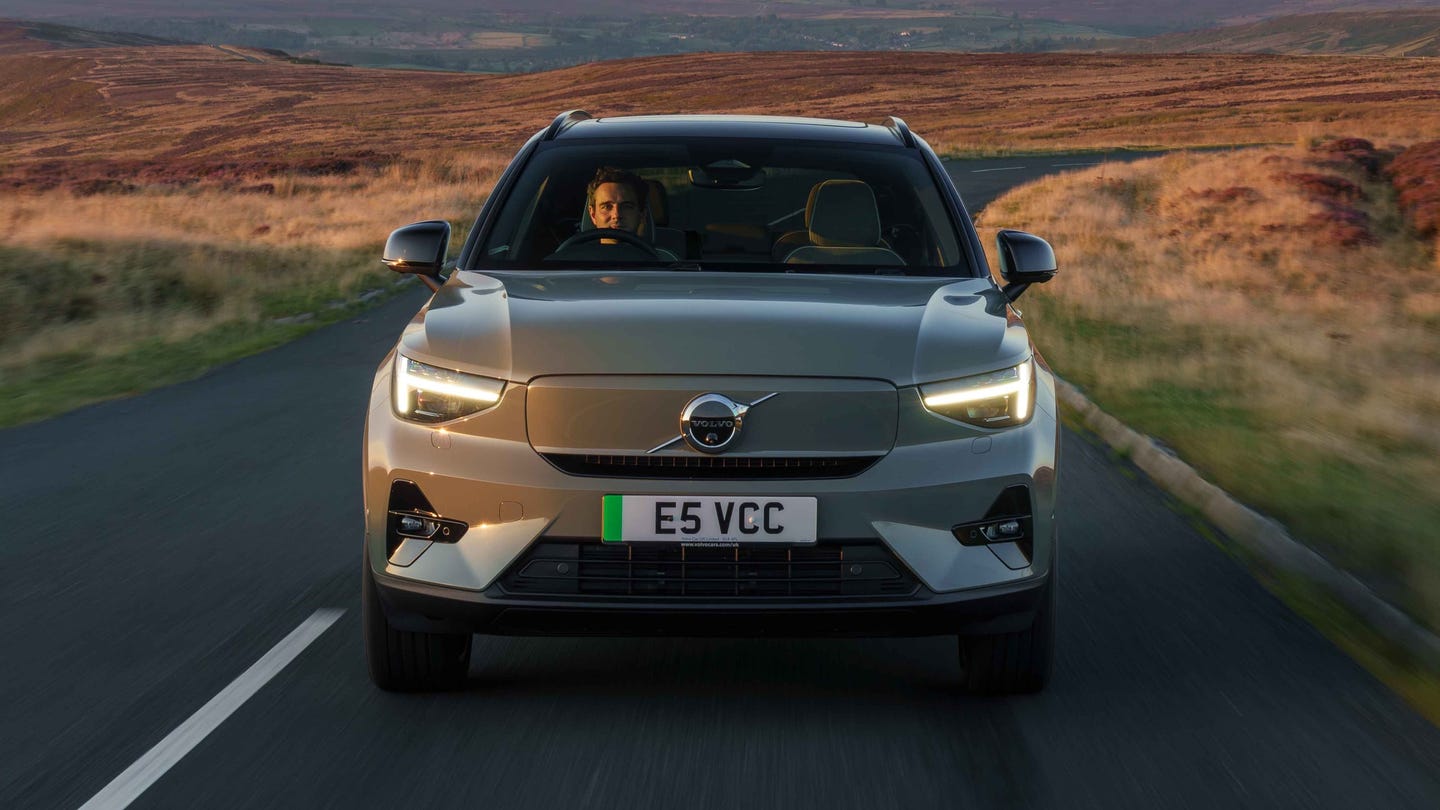
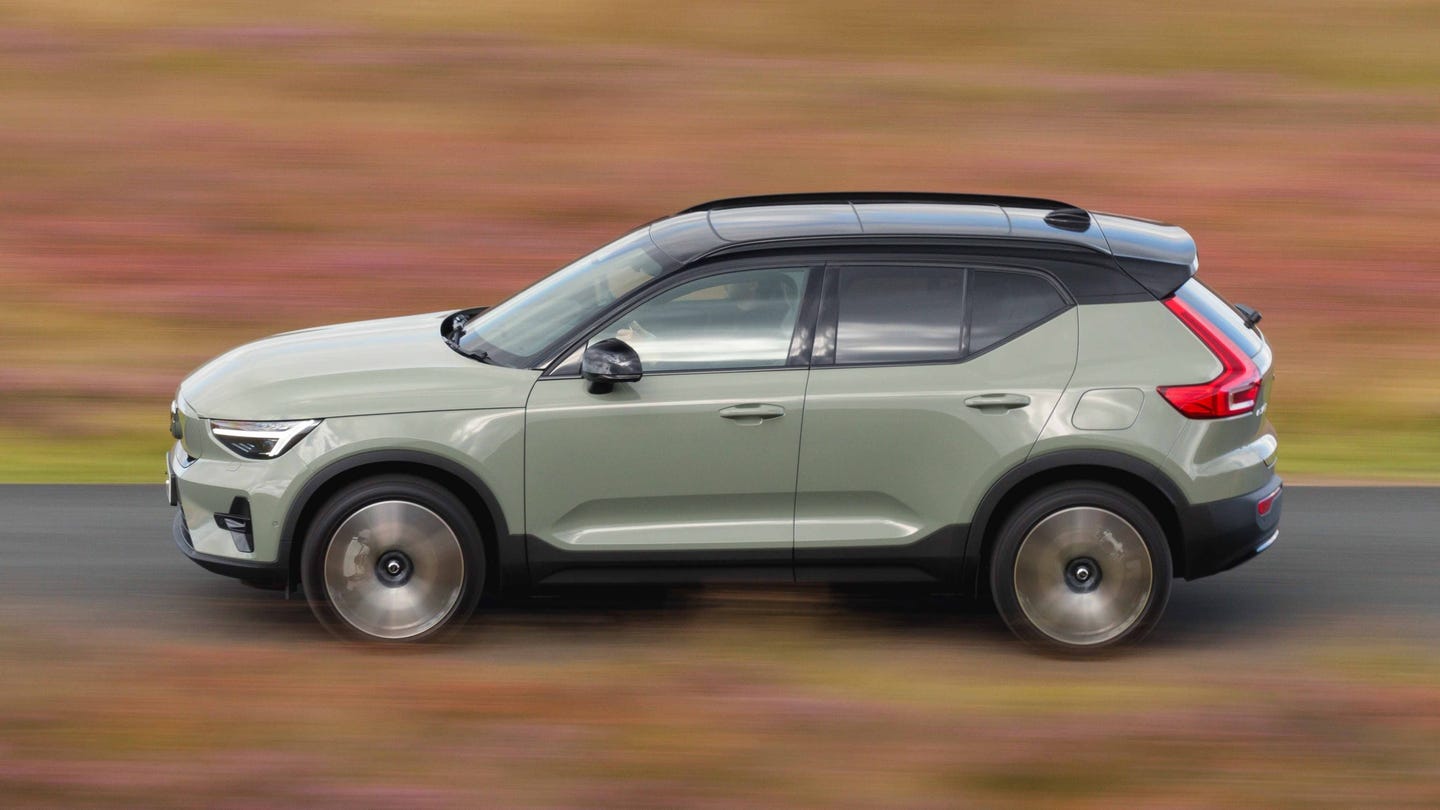
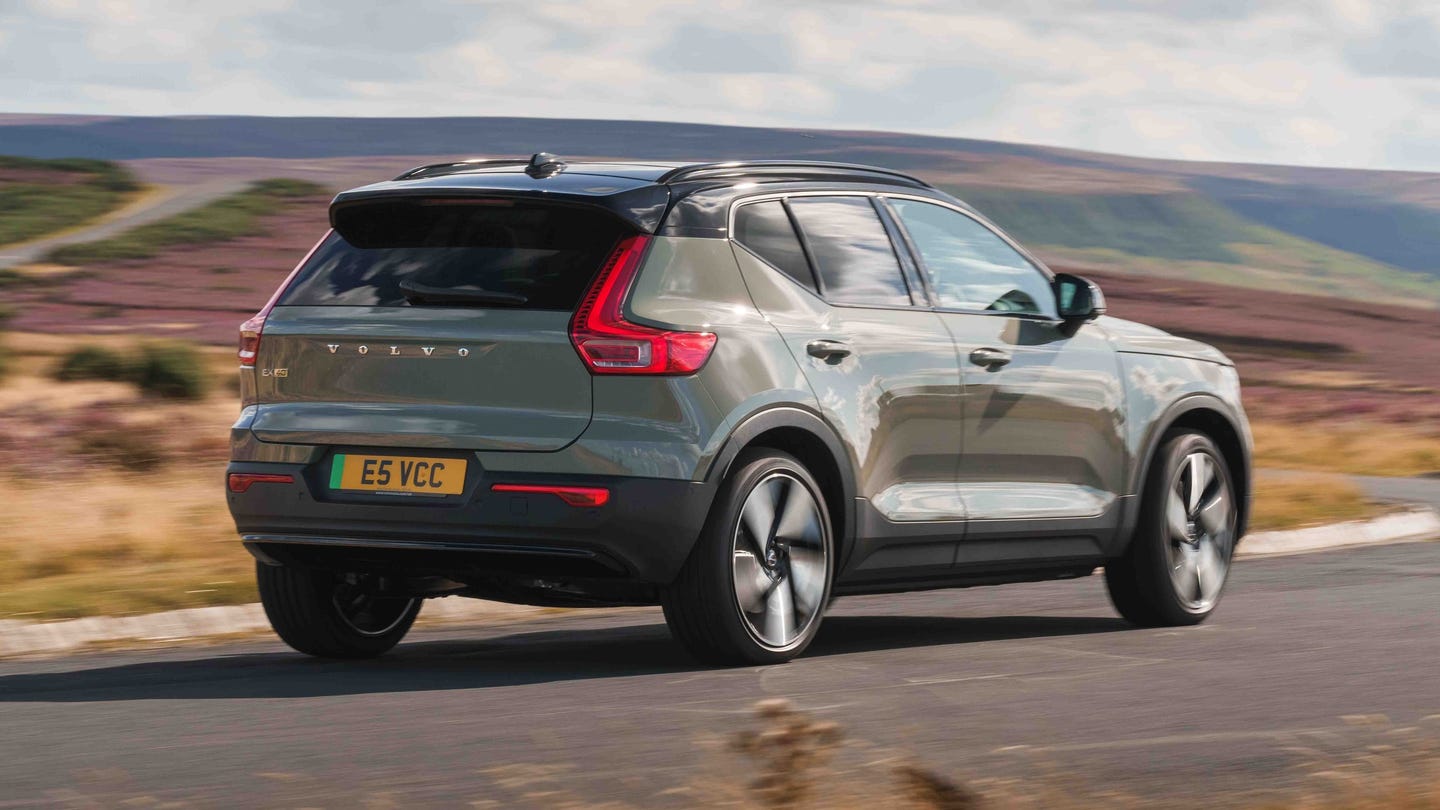
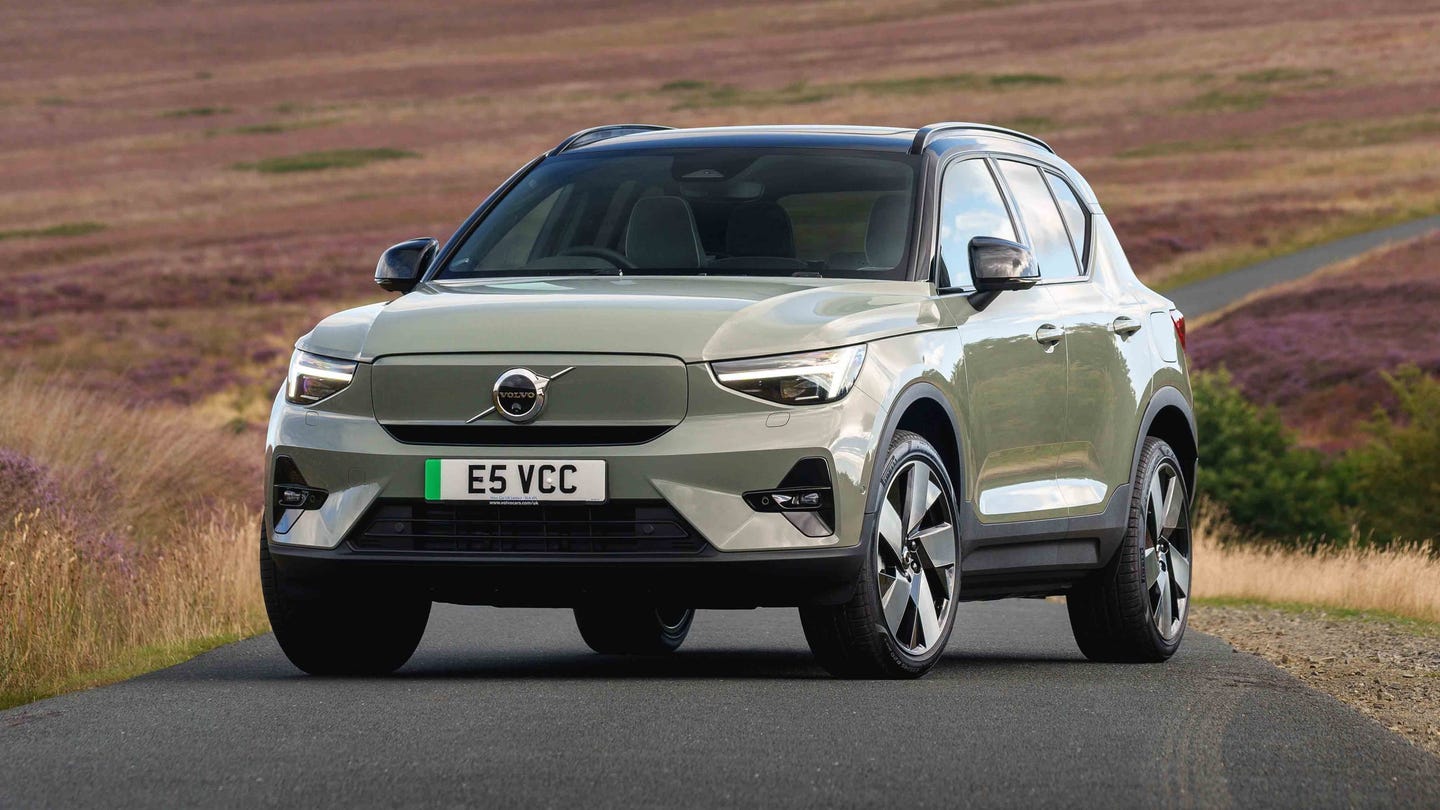
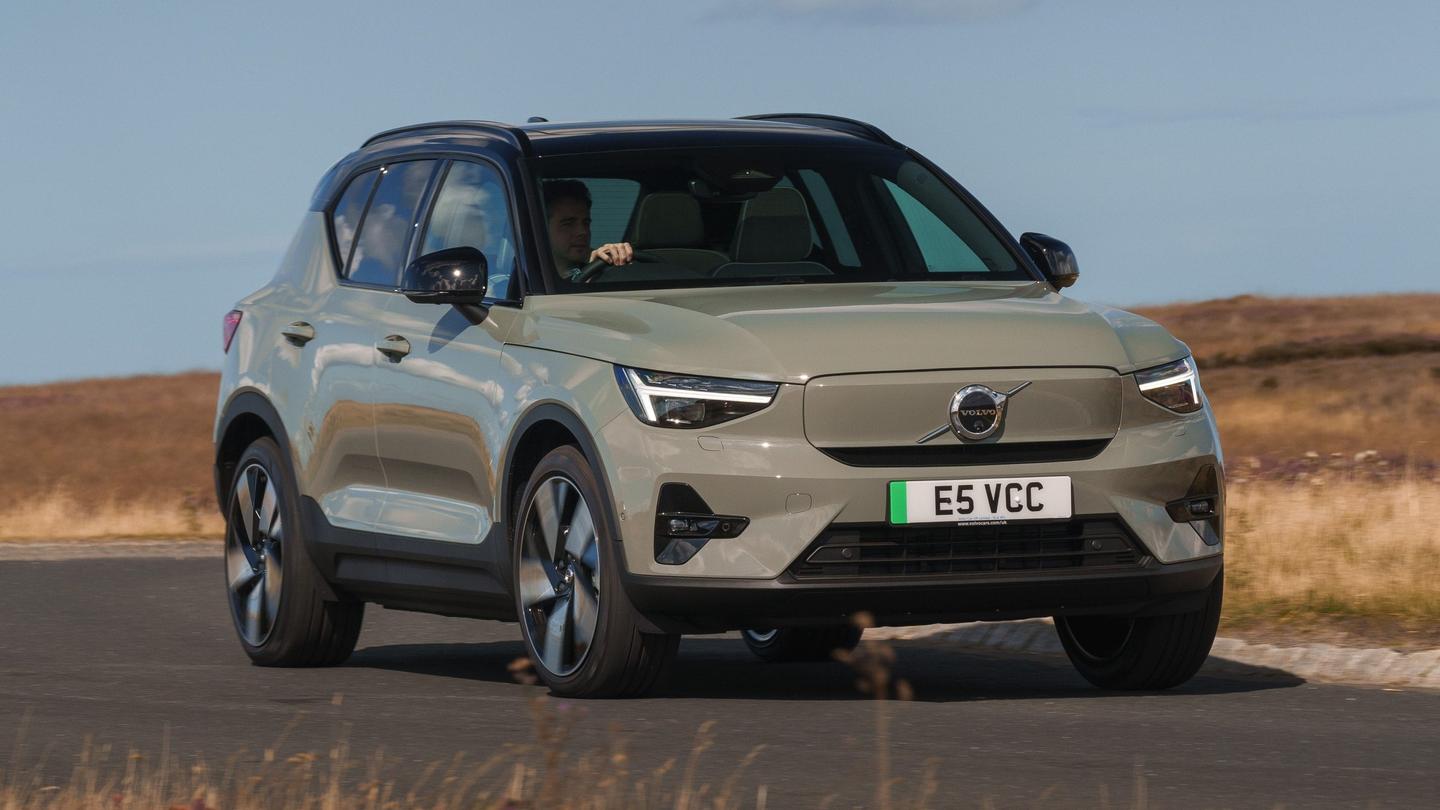
The Volvo XC40 has been a money printer for the Swedish brand, partly because it has been offered with multiple different engines and motor options over its lifespan.
We’ll focus on the fully electric one here, which has been called the XC40 Recharge and, latterly, the Volvo EX40.
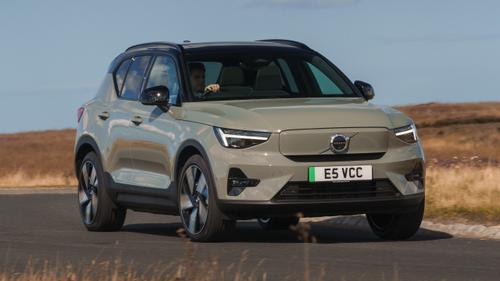
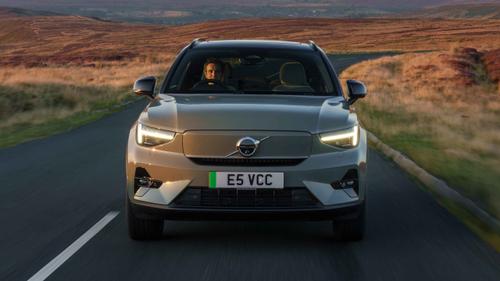
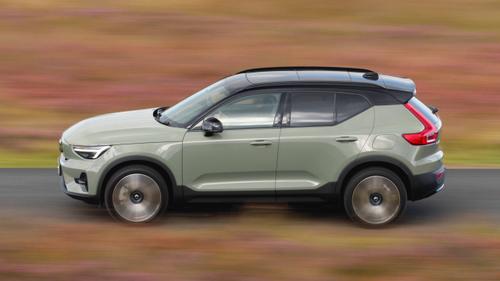
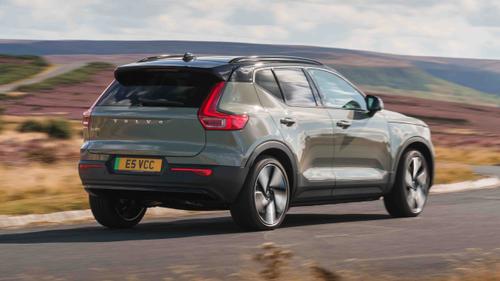
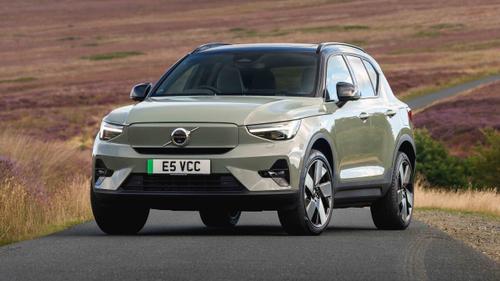
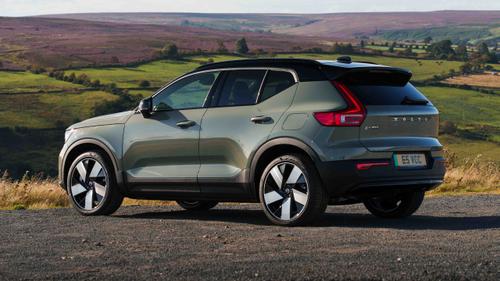
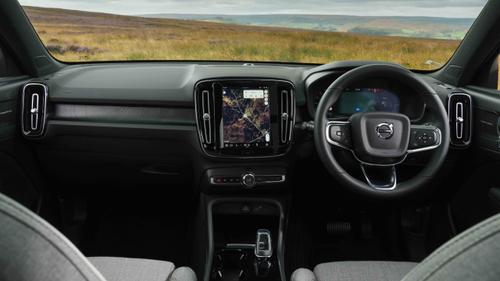
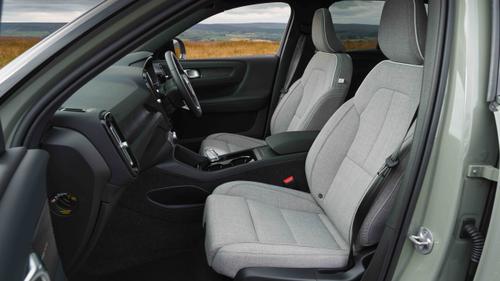
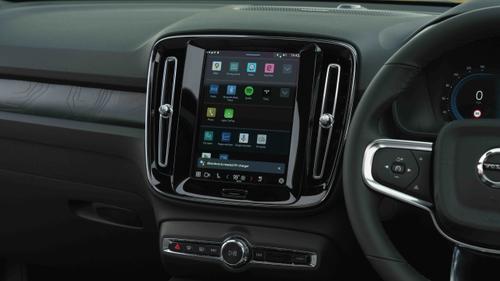
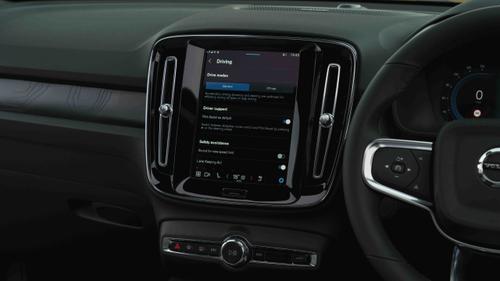
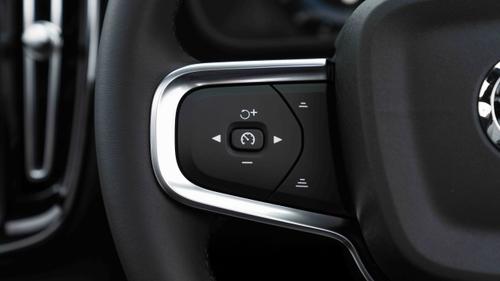
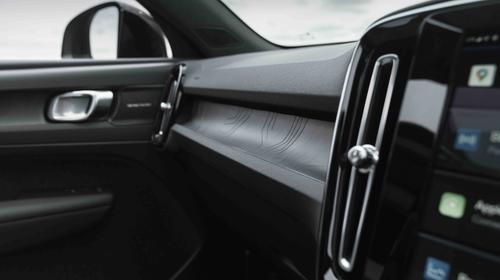
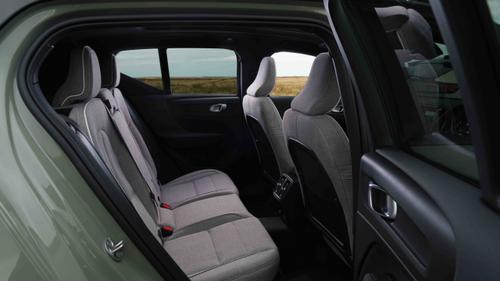
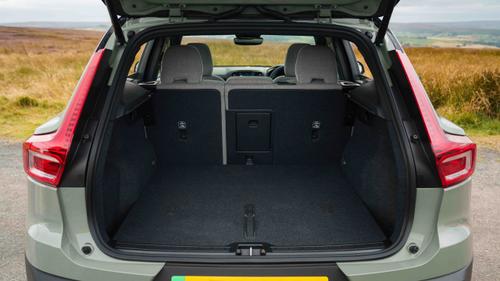
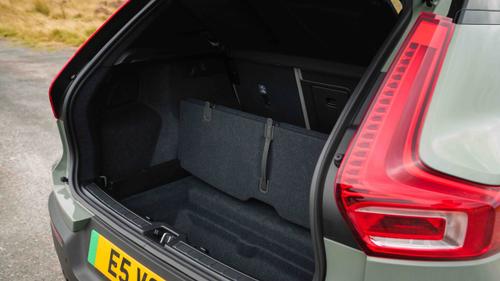
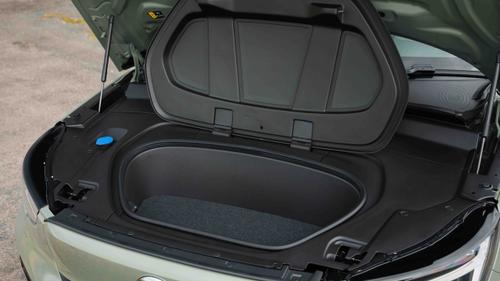
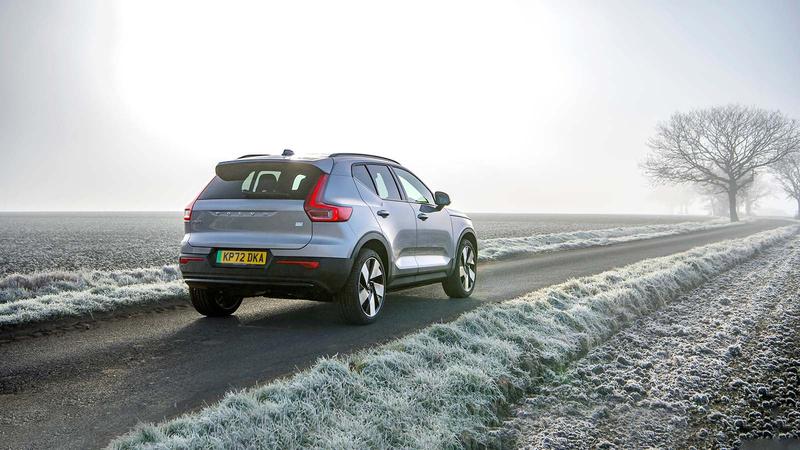
The XC40 Recharge, now called the EX40, was Volvo’s first electric SUV. It trod familiar ground, being a battery-powered version of the popular and boxy XC40.
Like the BMW iX1 and Mercedes EQA, but unlike the Audi Q4 e-tron, the XC40 sits on a platform that can take a variety of power sources. The XC40 has been available with petrol, diesel, hybrid and electric options. This has its plus points – lots of shared parts to keep costs down and a known product for the consumer who has plenty of choice – but also downsides around weight and practicality.
"Standard models are more than quick enough for everyday driving, while the Twin Motor versions are scarily quick if you put your foot to the floor"
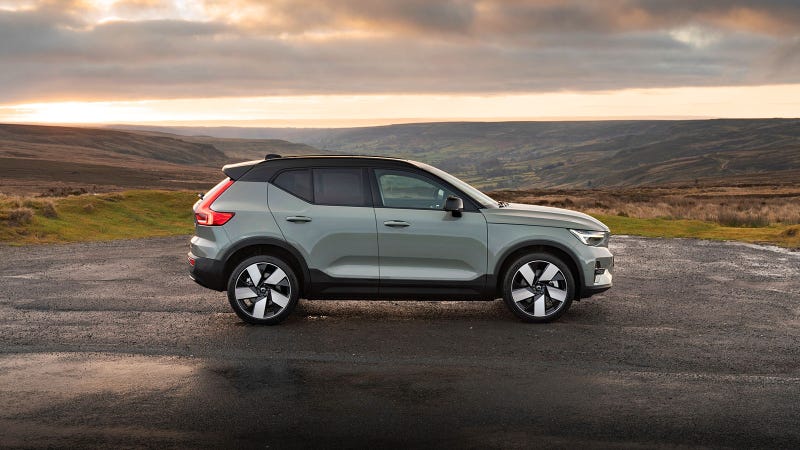
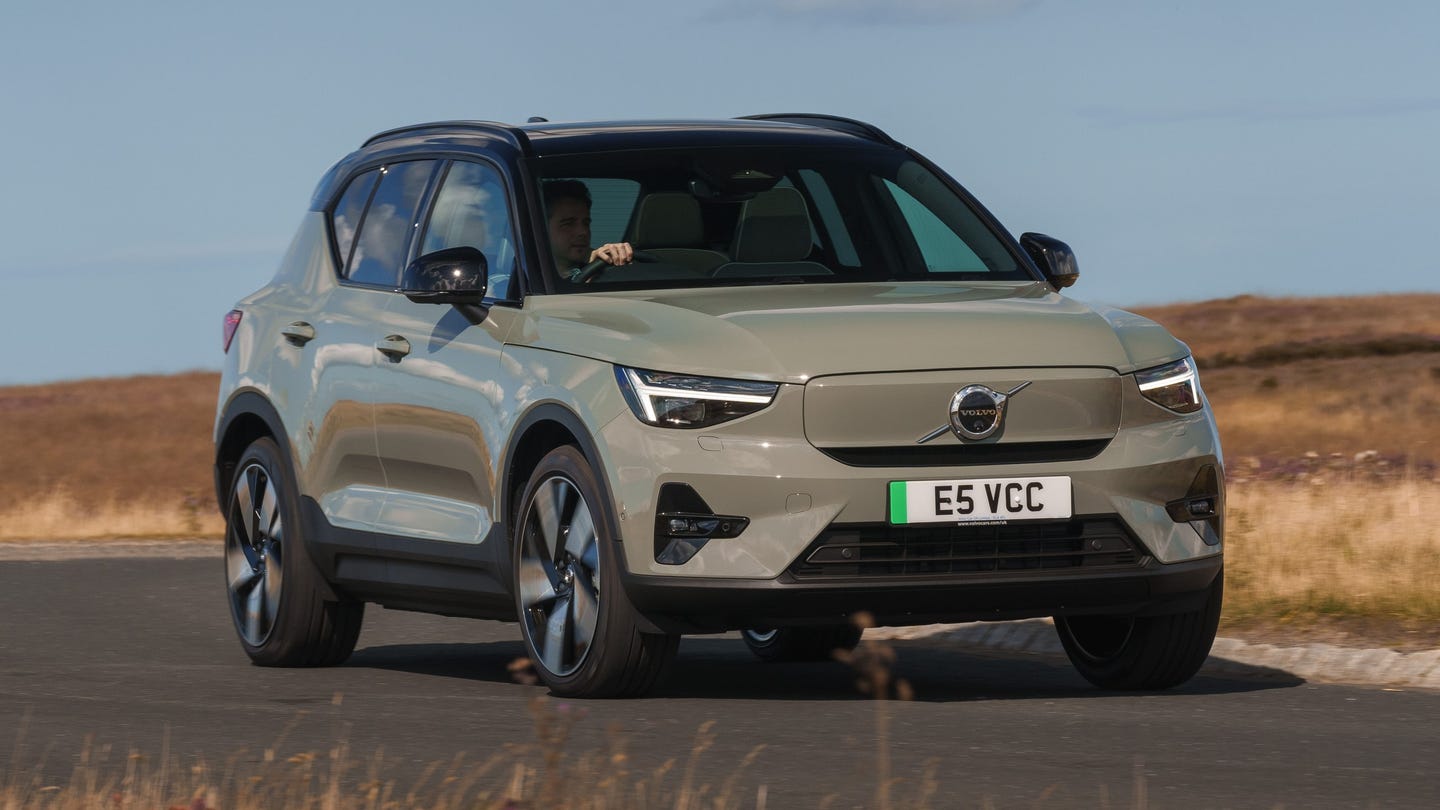
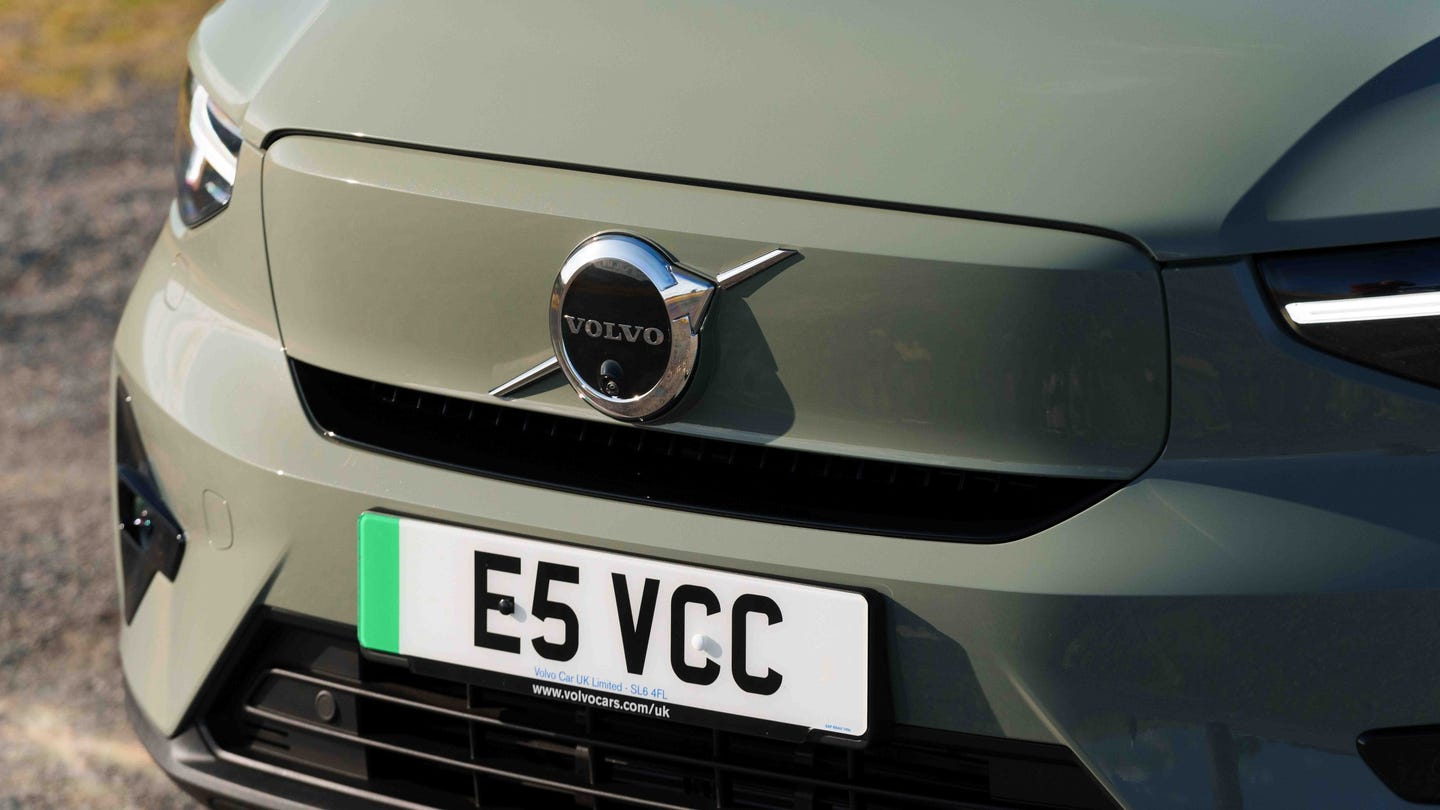
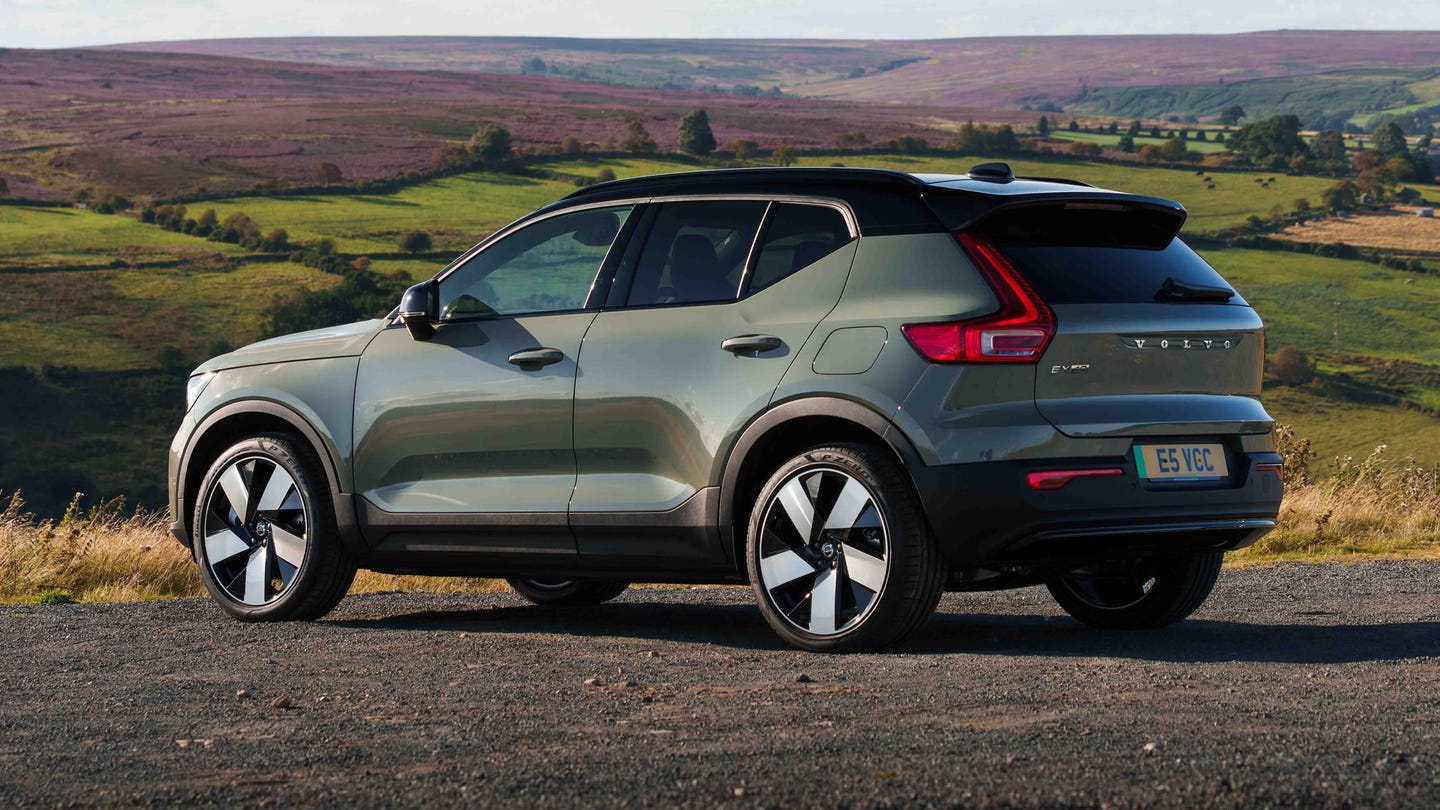
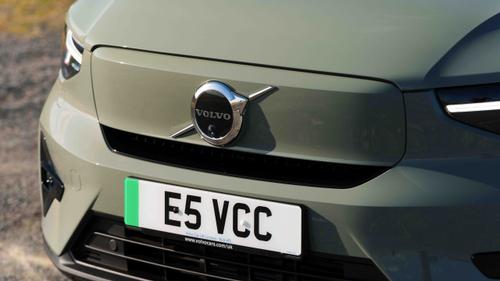
The XC40’s blocky styling – including a blanked-off grille for fully electric models – gives you a feeling of stability and security, and here that’s backed up by a two-tonne kerbweight. At high speeds, the XC40 Recharge feels unflappable.
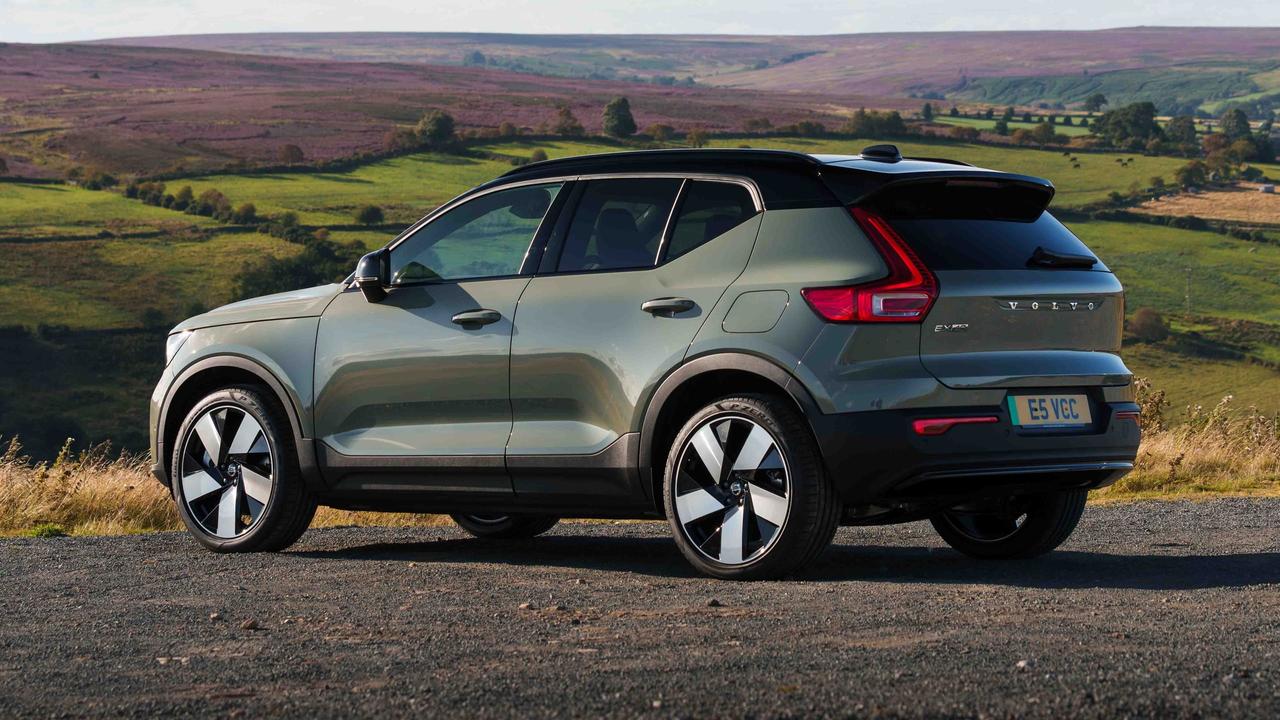
But that combination of chunky styling and chunky mass means the XC40 Recharge isn’t the most efficient EV at high speeds. The official estimate of 258 miles in our 2023 test car equates to around 180 miles of motorway driving. Newer models officially manage 296 miles in mixed driving so should go a bit further on the motorway too.
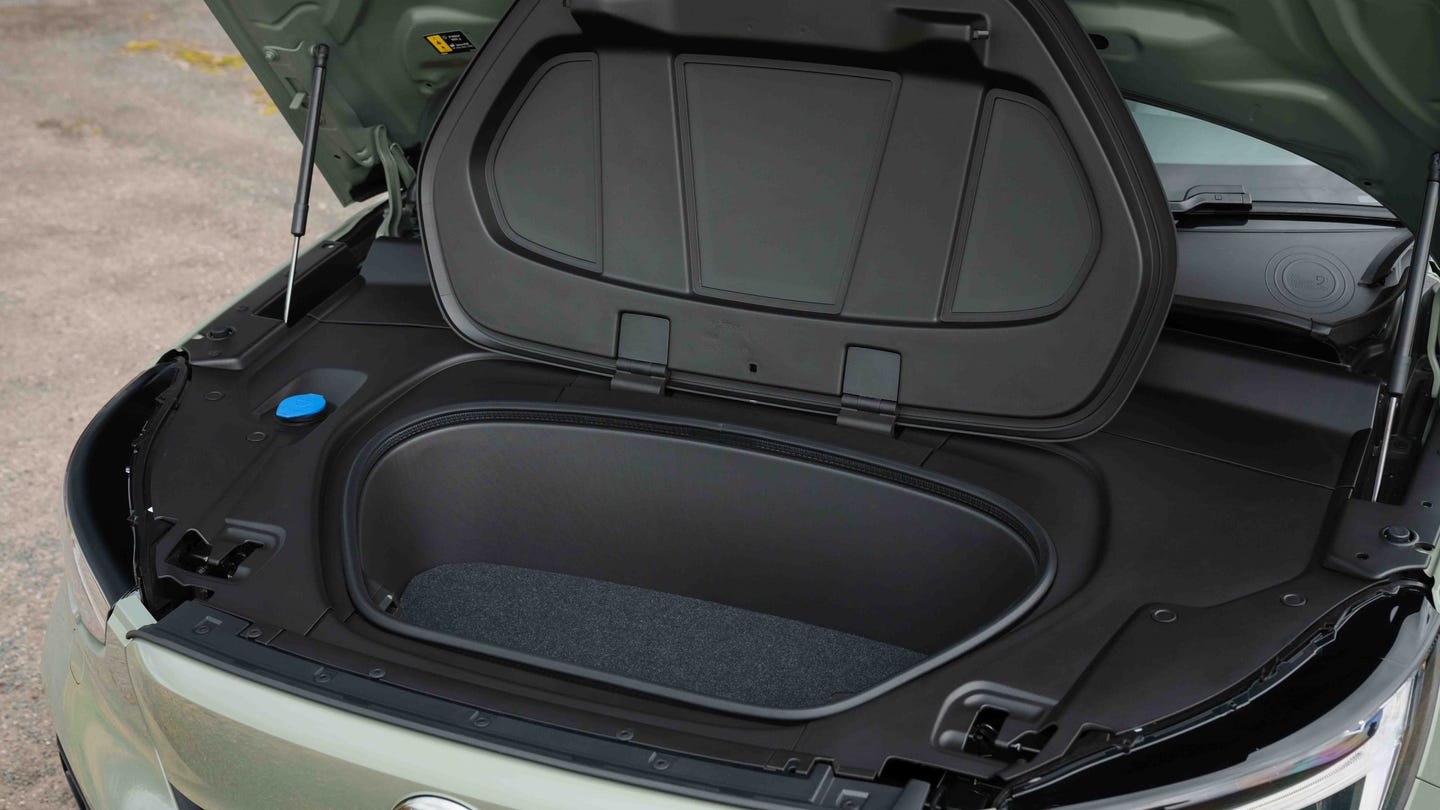
In other respects, life’s good in the XC40 Recharge. There’s a splashing of posh materials, especially in range-topping Ultimate trim, plus an intuitive Google-based infotainment system that’s always up to date. Rear-seat space is decent enough, and the practical boot is backed up by an under-bonnet frunk that’s perfect for keeping your charging cables dry.
The EX40’s start price is where the petrol XC40 tops out at around £43,000 for a new car, and you can spend over £55,000 on an EX40 if you’re really invested. After a handy bit of initial depreciation, a lightly used EX40 or XC40 Recharge is a lot better value.
Volvo offers a pretty standard three-year/60,000-mile warranty, like its Audi, Mercedes and BMW rivals – other manufacturers are much more generous.
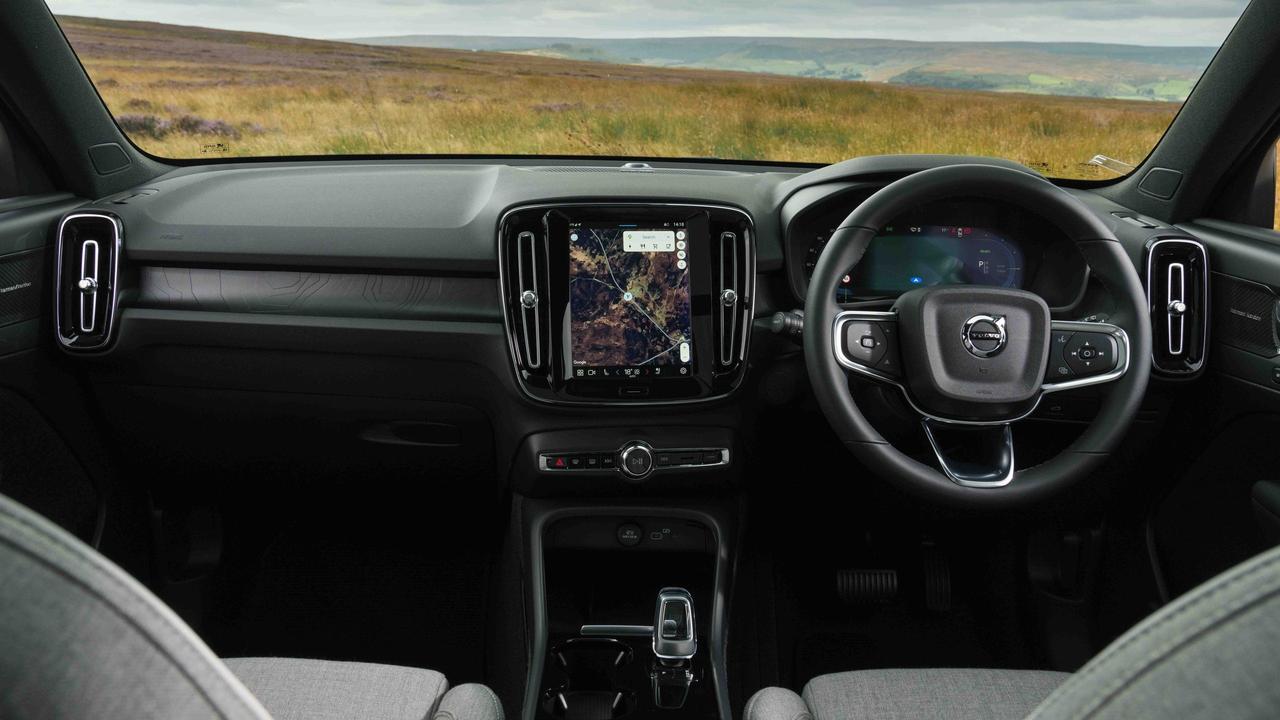
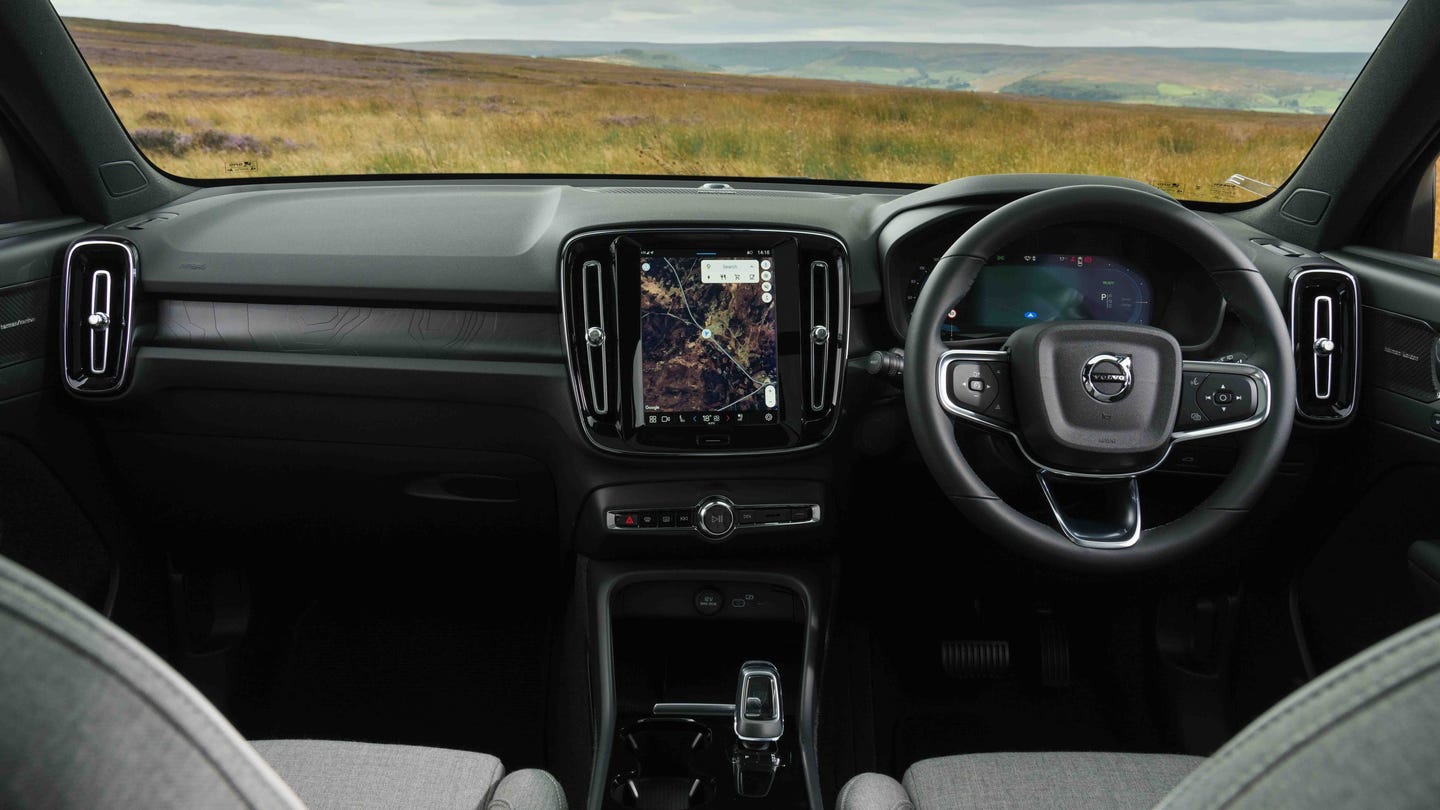
Besides a couple of changes to the dials, such as a new power/charge gauge and a battery percentage readout, the electric XC40 is exactly the same as a petrol or diesel one. There aren’t any surprises and the cabin should feel instantly familiar, especially if you’ve had Volvos in the past.
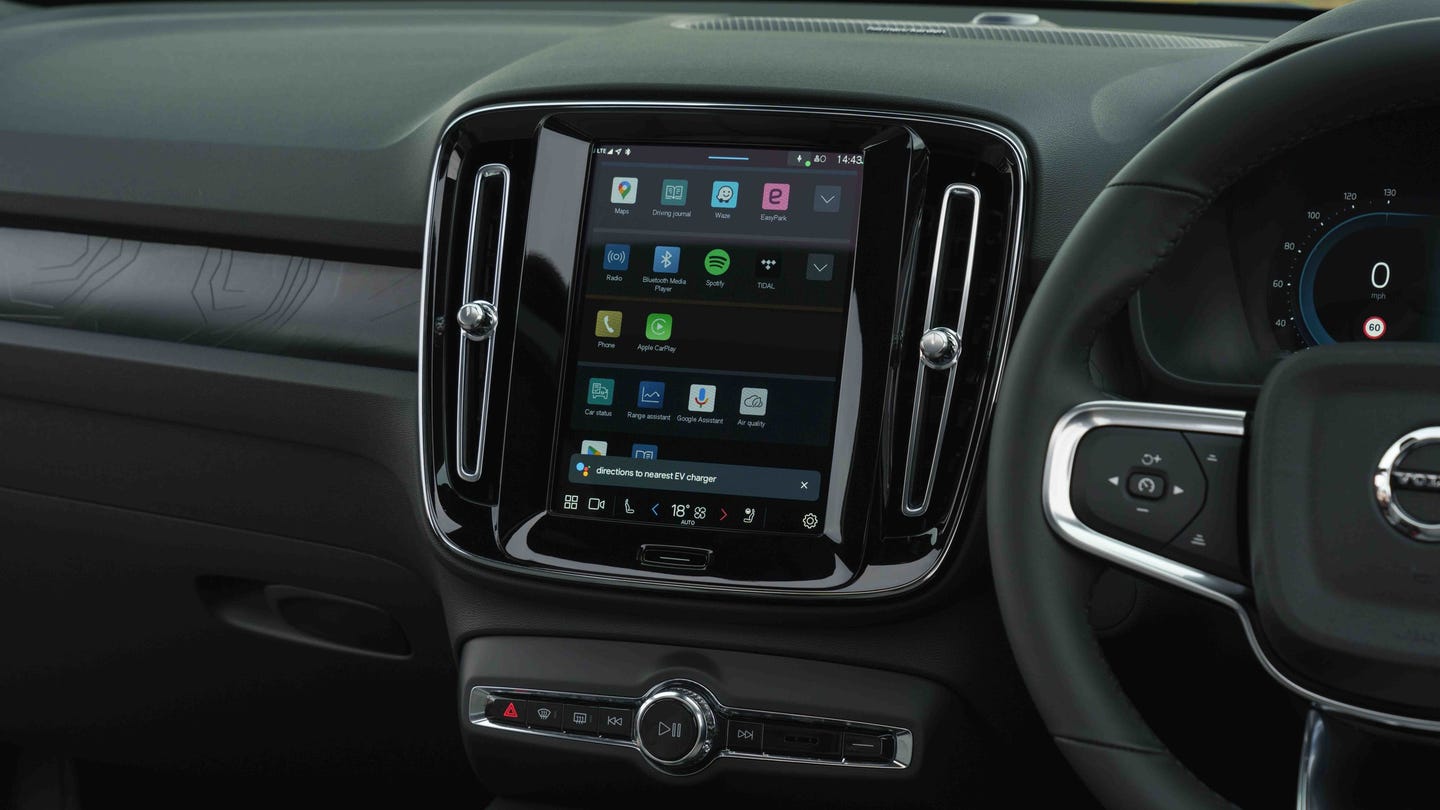
Most XC40s benefit from an Android Automotive infotainment system, featuring Google integration including Maps, voice assistance and the Google Play app store. This should be the industry standard in our opinion, because you’ve always got an updated sat nav with live traffic info.
The Google Maps software also considers your range estimate and will tell you how much battery you’ll arrive at your destination with, and this is impressively accurate. Range anxiety isn’t a thing – you can trust the car to arrive at your destination with a nearly empty battery, if you know there's a charger at the end of your journey.
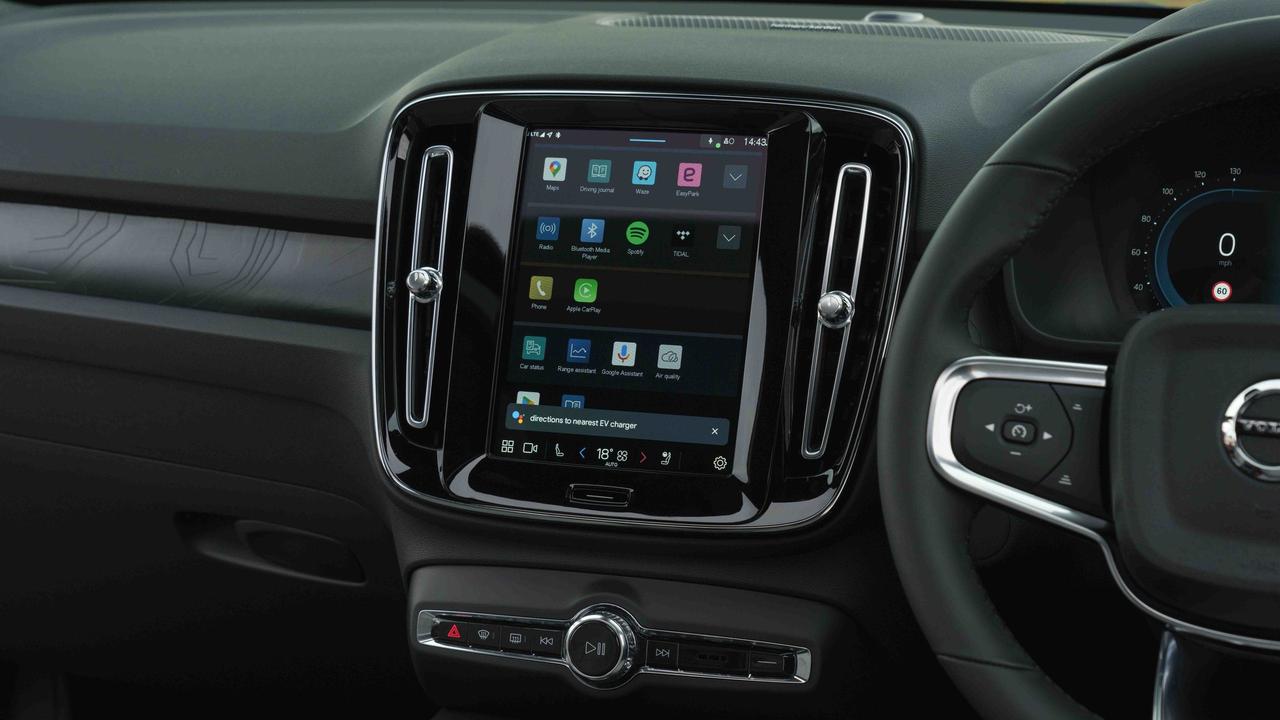
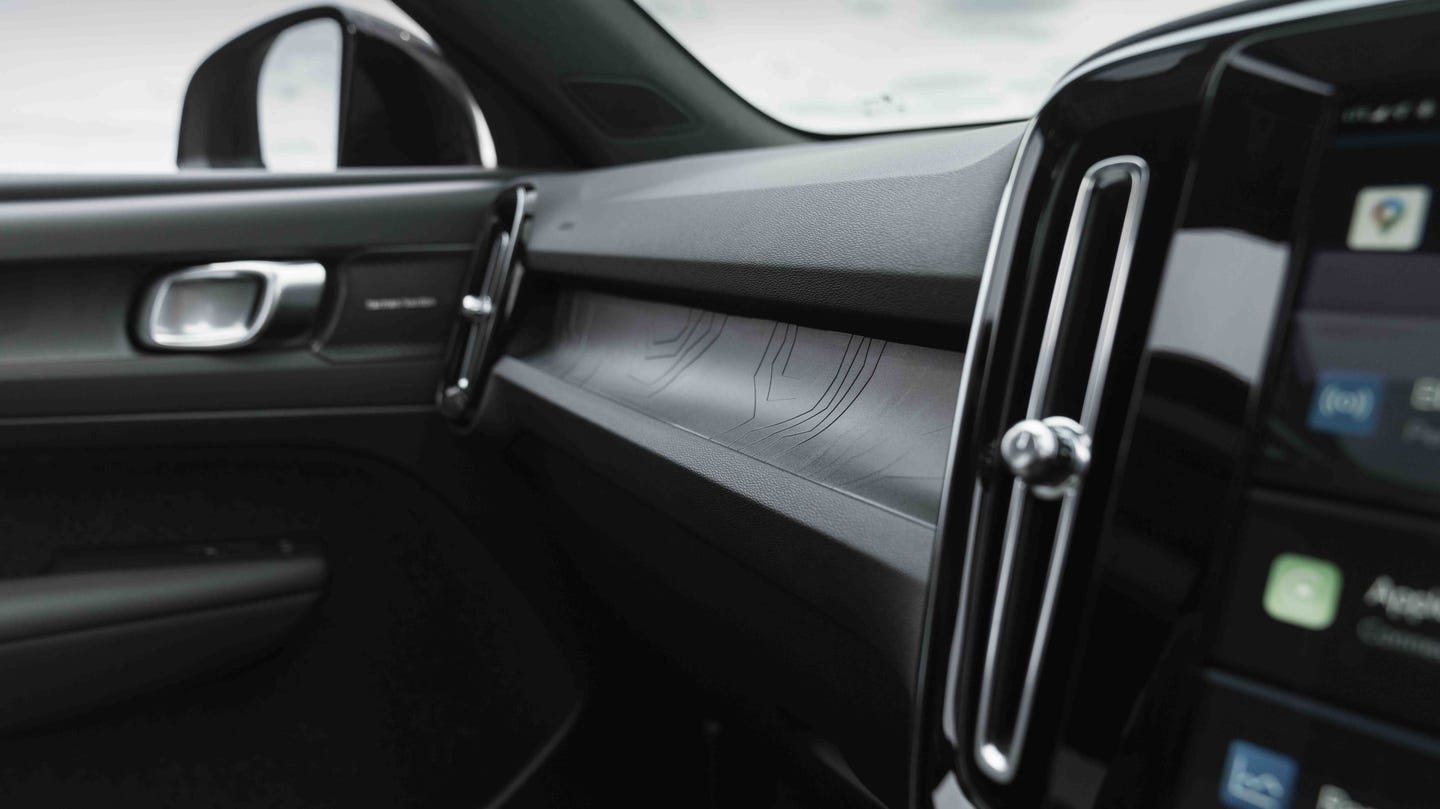
Build quality is a highlight, and some of the materials used feel premium – although there’s a lot of plastic in noticeable places on the centre console. Various textured trims add interest.
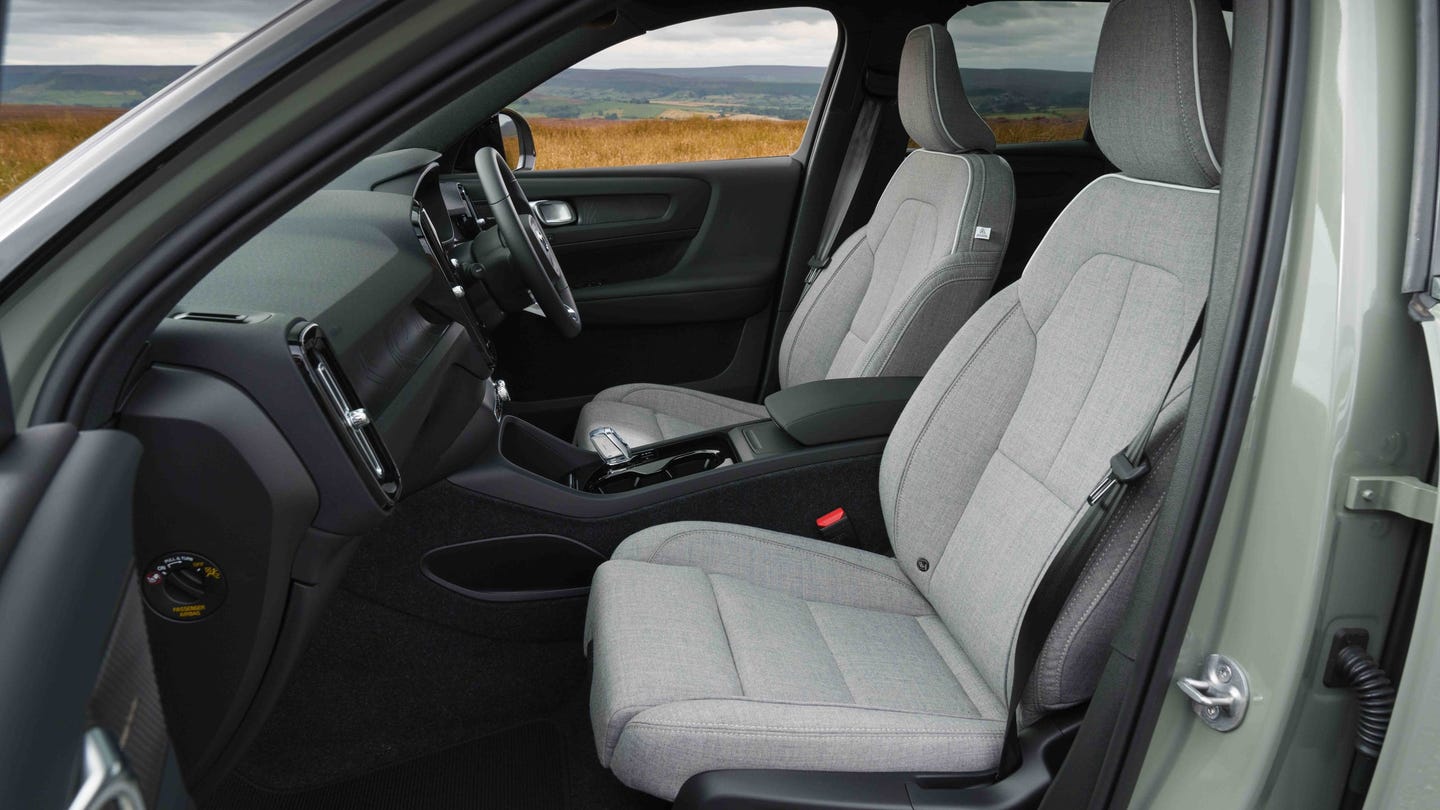
Most cars come with black suede upholstery, which is lovely, while you can choose from leather-adjacent materials and even a wool blend. Volvo no longer offers natural leather in the EX40 to be more sustainable.
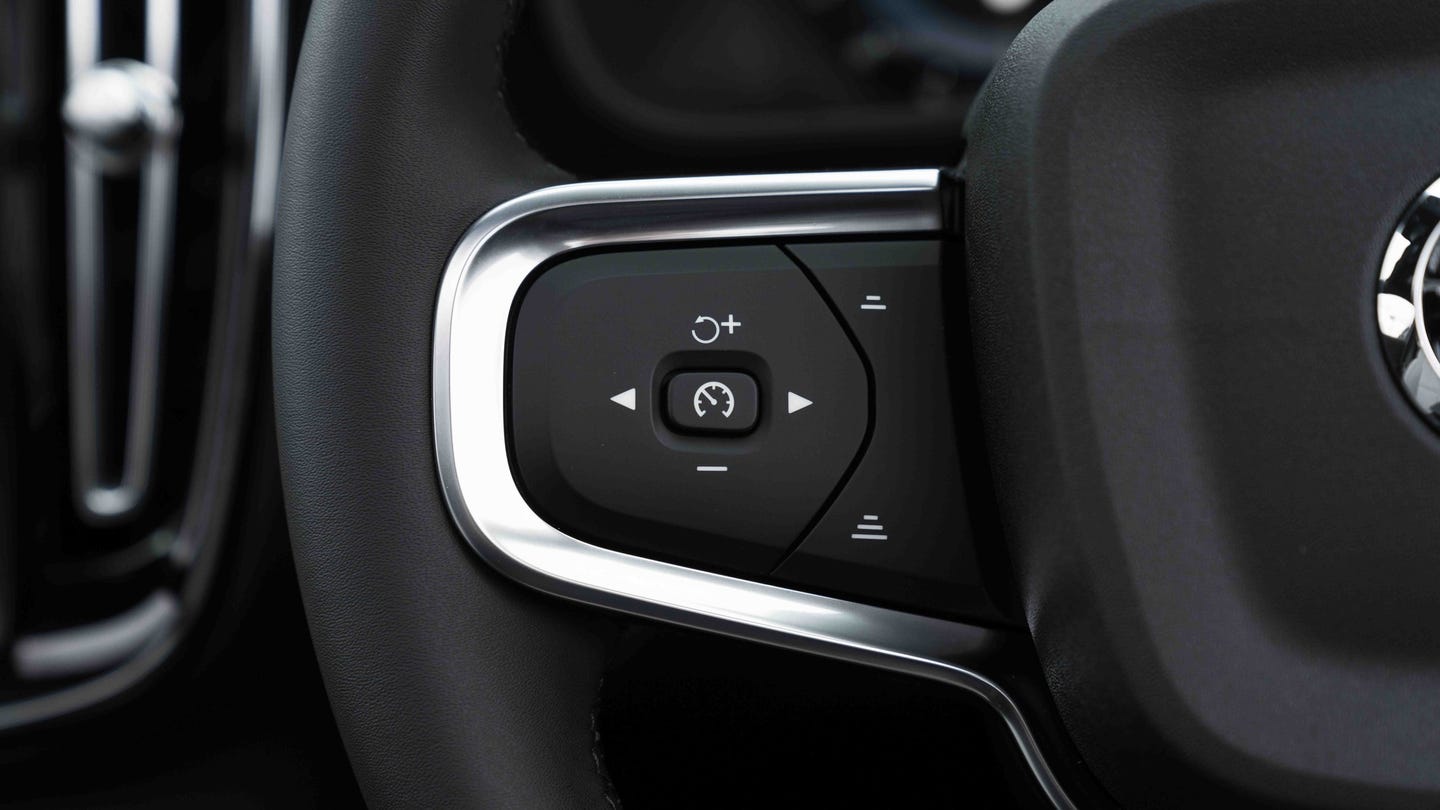
Standard equipment is impressive, and even the Core trim comes with all the equipment you arguably need. There’s adaptive cruise control, a reversing camera, a powered bootlid, heated front seats and wireless phone charging, plus all the must-have Google stuff mentioned above and a host of driver assistance.
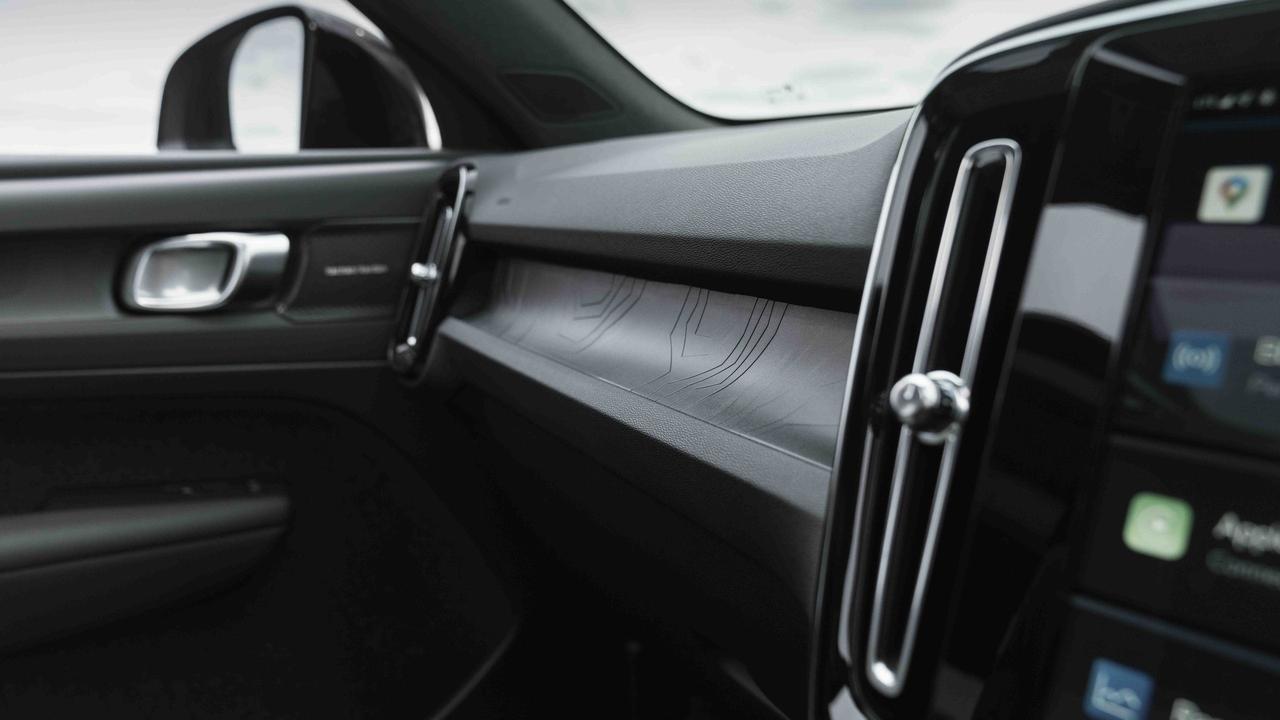
Plus trim adds ambient lighting, hands-free boot opening (wave your foot under the back of the car and the boot should open) and blind-spot monitoring. Then there’s Plus Pro, which boasts upgraded LED headlights, a 360-degree parking camera and tinted windows. Ultra, previously called Ultimate, gets luxury features like a large panoramic sunroof and a booming Harman Kardon sound system.
While not unique to the Volvo, owners have reported various software glitches such as the parking sensors flashing up a ‘clean me’ warning even though they’re spotless, occasional screen blackouts and being unable to use the car during a particularly big software update. It’s not something you’d happily accept on a car costing over £40,000.
The electric XC40 is actually more practical than any other XC40, thanks to its 31-litre frunk under the bonnet which is ideal for stashing your charging cables – or muddy dog gear – away from the cabin.
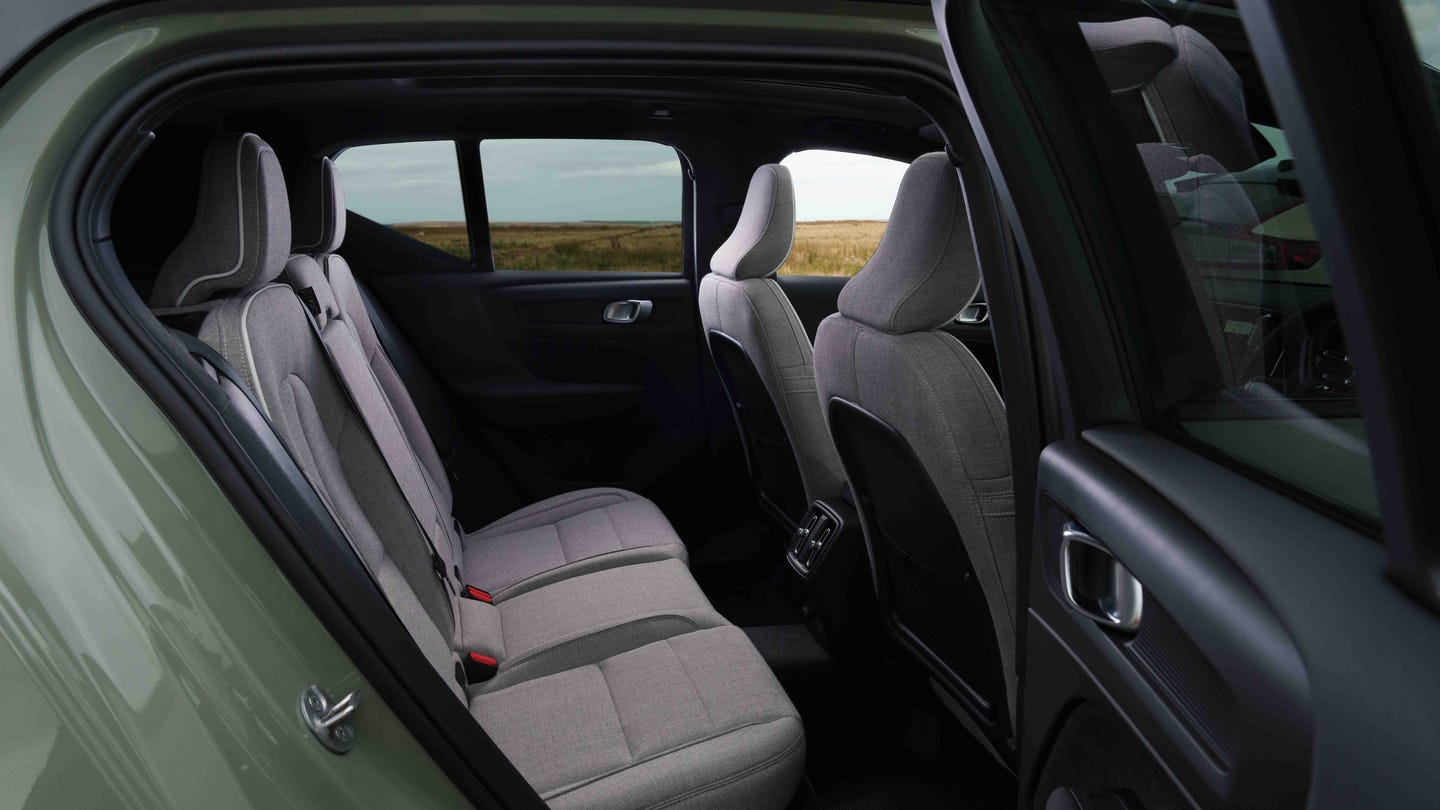
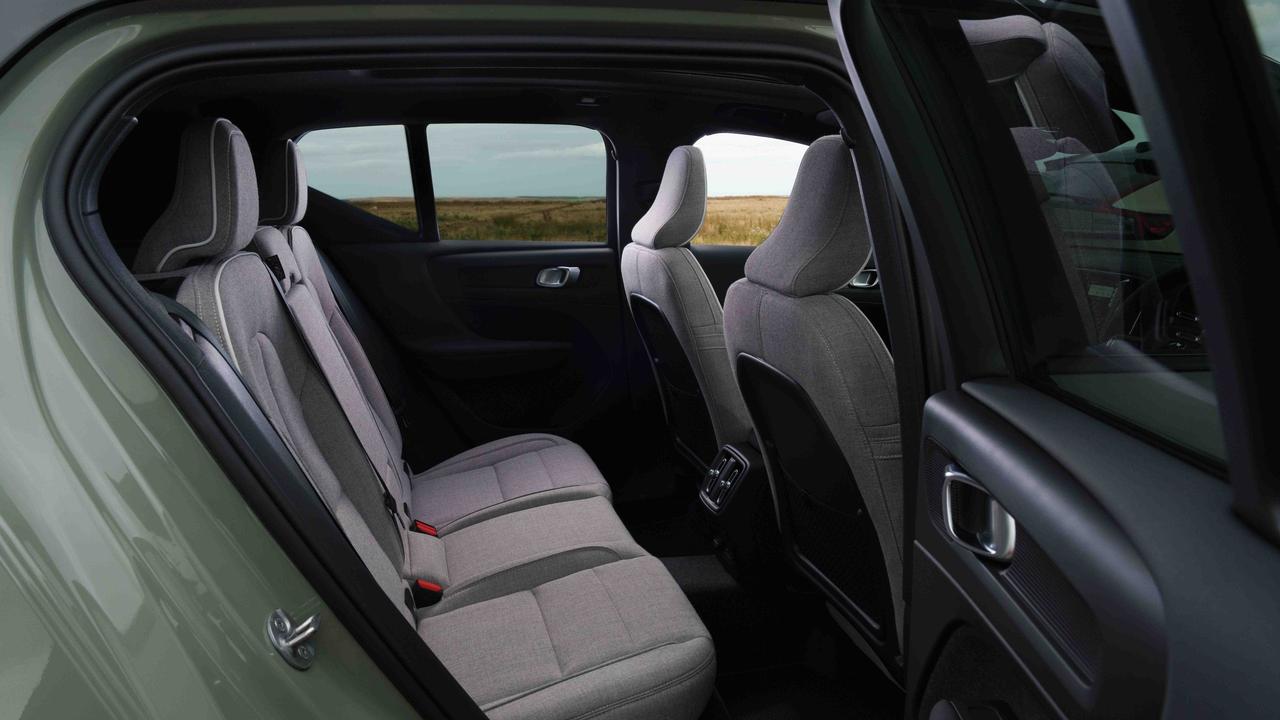
Elsewhere, the XC40 offers decent if not class-leading practicality. There’s plenty of front-seat adjustment (and they’re very comfortable), and the vast majority of adults will have legroom to spare in the back seats. Headroom is good in both rows, and the upright shape means it’s easy to get into the back.
There are three sets of Isofix points (two on the back row and a third on the front passenger seat), plus the usual assortment of cabin lights, cupholders, USB sockets and map pockets.
The rear seats aren’t quite as comfy as the fronts. On a long journey, we found them to be a bit too upright, and the seat base a little too short to properly support our legs. But we enjoyed the heated rear seats and large sunroof in our Ultimate test car.
Being based on a petrol car, the XC40 Recharge comes with quite a big transmission tunnel. This’ll make it a bit more awkward for three adults to sit side-by-side than in something with a flat floor like the Skoda Elroq.
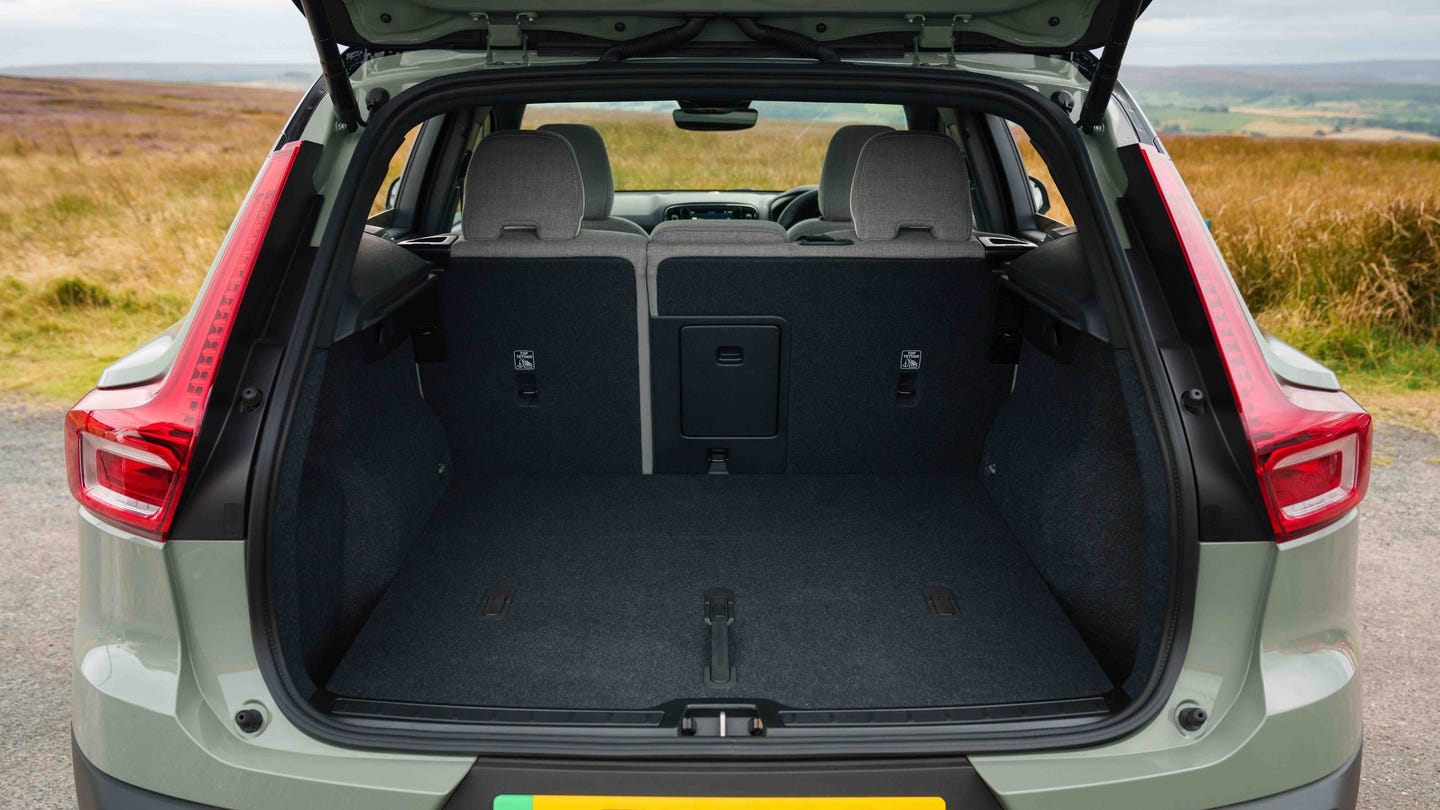
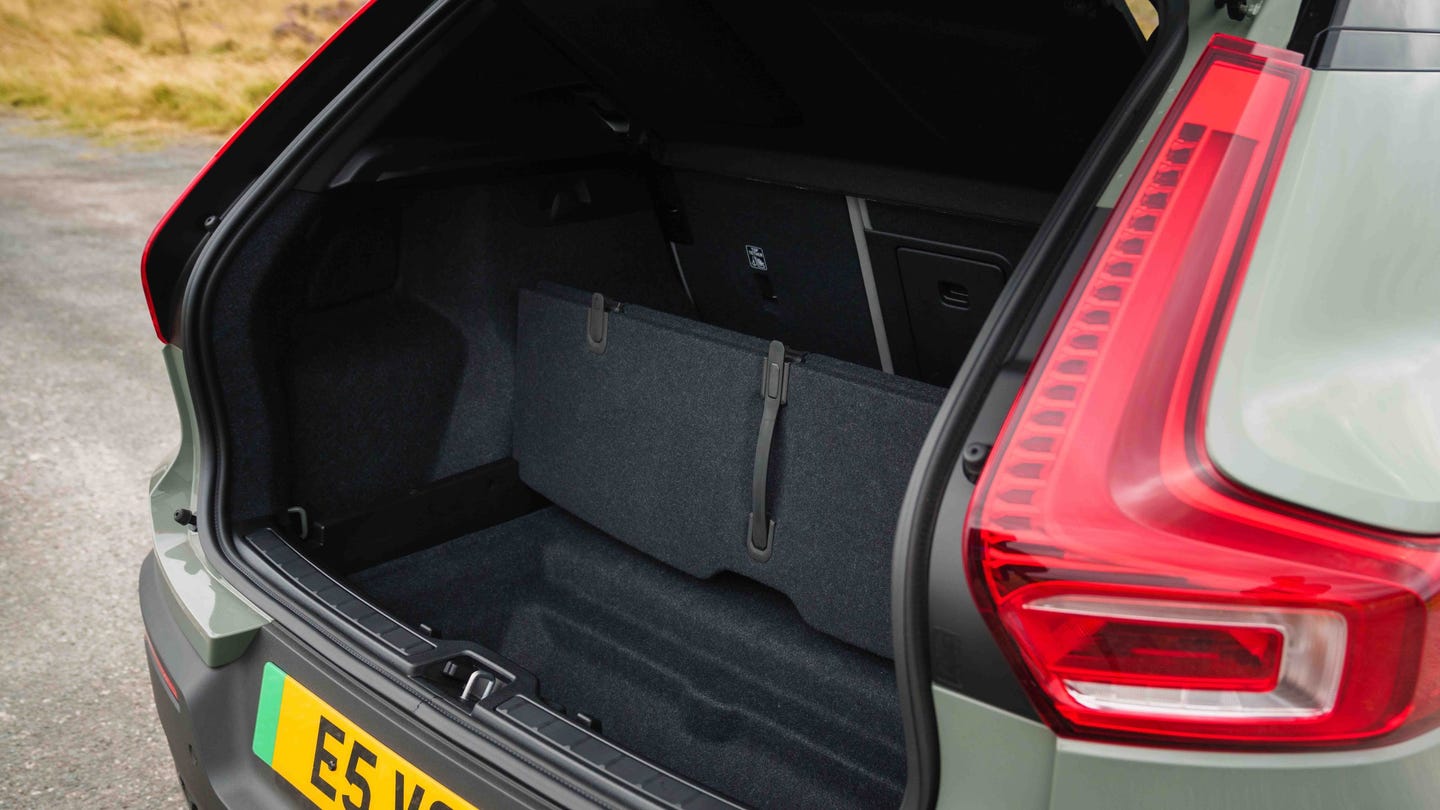
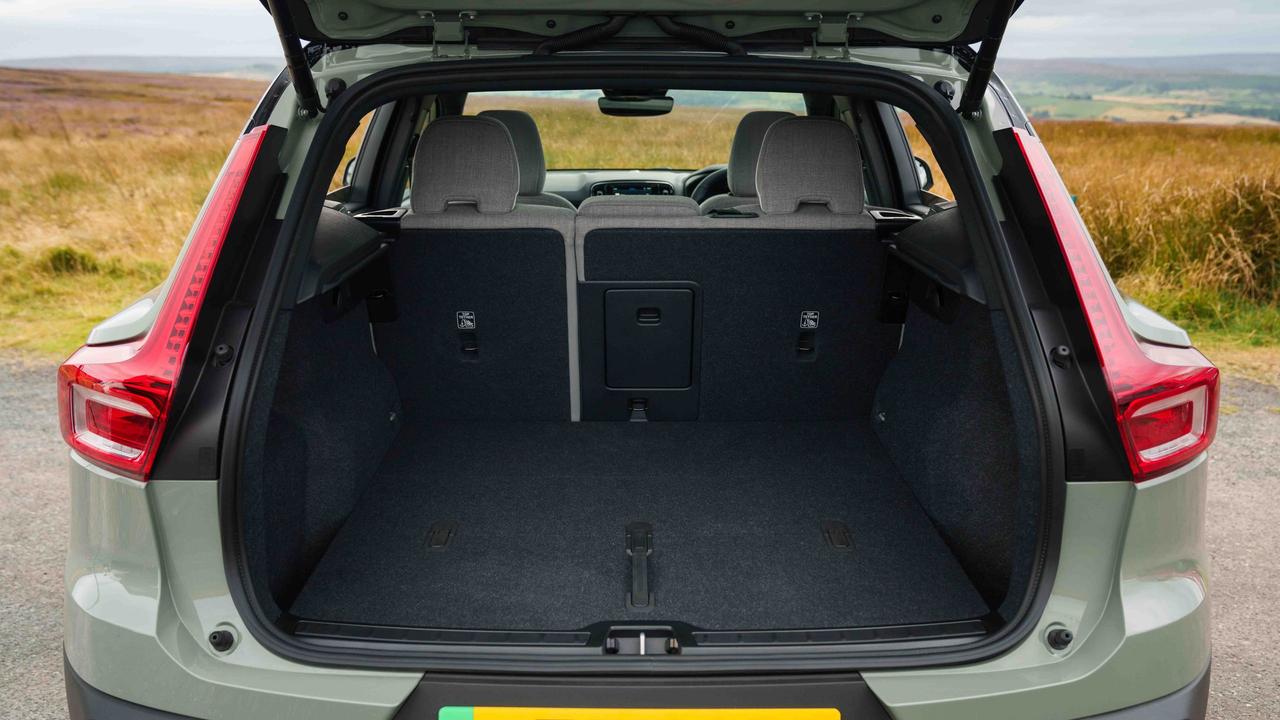
Between the boot floor and the parcel shelf, you’ve got a 410-litre space to fill. There’s an additional 59 litres under the boot floor, which’ll come in handy for stashing away valuables or rarely used items. In total, this is a little bit less than the BMW iX1 and Audi Q4, but it’s more than the Mercedes EQA offers and should still be plenty for most family use cases. You might just have to employ a bit of Tetris-style packing for holidays.
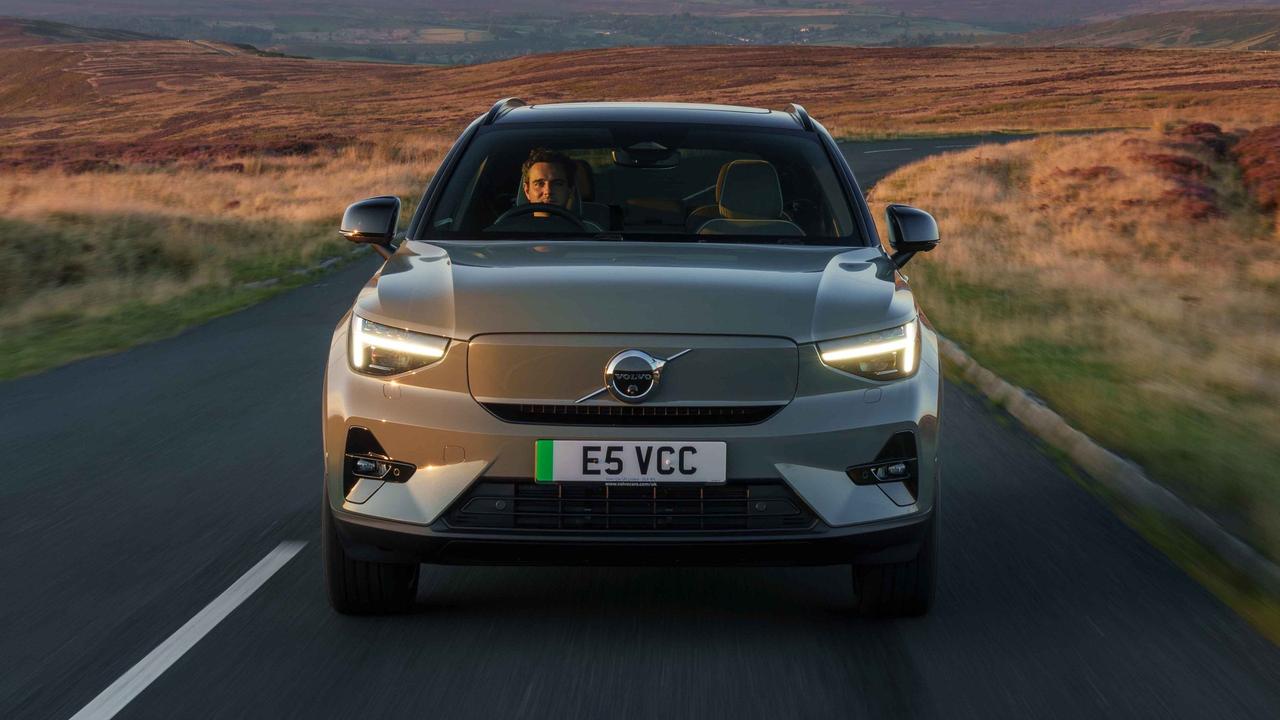
Standard-range models come with a 69kWh battery. Over the car’s lifetime, a host of gradual enhancements has improved range from a quoted 258 miles in earlier cars to 296 miles in newer versions.
The longest-range version is the Single Motor Extended Range, featuring a bigger 82kWh battery and up to 356 miles of range in mixed driving.
Twin Motor all-wheel-drive versions use the bigger battery and lose around 30 miles of electric range. But you might be happy to compromise on the range to enjoy the extra performance.
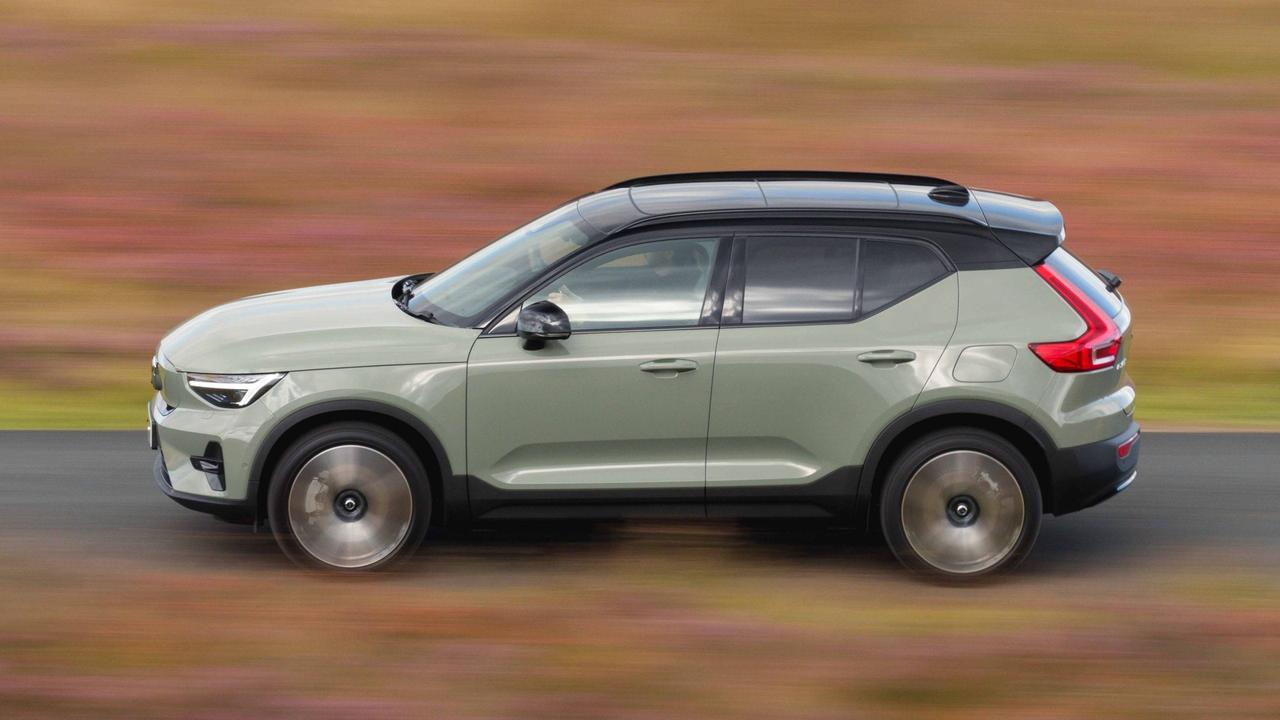
Single-motor models come with either 238hp or 252hp, and hit 0-62mph in a brisk 7.3 seconds. If you’ve got the need for Swede speed, the Twin Motor Performance version sprints to 62mph in just 4.6 seconds thanks to its 442hp output.
You’ll be best off with all-wheel-drive versions if you’re planning to tow with your EX40. These can manage up to 1,800kg – 300kg more than rear-drive versions.
Every electric XC40 charges from 10-80% in under half an hour at a powerful enough public charger.
If you’re buying the EV for its low running costs versus the petrol one, make sure you consider its higher insurance costs. The EX40 spans groups 33-42 out of 50, compared to 18-33 for a fuel-powered XC40. Some EX40s also get hit by the luxury car tax, at which point you’ll be paying the DVLA £640 a year for the privilege of using the roads.
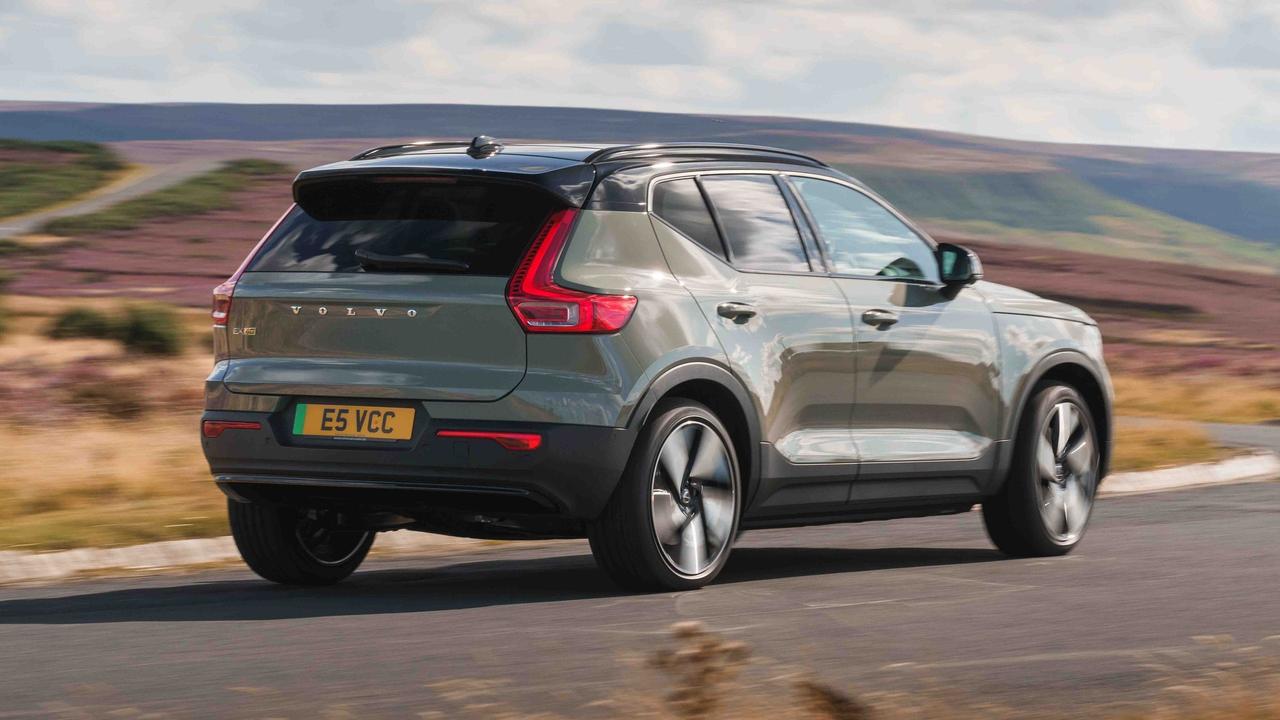
There’s a pleasing solidity to the way the Volvo feels from behind the wheel. The steering is quite heavy in the context of modern cars, making you feel like you’re fully in control. Don’t worry, it slackens off at lower speeds so you won’t be getting a sweat on in a supermarket car park.
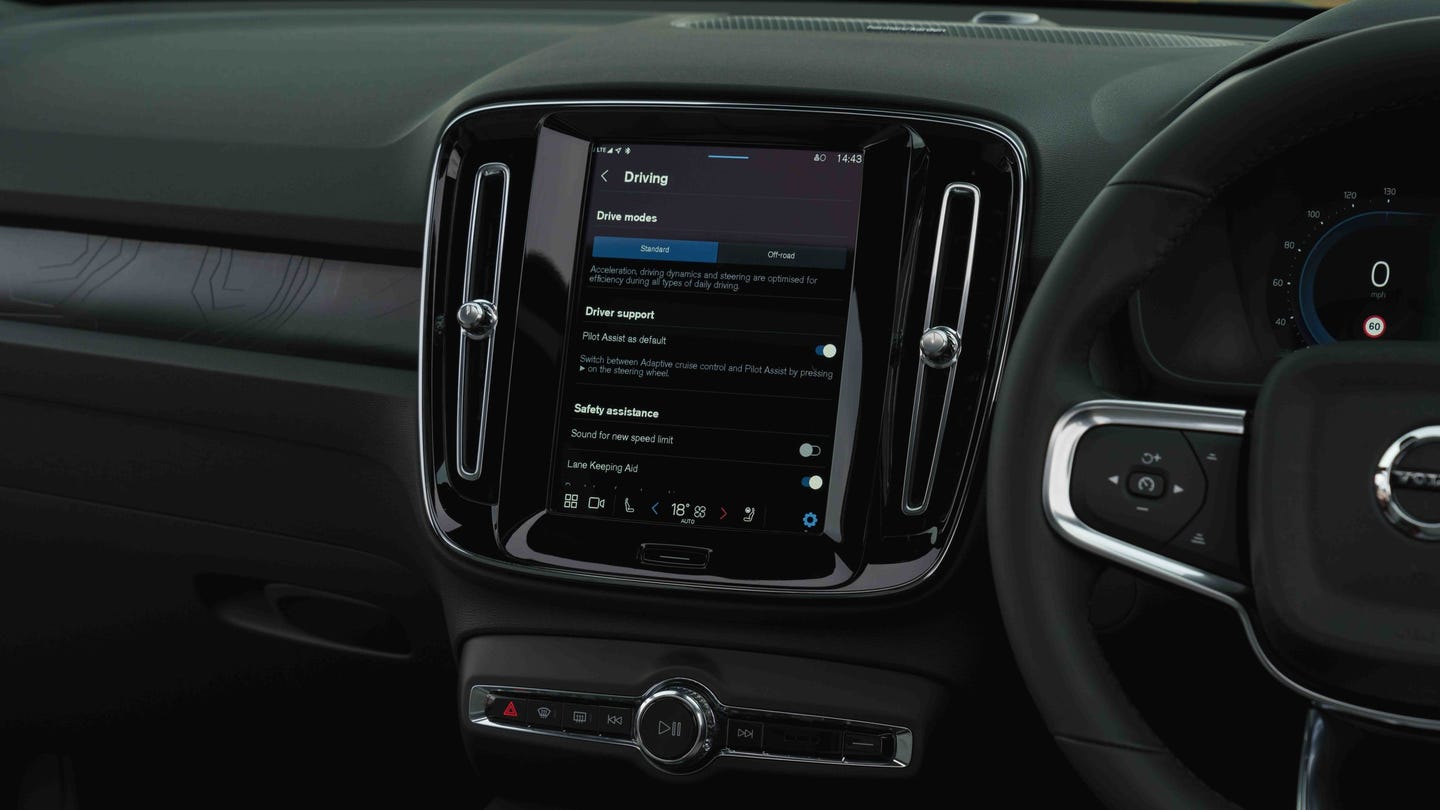
Around town, the one-pedal driving mode is a real advantage. Unlike many other rival systems, it’ll bring you to a complete stop without you touching the brakes. This is just one example of the driver assistance systems feeling like they’re on your side rather than out to trick you. None of the safety systems were overly dramatic, either.
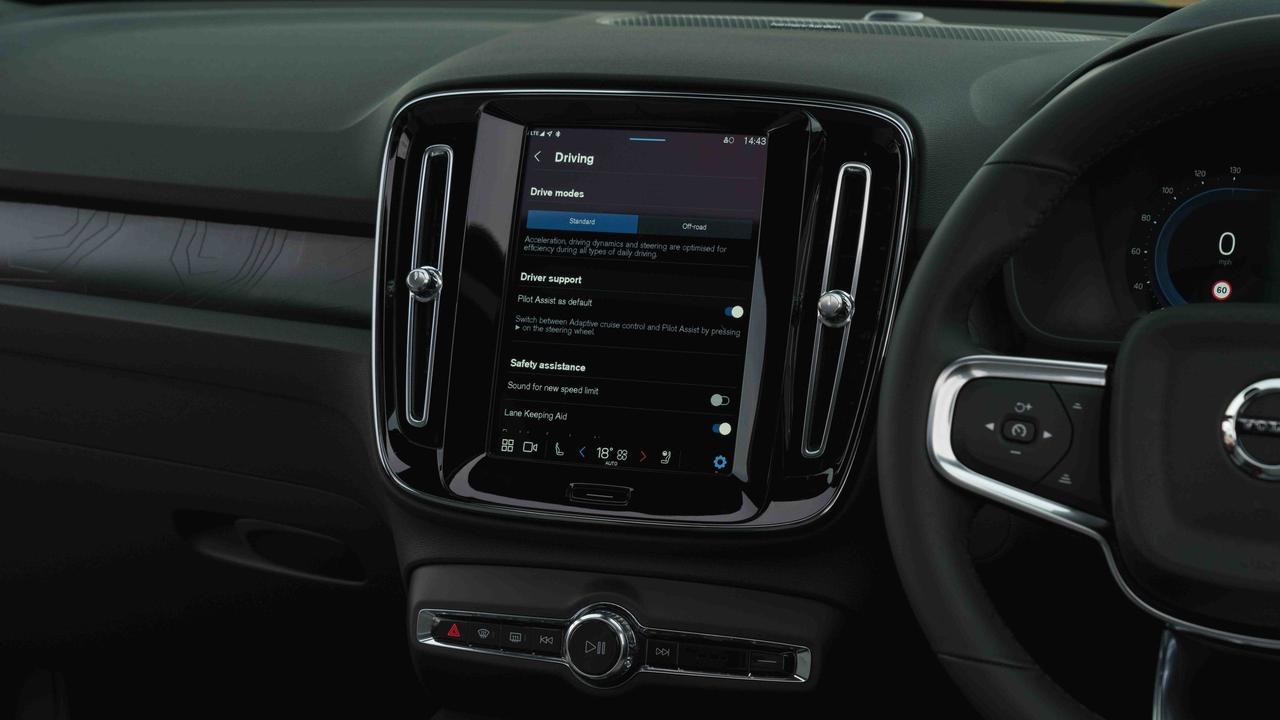
You might decide to just leave the one-pedal mode on or off, because switching between the settings requires diving into the touchscreen. We’d much prefer a physical switch or paddles on the steering wheel for this, as well as some more settings to finesse the regenerative braking even more.
We had also expected the 360-degree camera to reset to the same view (for example, the top view) every time, but it remembers your previous setup. You might prefer it this way, but to us it seemed counterintuitive when you’re seesawing your way out of a parking space.
Single-motor models are more than quick enough for everyday driving, while the all-wheel-drive versions are scarily quick if you put your foot to the floor.
On the motorway, the electric XC40 feels sturdy and calm, although there’s quite a bit of tyre noise. In the petrol model, this is drowned out by the engine essentially being a white noise machine.
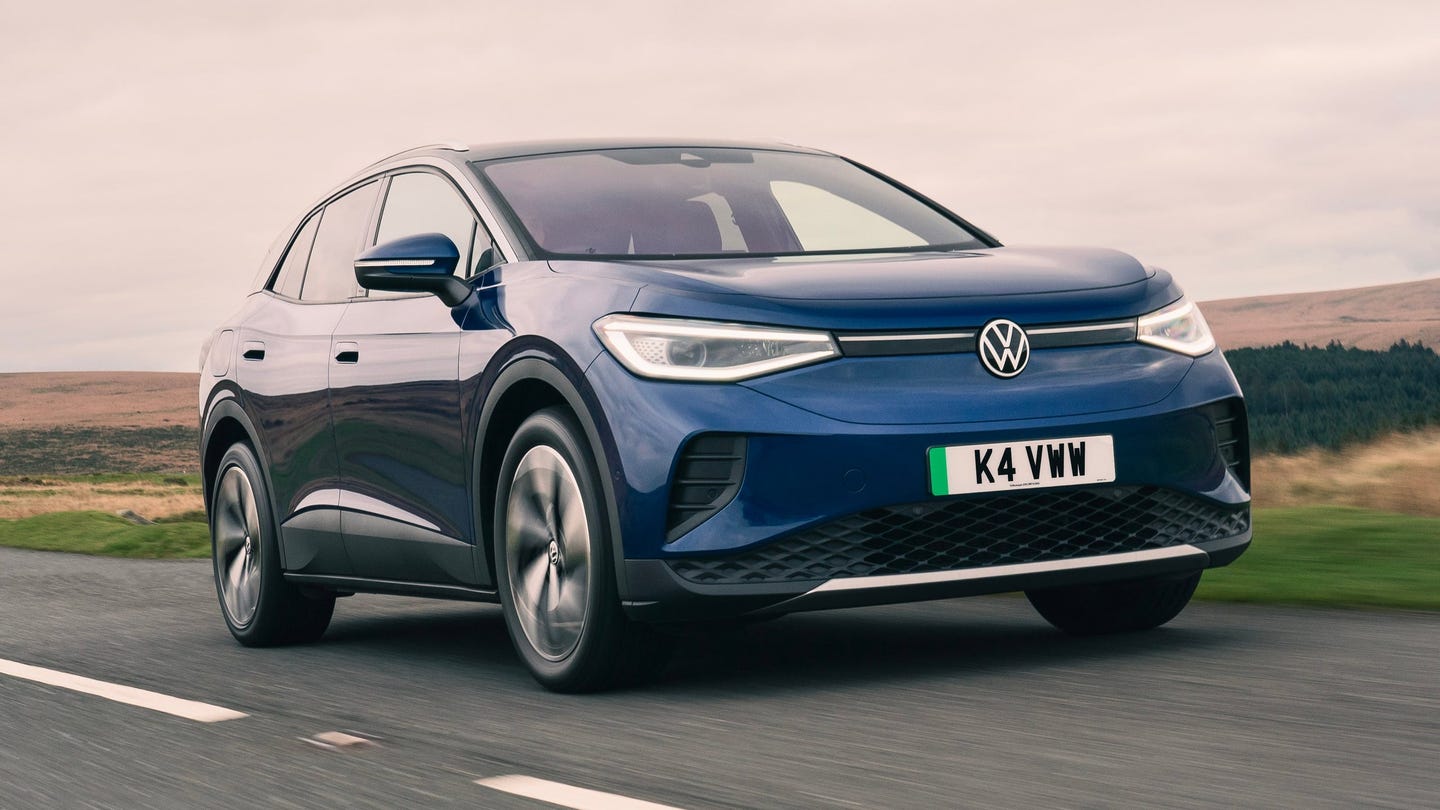
ID.4 EV is practical and affordable, but as exciting as a dishwasher