







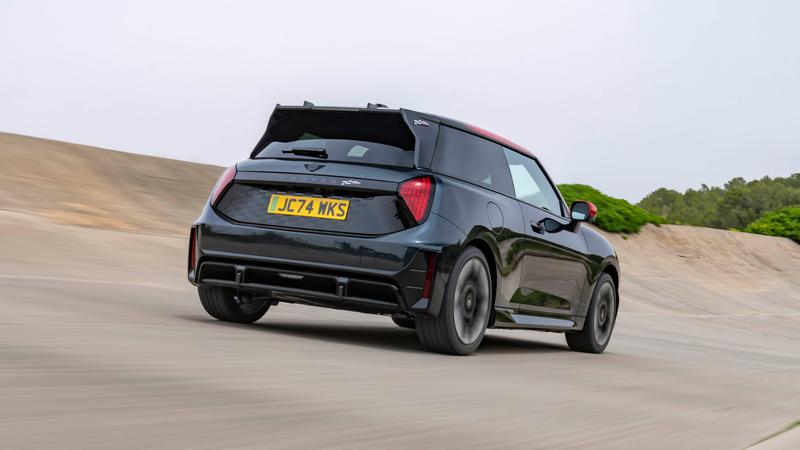
10 of the best electric hot hatches to buy
Ben Custard
•
Electric Cars



If a car is powered by electricity, does that mean it has to be a tree-hugging hippie wagon? Or can you still have fun behind the wheel of a car powered by electrons rather than dino juice?
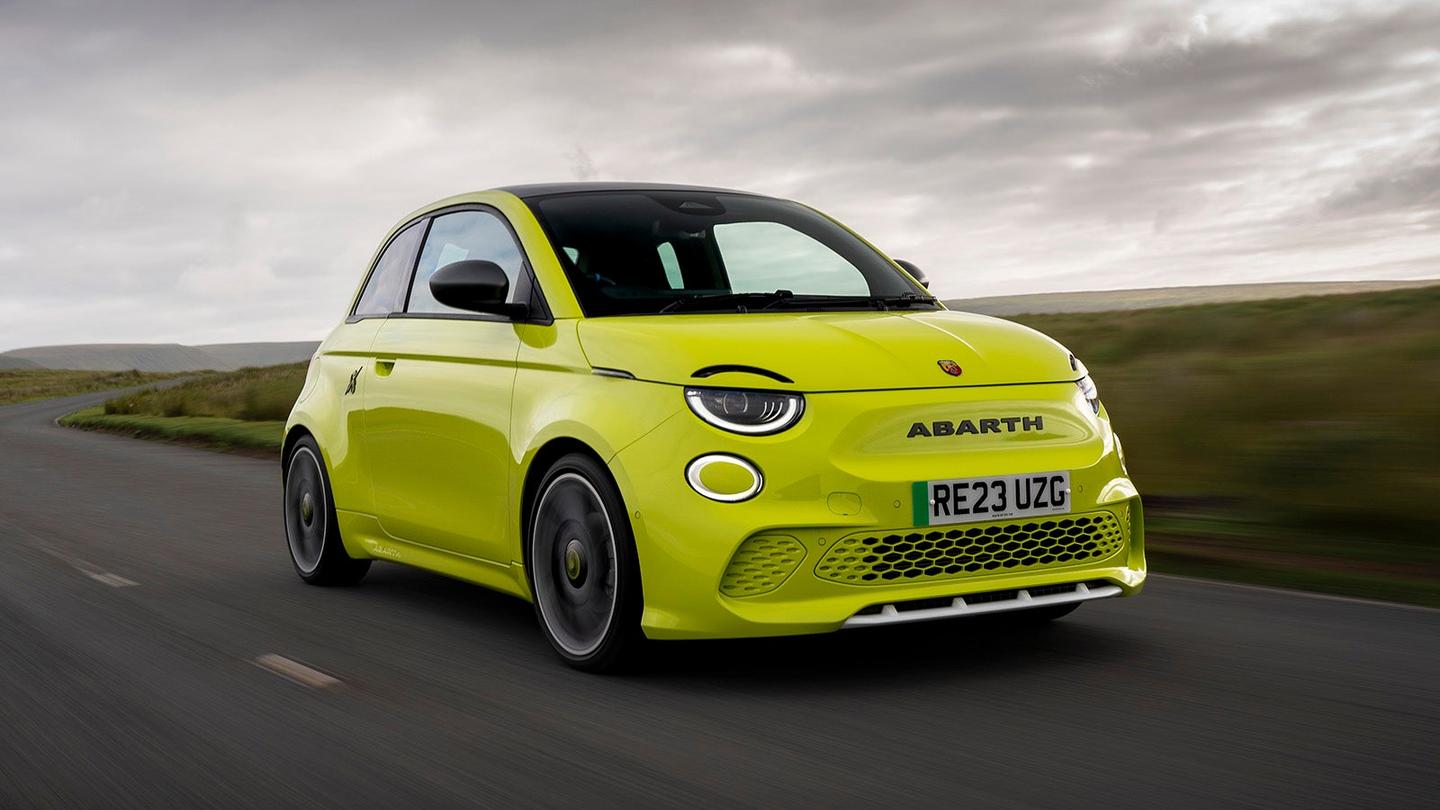
The Abarth 500e sets out to prove that battery power needn't be a barrier to enjoying hilarious handling and zippy performance. But does its manic mentality and relatively short driving range limit the 500e's appeal? Keep reading to find out…
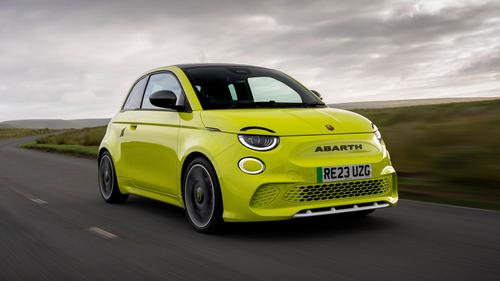
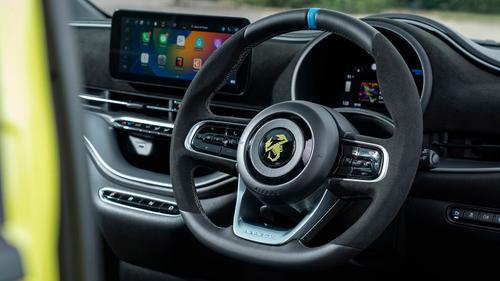
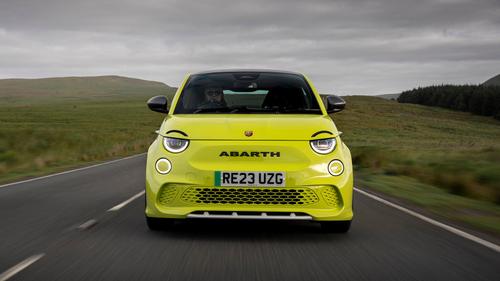
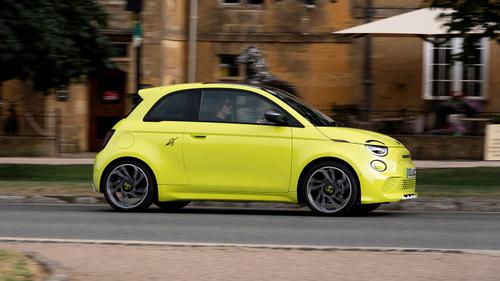
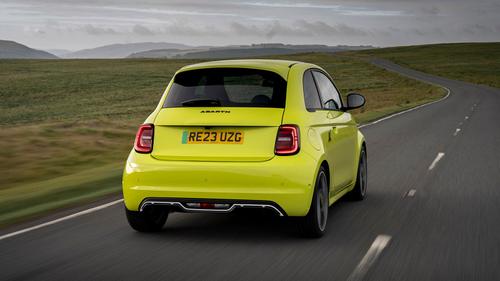
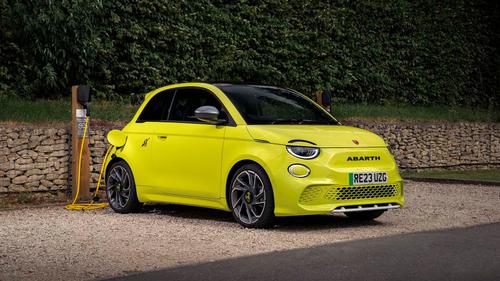
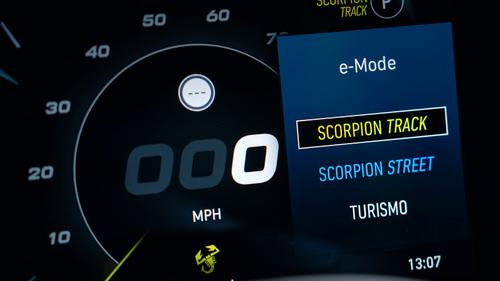
With so many electric cars focusing on sensible stuff like practicality, refinement and range, it's refreshing to drive one that's all about performance. Everything from its burly body kit, to its wide stance and its raucous sound generator – more on that later – give the 500e a similarly lively, excitable character as the petrol-powered Abarth 595.
"It's even more exciting than many competitors with real engines under their bonnets, not just a big speaker pretending to be one!"
Funnily enough, the 500e's outright power isn't the most memorable part of the driving experience. Instead, it's the car's stiffness and agility that stays with you, with the little Abarth feeling like a go-kart scrabbling for grip on twisty country roads. To be clear, this probably isn't the hot hatch for you if you want something that can settle down to a cruise – instead try cars like the Volkswagen Polo GTI or Hyundai i20N. Instead, the 500e is always on, all of the time.
That means it's properly thrilling when you're in the mood, but can be tiring if you're just trying to get home. And you'd better not live too far away, either, because its 164-mile claimed range really limits the little Abarth to mainly city driving or as a second car. Battery-powered rivals like the Mini Cooper SE and Alpine A290 comfortably claim more than 200 miles to a charge – although both are pricier than the 500e.
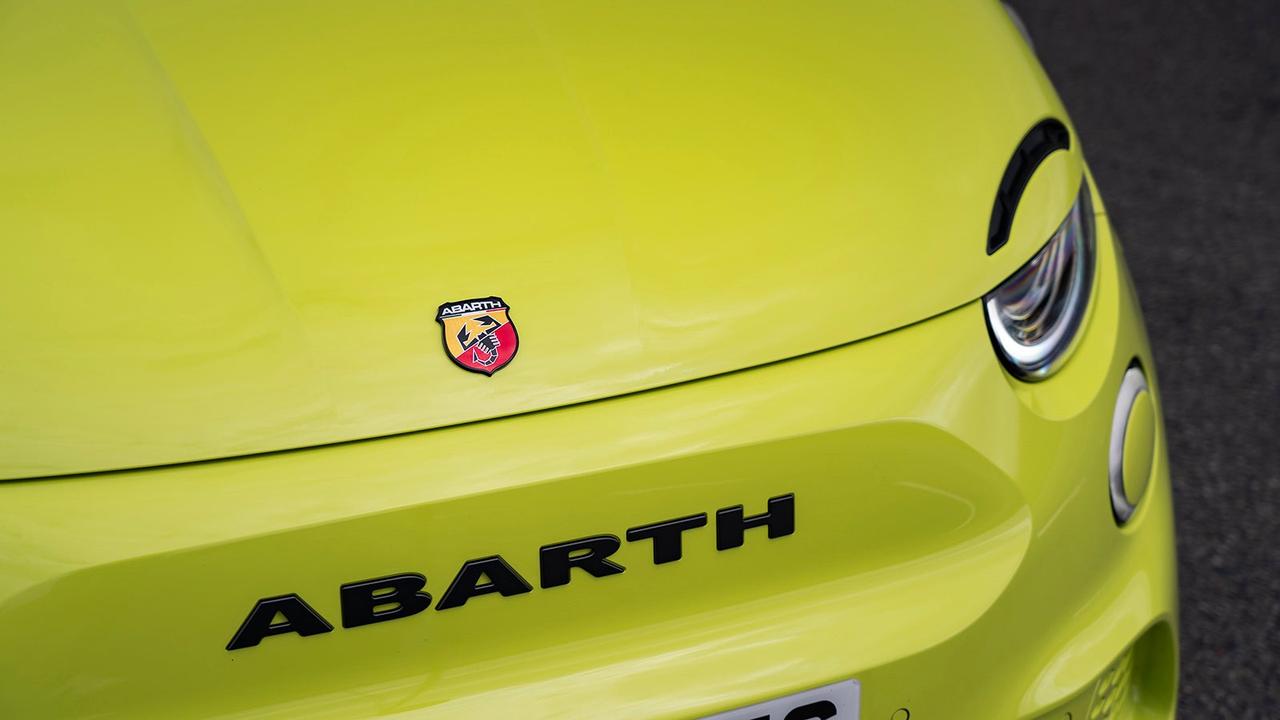
Speaking of price, the Abarth costs from just under £28,000, rising to around £31,000 for the range-topping Turismo model. This gets you extra graphics, wireless phone charging, larger alloys and extra Alcantara interior details. That price puts the 500e a little too close for comfort to the Mini Cooper SE, which costs roughly £30,000 and is faster with a longer range. It's also in the same ballpark as the achingly cool Alpine A290, which starts at just over £30,000, and around £33,000 for a version that's faster than the 500e.
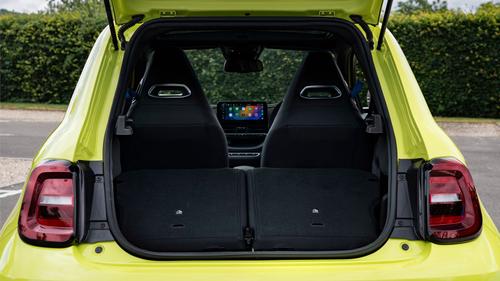
Assuming you can live with the 500e's relatively short range, however, you might be glad to save a grand or two over those rivals. Just bear in mind you'll also have to live with the car's compact dimensions. On the plus side, gaps in traffic and tight parking spaces are a breeze for the Abarth, but it's best thought of as a two-seater with a tiny rear bench that's only good for occasional trips. Many drivers will find their 500e spends more time with the rear seats folded, giving it an actually useful amount of cargo space at the expense of the rear seats.
The 500e, then, is the kind of car you'll either 'get' or you won't. You might reasonably say you want a little more range, more practicality, or more everyday refinement. In which case, most rivals do a better job. But if you're a driving enthusiast and you want an unfiltered, unsanitised hot hatch experience, the 500e is raw and visceral in a way few rivals can match. It's even more exciting than many competitors with real engines under their bonnets, not just a big speaker pretending to be one!
Keep reading to learn more about the Abarth 500e's interior, performance and driving experience.
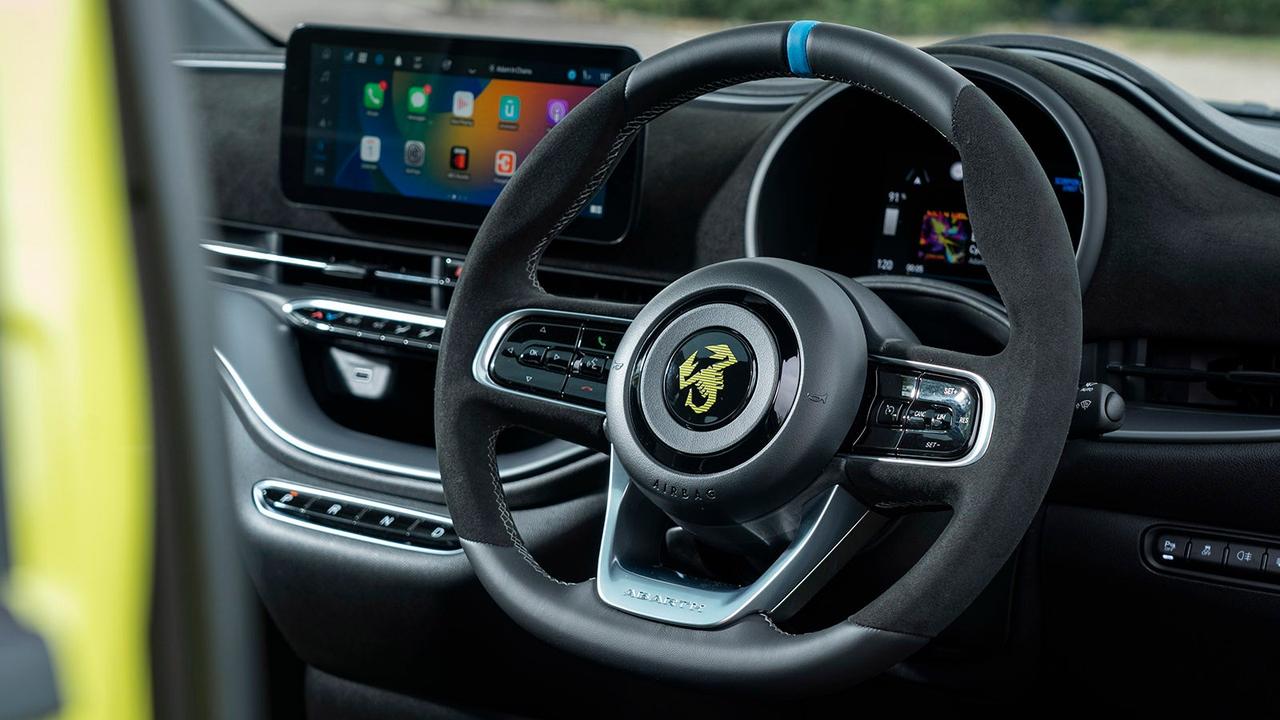
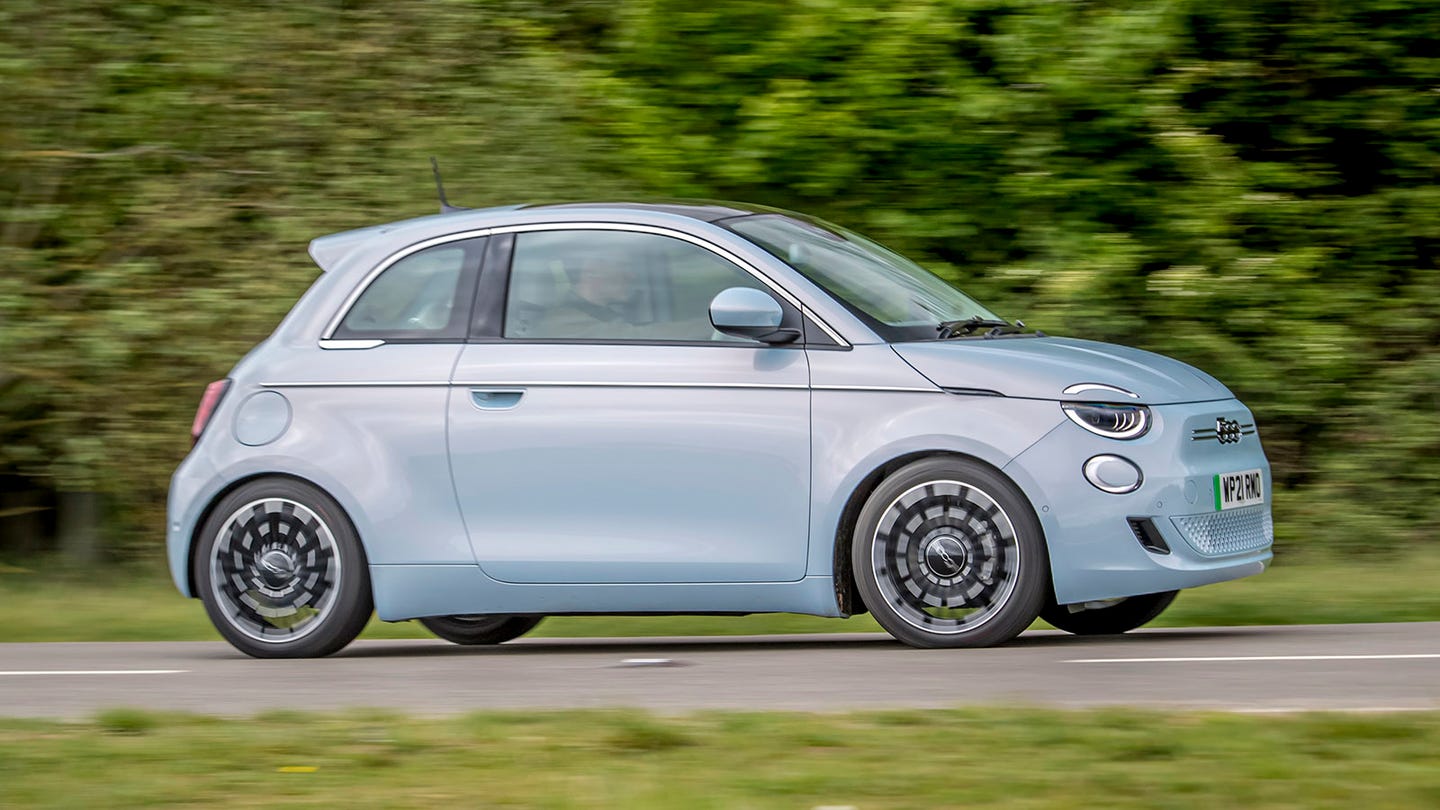
Some electric cars feel the need to match their modern powertrain to a cutting-edge, screen-heavy interior. Not so in the electric Abarth, however, which just feels like a gentle evolution of the setup established its 2007 predecessor. This makes sense in practice since the Abarth and the standard Fiat 500 both heavily draw on the iconic '50s Cinquecento.
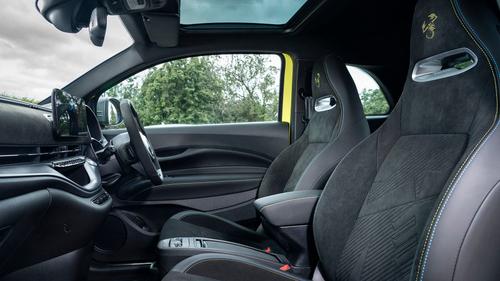
So the dashboard is still vaguely oval shaped, and there are little flashes of aluminium trim around the control panels. You'll also find a similar 'pod' style driver's dials behind the steering wheel, but with a full screen instead of the neat concentric gauges you got in older Abarths. Helping it feel altogether more sporty are the body-hugging racing seats and the Alcantara suede details that look like they could've been lifted from a Porsche.
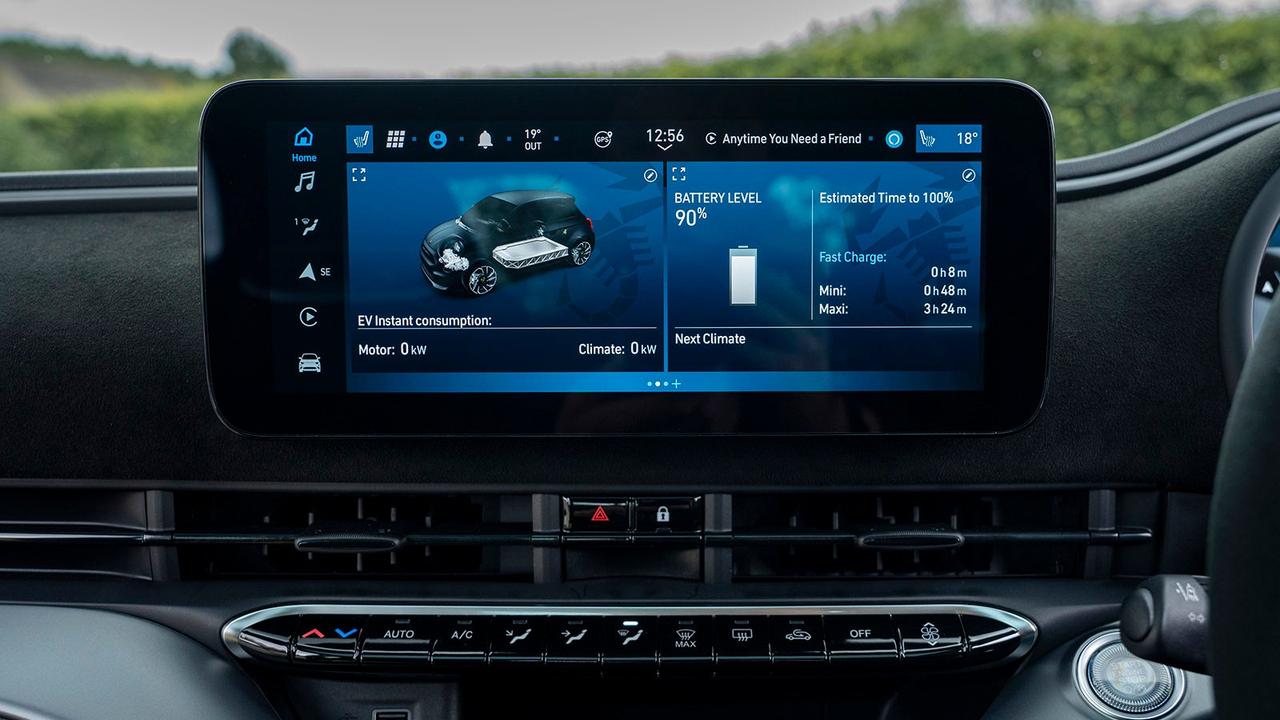
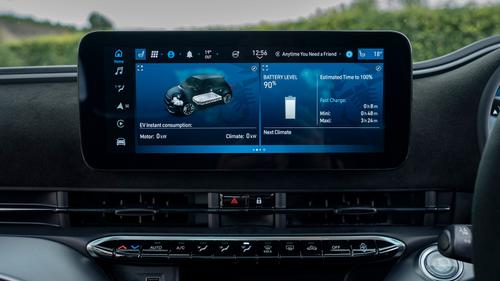
Of course, the 500e still has a fully featured infotainment system in the form of a widescreen pad stuck to the top of the dash. This is running a version of the Uconnect software found in plenty of other Stellantis cars. For the most part, the system is easy to understand, with quick reactions and persistent shortcut icons to jump between functions. There are some annoyances, however, such as tiny icons cluttering up the notification bar and the fact Abarth hasn't swapped the shortcuts to the right of the screen for right-hand-drive cars.
On a more positive note, Abarth has resisted the temptation to put key controls in the screen, unlike cars like the Volkswagen ID.3. This means you have proper physical piano-style buttons for the climate control, along with easy-to-use switches and dials in the centre console for stereo volume and drive mode selection. Being picky, while the Abarth's push-button gear selectors work well, they lack the theatre or the tactile 'thunk' of a more satisfying mechanical selector.
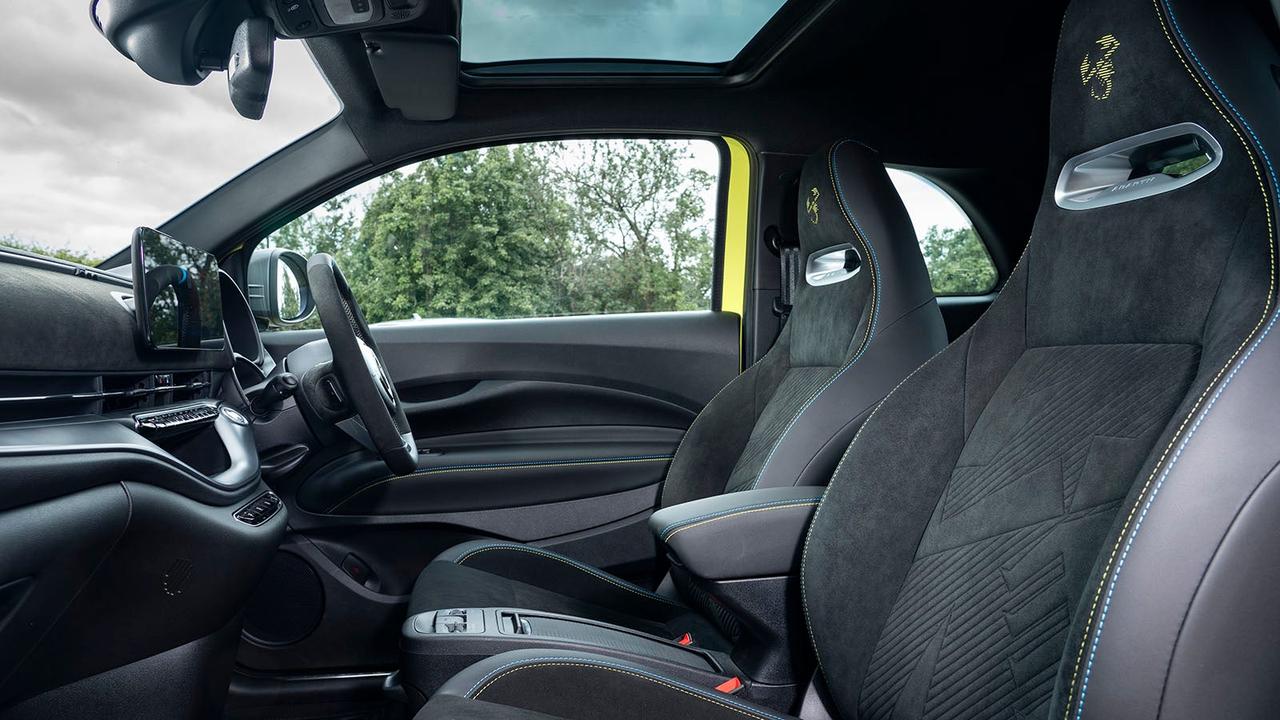
There's not much to say here since the standard Fiat 500e doesn't have much practicality to begin with. You'll find there's enough room for front-seat occupants, but they might take a few goes to get a comfy seating position. This is especially true for the driver, who can't adjust the steering wheel in and out – only up and down. That means you might need to sit more upright or more laid back than you're used to if you want a good grip on both the wheel and the pedals.
While the driver will get comfy eventually, there's little hope for your rear passengers. Seat an average-sized adult in the front and they'll occupy most of the available rear legroom. Place a tall adult up front, and there will be literally no room behind them at all. As a result, you're only going to be able to fit kids or small adults back there and, even then, they'll only last a few minutes before wishing they'd taken the bus instead.
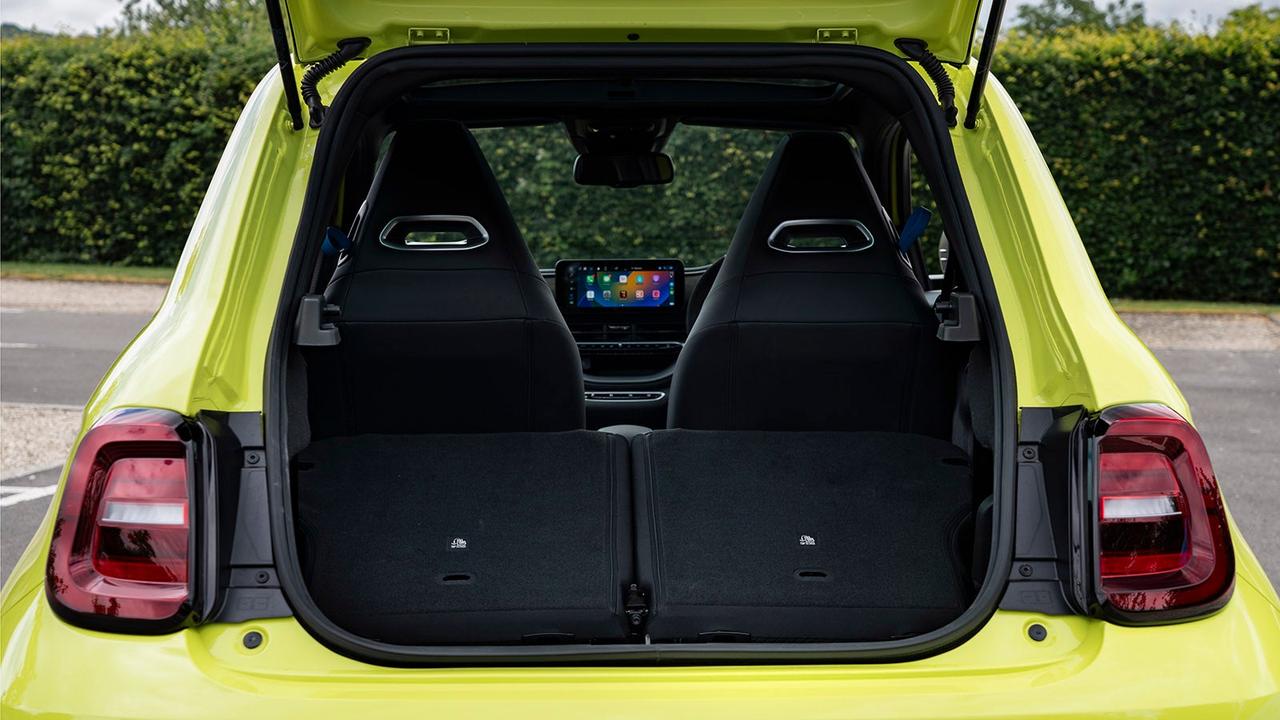
Limited practicality may not come as much of a surprise considering the Abarth measures less than 3.7 metres long. That said, cars like the Hyundai i10 and Kia Picanto demonstrate you can fit much more passenger space into a similar footprint, while the Volkswagen Up GTI shows you can do all this while keeping a sporty edge.
We reckon most owners will be best off treating their Abarths as two-seater cars, with the rear-seats remaining mostly folded when not in use. This setup also means you don't have to put up with the measly 185-litre boot space and, instead, make use of the full 550-litre cargo area in two-seat mode.
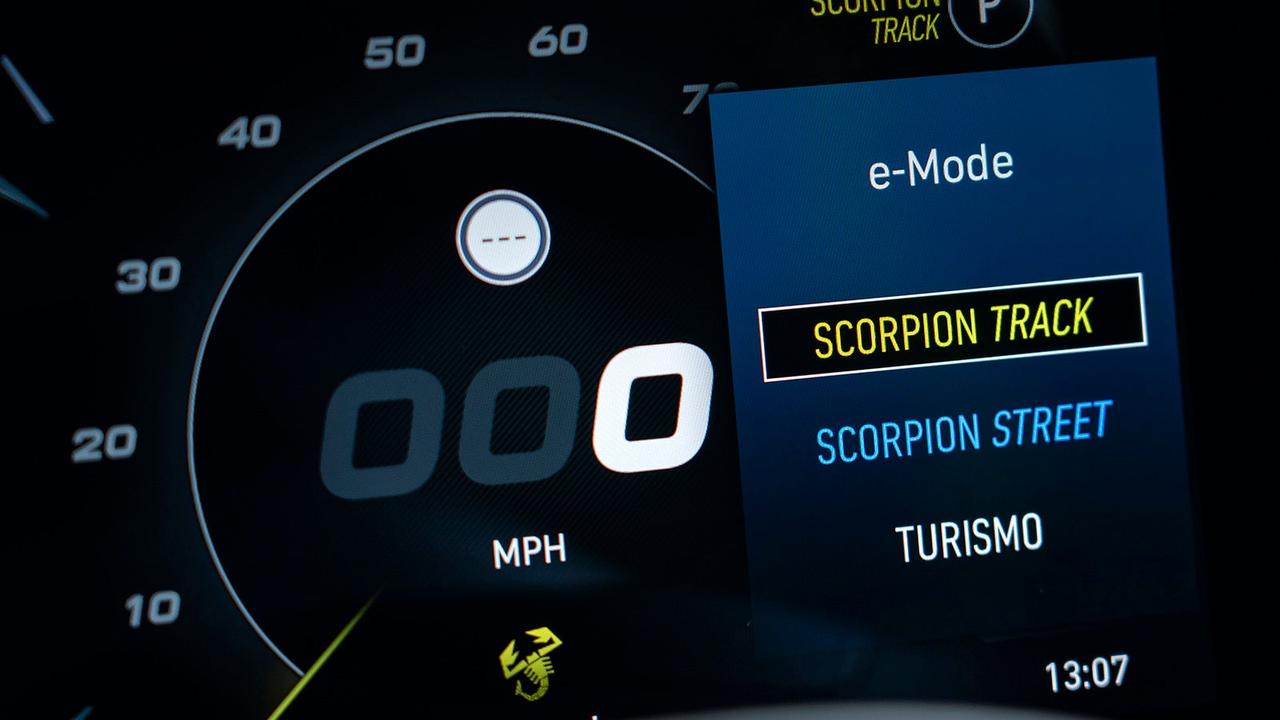
There's just one setup available for the 500e at the moment. It's a 155hp electric motor on the front axle connected to a 42kWh battery pack. It's actually the same electric motor as the lesser Fiat 500e, but with a more powerful inverter and a shorter fixed gear ratio that favours acceleration over efficiency.
The consequence of those modifications is the Abarth manages just 164 miles to a full charge, compared to roughly 200 for the Fiat version. That figure is short whichever way you spin it – especially if you consider that motorway driving in cold weather might mean you achieve little more than half that distance in the real world.
Compared to the latest EVs, the 500e's 85kW charge rate is pretty slow. It only has a 42kWh battery pack but, at that rate, a 15-80% charge will take 35 mins in ideal circumstances. Many rival EVs claim a 10-80% charge time in a similar half-hour range, but those models usually have bigger batteries so are recovering more range in that time.
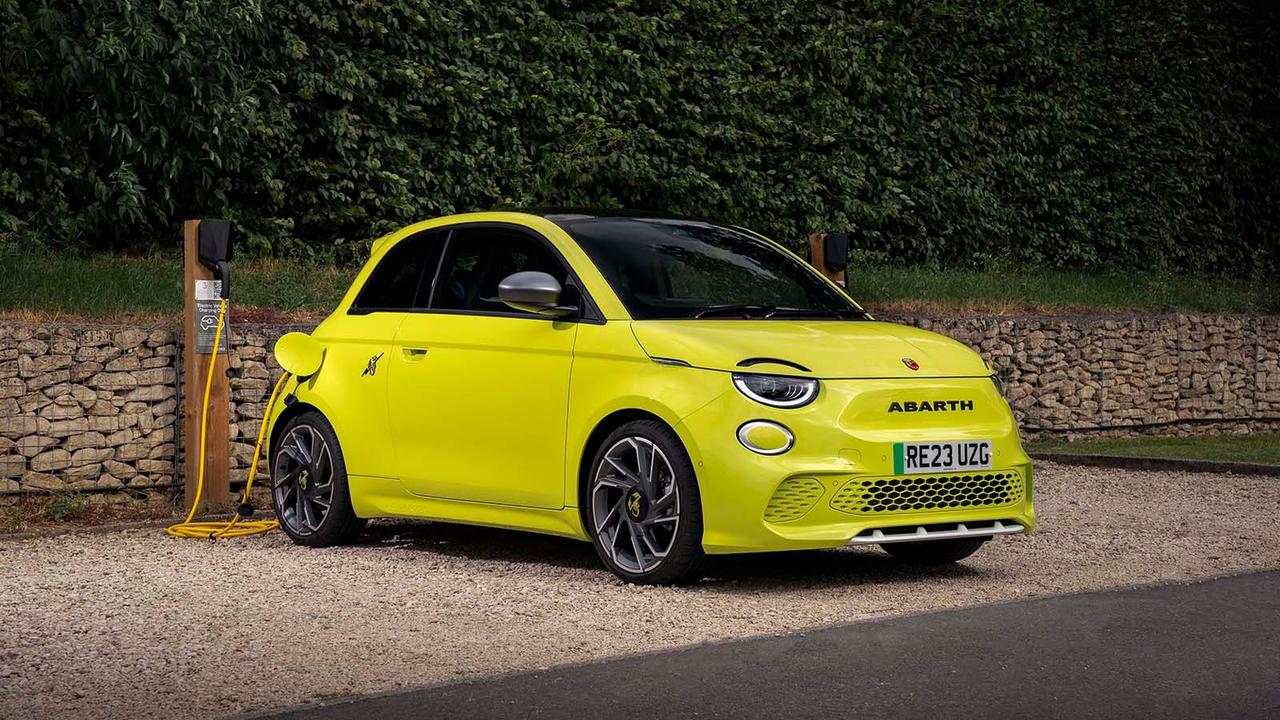
Okay, so it's not efficient – but that was never the stated goal of the Abarth 500e. Instead, this car is all about driving fun and, for the most part, the 155hp electric motor delivers. There's plenty of electric torque available off the line, and the acceleration doesn't begin to let up until you're comfortably at motorway speeds. However, we were left with the sense that the car could've been quicker still, and that it can't quite replicate the full-throttle insanity of older petrol-powered Abarths.
One area where the new car feels like a match for the old Abarth is the sound. That might raise some eyebrows because electric cars are silent, right? Clearly no one told the 500e that because it includes the Scorpion Sound Pack – a big speaker under the car that plays a loud rumbly noise similar to old petrol Abarths. This is another feature you'll either 'get' or you won't. It definitely adds a layer of audible thrill to the experience that enthusiasts will appreciate, but it can be a bit obnoxious if you're pootling through a quaint village, for example.
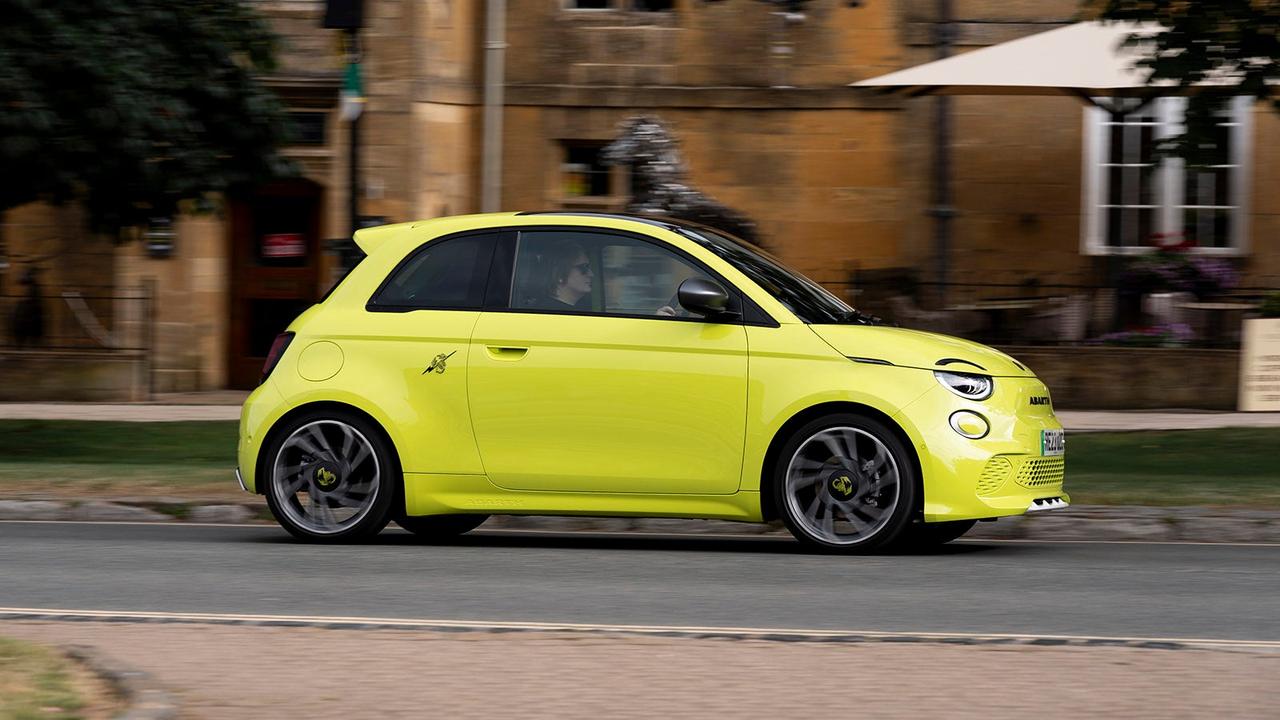
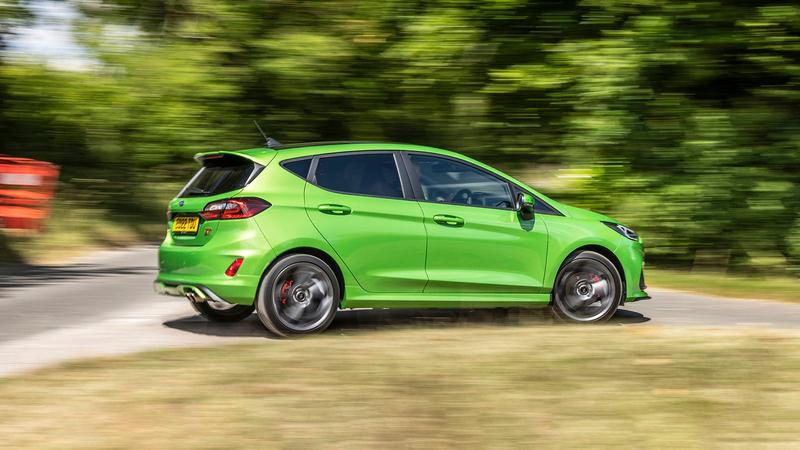
The Abarth's earned slightly middling scores so far but, out on the open road, it starts to shine. It's set up to be firm and sporty, so there's very little roll in corners and you sense that the car relishes the opportunity to be flung at a corner apex. There's masses of grip too so, while you won't be doing lift-off oversteer antics like a Ford Fiesta ST, you always feel like the car is secure and stable despite its short wheelbase.
Naturally, that firmness also means you couldn't ever describe the experience as comfortable. The car is almost constantly bouncing over bumps and getting thrown around by undulations in the road. Compared to petrol-powered 595s we've tried, however, the 500e is a tiny fraction more forgiving, with just a little less harshness of its predecessor. In fact, the ride in the standard 500e reminded us more of older top-spec 595s that came fitted with upgraded Koni dampers.
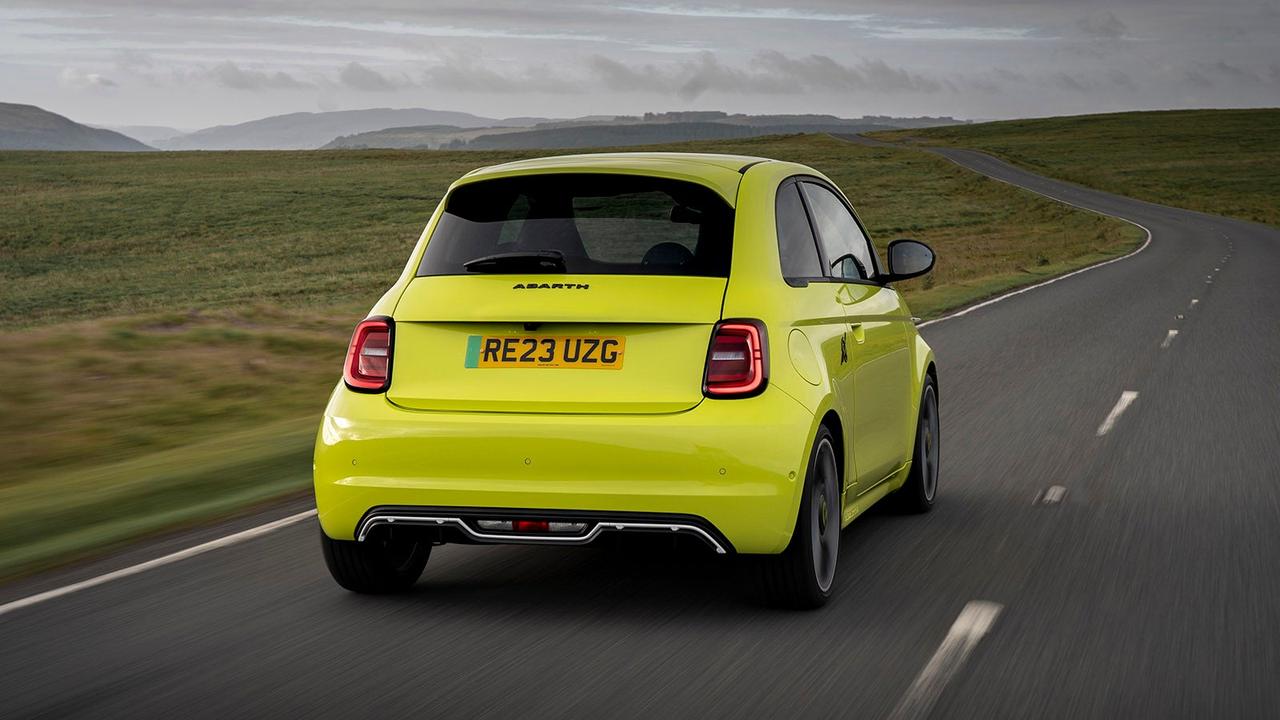
While the ride compared favourably to the old 595, the comparison is a little less favourable in the corners. The new 500e handles well no question, but the old petrol car felt lighter on its feet and even more keen to change directions. A trip to the spec sheet reveals the reason for this difference, as the petrol-powered Abarth barely weighs more than a tonne while the battery-powered version is just over 1.4 tonnes.
If you're obsessing over numbers, however, the Abarth 500e probably isn't the car for you. This is a model that's all about giving you a sporty, compact driving experience at the expense of other features. It's unapologetic and unrefined, but delivers more thrills for the money than many cars several times its price.
.jpg&w=1440&q=75)