





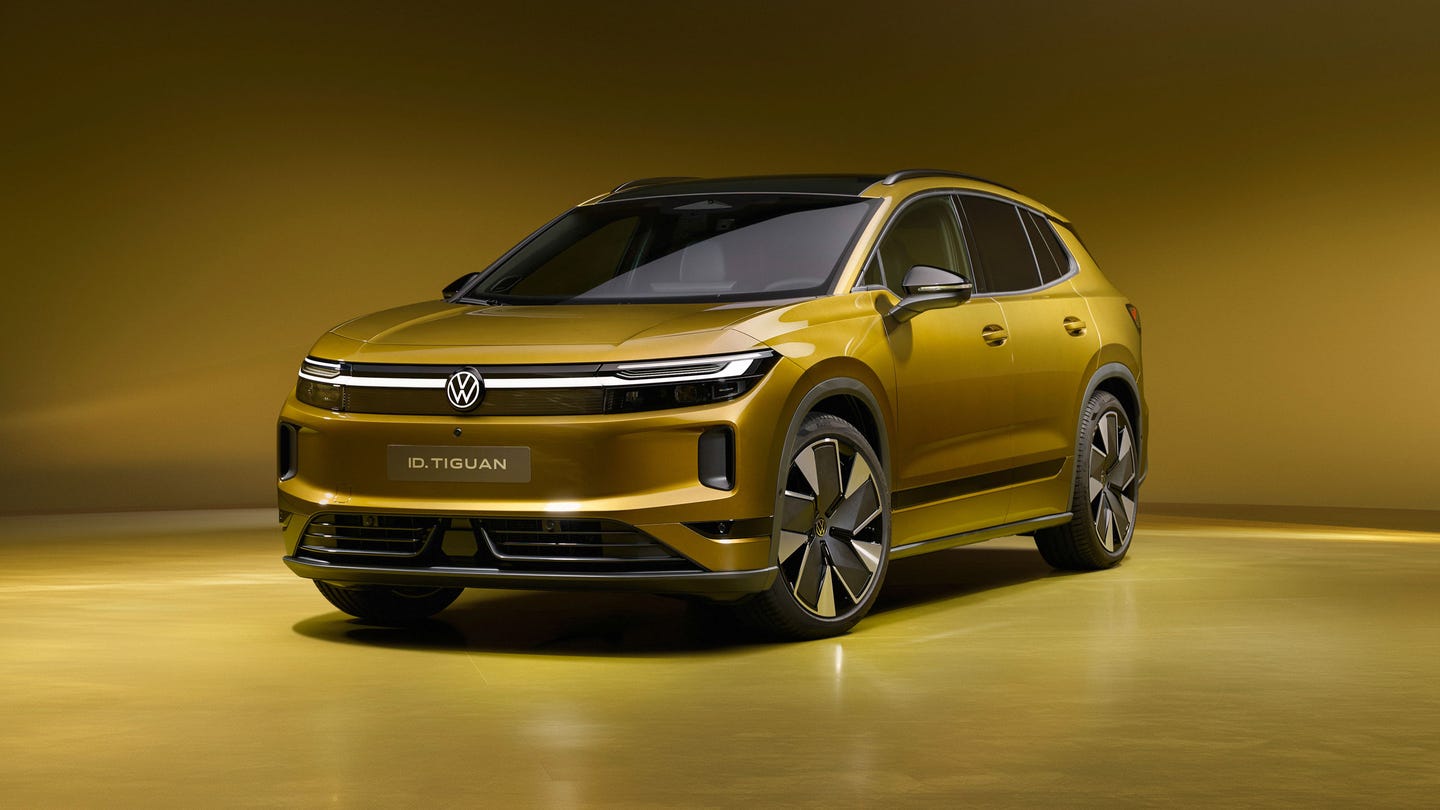
Say goodbye to the ID.4 and ID.5, and hello to the Volkswagen ID. Tiguan.
The fully electric Volkswagen ID. Tiguan will sit alongside the fuel-powered Tiguan in the VW lineup, although the two cars will share nothing except a name. The Tiguan is the VW Group’s best-selling model globally, so no pressure for this new car!
When the ID. Tiguan goes on sale in 2027, it’ll go up against a host of electric SUVs such as the Kia EV5, Skoda Enyaq, Renault Scenic E-Tech, Tesla Model Y, BMW iX1, Audi Q4, Peugeot E-3008 and BYD Sealion 7. We could go on…
New Volkswagen ID. Tiguan range, charging and performance
The ID. Tiguan comes with the following powertrain options:
- 58kWh battery, 190hp, rear-wheel drive
- 77kWh battery, 286hp, rear-wheel drive
- 77kWh battery, 299hp, all-wheel drive
Let’s start with the smaller battery, which uses LFP (lithium iron phosphate) chemistry to keep costs down. Provisionally, the range estimate is 279 miles. The accompanying maximum fast-charge rate is a meagre 105kW, although a 10-80% charge can still take as little as 26 minutes. With its 190hp e-motor, this version can hit 0-62mph in 8.5 seconds on the way to a 99mph top speed.
The 77kWh battery uses a more energy-dense NMC (nickel manganese cobalt) construction, and promises up to 372 miles between charges. A 165kW charging rate means this bigger battery still regains a 10-80% charge in under half an hour. With a more powerful motor, this version also gets up to speed quicker than a 58kWh car: 0-62mph takes 6.6 seconds here, and the top speed rises to 112mph.
Adding the second e-motor brings four-wheel drive and a total power boost of 13hp. This range-topping model takes 0.3 seconds off the acceleration time, while the range estimate drops slightly to 348 miles.
Small-battery cars can tow 1,800kg, while 77kWh versions offer a 2,000kg braked towing capacity.
One-pedal driving – a strong brake regeneration setting that can bring you to a complete stop – is standard. A Vehicle-to-Load adaptor is optional if you want to use the ID. Tiguan as a power station.
Styling
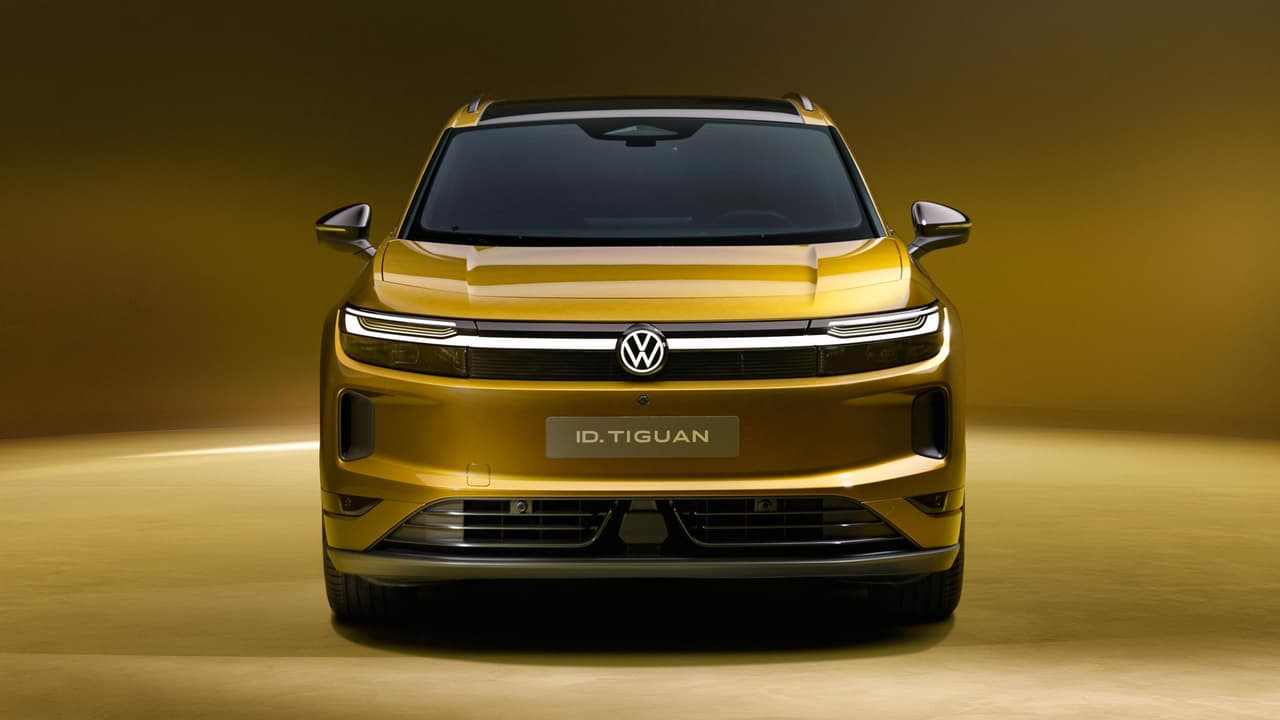
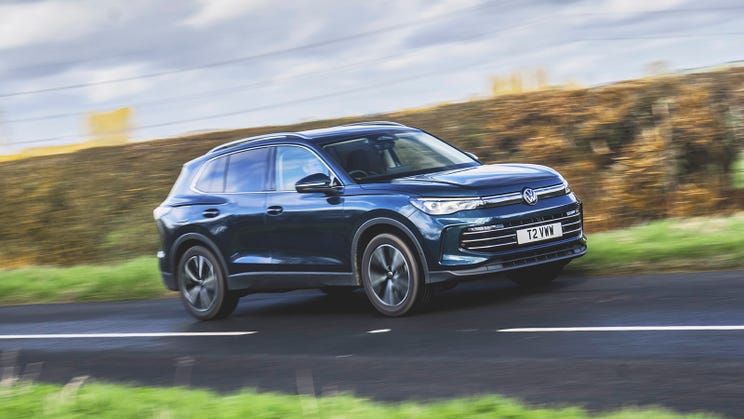
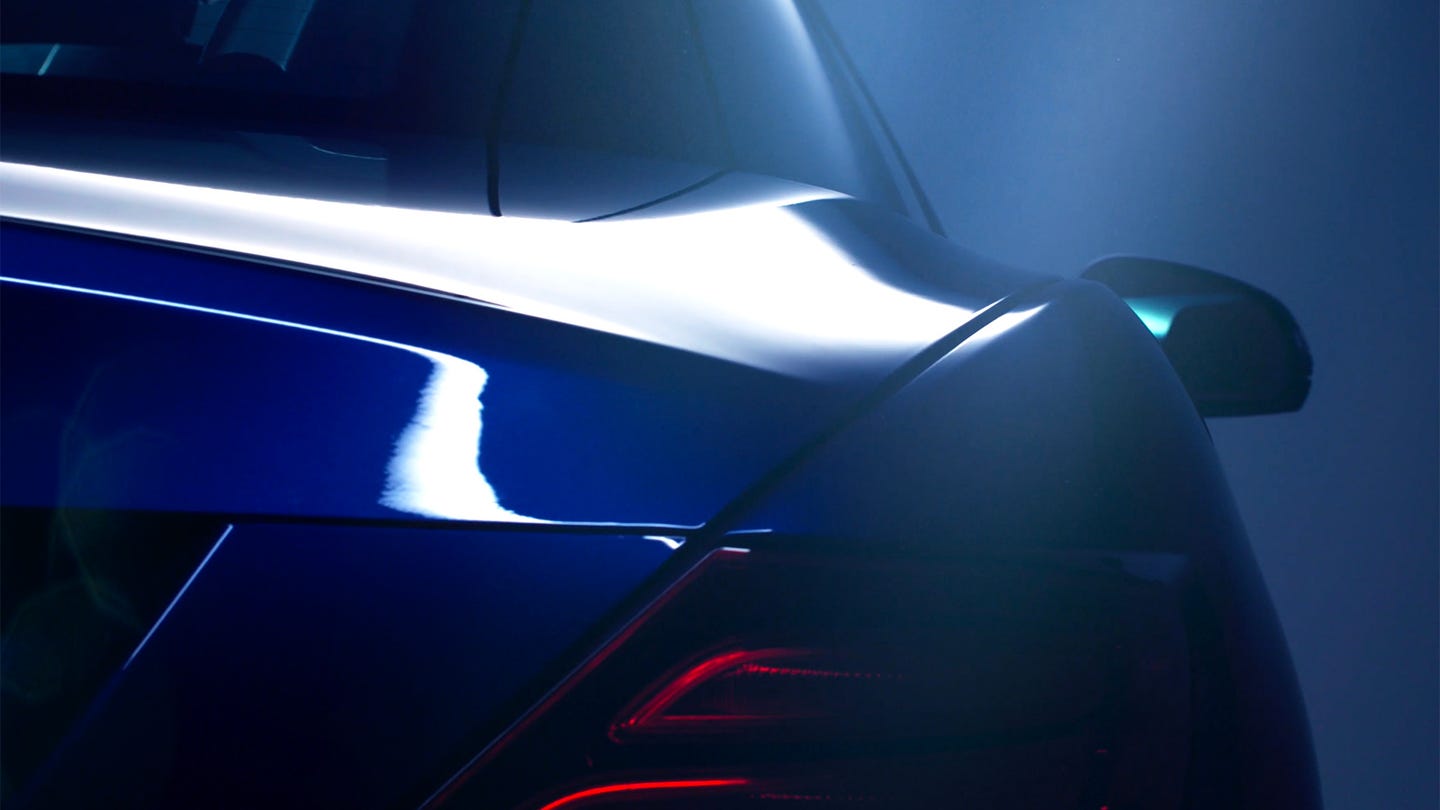
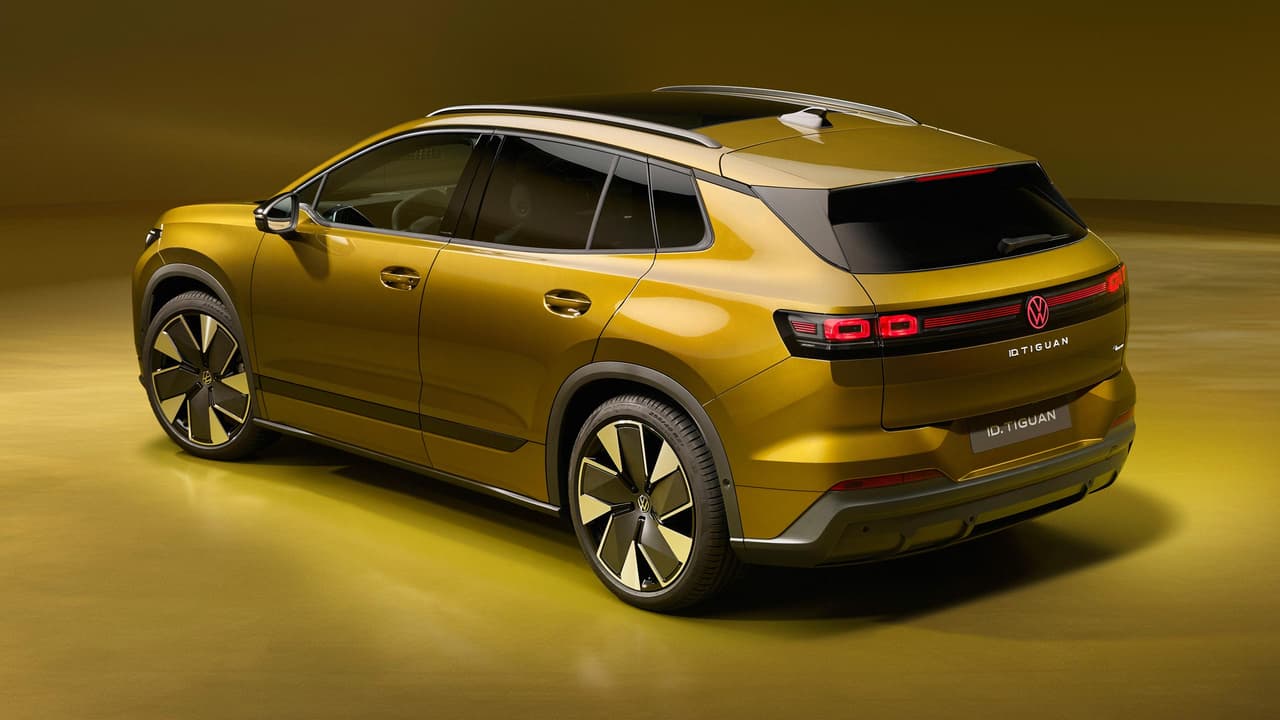
Volkswagen’s design language for its new electric vehicles is on full display here. Like the recently launched ID. Polo, ID. Cross and ID.3 Neo, there are slim LED daytime running lights with the proper headlights semi-hidden just underneath. High-spec cars come with a lightbar and an illuminated VW badge.
The familial connection is even more obvious around the back, where the four square lights occupy a prominent place on the bootlid. The usual 4x4 styling tricks – wheelarch cladding, roof rails and coloured trim pieces to look like skid plates – are all present and correct. However, despite carrying some similarities to the ID.4, the ID. Tiguan seems to look tauter and more sculpted than the ID.4, in these pictures at least.
Interior and tech
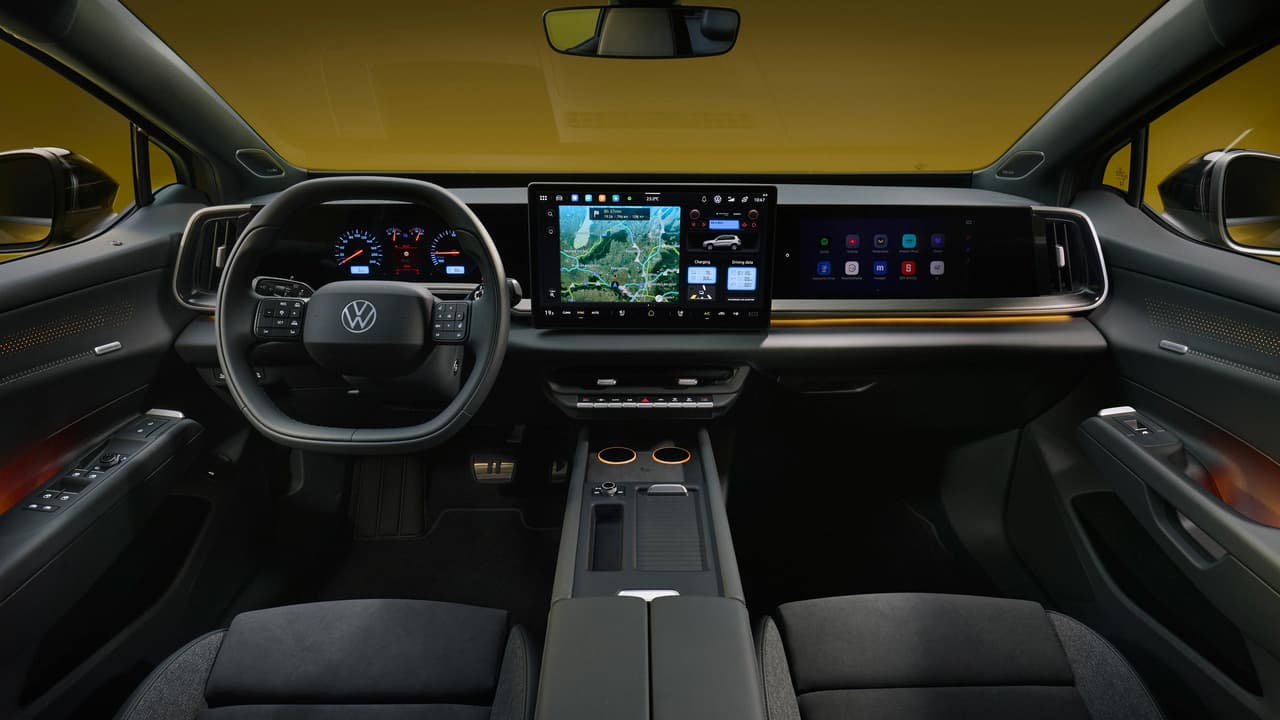
The ID. Tiguan looks to be a huge step up in quality from the ID.4 (which wouldn’t be difficult in truth). Material quality is clearly improved, with more textured surfacing and attractive knurled metallic edges on the main controls and door handles. Sweating the details on the main touchpoints of the interior will make the ID. Tiguan feel more premium inside than many of its rivals listed above.
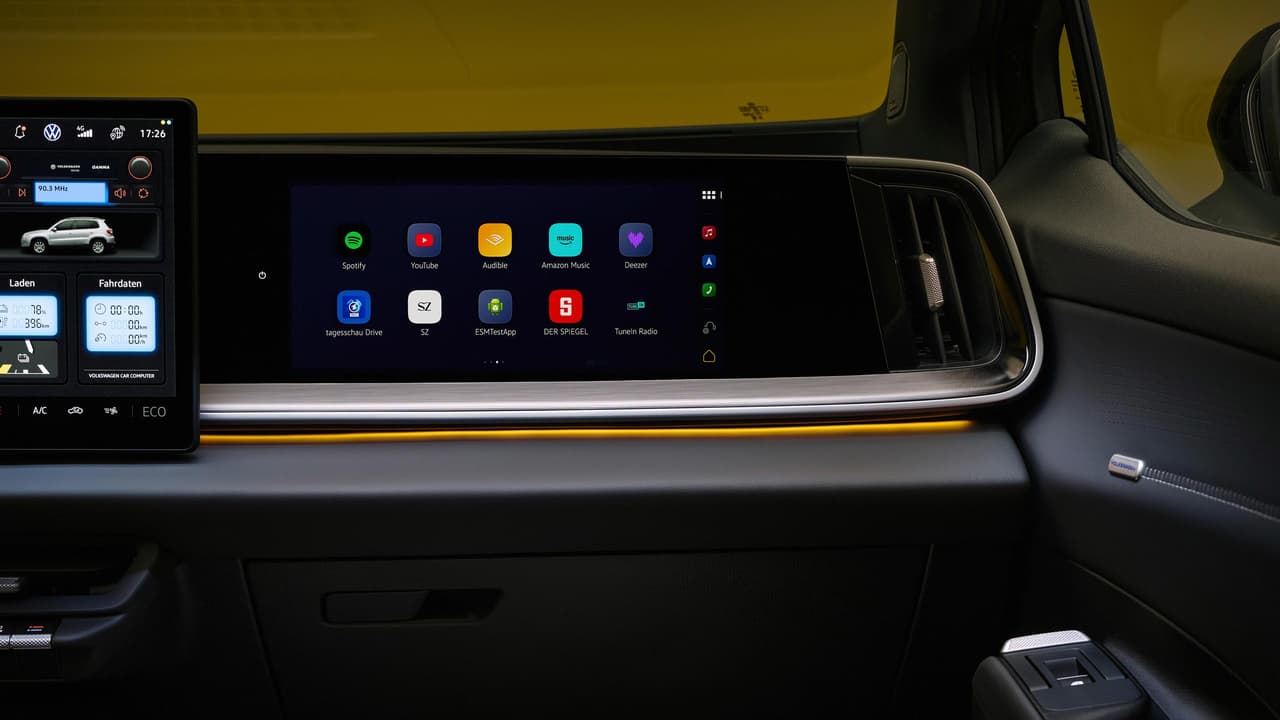
A central 15-inch touchscreen is flanked by a driver’s display and another display for the front passenger. This additional screen, featuring for the first time ever in a European VW, allows your passenger to ignore you completely and watch their preferred content – and you can connect Bluetooth headphones to the passenger screen so everyone else doesn’t have to listen to whatever’s being played.
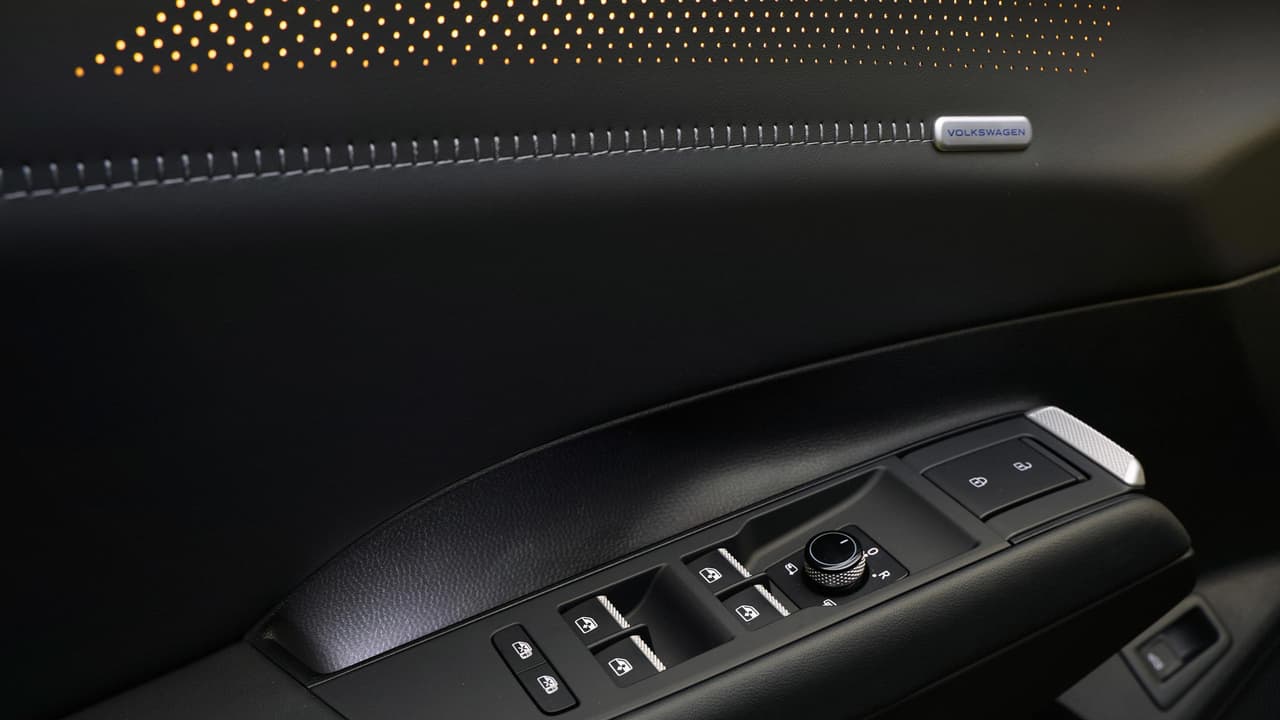
Following customer feedback, VW has reinstated physical controls for a lot more things. There are proper buttons on the steering wheel, and four window switches on the driver’s panel. Sounds like a small thing, but the user-hostile touch panels that controlled two windows each were infuriating to use.
If you wish, you can have the digital instrument cluster showing info in a display scheme that matches a ‘90s Golf’s, while the infotainment screen can also be customised to show several different displays, including ones reminiscent of the Beetle and a racing Touareg.
Size, dimensions and practicality
| Volkswagen ID. Tiguan | Difference vs fuel-powered Tiguan | Difference vs ID.4 | |
| Length | 4,618mm | +79mm | +34mm |
| Wheelbase | 2,765mm | +89mm | -6mm |
| Height | 1,619mm | -41mm | -15mm |
| Width (exc mirrors) | 1,855mm | +13mm | +3mm |
| Boot space (seats up/down) | 534/1,577 litres | -118/-73 litres | -9/-78 litres |
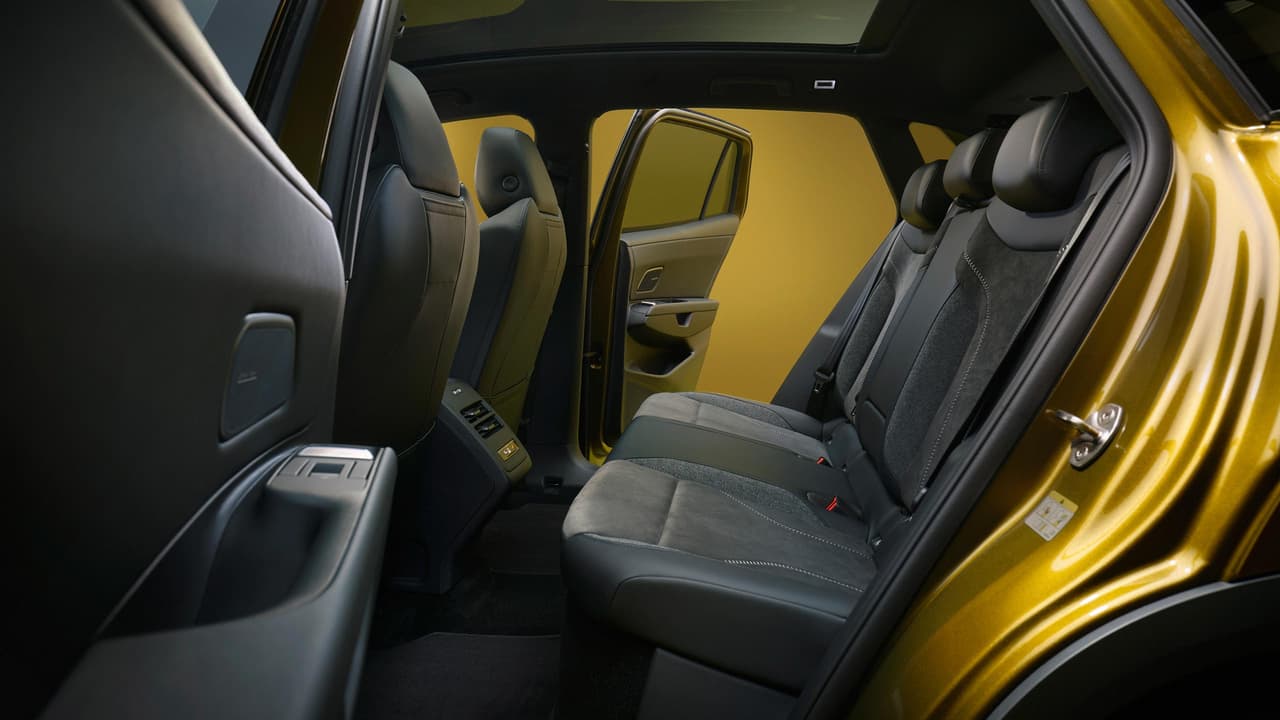
Although it’s longer than both the Tiguan and ID.4, the ID. Tiguan looks to have a smaller boot. Perhaps there’ll be a noticeable increase in rear passenger space, which was already generous in the Tiguan and ID.4.
It’s worth mentioning that the ID. Tiguan has a frunk for cable storage, something the ID.4 doesn’t have.
Prices and versions
European versions of the Tiguan will be sold in Trend, Life, Style and R-Line trim levels, but it’s not yet known if the UK will get the base model.
R-Line is only available with the bigger battery, while Style and Life come with the 58kWh battery but can be optioned with the larger one. Trend only comes with the small battery.
Prices and full specs haven’t been revealed yet, but we’d expect the ID. Tiguan to start from around £44,000 when it goes on sale at the start of next year.
Versatile VWs available now
If you can't wait for the new ID. Tiguan to launch, shop used electric SUVs for sale at Motorpoint or read our guide to the best electric SUVs to pick from.