
















Taking your car for its annual MOT test is always nerve-wracking. Here's what you can do to maximise your chance of a pass.
A surprisingly high percentage of vehicles fail their MOT, for over 600 different reasons – but that doesn’t mean your car has to be one of them.
With a little preparation and insider knowledge, you can go into the test with confidence.
To help you prepare your car for its annual MOT test, we’ve put together a list of what to check before your test date.

What are the MOT test failure categories?
If the MOT test examiner finds a problem with your car, they’ll mark it down as Dangerous, Major or Minor.
- Dangerous – Faults marked as ‘Dangerous’ present an immediate risk to road safety or are likely to have a serious impact on the environment. Your car will receive an automatic fail and the garage will advise you not to drive it away until it’s fixed
- Major – Major faults result in an automatic MOT test fail. Don’t use your car again unless you’re taking it to a garage for repairs or a rescheduled MOT test
- Minor – Minor faults don’t result in an MOT failure, but they are marked down on the pass certificate, so you can get them repaired before your next test
As well as these three official categories, MOT testers often provide advice on other points, known as advisories. It’s worth looking into these as it could help you avoid an MOT test failure in the future. These can vary from an air freshener hanging on the rearview mirror – which could impede visibility – to suspension and brake parts that are worn but don’t yet need replacing.
Preparing your car for its MOT: A checklist
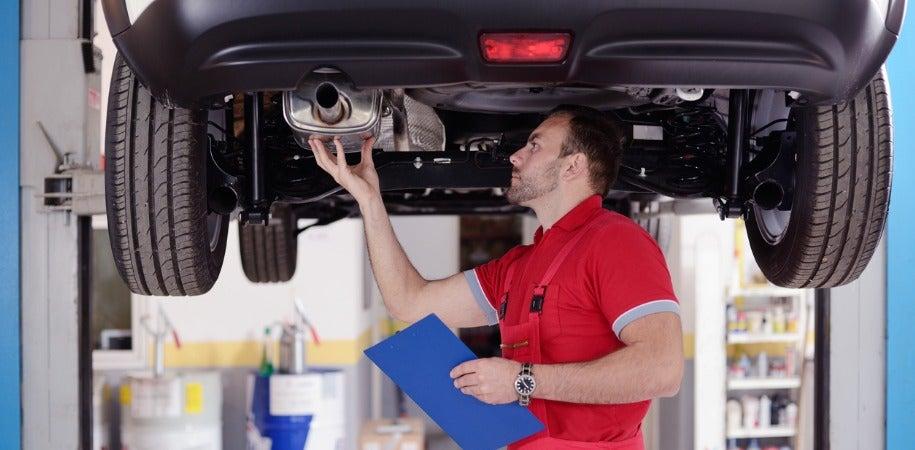
With hundreds of ways to fail an MOT, any preparation you do beforehand can help you steer clear of problems and pass the test with flying colours. Taking the time to carry out the following checks could save you a lot of hassle down the road.
Exterior pre-MOT checks
- Lights – start by checking the lights, including the brake lights, hazard lights, indicators, fog lights, headlights, taillights and daytime running lights. You might need to ask a friend to help you check the brake lights, but there are other ways of doing this such as reversing up to a garage door and seeing your lights in the reflection
- Mirrors and glass – make sure the mirrors and glass are free from scratches, cracks or dirt/dust which might impede your view
- Screen wash and windscreen wipers – check the condition of the windscreen wipers, looking for damage and wear on the rubber blades as well as the metal arms. Then, check and top-up the screen wash reservoir under the bonnet – no screen wash is one of the most common reasons for a car to fail its MOT
- Fuel filler cap – make sure the filler cap is securely attached, with no damage to the inner seal
- Exhaust fumes – turn on the ignition and check the fumes coming from the exhaust. Thick smoke or dark vapour could mean your car is emitting dangerous fumes, for which it could fail its MOT. Fuel additives are available to help clean up the system before the test
- Tyres – it’s important that you check the tread depth, condition and pressure of your car’s tyres before the MOT. We’d recommend the classic 20p test for checking the wear depth – just slide a 20p into the tyre groove, and if the outer band is obscured, your tyres are above the limit (1.6mm). Look for bulges or bald spots that could indicate uneven tread wear or damage to the sidewall. After three years of use, tyres are the most likely component to have picked up wear and tear, so checking them before your car’s first MOT is a must
- Boot, bonnet and doors – an obvious one, but make sure all your car’s doors shut securely with a quick test
- Number plate – your car will fail its MOT if the number plate is obscured, either by mud/dirt or a faulty number plate light. Plates with incorrect fonts or spacing will also result in a fail. Check the front and rear before the test
- Drivability checks – when you’re driving in the run-up to the test, be mindful of how the car feels. Is it pulling slightly to one side under braking? Are there any unusual noises or clunks from the suspension? Does the engine sound rough or loud when idling? A combined MOT and service can help shed light on what could be causing these symptoms
Interior pre-MOT checks
- Dashboard warning lights – make sure all the dashboard warning lights illuminate when you first turn the ignition on before quickly switching off when you start the engine. If any are left illuminated, your car could receive an automatic fail
- Seats and seatbelts – make sure the seats can be adjusted forwards and backwards, and that they lock in place. Give each seatbelt a sharp tug to check they’re working – they should lock when pulled hard, mimicking the action of sudden braking or a collision
- Child seats – if fitted, remember to remove these before the MOT test to allow the examiner to test the rear seatbelts
- Horn – the horn should be loud and clear, and should emit a long, singular tone. Give it a quick test before the MOT
- Handbrake – test the handbrake to make sure it’s holding the car in a stationary position before the MOT. You can either do this on a slight incline or by lifting the clutch slightly with the handbrake engaged – the car should 'crouch down' and you should see the front end rise up, without the car moving forward
Other tips to help you prepare
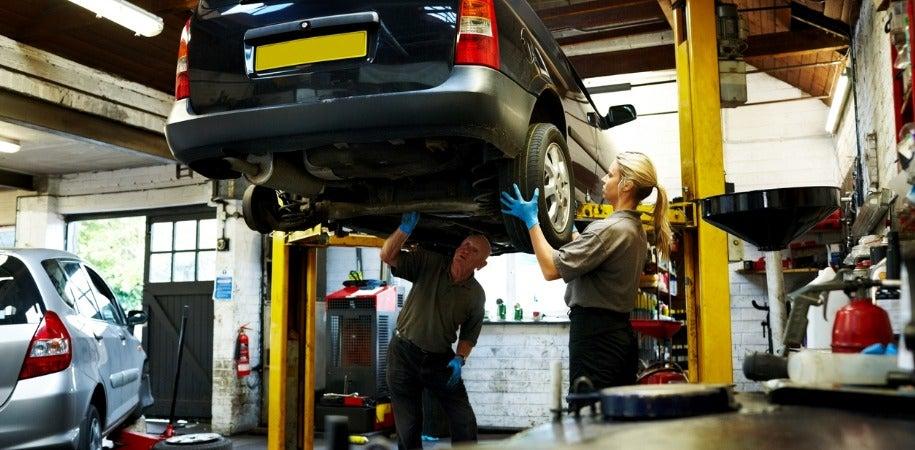
Here are a few other things to note before your car’s first scheduled MOT test:
- Give it a clean inside and out – a clean, tidy car makes a good first impression, so we’d recommend washing the exterior and vacuuming the cabin before the test. If applicable, take out child seats so the tester can check that all the seatbelts are working
- Make sure you have the locking wheel nut to hand – if your car has alloy wheels, leave the locking wheel nut in the centre console so that the test examiner can access the brakes
- Book an MOT and servicing package in advance – booking a combined service and MOT can help you save money, especially when booked well in advance of the test day. Shop around to find the best deals. However, this relies on you driving the same number of miles between your car’s service intervals – or fewer. There’s no point booking a service a few thousand miles after the last one just to save a few quid on the MOT test
- Book an early morning slot when you can – for total convenience, try to get an early morning slot. Garages can run behind later in the day as jobs start to mount up, so booking a morning slot will reduce the likelihood that your MOT time will get delayed
- Don’t accept repairs until you’ve shopped around – don’t be pushed into accepting repairs unless your car has received a ‘dangerous’ defect. Repair costs may be cheaper elsewhere, so don’t feel obliged to stick with the same garage – shop around and find the best deal that works for you
Why do MOT tests include an exhaust emission test?
MOT tests check your exhaust emissions to help protect the environment against pollution. This makes sure your car isn’t spouting out unexpectedly high amounts of toxic emissions, which can damage the environment. The test is slightly different for petrol and diesel cars, but both are measured using a meter and are compared against the manufacturer’s quoted figures for that specific car. If your car fails its emissions test, it’s a good indicator something isn’t right with the engine.