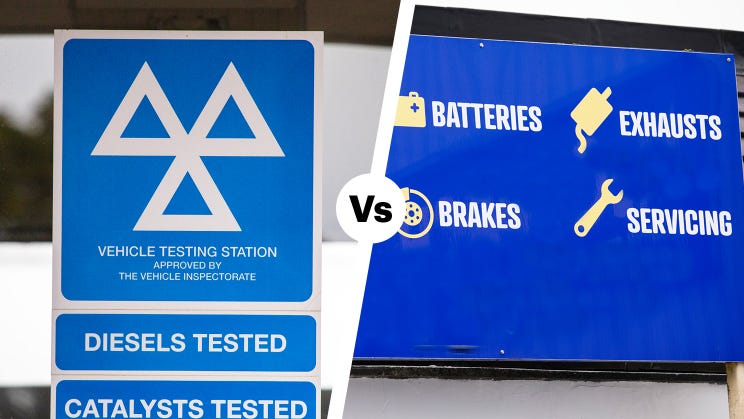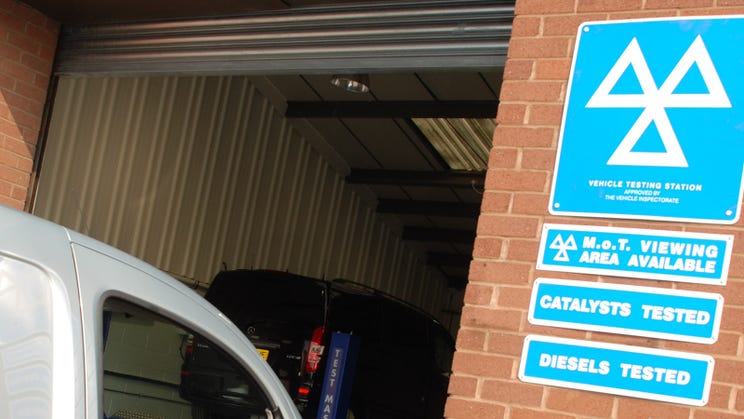




























An MOT advisory may be given to your car in an MOT test. It's usually something that you need to keep an eye on, or something that will need fixing in time.
Your MOT tester will give an advisory to flag up potential problems with your car that could get worse in the future. Advisories are less serious than full MOT failures, and your car can still pass the test if it has advisories recorded.
What do advisories on an MOT mean?
MOT advisories are meant to advise you of a potential problem with your car. That's unlike an MOT failure, where the problem is already severe enough that the car cannot earn a new MOT certificate until it's fixed.
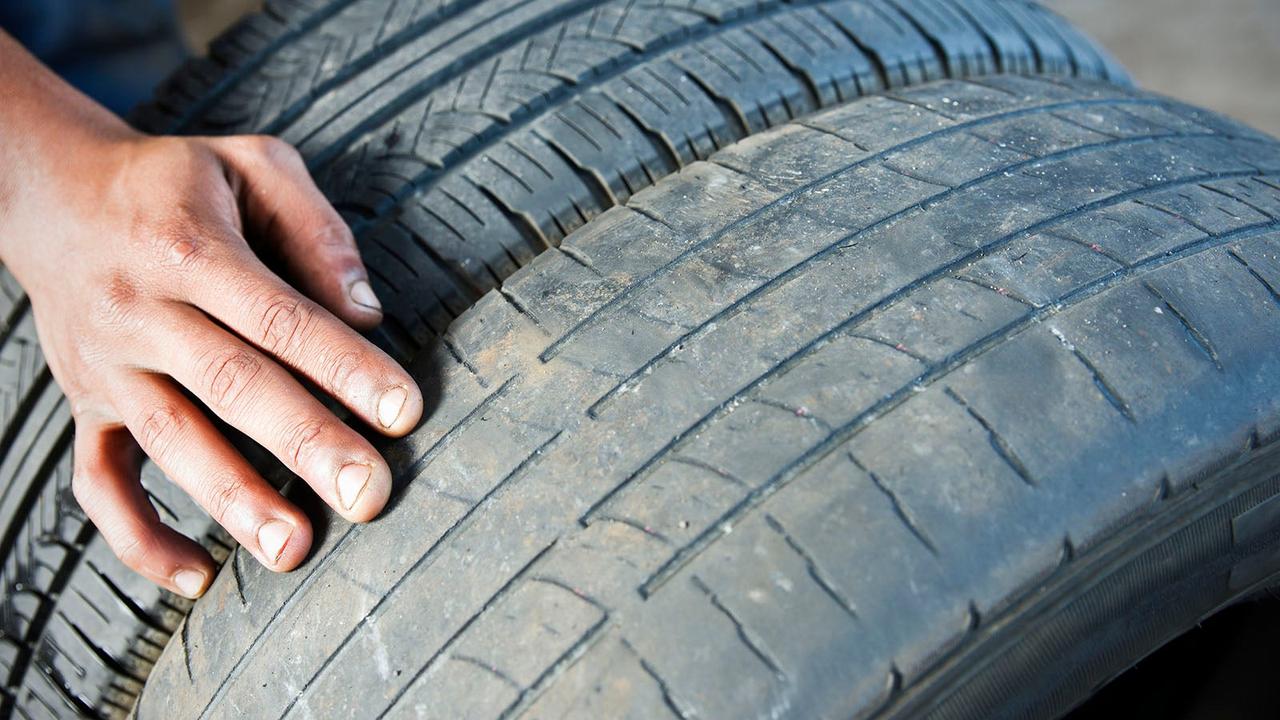
An MOT tester will usually give an advisory for something like tyres that are close to wearing out, or brakes that will soon need replacing. In other words, advisories are for parts that won't fail the MOT test right now, but may soon deteriorate into problems that will lead your car to fail.
Common MOT advisory items
Here are the most common MOT advisory items and how to fix them:
| MOT advisory | What it means | How to fix |
| Tyre wear | Your tyres are close to the legal wear limit | Replace your tyres |
| Brake wear | Your brakes are close to the wear limit | Replace your brake pads or discs |
| Exhaust wear | Parts of your exhaust system are beginning to leak, or the supports are failing | Take your car to a service centre or exhaust shop to have the worn parts replaced |
| Surface corrosion | There is some rust present on your car, but it doesn't affect major structural areas | Monitor for severity. Consider having the rust repaired or an underseal applied for more protection |
| Minor leaks | There is some evidence of fluid weepage but it's a very small amount and not dripping | Monitor and top-up fluids as necessary. Consider getting the offending gaskets or sealing surfaces replaced or repaired |
| Child seats or panels fitted | Some testers might advise that certain child seats and underbody panels will restrict their ability to inspect those areas | This usually isn't a problem assuming there are no issues being hidden by these parts |
What's the difference between advisories and fails?
An MOT advisory is meant to advise you of a potential problem with your car, rather than an active problem that will fail an MOT test. This table compares advisories against MOT failure categories:
| Advisory | Minor problem | Major problem | Dangerous problem | |
| What does it mean? | A fault may develop in the future | You have a fault but it's not bad enough to fail an MOT test | You have a fault bad enough to fail an MOT test | You have a dangerous fault and cannot drive the car |
| Will it pass an MOT test? | ✅ | ✅ | ❌ | ❌ |
| Can I still drive the car? | ✅ | ✅ | ✅ (until the existing MOT expires) | ❌ |
| Can I leave the MOT centre without getting the problem fixed immediately? | ✅ – monitor it and be prepared to fix it in the future | ✅ – consider fixing it quickly as minor problems can quickly escalate | ✅ – you don't technically need an immediate repair, but you can't get a new MOT until it's fixed | ❌ – driving a car with a dangerous fault is illegal |
| Typical examples |
|
|
|
|
How serious are MOT advisories?

It's tempting to write advisories off as 'no big deal'. Your car still passed its MOT test, right? So, there's nothing to worry about…
In reality, MOT advisories are an early warning sign. They're an opportunity for you to pay a small amount to fix a small issue, rather than having to spend a big amount fixing a big issue later on.
You should not ignore an MOT advisory, even if the MOT tester has cleared your car for another 12 months of life on the road. It's almost always cheaper to replace a worn-out part than to fix the damage caused by a serious failure – and it's always easier to have repairs done while your car still has an active MOT.
Can you drive with MOT advisories?

Yes. An MOT advisory won't cause your car to fail an MOT test, so you can still legally drive your car assuming nothing else caused it to fail.
The more important question is should you drive your car with MOT advisories. Even seemingly minor advisories could escalate into MOT failures if left unchecked. That's why you should make it a priority to fix the issue as soon as possible, before it becomes a larger and more expensive problem.
How long do you have to fix advisories on MOT?

There's no formal timeline for you to fix MOT advisories. That's because they're not severe enough to prevent a car from passing an MOT test.
You could, in theory, leave your advisories unfixed until your next MOT test is due in a year's time. However, this isn't a smart idea, because any issues that were merely advisory at your last MOT test may well worsen into full MOT failures at your next test.
This puts you at greater risk of being without a car as you wait for the necessary repairs to make your car roadworthy again.
How do I clear MOT advisories?

For most motorists, the best option is simply to fix whatever advisories show up in the MOT test. You can then wait for your next MOT test (or request an earlier retest if you simply can't wait) and the record will show that the issue will have been resolved.
If you believe the MOT tester has incorrectly given an advisory to your car, you have the right to challenge that decision. You can contact the test centre to discuss the advisory, who will then get in touch with the DVSA to alter the MOT record if it's found to be a mistake.
All MOT advisories and failures are determined based on rules written by the DVSA. The wording of those rules is always subject to interpretation by each MOT tester, so one MOT centre might give an advisory where another might decide it's not yet necessary.
Big savings on nearly new and used cars
Search thousands of nearly new and used cars for sale at Motorpoint. Every one comes with at least three months' MOT and warranty cover.