






















Limp mode is an emergency setting activated by your car if it senses a serious problem.
It limits engine power and your maximum speed. This should give you a better chance of driving your car to a service centre without worsening the problem.
What does limp mode do on a car?

Limp mode – also known as limp-home mode – is designed to stop any further damage to a car after it detects a problem. Hard acceleration and high speeds could cause a catastrophic failure if the car already has a serious underlying issue.
In most cars, limp mode will:
- Limit your maximum rpm – typically keeping the engine below 3,000rpm
- Limit the car's acceleration – usually allowing only enough power to keep the car at a steady speed
- Limit your top speed – this could be anywhere from 30-50mph
- Restrict what gears you can use – in automatic cars, keeping you in lower, slower gears
- Deactivate/restrict other features – for example, climate control
As the name suggests, limp mode is really meant to help you to safely 'limp' the car back to a service centre.
What to do if your car goes into limp mode

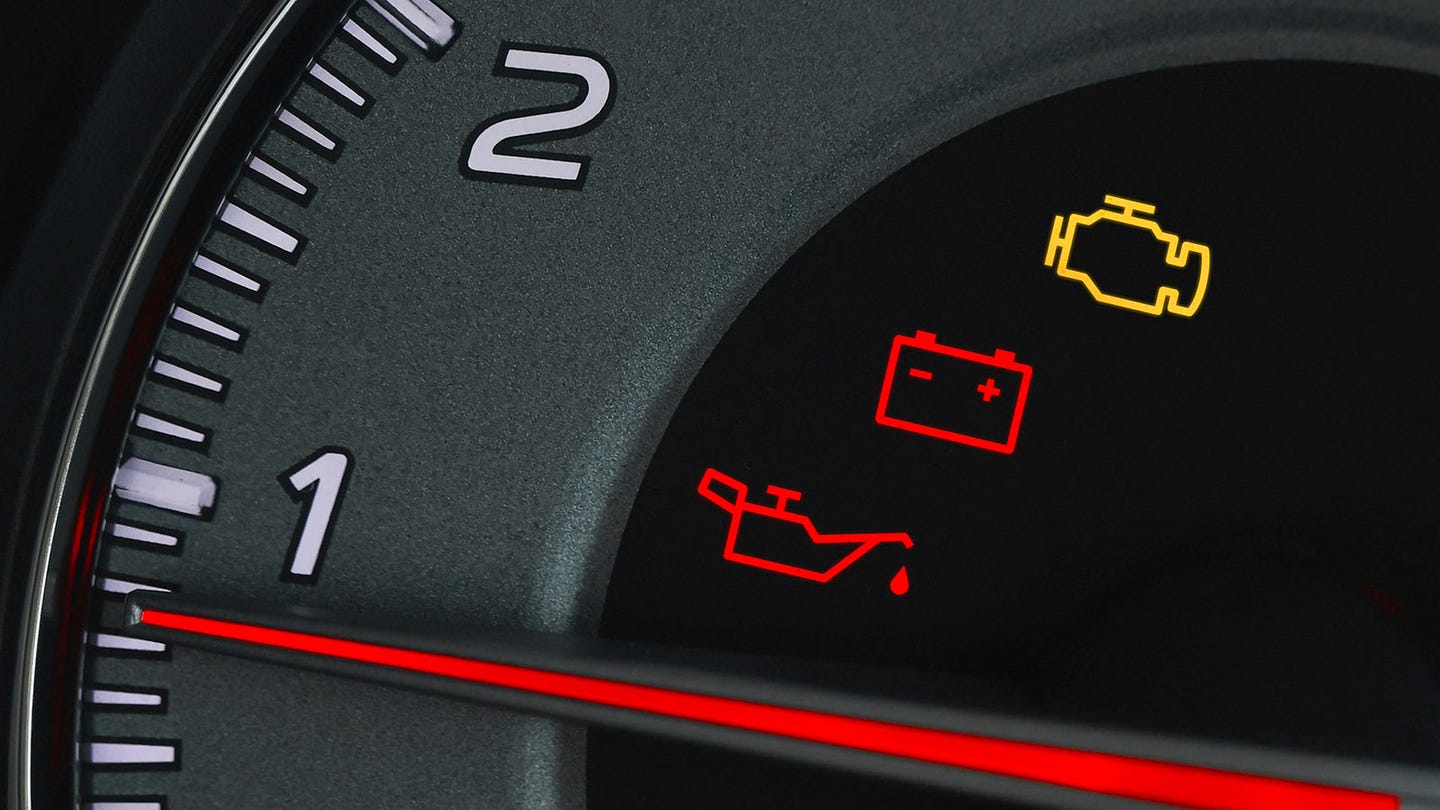
Limp mode can be a bit scary. You'll suddenly find your speed and acceleration restricted, usually accompanied by a sea of warning lights – but try not to panic.
While engine power is limited, you should still have enough acceleration available to drive safely and carefully to your destination. Be aware, if you're on the motorway, that you'll probably be limited to a much slower speed than the surrounding traffic, so make sure you're in the left-most lane.
You should arrange to have your car inspected and fixed by a mechanic or service centre as soon as possible. It's unsafe to use your car for other trips while it's still in limp mode, so you should get it fixed before using it normally again.
What causes a car to go into limp mode?
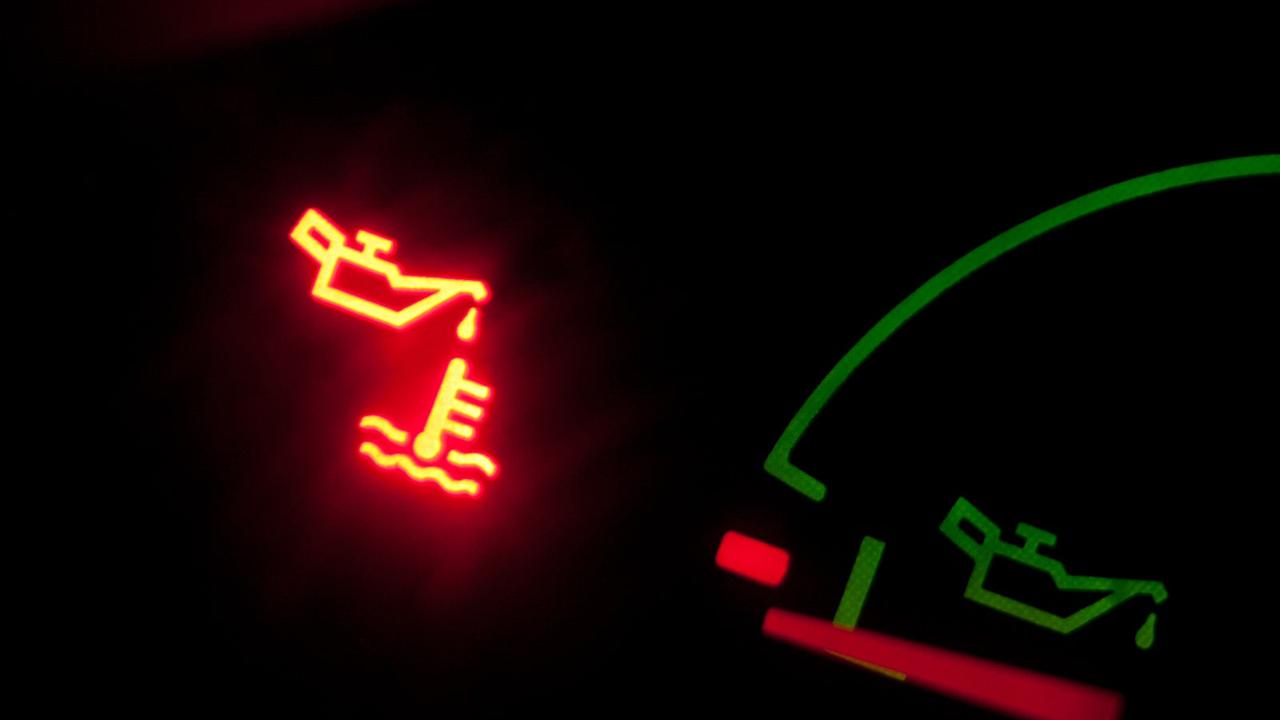
A car will only trigger limp mode if it detects a problem that's serious enough to risk damage to important parts like the engine or gearbox. It's a more serious escalation than a simple warning light.
Limp mode could be caused by:
- Loss of fluids or pressure – the car's sensors detect low oil or low oil pressure, which could cause permanent engine damage. A loss of coolant could also trigger limp mode as your engine could overheat
- Engine problems – the car detects that the engine isn't running properly. This could be caused by misfiring or incorrect manifold pressure
- Gearbox problems – your automatic gearbox can't select the correct gear, or has detected a problem in its valve body
- Electronic issues – broken connections, short circuits or faulty modules in your car's wiring loom can cause its ECU to flag up an error
- Brake problems – brakes are safety-critical components so some cars will trigger limp mode if they detect a loss of brake-fluid pressure
What sensors can cause limp mode?
Modern cars have many sensors to monitor their powertrain and other critical systems. These include:
- Air sensors like MAF (mass air flow) and MAP (manifold absolute pressure) sensors
- Boost sensors for turbocharged engines
- Exhaust sensors like O2 (lambda) sensors
- Temperature sensors for coolant, oil and inlet air temperature
- Knock sensors that listen out for pre-ignition or misfires
- Position sensors for items like the crankshaft, camshafts and throttle pedal
- Speed sensors to measure the speed of gears in the gearbox and how fast the wheels are spinning
How to get a car out of limp mode

Cars usually have good reason to trigger limp mode, but there's always a small chance that it might've been activated by mistake. Once you've limped to your destination, turn the car off and wait five minutes, then see if limp mode is still present when you restart it. If you're lucky, the problem will clear and the car will work like normal – though, it's worth taking it to be inspected by a service centre sooner rather than later.
Assuming limp mode has activated because there is a genuine problem with your car, the only way to turn limp mode off is to fix the problem. This means you'll need a service centre to inspect the car, diagnose the issue and then repair it. Once the car's sensors detect the problem is fixed, it'll deactivate limp mode.
Can you bypass limp mode?
No. It would be very unwise to bypass limp mode because whatever problem caused it will probably get much worse if you continue using the car.
The only way to properly deactivate limp mode is to fix the root problem so the car's sensors can tell it's safe to carry on as normal.