






















If you do one thing to keep your car running – make sure you keep up with regular servicing.
But there are plenty of other steps you can take to keep your car running for as long as possible.
These tips will reduce the chances of you ending up stranded on the side of the road, and cut your overall running costs in the long run.
Car maintenance checklist
| What | Why | How | |
| Servicing | Keeping up with your car's regular service schedule | Servicing prevents failures before they happen | Book your car in for servicing per your schedule – usually every 12 months or 10,000 miles |
| Fuel | Refuel before your fuel tank is totally empty | Running the tank totally dry could clog your fuel system with sediment, or damage your fuel pump | Refill at a petrol station as soon as your car gives a low-fuel warning message, or before |
| Tyres | The only part of your car that touches the ground. Essential for safe braking and cornering | Worn, damaged or old tyres won't provide enough braking or cornering force, or could fail entirely. This greatly increases your chances of a crash | Check tyres regularly for damage or low pressure. They need at least 1.6mm of tread across 75% of the tyre width. Buy new ones if needed All tyres have a four-number code near the inside rim showing the week and year (WW:YY) the tyre was made. Tyres over 10 years old should be replaced |
| Screenwash | Fluid that keeps your windscreen clear if it gets dirty | Grubby roads can quickly block your view – being unable to clear it is dangerous | Buy screenwash refills at a petrol station or auto store and fill the reservoir under the bonnet |
| Wipers | Rubber blades that clear water, dirt and debris from your windscreen | Wipers get worn out over time and, eventually, won't clean the windscreen properly | Buy replacement wiper blades at an auto store. Unclip the old blades and clip the new ones on |
| Lights | Exterior lights including headlights, main beams, side lights and indicators | Your car's lights are safety-critical items. You'll fail an MOT test and risk an accident if your lights aren't working properly | Turn your lights on and check to see if they're working correctly. Activate your hazard lights to check all indicators in one go Replace any failed bulbs if possible, otherwise book in with a service centre to have any failed lights replaced |
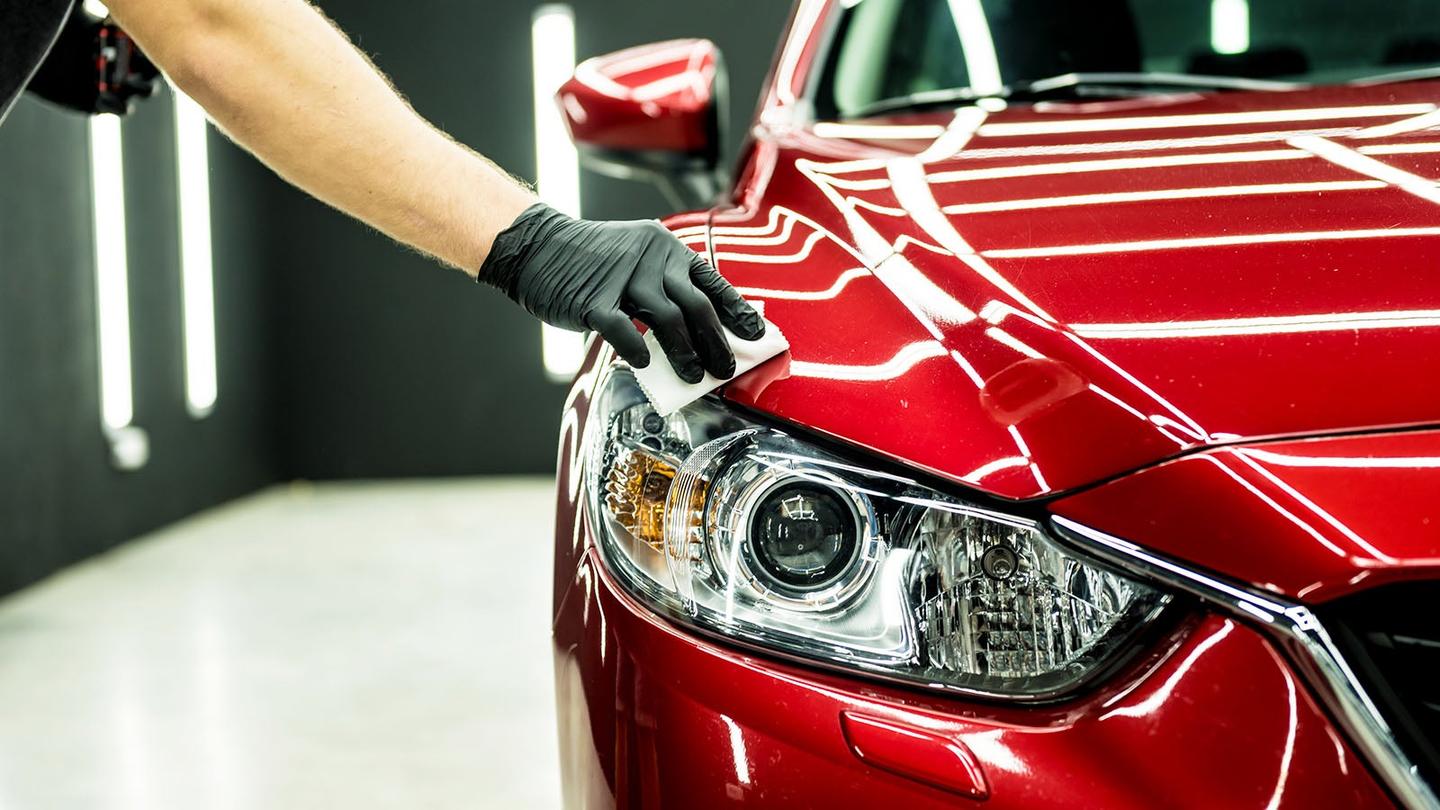
| Cleaning | Removing dirt and grime that builds up outside and inside your car | Leaving your car dirty for long periods can damage your car's paint, upholstery and trim | Take your car to a car wash or valet – or wash your car yourself |
| Battery | The 12V battery that powers on-board systems | If you don't use your car for an extended period, the battery can go flat. If it stays flat, it can get permanently damaged | You can check your battery's health with a multimeter. Or take it to a service centre if you're experiencing problems |
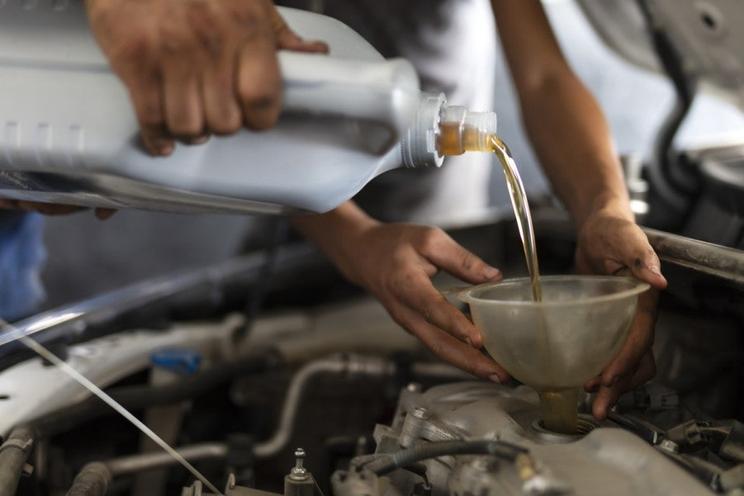
| Oil | Lubricating fluid that's essential for keeping your engine running smoothly | If you don't change your oil in on schedule, debris can build up and cause permanent engine damage | Oil change intervals are specified by your car's brand. Changes are usually between 7,500 and 10,000 miles Oil checks and changes can be done affordably at almost all approved service centres if you don't fancy doing it yourself |
| Coolant | Fluid that ensures your engine doesn't overheat by ejecting engine heat out the car's radiator | Low or leaking coolant could lead to your engine overheating. This could cause permanent damage | Your coolant tank under the bonnet has 'min' and 'max' lines so you can easily check the level. If it's running low, you can top it up with the correct coolant from an auto store. You should also have the system inspected for leaks |
| AdBlue (DEF/diesel exhaust fluid) | Modern diesel engines use AdBlue fluid to reduce exhaust emissions | Your diesel engine won't start if you run out of AdBlue | Your car will show a warning message when your AdBlue is running low. You can buy more AdBlue from fuel stations or auto stores |
| Filters | Filters catch debris in your fuel and oil, along with the air entering your engine and cabin | If your filters remain unchanged, they can clog, which can lead to reduced performance or engine damage | Filters are normally changed at your annual service, but may need earlier replacements if you do lots of miles |
Be kind to your car

Stomping on your pedals, steering wildly, and being harsh with your gear shifter will all put extra strain on key mechanical components. This means they'll wear out sooner, increasing your repair bills and putting you at risk of a more dangerous failure if you ignore the problem.
Driving sensibly and calmly reduces the risk of having an accident and will substantially improve your fuel economy. And, let’s face it, the less time – and money – spent at a petrol station, the better!
Diesel cars need regular long runs
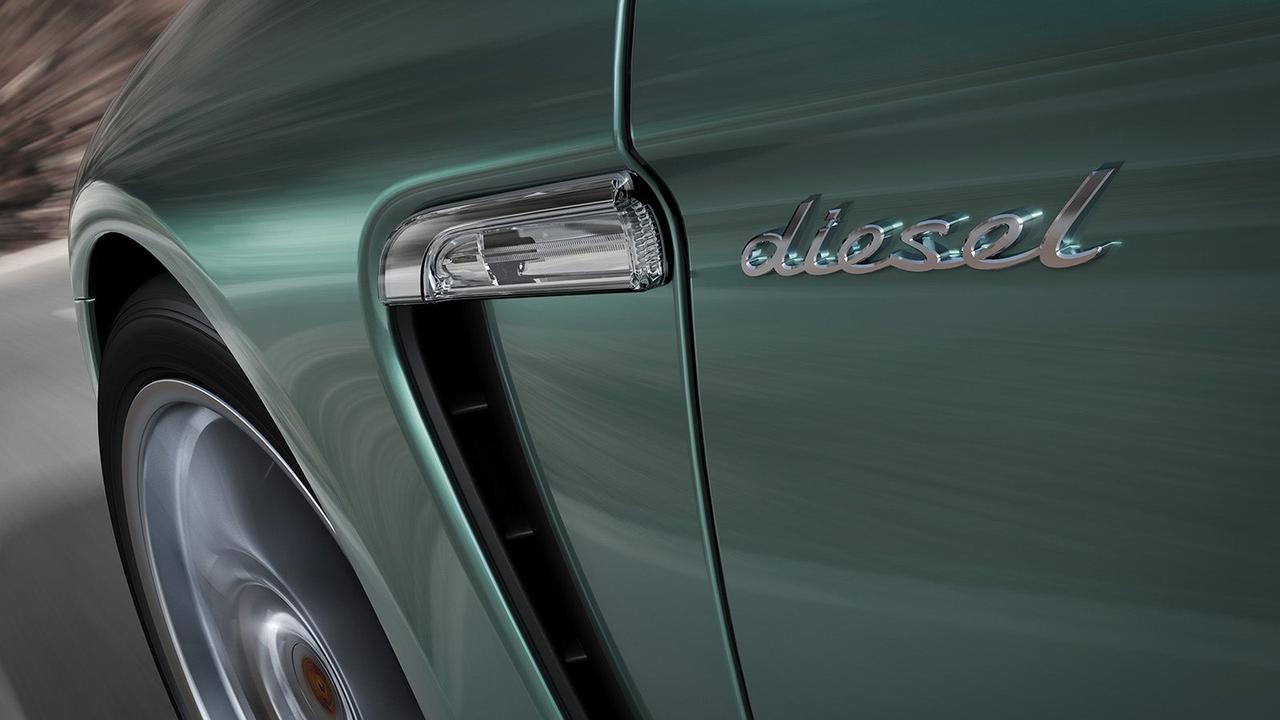
Modern diesels are fitted with a diesel particulate filter (DPF) to reduce sooty particles in the exhaust. This filter 'cleans' itself every so often by getting very hot while the car is running. So, if you rarely cover journeys long enough for the car to get fully warm, your diesel particulate filter won't get a chance to clean itself and may get clogged.
It's recommended to take your diesel car on a 30-50 minute motorway or dual-carriageway run at least once a month – but ideally more often. This will give the filter a chance to heat up and clean itself. DPF issues can be very expensive to repair if left untreated, although there are DPF cleaning services that might be able to repair your filter before it needs replacement.
When buying your next vehicle, you should consider whether you cover enough long journeys to avoid clogging your DPF. If most of your driving is in urban and suburban areas, you might be better off with a petrol, hybrid or electric car.
Use your air conditioning
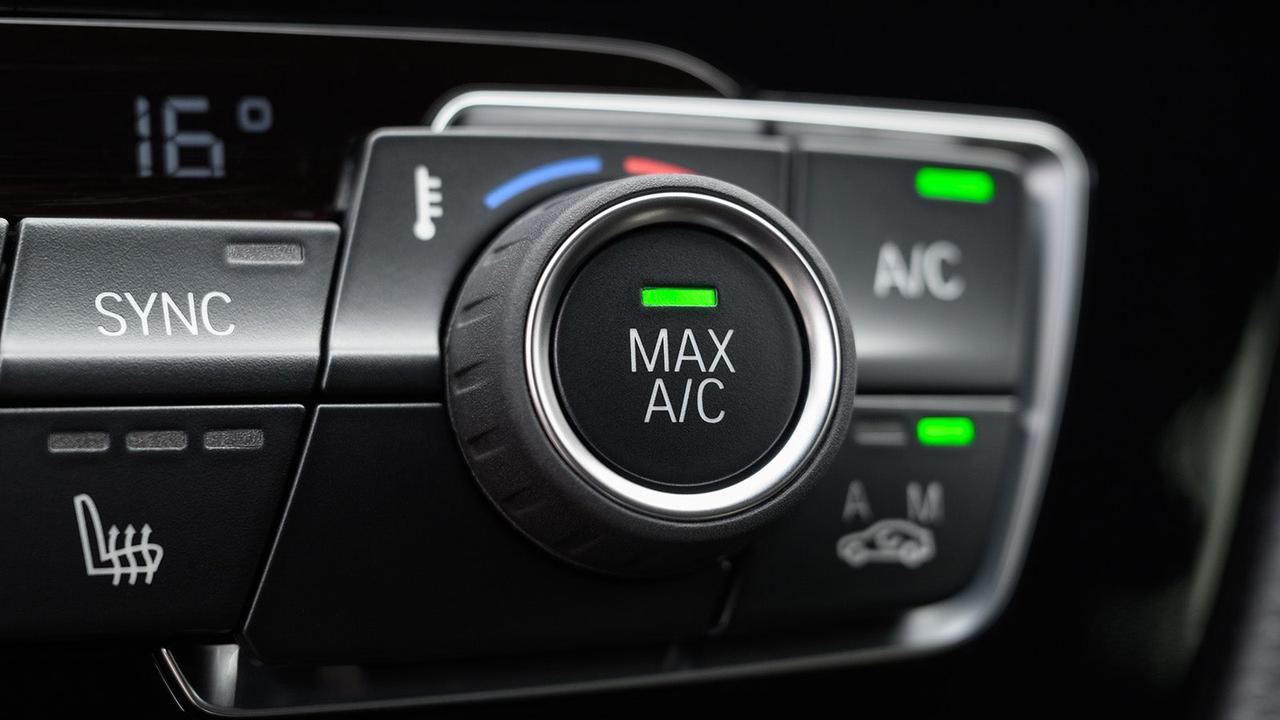
Air conditioning and climate control systems will leak very small amounts of refrigerant gas over time, but this process happens more quickly when they aren't used regularly.
To keep your A/C working happily, avoid saving it only for sweltering hot days. Periodically turning it on throughout the year will keep it working for longer, even if you're heating the cabin on a cold day. A/C also dries the air in your cabin, which means it'll clear fogged-up windows faster on a cold day if you have it turned on.
Check and top up your fluids regularly
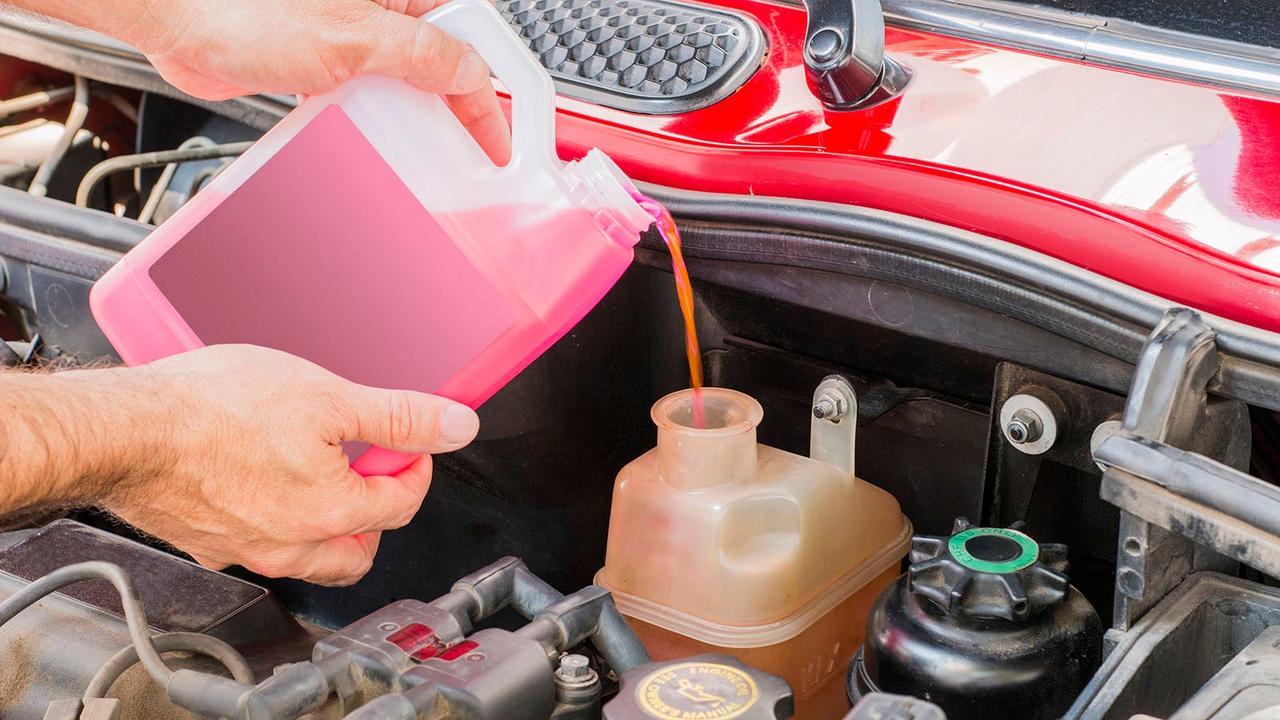
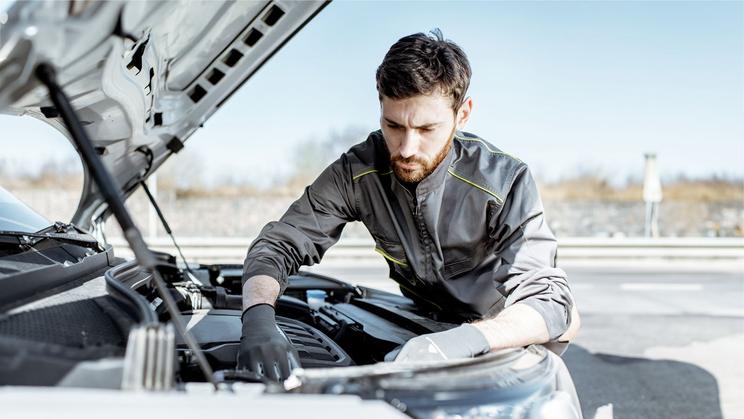
Tyres, brakes and bodywork are all important exterior checks needed to make sure your vehicle runs well. But, to get the best out of your vehicle in the long term, you need to regularly pop the bonnet and check all the fluid levels too.
Make sure you always have an adequate amount of oil, coolant and windscreen wash. If you're not sure how to check your levels, read our handy guide!
Don’t run low on fuel
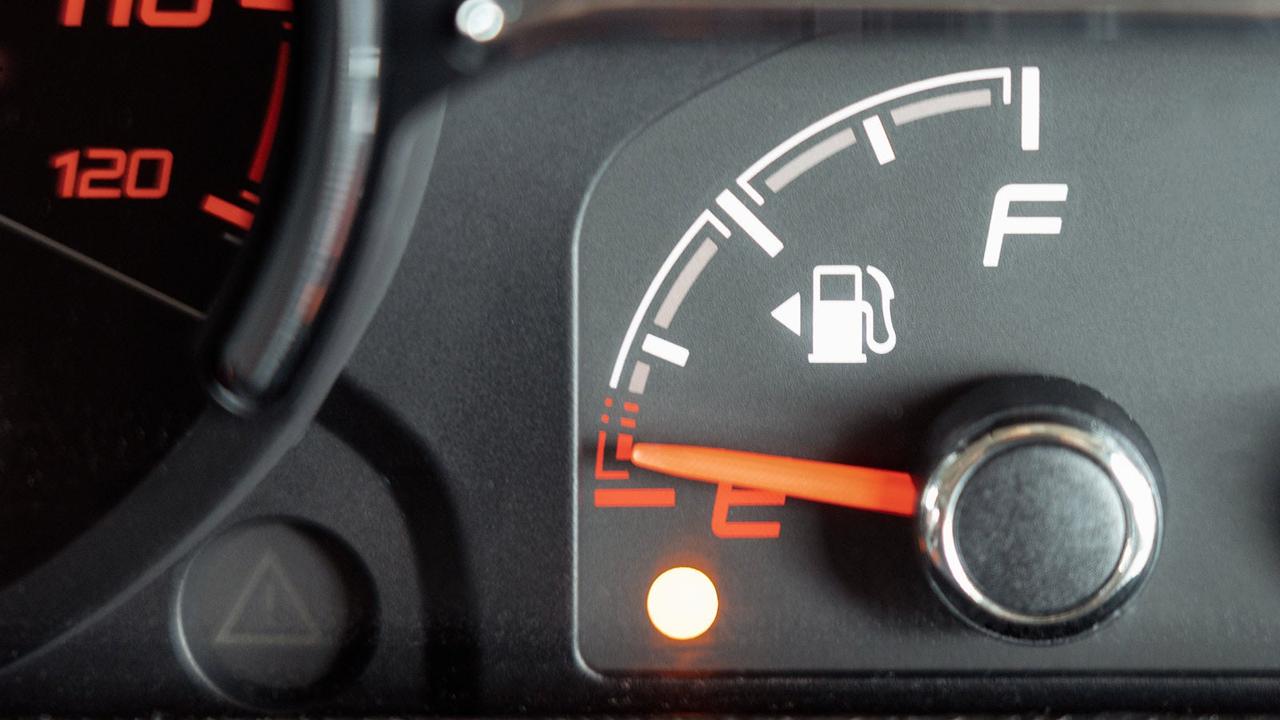
The obvious reason to keep fuel in your car is so you're never stuck at the side of the road because you ran empty. There are other reasons to follow this advice, however.
Over time, it's natural to get a small build up of sediment at the bottom of your fuel tank. When the tank is close to empty, your fuel pump could pull that debris into the system while trying to pick up fuel. This could easily damage to your fuel pump or other vital engine components, or block fuel from making it to your engine.
If you own a diesel vehicle you need to be particularly careful. Regularly running a diesel vehicle close to empty means there's a risk the fuel injectors will draw air into the system, which can prevent your engine from turning over.
Don’t ignore warning lights
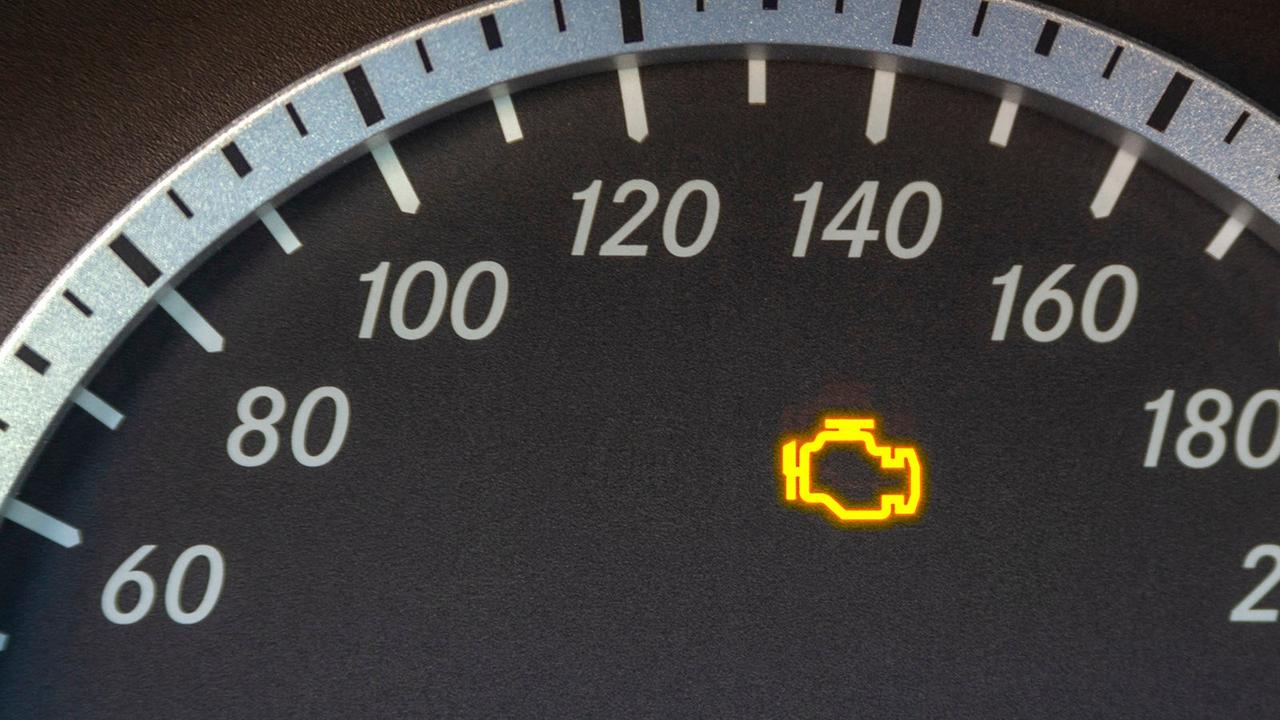
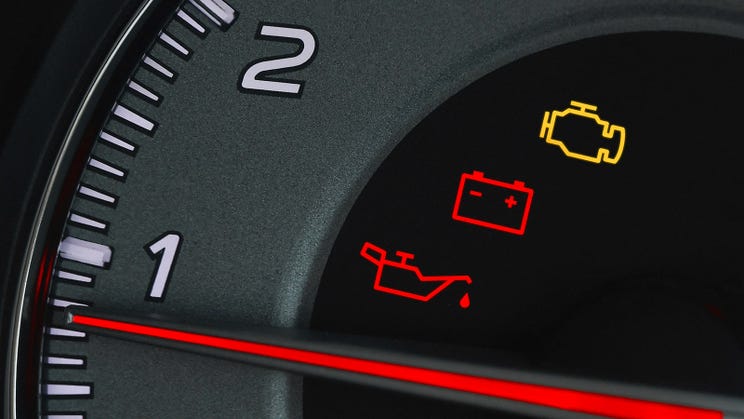
A warning light on the dashboard can be very concerning when it suddenly appears, especially a check-engine warning light. Read our full warning light guide to learn what each symbol means.
Most of the time, the car will continue to drive normally even after a light has appeared on the dash, but this doesn’t mean you should ignore it and continue to drive. Until the issue is diagnosed, it's impossible to know what the problem is and how much damage you might be causing by ignoring it. You could just have a faulty sensor, or it could be a much more serious problem.
Your car may go into reduced power or ‘limp mode’ if your vehicle detects a more serious problem. If this happens, you should call for breakdown assistance immediately.
Stick to advised service schedules
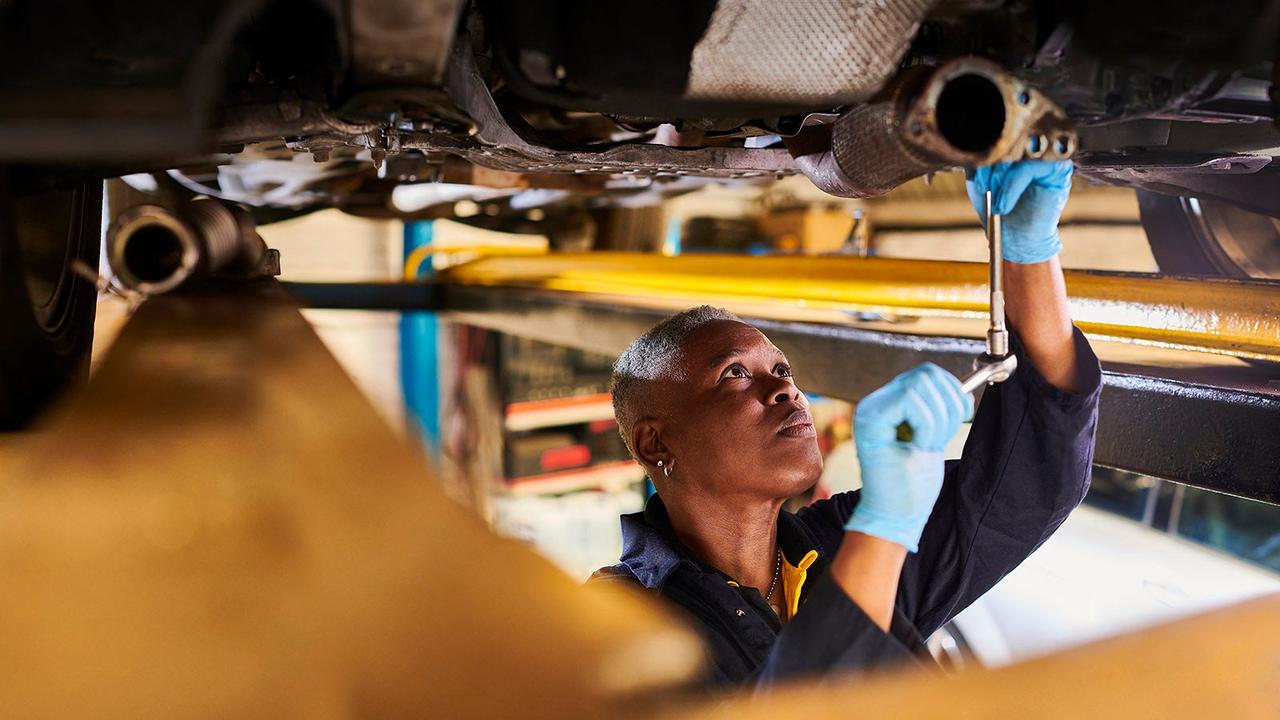
Your car's manufacturer will have a service schedule set out specifically for each model. It's critically important to stick to these to avoid costly mechanical failures. Typically, these schedules call for a service every 12 months or 10,000 miles – whichever comes first.
The most important task carried out in a service is swapping out 'fluids and filters' – usually engine oil, the oil filter, coolant, and the engine air intake filter. Safety-critical parts like your tyres, brakes and suspension will also be inspected for problems.
Once you pick your car up after a service, you may even feel that it's running more smoothly. Look after your car, and your car will look after you.
Keep your car clean

Treat your car to a nice wash regularly. It may look like you are doing it to impress your neighbours with your shiny paintwork, but the reality is you're extending your vehicle's life.
Paintwork, alloys and exterior trim are all exposed constantly to adverse weather, tree sap, bird droppings, salt, grit and dirt on the roads. Neglect your car's cleanliness and you'll find your paintwork fades, while mechanical components will rust and become damaged.

EV maintenance tips
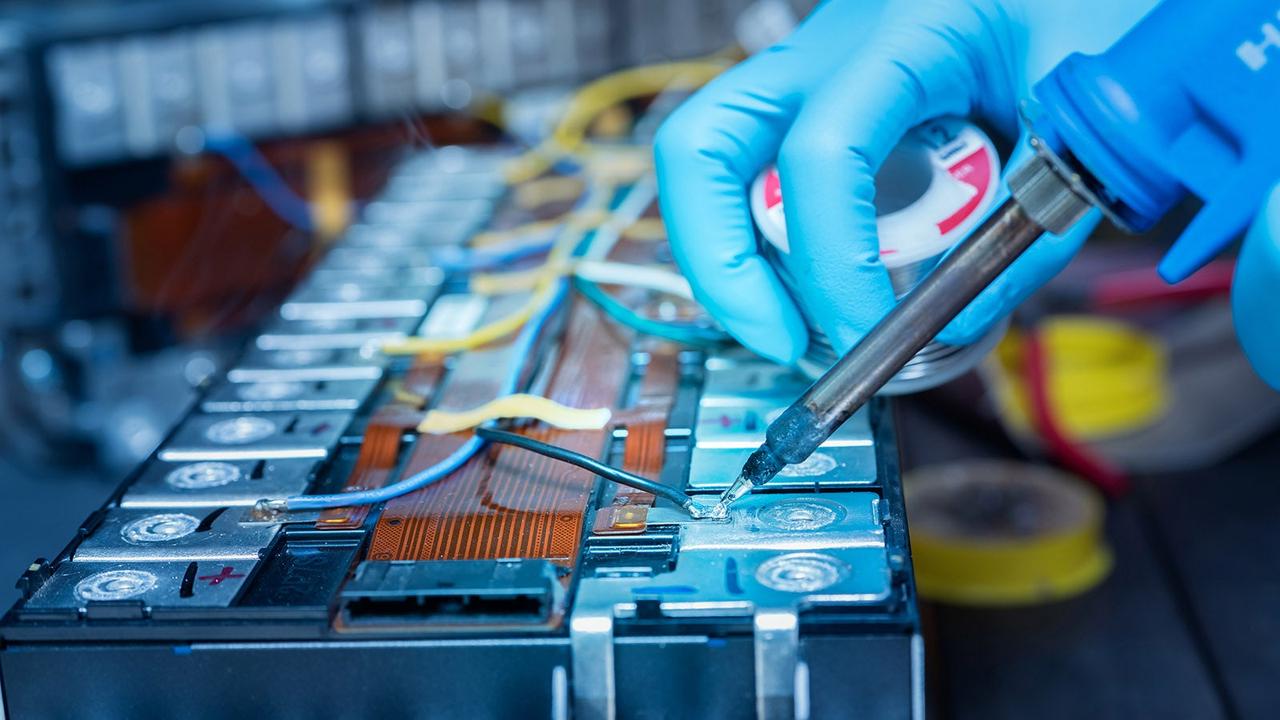
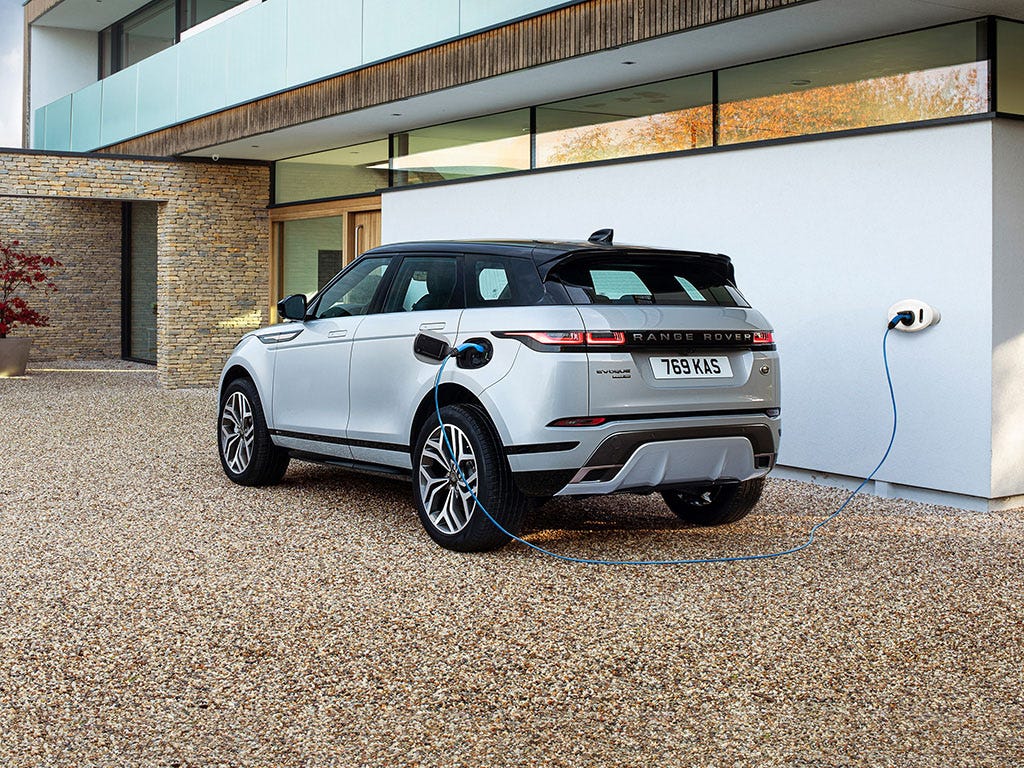
There's a misconception that electric cars don't need servicing. While they're mechanically much simpler than fuel-powered cars, EVs definitely still need regular maintenance to keep them running properly.
Most of the same safety-critical items are present on EVs as well as petrol cars, such as tyres, brakes and suspension. Correct servicing will also allow your battery, drive unit and their associated cooling systems to be checked for problems.
Read our full EV servicing and maintenance guide.
Or is it time to replace your car?
If your car's had one too many breakdowns, trading it in for a newer model might be the easiest solution. Find thousand of nearly new and used cars for sale at Motorpoint – all backed by our Quality Standard.