




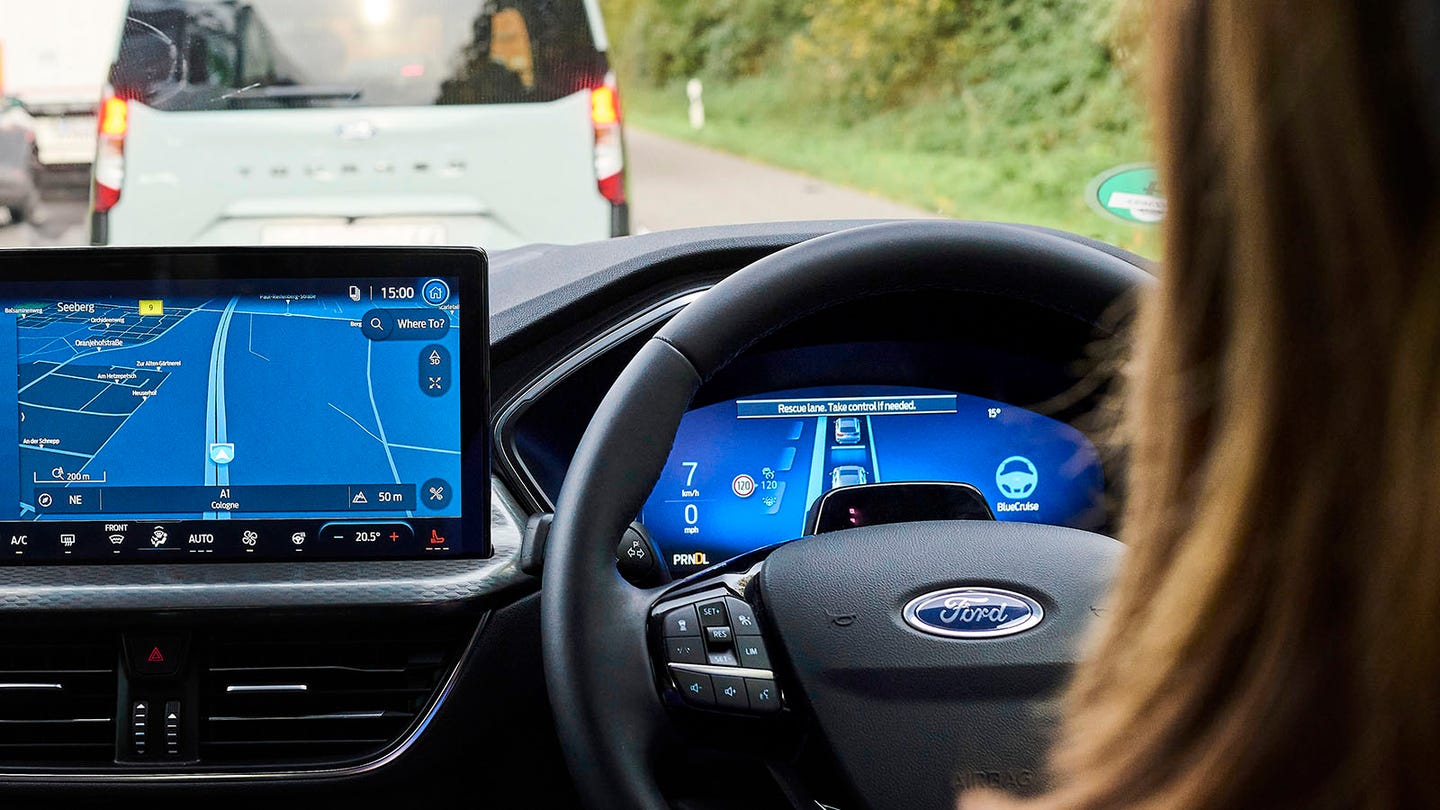
Ford BlueCruise is a semi-autonomous driving system.
It combines adaptive cruise control with lane-keep assist, automatically keeping the car in its lane and flowing with traffic. We call it a 'semi'-autonomous driving system because the driver is still responsible for the vehicle and must be ready to take over at any time.
What does BlueCruise mean on a Ford?
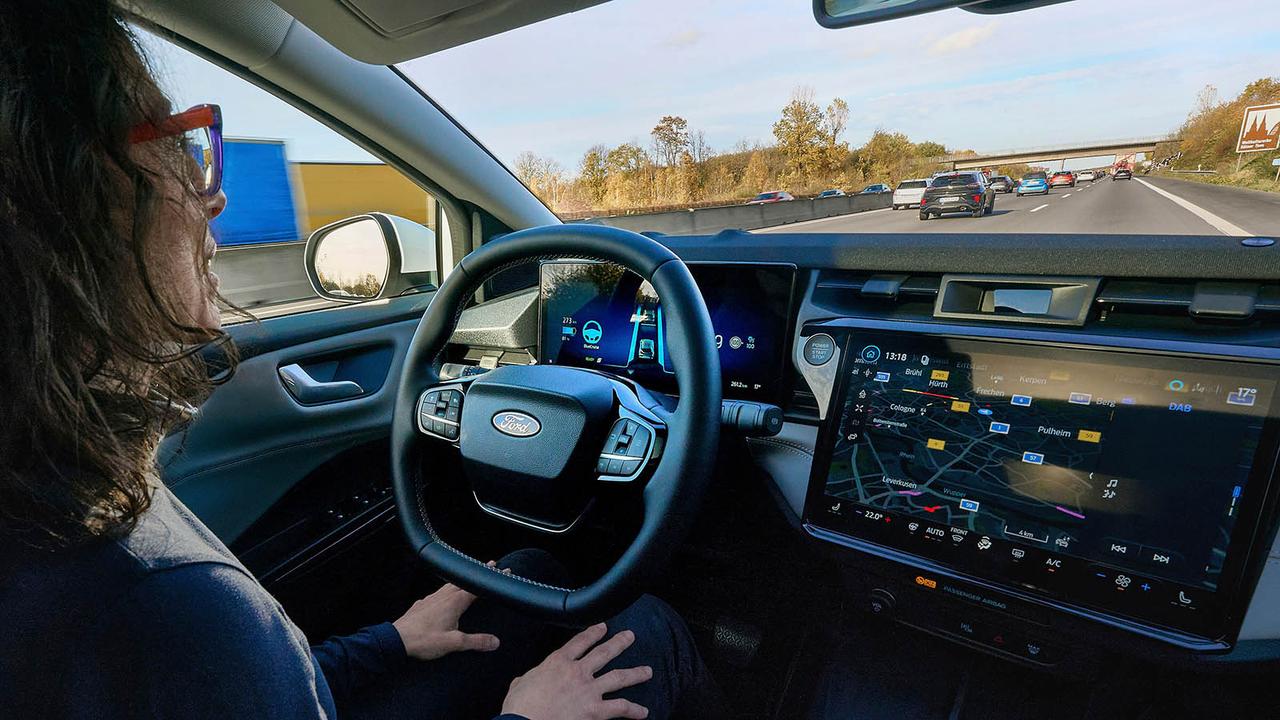
BlueCruise is Ford's brand name for its semi-autonomous driving tech, similar to Tesla's Autopilot or Nissan's ProPilot systems.
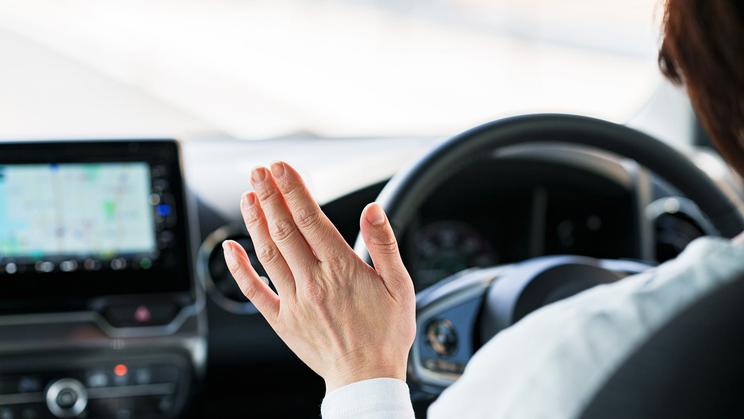
If a Ford car is equipped with BlueCruise, that means it includes adaptive cruise control and lane-keep assist – enough that it counts as a level 2 autonomous vehicle. What makes BlueCruise unique is that it's currently the only system that allows you to take your hands off the steering wheel on pre-mapped stretches of motorway.
Is Ford BlueCruise legal in the UK?
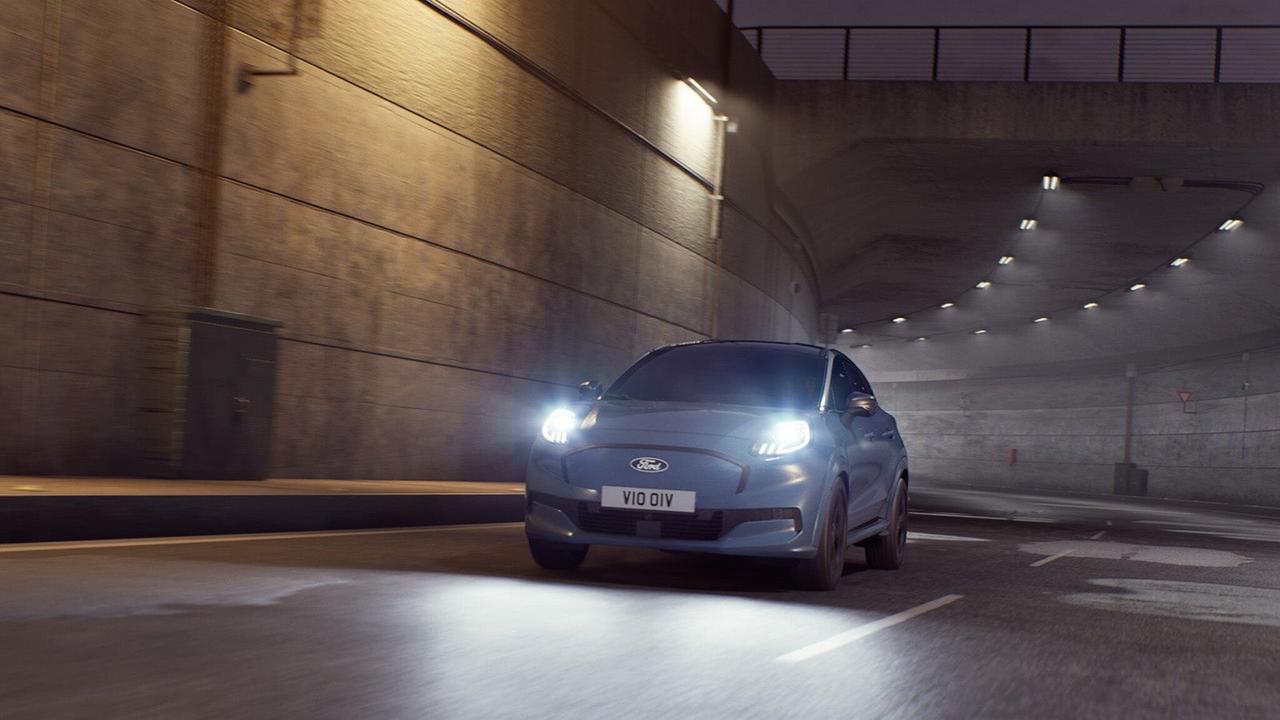
Yes. Ford gained approval for its hands-off BlueCruise technology in 2023, and launched the technology on its Mustang Mach-E electric SUV. It has since added the feature to more models, which are listed below.
Like all semi-autonomous driving aids, the human driver must be paying attention at all times and ready to react immediately to any danger. That also means the liability for any crashes or accidents that occur while BlueCruise is active falls with the driver.
How does BlueCruise work?
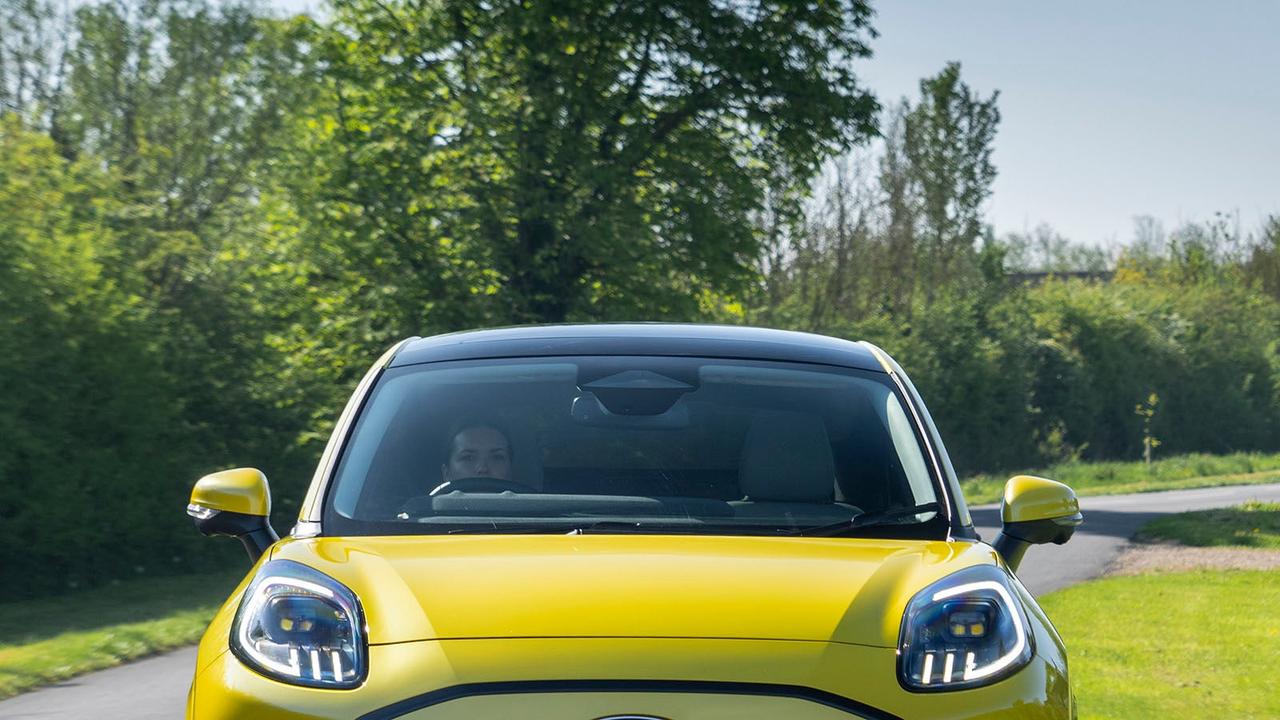
Similar to other cars with adaptive cruise control and lane-keep assist, Ford's BlueCruise uses a blend of different sensors to 'see' the world around it. This includes a handful of standard vision cameras, using software to pick out important details like lane markers and road signs.
It also uses a front-facing radar to get a more accurate picture of traffic ahead without any interference from weather. The system will also use the same ultrasonic sensors that are normally used for park-distance control to detect objects close to the car.
BlueCruise must also check you're paying attention – something other semi-autonomous systems do by detecting your hand's weight on the steering wheel. In Ford's case, it uses a camera pointed at the driver's face to check for attention and alertness. If the system sees the driver not paying attention, it'll issue increasingly forceful alerts to get them to focus on the road, and will eventually safely disable if no response is given.
How to turn on Ford BlueCruise
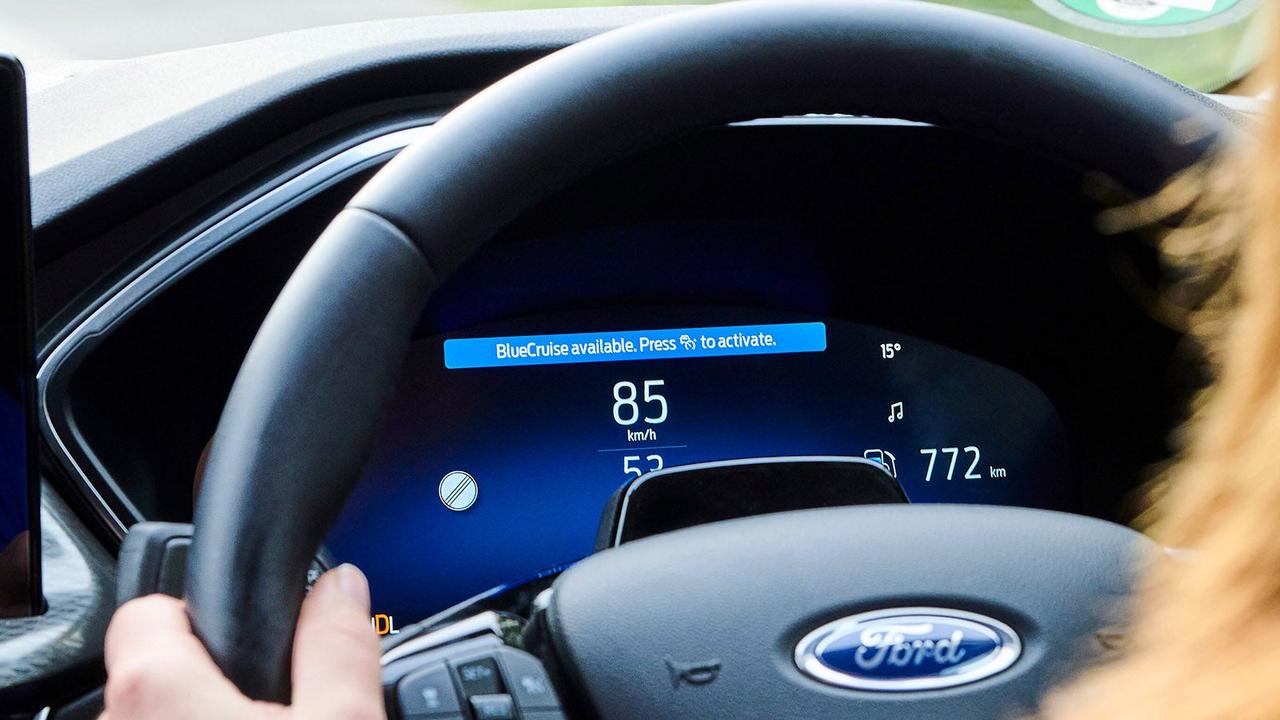
If your car supports Ford BlueCruise and you've subscribed to the service, you'll get a prompt in your driver's display when BlueCruise is available. BlueCruise can only be activated within specified 'Blue Zones' on UK and European motorways.
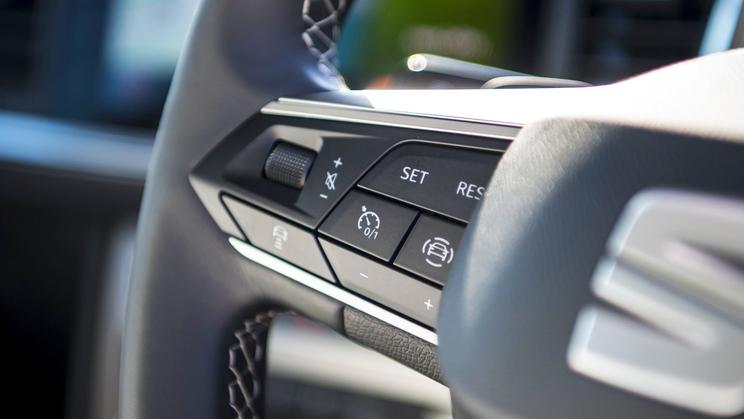
The prompt will instruct you to press the cruise control button on your steering wheel to turn BlueCruise on. You can adjust the cruising speed on the wheel just like regular cruise control. The car will notify you when you're leaving a Blue Zone so you can put your hands back on the wheel and take over.
Where can I use BlueCruise?
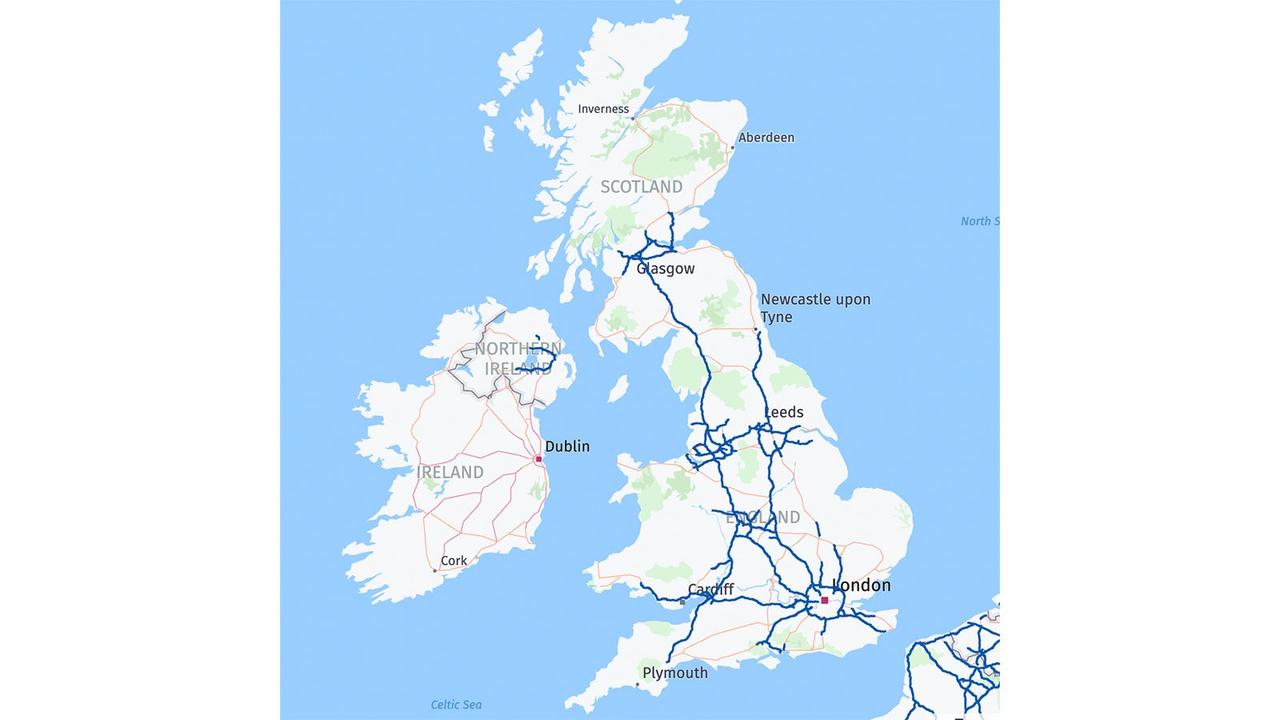
BlueCruise is exclusively for use on the motorway. It's only available in areas where Ford has already mapped the road itself. Thankfully, the Blue Oval has been hard at work so BlueCruise is now available across 95% of the UK's 2,300-mile motorway network, as well as vast proportions of the European motorway network.
As you can see from the map above, that covers nearly all major intercity routes across the country. That means owners of BlueCruise-equipped vehicles will probably be able to cover large portions of their drive with their hands off the steering wheel.
Which Ford cars come with BlueCruise?
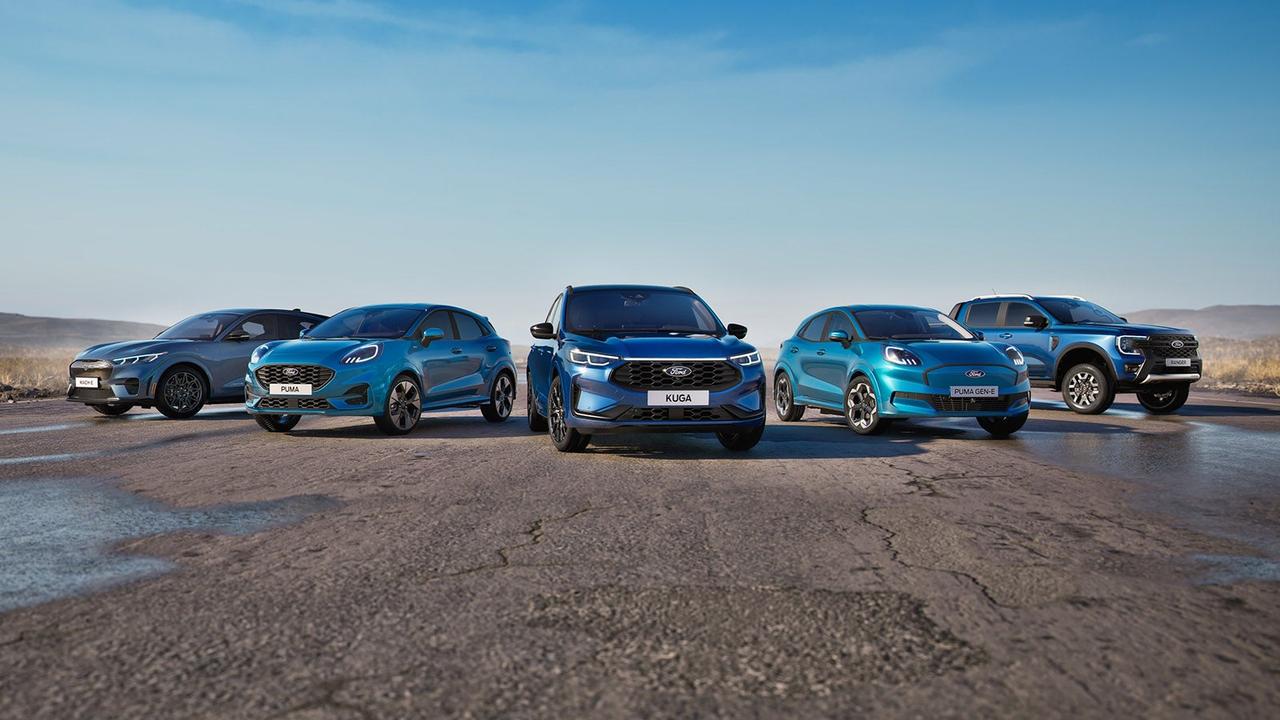
Ford BlueCruise is available in the UK on:
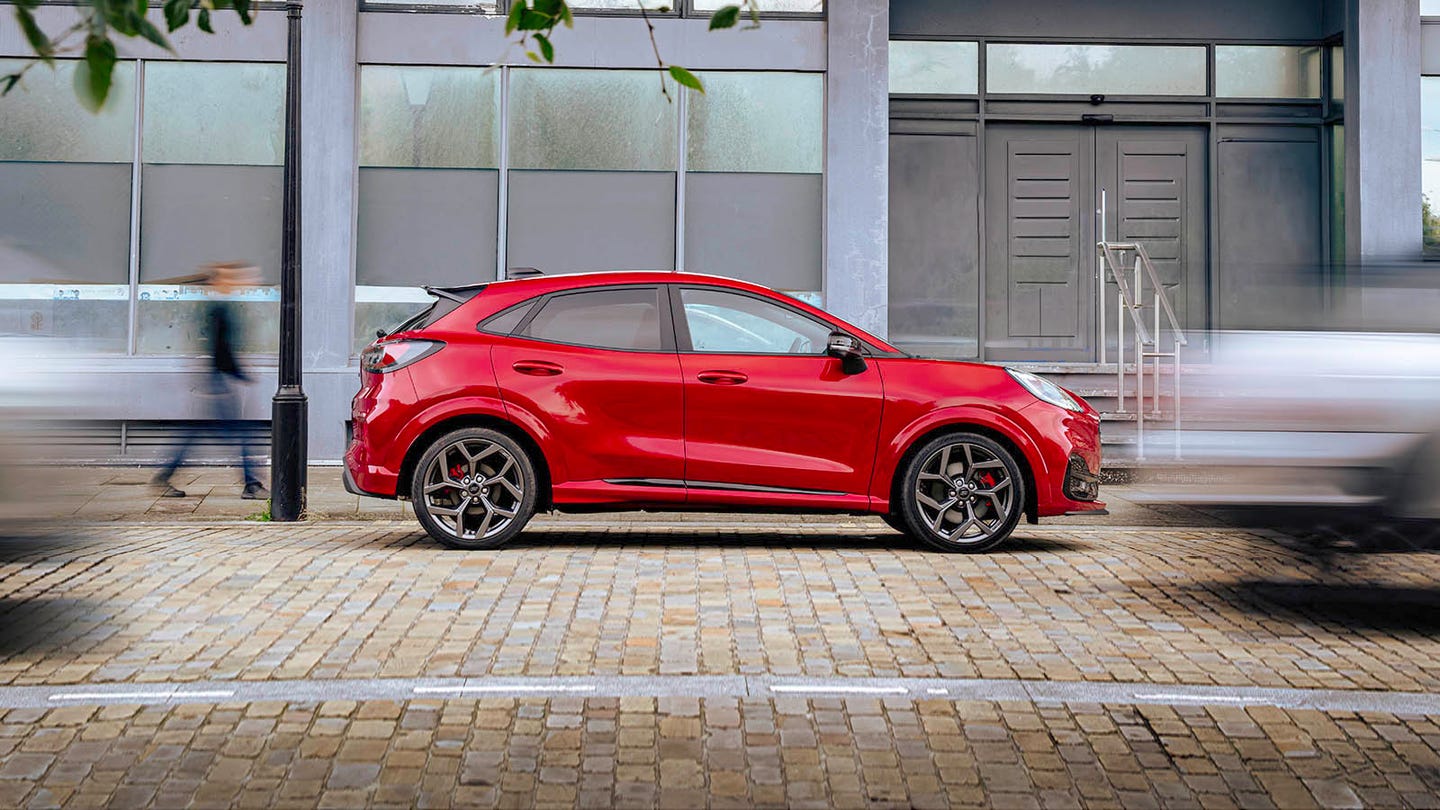
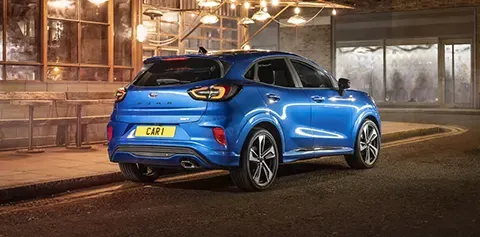
- Ford Puma – petrol-powered small SUV
- Ford Puma Gen-E – fully electric version of the Puma
- Ford Kuga – family SUV with petrol or hybrid power
- Ford Mustang Mach-E – large, sporty electric SUV
- Ford Ranger – double-cab pickup truck
How much does Ford BlueCruise cost?
Ford BlueCruise is a subscription-based service. If your car has the necessary hardware for BlueCruise, you can activate it at a cost of £17.99 per month or £215 for a full year.
You can try out the system for free before deciding whether you like it, with Ford including a 90-day free trial for owners. Be aware that your subscription will automatically renew after the 90 days if you don't manually cancel it.
What is included with Ford BlueCruise?
Your BlueCruise subscription specifically buys the ability to use the BlueCruise function – hands-free level 2 semi-autonomous driving – in designated Blue Zones. Within these zones and with the system active, you'll be able to monitor the car's progress with your hands off the wheel.
In all cases, your Ford car will already include adaptive cruise control and lane-keep assist, which can be used anywhere that they can safely activate. These features are not part of the BlueCruise subscription, so you can continue using them as normal although you won't have BlueCruise's hands-free function.
Is Ford BlueCruise full self driving?
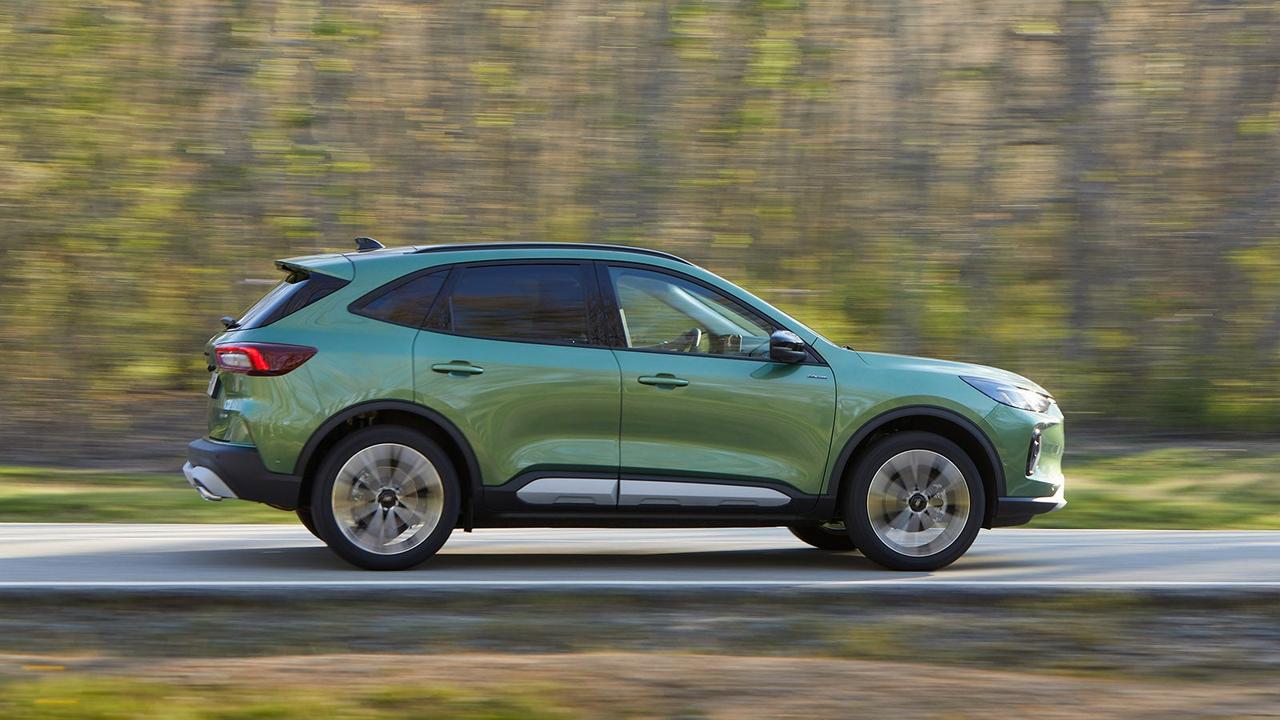
No. Ford's BlueCruise is a semi-autonomous system. It can control the car's steering, braking and acceleration, but the human driver must be paying attention constantly and is legally responsible for what the car does.
There are no fully self driving passenger vehicles currently available to buy in the UK or worldwide – despite what certain over-eager marketing departments might suggest.
Some owners might draw parallels between BlueCruise and Tesla's so-called Full Self Driving (FSD) feature. BlueCruise's focus is enabling hands-free semi-autonomous driving on the motorway. Tesla's FSD adds the ability to use semi-autonomous functions on some non-motorway roads in addition to the brand's Autopilot motorway-driving system, although FSD does still feel for your hand's weight on the steering wheel.
Is BlueCruise level 2 or 3?
BlueCruise is a level 2 semi-autonomous driving system. This is because the driver must still be fully alert and ready to take over at a moment's notice, despite being allowed to travel with their hands off the steering wheel.
The crucial distinction between level 2 and level 3 autonomy is that the latter allows the driver to stop paying attention on certain roads. In other words, the driver could look away from the road and read a newspaper, and must be allowed a little extra time to safely resume control of the car.
%20copy.jpg&w=744&q=75)