
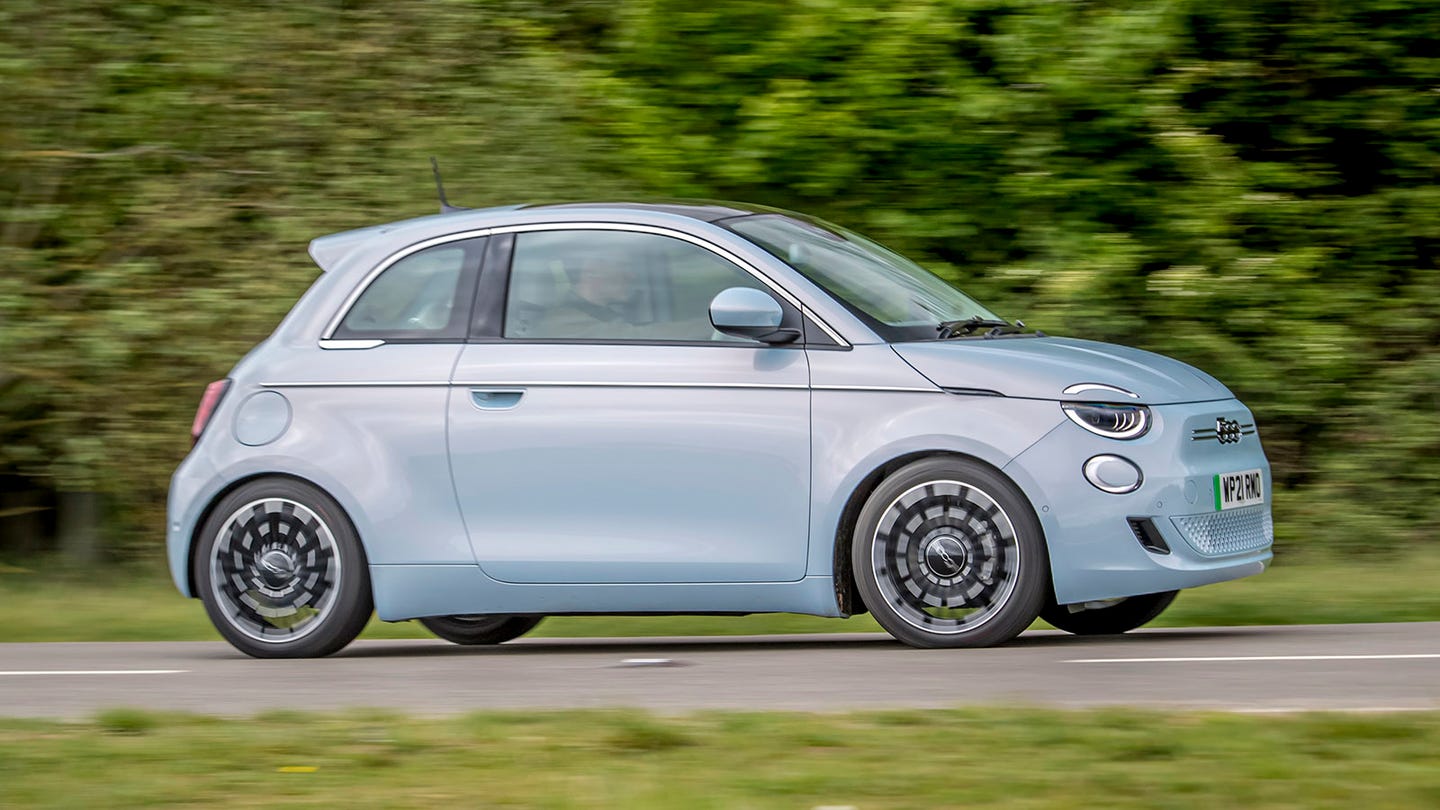





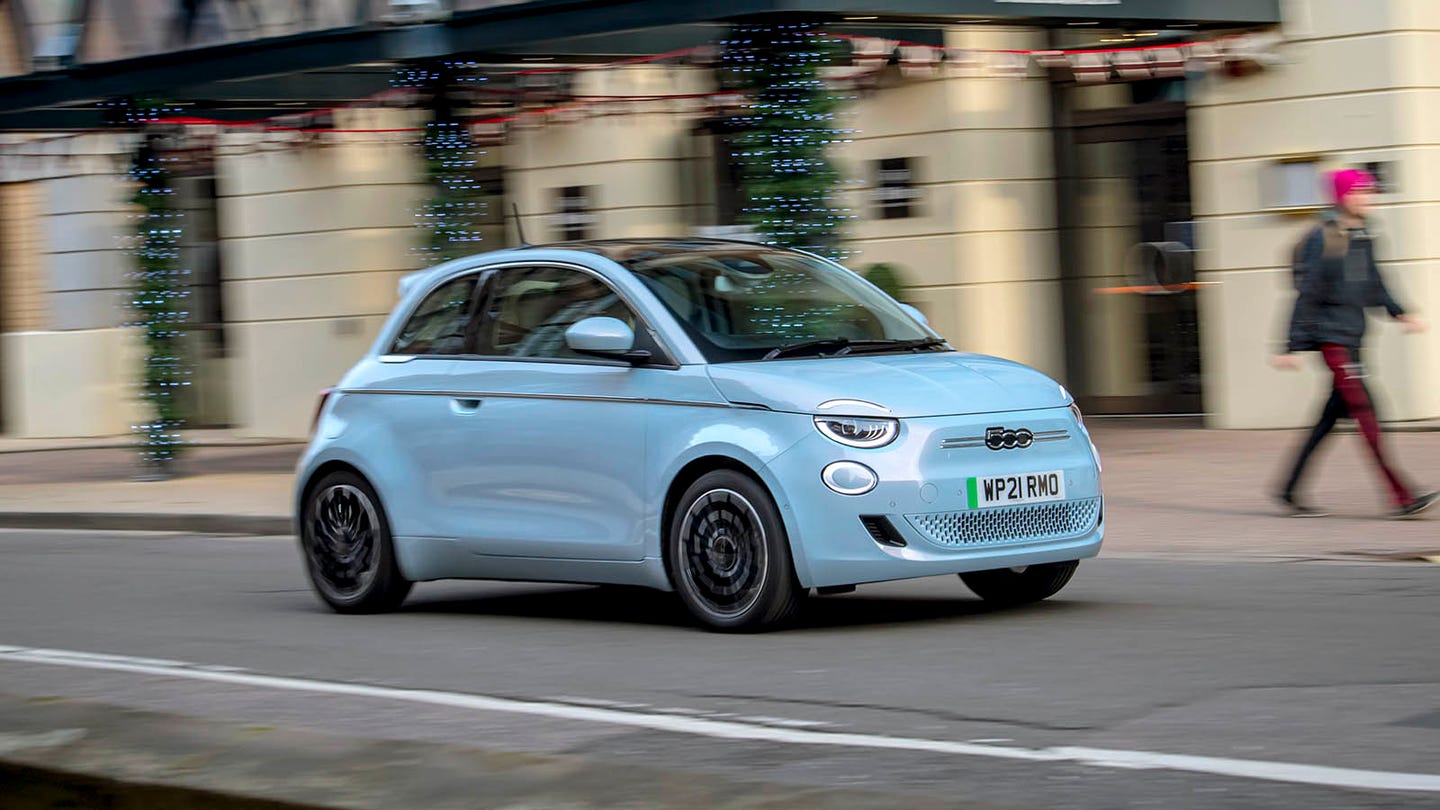

The Fiat 500 is more than an iconic small car – it's an institution.
Since its revival in 2007, this dinky city car has scored stellar sales thanks to its charming retro style and its attainable price tag. Whether it's a first car, a second set of wheels, or just something you're treating yourself to, the Fiat 500 will deliver miles of smiles.
This guide will talk you through everything you need to know about the Fiat 500. We'll look at the different trim levels it comes in, the different engines it uses, and how the 500 has evolved over time.
Fiat 500 models explained
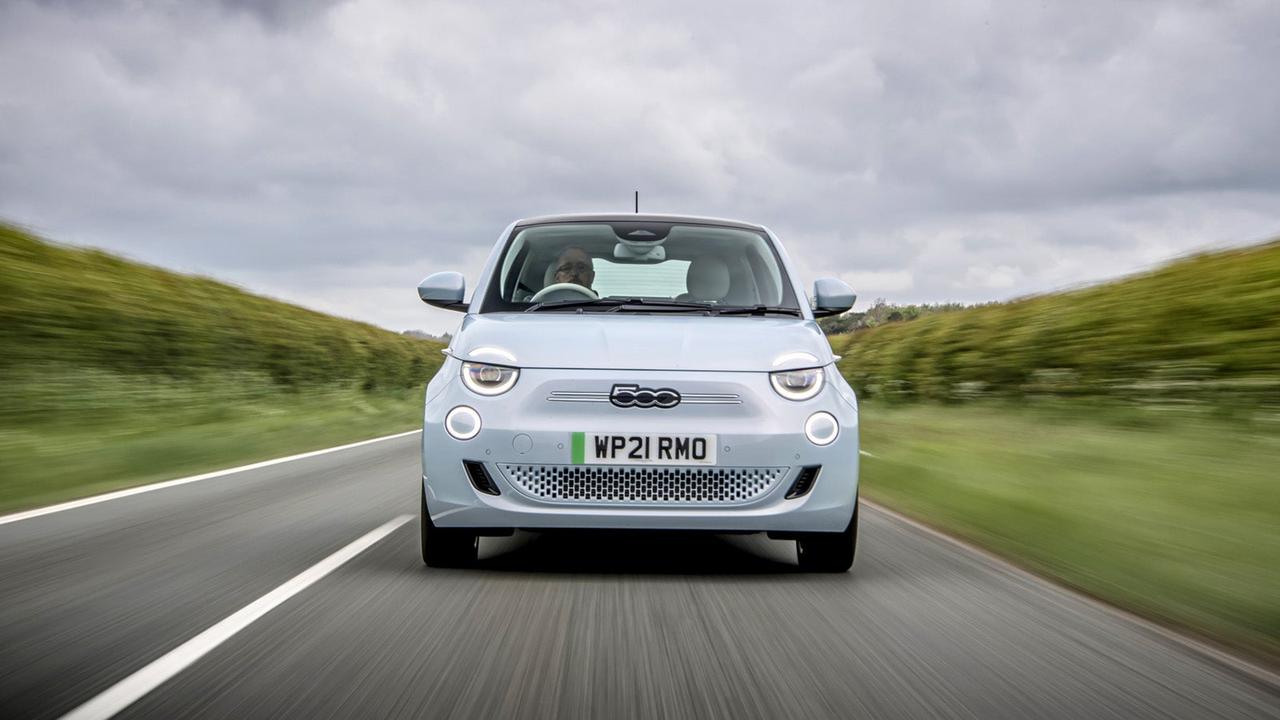
The Fiat 500 has always been a small, affordable car raised on tight European city streets. Its history goes a little further back than you might expect, with the name first applied to a tiny two-seater model launched in 1936. After that came the '50s Cinquecento which enjoyed a long production run until the mid '70s.
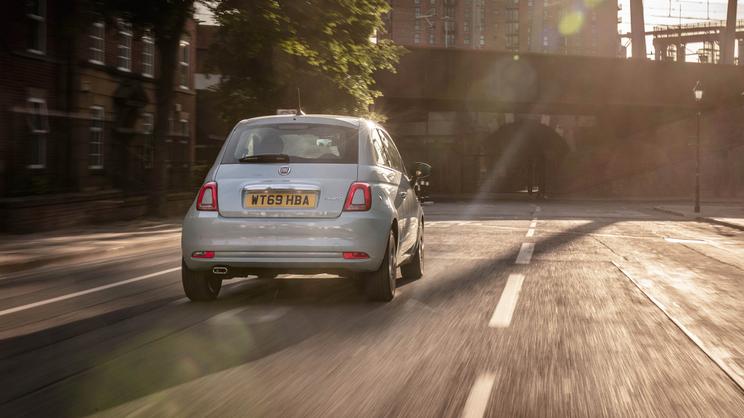
And that's where the story would've ended had it not been for the enormous success of the revived 2007 Fiat 500. There were clear nods to the '50s 500 – the cute styling, the retro upholstery and the big circular speedo pod. Underneath, however, it was based on affordable, reliable mechanicals borrowed from other small Fiats.
The 2007 model's production run and total sales actually came very close to its '50s predecessor – a rare feat in the modern auto industry. However, production for the European market eventually wound down in 2024. That date is noteworthy because the latest 500 actually launched in 2020 as a fully electric model, with the old fuel-powered version sold alongside it for a few years.
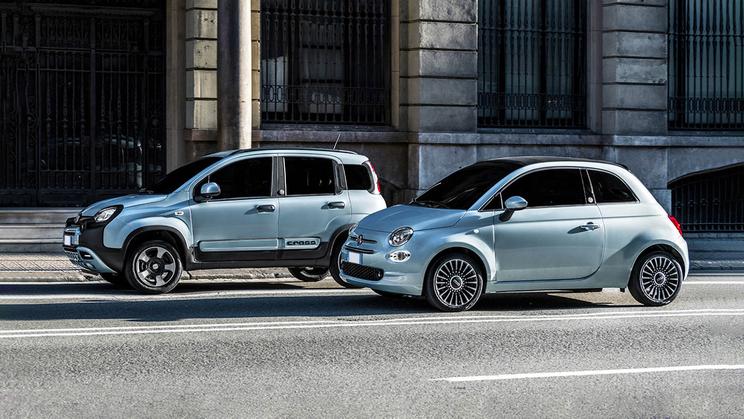
Fiat 500 rivals include the Hyundai i10, Toyota Aygo X, Dacia Spring and Kia Picanto. You could also consider the Peugeot 108, Volkswagen Up, Toyota Aygo, SEAT Mii, Citroen C1, Skoda Citigo and Vauxhall Adam.
Abarth 500, 595 and 695
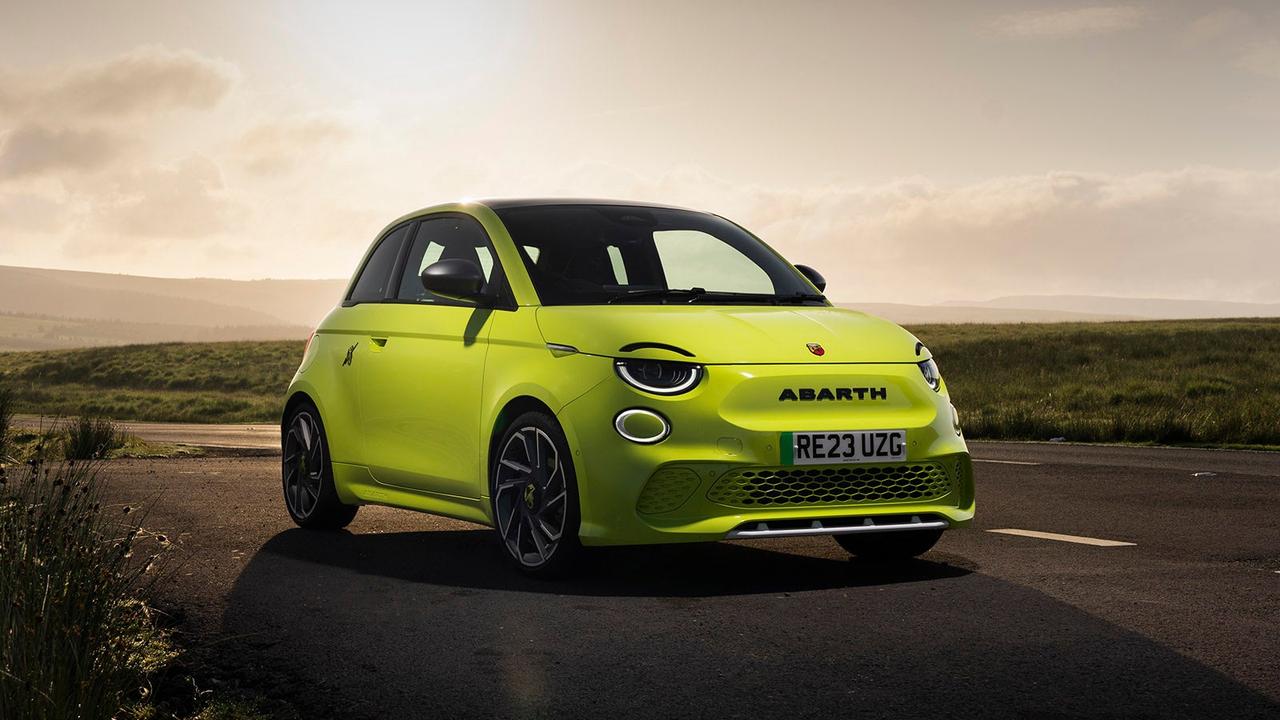
Abarth is Fiat's sporty sub-brand, named after Carlo Abarth who previously built Fiat race cars. Fiat somewhat relaunched the Abarth name with the 2007 500, positioning the Abarth 500 as a range-topping model with a turbocharged engine, sporty body kit and racy extras in the cabin.
This model was built alongside the 2007 500 for most of that car's production run. A mid-cycle update saw this model renamed to the Abarth 595, as well as adding a new ultra-sporty version called the 695 with extra power and racing goodies. Over the years, many special editions were produced including tribute models to Ferrari and Maserati, as well as Fiat's partnership with the Yamaha Monster Energy MotoGP team.
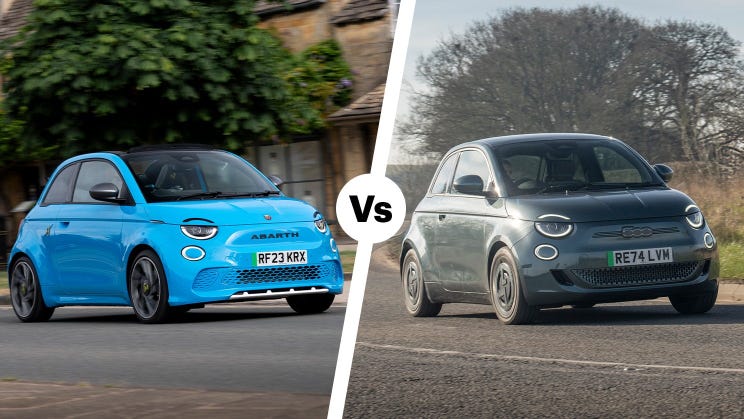
There's also an Abarth version of the latest 2020-on electric 500. This version gets a stronger electric motor and an aggressive makeover, plus an external speaker that plays simulated engine noises so it sounds as fast as it goes.
Fiat 500 trim levels
Current Fiat 500 trim levels
- Icon – entry-level model with rear parking sensors, an infotainment system, alloy wheels and cruise control
- (RED) – tie up with charity (RED) with unique red detailing and similar equipment to Icon
- La Prima – adds luxuries like wireless phone charging, a panoramic glass roof, vegan faux-leather upholstery and adaptive cruise control
Fiat 500 2007-2024 trim levels
- Pop – entry-level version with air conditioning and a basic stereo
- 1.0 Mild Hybrid – end-of-life entry-level trim with cruise control, alloys and an infotainment system with smartphone mirroring
- Connect – adds a sporty body kit plus rear parking sensors and an infotainment setup
- Sport – also gets a sporty look plus tinted rear windows and graphite-coloured details
- Lounge – higher-end trim with alloy wheels, nicer upholstery and cruise control
- Dolcevita – luxury focused trim with similar features to Lounge
Fiat 500 generations
Fourth generation – 2020-present
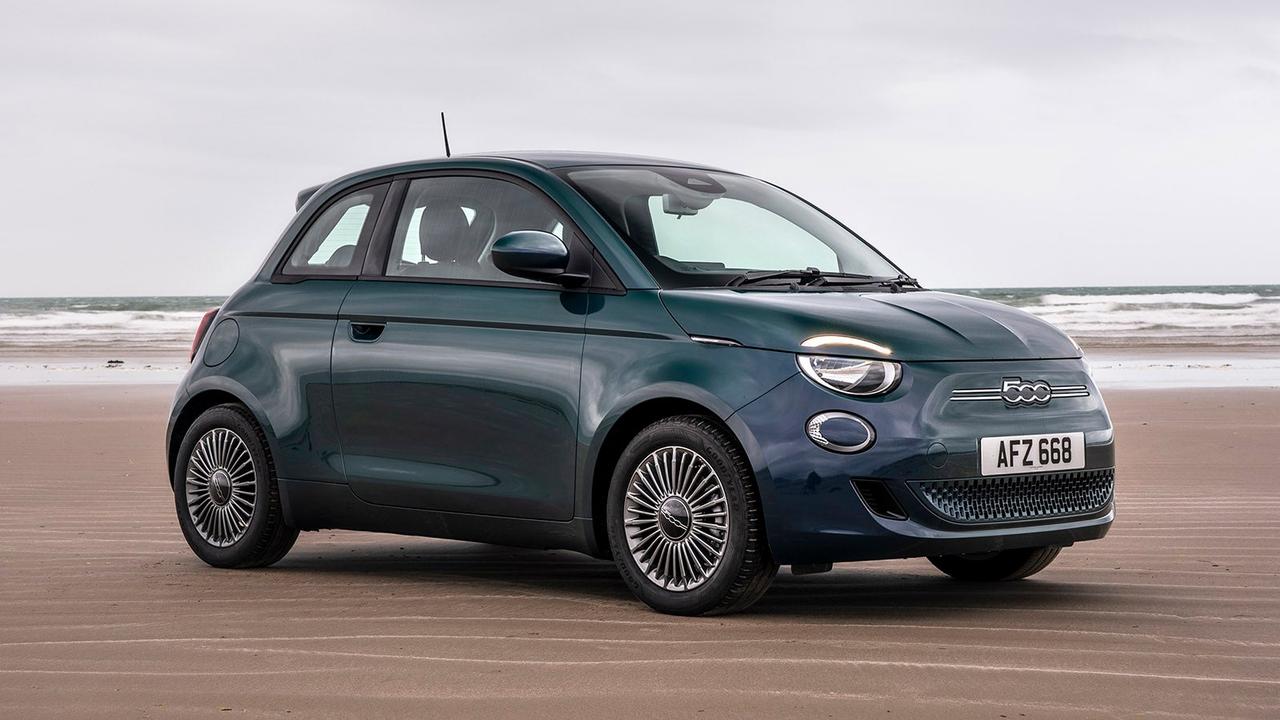
- Despite using a similar platform to the 2007 500, the new car is 6cm longer and 6cm wider
- Model code – 332
- Facelift expected between 2026-2028
- This was one of the first city cars to get level 2 semi-autonomous driving features
- Initially launched as an electric car, with a mild-hybrid joining in 2026
Third generation – 2007-2024
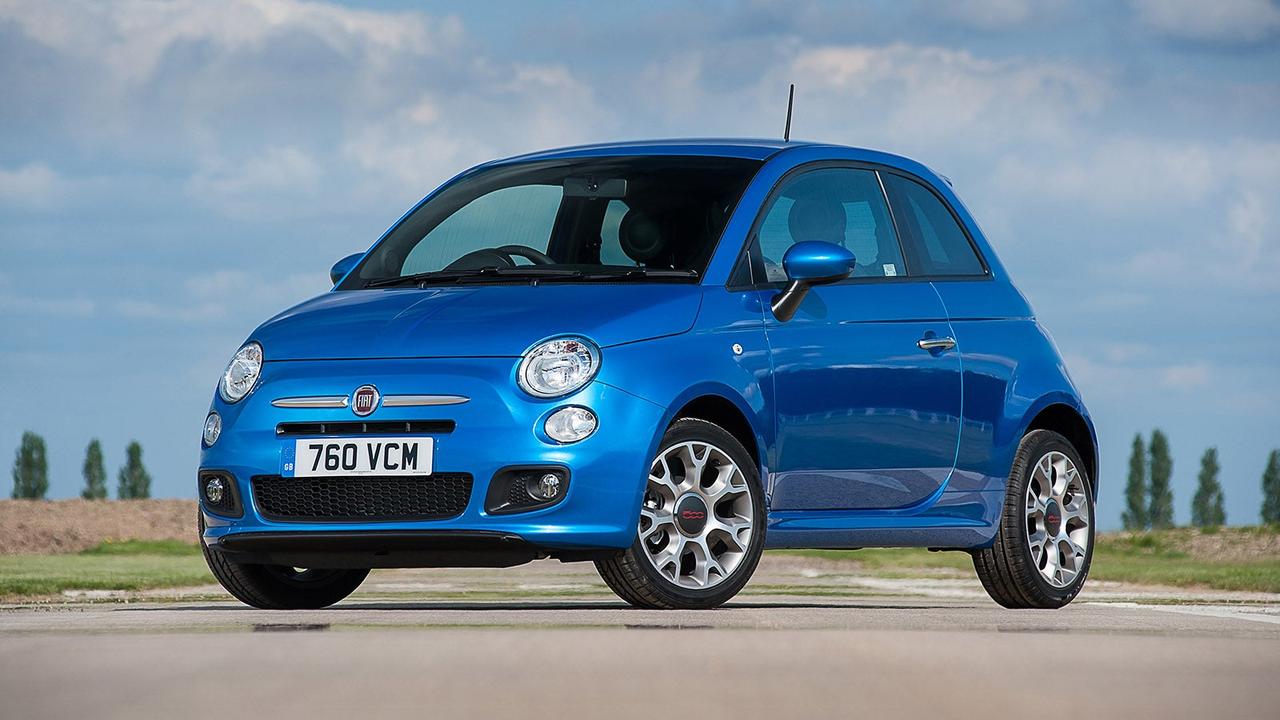
- Frank Stephenson helped develop the 500, having also worked on the Ferrari F430 and Mini Hatchback
- Model code – 312
- Facelifted in 2016
- European models were built in Poland while Mexico also built versions for North America
- Most are petrol or turbo petrol – a handful are diesel and a tiny fraction are electric
Second generation – 1957-1975
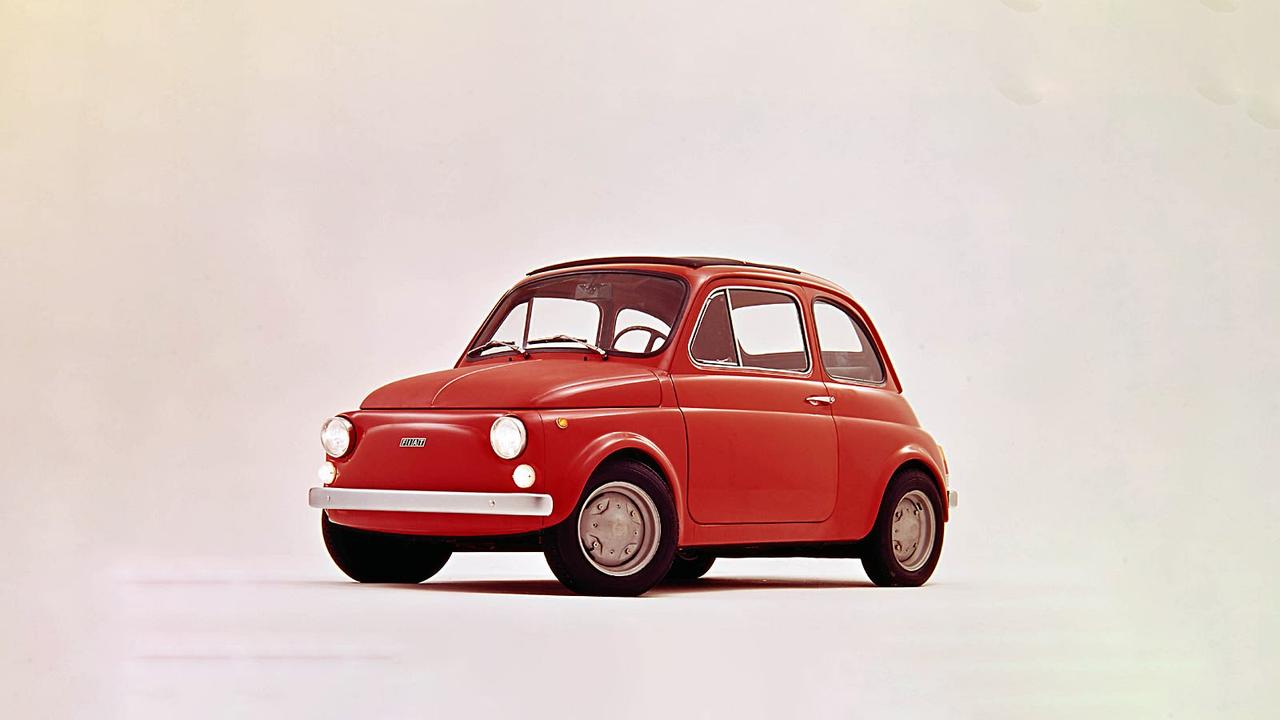
- This model cemented Fiat's reputation as a builder of small, affordable cars
- The '50s 500 could seat four (just about) at a time when many Italians rode cheaper motorbikes
- Petrol-only with a manual gearbox
First generation – 1936-1955
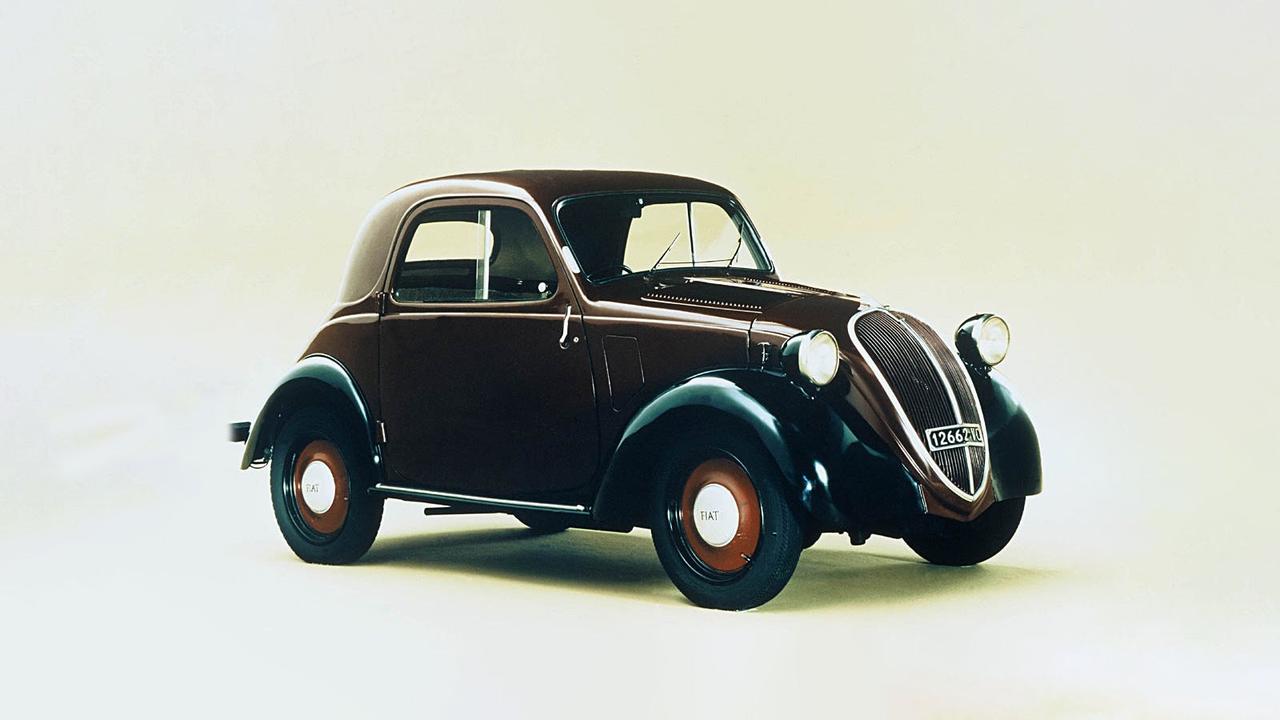
- This is the first Fiat model to be badged 500
- It was nicknamed 'Topolino', which means 'little mouse' and also refers to Mickey Mouse
- Petrol-only with a manual gearbox
What's the best Fiat 500 model?
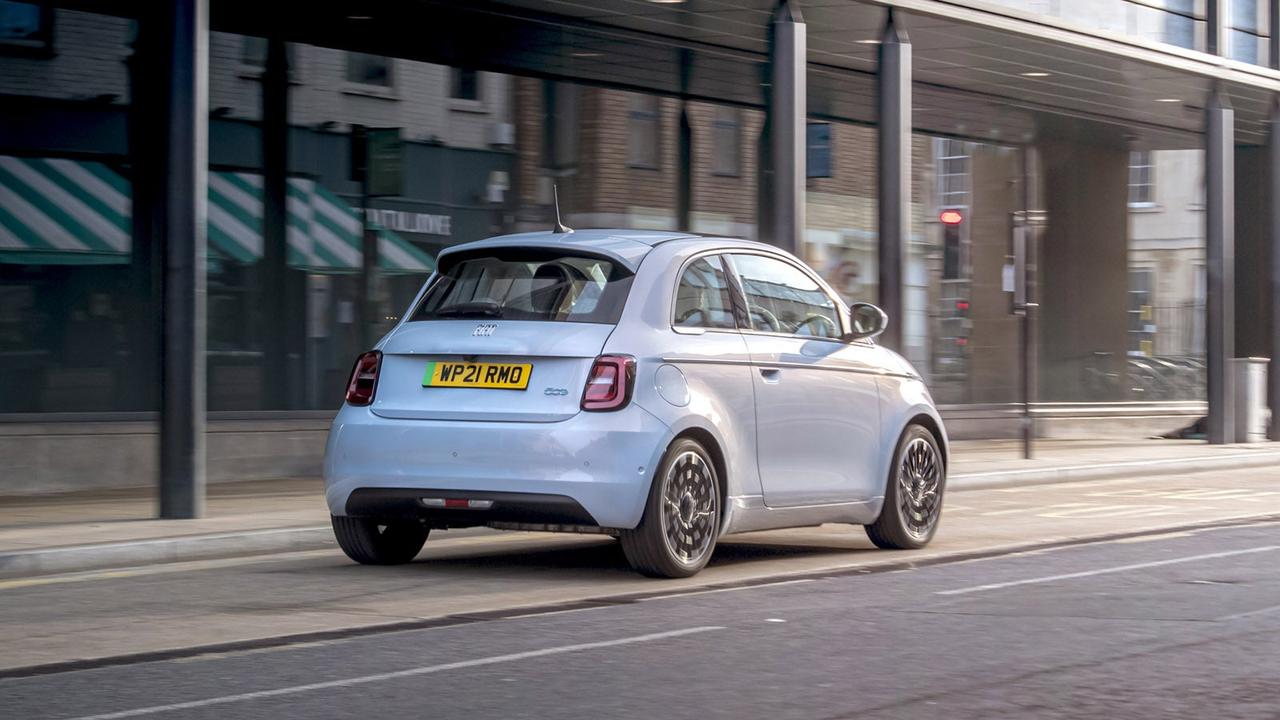
We'll ignore the first two 500 generations as these will only interest classic car enthusiasts. That leaves you with a choice between the 2007 500 and the 2020 500. The 2007 version was built all the way until 2024 and is the only 500 currently available with a petrol-powered engine. While the 2020 model will soon feature a mild-hybrid setup, it's currently only sold as an EV so is best suited to drivers who can charge from home.
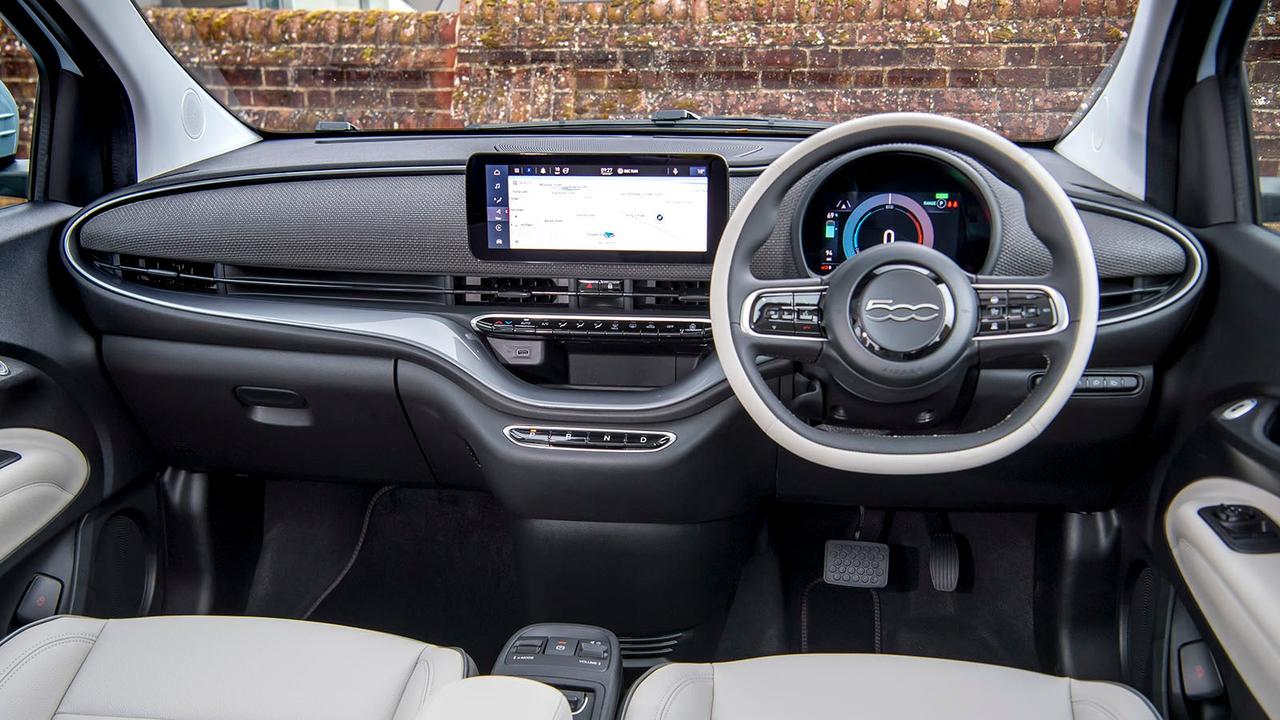
There are some clear benefits swapping to the new battery-powered 500. For one, all versions are automatic and the electric motor provides much zippier performance than petrol-powered 500s. You also get a more modern interior with fully digital driver's dials, and a larger infotainment screen.
However, we can't ignore the 2007 500's epic production run. This means there's always loads available on the used market with competitive pricing. Like the latest 500, this version also gets loads of cute retro details that make it a nice place to sit.
Search nearly new and used Fiat 500 cars for sale, or read our Fiat 500 review to find out what this city car is like to drive.