





With its historic cities, tranquil beaches and warm climate, Portugal is a popular tourist destination. Here's what you need to know if you're planning to drive there.
Portugal is a great country with lots to see and do – and we're not just talking about the fresh pasteis de nata! Exploring this Iberian nation by car lets you pack more than you could if you were flying, and gives you the freedom to go at your own pace.
You can catch flights to Portugal from many major UK airports, or you could decide to catch a ferry to northern Spain (Bilbao or Santander) from Portsmouth, Plymouth or Rosslare in Ireland and drive into Portugal from there. Make sure to factor in the travel time, though – it's a long ferry journey.
- Driving in Portugal requirements
- Checklist
- Rules for driving in Portugal
- Speed limits
- Portuguese road signs
- Low-emission zones
- Toll roads
- Electric car charging
- Parking
- Driving a UK car in Portugal
- Towing
- Hiring a car
Driving in Portugal requirements
If you're planning to drive in Portugal and are a UK citizen, you need your passport and driving licence. To be on the safe side, take your V5C and proof of insurance, too. Remember that all documents must be current and not expired.
You must be at least 18 years of age and hold a full licence to drive a car in Portugal. You can ride a motorbike (no more than 125cc) or a moped (no more than 50cc) from the age of 16.
Crash helmets are compulsory for all riders of powered bikes – that's motorbikes, mopeds and e-bikes. Children must wear helmets on pushbikes.
You'll need a 'UK' identifier on either your car or your number plate – but you'll need a UK sticker regardless of it's on your number plate if you're driving through Spain to get to Portugal.
Headlamp beam deflectors should be fitted on your car to stop you dazzling other motorists since you'll be driving on the other side. You won't need to do this if your car has flat-beam headlights or you can adjust the direction of the beam within your car's settings menu.
UK residents do not need an International Driving Permit (IDP) or insurance green card to travel to Portugal. IDPs are recognised but aren't necessary.
Checklist
Here’s what you need to drive in Portugal:
- Passport (valid and in-date)
- Full driver’s licence (valid and in-date)
- UK car sticker – even if you’ve got a UK identifier on your number plate (if driving through Spain as well). GB stickers are no longer valid
- Proof of insurance
- V5C logbook (if applicable)
- Headlamp beam deflectors (if needed)
- A high-vis jacket for everyone in the car
Recommended items for driving in Portugal:
- European breakdown cover
- Spare bulbs (unless your car’s lights are in sealed clusters)
- A warning triangle (it's compulsory for domestically registered cars but not compulsory for foreign-plated cars if it's not a legal requirement in that country)
- First aid kit
- Up-to-date road atlas (especially if travelling in rural areas with limited GPS signal)
- Space-saver spare wheel and tool kit
Rules for driving in Portugal
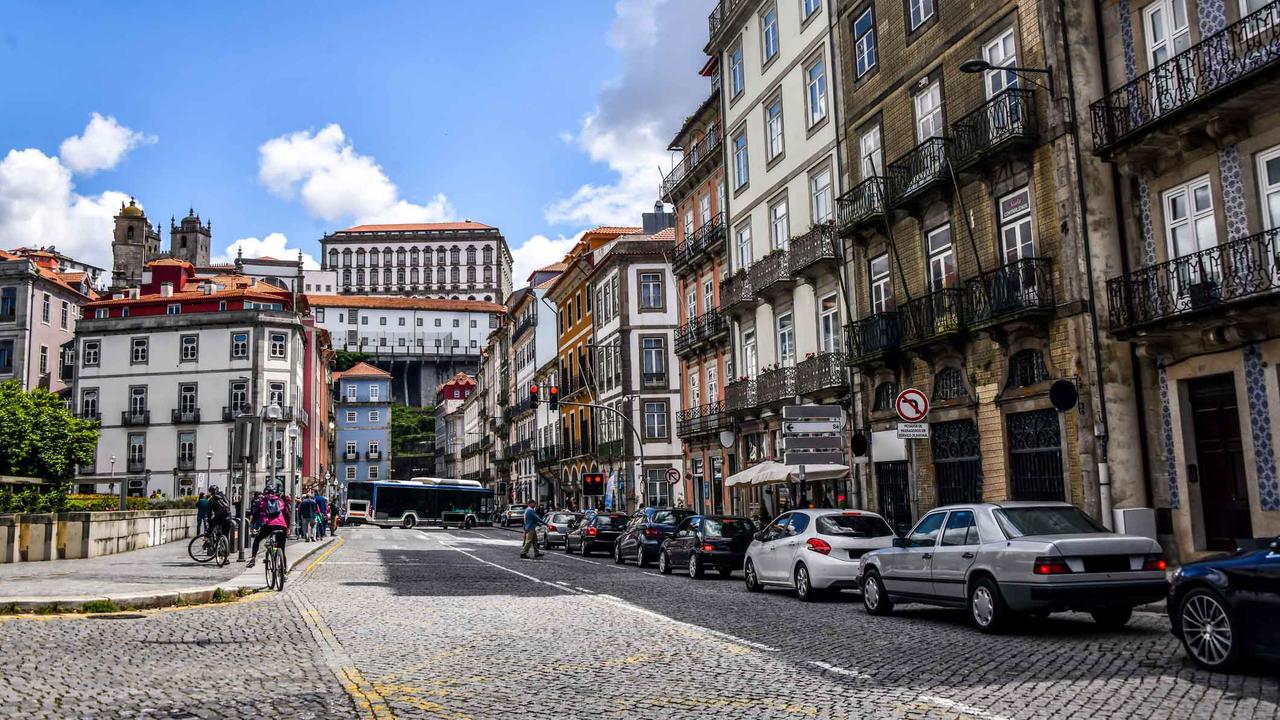
Drive on the right in Portugal.
Overtaking, where permitted, is done on the left. Remember to stay in the right lane on motorways and dual carriageways when you’re not overtaking slower traffic. Overtaking on the right is explicitly banned.
You are only allowed to overtake a stationary tram if there is an island or platform for passengers to get on and off.
Do not enter a junction if your exit isn't free and your presence will block other traffic.
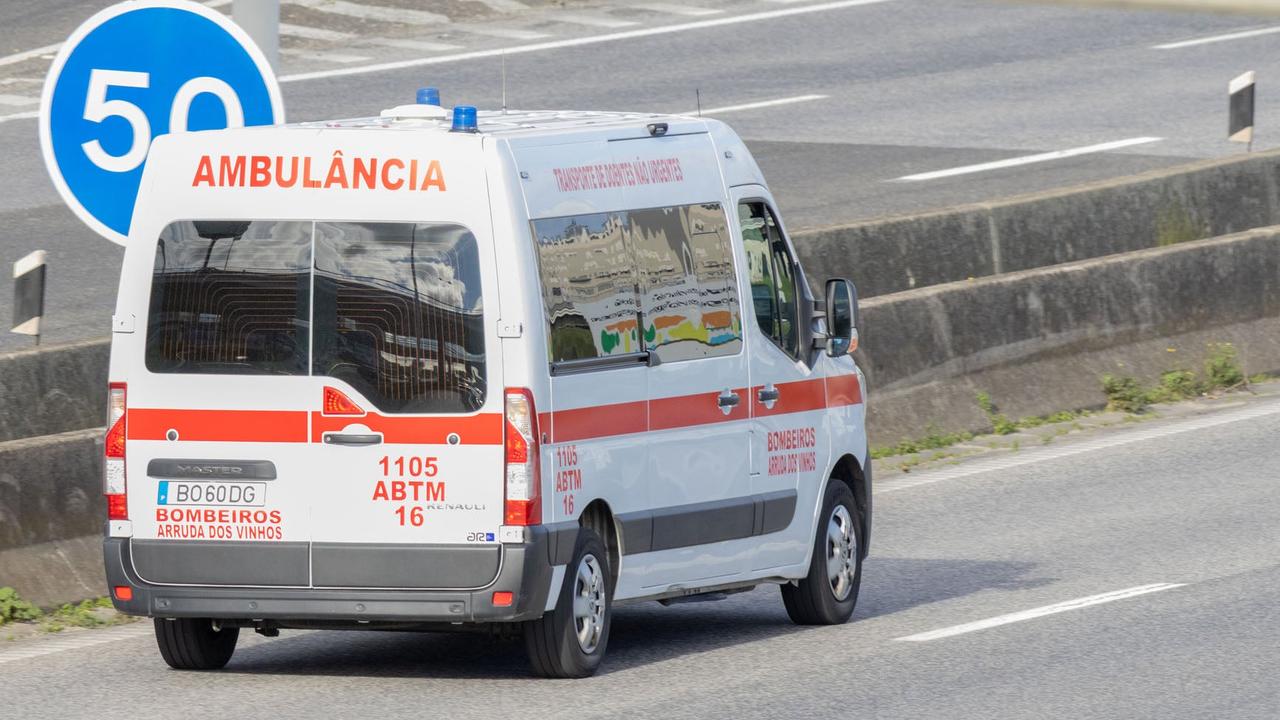
Emergency services vehicles on flashing lights, and military vehicles, have priority over other traffic.
On narrow lanes, the vehicle closest to a passing place should yield. If the two vehicles are roughly equidistant from a passing place, the driver of the lighter vehicle should pull in. Priority on hills is given to the vehicle driving up the hill.
A flashing amber traffic light means exercise caution. There's no amber light after the red like there is in the UK – the traffic lights go straight from red to green so make sure you can clearly see the lights and are ready to proceed.
You must wear seatbelts if fitted in your vehicle, otherwise you could be fined €600.
You should disable speed camera detectors on your GPS system. Radar jammers are unsurprisingly banned, and you could face a €2,500 fine if caught with one. It's the same fine for being caught driving under the influence of drugs.
As you might expect, it’s also illegal to use a handheld phone or similar device while driving. In practice, it seems that many Portuguese motorists don't expect to be pulled over for this offence.
You can also be fined for not stopping at a stop sign.
Motorists are required to pay any fines incurred on the spot. You should be able to pay by credit/debit card – many police cars have card machines. If you can’t or don’t pay the fine, your vehicle can be confiscated until the money owed is paid. Vehicle confiscation is also a potential consequence of drink-driving, not having the correct car documents, or having forged/cloned number plates.
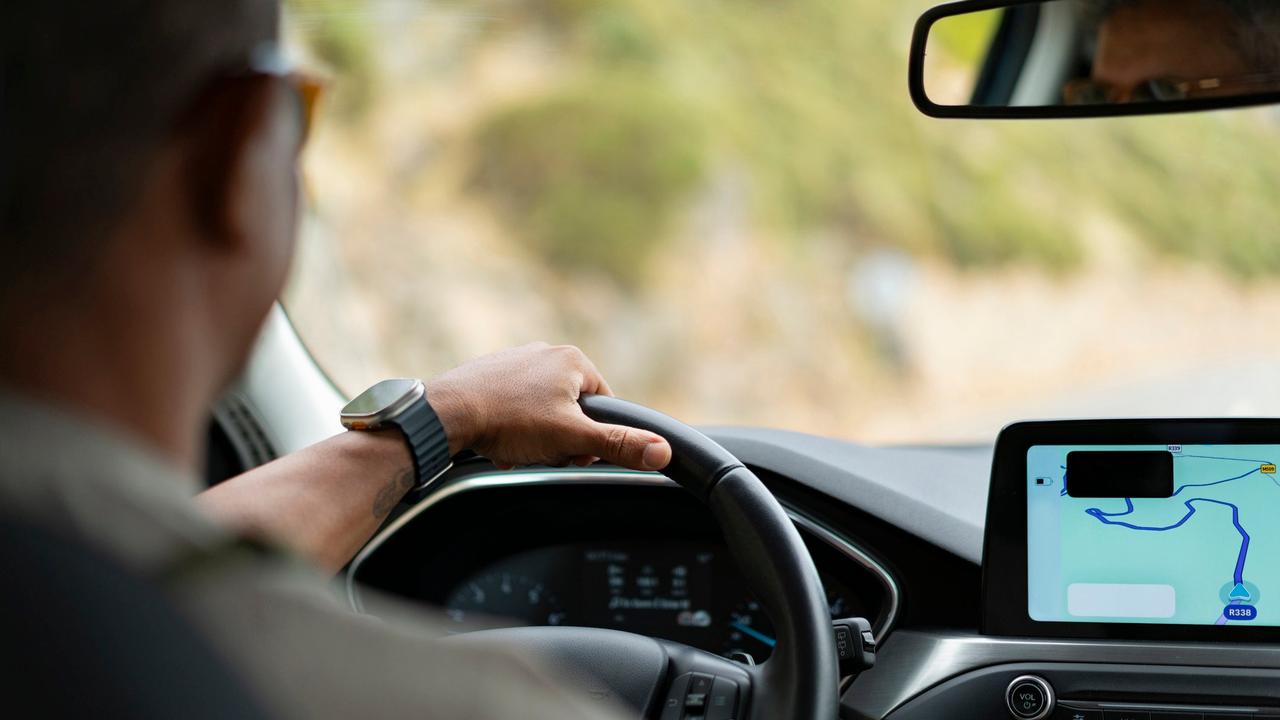
The drink-drive limit in Portugal is 50 milligrams of alcohol per 100 millilitres of blood, which is lower than in the UK. There's not much tolerance for drink-driving, so we’d advise sticking to alcohol-free options if you’re going to be driving in Portugal. Keep the lovely wines unopened until you get home. The blood alcohol limit is lower still if you’re a new driver or are in Portugal to drive professionally.
You should avoid using your horn in urban areas after dark. However, in rural areas it's absolutely fine to sound your horn whenever required – and it's encouraged in low visibility, before a blind corner or before overtaking a slower-moving vehicle.
A fun Portuguese road law is that you're not allowed to be in the right-hand lane on a roundabout unless turning immediately right – or if you're riding a horse or donkey.
From July 2026, new cars registered in Portugal must be fitted with driver fatigue monitoring tech.
Speed limits
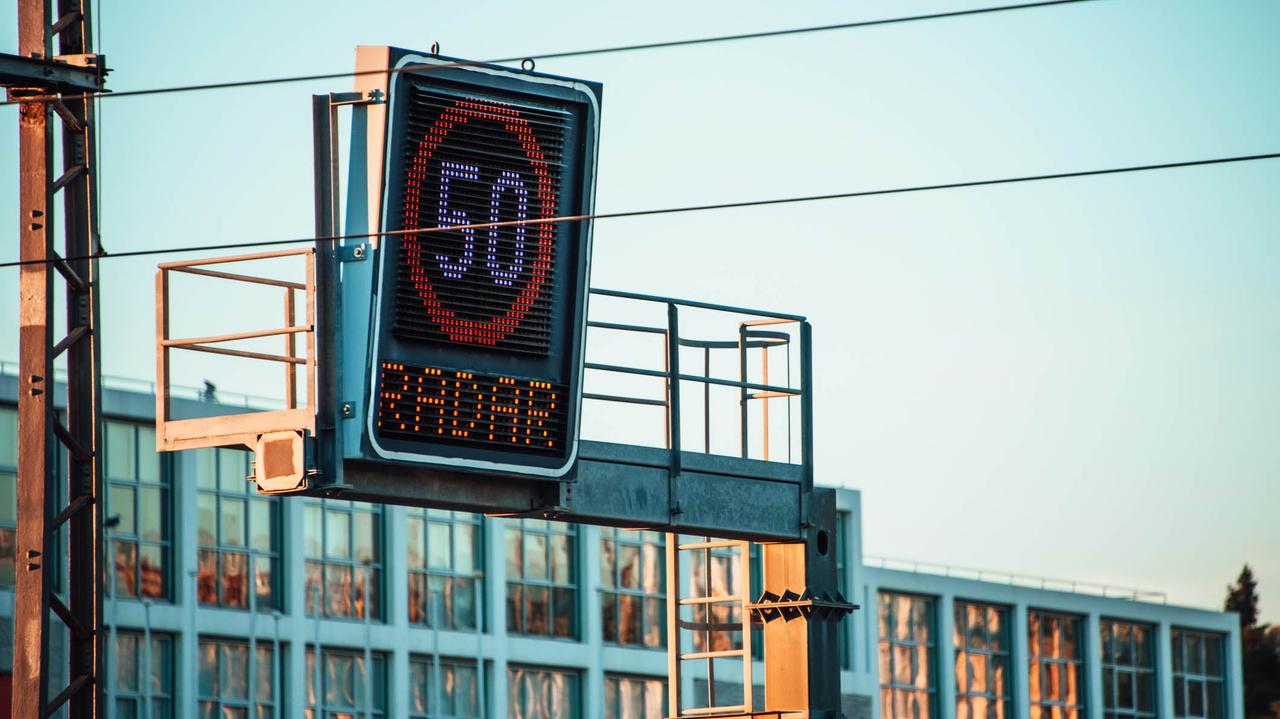
Speed limits in Portugal broadly match those in the UK, although speeds are measured in kilometres per hour (km/h) rather than miles per hour. You might be able to change your car's speed units in your infotainment system.
In built-up areas, the speed limit is usually 30-50km/h (18-31mph). On out-of-town roads, the speed limit is likely to be 100km/h (62mph), but make sure to look for local signage. On dual carriageways and motorways, the speed limit is likely to be 120km/h (74mph).
Portuguese road signs
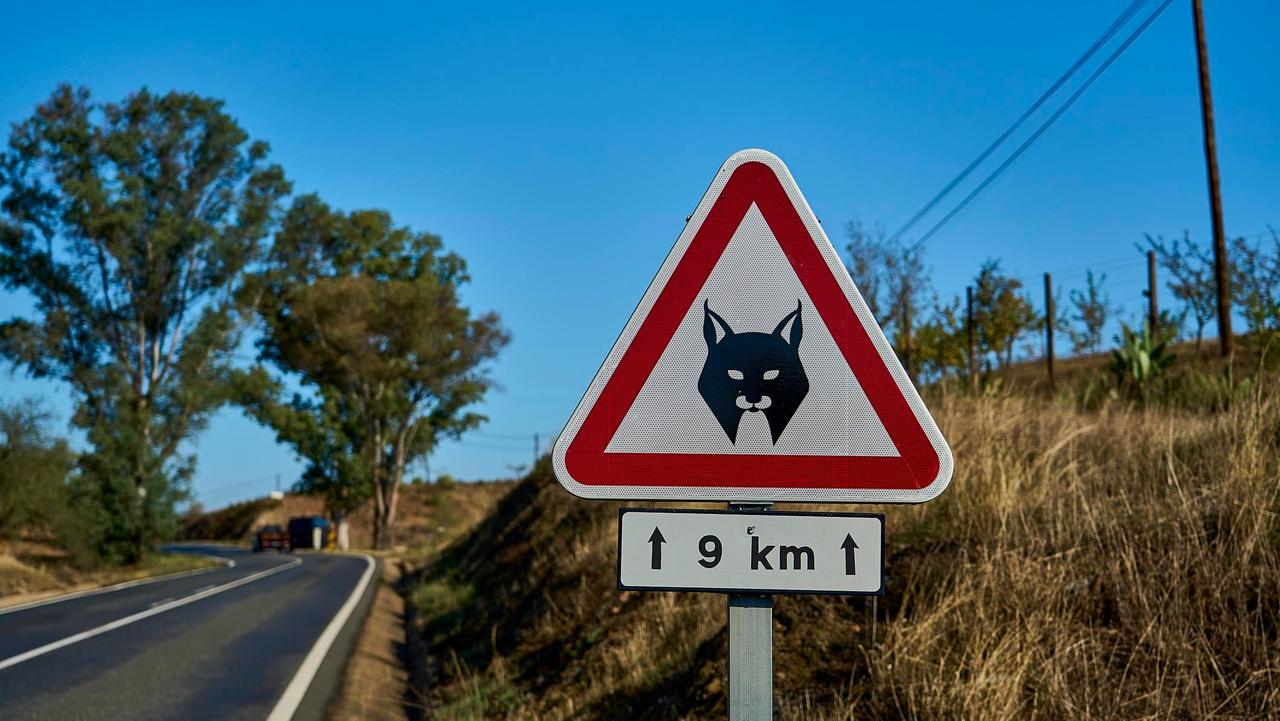
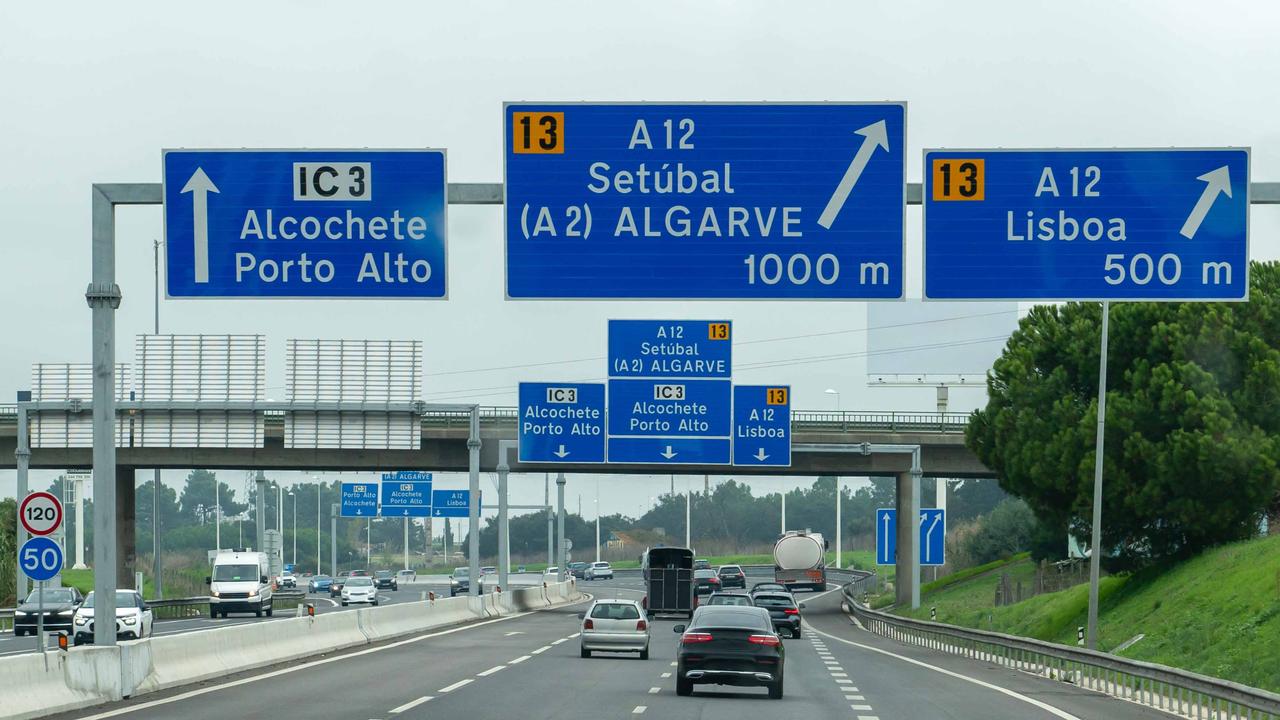
Portuguese road signs are largely the same as the ones you’ll find in the UK, with the pictoral images mostly identical to what we're used to. One we don't get in the UK is a dedicated sign for 'Iberian lynx crossing'.
If you spot a blue speed limit sign, this means there's a minimum or advised speed limit.
Distances are measured in kilometres and metres.
| Portuguese road signs you may come across | English translation |
| Alfândega aduana | Customs |
| Portagem Péage | Tolls |
Low-emission zones
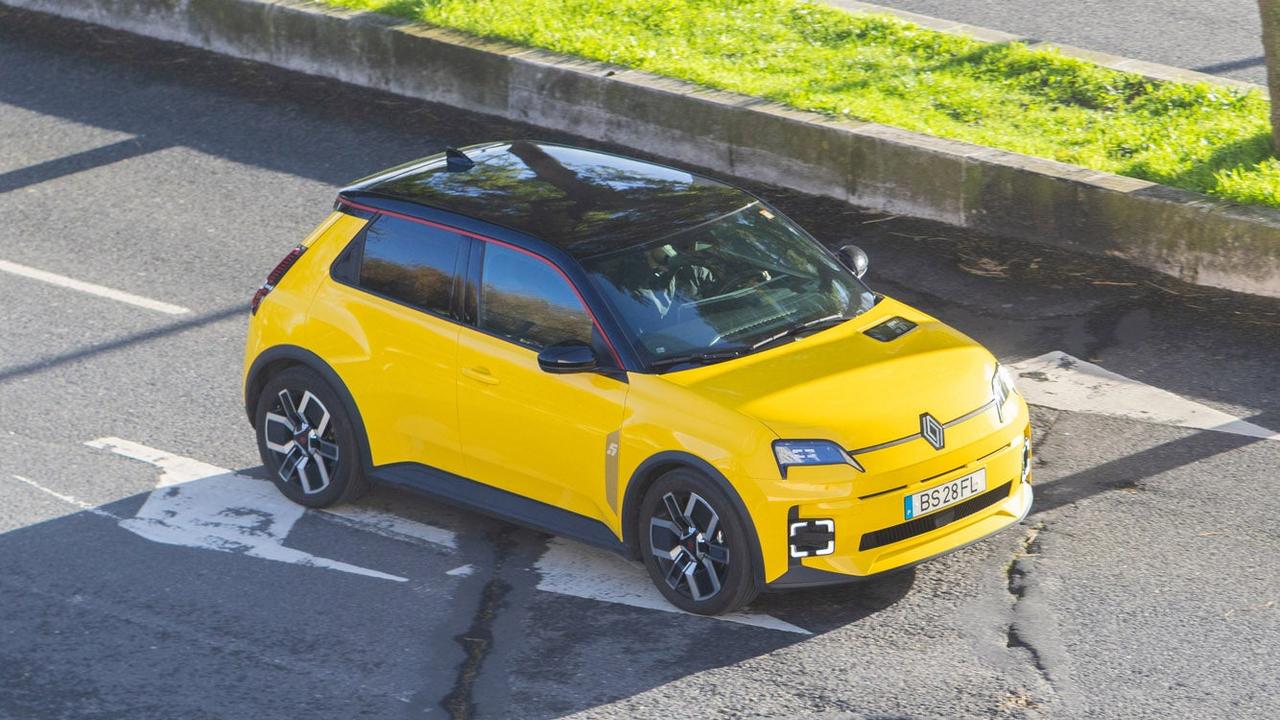
Major Portuguese cities have low-emission zones, which you'll need to consider if you're planning to drive in a built-up area. However, each low-emission zone seems to have different requirements, so check the municipality you're going to.
Toll roads in Portugal
Many Portuguese motorways are toll roads. Toll charge amounts vary, but tolls can be paid with cash or credit card. For regular motorway drivers, it's worth having a Via Verde magnetic card in your windscreen, which gets you through automatically. Tourists should consider the Easy Toll system, where you enter your card and vehicle details at the border and then you're automatically charged if you go through a toll booth.
Electric car charging in Portugal
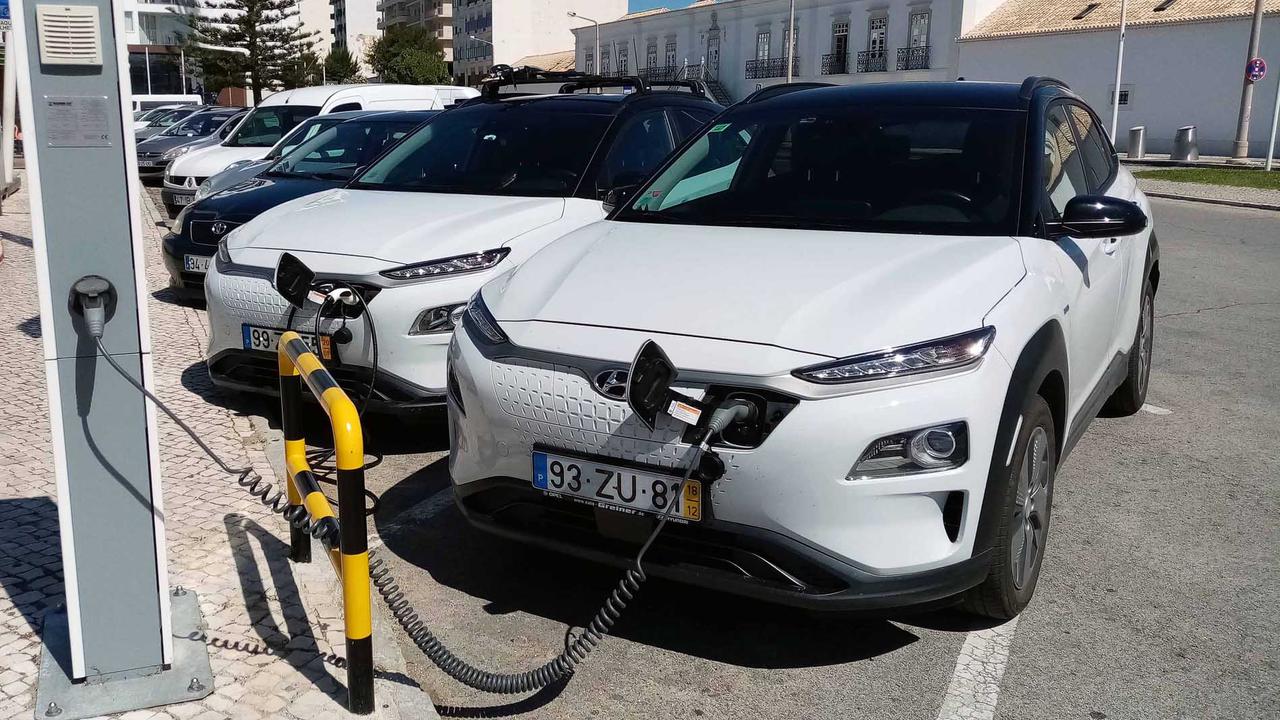
Driving an electric car in Portugal should be easy enough as long as you plan ahead. EV adoption is high – especially amongst ride-hailing services like Uber (cars used for this purpose have a 'TVDE' sticker in the back window).
Electric car charging points are prevalent enough, and they’re understandably more widely available in bigger towns. However, we can't guarantee that the charger you pull up to will work.
Remember that high speeds and using the air conditioning can noticeably affect your range. Read our guide to planning long journeys in an electric car for more info.
Parking in Portugal
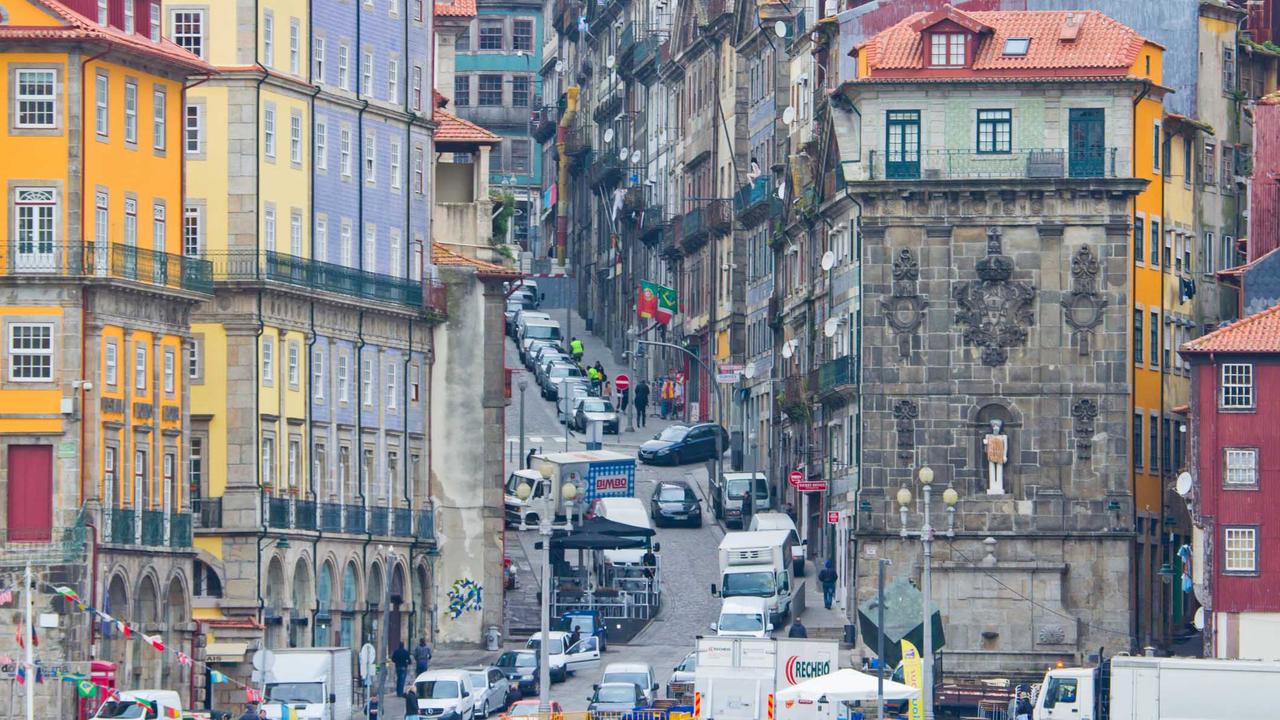
In major cities, you'll probably need to pay for parking – although a local guide might be able to find you some free spots. If you're causing an obstruction, expect to have your car clamped or towed away.
When parking on the street, you should park in accordance with the direction of travel.
In urban areas, parking is prohibited within five metres of a junction and within three metres of tram stops. Out of town, you're not allowed to park within 20 metres of a junction, or under bridges and in tunnels.
Driving a UK car in Portugal
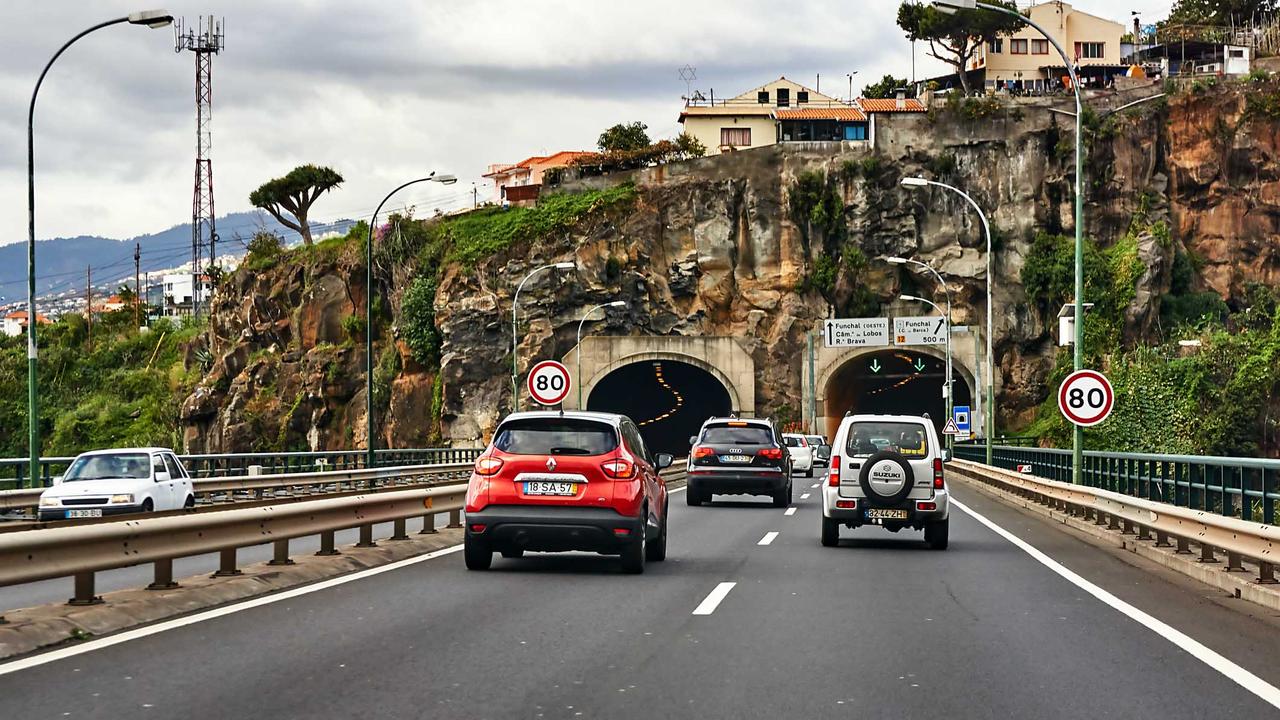
Remember that driving a right-hand-drive car on the right-hand-side of the road can be a little more difficult than driving in the UK.
Your blind spots will be different to a left-hand-drive car – especially at awkward junctions – and all toll booths, drive-thrus and car park machines will be on the left-hand side. Roundabouts and intersections are the other way around to what we’re used to. Overtakes are going to be very difficult away from dual carriageways and motorways.
Major roads are typically well maintained, but you'll find that motorway slip roads are short and junctions can be grouped closely together.

You may find that Portuguese drivers will sit closely on your back bumper on faster roads. Keep calm if you're being tailgated and pull over to the right-hand lane when it's safe for you to do so.
Driving in major urban areas means you could be sharing the roads with all sorts of other vehicles. In Lisbon, we encountered trams, tuktuks, mopeds, amphibious lorries (like London's duck tours) and electric trikes done up to look like vintage cars.
Oh, and in Lisbon, watch out for the Rotunda de Relógio roundabout right near the rental car pickup area at the airport – it's a chaotic introduction to driving in Portugal.
Petrol stations on larger roads are easy to find, and many are unmanned or automatic.
Towing in Portugal
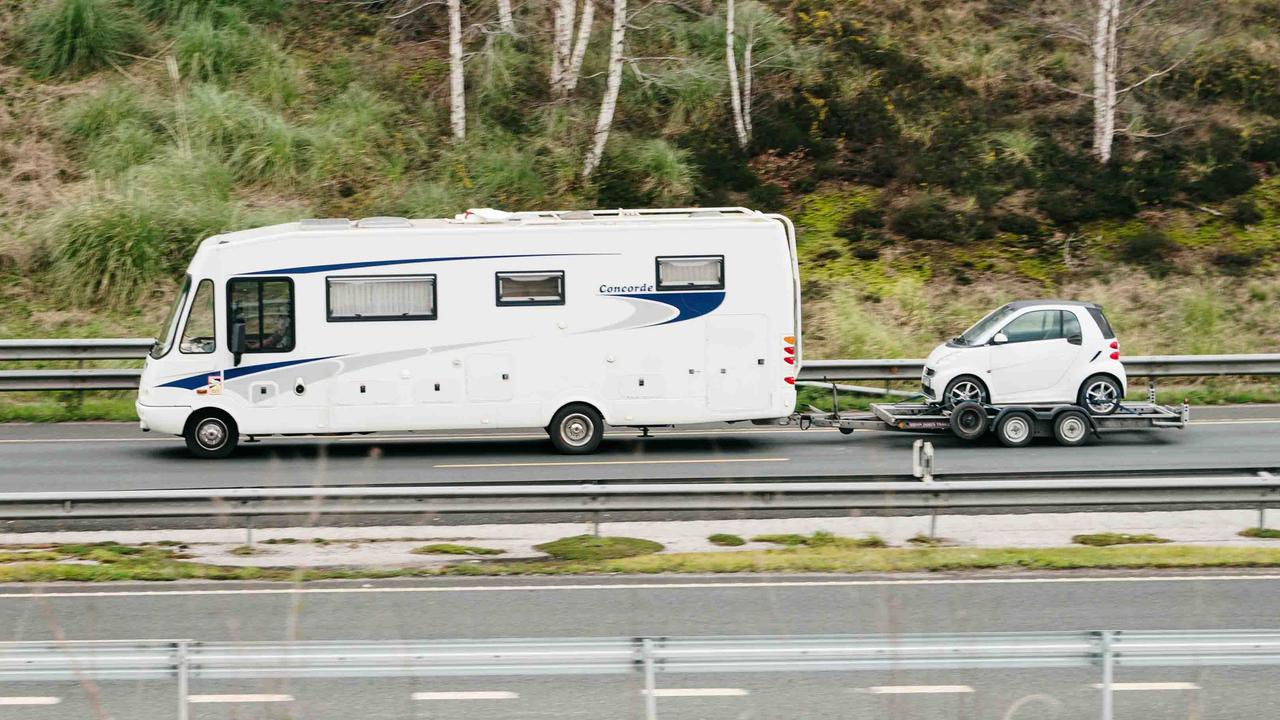
The overall length of your car and caravan can’t be more than 18.75 metres, while the height restriction is 4m and the maximum width is 2.55 metres.
If you're driving through Spain to get to Portugal in a vehicle measuring more than 12m long (such as a car and caravan), you need two yellow/red reflectors on the back.
A-frames should not be used for towing a car behind a campervan abroad – you should tow the car on a trailer instead.
Hiring a car in Portugal
You must be over 21 years old to hire a car in Portugal, although car-hire companies might stipulate that you need to be over 25 years old or charge you extra. You’ll need your passport and a full driving licence to hire a car, and you’ll need to have held your licence for at least a year. Expect to pay a deposit on your credit card.
If you’re planning to hire a car in Portugal and drive it in other countries, make sure to check with the hire company if you'll be allowed to do this. As is common, manual hire cars will be cheaper than automatic ones.
You’ll be pressured to take out car hire excess insurance. Get this before you travel – it’ll be much cheaper than at the hire desk.
If you’re going to be driving a hire car in Portugal with young children, it’s better to take your own child seats if possible. Make sure they’re well packaged if you’re flying as they’ll be chucked into the hold. You won’t know the availability and condition of any child seats at the hire car firm, and they’ll be expensive add-ons.