








Adaptive suspension is an upgrade over regular passive car suspension.
It uses a computer to rapidly adjust suspension firmness at each corner in response to road conditions. This lets the car optimise its ride quality automatically, or allows the driver to pick a sportier or comfier setup depending on the mood they're in.
What is adaptive suspension on a car?
As the name suggests, adaptive suspension means the car's suspension can 'adapt' itself based on the road and how the driver wants the car to feel. This usually means the car can be both more comfortable than the same model on passive suspension, as well as being more firm and controlled at the press of a button.
For example, if the car detects that one of its wheels is hitting a pothole, it can almost instantly adjust that particular damper to a soft setting, minimising the impact the pothole has on the car and its occupants. Then, once the road surface improves, the damper can firm back up again so the car feels composed and agile.
How does adaptive suspension work?
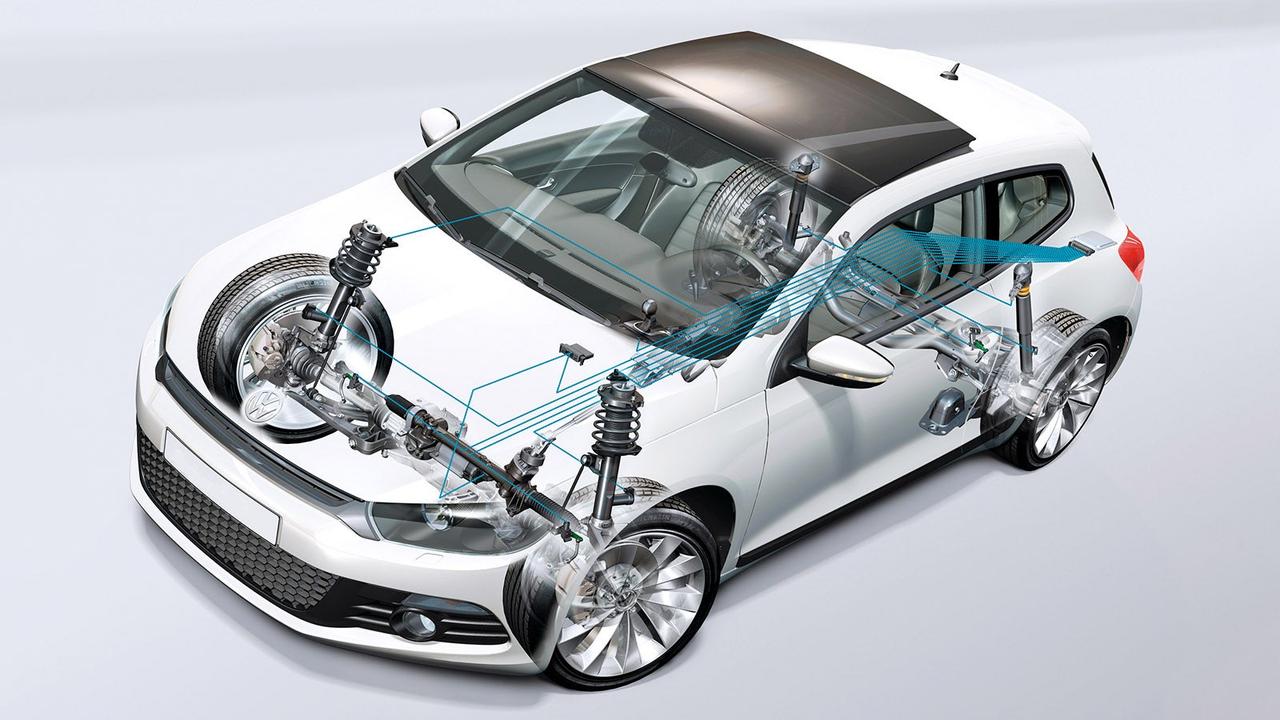
We'll delve into the two main types of adaptive suspension below. As a general rule, however, all adaptive suspension systems work by adjusting your car's dampers. The dampers are the fluid-filled tubes that stop your suspension springs from bouncing uncontrollably when they absorb the impact from a road bump.
Adaptive suspension systems adjust how much resistance the dampers apply to that fluid as it moves. More resistance means a firmer damper and a firmer ride quality, while slackening off that damper means a softer ride. The on-board computer makes those adjustments in real time to keep the car's body and ride under control.
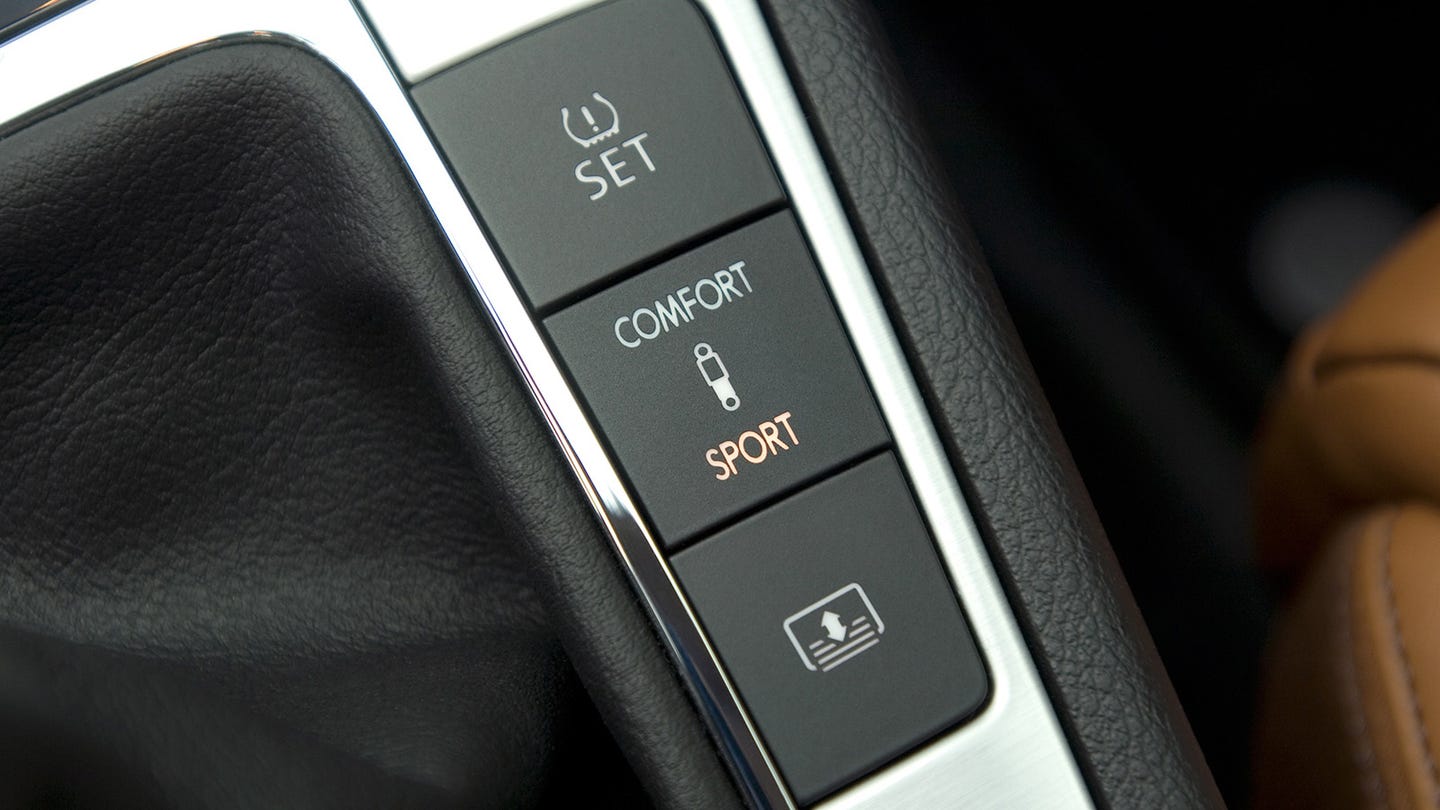
Virtually all adaptive suspension systems have different settings for the driver to pick. These are often tied to the car's driving modes, although you might be able to pick the setting yourself if there's an 'individual' or 'personal' driving mode. You'll usually get an 'auto' or 'comfort' setting, and then one or more firmer, sportier settings for more enthusiastic driving.
Types of adaptive suspension
There are two main types of adaptive suspension used in road cars:
Solenoid valve adaptive suspension
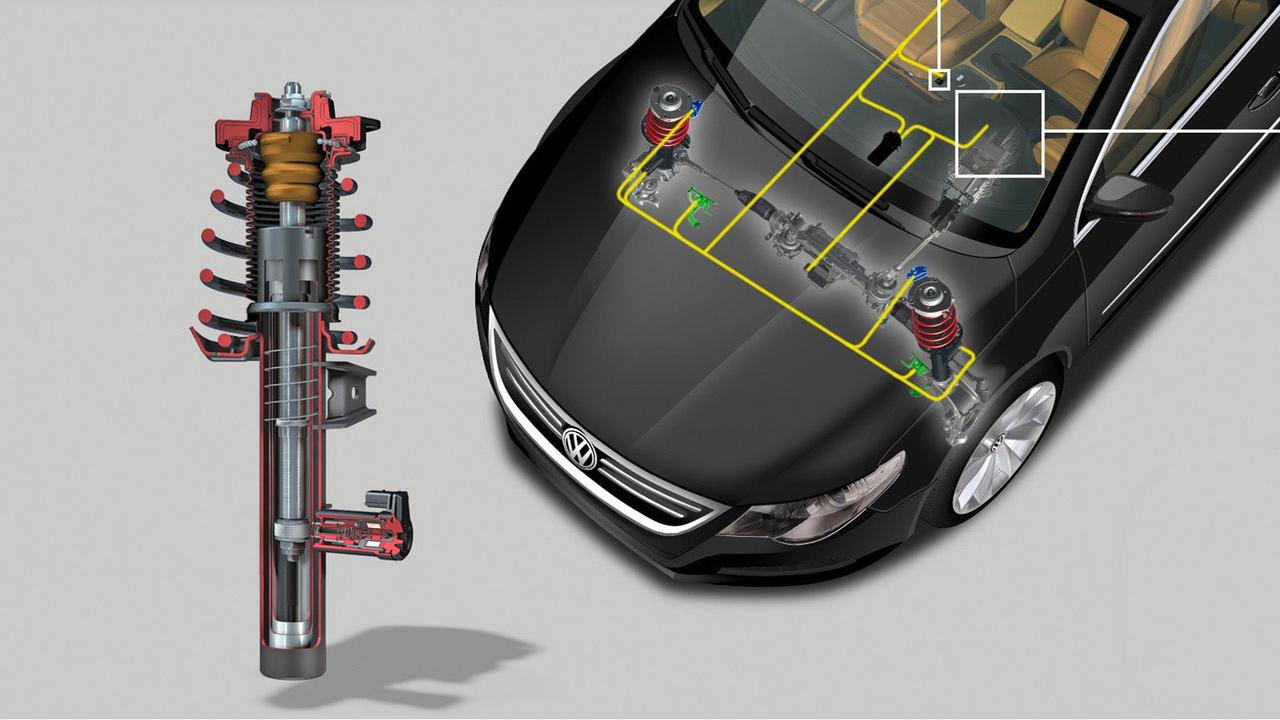
This is the most common type of adaptive suspension. It adds a computer-controlled solenoid valve somewhere in the body of the adaptive damper, which varies the restriction of fluid moving through the damper. In the firmest or sportiest setting, the solenoid valve will force the damper fluid to move more slowly, while freeing it up to move easier in softer settings.
Magnetorheological adaptive suspension
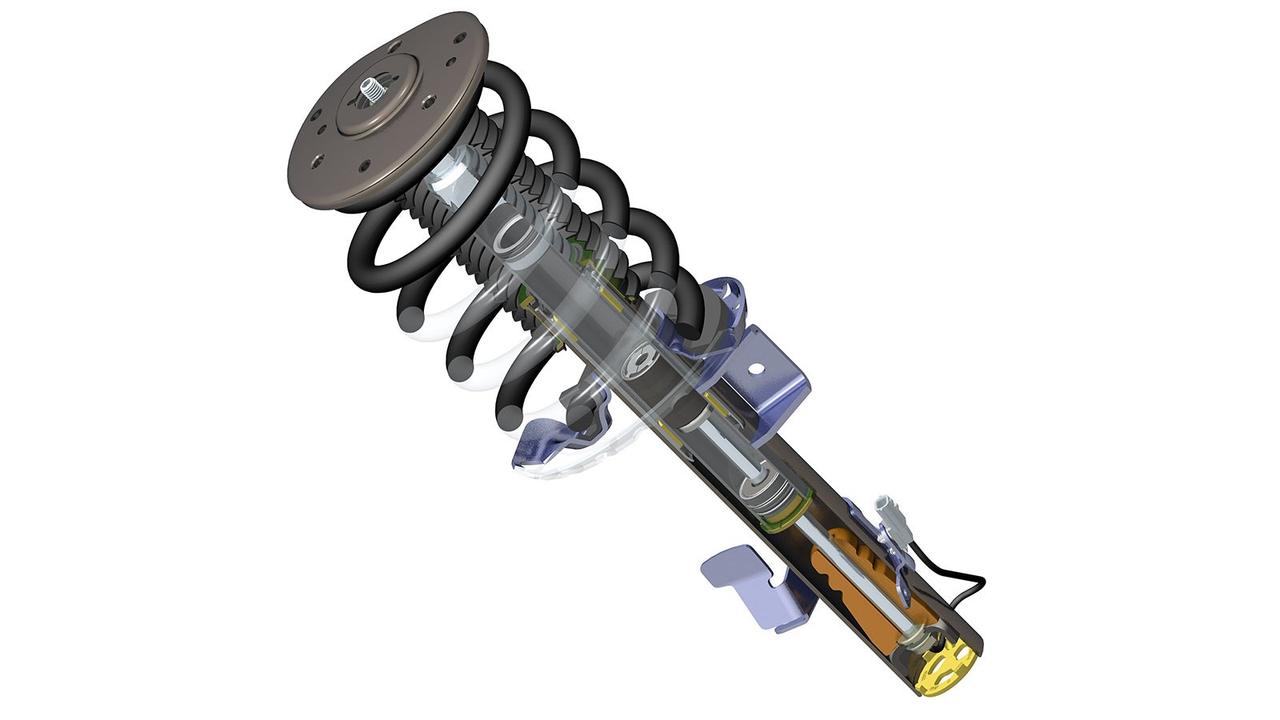
Pronounced mag-nee-toe-ree-oh-logical, this setup is clearly quite a mouthful. Rather than adjust the restriction of the damper fluid, magnetorheological dampers adjust the thickness (viscosity) of the fluid itself. This is done by suspending metallic particles in the damper fluid, and then applying a variable magnetic field so those particles make the fluid thicker or thinner. This causes the damper to feel firmer or softer as instructed.
Adaptive suspension vs other suspension types
Adaptive suspension vs air suspension
Air suspension describes a different type of car suspension setup. As the name suggests, this swaps out the metal springs in typical setups with an air-filled rubber cushion – usually optimised to deliver a softer ride than typical passive suspension setups. In most cases, the car can adjust the air pressure in the suspension to change the car's ride height or suspension response.
Air suspension only swaps out the car's springs, so it usually still needs a traditional damper to keep wheel and body motion under control. Higher-end cars might pair an adaptive damper with an air suspension spring, giving even greater control and adjustability to the setup.
Adaptive suspension vs active suspension
Adaptive suspension usually only adjusts the car's dampers. Meanwhile, active suspension is a much more involved setup that varies both the damping and spring force. This includes letting the car actively resist its suspension being compressed, effectively 'pushing' its wheels harder into the road surface to maintain level cornering.
Active suspension has only ever been fitted to a handful of high-end cars as its sheer complexity usually adds too much cost to the vehicle. Historically, the technology has been used by Citroen to make its cars more comfortable, while Mercedes currently offers some high-end models with active suspension. Some Chinese companies like BYD Yangwang are investigating active suspension systems that can apparently make a car jump.
Adaptive suspension vs adjustable suspension
Adjustable suspension is rare among production cars and is normally reserved for dedicated race cars. This setup has broadly the same adjustments as adaptive suspension – i.e. letting you change the firmness of the dampers – but those adjustments are made manually, usually by turning a dial on the damper itself.
Since adjustable suspension normally means opening the bonnet and diving into the car's oily bits, almost no road cars include it. This is arguably why adaptive suspension exists, so drivers can use the extra adjustability of adjustable suspension easily just by pressing a button.
Does adaptive suspension make a difference?
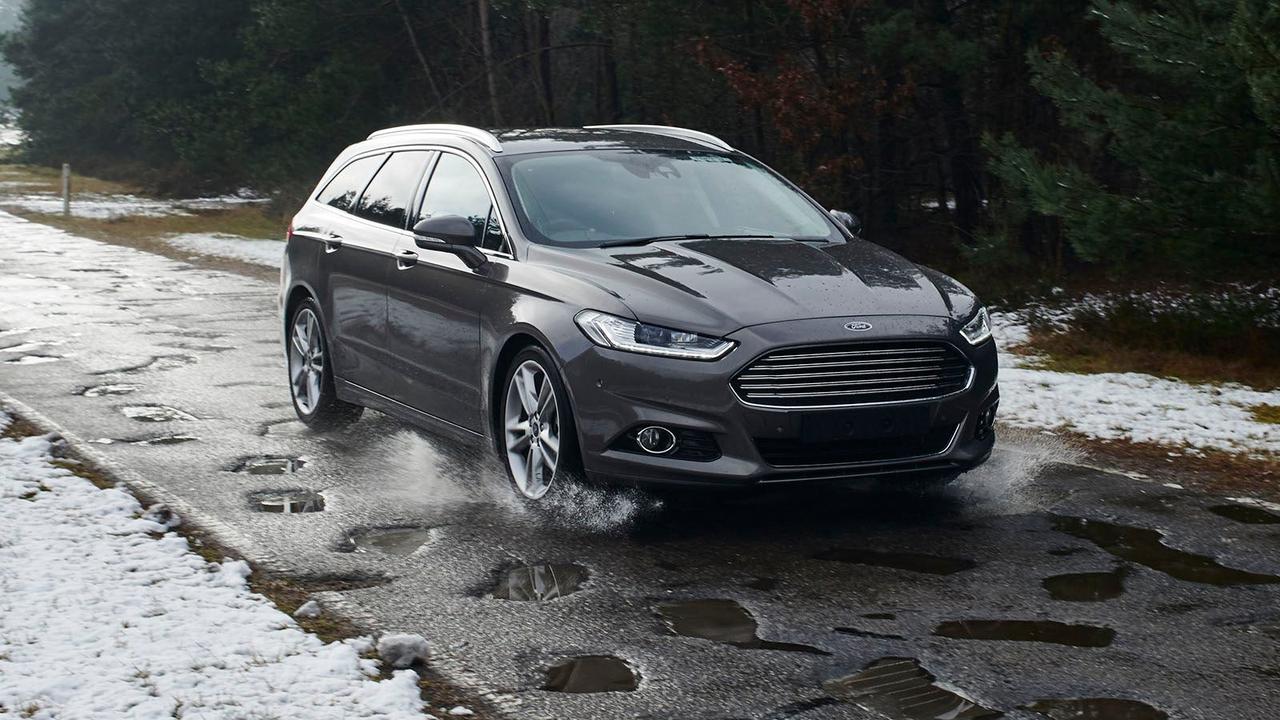
Short answer – yes. Longer answer – yes, but the effect of adaptive suspension can be quite subtle. If you're driving a low, sporty car with big alloy wheels, there's only so much the suspension can do to round off the bumps. At the same time, a tall, heavy SUV will always have a bit of body roll, even in the firmest setting.
You'll only spot the change the adaptive suspension makes over a regular setup by driving two of the same car model back to back. However, you can usually experience the difference your own adaptive suspension is making by swapping between its sportiest setting and its comfiest setting. You should notice that individual bumps are less intense in the latter setting, possibly with a bit more up-and-down body motion to compensate.
Is adaptive suspension worth having?
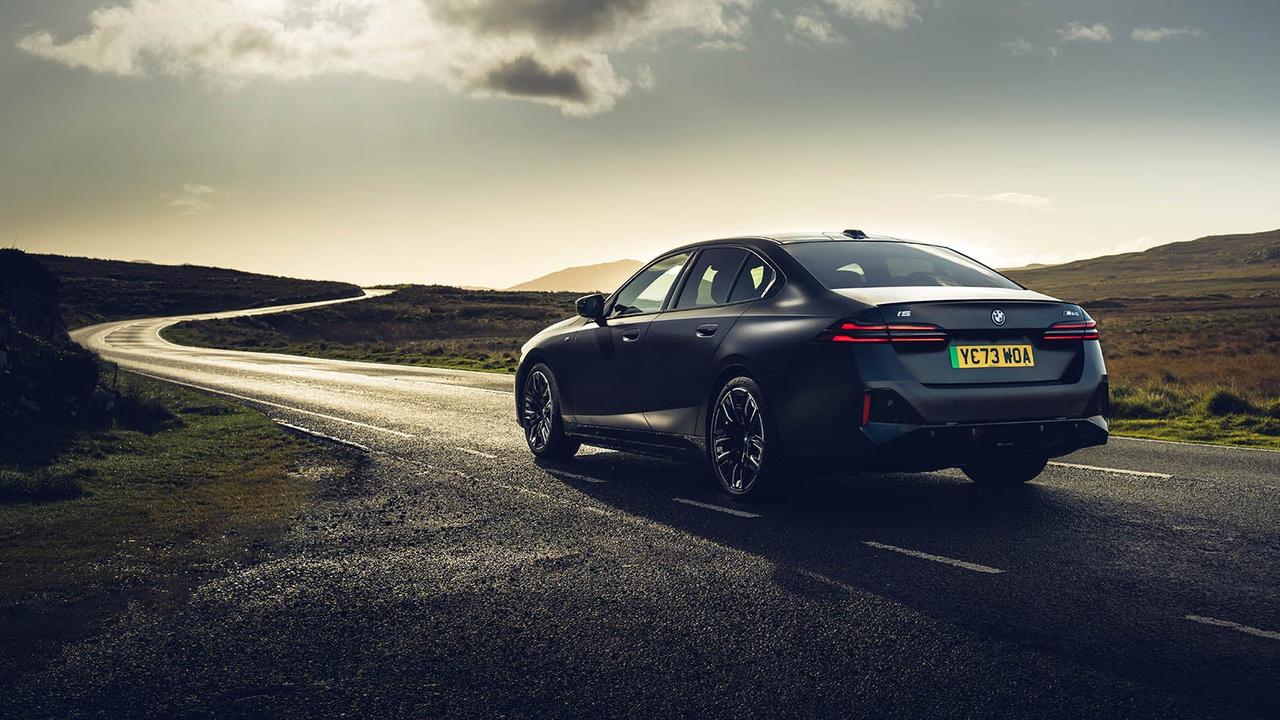
That depends on your preferences as a driver and the car you're considering. If you like a sporty car, adaptive suspension can make it more comfortable when you're just commuting. Or, in an already comfortable car, adaptive suspension can improve the ride further without softening the car so much that it becomes wobbly.
However, you can still get a comfy car with passive suspension, so you're not obliged to fork out big money to glide over the bumps. Check out some of our recommendations in our lists of the comfiest SUVs on sale and the best cars for long-distance driving.