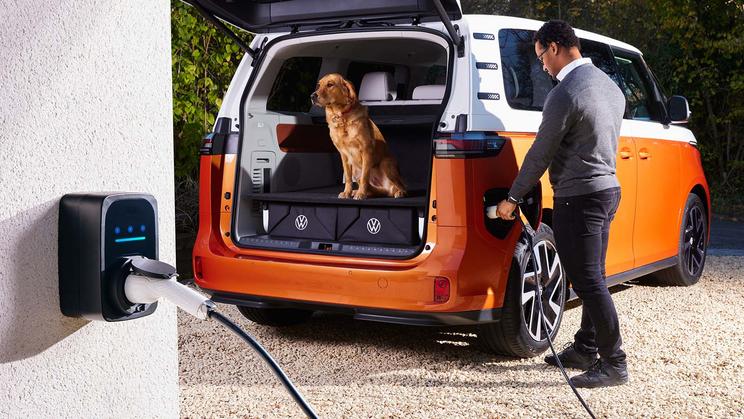










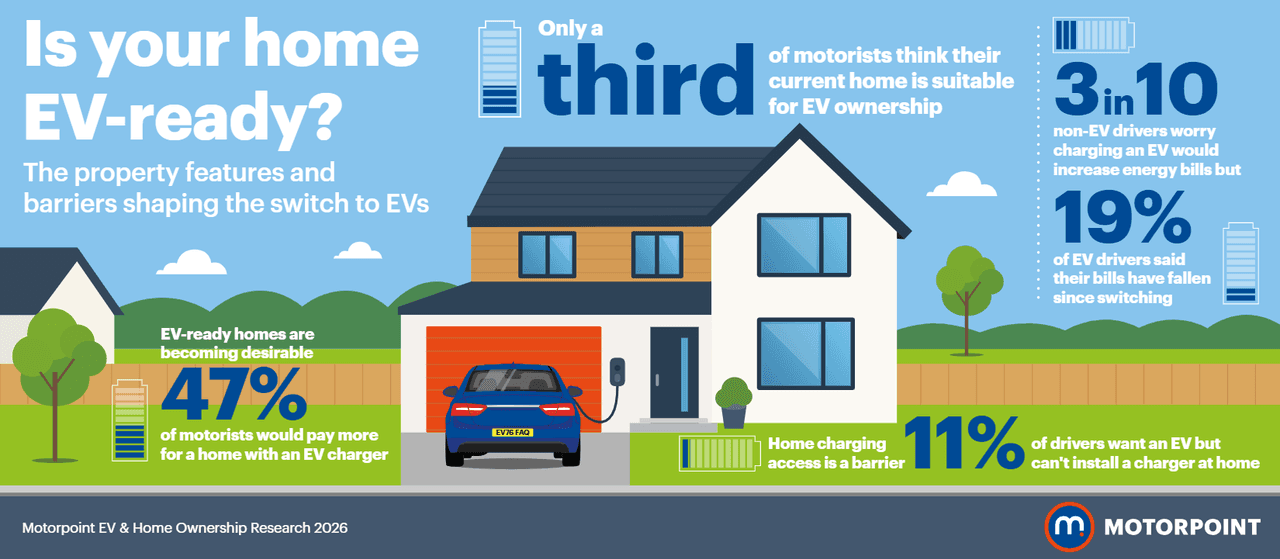
Nearly half of motorists would pay more for a home with an electric vehicle (EV) charging point (47%), with motorists' property priorities changing.
With 25% of brand-new cars sold now electric, we wanted to understand whether growing EV adoption is influencing what motorists want from their homes and whether a lack of EV infrastructure is preventing them from making the switch.
To do this, we’ve surveyed 2,000 UK motorists on their views. Here’s what we found:
Who already has an EV?
According to our research, EV adoption is more closely linked to property features, such as parking access and charging infrastructure, than to homeownership.
Looking at the data, EV adoption is almost identical among homeowners and renters, with 26% of both groups saying they drive an EV. Similarly, there are almost equal numbers of EV motorists living in a house or a flat.
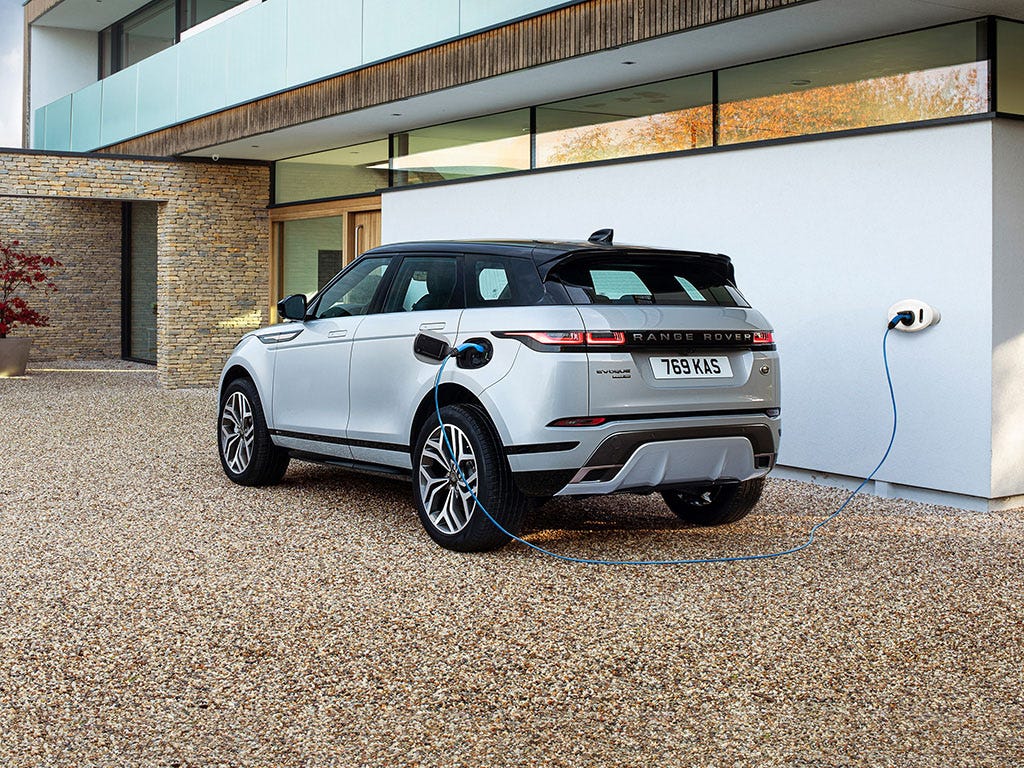
Something that stood out from our data is the importance of a home that can practically support charging. More than two-thirds of EV drivers have access to off-road parking (69%), compared with 59% of those with petrol and diesel cars.
More than two-fifths of motorists with off-road parking felt their home was well suited to owning an EV (42%), compared with less than a quarter (24%) of those who rely on on-street parking.
In fact, over a tenth of motorists (11%), reported wanting to make the switch to electric but would be unable to charge at home.
Access to off-road parking could also influence how quickly future drivers make the switch. With 32.8 million non-electric cars on UK roads, our research suggests that almost 8 million motorists could face additional barriers to EV ownership due to a lack of dedicated parking.**
Is your home preventing you from making the switch?
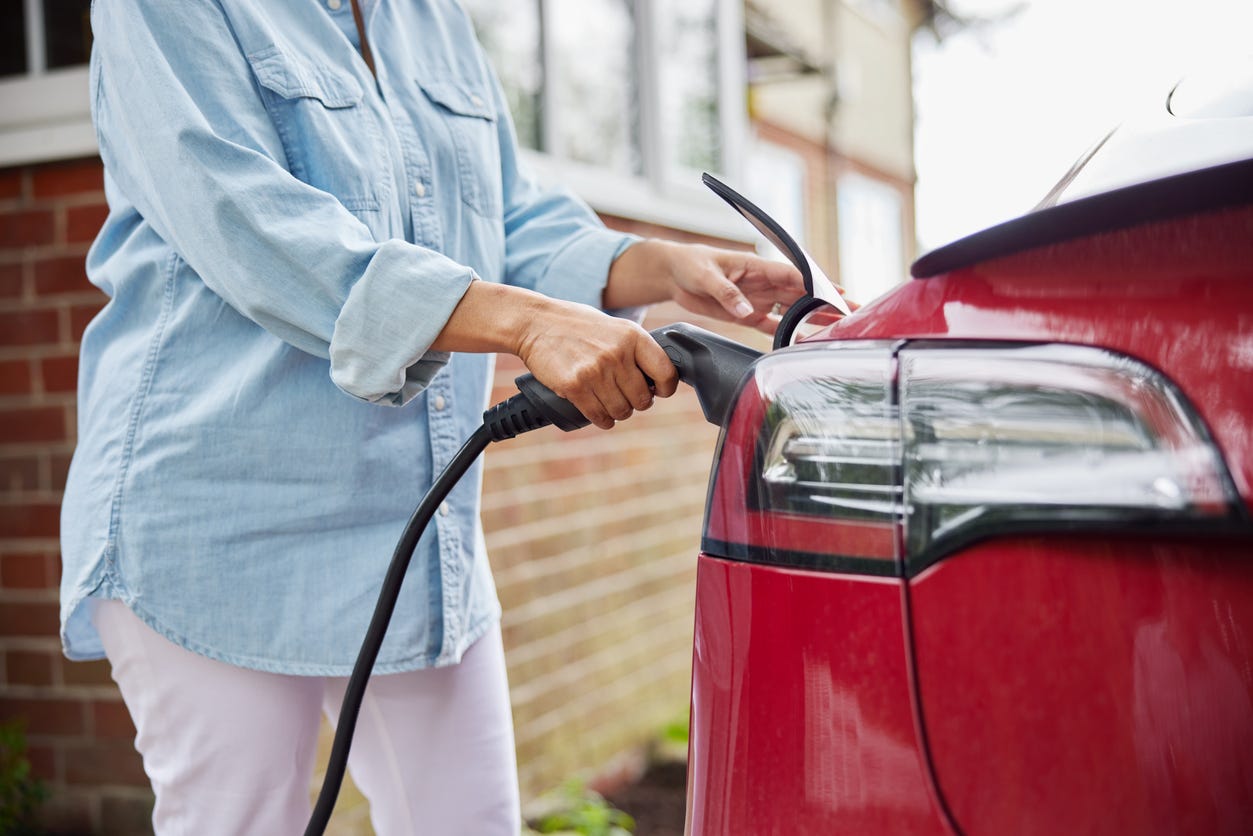
Less than a third of people we surveyed yet to make the switch to electric (29%) think their current home is well-suited to EV ownership, compared with over half of those with an EV (54%). These barriers are shown in how motorists who don’t drive electric feel about charging at home:
- Almost a quarter (23%) would be more likely to buy an EV if installing a charger were easier
- Over a fifth (22%) would be more likely to switch to an EV if their property already had a charger installed
Among petrol and diesel drivers, considerations around charging at home are a main barrier to switching, with more than a quarter (26%) saying they are put off by the cost of installing a charger.
Interestingly, over a tenth of petrol and diesel users (11%) said access to EV charging would influence their choice of home, rising to almost a quarter among plug-in hybrid drivers (23%).
Concerns about whether their home can support EV charging are another factor preventing motorists from making the switch.
Petrol and diesel road users are almost three times as likely as EV drivers to say they do not believe their property's electrical setup is suitable for EV charging. This suggests, for many motorists, the challenge is not a lack of interest in EVs, but uncertainty about whether their home has the infrastructure to support an electric car. If you're unsure whether your electrical supply can support an EV charger, consider having an electrician come out to assess your home setup and advise any necessary upgrades.
Are energy bills putting drivers off going electric?
Concerns about charging costs and rising energy bills are some of the main barriers to EV adoption.
Three in 10 people who drive a petrol, diesel or self-charging hybrid reported worrying that charging an EV would increase their energy bills. While these concerns are common, existing EV drivers show the reality can be quite different.
According to our findings, nearly a fifth of the people we surveyed who drive electric (19%) said their bills had actually fallen. Whereas a small petrol car might cost £50 to fill up, a small electric car can cost a tenth of that on the right home tariff.
When looking at why this could be, we found that 42% of those with an EV tried to charge it during cheaper off-peak periods and were the most likely to have invested in energy-saving technology for their home.
Does driving an EV make you more energy-conscious?
Those with an EV are more than four times as likely to have made electrical upgrades at home to support charging than petrol and diesel motorists.
| Energy-efficient initiatives drivers have installed | EV | Plug-in hybrid | Other hybrid | Petrol/Diesel |
| Smart meter | 68% | 62% | 70% | 52% |
| Home battery storage | 19% | 16% | 5% | 6% |
| Solar panels | 23% | 23% | 8% | 12% |
| Electrical upgrades to support charging | 31% | 20% | 5% | 7% |
| Other energy monitoring technology | 23% | 23% | 16% | 11% |
Our data suggests that switching to electric encourages drivers to become more involved in managing their home energy setup. EV ownership appears to drive wider changes in how motorists monitor and use energy at home.
As well as investing in energy-saving smart tech, EV motorists show more energy-conscious behaviour at home. Among EV drivers:
- Two-fifths (39%) say they are more aware of how much they spend on energy
- A quarter (25%) have reduced their household energy consumption
Who is getting their home ready for EV ownership?
Looking at who is preparing their home for EV adoption, we found that a significant number of petrol and diesel owners were taking practical steps to prepare their home. Almost a tenth (8%) have already installed a home EV charger, with over a quarter (27%) more considering installing one.
Plug-in hybrid drivers appear to be the most actively preparing their homes for a fully electric future. Two-fifths have installed a home charger (40%), and over half (53%) have considered electrical upgrades to support charging, which is unsurprising, as their current vehicle already has the key features of an electric car.
Among homeowners and renters, the data shows that renters are often just as likely, and in some cases more likely, to be considering these upgrades:
| Upgrade considered | Homeowners who have considered the upgrade | Renters who have considered the upgrade |
| Home EV charger | 31% | 38% |
| Solar panels | 48% | 46% |
| Static energy storage (home battery) | 33% | 36% |
| Electrical upgrades to support charging | 33% | 41% |
| Driveway/off-road parking improvements | 24% | 33% |
| Smart meter | 19% | 25% |
| Time-of-use energy tariff | 33% | 36% |
With renters more likely than homeowners to consider six of the seven upgrades, it’s worth acknowledging that, while they might have considered the upgrades, they would need to get their landlord's permission and likely wouldn't be the ones footing the bill.
How is EV adoption changing the property wish list?
When asking motorists to look ahead to what they would want out of their home, we found that they’re interested in features that would make EV ownership easier.
According to our research, the features motorists would be most willing to pay more for were:
- Off-road parking (48%)
- An EV charging point (47%)
- Solar panels (42%)
= Lower energy costs
4. High EPC rating (33%)
Interestingly, drivers value an EV charging point almost as much as off-road parking, a traditionally desirable property feature, suggesting that the rise in EV ownership is reshaping motorists’ property priorities.
By age, drivers aged 35-44 are the most likely to want a home that makes EV ownership simpler:
- 54% would pay more for a house with an EV charger
- 35% would pay more for space to install a charger
- 25% would pay more for shared charging facilities
The future of EV adoption may depend as much on whether a house could support EV ownership as on attitudes towards battery-powered cars. As EV ownership continues to rise, demand for EV-ready homes looks set to grow, making EV-ready features like charging and parking access an increasingly important part of the UK's property landscape.
Browse nearly new electric cars here.
Methodology
Survey by SurveyGoo on behalf of Motorpoint, asking 2,015 UK motorists about the barriers to EV ownership at home and how people's homes influence their ability or willingness to switch to electric. Data collected in September 2026. All statistics and findings have been rounded to the nearest whole number. All data is available.
Sources:
*https://www.smmt.co.uk/ev-market-hits-new-high-but-target-gap-remains/
** Gov data using the number of zero-emission vehicles licensed minus the number of licensed road-using vehicles. Final figure from our survey results