





























Oil is an absolutely essential fluid for your engine. Without it, your engine would literally destroy itself in seconds.
So, since it's so important, let's learn a bit more about engine oil, including the different types on sale and how to pick the right stuff for your car.
What does engine oil do?
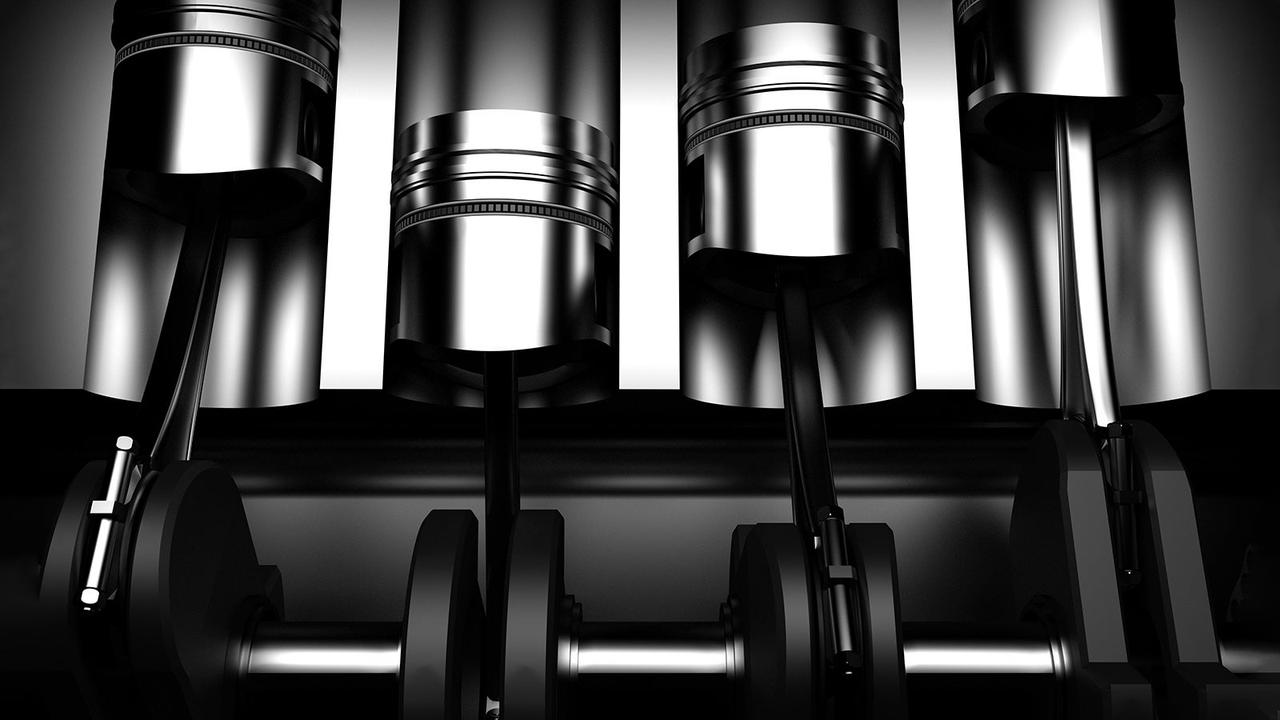
There are many high-precision moving parts inside your engine. Pistons fly up and down inside the cylinders, the crankshaft spins in its journals thousands of times per minute, and cams are constantly pushing your valves open and shut.
All of these parts must be constantly bathed in oil while the engine's working. This provides essential lubrication, allowing these precision metal parts to slide against each other without getting worn out or damaged. In addition, the oil helps capture and dissipate some of the engine's heat, aiding with thermal management.
What are the different types of engine oil?
There are three main types of oil used in cars:
| Regular oil | Synthetic oil | Semi-synthetic oil | |
| Also called | Mineral oil | Fully synthetic oil | Synthetic blend |
| Made from | Extracted from crude oil | Chemically modified crude oil | A mix of regular and synthetic oils |
| Benefits | More affordable | Provides longer-lasting protection | Aims to blend the benefits of both oil types |
| Drawbacks | Less effective than synthetic oil | More expensive | Neither the cheapest nor the best protecting |
What do engine oil numbers mean?
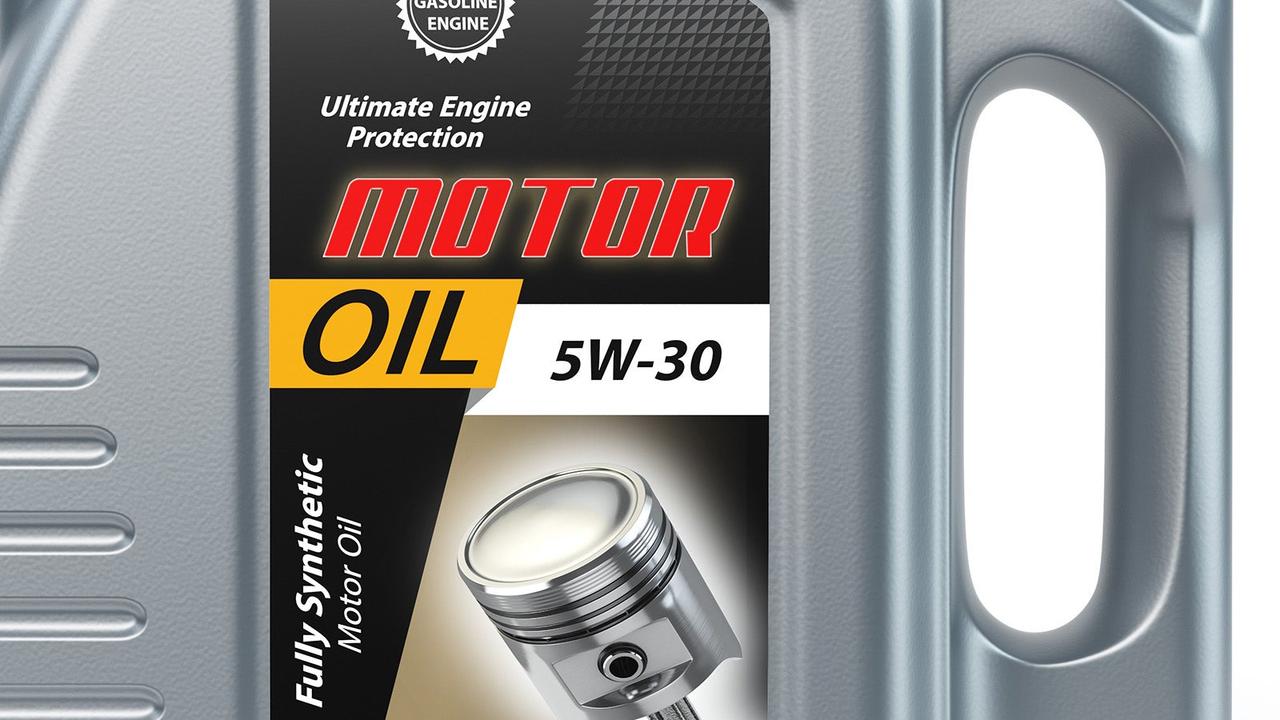
All engine oils for cars use a pair of numbers to mark out their performance characteristics – for example, '10W-30'. These are sometimes referred to as the oil's 'grade', 'weight' or 'viscosity', and are are set by the Society of Automotive Engineers (SAE).
The first number with a 'W' is the winter or cold viscosity – e.g. 10W, 5W or 0W. A lower number means the oil still lubricates effectively in cold temperatures, while higher-number oils can become too thick to work properly.
The second number (without the 'W') marks out the oil's performance when the engine is hot – e.g. 20, 30 or 40. A higher number means the oil keeps its ability to lubricate even at high engine temperatures, where a lower-numbered oil may become too thin.
What does engine oil viscosity mean?

Viscosity is a measure of how thick or 'viscous' a fluid is. The greater the viscosity, the thicker a fluid is – like honey or a milkshake. How viscous your engine oil is matters for several reasons.
You need your oil to properly lubricate your engine both when it's cold outside, and once your engine heats up to running temperature. However, oil is usually thicker when it's cold and thinner when it's hot. Too thick and your oil won't flow properly when your car is cold, too thin and it becomes too thin to stick to the parts that need lubricating.
That's why engine oils are specially formulated to work over a wide range of temperatures. Using special additives, oils can keep their ability to lubricate your engine both in the depths of winter and once everything's nice and toasty.
How to choose the right engine oil for your car

There are several ways to find what kind of oil your car needs. The most accurate is to look in your car's handbook for the section that covers the recommended oil grade and type. This can be made easier by looking in the handbook's index for the relevant pages.
Be aware that your particular make and model might be offered with a selection of different engines. These engines may require different grades of oil, so make sure you read the handbook closely to get the exact right type for your car's engine.
If you can't find the car's handbook either physically or online, there are several online services from large car-repair chains and oil manufacturers that can help. These let you type in your registration number or car make and model, and will then recommend an oil based on their records. Alternatively, get in touch with your car's original manufacturer, either through a dealer or service centre, to check the correct oil grade.
How often should I change my engine oil?

Your car's manufacturer will specify in the car's service information how often its oil should be changed. This will usually be every few thousand miles.
It's important to stick to this interval at the very least to make sure your engine lasts as long as possible. However, you might want to change your oil more often if you put extra strain on your car through things like towing, high-performance driving or lots of stop-start city traffic.
For more info, read our full guide to changing your engine oil and oil filter.
How to top up engine oil
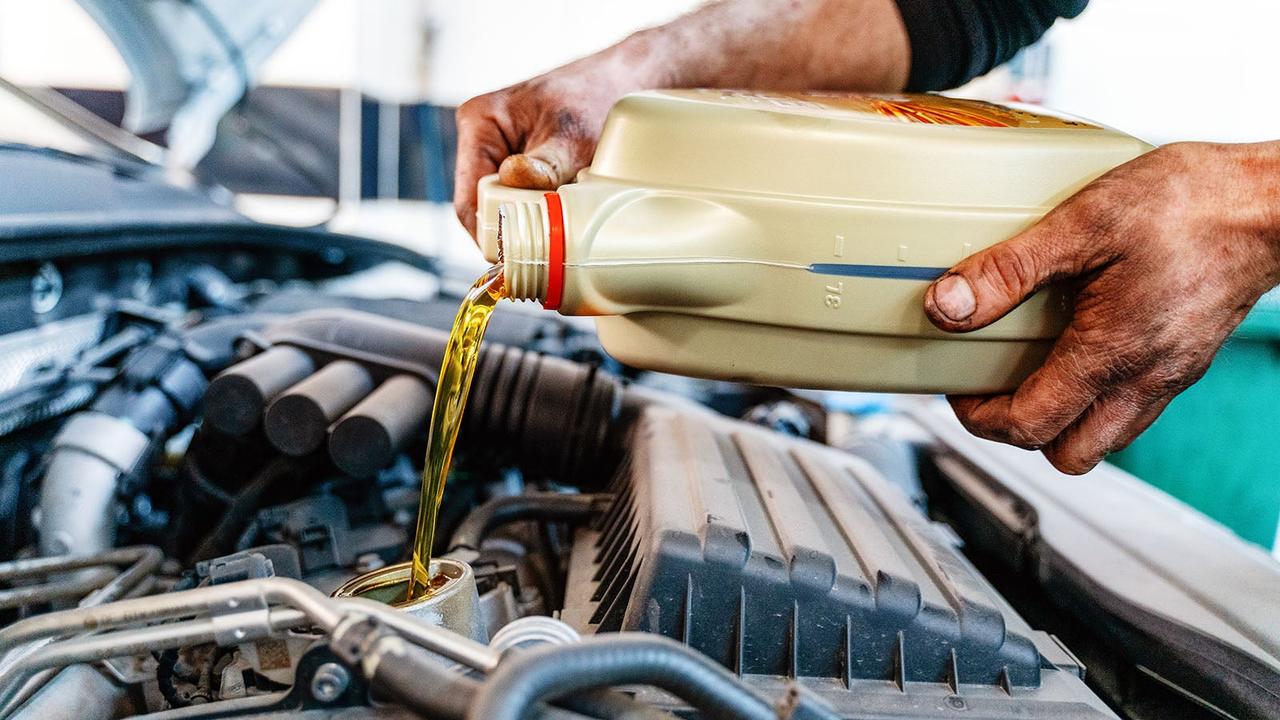
If your car is consuming oil at a fairly high rate, you might need to top it up between services. You can check your oil level with a dipstick if your car is equipped with one. Then simply top up your oil as needed to bring it up to an acceptable level.
Accelerated oil consumption is often an indicator that there's something wrong with your car's engine. It'll almost always work out cheaper and easier to fix the root cause of your extra oil consumption, over simply topping it up and waiting for the problem to get worse.
What happens if I put the wrong engine oil in my car?

The best advice if you've put the wrong type of oil in your car is to not drive it or even start the engine. With the wrong grade of oil, you risk damaging your engine as it's not correctly lubricated. You should then call for a recovery to take your car to a service centre to have the oil drained and replaced with the correct grade.
If you find yourself in a situation where that's not possible, you should simply minimise the time you spend with the engine running and get the car to a garage or service centre as soon as physically possible. Once there, as above, simply have the incorrect oil drained and replaced with the right stuff.