








If you're buying a car, you'll have to choose whether to pick a brand-new model or get a used one.
Of course, your decision will be influenced by your budget, but also by your preferences and priorities.
This guide will explore the pros and cons of buying a brand-new car versus a used car. We'll look at affordability, finance options and value for money, so you can make a more informed choice when buying your next car.
New vs used car – overview
| New car | Used car | Nearly new car | |
| Price | Highest | Lowest | Medium |
| Depreciation | Highest | Lowest | Medium |
| Running costs | Usually lower than older cars | May be slightly higher | Close to brand-new running costs |
| Availability | Can take months from order to delivery | Immediately | Immediately |
| Warranty | Full warranty cover (usually 3+ years) | Some or none (depending on the age of the car) | Remainder of factory warranty (usually up to 2 years) |
| Reliability | Usually the most reliable option | Issues are slightly more likely | Nearly as reliable as a brand-new car |
| Condition | Perfect | Some wear is likely | Should be close to factory fresh |
Pros and cons of buying a new car

Pros of new cars
- You can choose the exact colour spec and features you want
- Long warranty cover that often lasts for the whole finance agreement
- Interest rates on finance can be lower than buying used
Cons of new cars
- More expensive than buying the same car used
- You'll face the biggest chunk of depreciation
- Can take a long time to arrive after being ordered
Pros and cons of buying a used car
Pros of used cars
- Usually much more affordable
- You often face less total depreciation
- Available to buy immediately
Cons of used cars
- The car has already seen some miles
- Potentially limited or no factory warranty cover remaining
- May have scratches or imperfections
Should I buy a nearly new car?
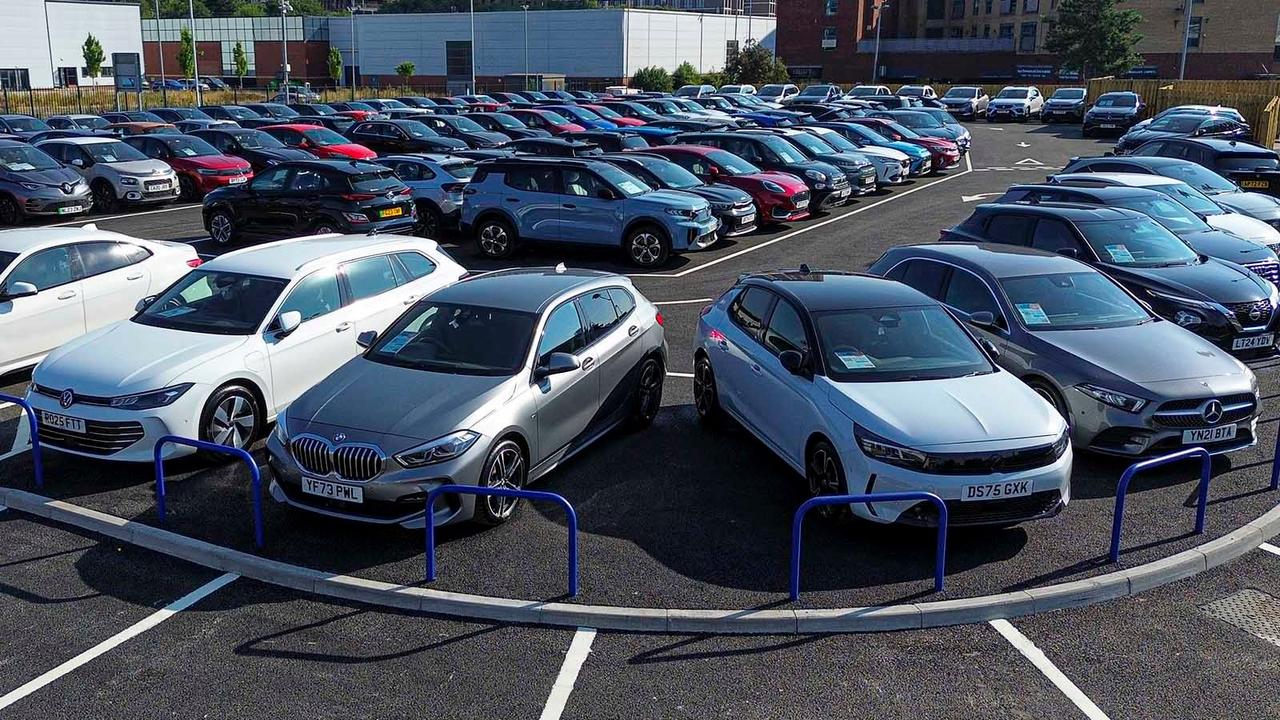
Depending on your budget and the model you'd like to buy, you might find that buying a nearly new car is the 'Goldilocks' option for you. These cars still have that 'new car' feeling, along with typically lower mileage than older cars, and usually some remaining factory warranty. However, since they've been on the roads up to a year or so, their price drops substantially on the market.
Of course, being a halfway-house between brand-new and used cars, nearly new models have some pros and cons of each type. For example, a nearly new car will still cost more to buy than the same model if it's a few years older and with higher mileage. Plus, a nearly new car may not get the same low interest rates as might be offered on a brand-new car.