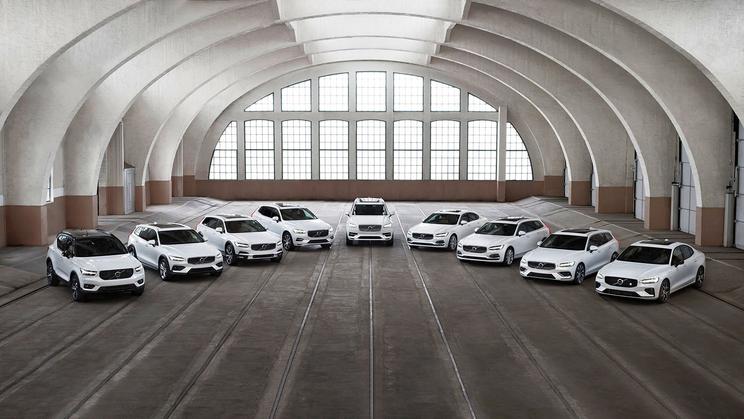










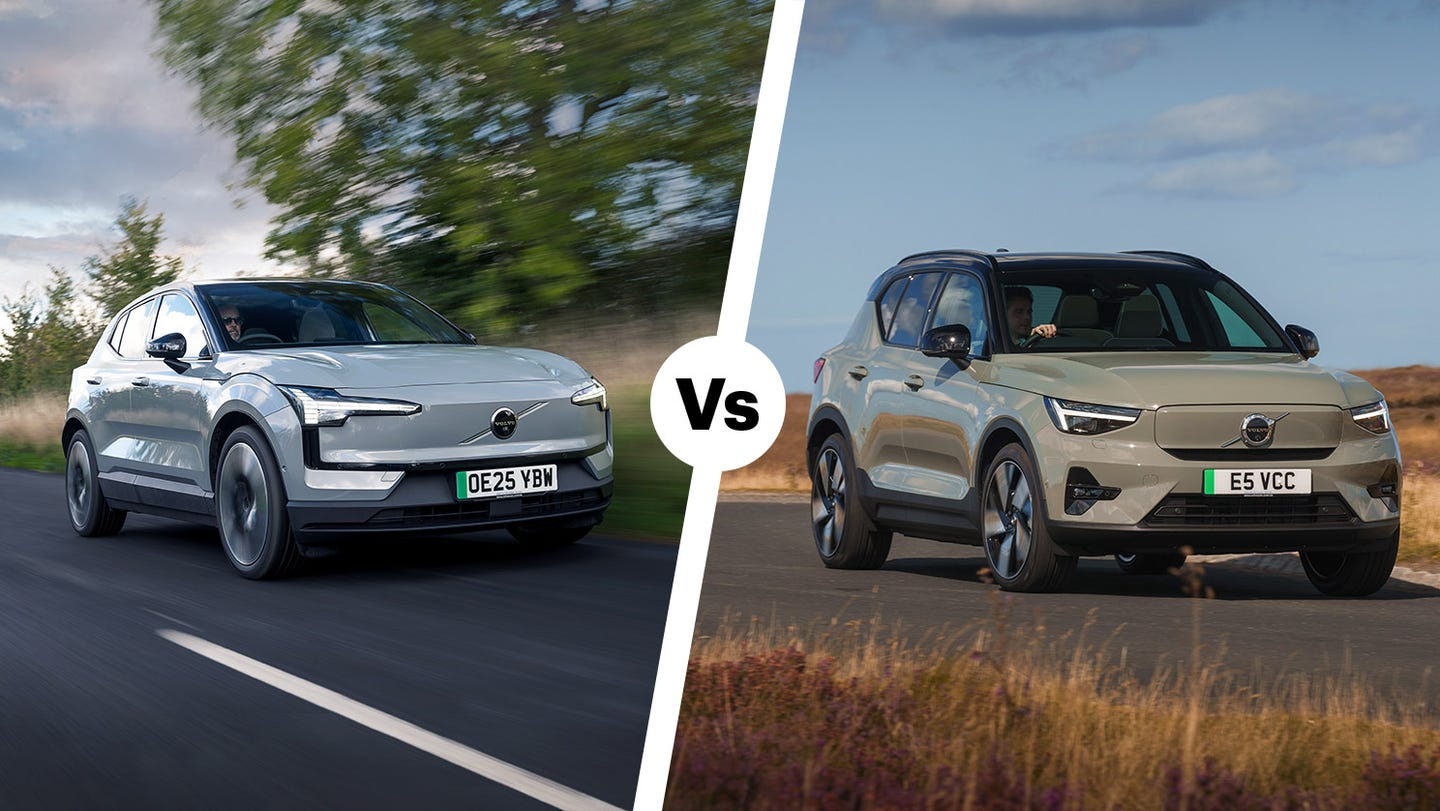

Volvo's electric SUVs all carry the 'EX' name.
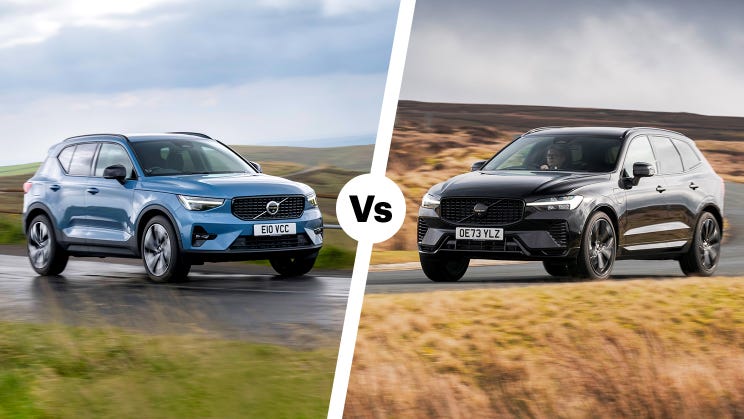
That's why electric versions of the Volvo XC40 have been renamed to EX40 to match the rest of the lineup. But how does this stalwart of the Swedish brand's lineup compare to the newer and more compact EX30?
We compare the Volvo EX30 and Volvo EX40 here, looking at range, performance and practicality to help you pick your favourite. For more choice, check out nearly new and used Volvos for sale at Motorpoint.
Volvo EX30 vs EX40 compared
| Volvo EX30 | Volvo EX40 |
Pros:
| Pros:
|
Cons:
| Cons:
|
Styling and design
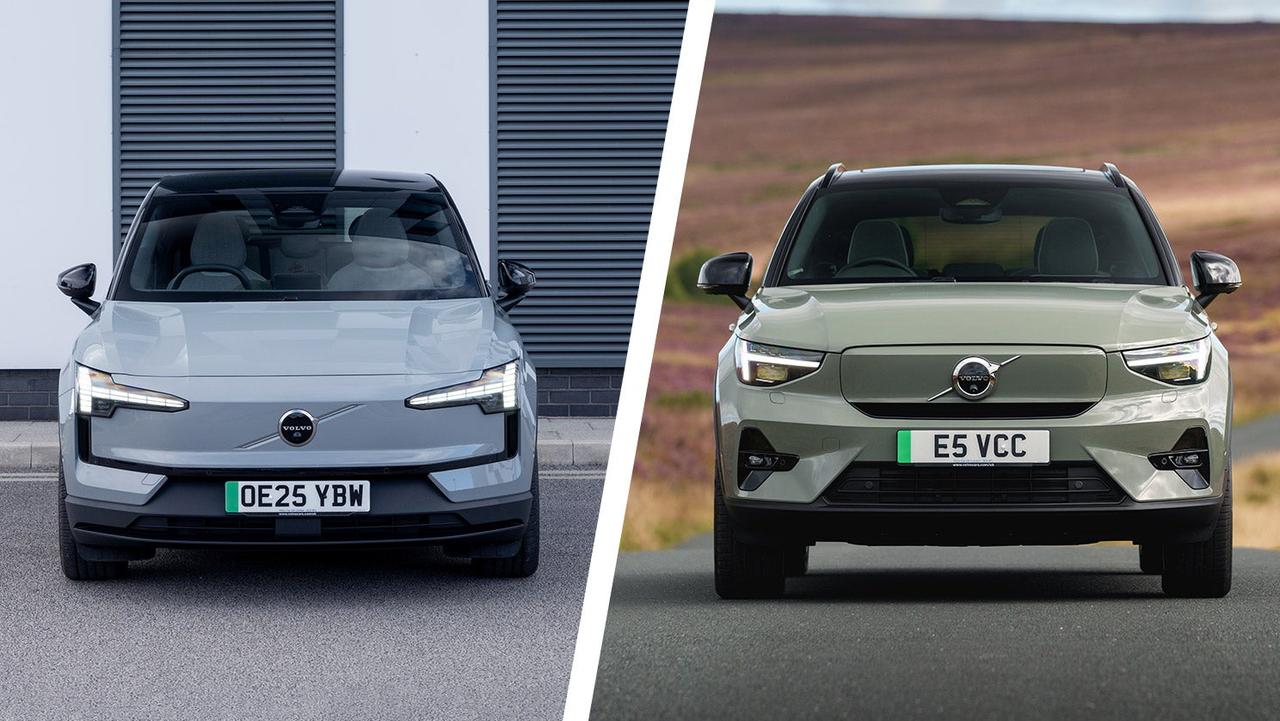
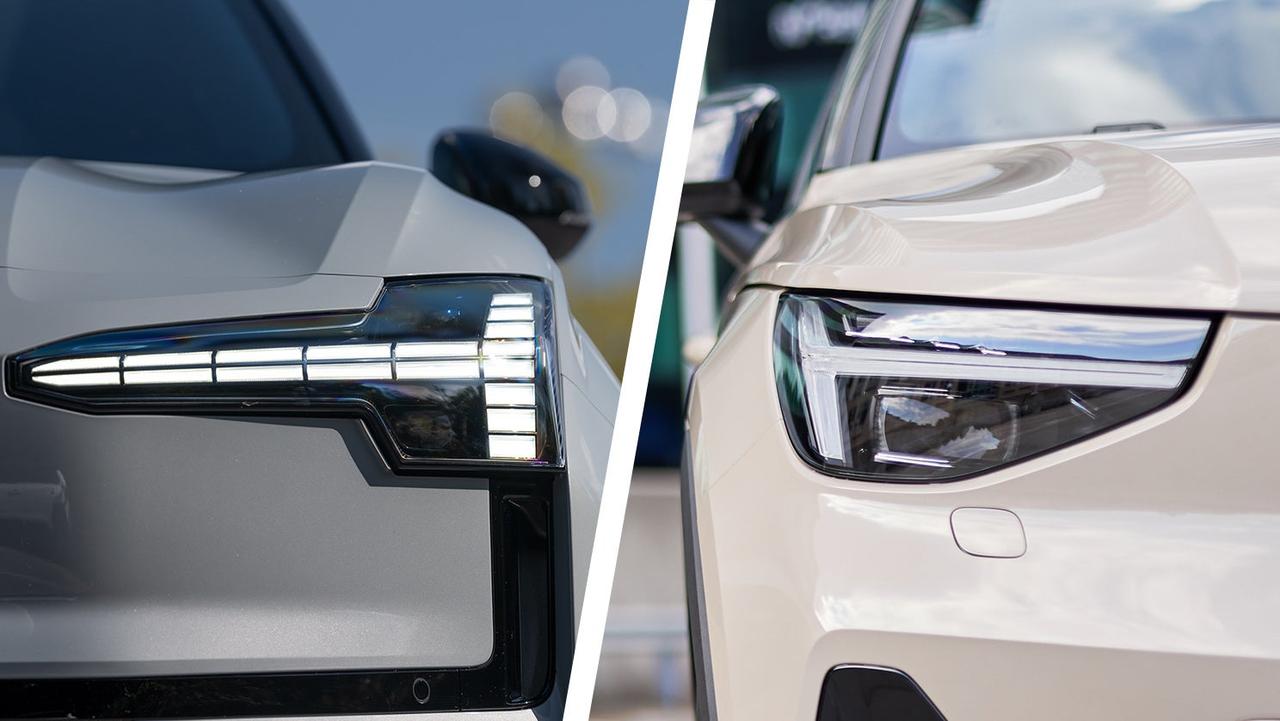
Put the EX30 and EX40 side-by-side you can see which is the newer, more modern car. The compact EX30 has a bluff, simplified front end and a squat profile, almost like a tall hatchback rather than a traditional SUV. Its exterior lighting is more intricate too, giving it a more distinctive signature from a distance. Of course, there's still some family resemblance in features like the contrast-colour roof and the diagonal line that intersects the Volvo badge.
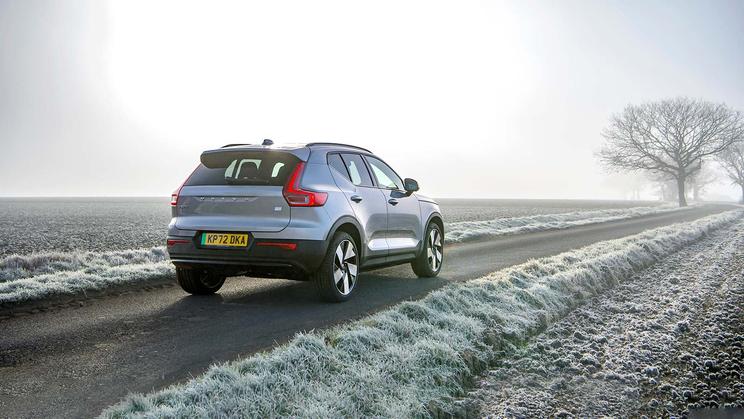
The EX40, meanwhile, is the same battery-powered version of the XC40 we've been familiar with since 2017. You can see the styling language is a little older, with more squared-off surfaces and a blockier profile. There's a blanked-off front grille, both denoting the EX40 as an electric model and reminding you that it's descended from a petrol-powered model. Details like the 'Thor's hammer' lighting signatures are more subdued on the EX40.
Interior and practicality
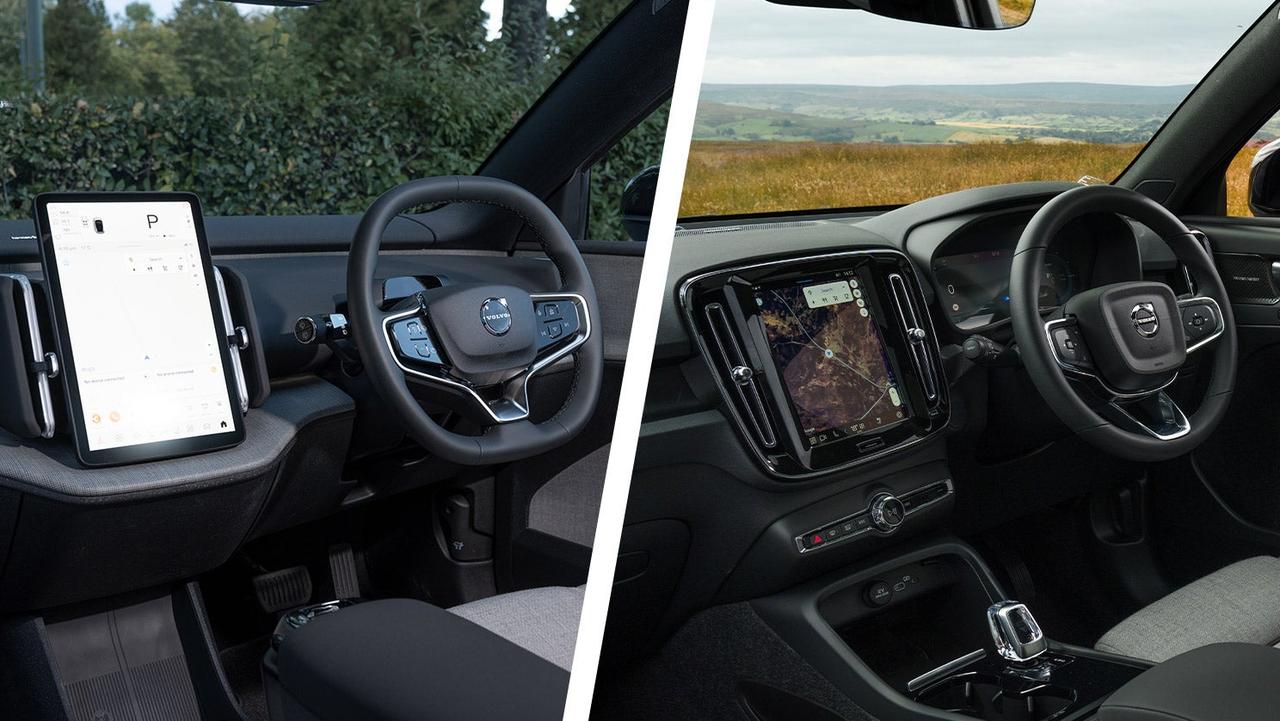
Stepping inside, the EX30 clearly shows the direction for Volvo's design principles of this decade. Minimalism is the word of the day, with nearly all physical controls exorcised from the dashboard. Instead, there's a portrait-orientated infotainment system that handles virtually all functions. The software is fairly easy to understand, but it's disappointing that key functions like windscreen defrosters and stereo volume are buried in the touchscreen.
You can tell the EX40's cabin is a little more old-fashioned than the EX30. Thank features like the physical controls under the touchscreen including a wonderfully intuitive volume knob. The design and materials are a fraction fancier than the EX30 as befits the EX40's higher price, with more chrome and plush optional upholstery. The EX40 also keeps traditional driver's dials where the EX30 stuffs them into the screen's top corner.
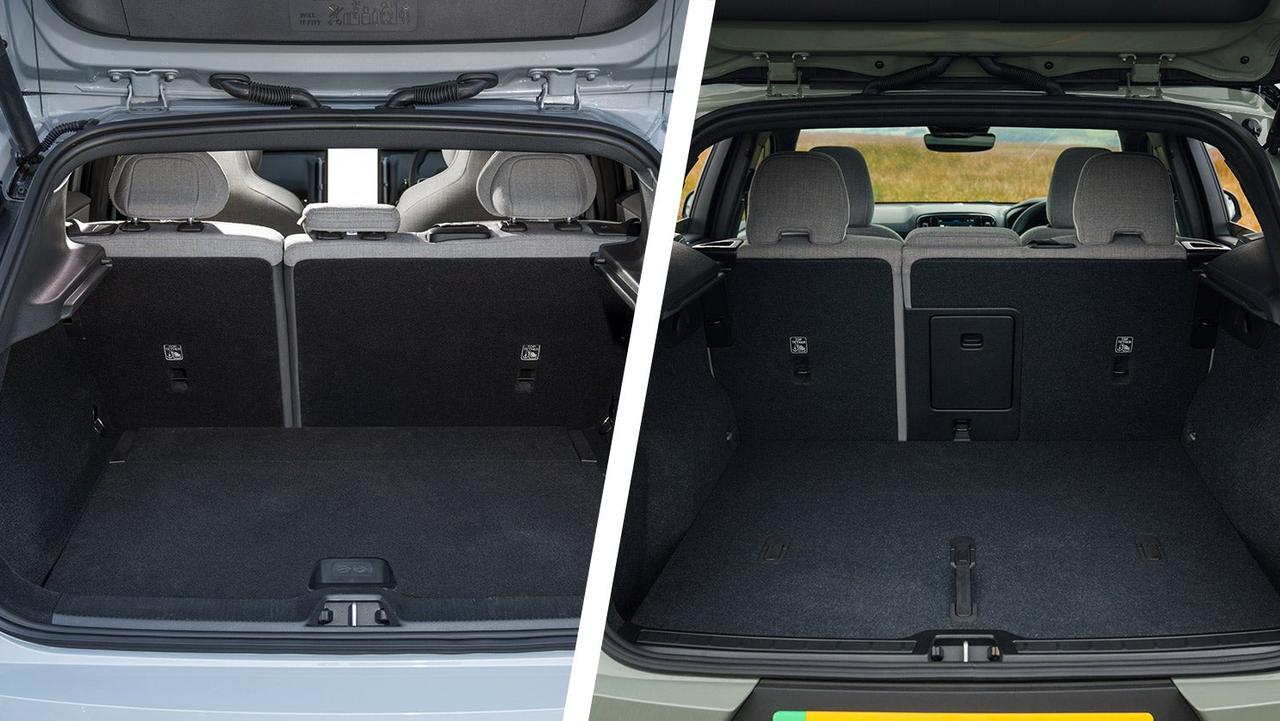
As for practicality, the win easily goes to the EX40. It's noticeably longer and taller, which means more head and legroom for rear-seats passengers, making it the better choice for families. You can just about get away with using the EX30 as a family car, though passenger and cargo space will be at a premium. On the plus side, we like the wide open space between the EX30's front seats, giving you an easy spot for a handbag or rucksack.
Size and dimensions
| Volvo EX30 | Volvo EX40 | |
| Length | 4,233mm | 4,440mm (+207mm) |
| Width (excl. mirrors) | 1,838mm | 1,873mm (+35mm) |
| Height | 1,550mm | 1,647mm (+97mm) |
| Boot space | 318 litres | 410 litres (+92 litres) |
The biggest difference between the EX30 and EX40 is the latter's extra length and height. It's nearly 21cm longer and nearly 10cm taller, which equates to more rear-seat space.
Considering the size difference, the on-paper boot-space figures are about par for the course. Clearly, the EX40 is the better choice for carrying cargo, and its slightly squarer shape means it remains the more practical option even if you're loading above the parcel shelf.
Range and performance
| Volvo EX30 | Volvo EX40 | |
| Motor | 272hp single motor 428hp dual motor | 238-252hp single motor 408-442hp dual motor |
| Battery pack | 51kWh 69kWh | 70kWh 82kWh |
| Range | Up to 209 miles (51kWh battery) Up to 303 miles (69kWh battery) | Up to 295 miles (70kWh battery) Up to 356 miles (82kWh battery) |
| Max charge speed | Up to 150kW (51kWh battery) Up to 175kW (69kWh battery) | Up to 200kW |
| 0-62mph | 3.6-5.7 seconds | 4.6-7.3 seconds |
| Top speed | 112mph (limited) | 112mph (limited) |
The motor and battery lineup is the same for the EX30 and EX40. Both have a choice of single-motor or dual-motor setups, and both have small and large battery options.
All EX30 versions are faster than their EX40 counterparts. Even the entry-level model has a hot-hatch-like 272hp and swift 5.7-second 0-62mph run. If that's not enough, the range-topping dual-motor car has a ridiculous 428hp and rivals supercars with its 3.6-second 0-62mph dash. The single-motor, big-battery car takes the range honours with up to 303 miles on a charge.
The EX40's extra size means it's slower and less efficient than the EX30, but still pretty respectable for its class. Entry-level single-motor cars return 295 miles from their 70kWh battery packs, with a 7.6-second 0-62mph run. The long-range champ is the single-motor 82kWh version, which goes up to 356 miles. Dual-motor cars start off with a muscular 408hp and a 4.8-second 0-62mph time, while Performance versions bump this to 442hp and shave 0.2 off its sprint time.
Driving
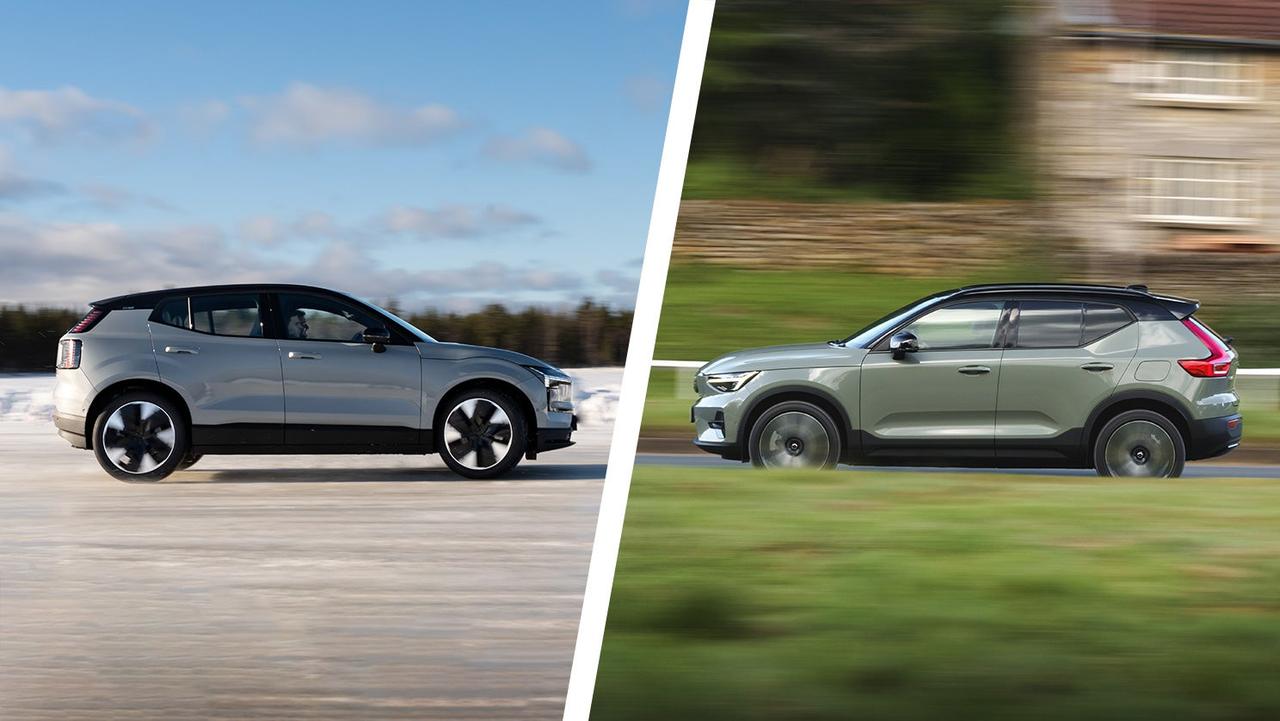
Since the EX30 and EX40 are based on different platforms, the driving experiences are quite distinct. The EX30 feels smaller and lighter on the road, with more agility through direction changes and better body control over uneven surfaces. You feel like you're sat lower too, which reduces the sense of cornering forces on twisty roads. As a trade-off, however, the ride is quite firm, with thuds and vibrations being clearly felt in the cabin.
The EX40 feels taller and heavier on the move, with the higher seating position amplifying the body's more wayward movements. Sudden steering inputs will pitch the body hard to either side and quickly summon complaints from your seasick passengers. Keep matters to a more sedate speed and you'll spot the EX40 has more compliance over bumps, with the softer suspension absorbing more harshness than the EX30.
Since these are electric cars, straight-line performance is excellent regardless of which version you choose. This is especially true of the EX30, which feels seriously speedy even in entry-level form as evidenced by its sub-six-second 0-62mph launch. Of course, the dual-motor versions are the ultimate drag-race kings, forcefully pressing you into the well-cushioned seats any time you so much as breathe on the accelerator.
Value for money
As brand-new cars, the EX30 is around £9,000 cheaper than the EX40 at the time of writing. That's a pretty fair position for both models, with the EX40 asking a reasonable premium for its extra space. Your needs and budget will be the biggest factor in deciding which is the best choice here.
As you move higher up in the range, dual-motor EX30s cost around £42,000, with dual-motor EX40s roughly £10,000 more than that. Considering this EX40 version is nearly as fast as the EX30, with extra practicality and goes an extra 50 miles on a charge, it's arguably slightly better value for money.
On the used market, drivers considering the EX40 also have the option of older XC40 Recharge cars – effectively the same model before the 2024 renaming. These have usually done some extra depreciation compared with the EX30 lineup, which is newer overall, and will be cheaper as used buys as a result.
Which is best?
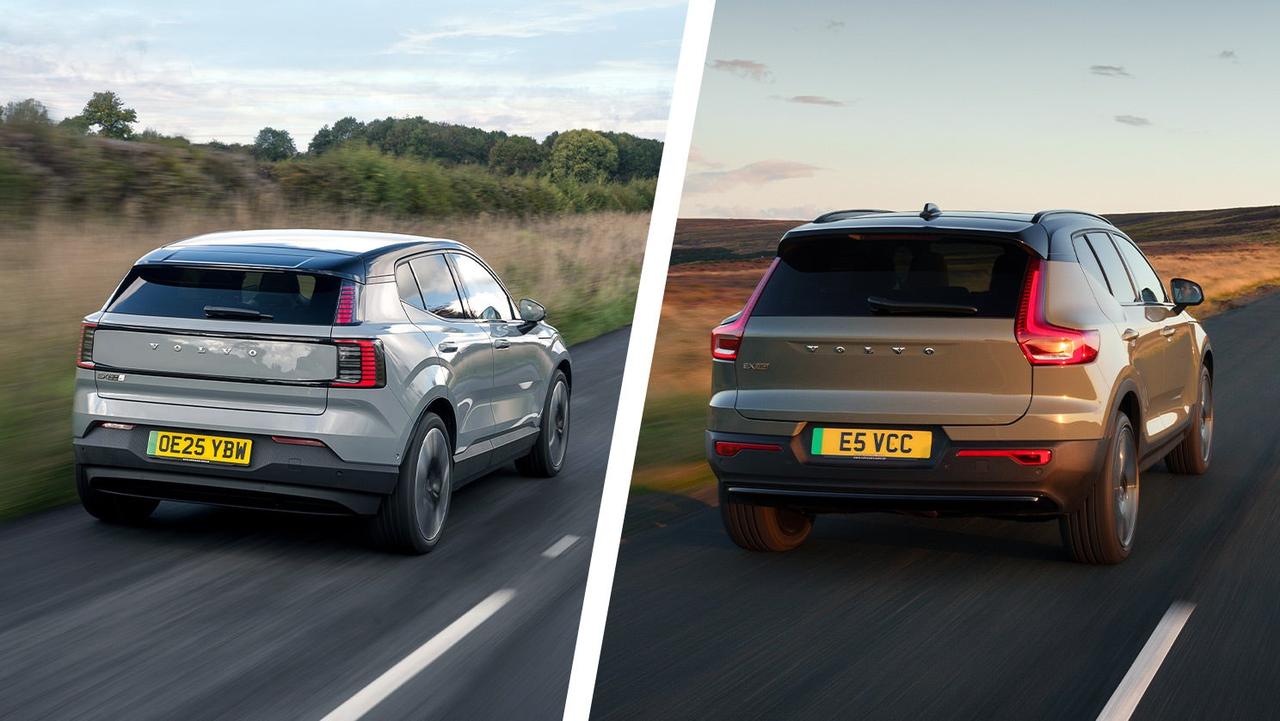
Though they're next to each other in the Volvo electric SUV lineup, the EX30 and EX40 are quite different cars. The EX30 is more affordable, more sporty and more modern. The EX40 is more practical, more comfortable and available with bigger battery options.
Your choice will mostly be made by your budget but also your preferences. If you want a comfortable, sensible family car, the EX40 might be the better choice – or an XC40 Recharge if you need something cheaper. Meanwhile, the EX30 feels like the more modern, cutting-edge choice, and you might find it a bit more fun to live with.
Super savings on Swedish SUVs
Browse a wide choice of nearly new and used Volvo SUVs for sale at Motorpoint, including used EX30 cars, used EX40 cars and used XC40 electric cars.