










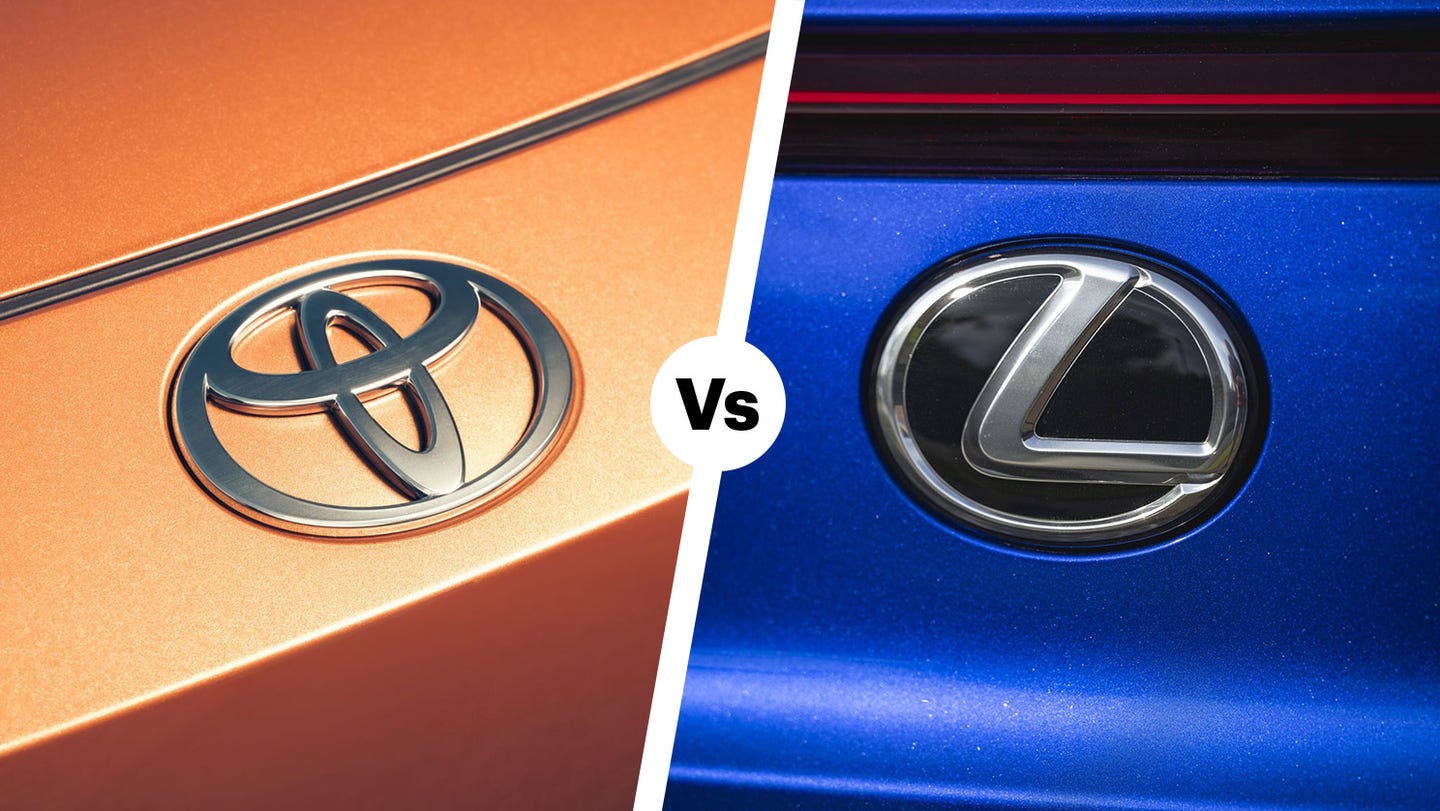

Toyota and Lexus are two sides of the same coin.
The Toyota brand is known the world over for its solid, dependable cars. Lexus, meanwhile, is Toyota's luxurious sub-brand – similar to Audi and its parent Volkswagen.
But which of these two prestigious badges should you pick? We'll compare Toyota and Lexus here, looking at the design, driving experience and pricing.
Toyota vs Lexus compared
| Toyota | Lexus |
Pros:
| Pros:
|
Cons:
| Cons:
|
Design
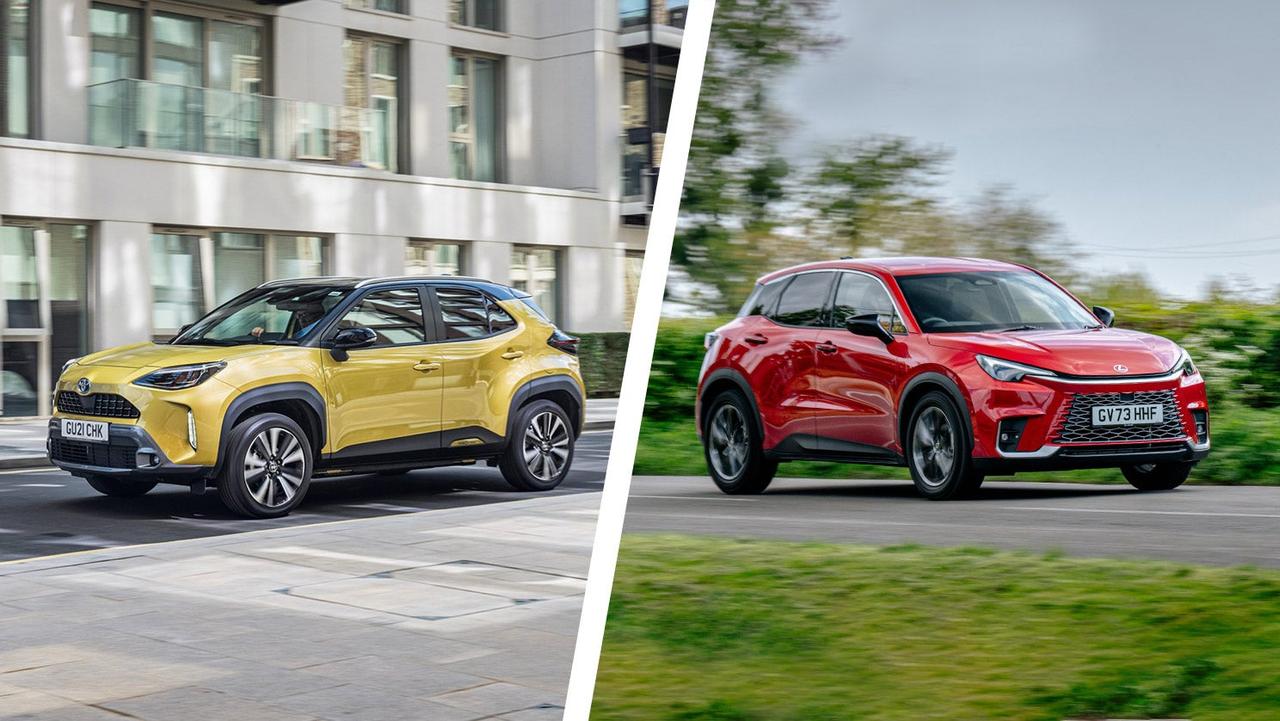
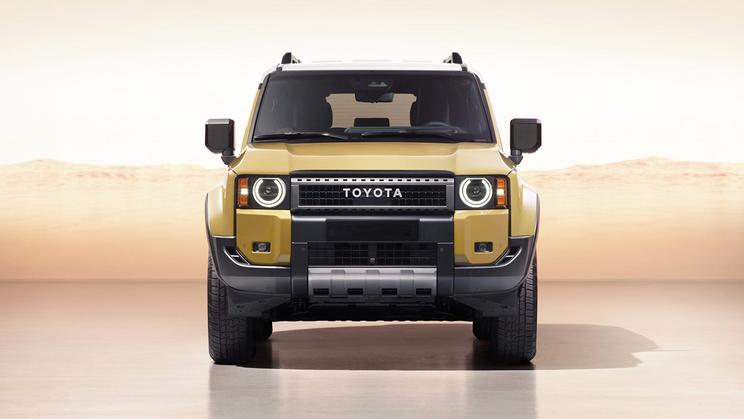
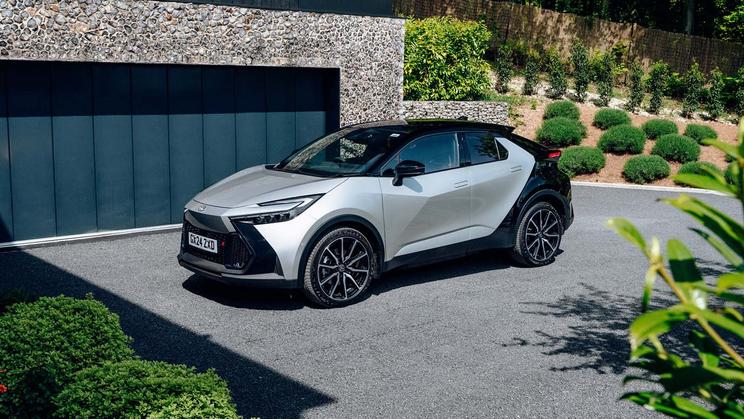
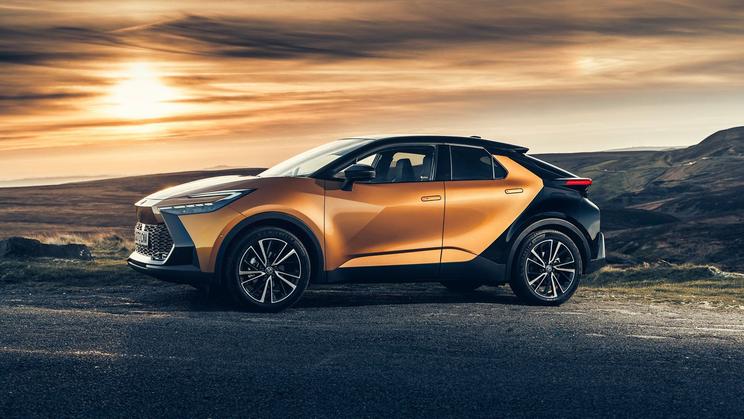
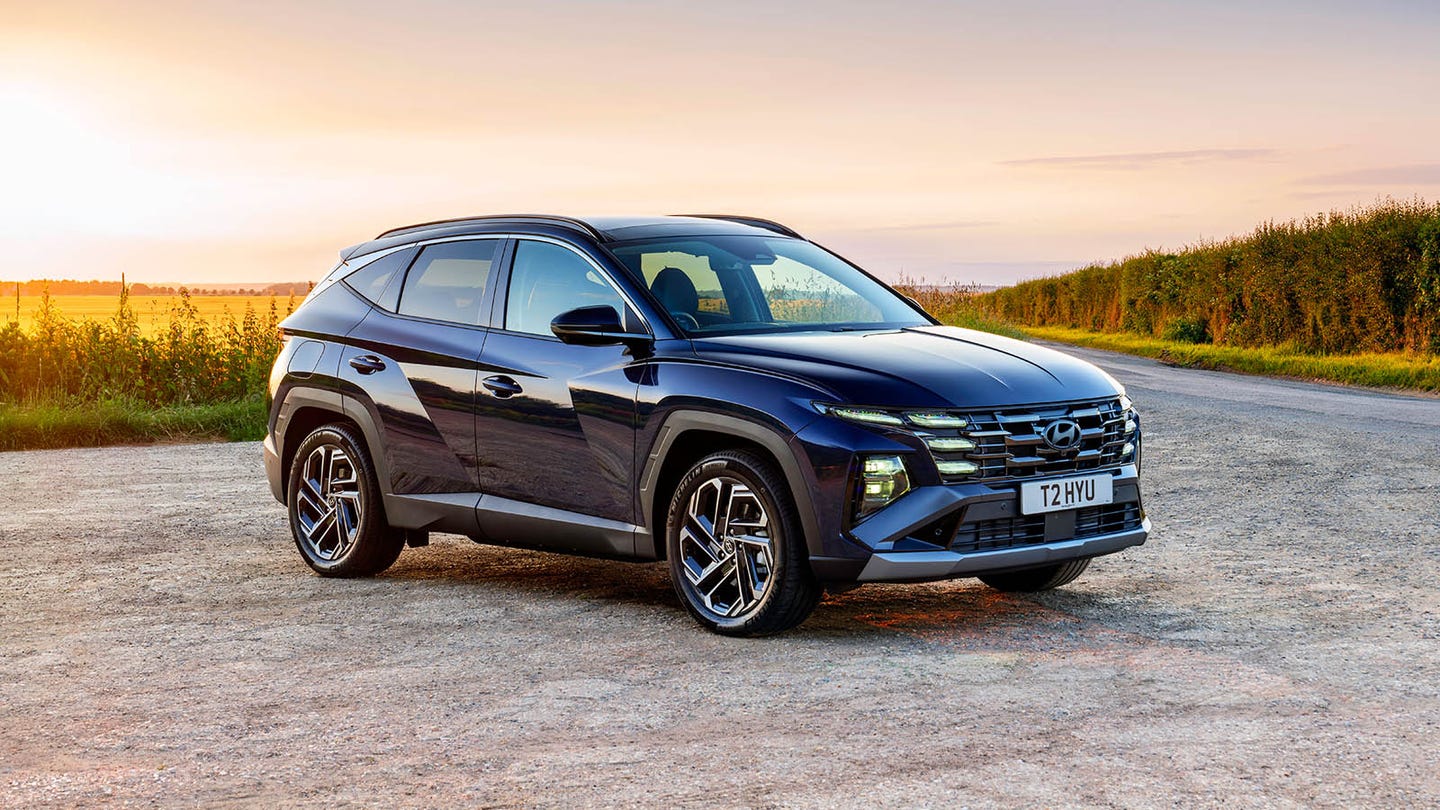
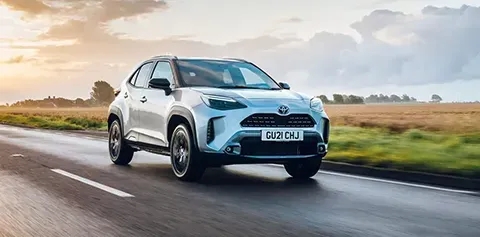
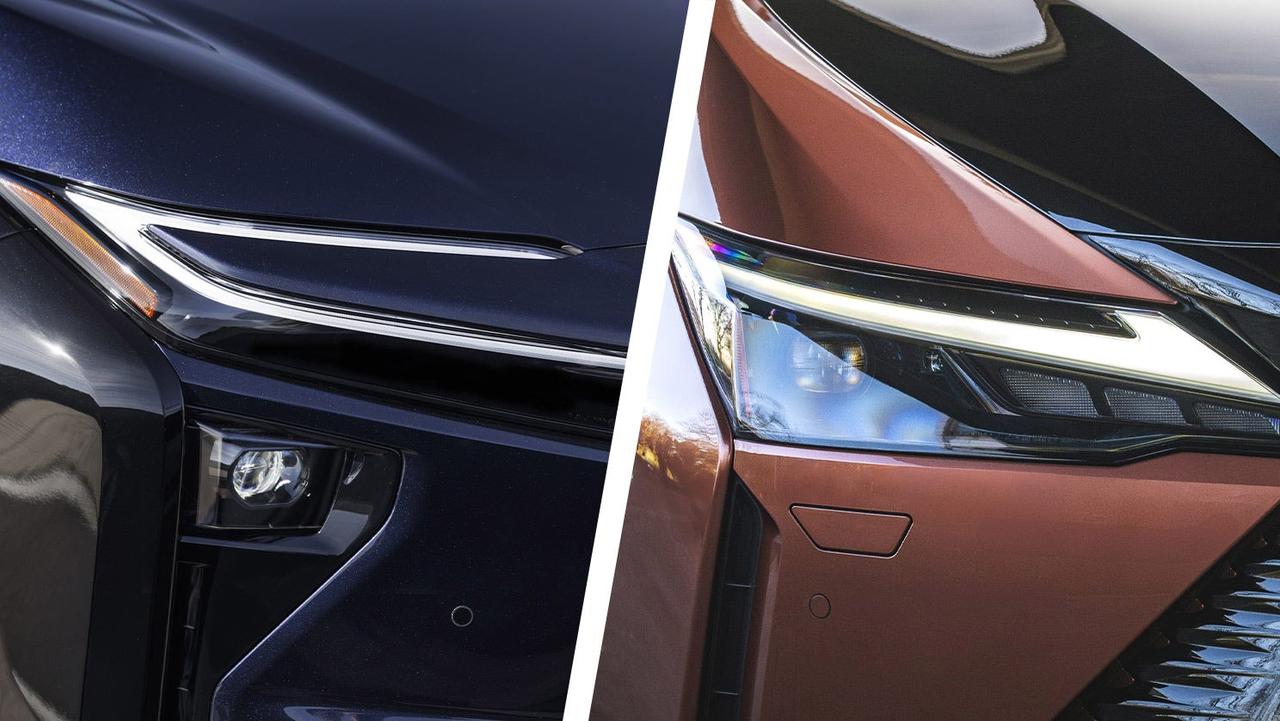
Since Toyota is a mass-market brand, its styling and design isn't quite as extravagant as Lexus. That's not to say its cars are unattractive, however. Many models in its lineup feature a distinctively slim front air intake framed by angular headlights with C-shaped LED details. Toyota bodywork tends to follow function rather than form, but you'll spot many models available with contrast black roofs for a sportier look. Keep an eye out for GR Sport models, which get larger alloy wheels and a lower, meaner body kit.
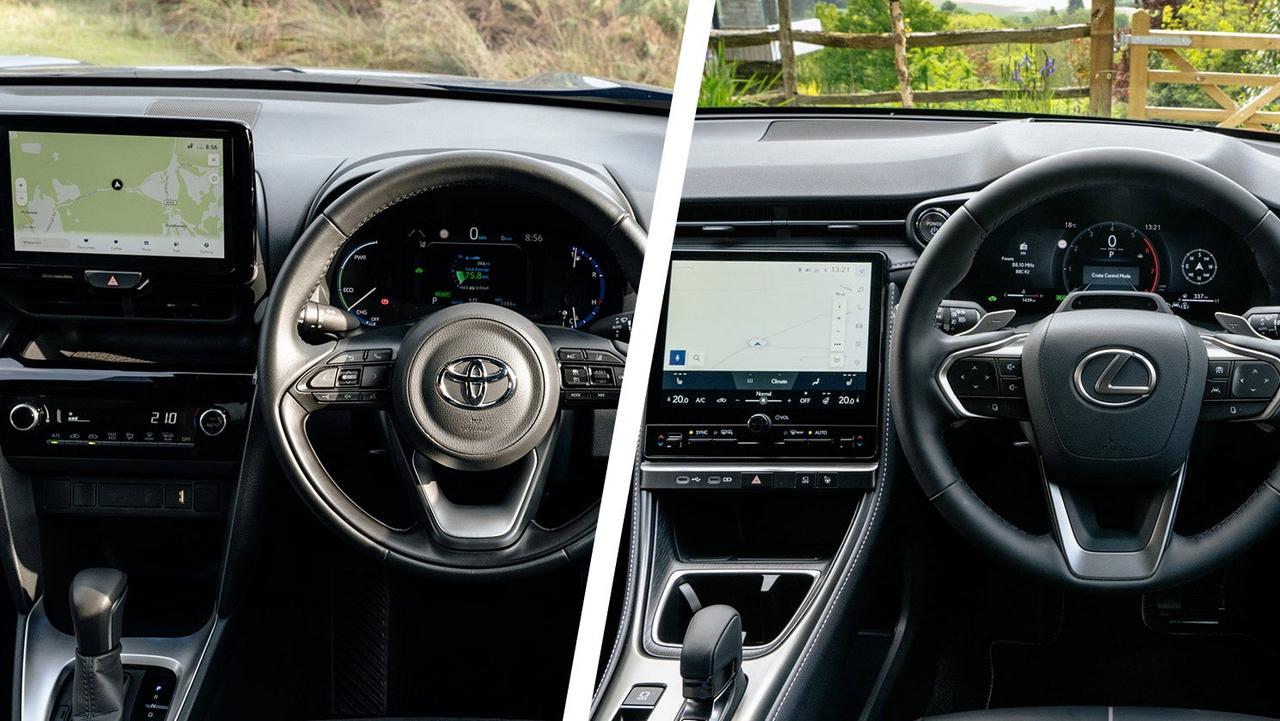
Function wins over form in Toyota's interior design, too. Where so many rivals are ditching physical controls in favour of screens and touch-sensitive pads, Toyota still mostly fits tactile and easy-to-use physical switchgear. Nor will you find an ultra-widescreen setup dominating the top of the dashboard, with separate, sensibly sized screens for the infotainment system and driver's dials. Build quality is generally faultless, though you will find more hard, scratchy plastics inside than you would in a Lexus.
Lexus' styling is clearly identified by the 'spindle' motif featured at the front of its cars. This is formed by the shape of the headlights as they meet the front edge of the bonnet, and the way the lower air intake drops beneath them in a trapezoidal shape. Lexus' bodywork also tends to be a little more fluid than Toyota models, with cars like the ES saloon or LC coupe styled to exaggerate their long and low proportions. Lexus also has a sporty-looking trim level in the form of F Sport models.
Step inside and you'll find that Lexus takes a similar approach to cabin design as Toyota. Function still reigns supreme with simple and clear controls, and an infotainment system that sticks to just mapping and entertainment functions. However, the overall design tends to be more dramatic in Lexus models, with more interesting surfacing and a wider mix of premium materials like leather, wood and even cut glass on some models. Upholstery options are also substantially more plush than their Toyota counterparts.
Engines and driving
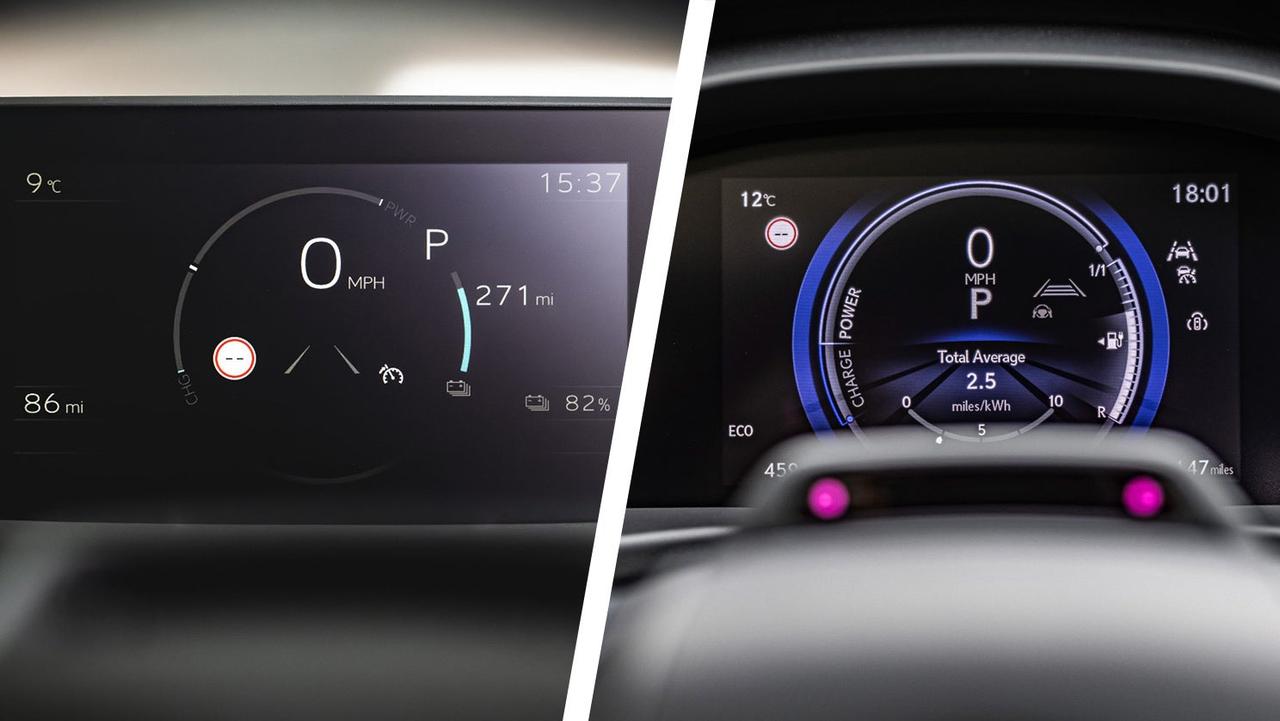
Toyota and Lexus share many of the same engines across their lineups to save production costs. This is no bad thing because Toyota's engines have proved to be famously reliable in almost every application, so Lexus cars enjoy the same reputation for durability. The majority of models across both brands are powered by self-charging-hybrid and plug-in-hybrid engines, which means automatic gearboxes as standard and impressive fuel economy.
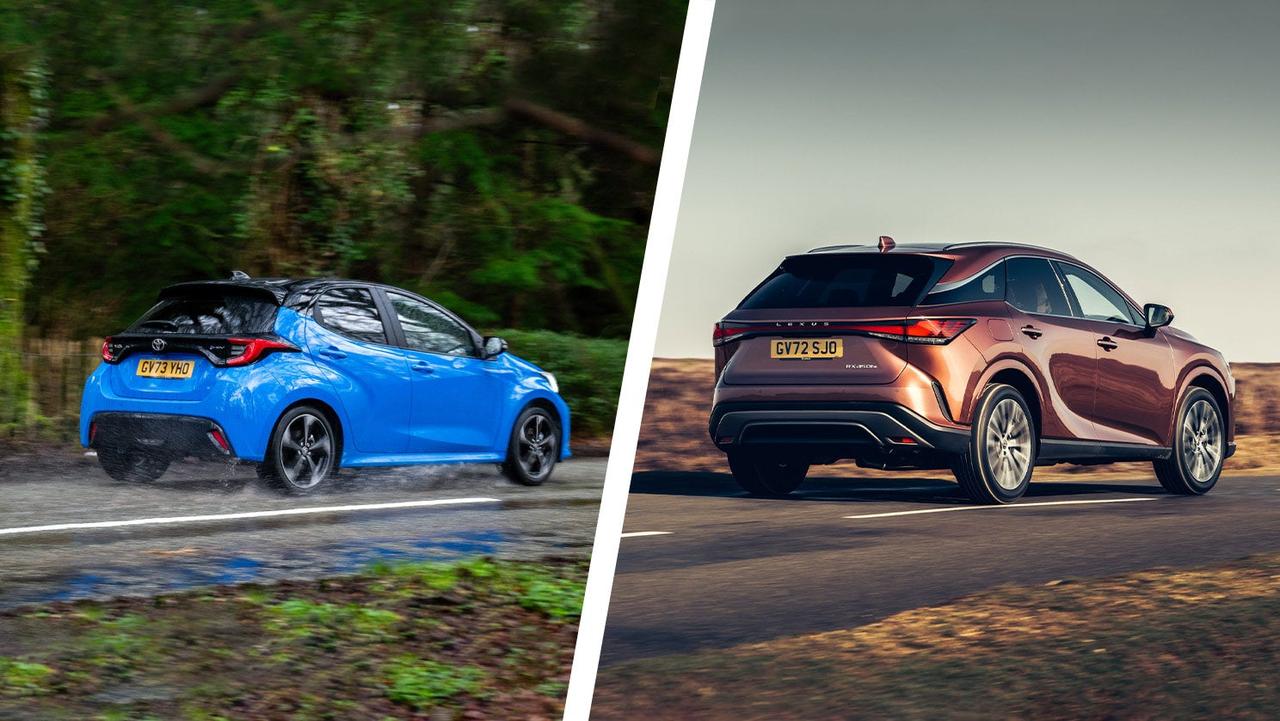
As the mass-market brand, there are more affordable low-power engines in Toyota's lineup. For example, the 116hp Yaris or the 140hp Corolla are fine for day-to-day driving, but they won't win any traffic-light drag races. Few drivers will complain about the lack of muscle, however, because Toyota's hybrids are very responsive with plenty of off-the-line acceleration, making them easy to drive in traffic. Thrill seekers needn't fret though, as models like the GR Yaris, GR86 and GR Supra have plenty of spice in their tailpipe.
While it is the premium option, Lexus doesn't usually market its cars on outright performance, unlike some of its premium German rivals. Instead, Lexus cars are usually a little more powerful than their Toyota counterparts, but simply to help them feel even more relaxed on the road. For example, the Toyota Yaris Cross makes do with 116hp, but the mechanically related Lexus LBX ups this to 136hp – hardly a dramatic boost, but enough to make the LBX feel calmer than the Yaris Cross when getting up to speed.
Price
To the surprise of no one, Toyota cars are more affordable than equivalent Lexus cars. This is a result of their positioning, with Toyota as a mass-market brand and Lexus as a luxury-focused one.
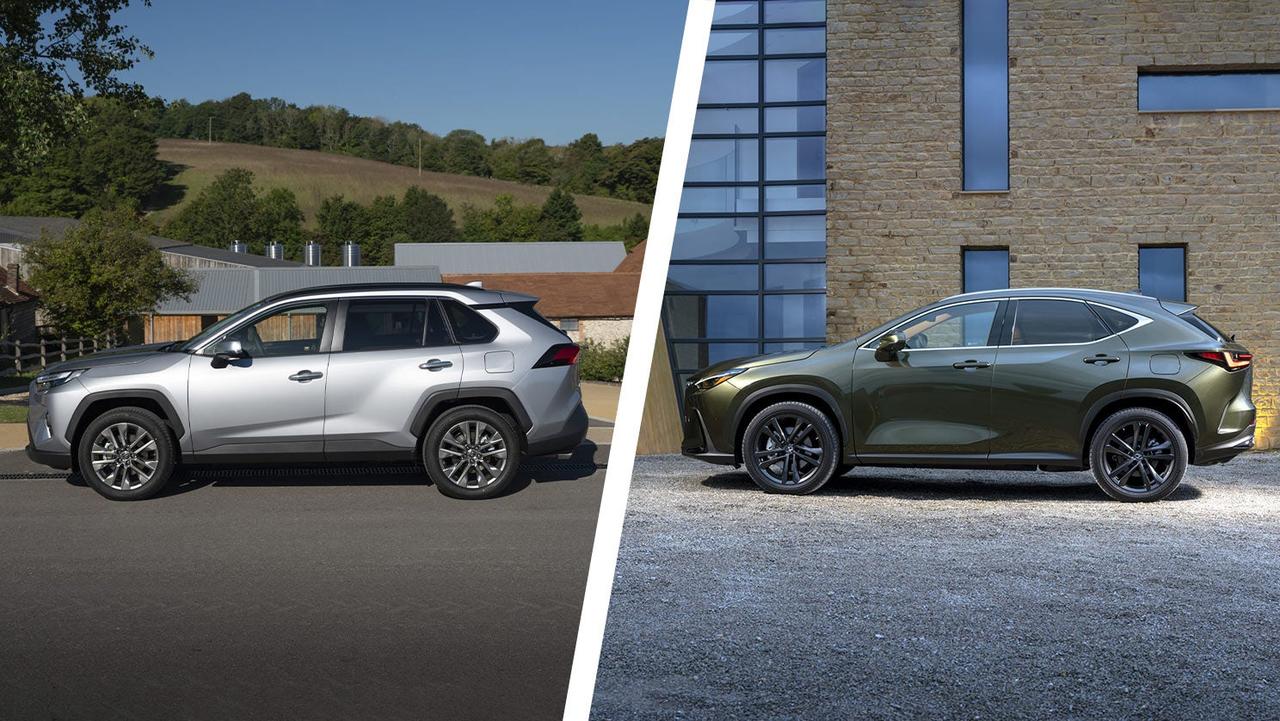
As an example, the Toyota Yaris Cross small SUV starts from just over £27,000 at the time of writing, while its mechanical sibling, the Lexus LBX, starts at a hair under £30,000. Moving up to bigger cars, the now-discontinued Toyota RAV4 self-charging hybrid cost just less than £40,000 brand new, while the related Lexus NX SUV is just less than £47,000.
Obviously, Toyota has more lower-end cars with several options costing less than £30,000. Lexus has little beyond the LBX at this price range, but sells high-end cars like the RX large SUV or the quirky LM ultra-luxury minivan.
Expect maintenance and insurance costs to be higher for Lexus models to reflect their premium status and more expensive components. However, fuel costs should be impressively low for both brands thanks to widespread use of efficient hybrid engines.
Reliability
Both Toyota and Lexus regularly find themselves in podium positions in third-party reliability surveys. Cars from these brands regularly cover very high mileages with only regular scheduled maintenance. As a result, you can buy from either brand with the confidence the car will last for many years.
This is backed up by their excellent warranty coverage, which is essentially the same for both brands. Both Toyota's warranty and Lexus' warranty lasts for up to 10 years or 100,000 miles – whichever comes first – provided you keep your car serviced with a Toyota or Lexus-approved service centre.
Which is best?
As ever, your budget will have the biggest influence over which brand is best for you. Motorpoint has a wide choice of Toyota models that are just a few years old – still with most of their factory warranty – starting from £10,000.
You might notice that used Toyotas tend to be a little more expensive than equivalent cars from other mass-market brands – outpacing rivals from Vauxhall, Ford and Peugeot, for example. As a counterpoint, most Toyotas – even entry-level trims – come with all the standard kit most drivers need, and all are covered by Toyota's long service-activated warranty.
If your budget is a little more flexible, however, you might want to consider the upgrade to a Lexus. The hardware – the engine and the technology – stay mostly unchanged, but the sensory experience of using and driving the car is substantially elevated. Whether the plush interior trimmings and upmarket image are worth the extra cash is up to you.
Learn more about particular models with our Toyota reviews or our Lexus reviews. Save thousands on your next car by checking out nearly new and used Toyota cars or used Lexus cars at Motorpoint.