






















Currently, the drink-drive limit in England and Wales is 80 milligrams of alcohol per 100 millilitres of blood.
But this could be reduced in the future to 50mg of alcohol per 100ml of blood. As part of its new Road Safety Strategy, the Government is planning to start a consultation on reducing the drink-drive limit.
The proposed new limit would match existing legislation in Scotland, as well as European countries such as the Netherlands, Italy, Spain, France and Germany.
In line with those countries, the UK is also planning to introduce an even lower drink-drive limit for novice drivers. This could be as low as 20mg of alcohol per 100ml of blood.
Either way, you should not drink any alcohol before driving. Even one small drink could put you over the limit, even if you feel fine.
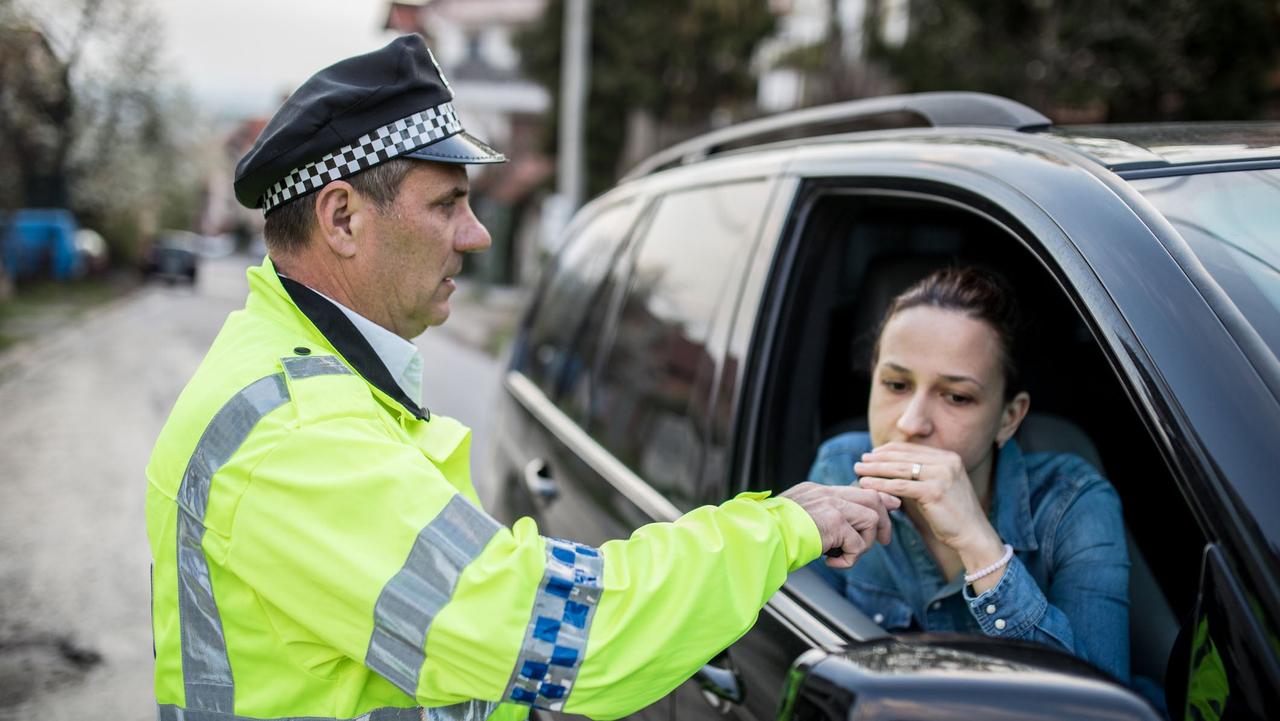
The Government’s Road Safety Strategy also suggests stricter penalties for driving under the influence, such as suspending a driver’s licence between them getting charged and a court appearance or forensic analysis if they’re bailed.
One measure could be to introduce alcohol interlock devices for repeat drink-drive offenders. You would need to blow into the device, and only if you pass would you be able to turn your car on.
Of course, road safety charities are supportive of the plans, but there is a question of enforcement. With police forces already stretched, the amount of motorists being pulled over isn’t likely to increase – although we will see more prosecutions with a lower limit. This could put strain on the wider justice system.
The Government is also considering exploring alternative methods for finding and dealing with drug drivers. In the past few years, there has been a big increase in drivers being pulled over who are under the influence of cannabis or cocaine. New drug wipe tests could pick up more illegal substances.
Currently, the police’s drug wipe test takes eight minutes to get a result, which quickly adds up to a lot of time waiting around.
These are part of a wider set of measures to reduce road deaths in the UK by 65% by 2035.