








It's a sad job dealing with the possessions of a parent or close family member who's passed away. In many cases, this can include a car.
This guide will talk you through the process of dealing with the car of someone who's died, including what steps you should take and what documents you'll need.
Can I sell a deceased person's car?
Yes. If you have executive power over the estate of a deceased person, then you're free to sell their car. This usually means you're their spouse, child, close relative or close friend. Spouses, for example, may be assumed to have executive power over the estate, but non-family relations might need a solicitor's letter confirming their relationship and rights over the estate.
Assuming you fall into one of those categories, you have the choice to keep the car for yourself or to sell it. Like a regular car sale, you can sell it privately, which might earn you a little more money but can be a hassle, or you can sell it to a dealership or car-buying service – usually much quicker and easier, but you'll often get a little less in total.
What to do before you keep or sell a deceased person's car

You first need to tell the DVLA that the person has died. The easiest way to do this is the Government's 'Tell us once' service, which lets several departments – including the DVLA – know that the person has passed away in one go.
If this service isn't available to you – if you live in Northern Ireland, for example – you'll need to write a letter to the DVLA informing them of the death. This letter should include your relationship to the person and the date of their death, along with their name, address and date of birth.
What you do next depends on whether you want to keep the car for yourself or sell it on.
How to change car ownership following a death
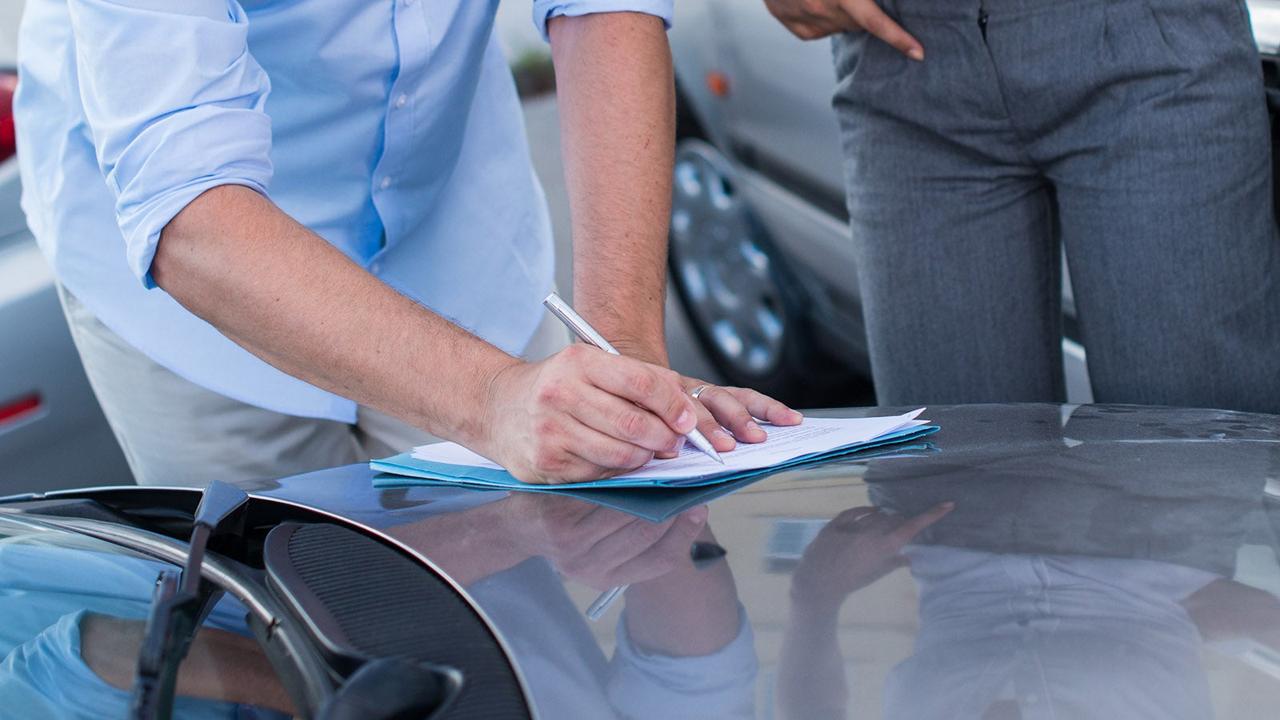
If you want to keep the car for yourself or pass it to another family member, you'll need to change its registered keeper. Follow these steps:
- Fill in the 'new keeper's details' section of the car's V5C (log book) form – this is section 2 on new-style V5C forms (issued after April 2019), and section 6 on older V5Cs
- Tear off the 'new keeper' slip – note this is the perforated section of the V5C and is not the same as the 'new keeper's details' section. Keep the new keeper slip as you'll need it later
- Write a letter to the DVLA's sensitive casework team
- Sensitive Casework Team
DVLA
Swansea
SA99 1ZZ
- Sensitive Casework Team
- Your letter should include:
- The DVLA will cancel any remaining vehicle tax – this includes cancelling any direct debits being paid to the DVLA, and sending any tax refunds out via cheque
- Use the new keeper slip to tax the car under the new owner's name – do not drive the car until you have taxed and insured it for the new owner
How to sell a deceased person's car

The process of selling a deceased person's car is similar to keeping it, except the new owner will registered as the person or business you're selling the car to. Follow these steps:
- If selling to a private individual – fill out the new keeper's details section of the V5C with their information
- Tear off the new keeper slip – this is not the same as the new keeper's details section. Give the slip to the person buying the car so they can get road tax in their own name
- Send the V5C plus a letter to the DVLA's sensitive casework team
- Sensitive Casework Team
DVLA
Swansea
SA99 1ZZ
- Sensitive Casework Team
- Your letter should include:
- The rest of the V5C with the new keeper's details filled out, minus the torn-off new keeper slip
- Your relationship to the deceased person
- The date they died
- Who should receive any VED tax refund
- If selling to a motor trader or dealer – they'll need to fill out the 'sell, transfer or part-exchange your vehicle to the motor trade' section of the V5C
- After this, you tear off the perforated section of the V5C and include that along with your letter to the DVLA
- Give the rest of the V5C to the dealer or trader you're selling the car to
What documents do I need to sell a deceased person's car?
To sell a deceased person's car, you will need:
- The car's V5C – you can apply for a new one if you can't find the original
- Details of the deceased – including your relationship to them plus their name, address, date of birth and date of death
- Death certificate – while this isn't a legal requirement for selling a deceased person's car, some car-buying services and dealerships might require a copy of the death certificate to proceed
- Legal confirmation of your relationship – spouses and children probably won't need this but, if you're managing the estate of a close friend who's passed away, you might need a solicitor's letter confirming your relationship with the person and your right to manage their estate
Can you sell a deceased person's car without the V5C?
No. You'll need a V5C to formally notify the DVLA that a vehicle's registered keeper has changed. If you have lost or can't find the car's V5C, you'll need to apply for a new one from the DVLA before you can sell the car.
You can apply for a new V5C directly from the DVLA. There's a £25 fee to use this service.
Can you sell a deceased person's car before probate?
Yes. Since cars count as 'chattel' within the estate of the person who passed away, you do not need to wait until you are granted probate to sell them or transfer ownership.
All you need is the legal right to manage their estate, and the documents detailed in this guide to complete the sale or transfer.