


























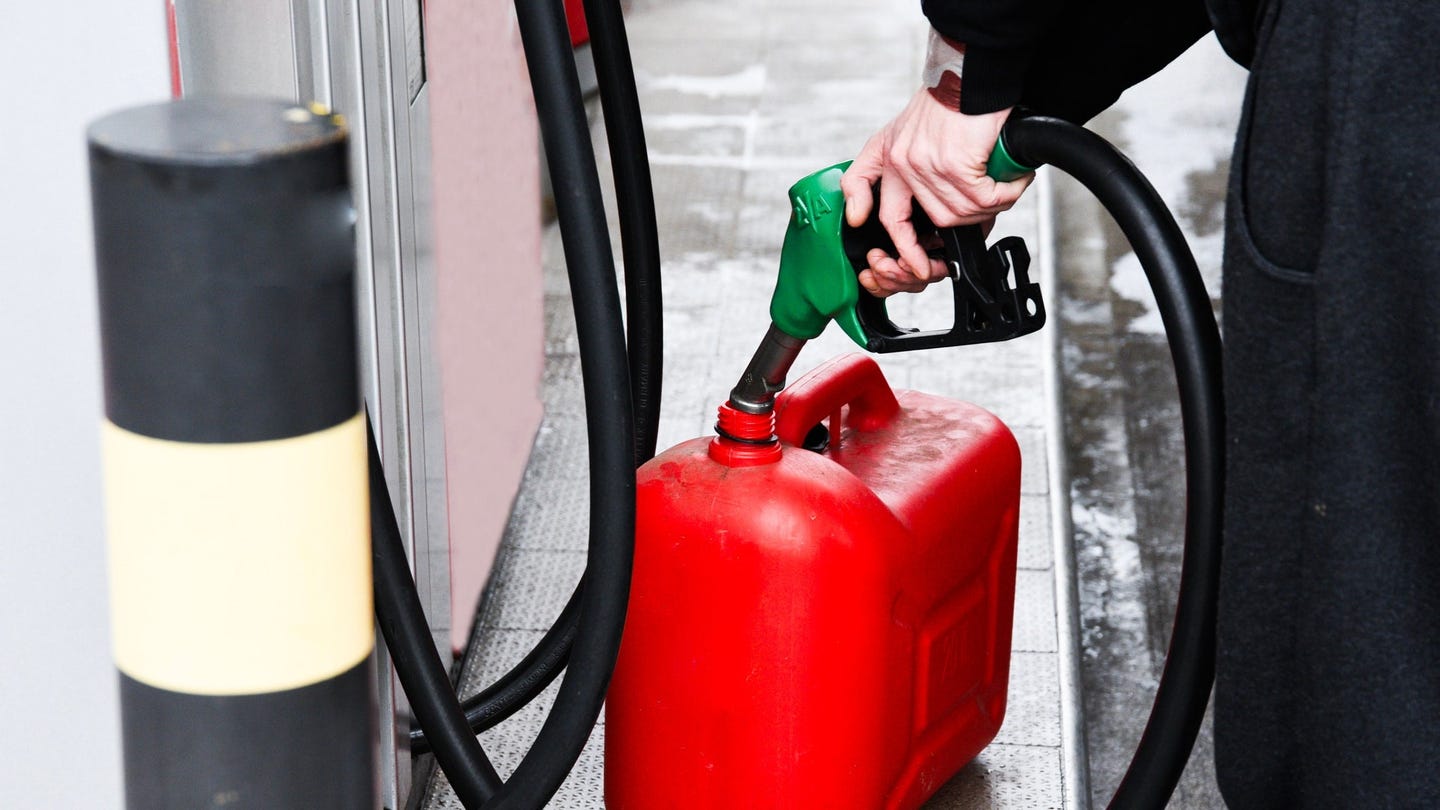

You'd get some odd looks if you walked your lawn mower to the petrol station – a jerry can or fuel container is much more convenient.
Whether you're buying some fuel for a garden implement or a generator, or prepping for some major national catastrophe, you'll be glad to hear that you can store a surprising amount of fuel at home.
Because petrol in particular is a highly flammable substance, there are a number of rules and regulations about how much you can store in your home and where. Plus you’ll want to know how long you should keep it for it to be most effective, because petrol and diesel expire after a while.
How much fuel can you legally store at home?
In line with Government and HSE regulations, you can store a maximum of 30 litres of petrol at home or a non-workplace premises. If you store any more than this you must inform your local Petroleum Enforcement Authority (PEA).
If you wish to store any more than this, you must notify your local PEA in writing. You must provide them with your name and address as either the occupier of the place where the fuel is being stored, or the address of where the fuel is being stored if it’s not your home.
There is no legal maximum for how much diesel you can keep at home.
What is the maximum amount of petrol I can store at home?
The maximum amount of fuel you can store at home is 275 litres. You must notify your local PEA if storing anything between 30-275 litres, following the guidelines listed above.
The petrol in the fuel tank in your car does not count towards these allowances. Similarly, any petrol in items such as a generator or lawn mower doesn't count, because it's considered to be in use rather than in storage.
How should fuel be stored?
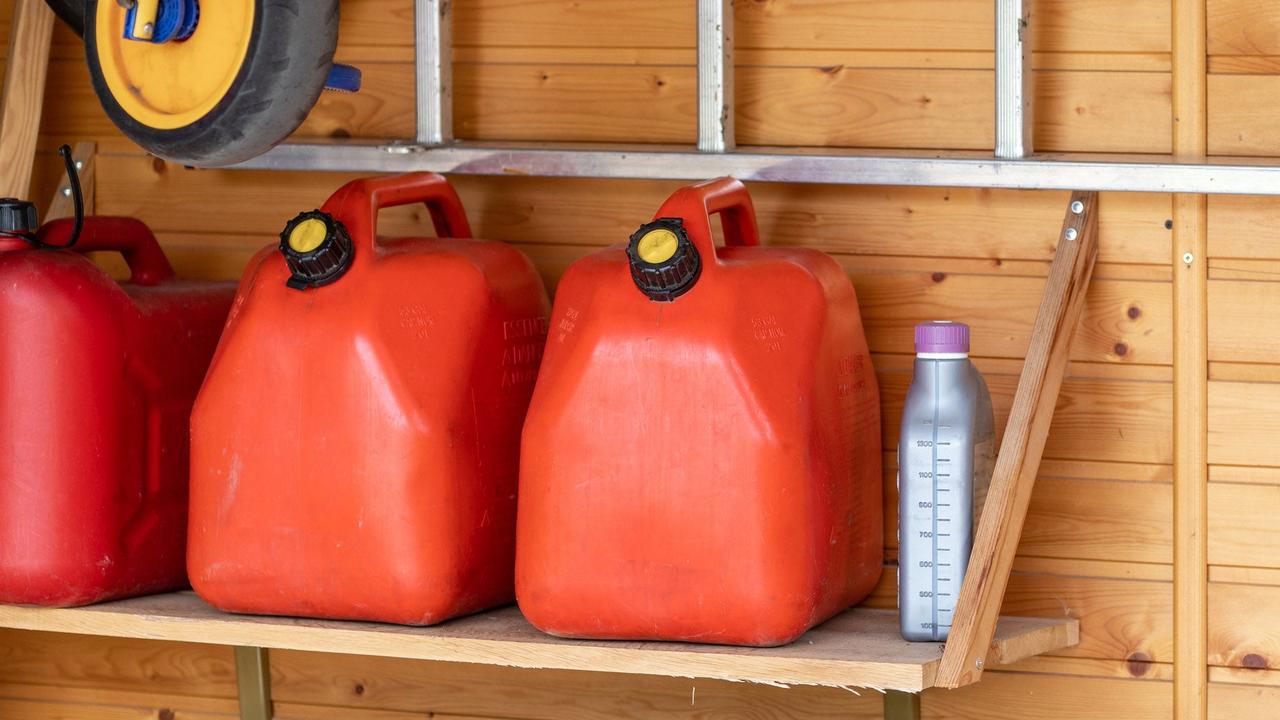
Regardless of the volume of fuel – or whether you are keeping petrol or diesel – there are guidelines for how this should be stored:
- In a suitable portable plastic or metal container
- Or in demountable fuel tanks
- A combination of the two
Where should I store jerry cans of fuel?
Petrol is a highly flammable substance, so there are additional rules for where this can be stored to keep you and your family safe.
- You must not store containers in living areas. A secure outbuilding, such as a garage or shed is safest
- It should be kept somewhere well ventilated
- Keep it away from sources of ignition
- Do not keep it outside
Diesel is not flammable like petrol, but should still be kept out of living areas and in a secure container.
Remember to keep any fuel out of reach of children.
Is it safe to store fuel in a container at home?
Storing petrol and diesel at home is certainly safe, so long as you follow the storage guidelines and regulations in place. As above, ensure fuel is stored in an outbuilding away from any potential sources of ignition – do not store it in your home, outside or anywhere that children could access.
The container should be sturdy and leakproof. We recommend using purpose-built fuel storage containers such as jerry cans.
Do petrol and diesel go off?

Once you have filled a container with fuel, there is a shelf life before the quality of the fuel starts to degrade.
- Petrol can be kept for 3-6 months depending on the temperature it is stored at (3 months at 30C, 6 months at 20C)
- Diesel keeps for 6-12 months. After this time it can start to become gummy, which can clog up the filters in your car (potentially causing issues with your engine)
If the fuel becomes contaminated, the lifespan will reduce further.
These timescales are fine for most leisure uses, such as a season of gardening, but you'll need to rotate and replenish your fuel supplies if you're convinced the apocalypse is coming.
If you want to store petrol for longer than the timescales above, you'll want to use fuel stabiliser which prolongs the lifespan of the fuel.
How to dispose of petrol and diesel
If you want to get rid of some old petrol or diesel, you must take it to a Household Waste Recycling Centre (HWRC – you might call it the tip) and inform the staff. This is because fuel is classed as hazardous waste. You may need to book in advance or fill out a specific form to declare that you are bringing fuel to dispose.
The petrol or diesel must be in a robust and sealed container – again, we'd recommend a purpose-built jerry can. However, you will not be allowed to take the container back with you – the petrol must remain in the container.
The same goes for brake fluid and antifreeze (coolant).
You must not dispose of these liquids by pouring them down the drain, onto the garden or into a bin/skip.
If you have a large quantity of fuel to dispose of, you should use a licensed professional disposal company.
Make your fuel go further
Need a fuel-efficient car? Read our lists of the cheapest cars to run and the SUVs with the best MPG.