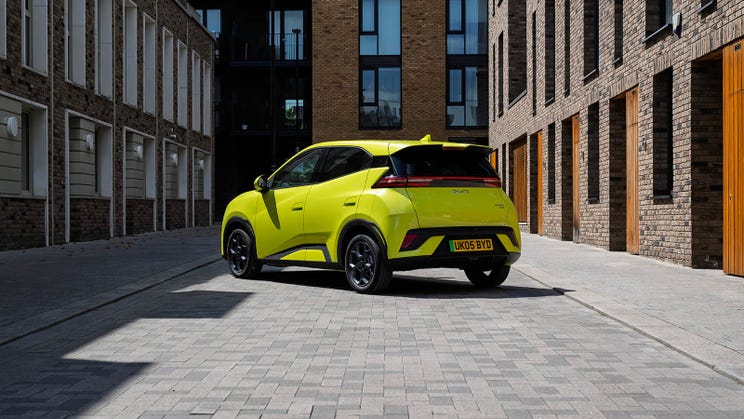

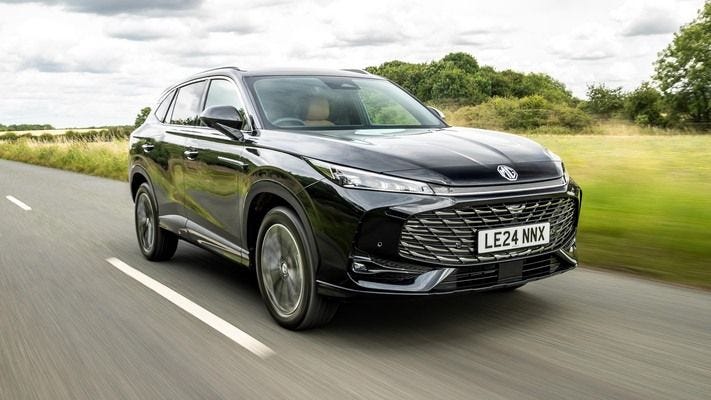





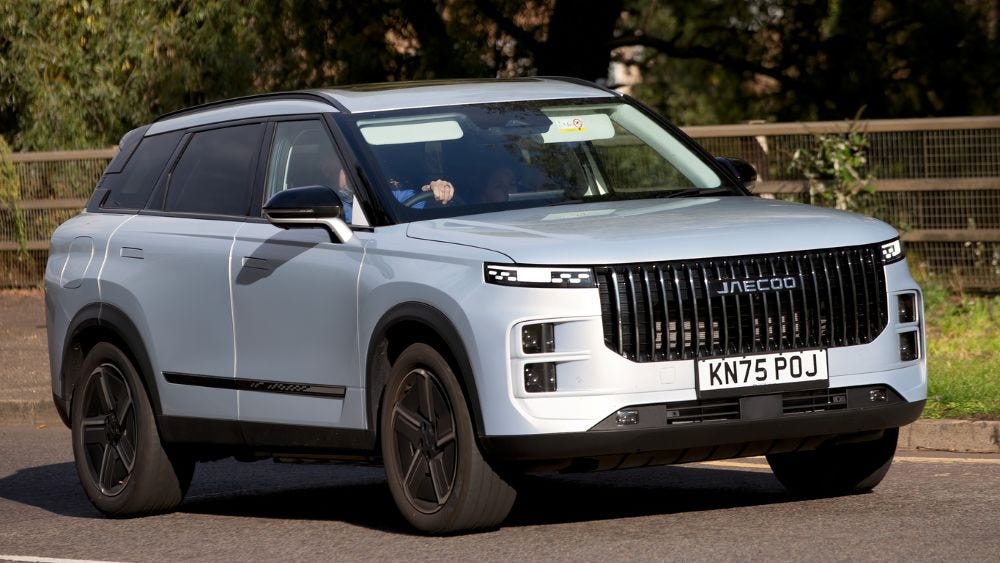

Nearly a fifth of UK motorists (18%) said they would consider buying their next car from a Chinese brand. A similar number (19%) said they're less loyal to car brands than when they last bought a car.
The appeal is obvious. Chinese manufacturers usually beat established rivals on price, value and standard equipment.
To find out how motorists view Chinese brands and how likely they are to buy from them, we surveyed 2,000 UK car owners about newer brands and the factors influencing their next car purchase.
Are motorists becoming more open to newer car brands?
The proportion of UK drivers who would buy a car from a brand that's relatively new to the UK has more than doubled since January 2026 – rising from 7% to 15%. *
This means a bigger opportunity for more recent entrants in the UK market, such as BYD and Jaecoo, as motorists become more willing to look beyond familiar manufacturers.
What matters most to motorists when choosing their next car?
When ranking the factors that influence their next car purchase, over half of motorists (52%) rated value for money as their top priority. On average, respondents ranked the factors as follows:
- Value for money
- Low running costs
- Standard equipment
- Brand reputation
- Factory warranty
- Brand loyalty
It’s noteworthy that brand loyalty ranked last. That indicates UK car owners are increasingly likely to consider unfamiliar manufacturers when choosing their next car.
Do Chinese car brands offer more features as standard?
Chinese car brands have built a reputation for offering lots of equipment for less than traditional brands, but how do they compare in practice?
To find out, we compared prominent models from five of the UK's highest-volume Chinese brands with non-Chinese equivalents across 15 key features selected for our survey.
We found that in all comparisons, the Chinese model was cheaper and included more features as standard than its established-brand equivalent: **
| Comparison | Chinese car | Brand new price | Non-Chinese car comparison
| Brand new price | Standard features included out of 15 |
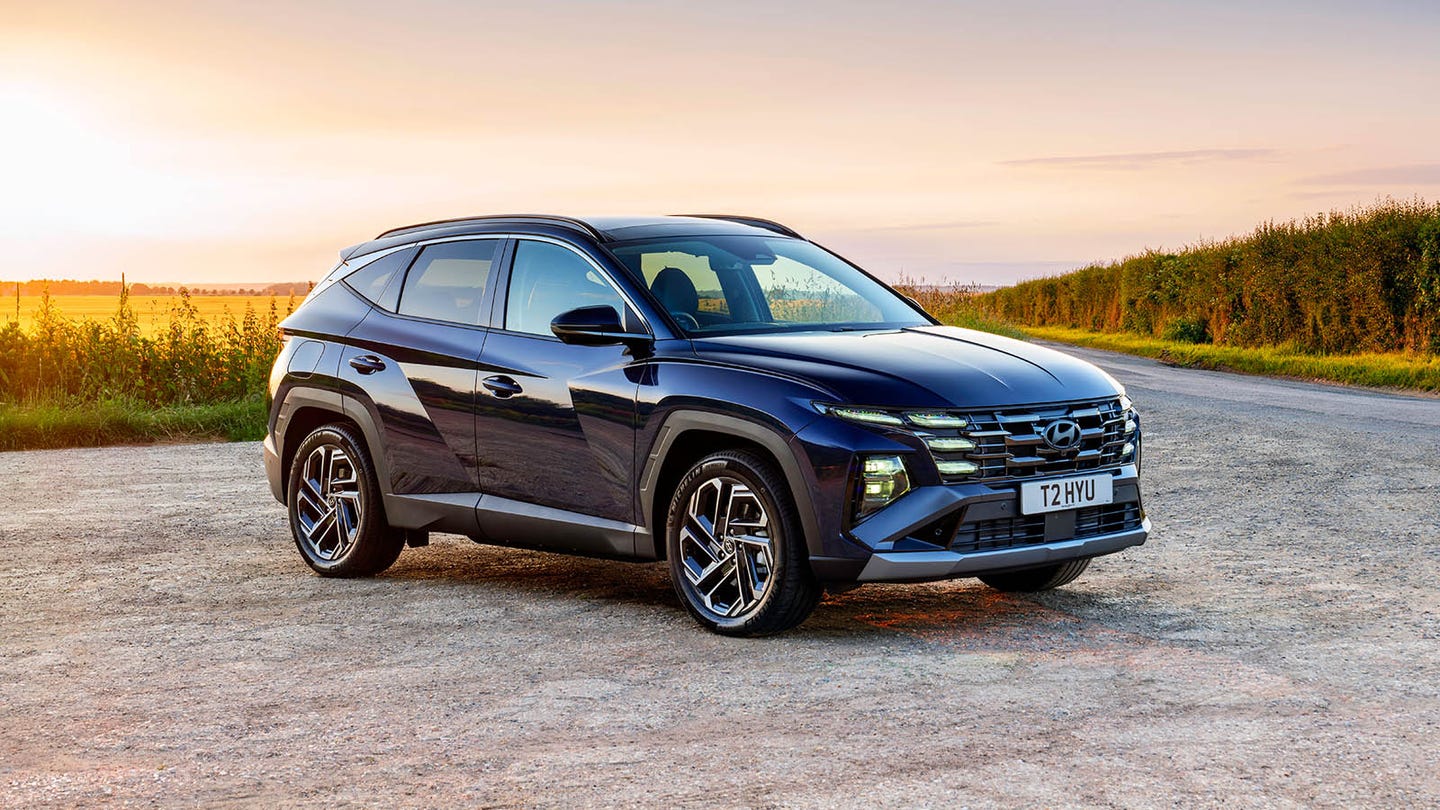
| 1 | MG HS Trophy | from £29,995 | Hyundai TUCSON Advance | from £32,000 | 12 vs 7 |
| 2 | BYD SEAL U DM-i Boost | from £34,995 | Volkswagen Tiguan Life | from £39,380 | 14 vs 10 |
| 3 | JAECOO 7 Deluxe | from £30,165 | Nissan Qashqai Acenta Premium | from £31,145 | 10 vs 6 |
| 4 | OMODA 5 Comfort | from £24,040 | Ford Puma Titanium | from £26,145 | 11 vs 5 |
| 5 | Chery TIGGO 7 Aspire | from £24,995 | Kia Sportage Pure | from £31,395 | 9 vs 8 |
Are car owners expecting to get more for their money?
Over a third (36%) of motorists said value for money is more important than when they last bought a car.
Standard equipment has a big influence on overall value. More than half of drivers said that nine of the 15 key features included in our survey should come as standard, with sat nav, Apple CarPlay and wireless phone charging topping the list:
| Feature | % saying it should already be included |
| Sat nav | 68% |
| Apple CarPlay/Android Auto | 65% |
| Wireless phone charging | 64% |
| Climate control | 63% |
| Parking sensors | 62% |
| Parking camera | 58% |
| Infotainment system | 58% |
| Adaptive cruise control | 57% |
| Heated steering wheel | 51% |
| Cooled seats | 48% |
| Park assist (automatic parking) | 45% |
| Heated seats | 43% |
| Leather upholstery | 40% |
| Semi-autonomous driving (e.g. Ford BlueCruise or Tesla Autopilot) | 38% |
| Massaging seats | 29% |
Other noteworthy observations include a slight preference among respondents for parking sensors over parking cameras (62% vs 58%). In addition, 51% of respondents thought a heated steering wheel should be standard, while 43% expected standard heated seats.
Will motorists pay for optional features?
Over a quarter of car owners (28%) said optional extras are becoming too expensive, but most still expect to pay extra for certain desirable features.
The four features motorists were most willing to pay extra for were: ***
| Feature | Average amount motorists would pay |
| Park assist (automatic parking) | £678 |
| Semi-autonomous driving (e.g. Ford BlueCruise or Tesla Autopilot) | £628 |
| Massaging seats | £623 |
| Infotainment system | £601 |
Several of the Chinese models in our comparison included these sought-after features as standard. The BYD SEAL U, for example, comes with park assist, semi-autonomous driving and an infotainment system built in. If motorists paid extra for these features, that would add £1,907 combined. Plus, the BYD’s starting price is also £4,385 lower than its non-Chinese equivalent, the Volkswagen Tiguan Life.
Who is most open to buying a Chinese car?
Interestingly, motorists aged 55-64 were most likely to say they'd consider buying their next car from a Chinese brand (23%), with drivers aged 17-24 the least likely (10%).
EV owners were the most likely to say they'd choose a Chinese car next time they buy, with over a quarter (27%) saying so, compared with 18% of motorists overall.
By location, the cities where drivers are most likely to consider buying their next car from a Chinese brand are:
- Chester - 43%
- Stirling - 40%
- Newport - 39%
- Lincoln - 33%
- Swansea - 32%
Are motorists choosing new or used cars?
Our data found that a third of car owners (33%) said they would rather buy a higher-specification used car than a lower-specification new one.
Meanwhile, 40% said higher car prices have made them more likely to consider nearly new or used vehicles.
Motorists are increasingly less loyal to familiar brands as they chase better value for money. With Chinese brands offering impressive technology and affordability, the temptation for drivers to look beyond non-Chinese brands will probably continue to grow.
Browse used and nearly new Chinese cars.
Methodology
Consumer research
Survey by SurveyGoo on behalf of Motorpoint, asking 2,017 UK motorists about the factors influencing their next car purchase and willingness to consider newer and Chinese car brands. Data collected in November 2026. All statistics and findings have been rounded to the nearest whole number. All data is available.
Car comparison data
We identified five of the highest-volume Chinese car brands in the UK using 2026 registration data and selected a prominent model from each. Each was matched with an established rival in the same segment, selecting comparable mainstream trims within the same vehicle segment. We then compared 15 comfort, technology and driver-assistance features fitted as standard, awarding one point per feature. Specification information was sourced via the manufacturer's website or brochure. Comparisons are correct as of November 2026. Full methodology is available upon request.
Sources:
* Survey comparison with Motorpoint's January 2026 EV brands survey, conducted by The Leadership Factor on behalf of Motorpoint with a sample of 2,000 UK car owners. In that research, 7% said they would consider buying from a relatively new brand, compared with 15% in the November 2026 SurveyGoo research.
** Comparison using the car comparison data based on the availability of 15 technology, comfort and driver-assistance features as standard equipment on UK models. The 15 criteria used were taken from the 15 features used in the November 2026 survey.
*** Average willingness to pay was calculated using only the % of respondents willing to pay extra. We used the midpoint of each price band and £2,250 for those willing to pay more than £2,000, then calculated a weighted average based on the responses.
https://www.smmt.co.uk/vehicle-data/car-registrations/?catid=550&sid=1
https://www.am-online.com/news/chinese-car-brands-gain-uk-market-share-as-jaecoo-and-byd-grow
https://www.fleetnews.co.uk/news/chinese-brands-take-15-of-the-new-car-market