














Only half of UK drivers get regular eye tests. And a surprising number admit they can’t read a number plate from 20 metres away – the legal threshold for motorists.
With the Department for Transport considering mandatory in-person testing for older drivers, we asked UK motorists how they feel about the current legal eyesight standards. We also wanted to know their attitudes towards regular testing and whether the Government's suggested changes go far enough.
We asked 2,000 UK car owners their views, and this is what we found:
What are the legal eyesight requirements for driving?
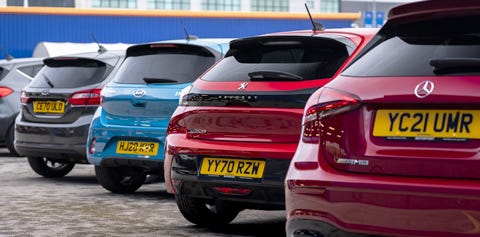
As the Government’s website explains, drivers must be able to read a number plate from 20 metres away (about the length of 5 parked cars). They can wear whatever glasses or contact lenses they need to meet the standard for driving vision.
This is the equivalent of being able to read the 6/12 line on an eye chart (with glasses or contact lenses if needed). Motorists also need to have a good enough field of vision to see what is happening around them – this can be tested alongside a regular eye test at the opticians.
Earlier this year, stricter regulations were proposed to ensure motorists, particularly those over 70, stay on top of their eye tests to help keep roads safe. If the proposed changes were made, they could include:
- Mandatory and more regular eyesight tests for drivers aged 70+
- Eliminating self-declaration of eyesight standards for drivers aged 70+
- Direct reporting systems for doctors and opticians to the DVLA
However, many motorists are unaware of the vision threshold altogether. We found that almost a sixth of drivers (13%) don’t know the minimum eyesight standard to be able to legally drive, suggesting over four million motorists are unaware of whether their eyesight meets legal driving standards.*
Are motorists currently meeting the DVLA’s driving eyesight requirements?
Despite half of car owners saying drivers should get their eyes tested regularly, our research found that almost the same proportion admitted they wouldn’t be able to read a number plate from 20 metres away.
Since this is the legal requirement to drive on UK roads, many motorists are falling below the eyesight requirements needed to drive safely.
The issue appears to be widespread, with drivers across the UK reporting that they might struggle if asked to read a number plate from this far ahead.
The cities that had the most drivers say they would struggle with this, are:
| City | The % of drivers who said they would struggle to read a number plate 20 metres away | |
| 1 | Edinburgh | 75% |
| 2 | Nottingham | 65% |
| 3 | Lisburn | 64% |
| = | Portsmouth | 64% |
| 4 | Carlisle | 63% |
Over half of car owners we surveyed weren’t aware that reporting vision changes to the DVLA was a legal requirement, meaning millions of motorists could be driving with eyesight below the legal standard.
When it came to notifying the DVLA about any notable vision changes, less than half of car owners (44%) knew what steps they should take.
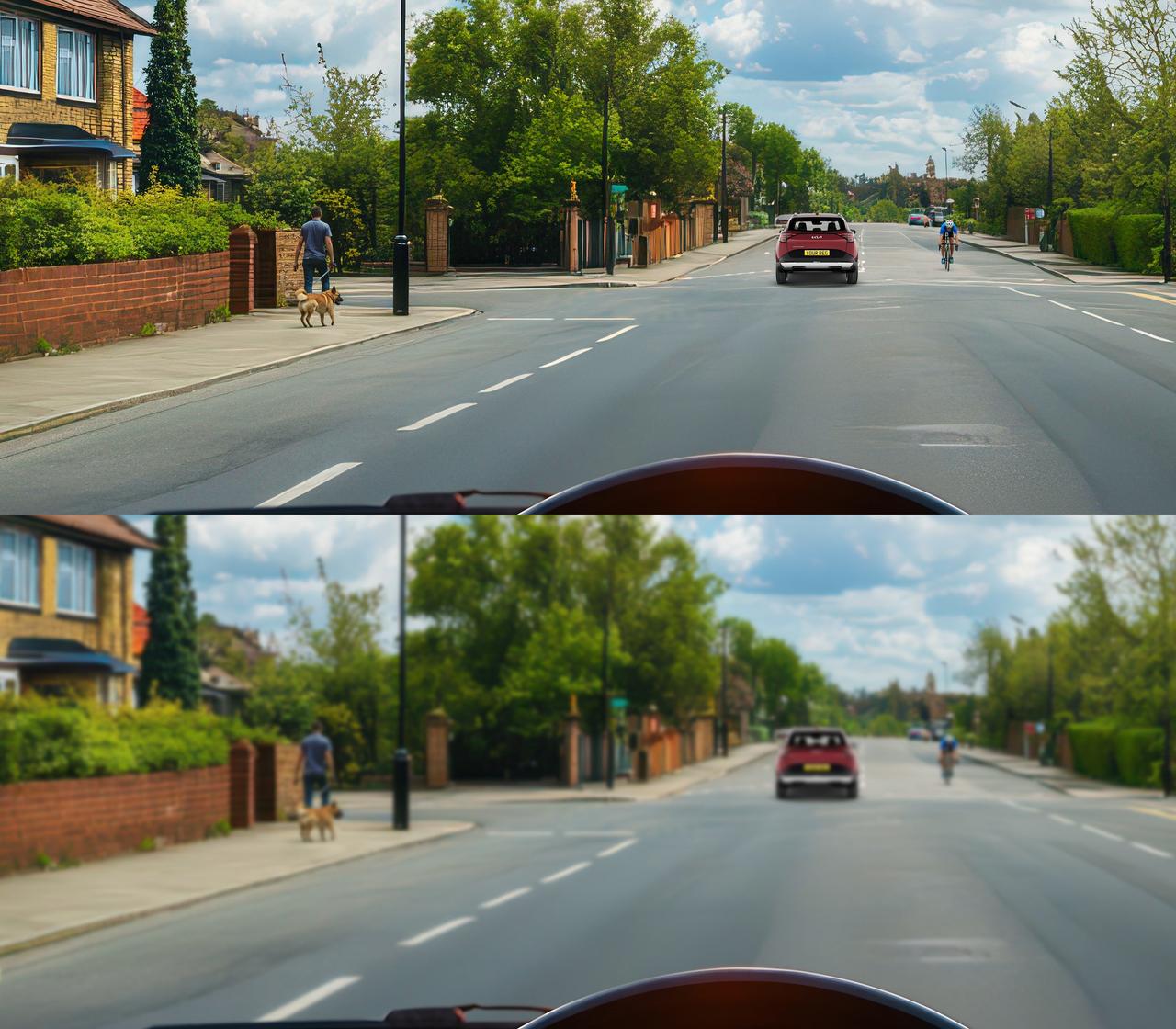
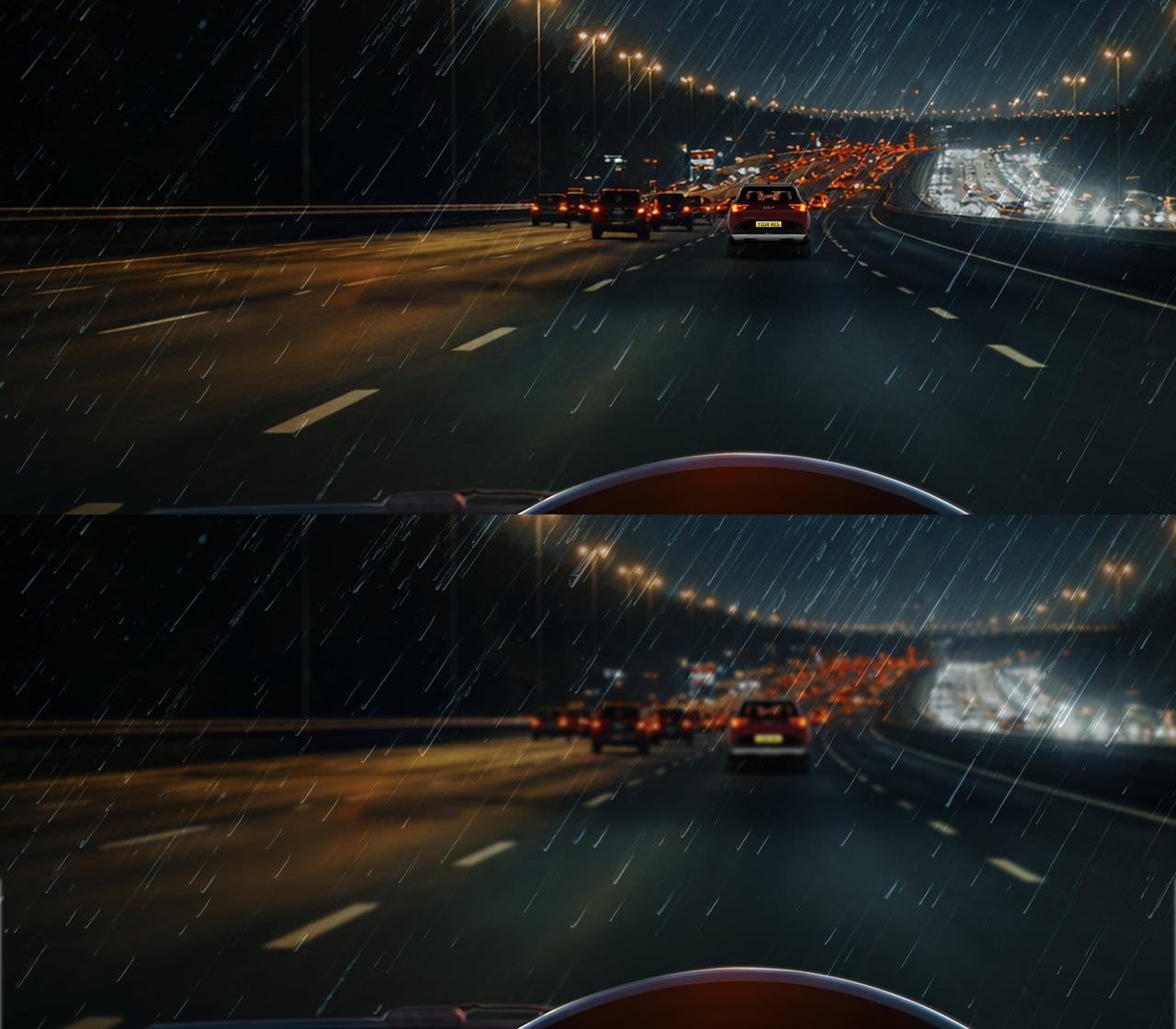
Does your vision on the road resemble the top or bottom image?
Daniel Hardiman McCartney, clinical advisor at The College of Optometrists, said, “The solution is in plain sight: requiring evidence of a valid eye test at every licence renewal would ensure drivers meet the vision standards for driving and help improve road safety for all.
“Optometrists don’t just check visual acuity at an eye test; they also detect eye conditions such as glaucoma and macular disease, which can impair vision and increase the risk of a serious collision without drivers being aware they’ve developed the condition. Going for regular eye tests is a practical step that will ensure issues are picked up and treated earlier, helping to preserve sight and save lives.”
Can you get fined for not meeting legal eyesight standards?
Yes. If drivers are found to be driving dangerously due to poor eyesight, or don’t report changes to their eyesight to the DVLA, motorists could receive up to three points on their licence and be fined up to £1,000.
The punishment can be more severe. If a motorist fails a roadside eyesight test, the police can immediately revoke their licence.
Despite the number plate eyesight test being first introduced in 1937, less than two-fifths of drivers (38%) know they can be fined or have points added to their licence if their eyesight falls short of the legal requirement to drive.
How many drivers need glasses to drive?
Our survey flagged up 42% as the number of motorists who say they need glasses to drive.
According to our research, over two million glasses-wearing motorists could be putting road users in danger, as just under a sixth of glasses-needing drivers admitted to regularly driving without wearing their contact lenses or glasses, despite needing them to drive. **
This could be prevented. Our data found that two-fifths of glasses-wearing drivers admitted they don’t keep a spare pair in their car.
These numbers highlight the additional risk that road users are causing that is easily avoidable. If more motorists remember to wear their glasses or contact lenses every time they drive, and keep a spare pair in the glovebox, dangerous driving could be reduced significantly.
How often do motorists think they should get their eyesight tested?
In the UK, car owners are recommended to get an eye test at least every two years or if any noticeable changes occur, according to the DVLA’s Vision Panel.
When we asked motorists how often they should be required to undergo mandatory vision tests, the results were mixed:
- 28% of drivers said testing should be every three years
- 23% said testing should be yearly
- 17% said testing should be every five years
By age, car owners aged 65+ were most in favour of testing every three years, but least likely to want yearly testing. Interestingly, younger motorists aged 17-24 were over twice as likely as drivers 65+ to say mandatory testing should be yearly.
What can car owners do to make the roads safer?
Over half of drivers (52%) agreed that poor eyesight isn’t just an issue that impacts older drivers, meaning more could be done to ensure all drivers understand their responsibilities and keep on top of getting their vision checked.
If you think your eyesight falls short of the legal requirement to drive, follow these steps before getting back on the road:
- Check if you can read a number plate about 20 metres (5 parked car length) in front (with your prescription glasses or lenses if required). If not, you may need glasses or contact lenses to drive, or your prescription may need updating.
- Book an eye test to get professional advice from your optometrist.
- If your eyesight has changed and falls below the vison standard for driving or you have been diagnosed with a specific eye condition, you must notify the DVLA.
- If your vision doesn’t meet the standard for driving following an eye examination, only begin driving again when you have been prescribed visual correction, such as glasses, or when your eyesight meets the DVLA’s standards following treatment.
Daniel Hardiman McCartney said, “Optometrists recommend that everyone should have an eye test every two years, or as advised by their optometrist.
“By going for regular eye tests, your optometrist will be able to detect, diagnose and manage eye conditions earlier, helping more motorists to meet the vision standard for driving safely and preventing avoidable sight loss.”
For more information about what to do if you notice your eyesight changes, visit the Government website: https://www.gov.uk/driving-eyesight-rules
PR contact
Rachel.humphreys@motorpoint.co.uk
Methodology
Survey by SurveyGoo on behalf of Motorpoint, asking 2,000 UK car owners about their attitudes towards driving vision standards. Data collected in May 2026. All statistics and findings have been rounded to the nearest whole number. All data available.
* Prediction based on the number of licensed cars in the UK (34,486,000) and our survey results
** Using the total licensed cars and a total of 42% of respondents who said they need glasses to drive = 14,484,120 motorists need glasses to drive


